2x72 Grinder Tips
The Importance of Aluminum Frames for Grinder Heat Dissipation
Grinding makes heat, and heat that stays in the platen and bearings shortens their life. Here is how an aluminum frame conducts it away, why the Torus platen runs cooler than steel, and what that means over a long session.
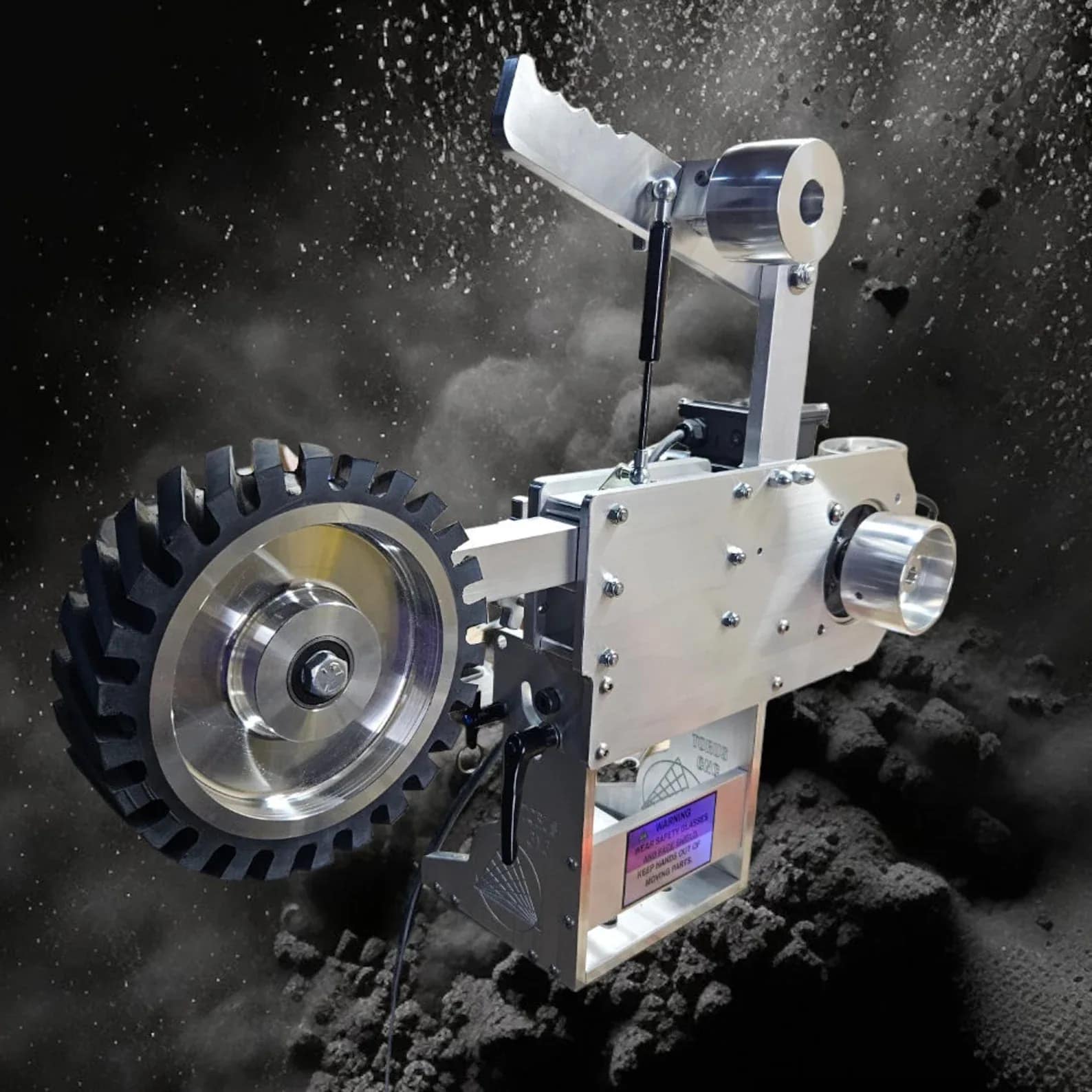
Every pass on a belt makes heat, and the heat that does not go into the blade goes into the platen, the wheels and the bearings. Aluminum conducts heat about three times better than steel, so an aluminum chassis pulls that heat out and sheds it into the shop air. Here is how the Torus aluminum frame and platen manage grinding heat, and why it matters for bearing life and stability over a long session.
Excessive heat can lead to warping of components, degradation of materials, and even failure of critical parts. Therefore, effective heat management strategies are necessary to maintain the integrity of the grinder and ensure consistent performance. Among various design elements that contribute to heat dissipation, the choice of frame material stands out as a significant factor.
Key Takeaways
- Aluminum frames play a crucial role in heat dissipation for grinders
- Aluminum frames are lightweight and have high thermal conductivity
- Aluminum frames effectively dissipate heat, preventing overheating and prolonging grinder lifespan
- Aluminum frames outperform other materials like plastic and steel in heat dissipation
- Efficient heat dissipation is essential for maintaining grinder performance and productivity in industrial settings
Understanding the Role of Aluminum Frames
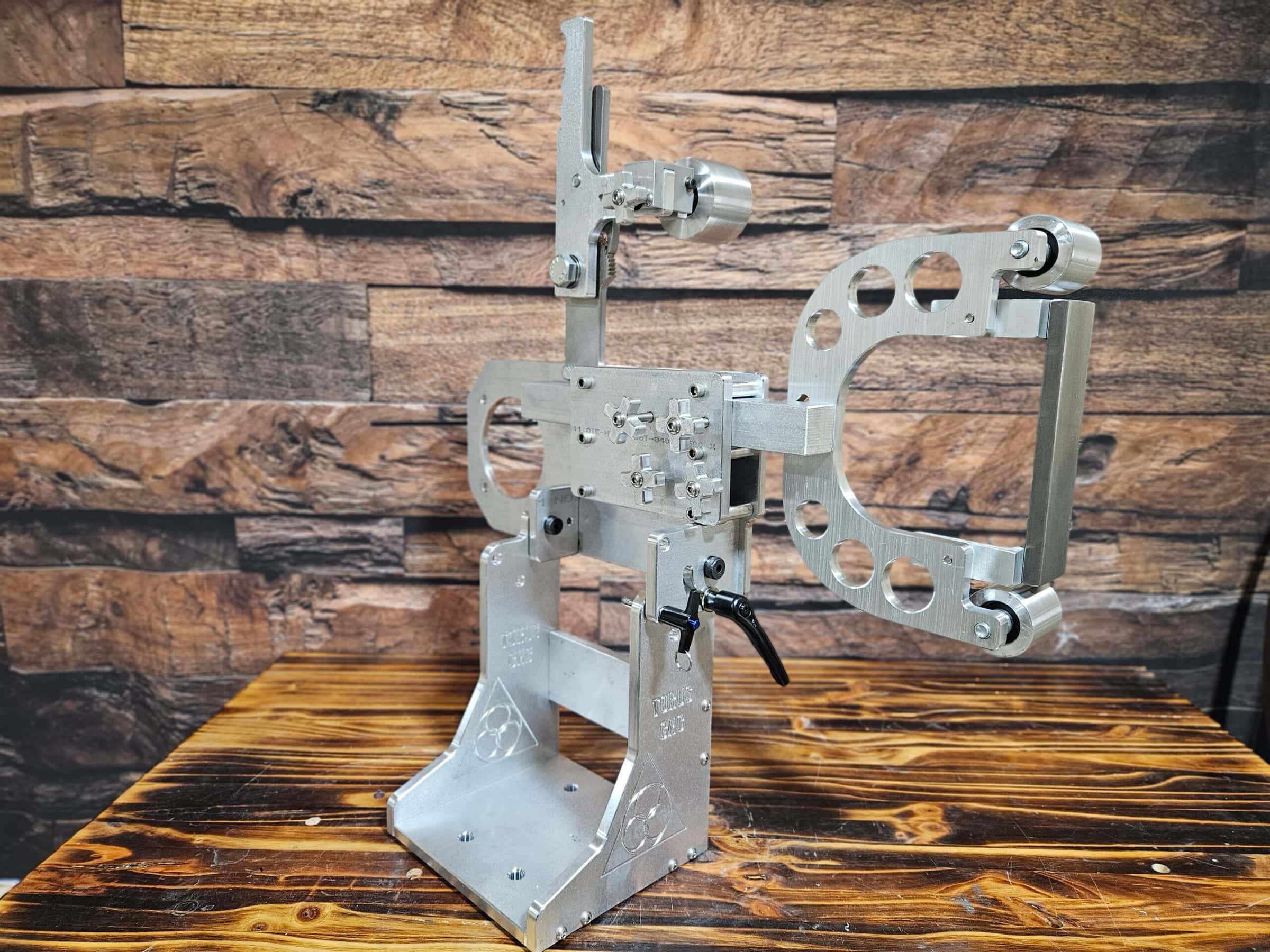
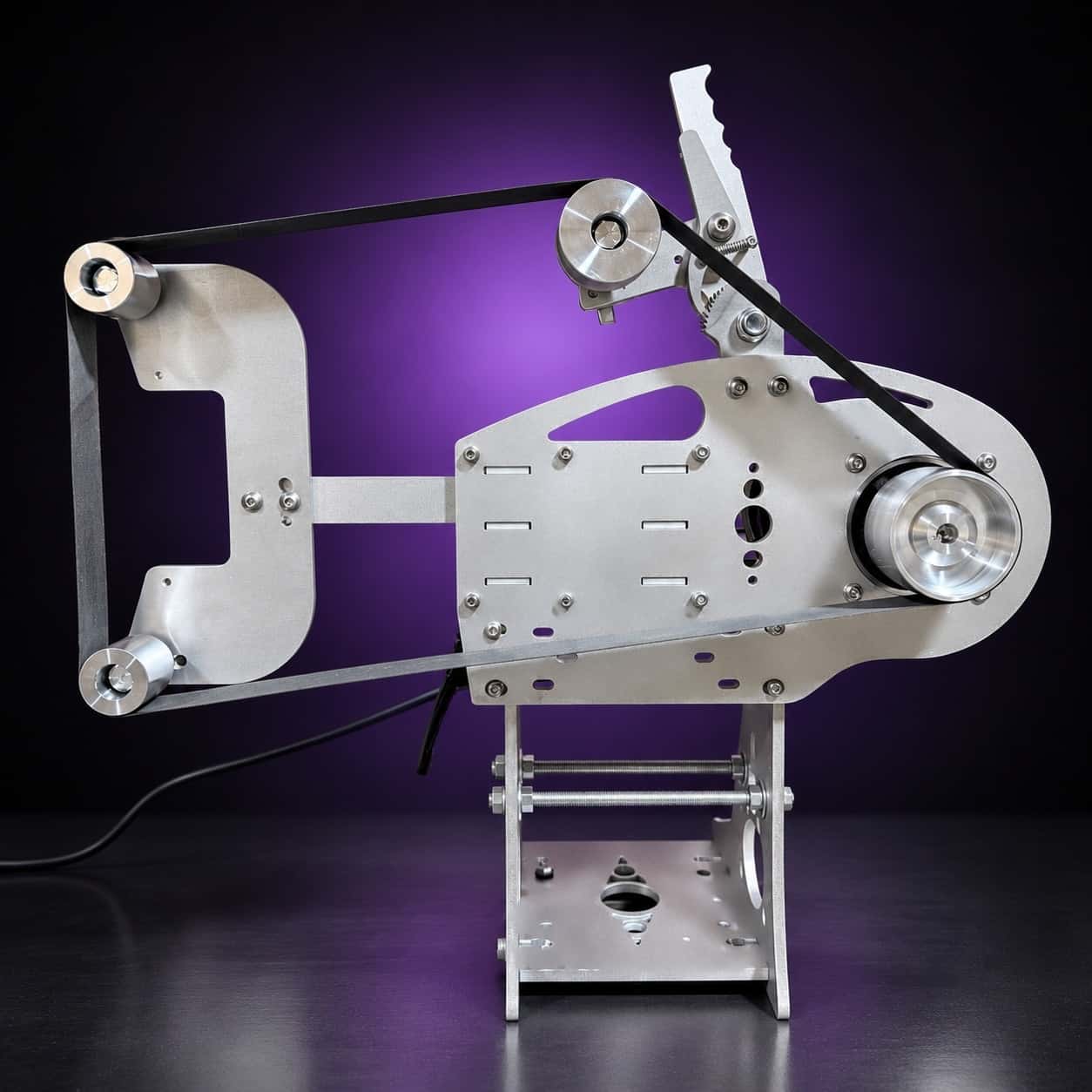
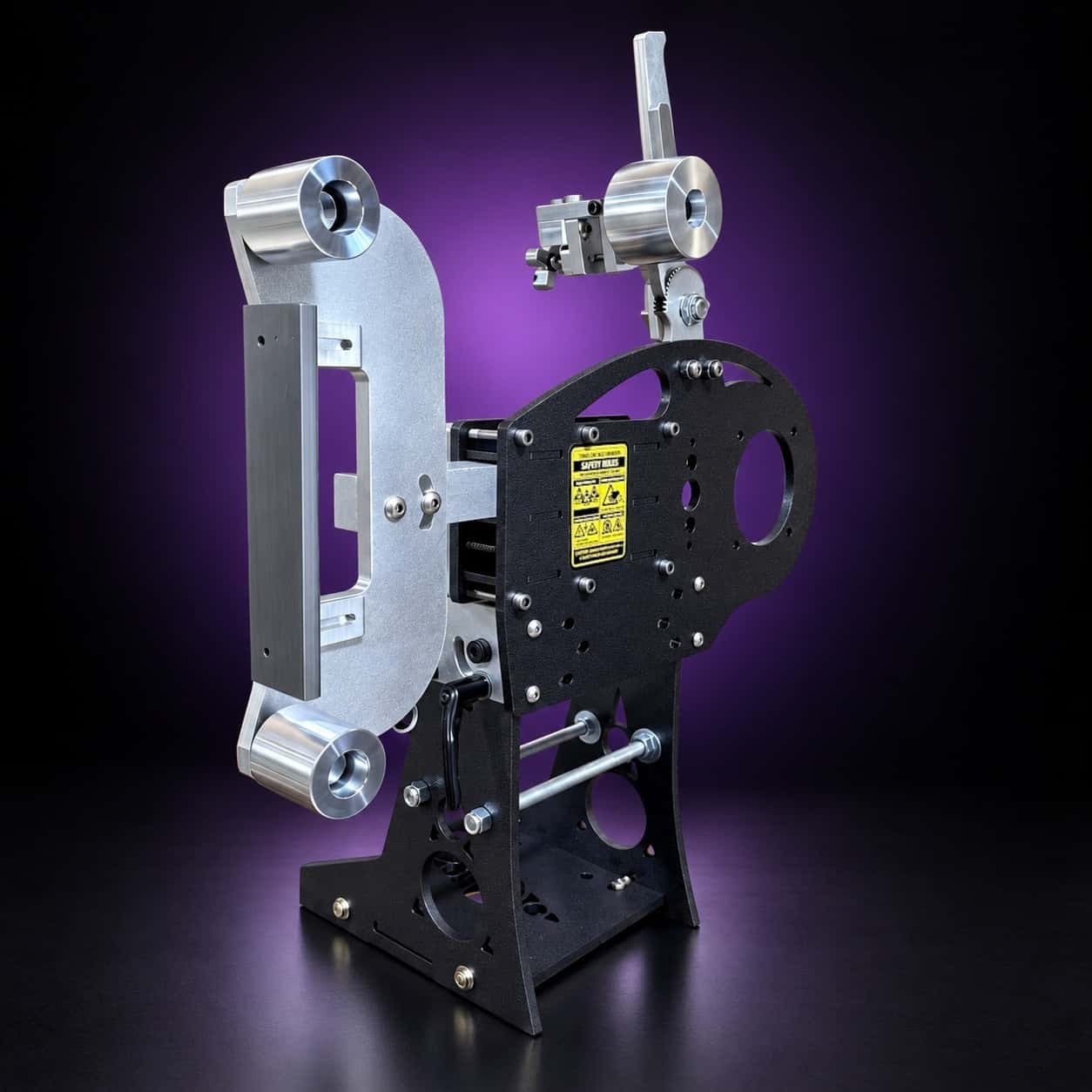
Aluminum frames have gained popularity in the design of industrial grinders, including models like the Torus CNC 2×72 Grinders. The choice of frame material is not arbitrary; it directly influences the machine’s ability to manage heat. Aluminum is known for its lightweight properties and excellent thermal conductivity, making it an ideal candidate for applications where heat dissipation is crucial.
Aluminum’s natural resistance to corrosion enhances the durability of the grinder, ensuring that it can withstand the rigors of industrial use. As such, understanding how aluminum frames contribute to heat dissipation is vital for anyone looking to invest in high-quality grinding equipment.
Advantages of Aluminum Frames for Heat Dissipation
One of the primary advantages of aluminum frames is their superior thermal conductivity compared to other materials. This property allows heat generated during grinding operations to be efficiently transferred away from critical components, reducing the risk of overheating. When a grinder operates at high speeds, friction generates heat that can accumulate quickly.
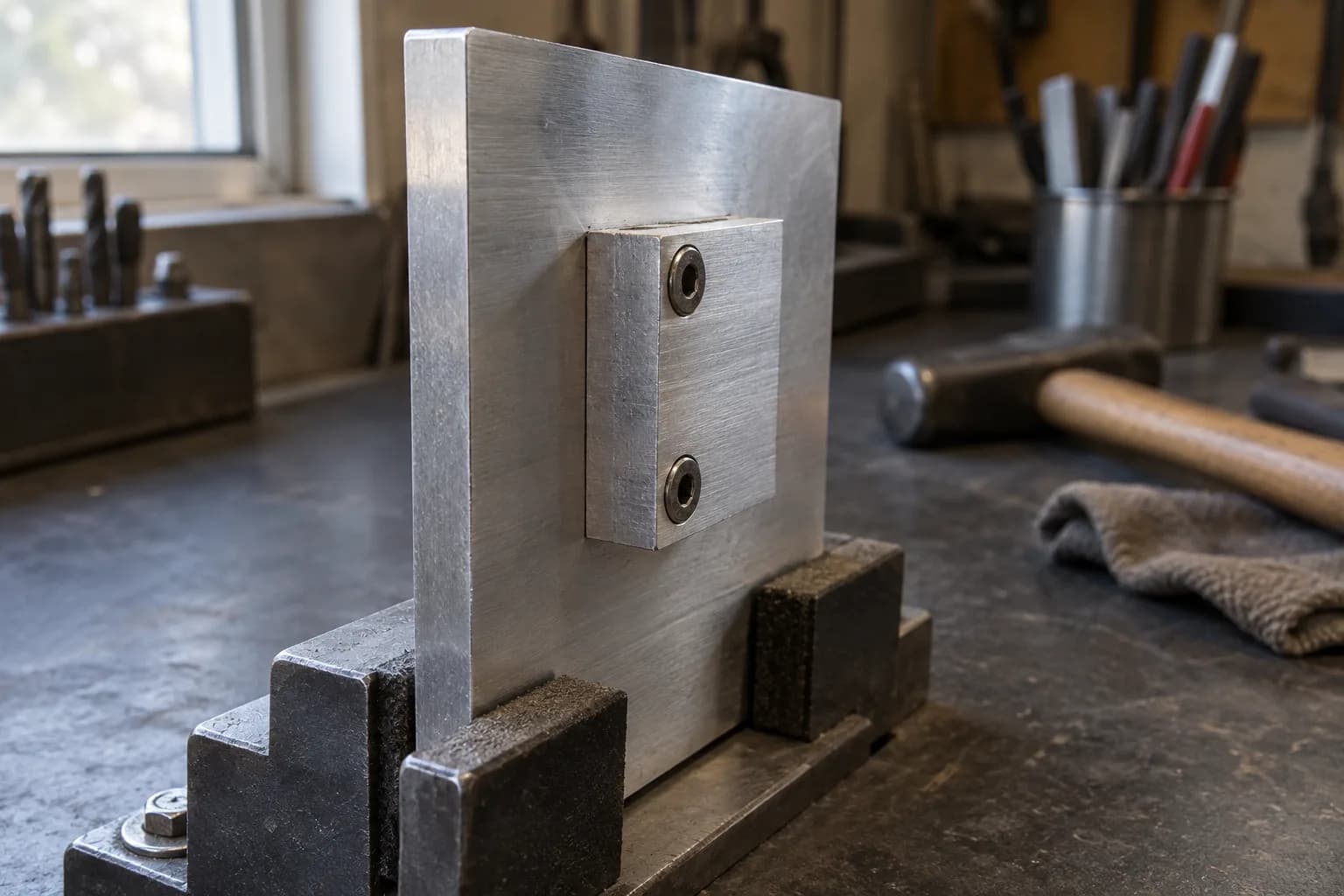
An aluminum frame helps dissipate this heat more effectively than heavier or less conductive materials, ensuring that the machine remains within safe operating temperatures. Aluminum’s lightweight nature contributes to better overall machine performance. A lighter frame reduces the overall weight of the grinder, making it easier to handle and transport.
Comparing Aluminum Frames with Other Materials
| Material | Weight | Strength | Corrosion Resistance |
|---|---|---|---|
| Aluminum | Lightweight | High | High |
| Steel | Heavy | High | Low |
| Carbon Fiber | Lightweight | High | High |
| Titanium | Lightweight | High | High |
While aluminum frames offer numerous benefits for heat dissipation, it is essential to consider how they stack up against other materials commonly used in grinder construction. Steel, for instance, is another popular choice due to its strength and durability. However, steel’s thermal conductivity is significantly lower than that of aluminum, which can lead to higher operating temperatures during prolonged use.
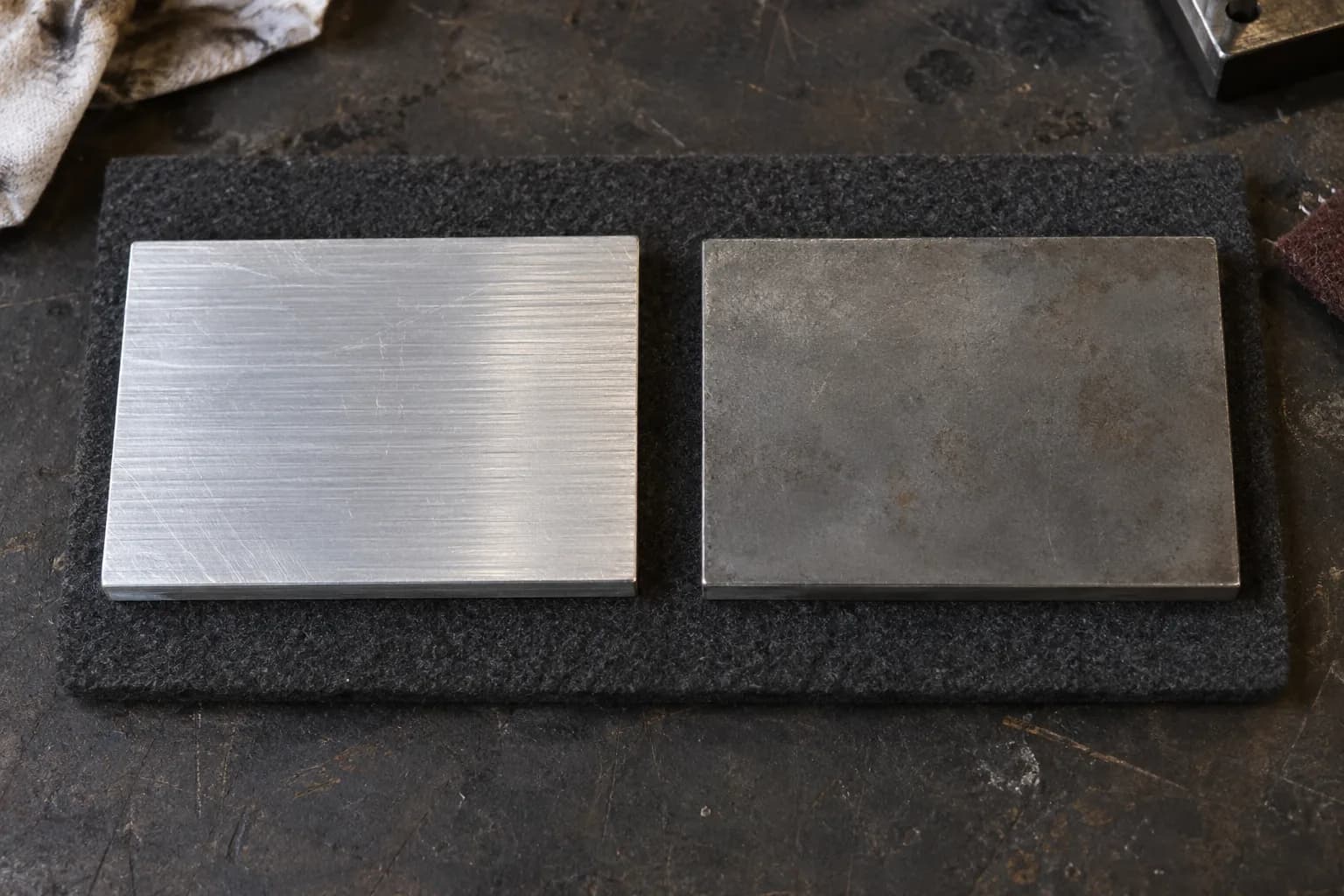
This difference can impact not only the performance of the grinder but also its longevity. Another material often considered is plastic or composite materials. While these can be lightweight and resistant to corrosion, they typically do not offer the same level of thermal conductivity as aluminum.
This limitation can result in inadequate heat dissipation, leading to overheating issues during extended grinding sessions. In contrast, aluminum frames provide a balanced approach by combining strength, lightweight properties, and excellent thermal management capabilities.
Impact of Heat Dissipation on Grinder Performance
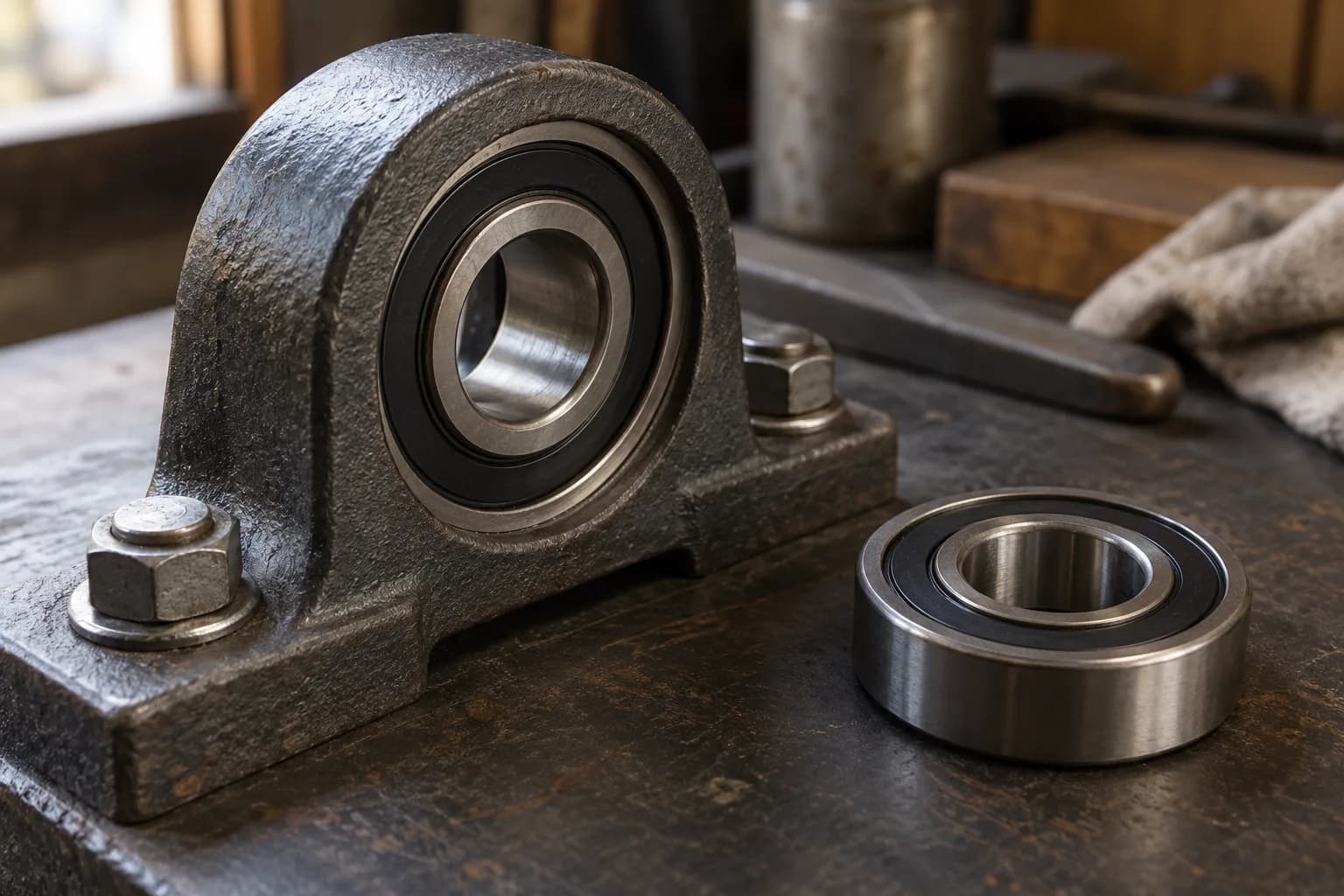
The impact of effective heat dissipation on grinder performance cannot be overstated. When a grinder operates within its optimal temperature range, it performs more efficiently and consistently. Excessive heat can lead to thermal expansion of components, which may cause misalignment or increased wear on moving parts.
This not only affects the quality of the grind but can also lead to costly repairs or replacements over time. Maintaining appropriate temperatures helps preserve the integrity of the grinding materials themselves. For instance, high temperatures can alter the properties of abrasives used in grinding belts or wheels, leading to reduced effectiveness and shorter lifespans.
Importance of Efficient Heat Dissipation in Industrial Settings
In industrial settings where grinders are used extensively, efficient heat dissipation becomes even more critical. Continuous operation can lead to significant heat buildup, which may not only affect individual machines but also impact overall workflow efficiency. In environments where multiple machines are running simultaneously, managing heat becomes a collective concern that can influence productivity across the board.
Safety is another crucial aspect tied to heat management in industrial settings. Overheated machinery poses risks not only to equipment but also to operators and surrounding personnel. By investing in grinders with aluminum frames that facilitate effective heat dissipation, companies can create safer working environments while enhancing operational efficiency.
Factors to Consider When Choosing a Grinder with Aluminum Frame
When selecting a grinder with an aluminum frame, several factors should be taken into account to ensure optimal performance and longevity. First and foremost is the specific application for which the grinder will be used. Different grinding tasks may generate varying levels of heat; thus, understanding the demands of your projects will help determine whether an aluminum frame is suitable.
Another important consideration is the overall design and construction quality of the grinder itself. While aluminum frames offer excellent thermal properties, they must be complemented by sturdy engineering and high-quality components to maximize their effectiveness. Features such as adjustable speed settings, dust collection systems, and ergonomic designs can further enhance user experience and machine performance.
It’s essential to evaluate the reputation and reliability of the manufacturer. Companies like Torus CNC are known for their commitment to quality and innovation in grinder design. Investing in a reputable brand ensures that you receive a product built with attention to detail and engineered for optimal performance.
FAQs
What is heat dissipation and why does it matter for grinders?
Heat dissipation refers to the process of transferring heat away from a component or system to prevent overheating. In the case of grinders, heat dissipation is important because excessive heat can lead to decreased performance, reduced lifespan, and potential safety hazards.
Are there any downsides to using aluminum frames for heat dissipation in grinders?
While aluminum frames are effective for heat dissipation, they may be more expensive than other materials. Aluminum frames may require more frequent cleaning and maintenance to prevent corrosion and ensure optimal heat transfer.
Are there alternative materials or methods for heat dissipation in grinders?
Other materials, such as copper or certain types of steel, also have good thermal conductivity and can be used for heat dissipation in grinders. In addition to material choice, design features such as heat sinks and cooling fans can also help to dissipate heat effectively.
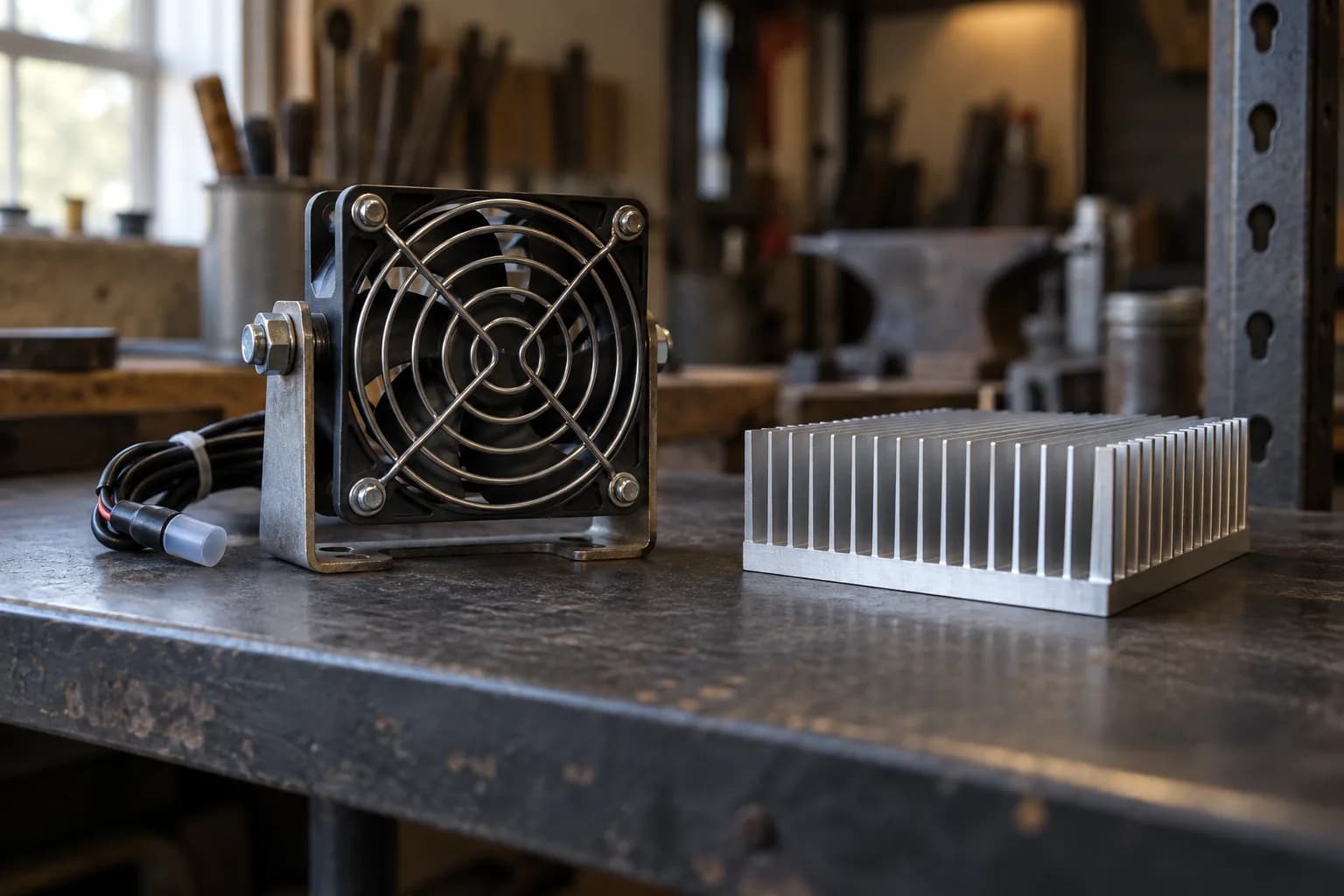
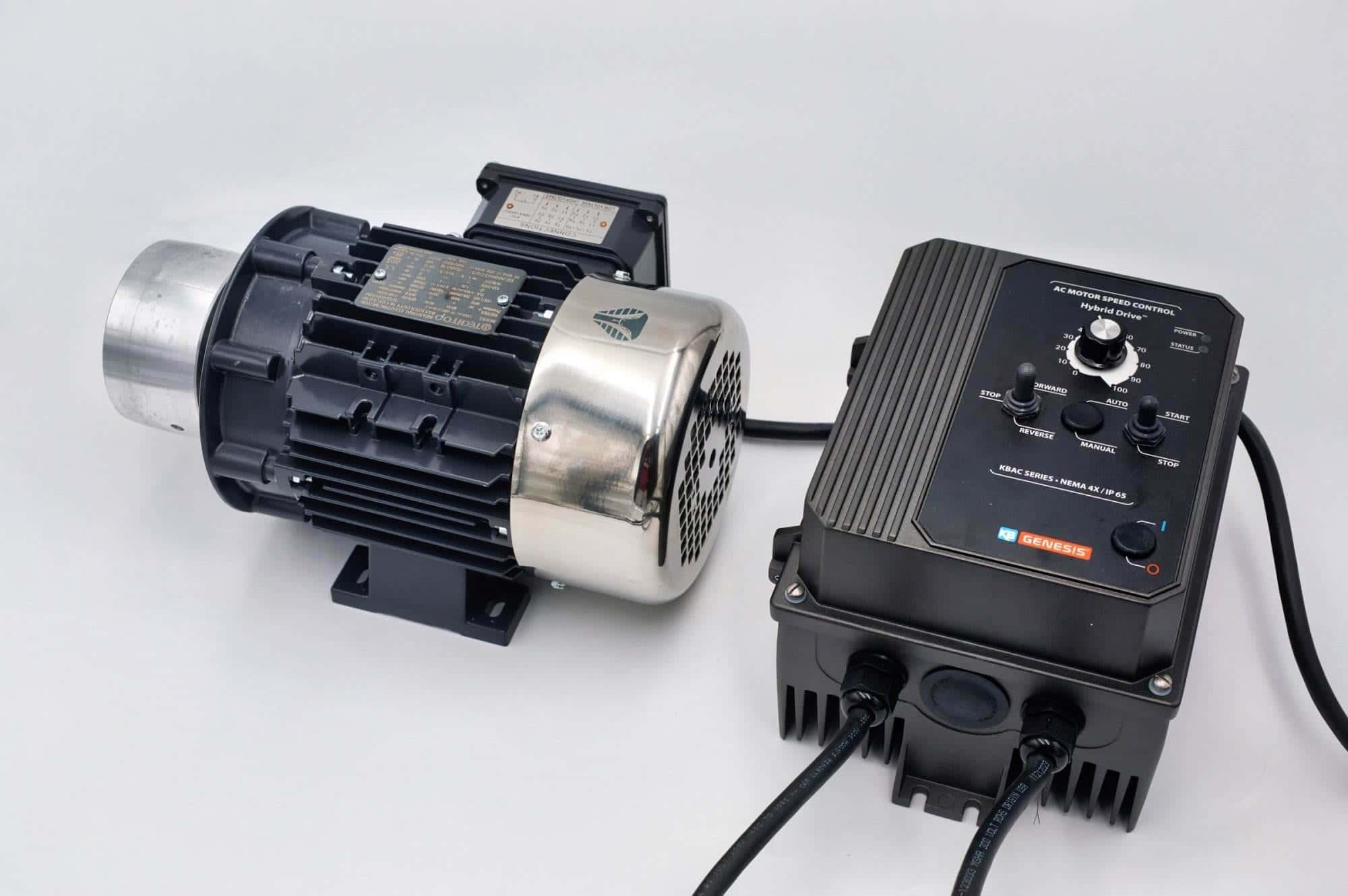
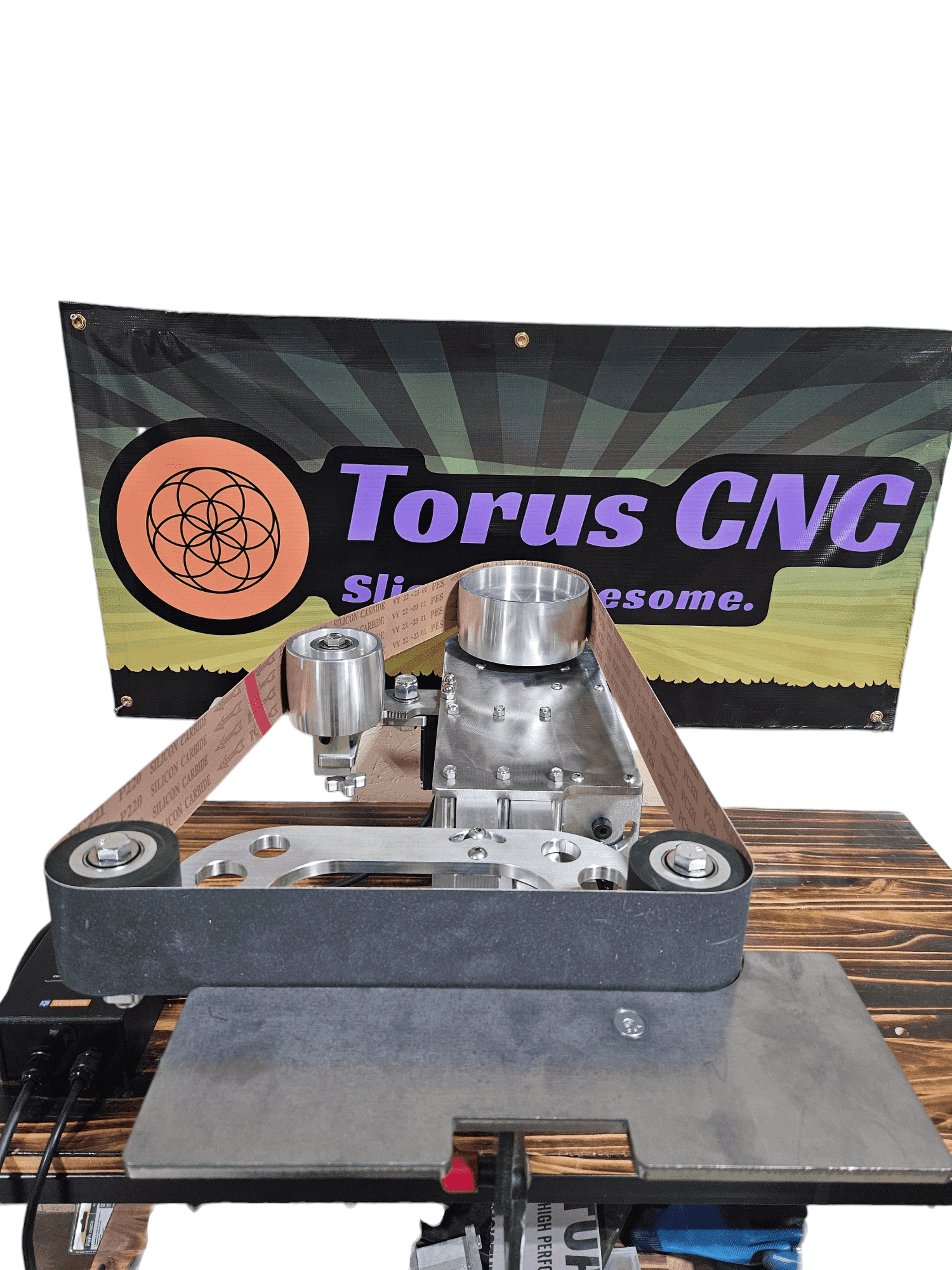
The Nova 2×72 is fiber-laser-cut 6061 aluminum and ships with a deep flat platen on a 1/2-inch aluminum D-plate that pulls heat away from the belt. Add the variable-speed motor and VFD to control heat from the other end. Built and tested in Sterling, Illinois.