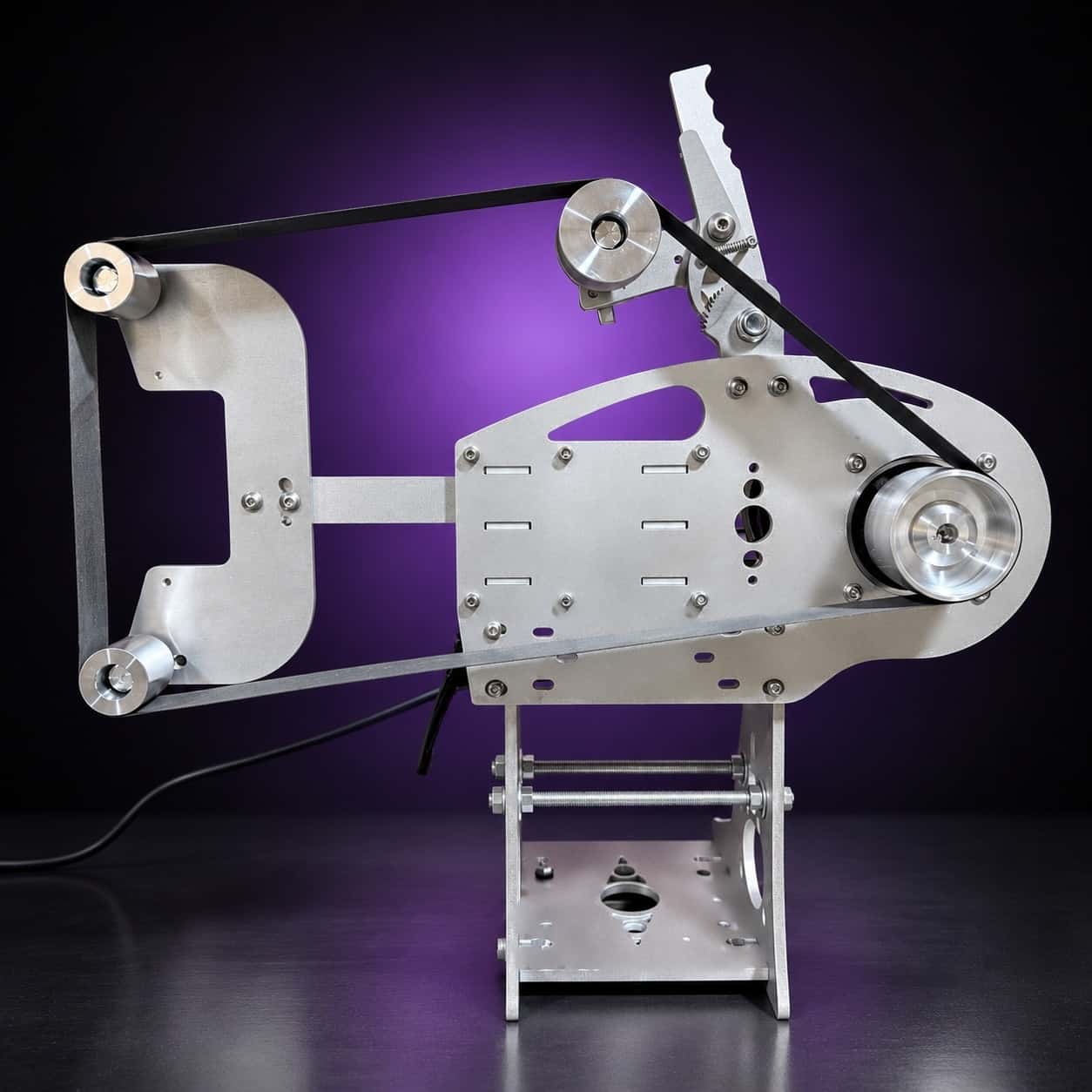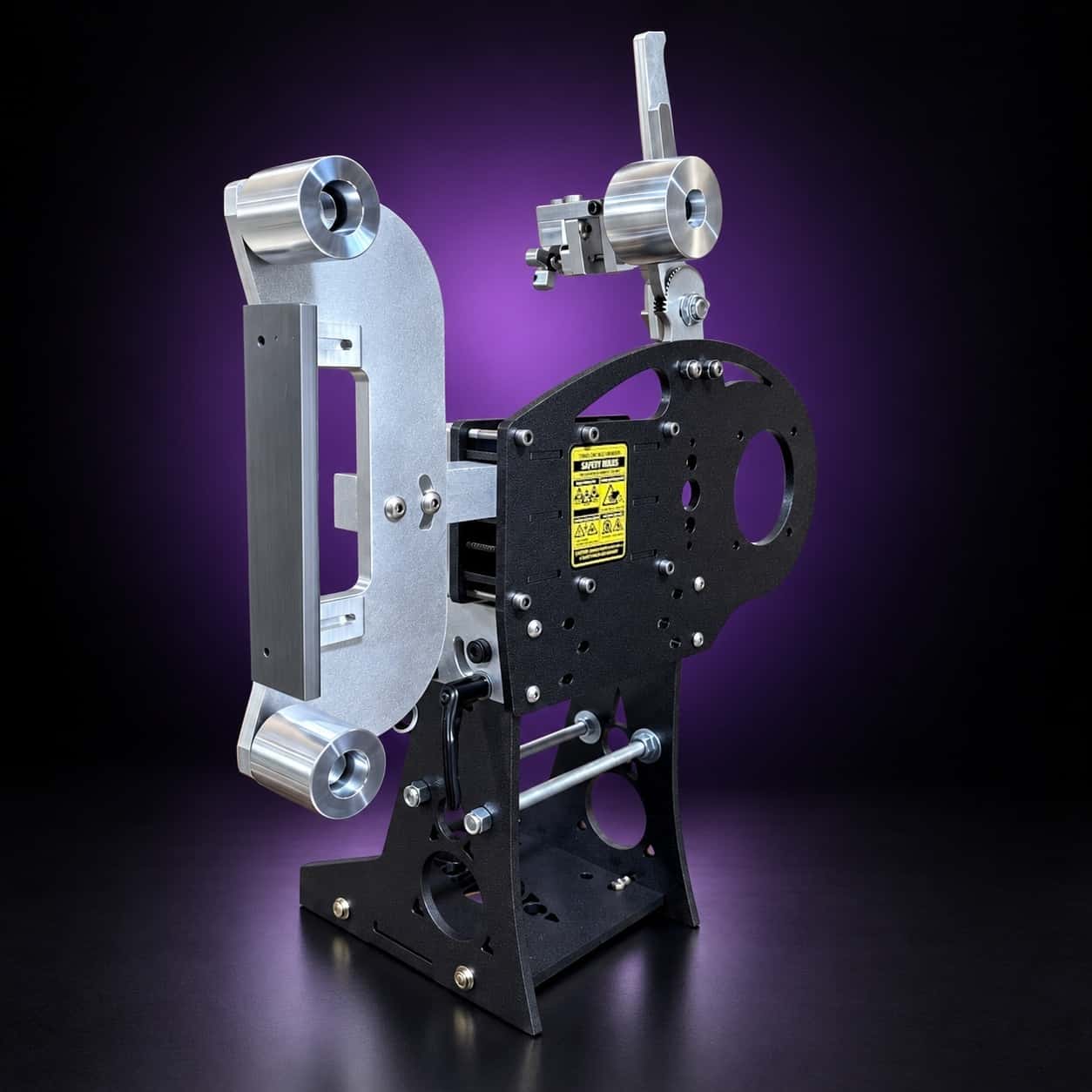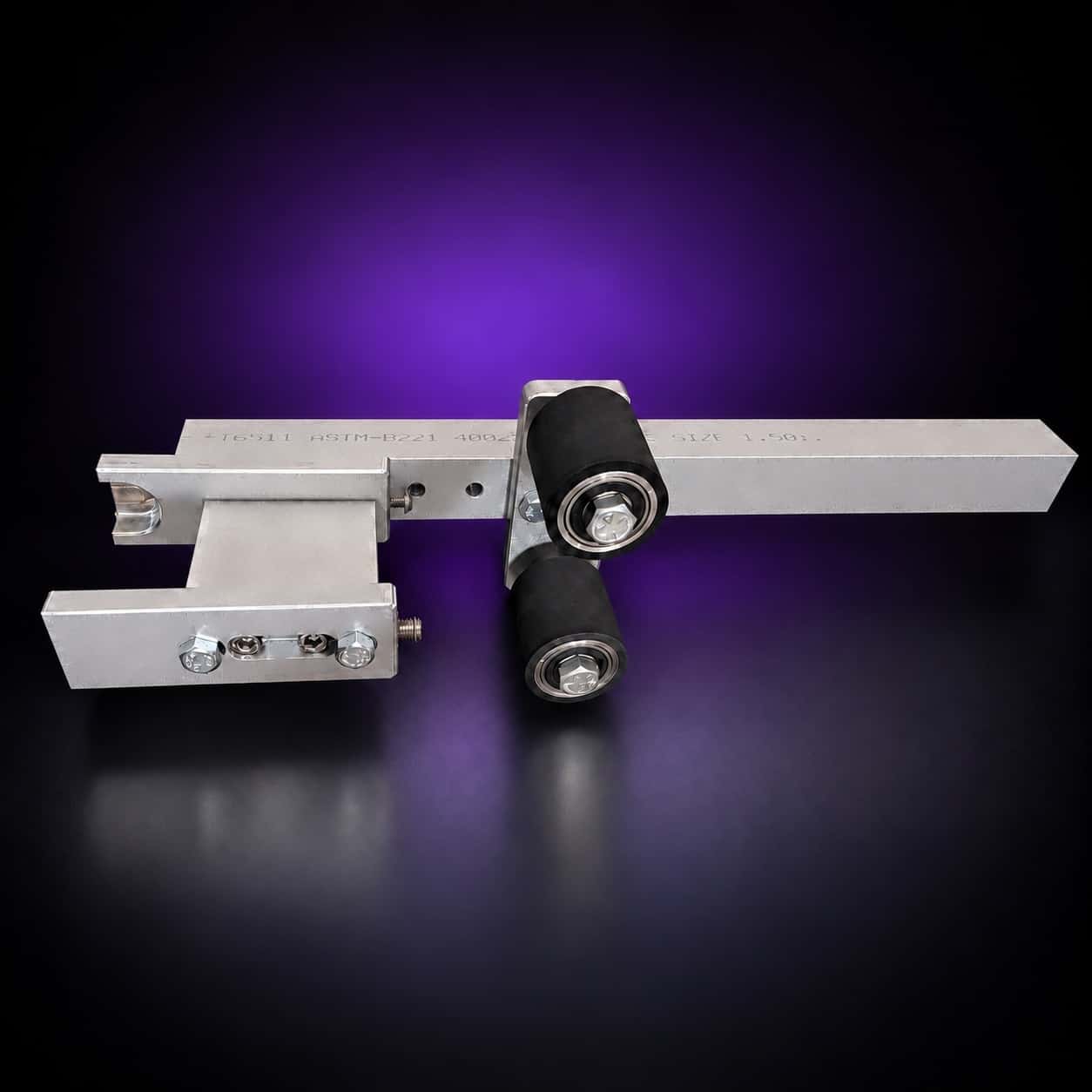
CNC Machine
Aluminum: Rust-Resistance and Longevity for Your Shop
Knife shops are humid, dusty and full of quench water. Here is why 6061 aluminum shrugs off that environment, how it forms its own protective oxide, and what it means for how long your grinder stays tight and true.
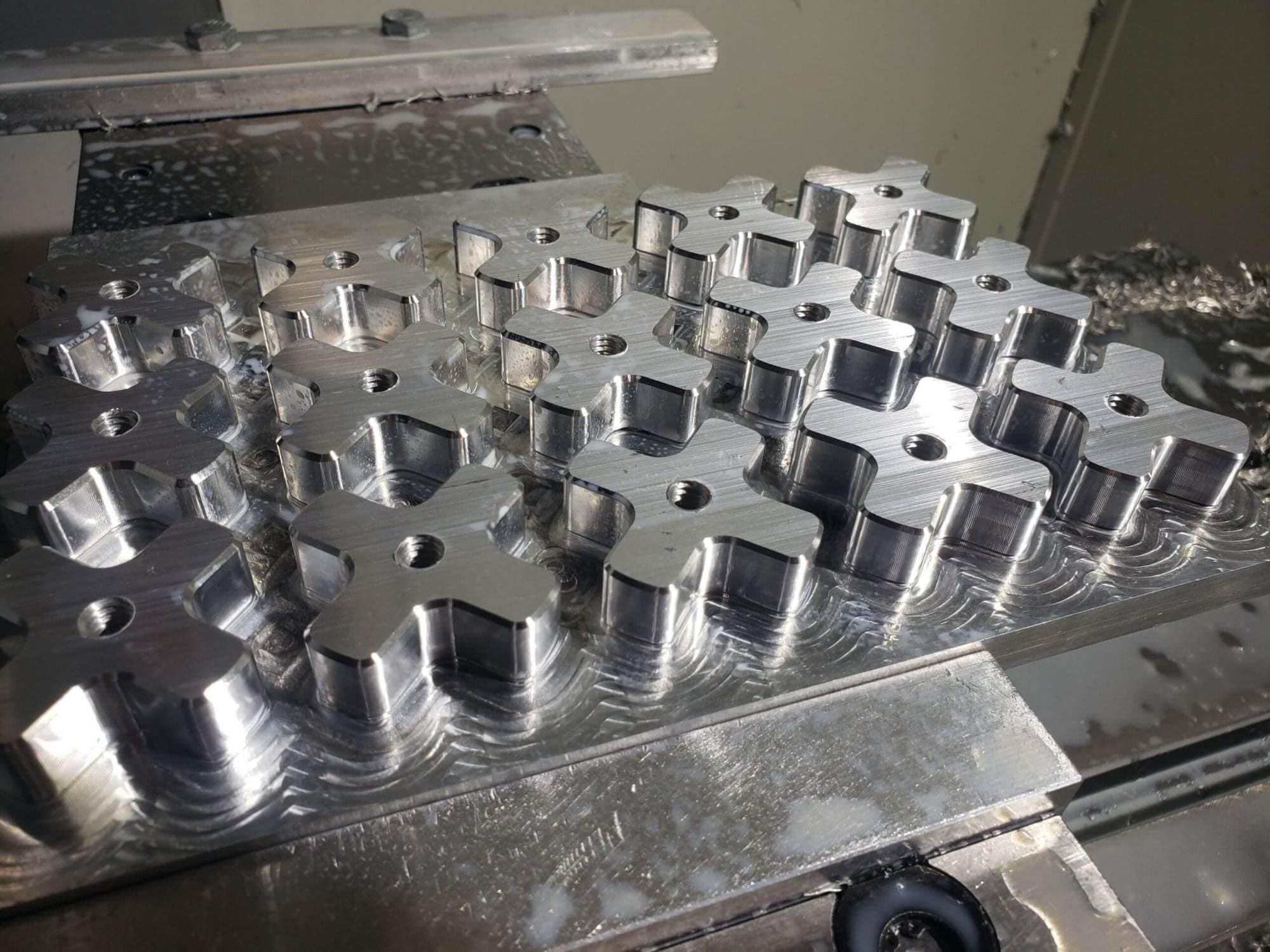
A knife shop is a hard place for steel. Quench tanks steam, coolant splashes, and a Midwest summer puts moisture on everything. Aluminum and steel handle that moisture differently: aluminum forms a thin oxide skin the moment it meets air and then stops, while bare or damaged steel coatings need attention. The useful comparison is maintenance, weight and repairability, not a promise that either material is maintenance-free.
Key Takeaways
- Aluminum is lightweight, strong, and resistant to rust, making it an ideal material for shop equipment and tools.
- Understanding the rust-resistance of aluminum is important for maintaining the quality and longevity of shop equipment.
- Aluminum is known for its longevity and durability in shop environments, making it a cost-effective choice for long-term use.
- Regular maintenance and proper care are essential for preserving the quality and performance of aluminum equipment and tools.
- When choosing aluminum products for your shop, consider factors such as strength, corrosion resistance, and cost-effectiveness.
Understanding the Rust-Resistance of Aluminum
One of the standout features of aluminum is its inherent rust-resistance, which sets it apart from many other metals. Unlike iron or steel, which are prone to rust when exposed to moisture, aluminum forms a protective oxide layer when it comes into contact with air. This oxide layer acts as a barrier, preventing further oxidation and corrosion from occurring.
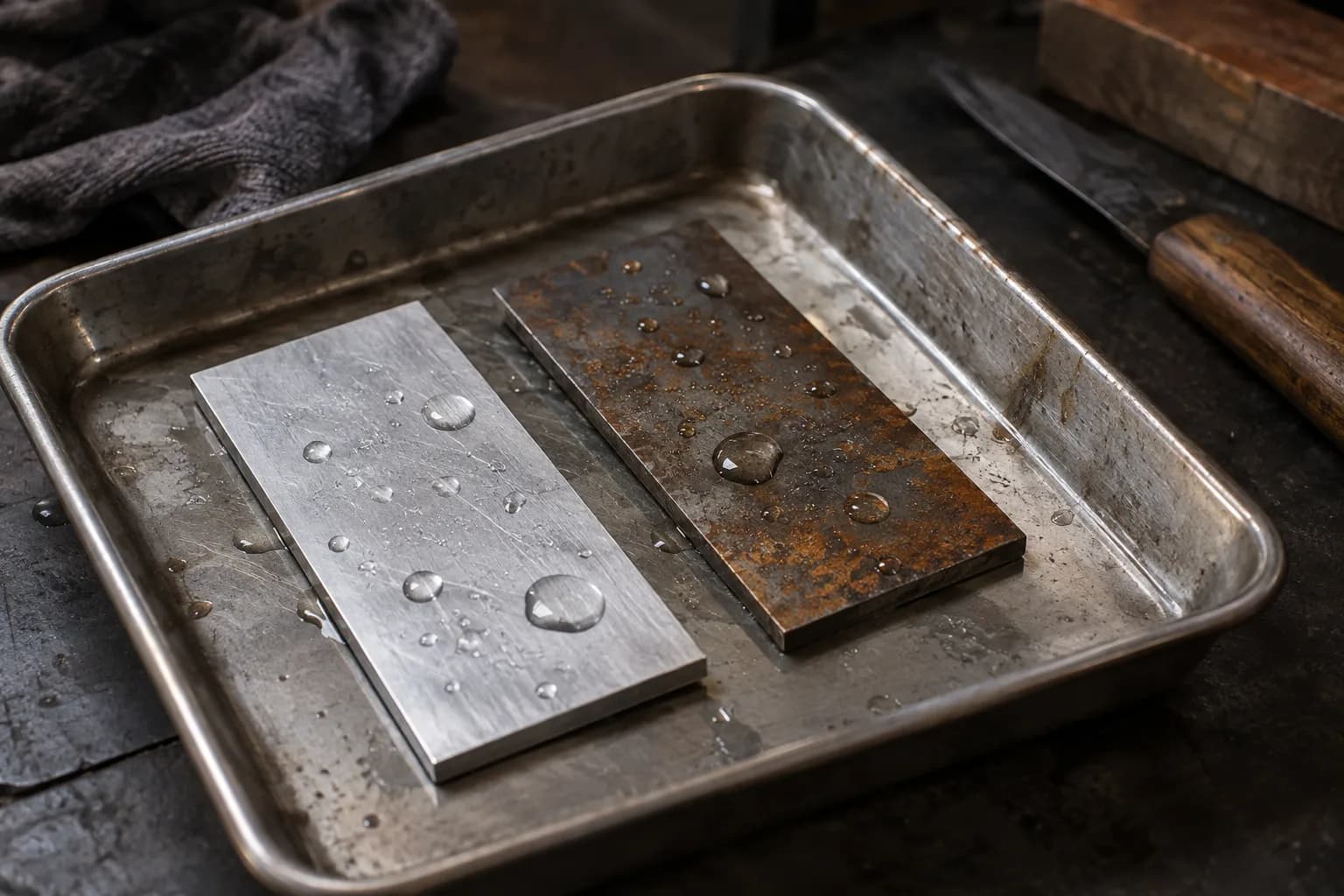
As a result, aluminum can maintain its structural integrity and appearance even in humid or wet environments, making it an ideal choice for shops that may experience varying conditions. The rust-resistance of aluminum not only prolongs the lifespan of tools and equipment but also reduces maintenance efforts. Shop owners can spend less time worrying about rust-related issues and more time focusing on productivity.
This characteristic is particularly beneficial for outdoor applications or in environments where exposure to moisture is inevitable. By choosing aluminum products, you can ensure that your tools remain functional and visually appealing over time, in the end leading to cost savings and improved operational efficiency.
Maintenance Tips for Aluminum Equipment and Tools
| Tip | Description |
|---|---|
| Cleaning | Regularly clean aluminum equipment and tools with a mild detergent and water to remove dirt and grime. |
| Storage | Store aluminum tools in a dry area to prevent corrosion and damage. |
| Lubrication | Apply lubricant to moving parts of aluminum equipment to prevent rust and ensure smooth operation. |
| Inspection | Regularly inspect aluminum tools for any signs of wear, damage, or corrosion. |
| Protection | Use protective coatings or covers to shield aluminum equipment from harsh environments. |
While aluminum is known for its low maintenance requirements, implementing a few simple practices can help ensure that your equipment and tools remain in optimal condition. Regular cleaning is essential to prevent the buildup of dirt and grime that can affect performance. Using mild soap and water along with a soft cloth or sponge is often sufficient to keep aluminum surfaces clean without causing damage.
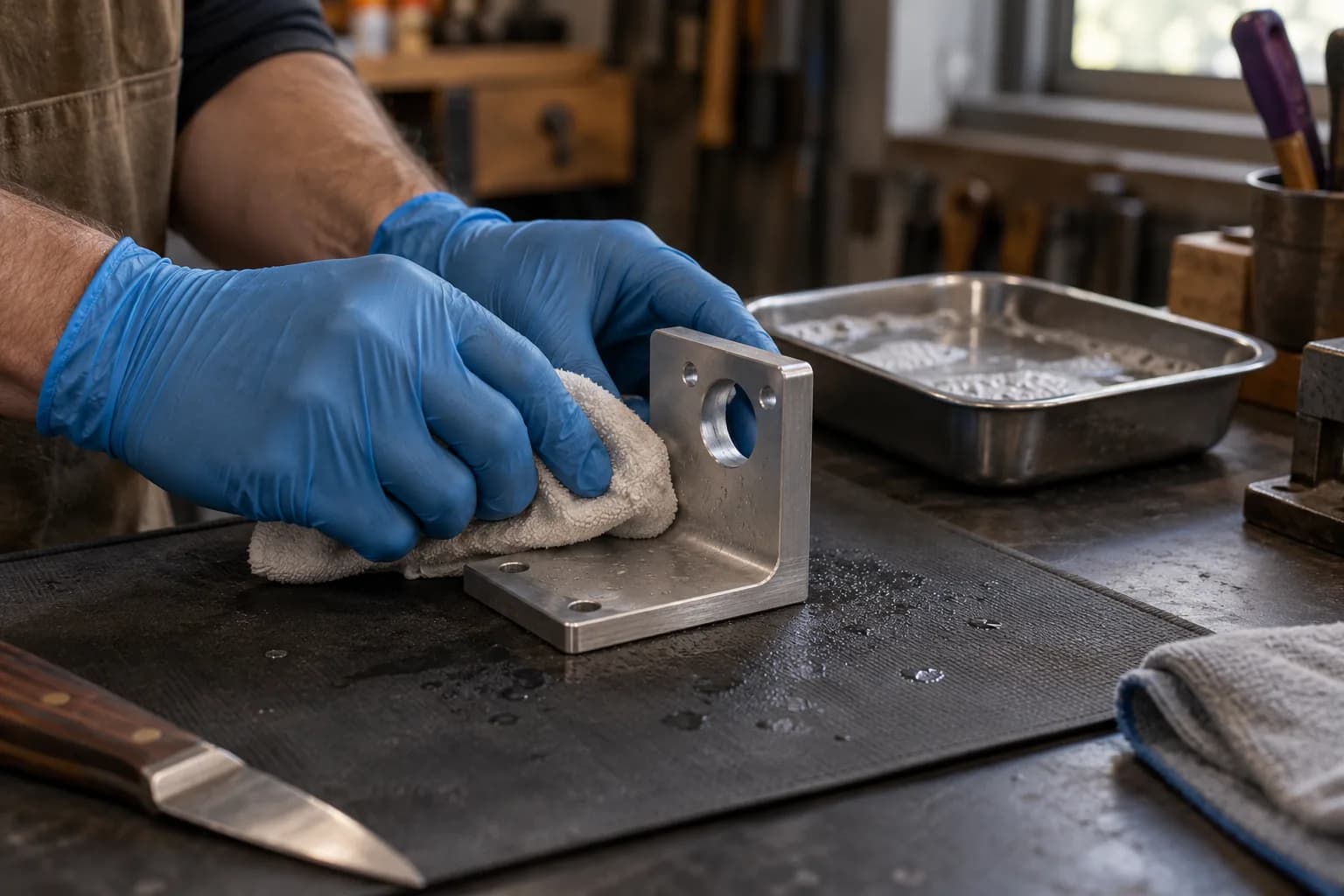
Avoid abrasive cleaners or scouring pads, as these can scratch the protective oxide layer and compromise the material’s rust-resistance. In addition to cleaning, periodic inspections of aluminum tools and equipment are advisable. Checking for any signs of wear or damage allows for timely repairs or replacements before issues escalate.
Lubricating moving parts with appropriate oils can also enhance performance and extend the lifespan of tools. By adopting these maintenance practices, shop owners can maximize the benefits of aluminum while ensuring that their equipment remains reliable and efficient.
Choosing the Right Aluminum Products for Your Shop
Selecting the appropriate aluminum products for your shop requires careful consideration of your specific needs and applications. Different grades of aluminum offer varying properties, so understanding these distinctions is crucial. For instance, some grades may be better suited for structural applications due to their strength, while others may excel in corrosion resistance or machinability.
Assessing the demands of your projects will guide you in choosing the right grade that aligns with your operational requirements. Consider the design and functionality of the aluminum products you intend to incorporate into your shop. Ensure that they are designed with ergonomics and usability in mind.
Investing in high-quality aluminum products from reputable manufacturers can further enhance your shop’s efficiency and productivity. By taking the time to choose the right aluminum solutions, you can create a workspace that meets your needs while maximizing the advantages of this versatile material.
Comparing Aluminum to Other Metals for Shop Use
When evaluating materials for shop use, it’s essential to consider how aluminum stacks up against other metals like steel or brass. While steel is known for its strength, it often comes with drawbacks such as susceptibility to rust and heavier weight. In contrast, aluminum provides a compelling alternative with its lightweight nature and rust-resistance, making it easier to handle without sacrificing performance.
This balance between strength and weight makes aluminum particularly appealing for tools that require frequent movement or adjustment. Brass, on the other hand, offers excellent corrosion resistance but tends to be more expensive than aluminum. While brass may be suitable for specific applications such as fittings or decorative elements, aluminum often provides a more cost-effective solution for general shop use.
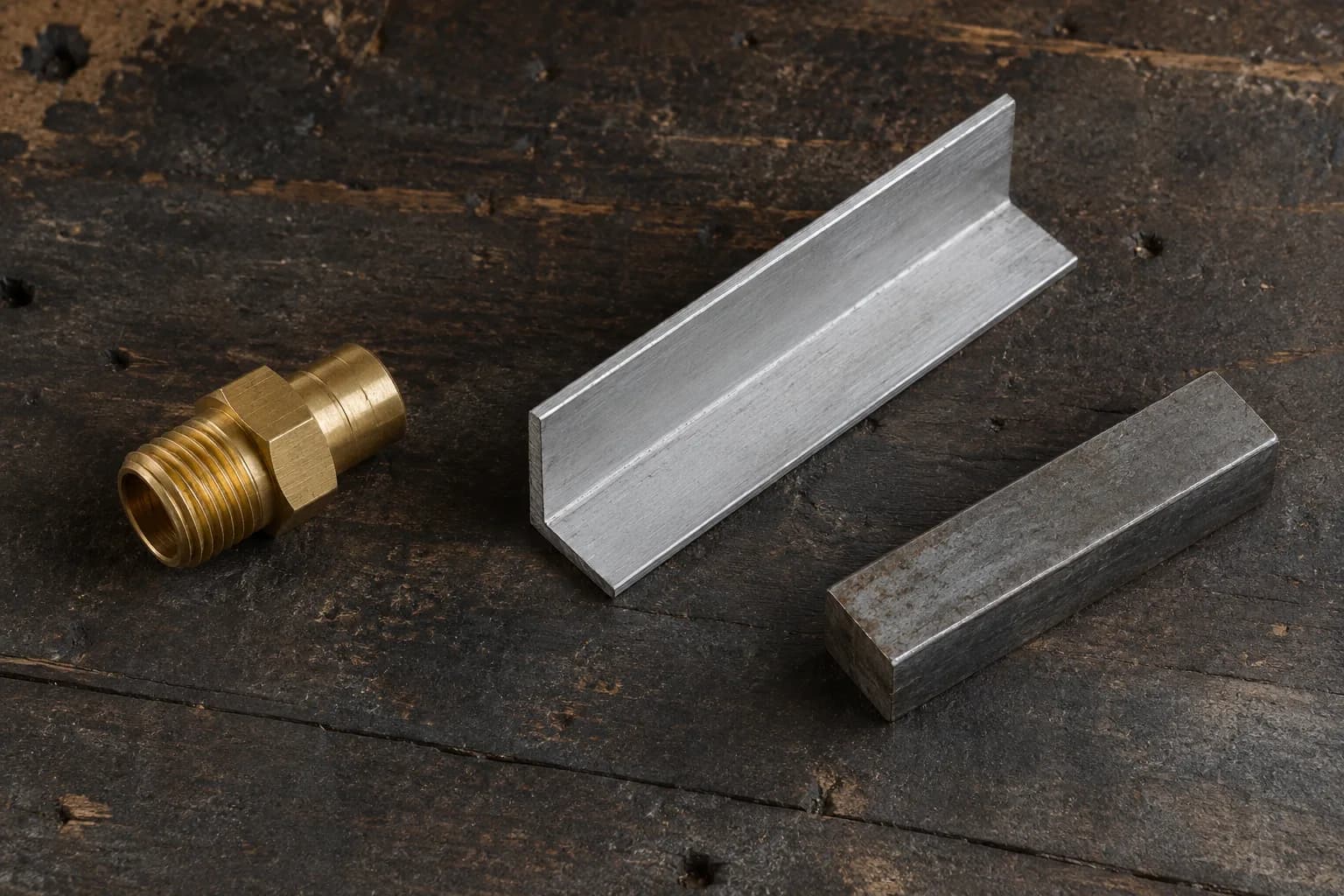
In the end, the choice between these metals will depend on the specific requirements of your projects; however, aluminum’s unique combination of properties makes it a strong contender for a wide range of applications in any workshop.
Incorporating Aluminum into Your Shop’s Design and Layout
Integrating aluminum into your shop’s design and layout can enhance both functionality and aesthetics. The sleek appearance of aluminum lends itself well to modern design principles, creating an inviting workspace that promotes productivity. Consider using aluminum for shelving units, workbenches, or tool storage solutions that not only serve practical purposes but also contribute to an organized and visually appealing environment.
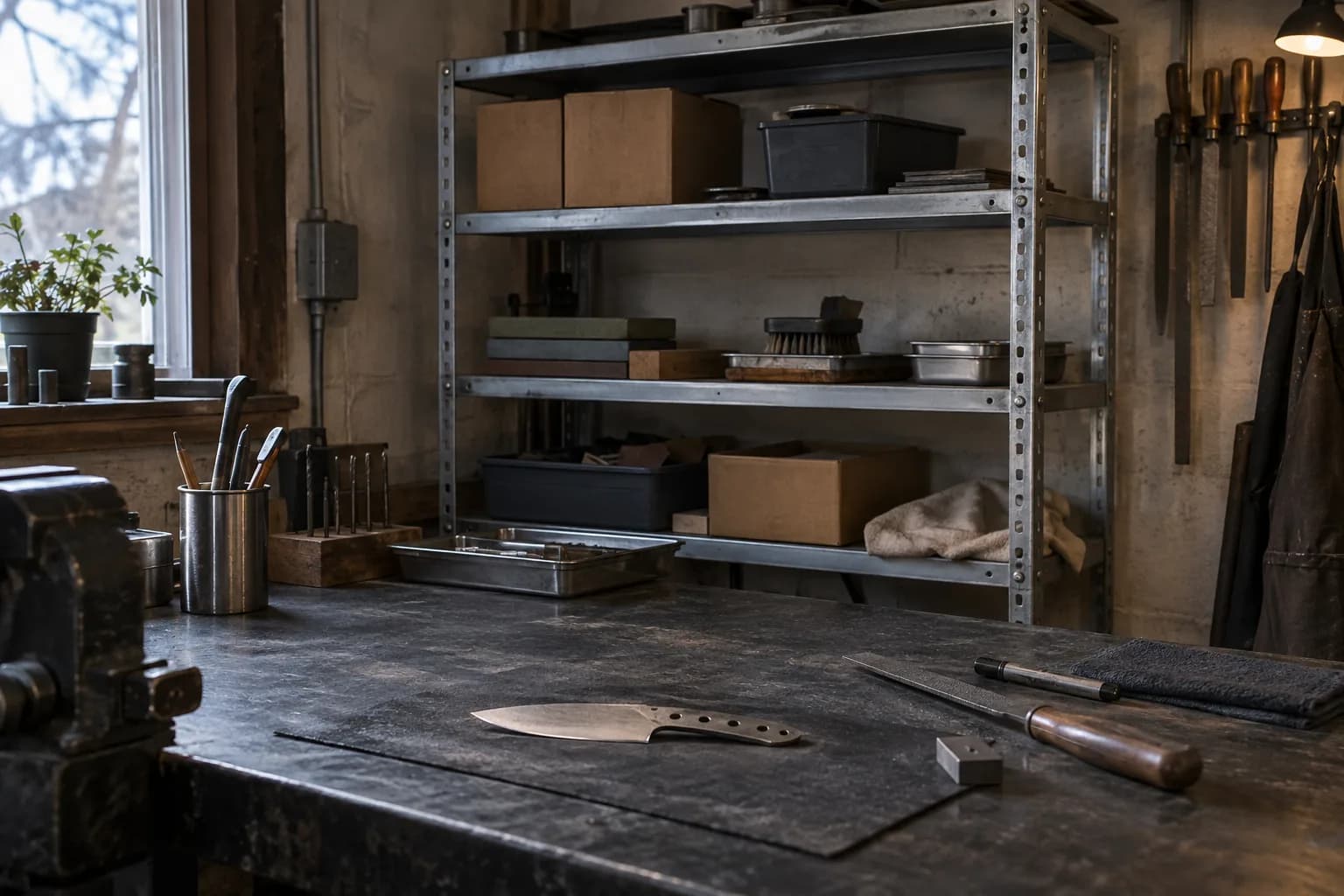
The versatility of aluminum allows for creative design possibilities that can optimize workflow within your shop. Customizing workstations with aluminum components can facilitate better ergonomics and accessibility for workers. By strategically placing aluminum fixtures throughout your space, you can create an efficient layout that minimizes unnecessary movement and maximizes productivity.
FAQs
What are the natural advantages of aluminum for rust-resistance and longevity in a shop?
Aluminum naturally forms a protective oxide layer when exposed to air, which helps prevent rust and corrosion. This makes it an ideal material for shop equipment and tools that are frequently exposed to moisture and other corrosive elements.
How does aluminum’s rust-resistance contribute to the longevity of shop equipment?
By being resistant to rust and corrosion, aluminum equipment and tools are less likely to degrade over time. This means they can maintain their functionality and structural integrity for a longer period, in the end contributing to the longevity of the shop’s equipment.
What are some examples of shop equipment and tools that benefit from aluminum’s natural advantages?
Examples of shop equipment and tools that benefit from aluminum’s natural advantages include workbenches, storage cabinets, toolboxes, ladders, and various hand tools. These items are often exposed to moisture, chemicals, and other corrosive elements, making aluminum an ideal choice for their construction.
Are there any downsides to using aluminum for shop equipment and tools?
While aluminum offers many advantages for shop equipment and tools, it is not as strong as steel and may not be suitable for heavy-duty applications. Aluminum can be more expensive than other materials, which may impact the overall cost of outfitting a shop with aluminum equipment.
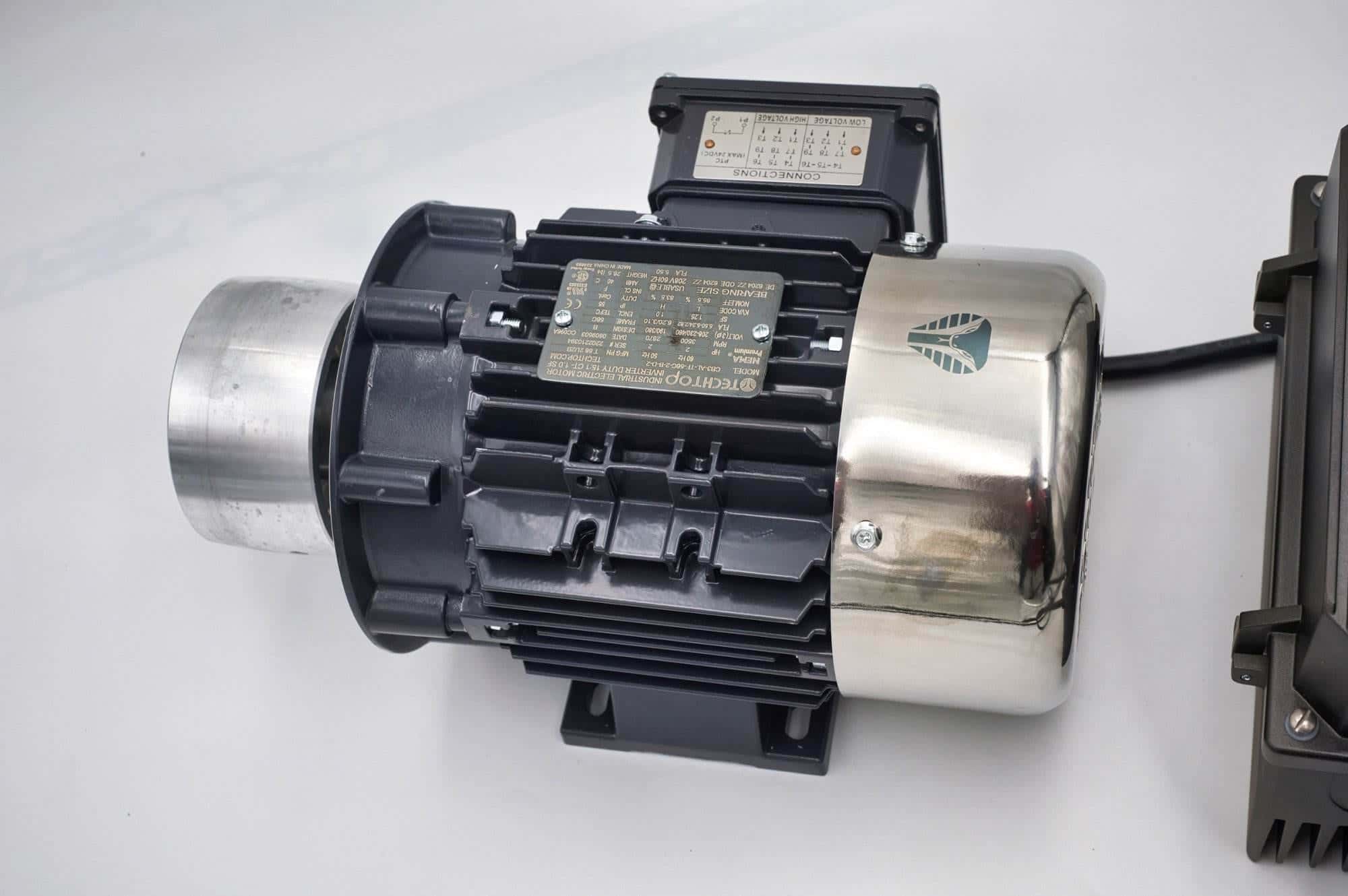
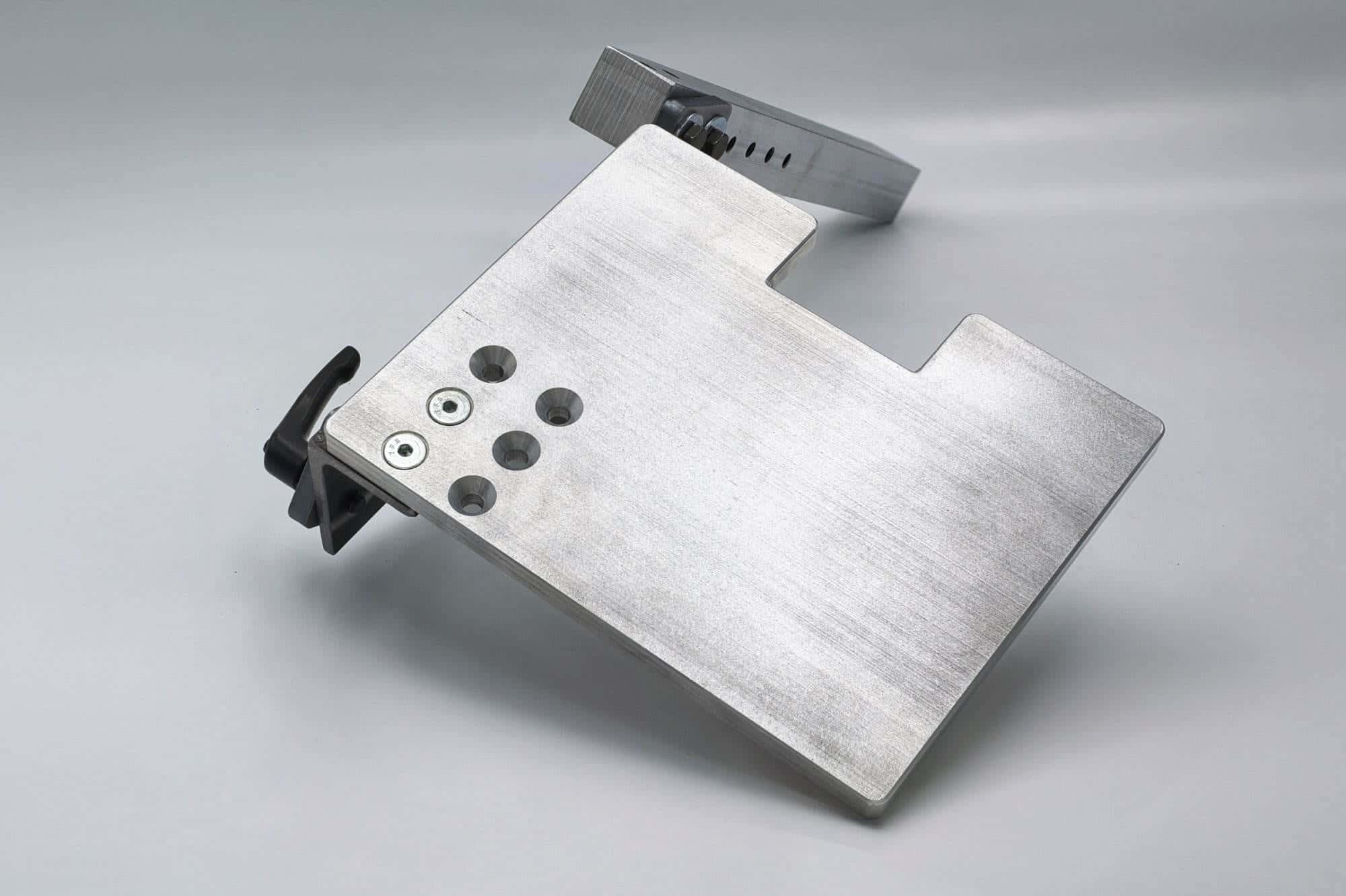
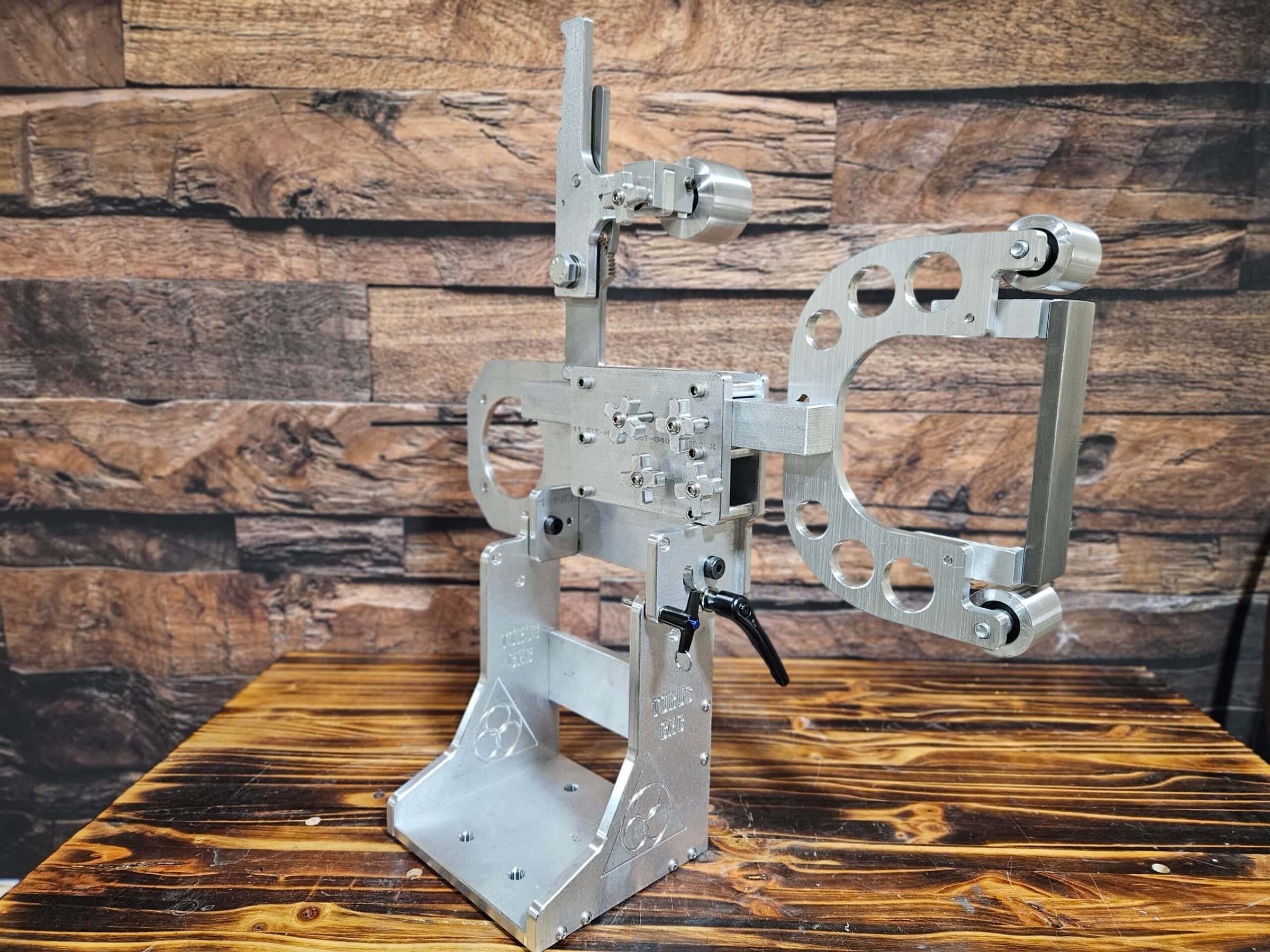
Choose the frame material by the environment and the maintenance you are willing to do. The Nova 2×72 and Torus Classic are 6061 aluminum with stainless and plated hardware, so corrosion is one less thing to chase, but every grinder still benefits from cleaning, inspection and dry storage. See the comparison chart if you are weighing aluminum against steel.