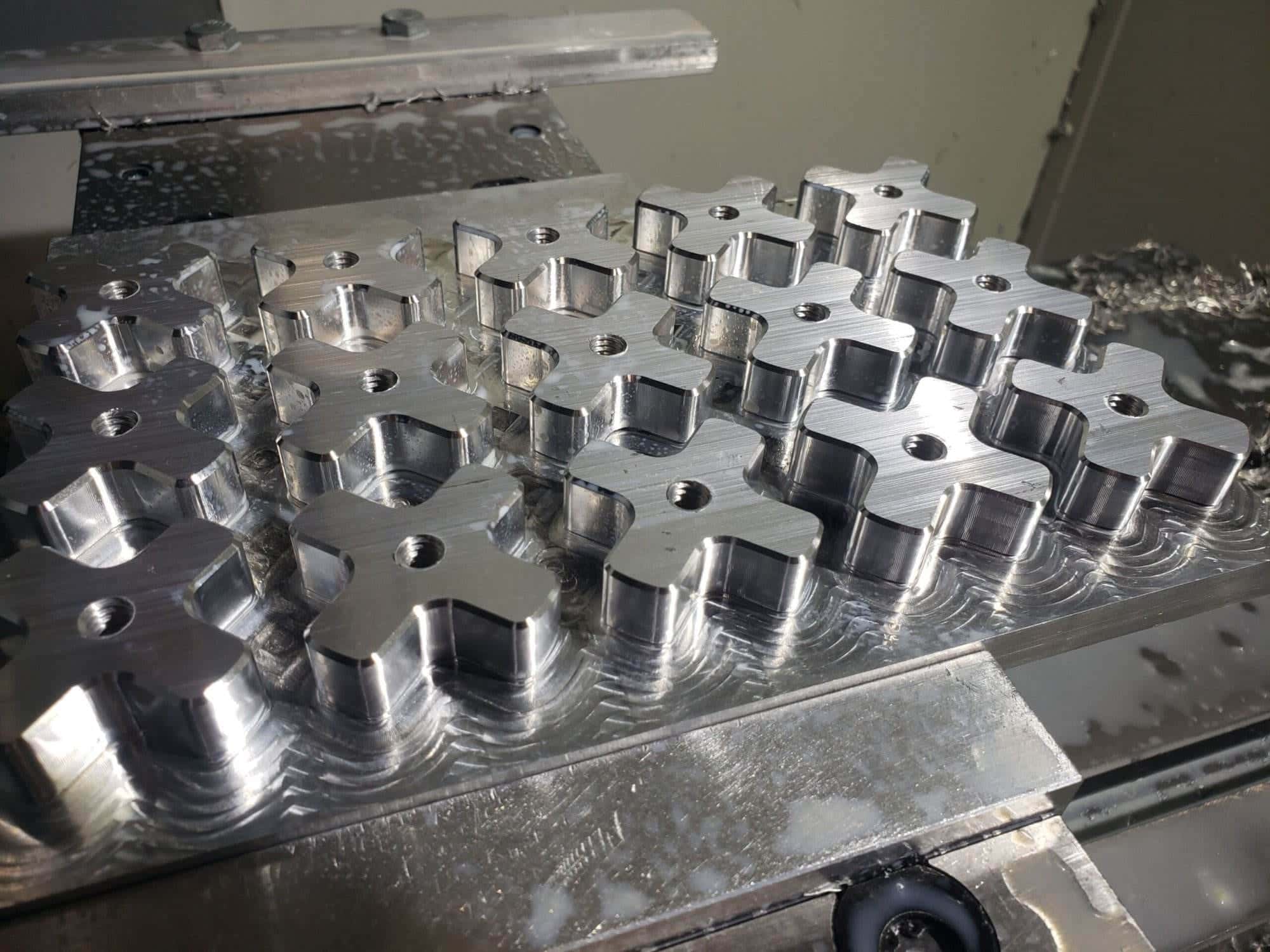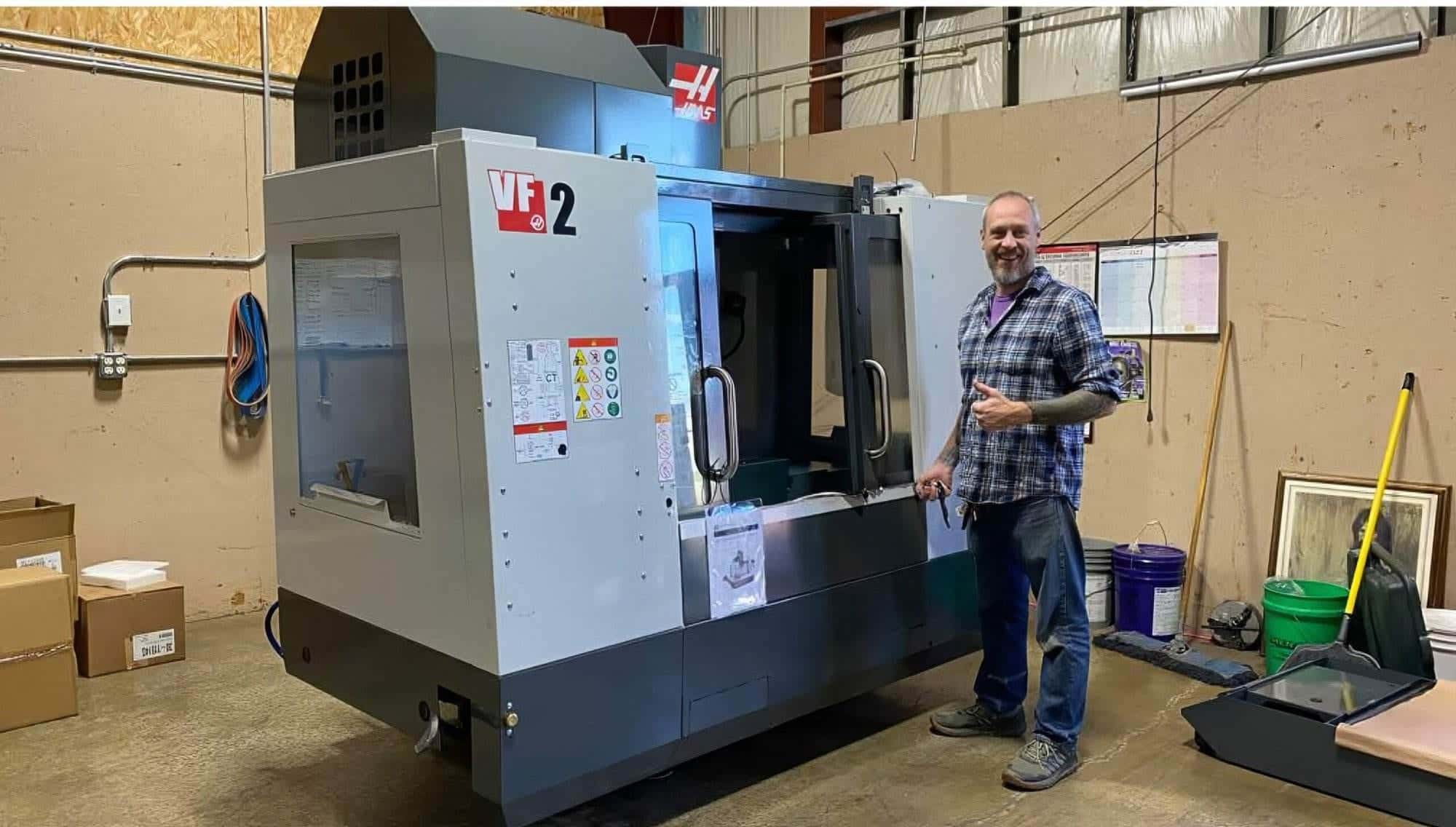
CNC Machine
Aluminum: Decreased Maintenance, Increased Productivity
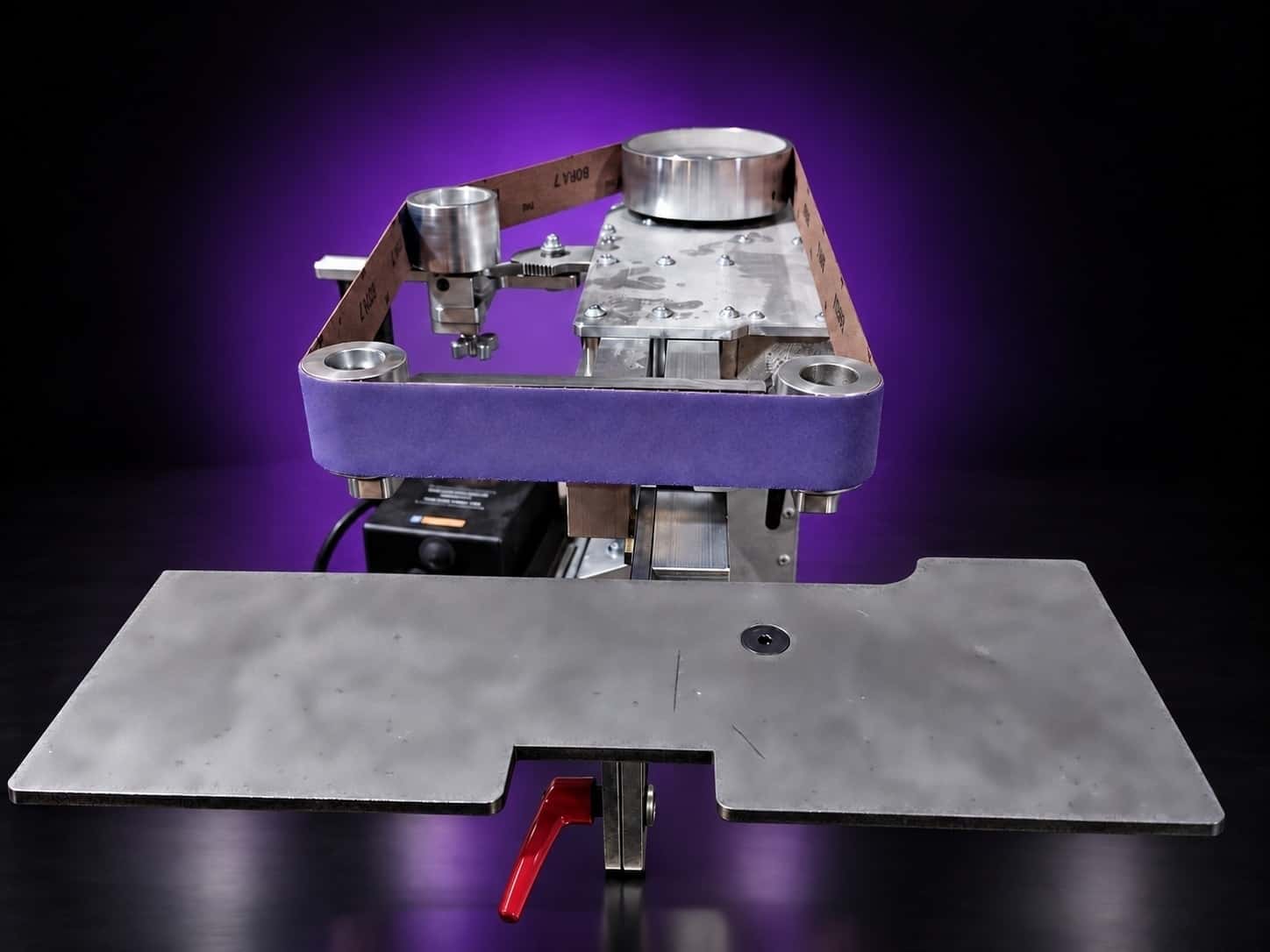
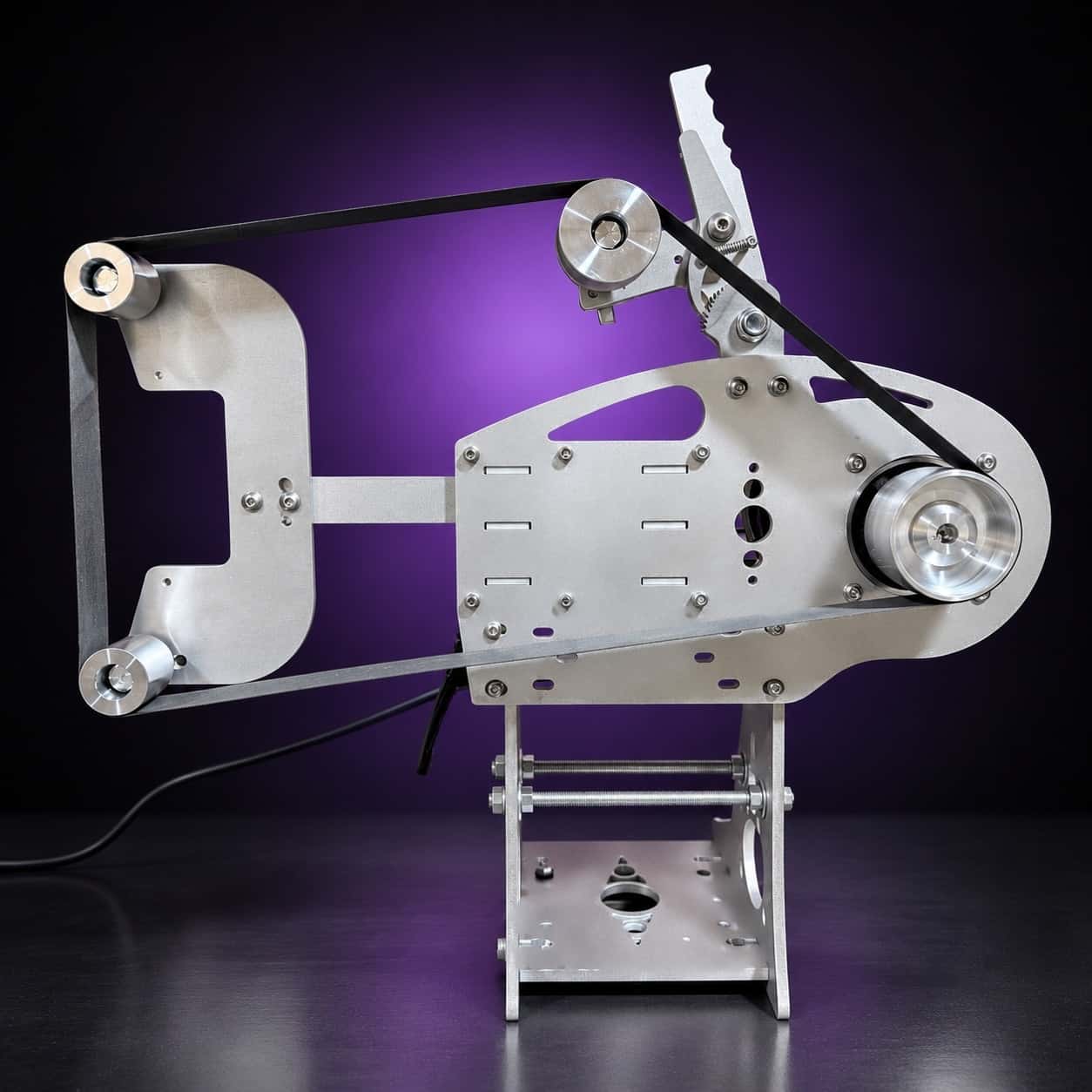
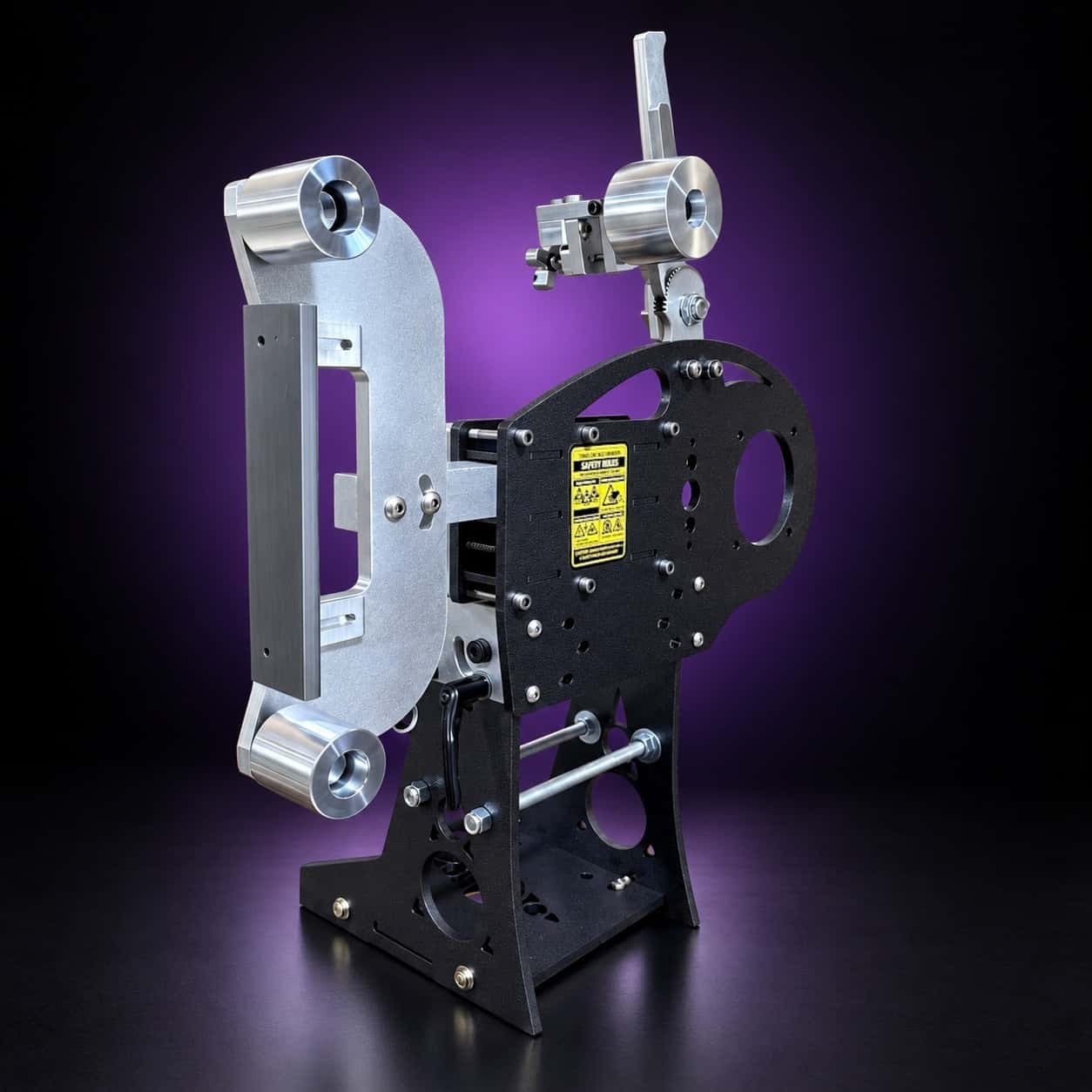
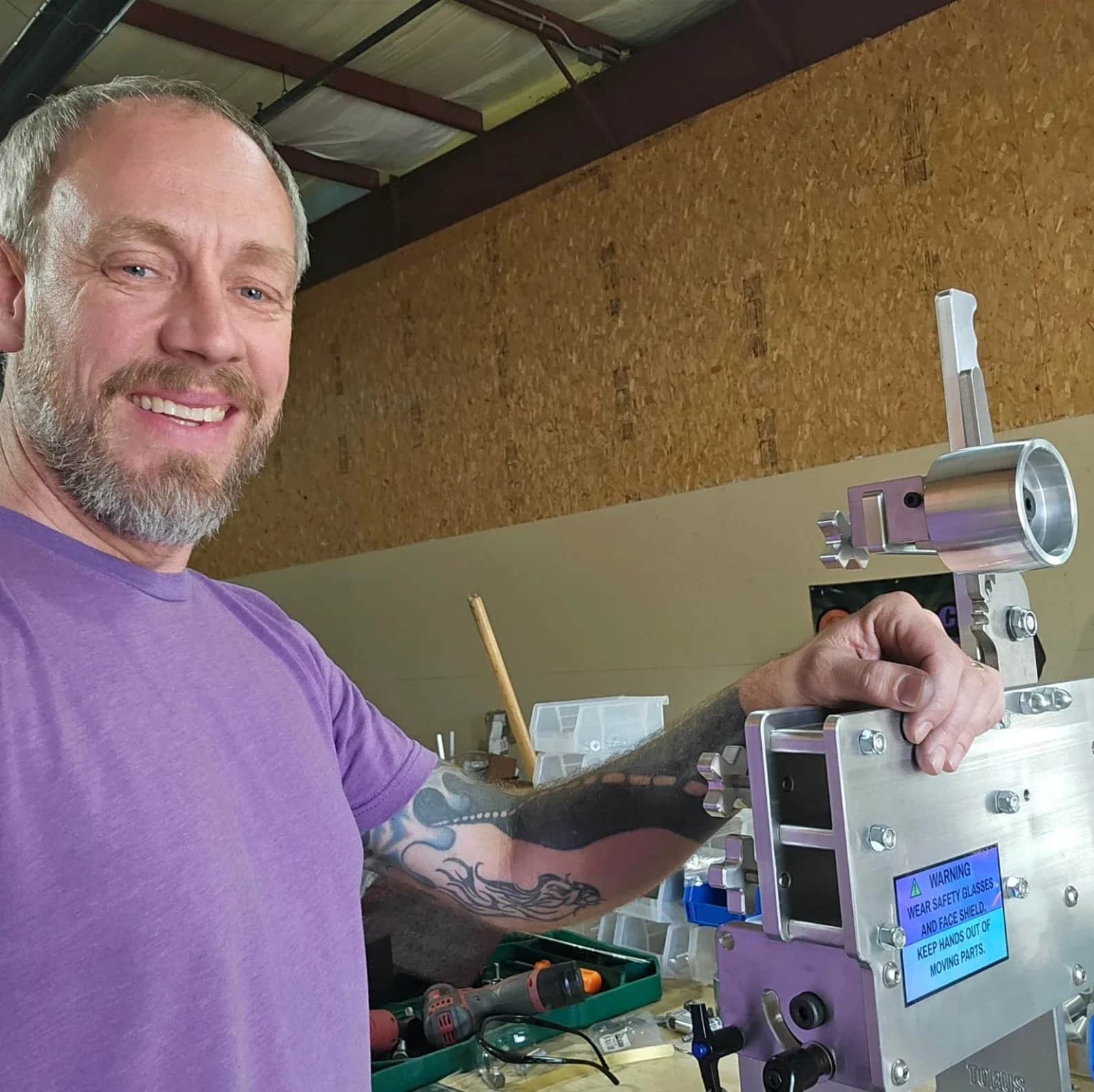
A grinder you are not maintaining is a grinder you are using. Here is why I build the Nova and Classic from 6061 aluminum: corrosion resistance, less weight on the bench, and adjustments that stay put between sessions.
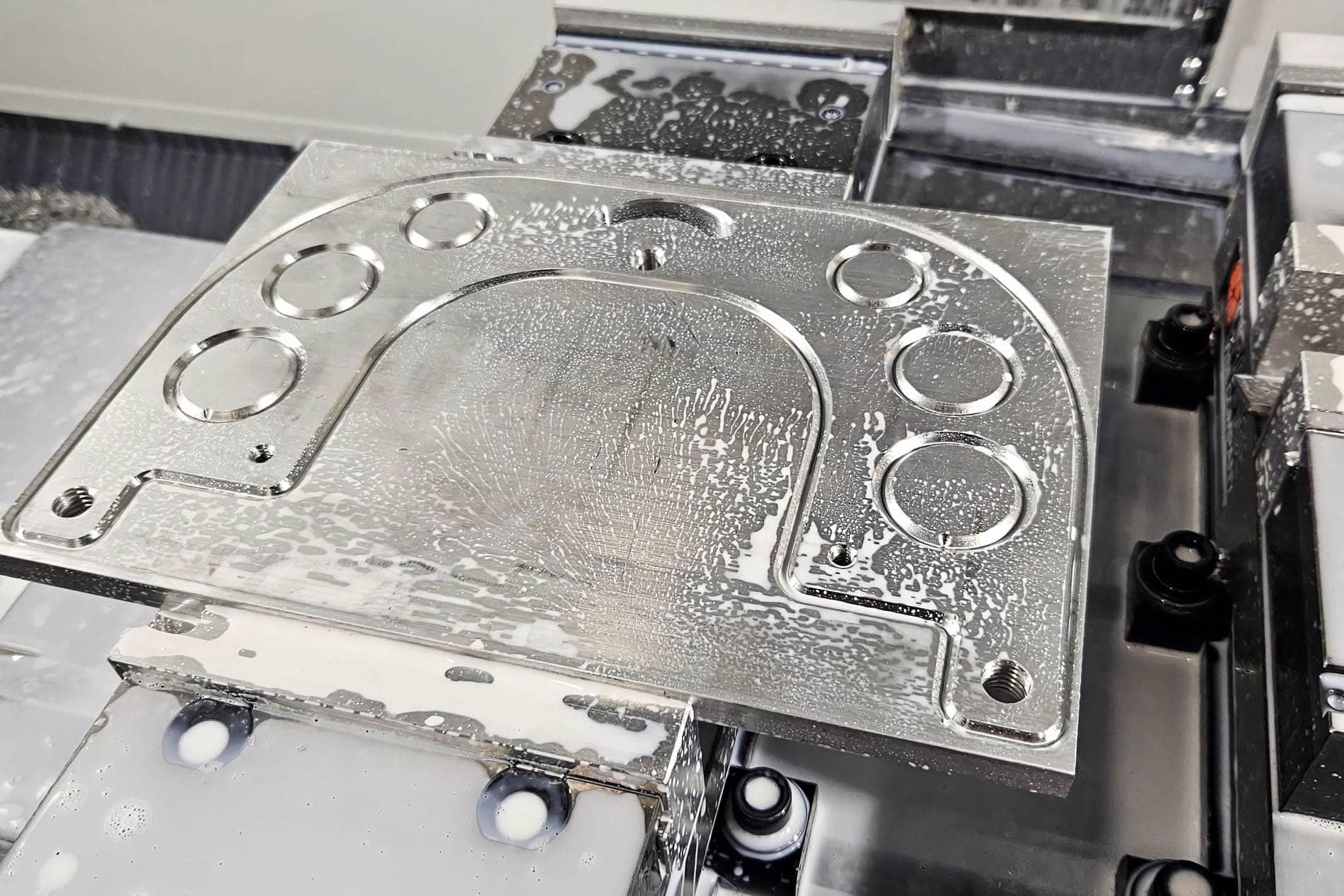
Every hour you spend wire-brushing rust off a grinder frame is an hour you did not spend grinding knives. That is the real reason I build the Nova and the Classic from 6061 aluminum. It is corrosion resistant, it weighs less when you tilt or move it, and the machined surfaces hold their adjustments between sessions. Here is what that means for maintenance in a working shop, and where steel still wins.
Unlike many other metals, aluminum forms a protective oxide layer when exposed to air, which helps prevent rust and degradation over time. This property is especially valuable in environments where moisture and chemicals are prevalent, such as in marine or industrial settings. By utilizing aluminum in maintenance applications, organizations can significantly extend the lifespan of their equipment and reduce the frequency of repairs.
Key Takeaways
- Aluminum is lightweight, corrosion-resistant, and easy to work with, making it an ideal material for maintenance tasks.
- Aluminum’s high strength-to-weight ratio and malleability contribute to increased productivity in manufacturing processes.
- The use of aluminum in equipment and machinery can decrease downtime due to its durability and resistance to wear and tear.
- Aluminum is a sustainable and recyclable material, reducing environmental impact and promoting a greener approach to maintenance and manufacturing.
- The cost savings of using aluminum in maintenance and manufacturing are significant due to its longevity and low maintenance requirements.
How Aluminum Increases Productivity in Manufacturing
The incorporation of aluminum into manufacturing processes has proven to be a big step up for productivity. Its lightweight nature allows for faster assembly and disassembly of components, which is essential in a fast-paced manufacturing environment. When workers can quickly move parts and tools without the burden of heavy materials, they can focus on their tasks more effectively.
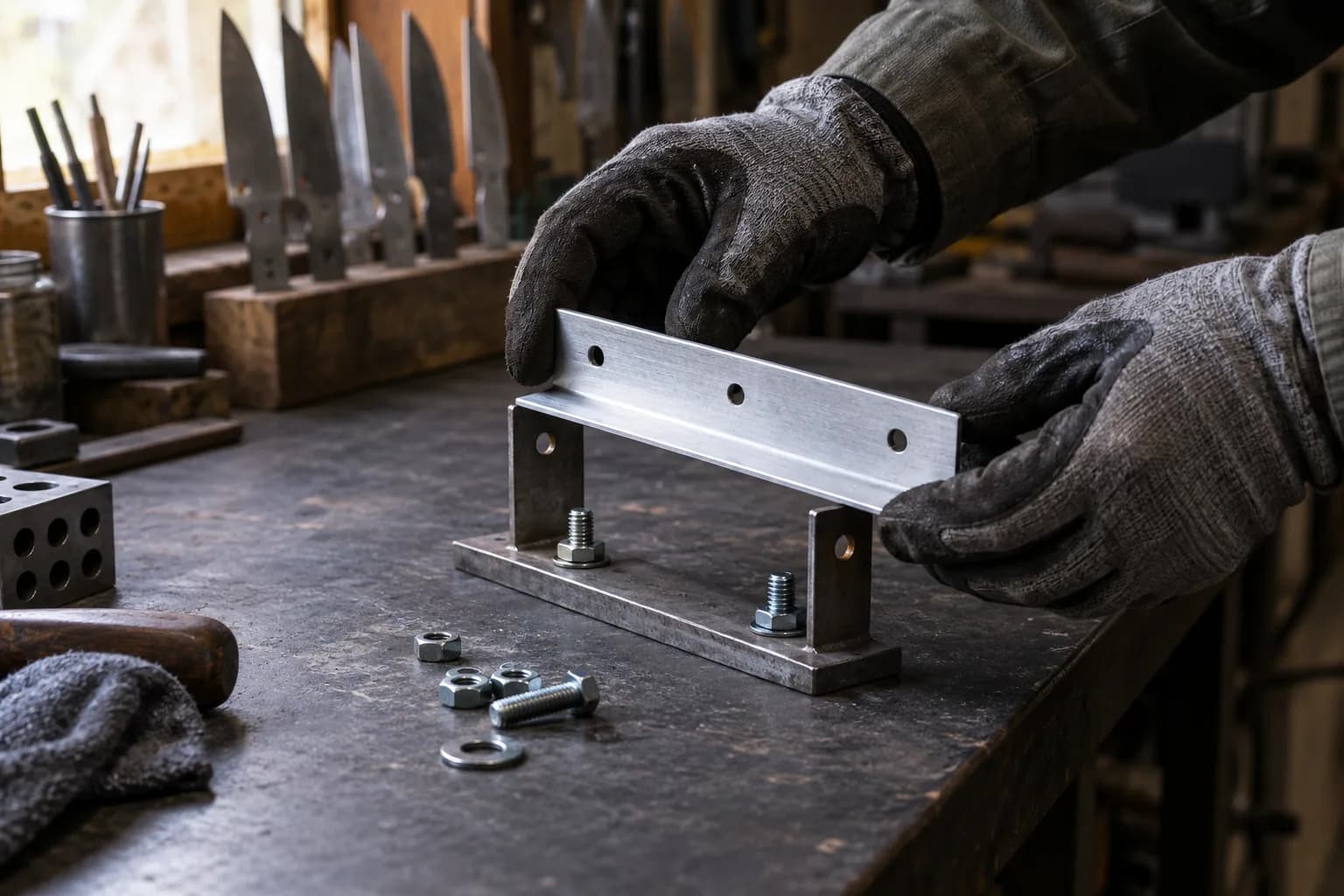
This efficiency translates into shorter production cycles and the ability to meet tight deadlines without compromising quality. Aluminum’s versatility enables manufacturers to create a wide range of products with varying specifications. This adaptability allows for customization and innovation, which are critical in today’s competitive market.
Manufacturers can experiment with different designs and applications without the constraints often associated with heavier materials. As a result, companies that leverage aluminum in their manufacturing processes can respond more swiftly to market demands, in the end enhancing their overall productivity and profitability.
The Role of Aluminum in Decreasing Downtime
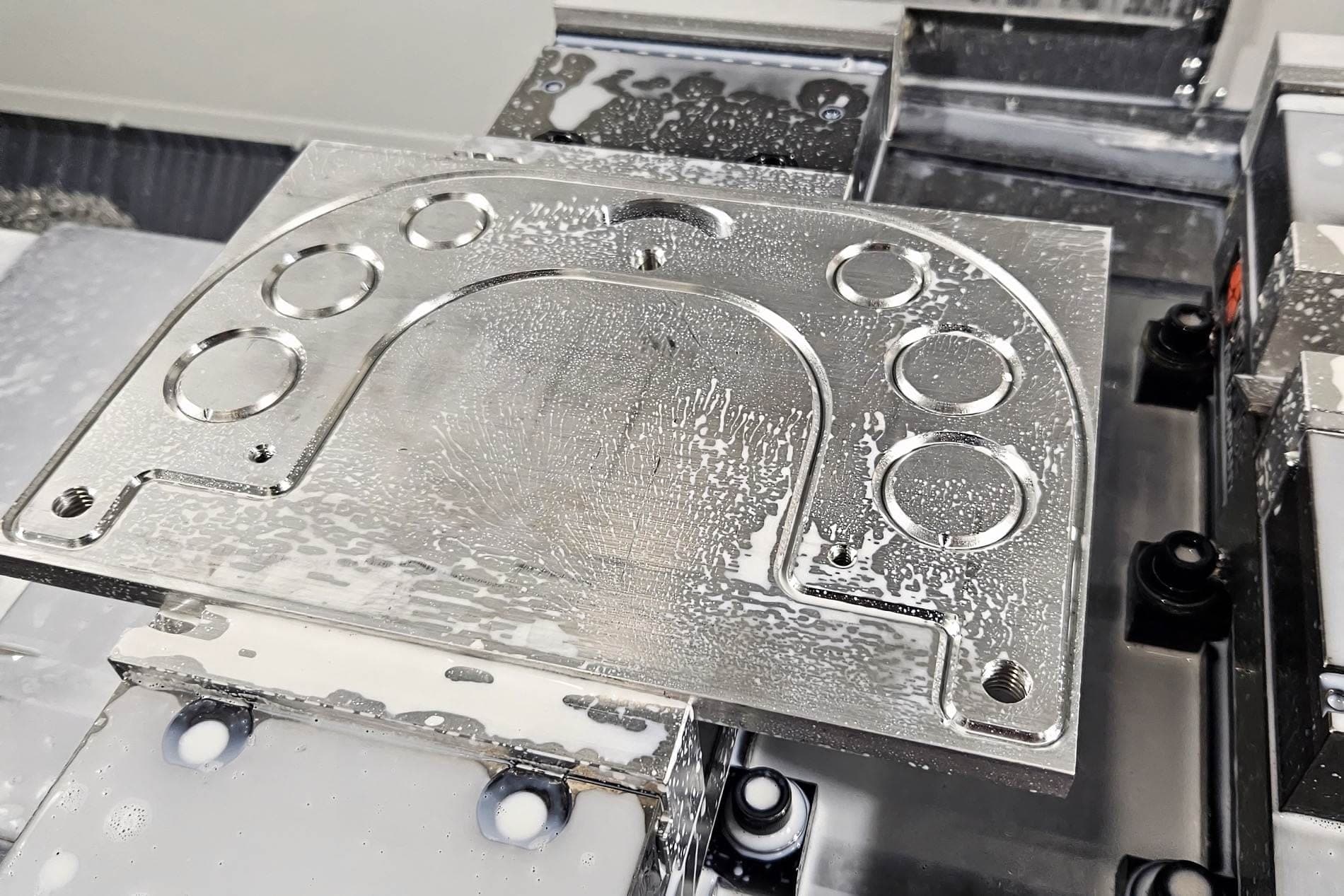
Downtime is a significant concern for any manufacturing or maintenance operation, as it directly impacts productivity and profitability. Aluminum plays a crucial role in minimizing downtime through its durability and ease of maintenance. Components made from aluminum are less prone to wear and tear compared to those made from other materials, which means they require less frequent replacement.
This longevity reduces the likelihood of unexpected breakdowns that can halt production lines and disrupt workflows. When repairs are necessary, aluminum components are often easier to work with due to their lightweight nature. Technicians can quickly access and replace parts without extensive disassembly or heavy lifting.
This streamlined process not only saves time but also allows for quicker return-to-service for equipment. By reducing both the frequency and duration of downtime, organizations can maintain higher levels of productivity and ensure that their operations run smoothly.
The Environmental Benefits of Aluminum Use
| Environmental Benefit | Explanation |
|---|---|
| Recyclability | Aluminum is 100% recyclable and can be recycled indefinitely without losing its quality. |
| Energy Efficiency | Producing aluminum from recycled materials requires 95% less energy compared to using raw materials. |
| Reduced Emissions | Aluminum production from recycled materials emits 95% less greenhouse gases compared to using raw materials. |
| Resource Conservation | Recycling aluminum helps conserve natural resources and reduces the need for mining and extraction. |
Aluminum’s lightweight properties contribute to energy efficiency in transportation and logistics. When products are lighter, they require less fuel for transportation, leading to lower greenhouse gas emissions. By choosing aluminum for various applications, companies not only benefit from its performance characteristics but also contribute positively to environmental sustainability efforts.
The Cost Savings of Using Aluminum in Maintenance
Cost efficiency is a primary concern for any organization, and aluminum offers significant savings in maintenance operations. While the initial investment in aluminum components may be higher than some alternatives, the long-term savings are substantial. The durability and corrosion resistance of aluminum lead to fewer replacements and repairs over time, which translates into lower overall maintenance costs.
Organizations can allocate their resources more effectively when they are not constantly addressing equipment failures or replacing worn-out parts. The lightweight nature of aluminum reduces labor costs associated with handling and installation. Workers can complete tasks more quickly and with less physical strain, leading to increased productivity and reduced labor expenses.
The Impact of Aluminum on Energy Efficiency
Energy efficiency is a critical consideration for modern manufacturing and maintenance operations, as it directly affects both costs and environmental impact. Aluminum plays a vital role in enhancing energy efficiency across various applications. Its lightweight properties contribute to reduced energy consumption during transportation and operation.
For instance, lighter machinery requires less energy to operate, leading to lower utility bills and reduced carbon emissions. In addition to its impact on transportation, aluminum’s thermal conductivity makes it an excellent choice for heat exchangers and other applications where temperature regulation is essential. Efficient heat transfer can lead to reduced energy consumption in heating and cooling processes, further enhancing overall energy efficiency within facilities.
By integrating aluminum into their operations, organizations can achieve significant energy savings while also contributing to sustainability goals.
FAQs
What are the benefits of using aluminum in maintenance processes?
Aluminum is lightweight, corrosion-resistant, and durable, making it an ideal material for reducing maintenance downtime and increasing productivity.
How does aluminum contribute to decreased maintenance downtime?
Aluminum’s corrosion resistance and durability reduce the need for frequent maintenance and repairs, leading to decreased downtime and increased productivity.
What industries can benefit from using aluminum for maintenance purposes?
Various industries such as aerospace, automotive, construction, and manufacturing can benefit from using aluminum for maintenance purposes due to its lightweight and durable properties.
How does aluminum contribute to increased productivity?
By reducing maintenance downtime and the need for frequent repairs, aluminum allows for increased productivity as equipment and machinery can operate for longer periods without interruptions.
If low upkeep matters in your shop, the Nova 2×72 is the machine: 6061 aluminum chassis, stainless ratchet tensioner, stainless and plated Grade 8 hardware. Prefer mass over weight savings? The Nebula is the powder-coated steel version of the same design.