
Selling & Business
How to Price a Custom Knife
Undercharging is the single most common mistake makers make when they start selling knives, mostly because it’s easy to price for materials and forget to…
Selling & Business
The knifemaking business startup path in order: legal basics, equipment tiers, pricing, first sales channels, and the bottleneck nobody budgets for.
2 min readWritten by Rich LinvilleFree to read
Starting a knifemaking business is mostly done in the wrong order: logo first, LLC never, pricing by vibes, and equipment bought by excitement. Here is the checklist in the order that actually protects and pays you — with the deep-dive guide linked at every step, because most of these steps have one on this site already.
Before the first sale, three boring moves. Entity: read Do You Need an LLC to Sell Knives — the short version is that an LLC is cheap liability separation for a business that sells pointed objects, and most makers form one once real money moves. Insurance: product liability coverage is the non-negotiable one; a general policy that covers shows and booths is the usual package. Taxes: register to collect sales tax in your state, and know that selling at faires and shows in OTHER states usually means collecting THEIR sales tax for that event — most states run temporary-vendor permits for exactly this, and established faires send vendors the paperwork. Rates and rules vary by state; your state revenue site and the event’s vendor packet are the sources, not this paragraph.
The cost-of-knifemaking guide runs the full tier math. The business summary: a functional stock-removal shop assembles in the low thousands; the serious-hobby tier adds heat-treat control and better abrasives; the production tier is really one purchase — the grinder that holds settings all day — plus the boring multipliers (belts, steel in batch quantities). Buy in THAT order. The classic startup mistake is the forge-and-anvil romance purchase while grinding happens on a machine that cannot repeat a bevel; forging makes blades, but grinding makes deliveries.
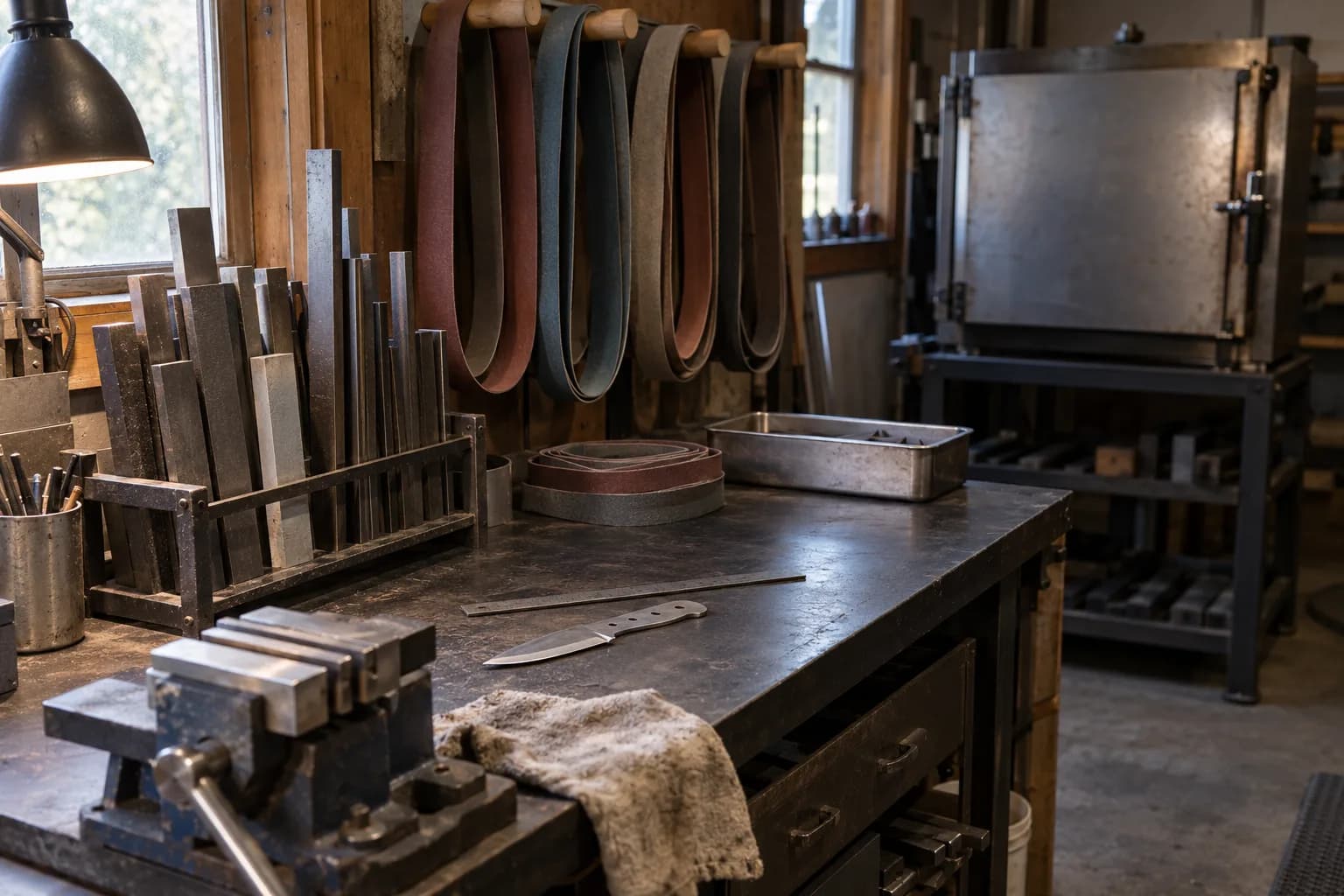
How to Price a Custom Knife does the full method; the discipline is materials + real hours at a real rate + overhead, priced BEFORE emotional attachment. Track hours honestly from knife one (a phone timer at the bench is a business system), because your true hourly rate is the number every later decision — batch sizes, show fees, whether to quit anything — gets tested against, per the hobby-to-income math.
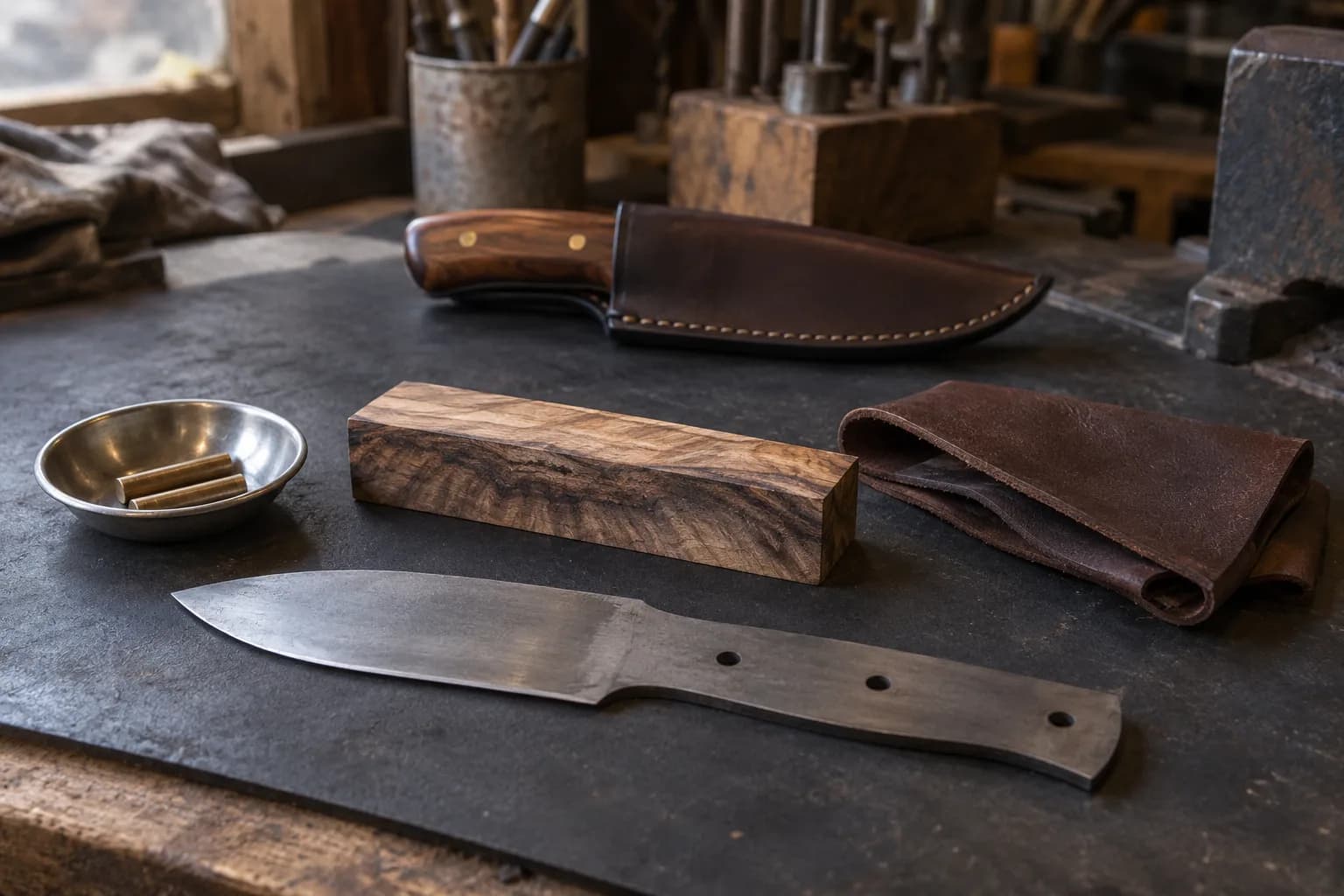
Where to Sell Your Knives maps the landscape. The starting stack that works: local shows and makers markets for face-to-face learning, one online channel done well, and — the under-published one — renaissance faires if your work fits the period lane. Add bookkeeping from day one and shipping law literacy before the first out-of-state sale.
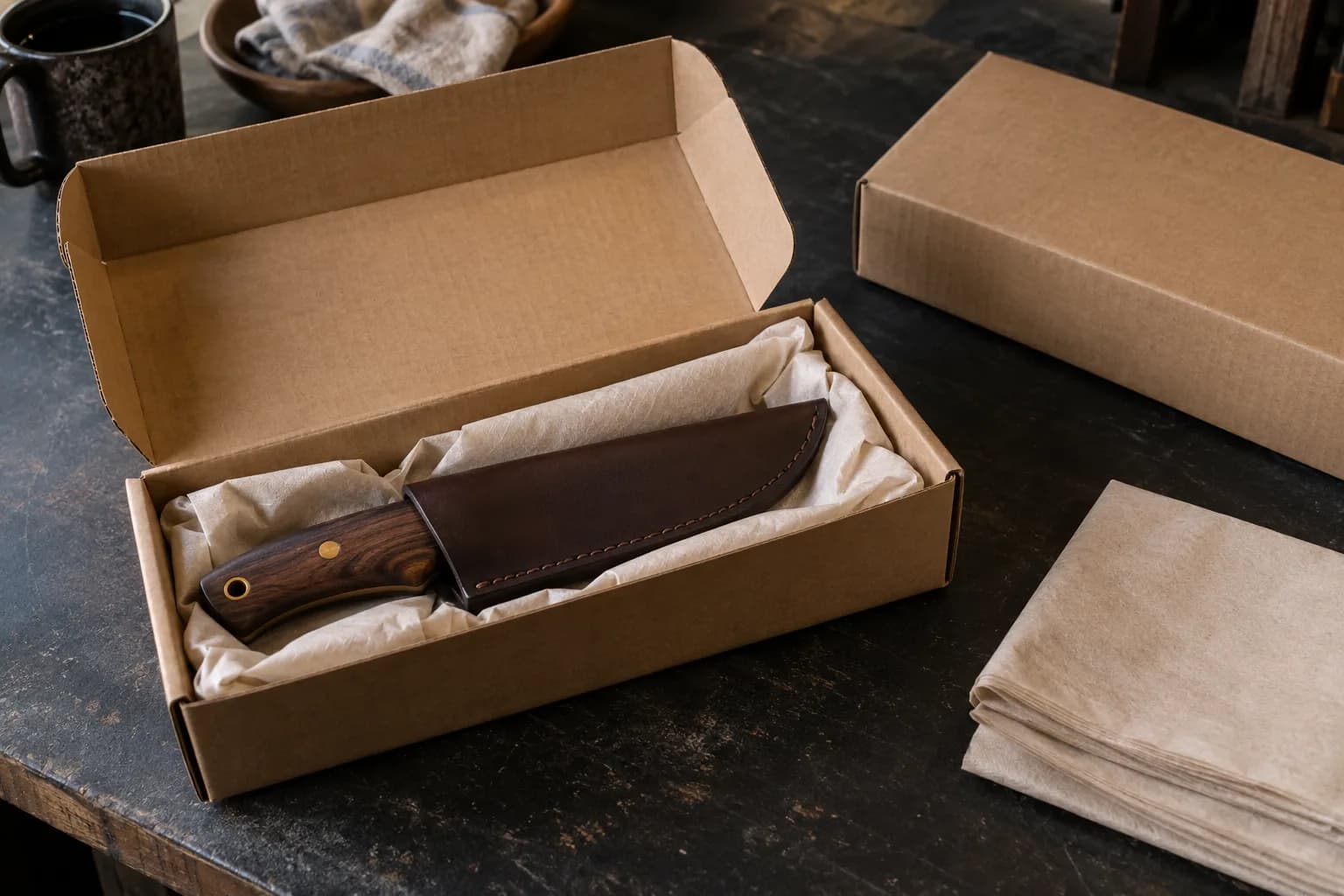
The difference between selling knives and having a knife business is a process that produces consistent work on a schedule: patterns, jigs, batch stages per the batch guide, finish standards, and equipment that repeats. This is also the honest scaling story — what gates output is finishing throughput, and the fix is process and machine, not more forging hours.
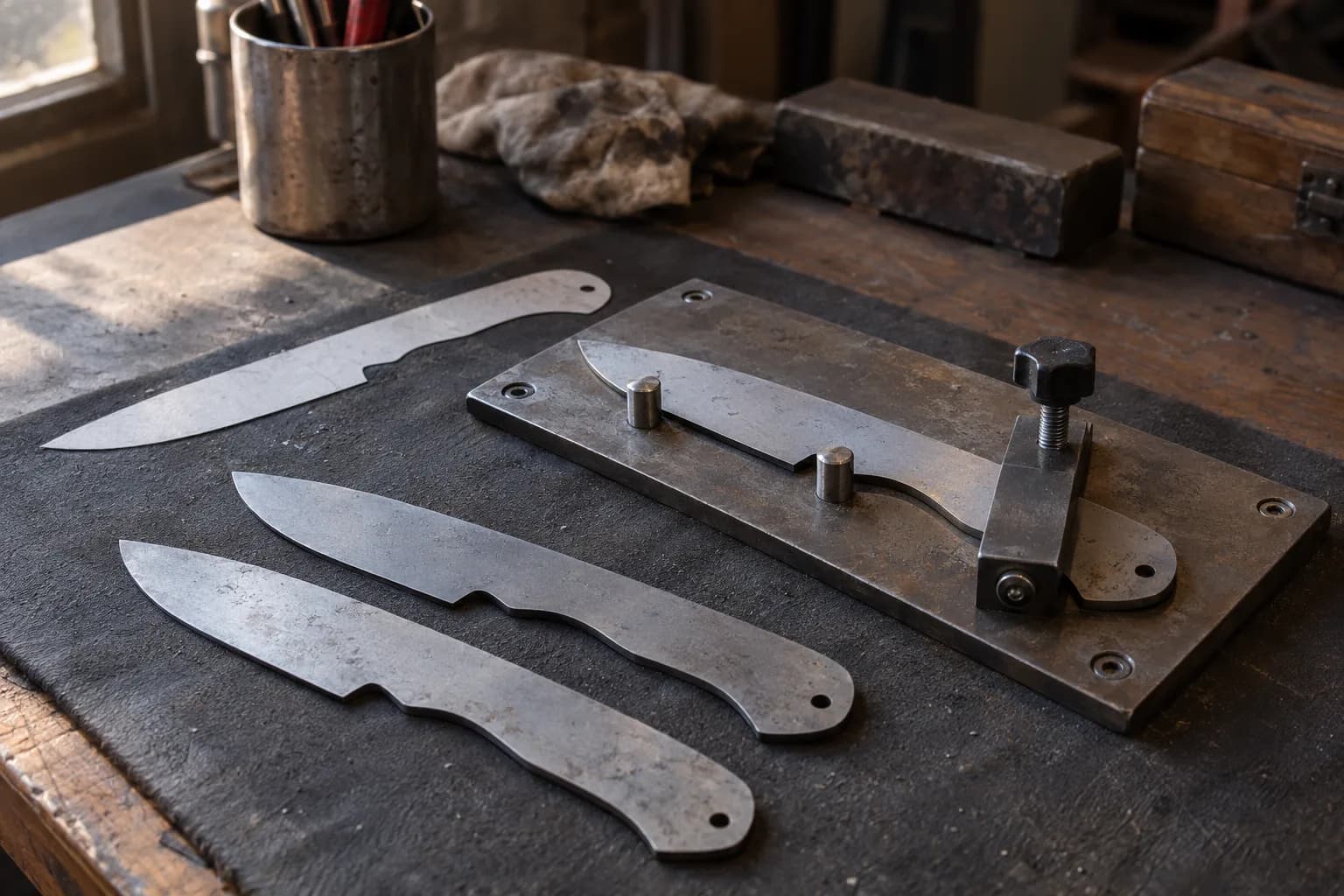
Order of operations, business edition: legal floor → equipment by tier → honest pricing → two channels → repeatable process. Every step has its deep guide above; the hobby-to-income guide carries the arc from here — what the numbers look like when the business starts asking for more of your week.
Keep reading
Three more from the same bench.
Undercharging is the single most common mistake makers make when they start selling knives, mostly because it’s easy to price for materials and forget to…
This is general education, not legal or tax advice, business structure decisions depend on your specific state, income level, and risk exposure, so treat…
This is general education, not insurance or legal advice, actual coverage needs depend on your sales volume, state, and specific risk factors, talk to a…
Same bench
I machine the parts, hand-assemble, track and test Torus grinders in Sterling, Illinois. Most orders ship in seven to ten business days from time of order.
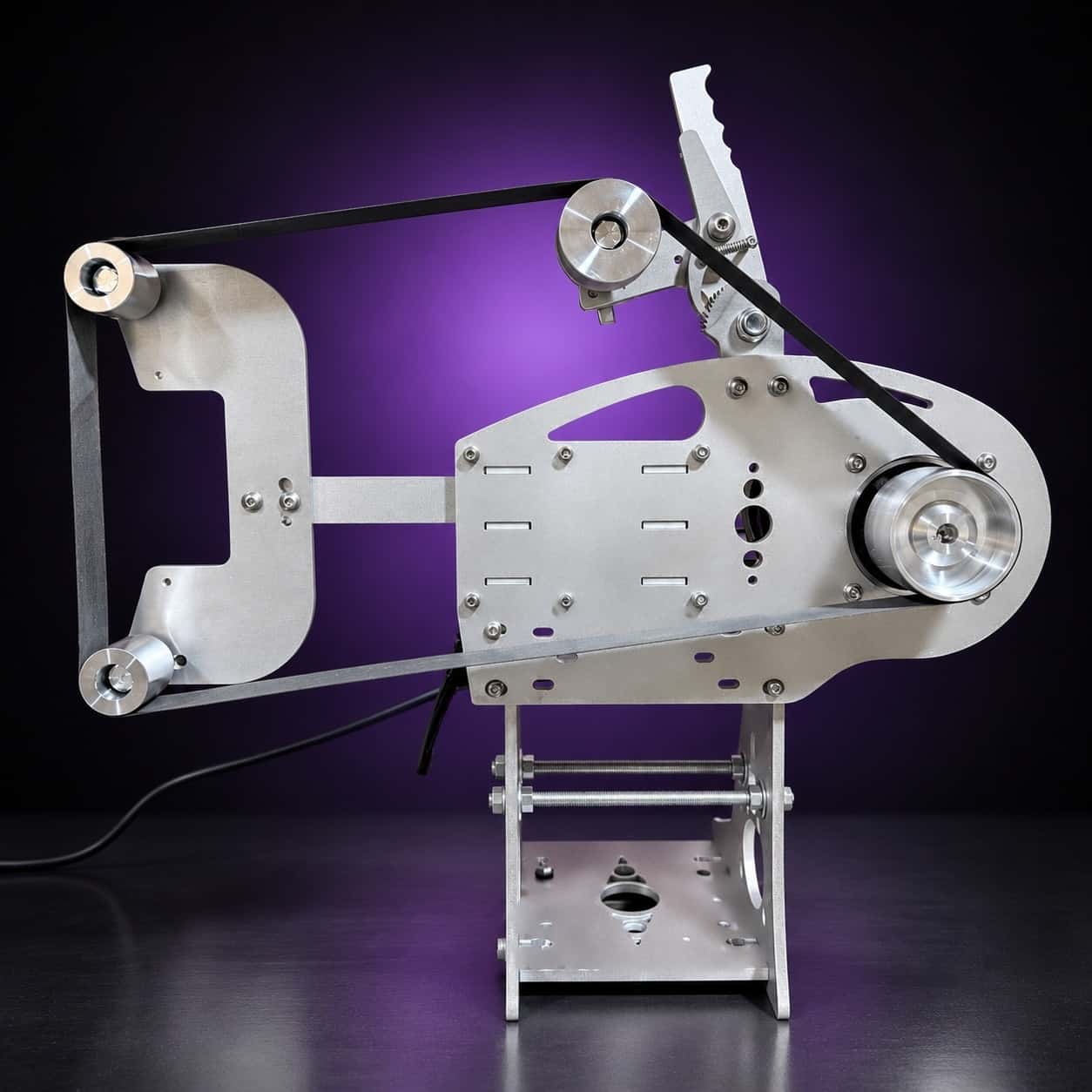
Current dual-axis platform with a fiber-laser-cut 6061 chassis and single-knob tracking.
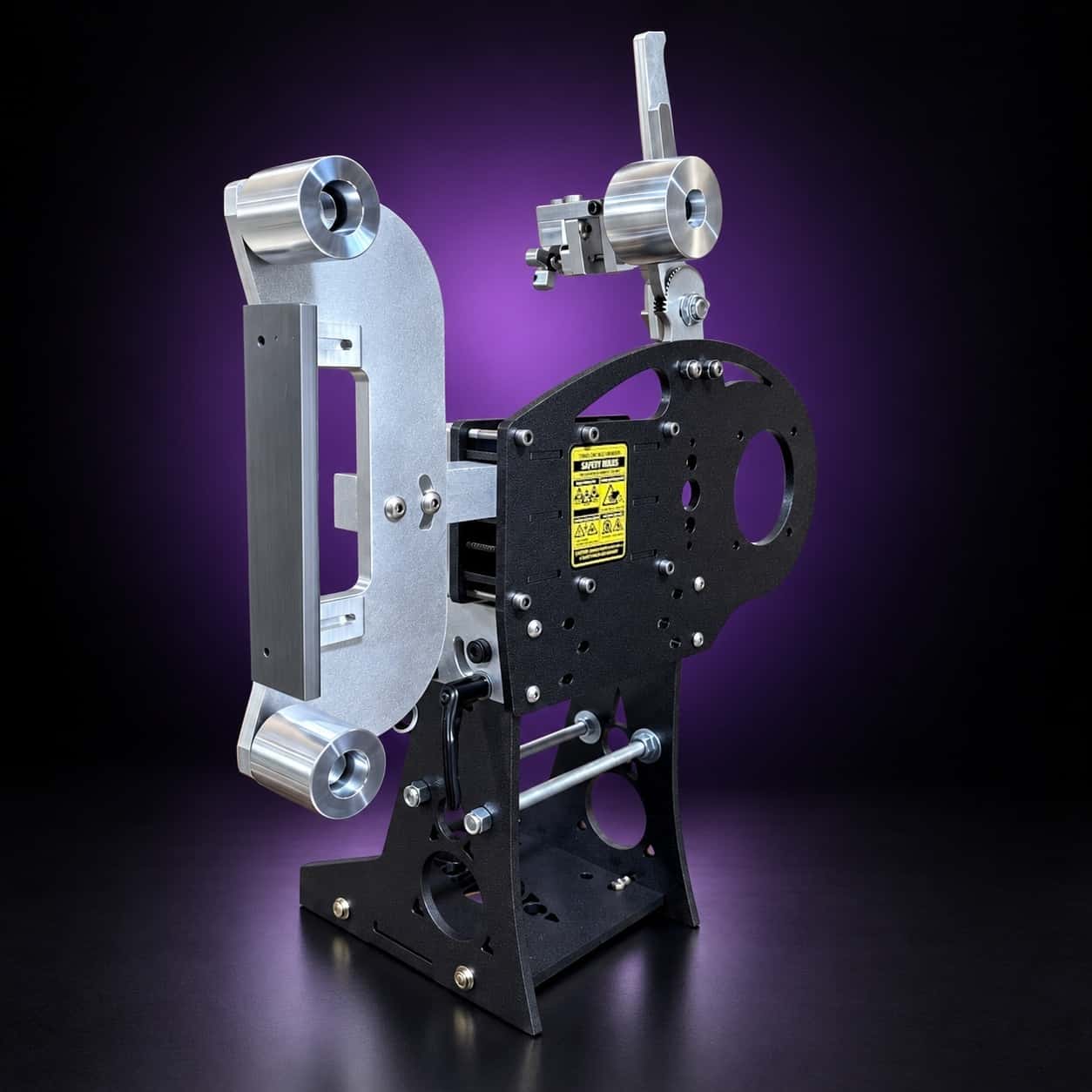
Current dual-axis platform with a steel chassis, more mass and less vibration.
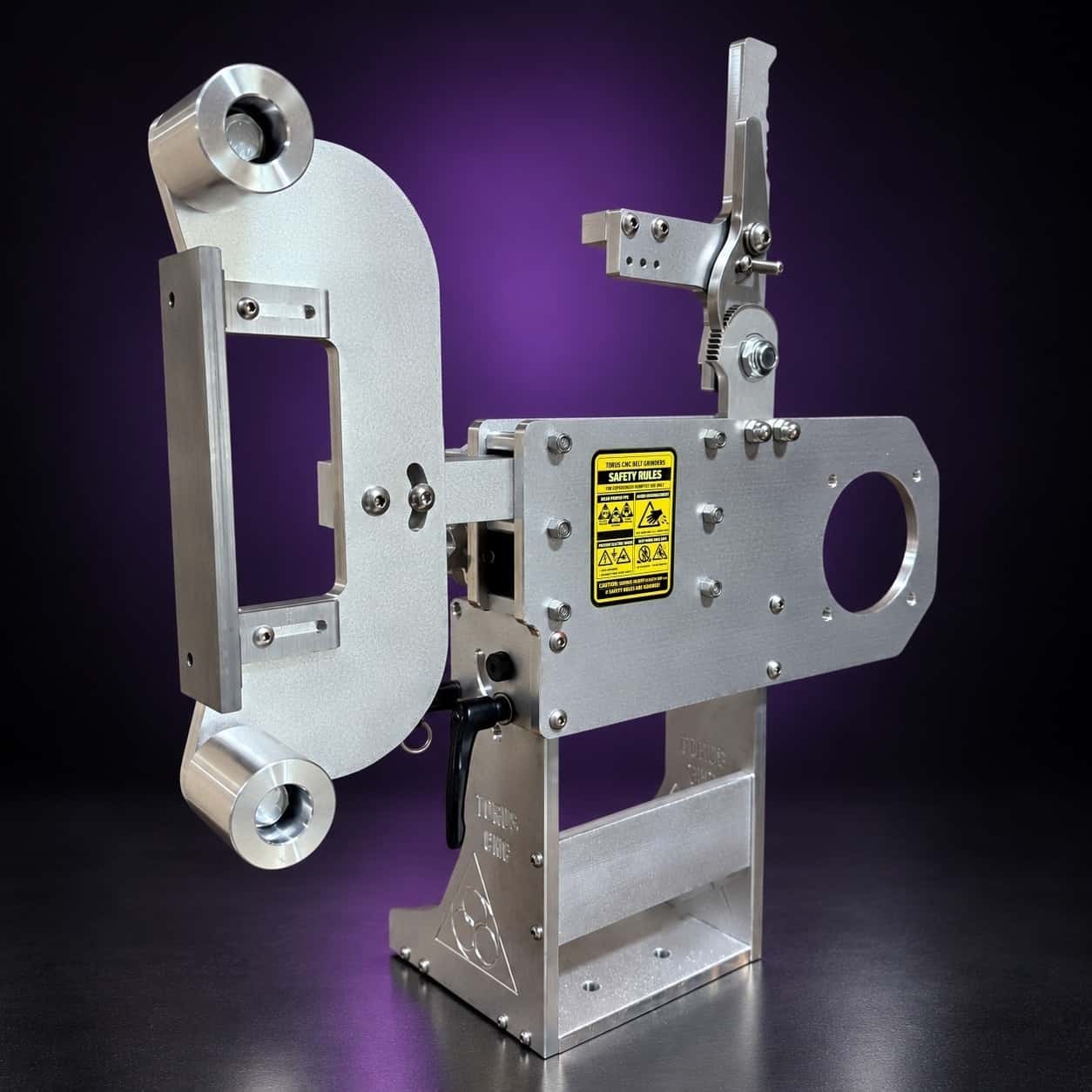
Prior-design aluminum chassis, 90-degree tilt and 1.5-inch tooling arms.
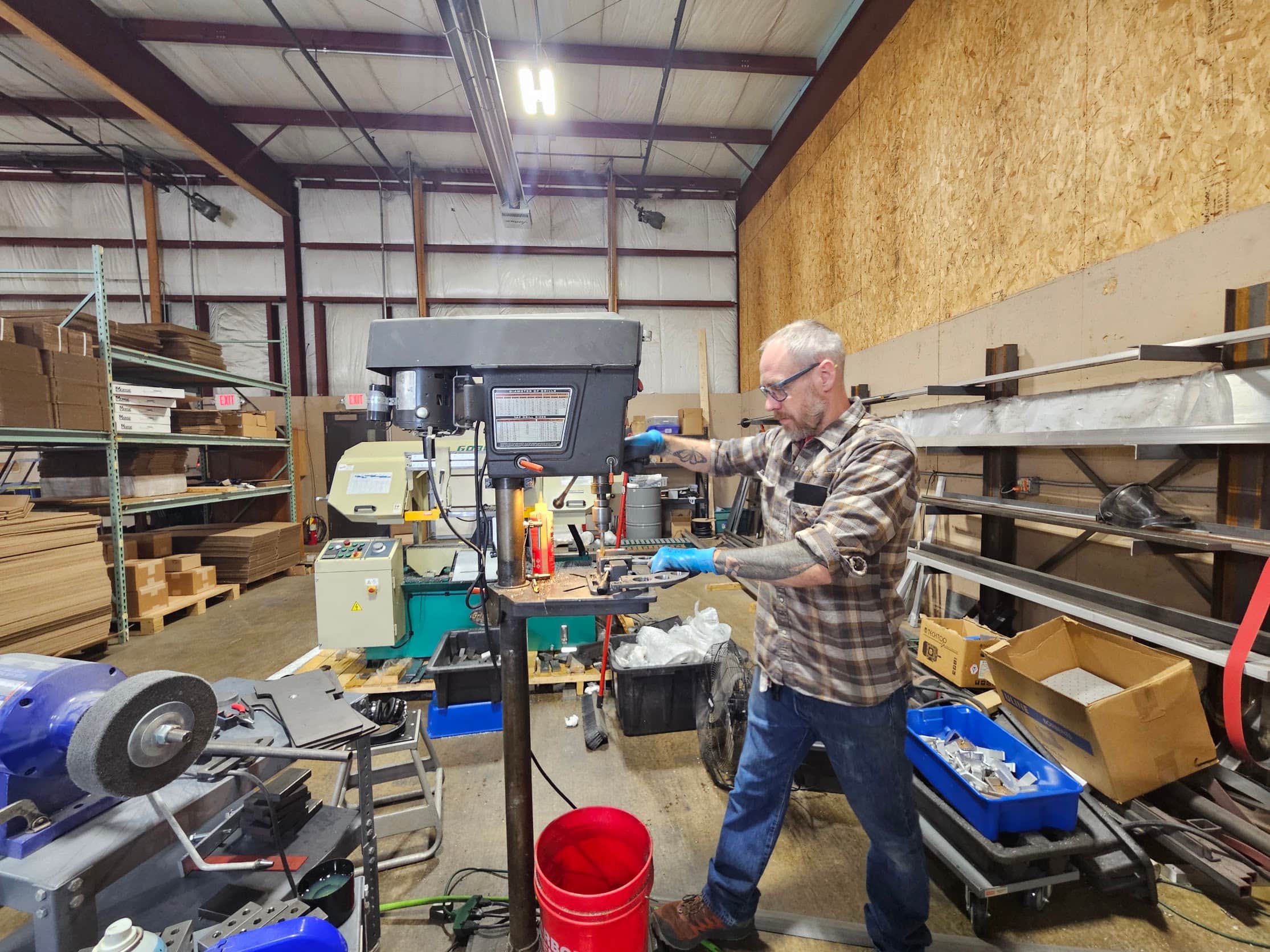
One-man shop
I answer my own email. Tell me the steel, the machine and what it is doing, and I will tell you what I would try next.