
Beginner Guides
How to Choose a 2×72 Belt Grinder: Complete Buyer’s Guide
If you’ve spent any time in knifemaking forums or subreddits, you’ve seen the question a hundred times: “what belt grinder should I buy?” The honest…
Beginner Guides
Budget for knifemaking: what a professional-grade 2x72 setup with motor and VFD requires, three real build levels, premium rivals compared, and extras.
2 min readWritten by Rich LinvilleFree to read
Serious knifemakers eventually ask the same question: what does it actually cost to build a professional-grade shop, not just a hobby setup? This breaks down real numbers for a fully assembled, motor-and-VFD-equipped grinder at three build levels, and shows how that stacks up against the well-known names in the premium 2×72 space.
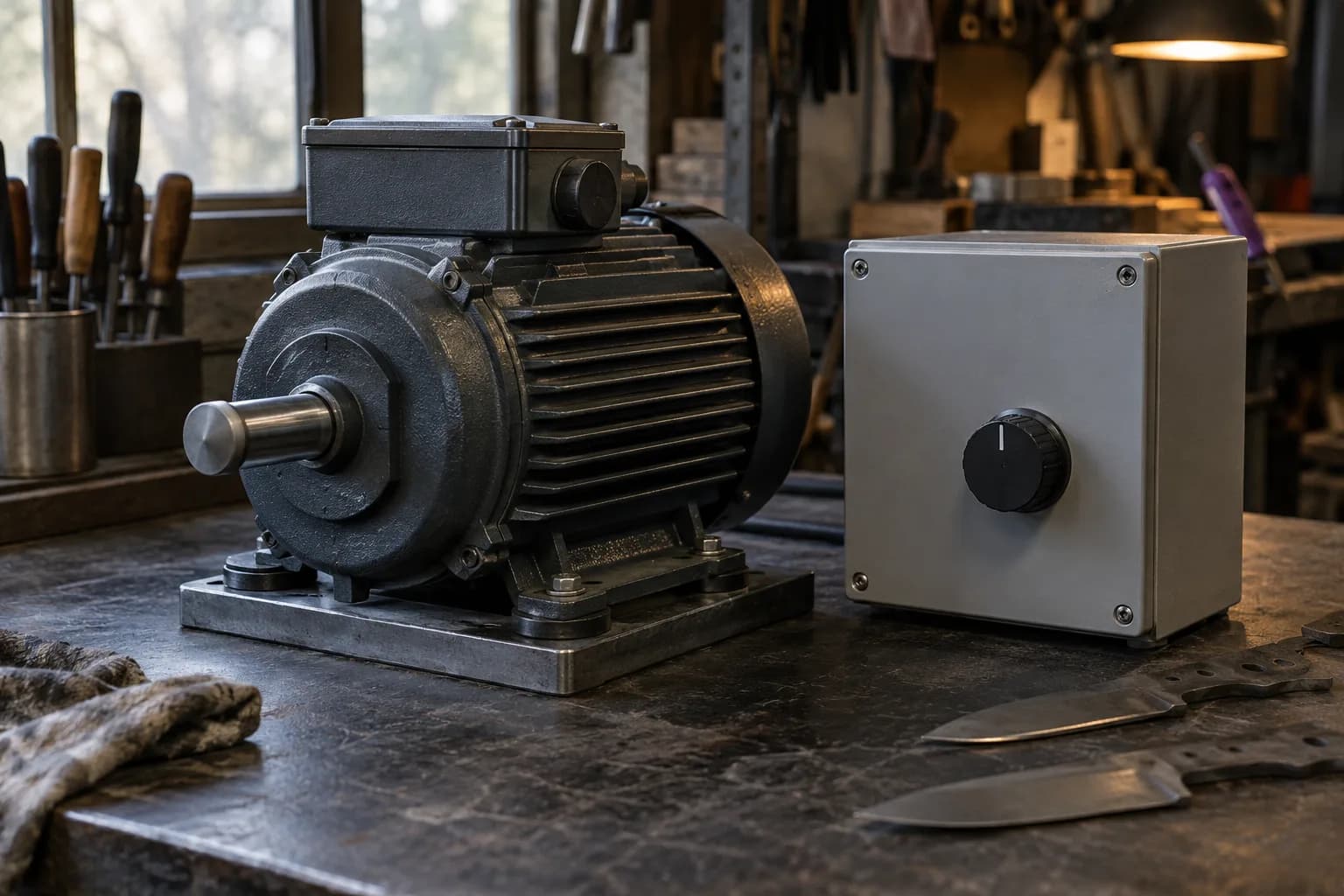
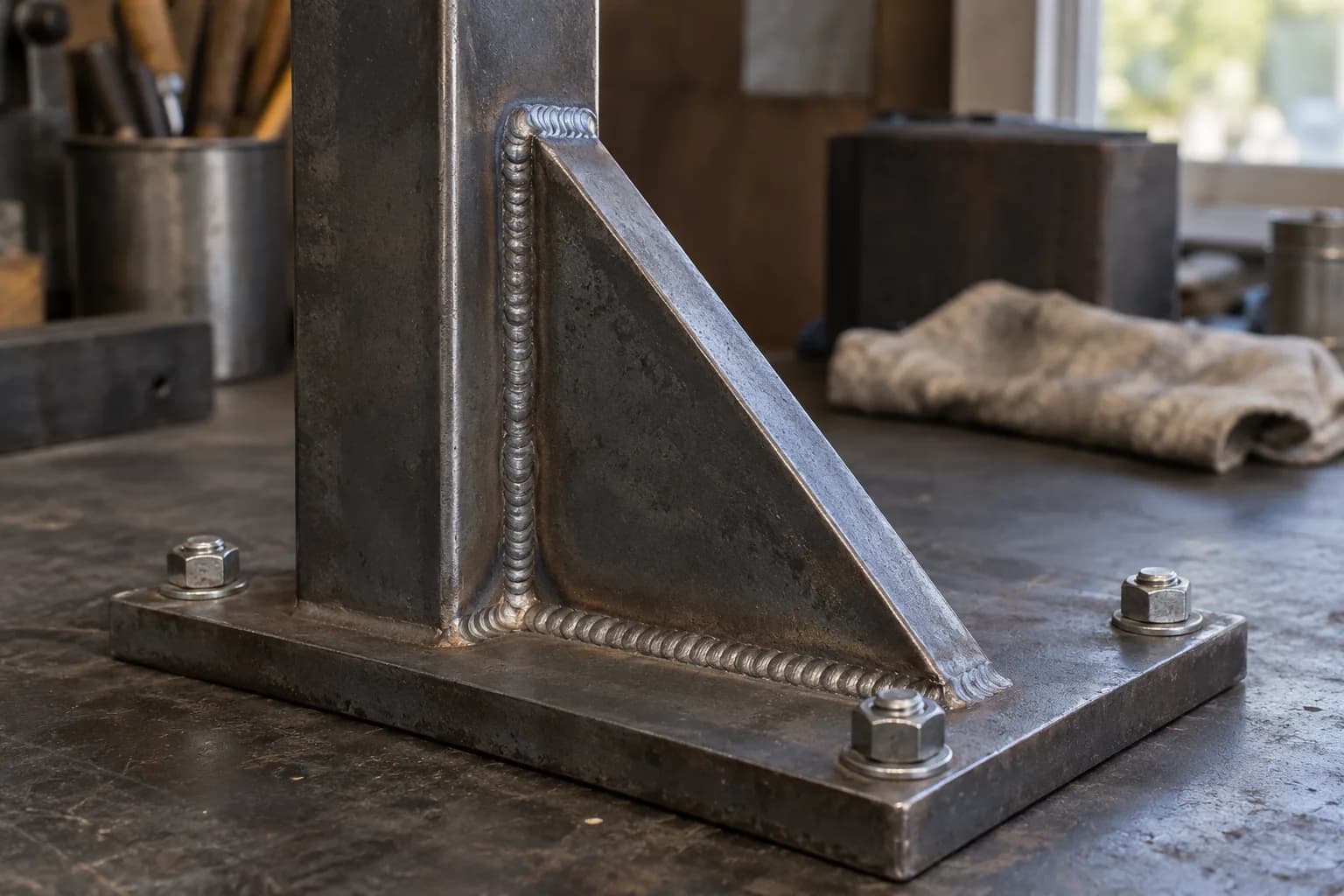
A serious daily-use grinder needs three things a basic hobby machine often skips: a rigid, vibration-resistant chassis, a variable-speed motor so you can actually control belt speed for different steels and operations (see our Belt Speed Calculator), and a belt tensioning system that holds up to daily use without drifting out of adjustment. That’s the bar a “professional setup” needs to clear.
Torus CNC’s current lineup covers three tiers of the same core promise: fully assembled, fully tested, ready to grind the day it arrives.
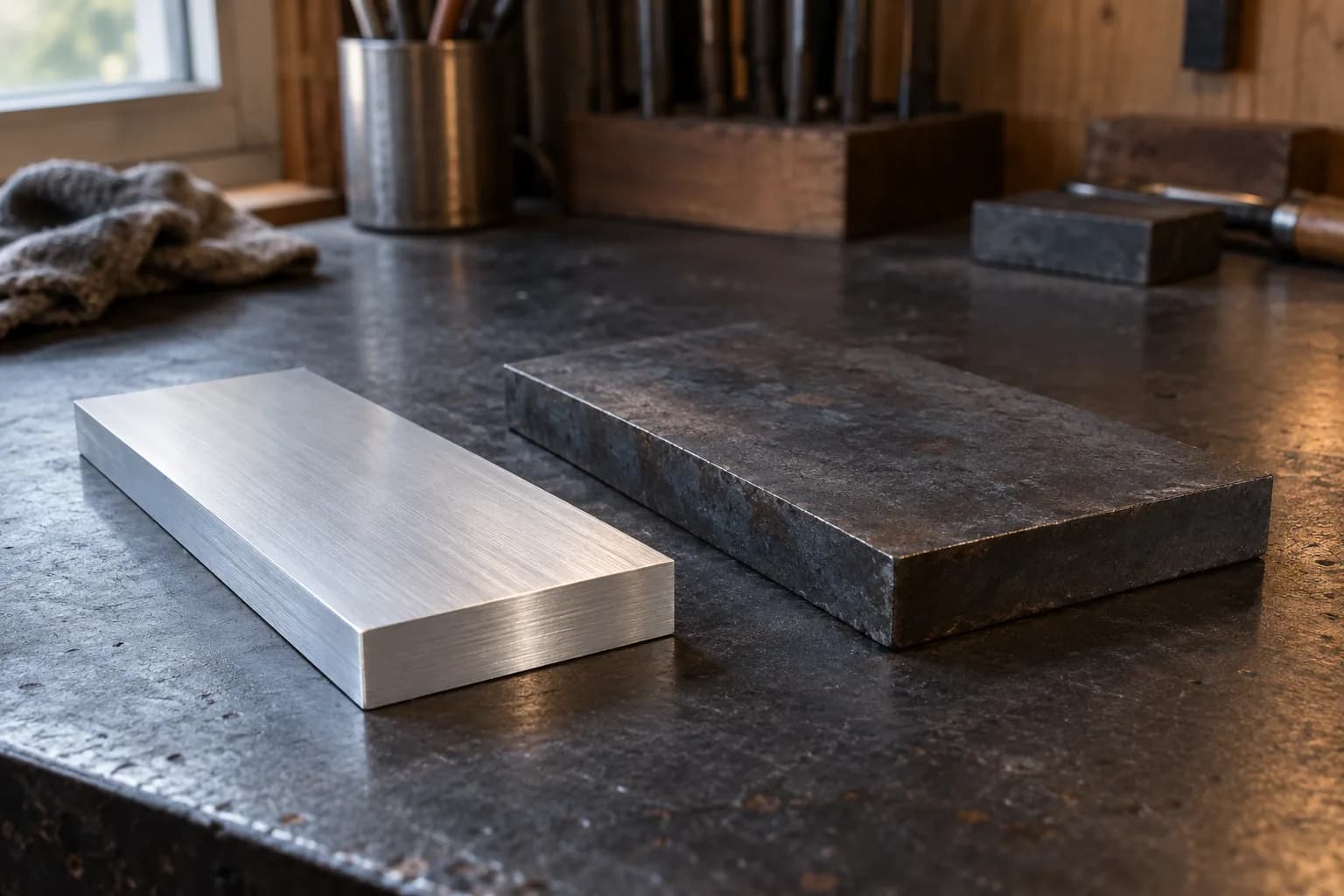
| Model | Chassis | Best for | Price + motor/VFD |
| The Torus-2×72 Classic | 6061 aluminum | The value pick many professional shops have run for years | $1,095 + $1,295 = $2,390 |
| Nova | Upsized 6061 aluminum, cross-braced | The current standard: lighter, corrosion-resistant, reinforced against flex | $1,395 + $1,295 = $2,690 |
| Nebula | Upsized 3/8″ steel | Maximum rigidity, mass, and vibration dampening for the heaviest daily use | $1,495 + $1,295 = $2,790 |
Every tier ships completely assembled and shop-tested, not a kit you weld or bolt together yourself. Every tier includes a true 90-degree tilt and a stainless steel ratchet-style belt tensioner, a feature usually reserved for the highest-end grinders on the market, since it holds consistent tension indefinitely instead of losing tension as a spring fatigues over time. The Nova and Nebula add a precision dual-axis tracking system on top of that, a level of belt-alignment control not found on most grinders at any price.
Two of the most respected names in premium 2×72 grinders are Wuertz Machine Works’ TW-90 and Brodbeck Ironworks. Both build genuinely excellent machines, and it’s worth knowing where the pricing actually lands:
A fully assembled, motor-equipped Torus setup lands meaningfully below both, without giving up the features (rigid construction, real tilt function, ratchet tensioning) that define the premium tier in the first place.
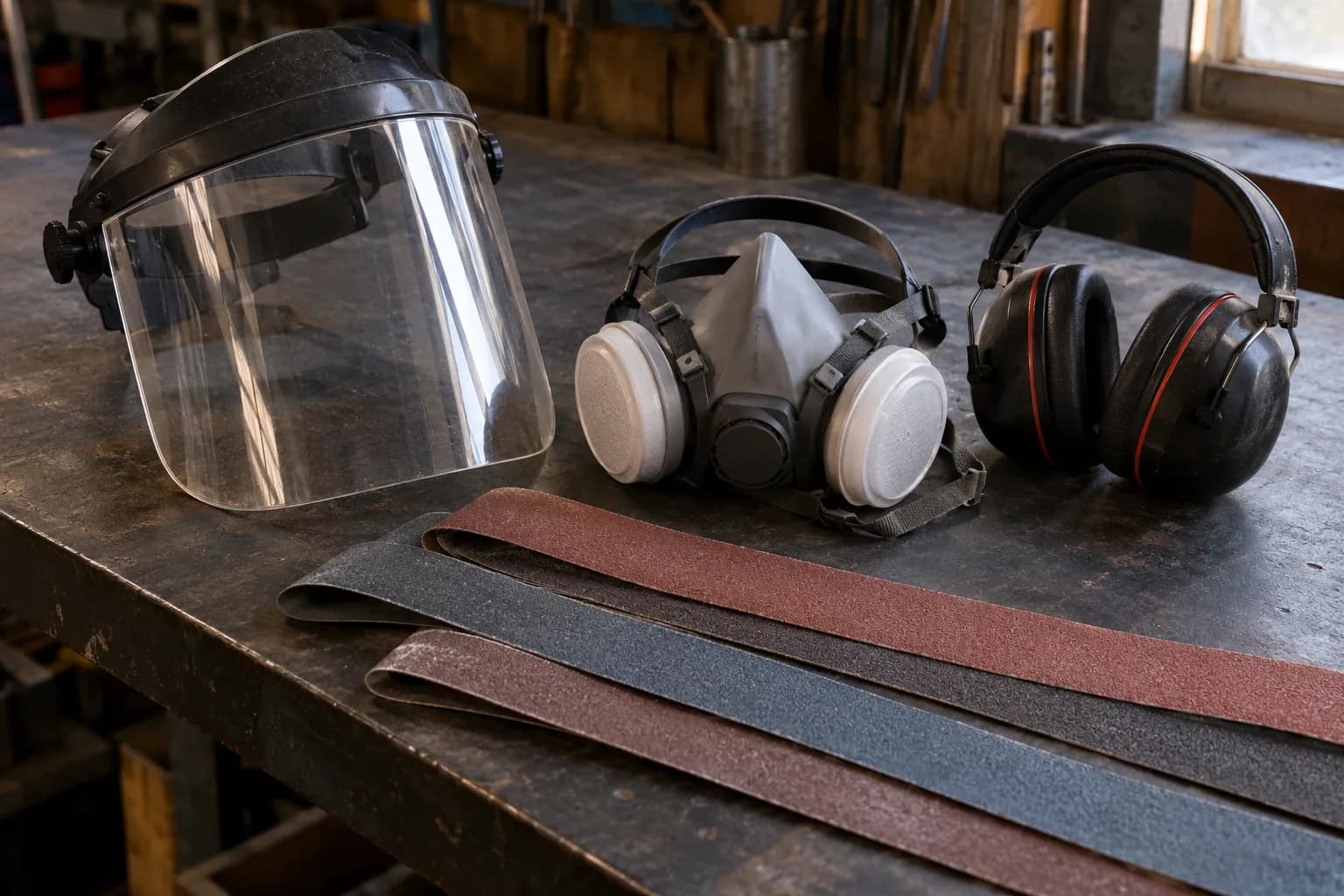
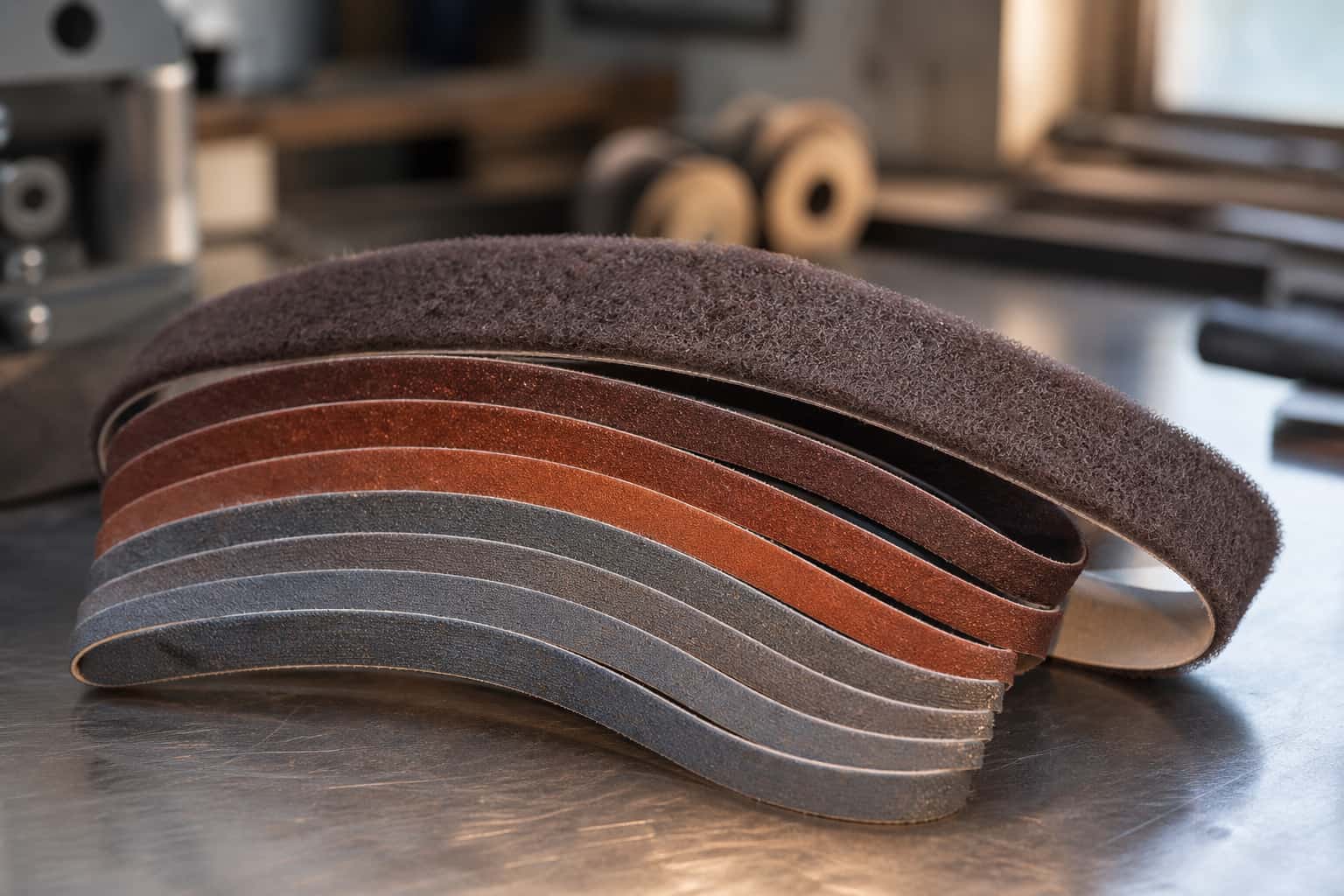
The grinder is the biggest line item, but not the only one. Plan for abrasive belts (see individual steel grinding guides for recommendations), a heat-treat setup or a professional heat-treating service, basic hand tools, and safety equipment (full face shield, respirator, hearing protection). None of that is optional regardless of which grinder you choose.
Keep reading
Three more from the same bench.
If you’ve spent any time in knifemaking forums or subreddits, you’ve seen the question a hundred times: “what belt grinder should I buy?” The honest…
Full disclosure, before anything else: this is Torus CNC’s site — we build three of the grinders compared below. Here’s how we’ve kept this honest: every…
Most beginner knifemaking problems trace back to a handful of repeat mistakes, not bad luck or bad steel. Here are the ones that trip up new makers most…
Same bench
I machine the parts, hand-assemble, track and test Torus grinders in Sterling, Illinois. Most orders ship in seven to ten business days from time of order.
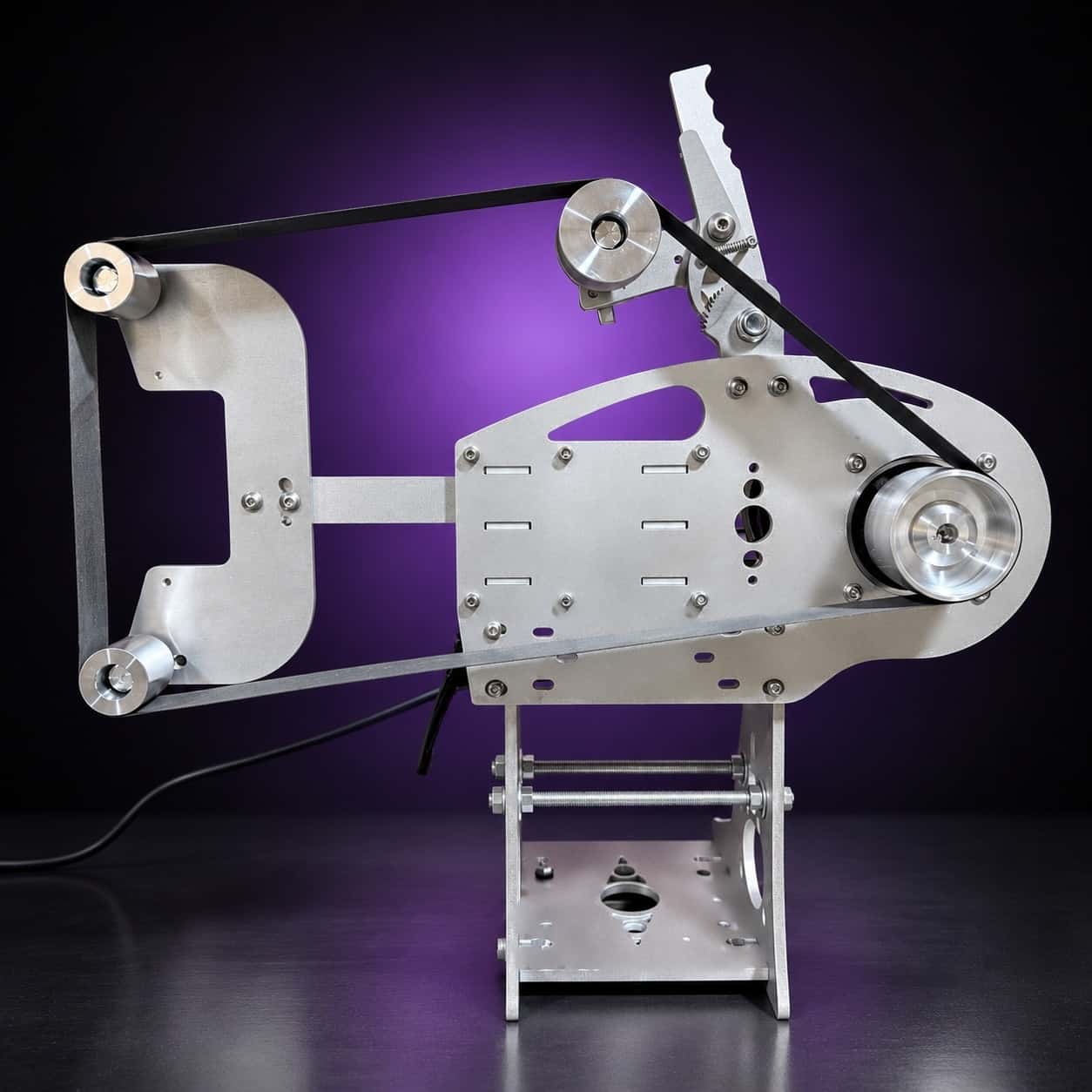
Current dual-axis platform with a fiber-laser-cut 6061 chassis and single-knob tracking.
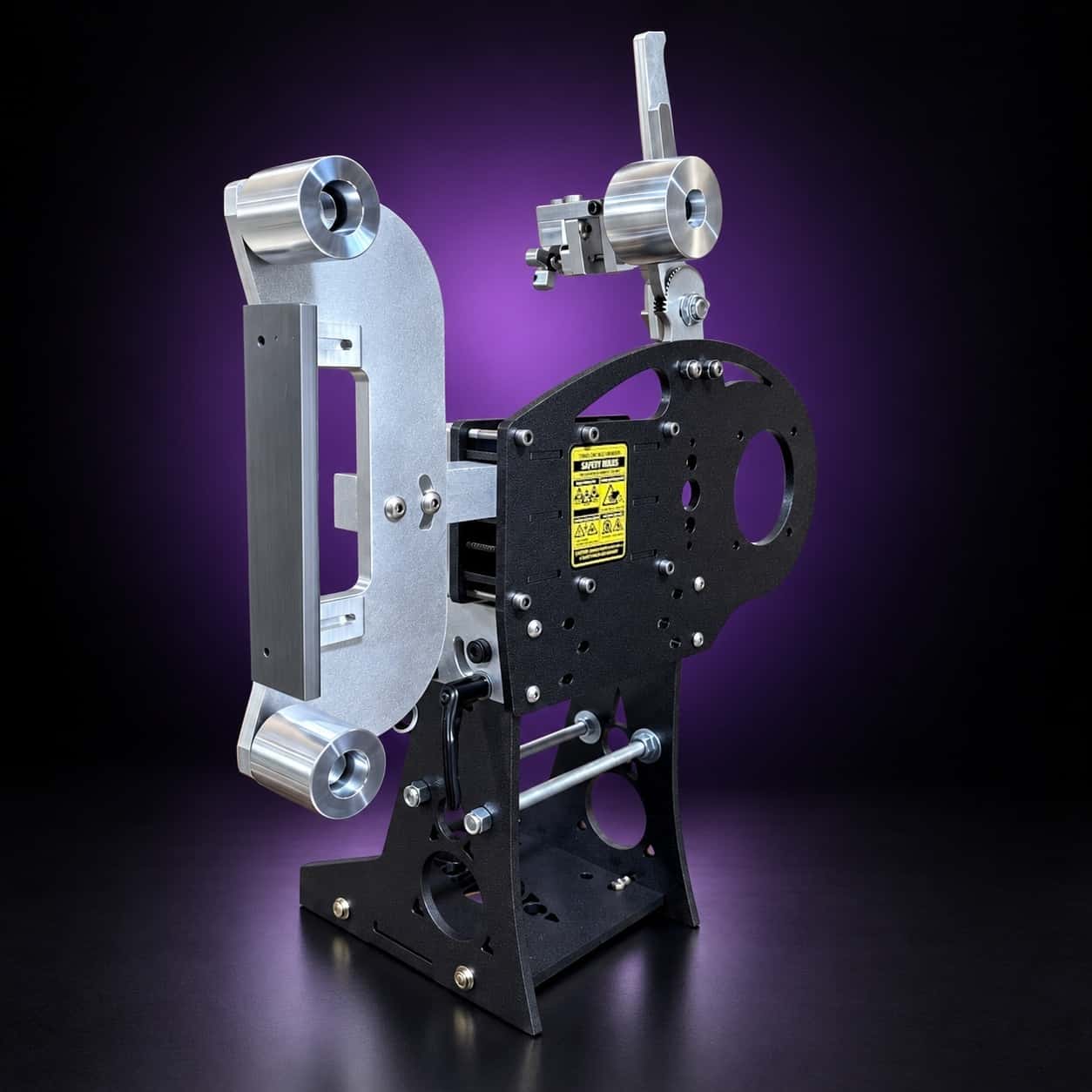
Current dual-axis platform with a steel chassis, more mass and less vibration.
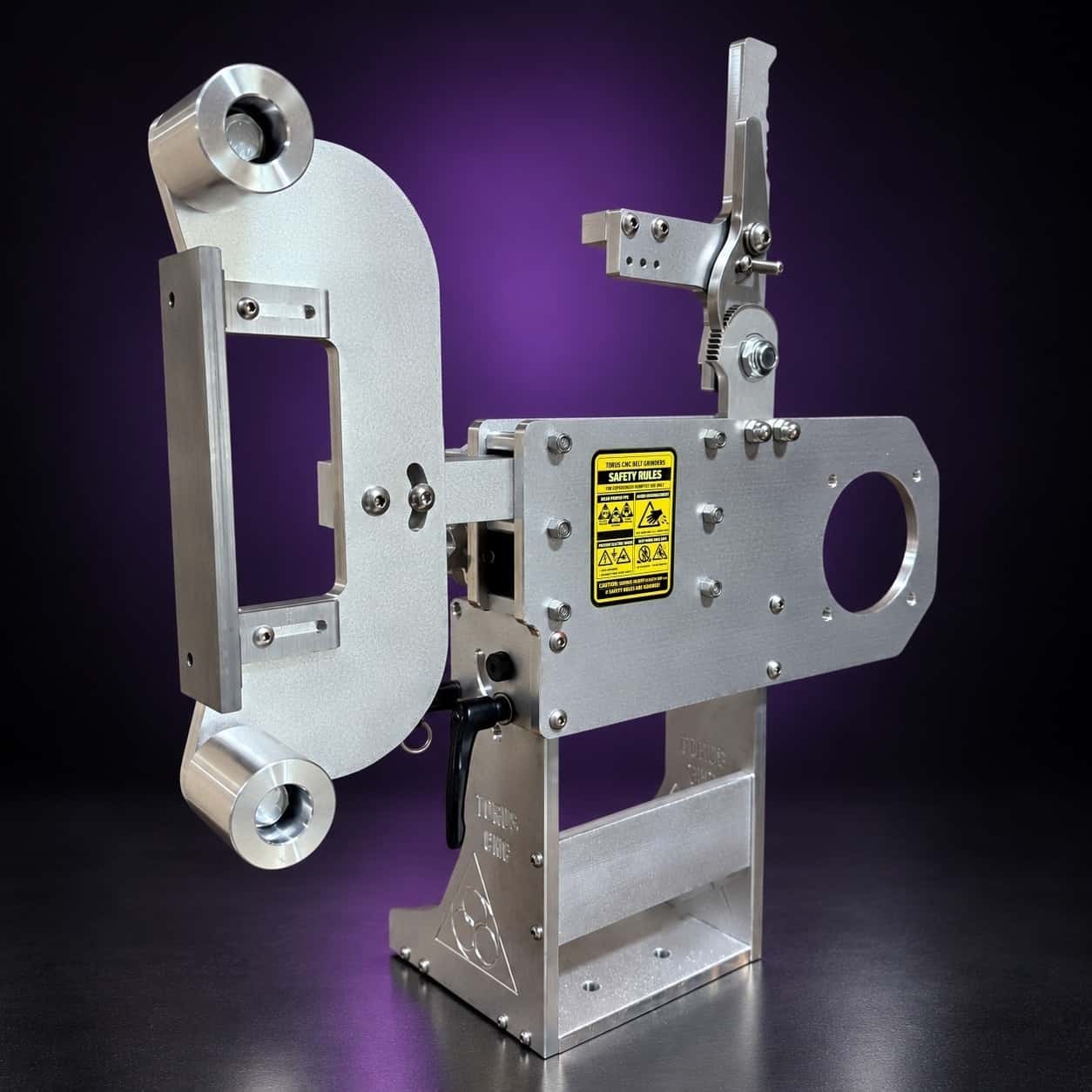
Prior-design aluminum chassis, 90-degree tilt and 1.5-inch tooling arms.
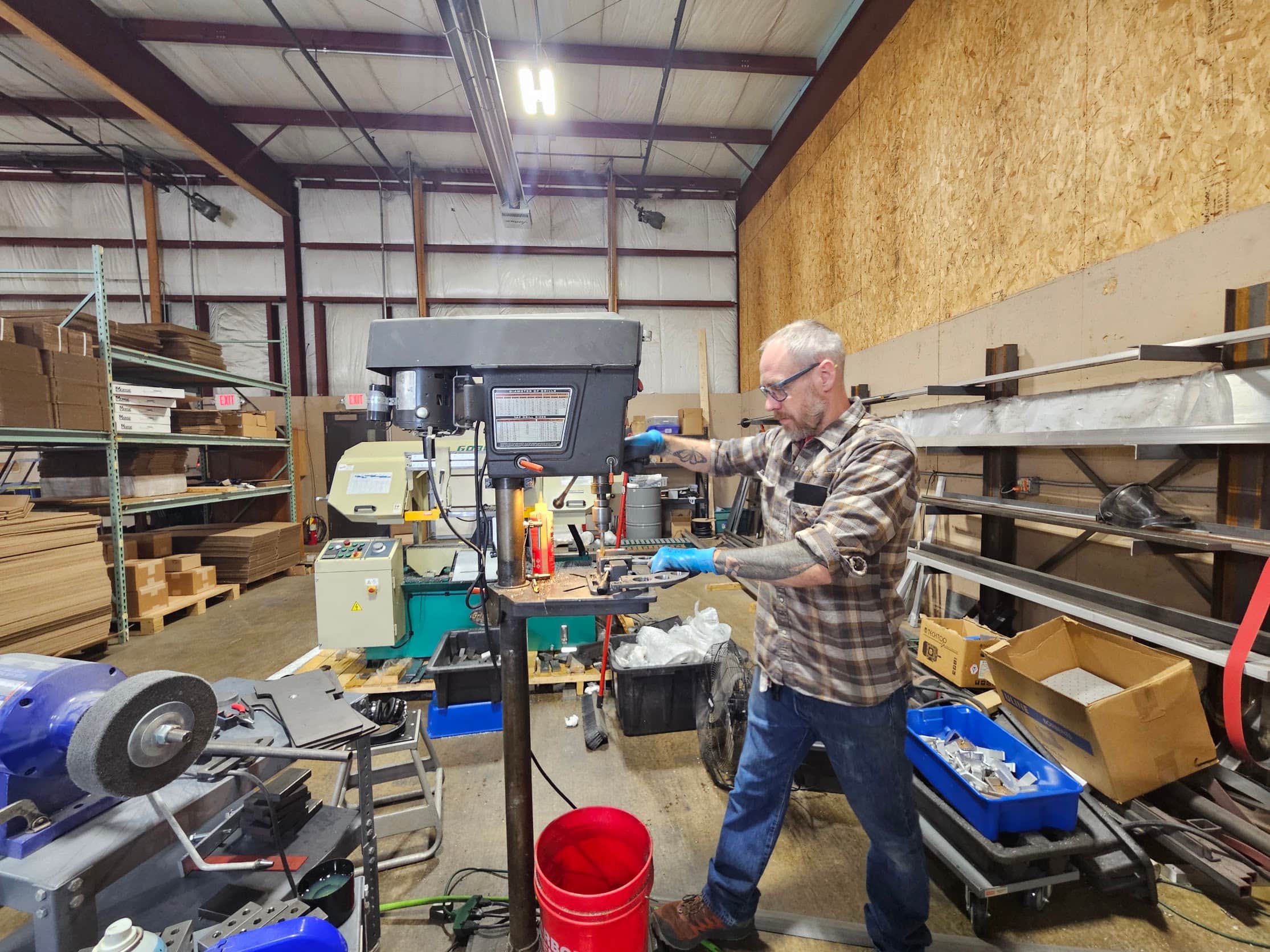
One-man shop
I answer my own email. Tell me the steel, the machine and what it is doing, and I will tell you what I would try next.