
Selling & Business
How to Price a Custom Knife
Undercharging is the single most common mistake makers make when they start selling knives, mostly because it’s easy to price for materials and forget to…
Selling & Business
Bookkeeping for knifemakers: a separate business account, tracking expenses as they happen, basic software, cost per knife, and money set aside for taxes.
3 min readWritten by Rich LinvilleFree to read
This is general education, not tax or accounting advice, talk to an accountant about your specific situation, especially once income becomes real. But most makers avoid bookkeeping entirely until tax time forces the issue, and that’s exactly what makes it painful.
Commission-based, irregular income with expenses that don’t map cleanly to individual sales (a belt gets used across many projects, not just one) is genuinely harder to track casually than a regular paycheck or predictable retail sales. Without some system, it’s very easy to lose track of what a knife actually cost to make, and by extension, whether you’re actually pricing profitably, see How to Price a Custom Knife for why that matters.
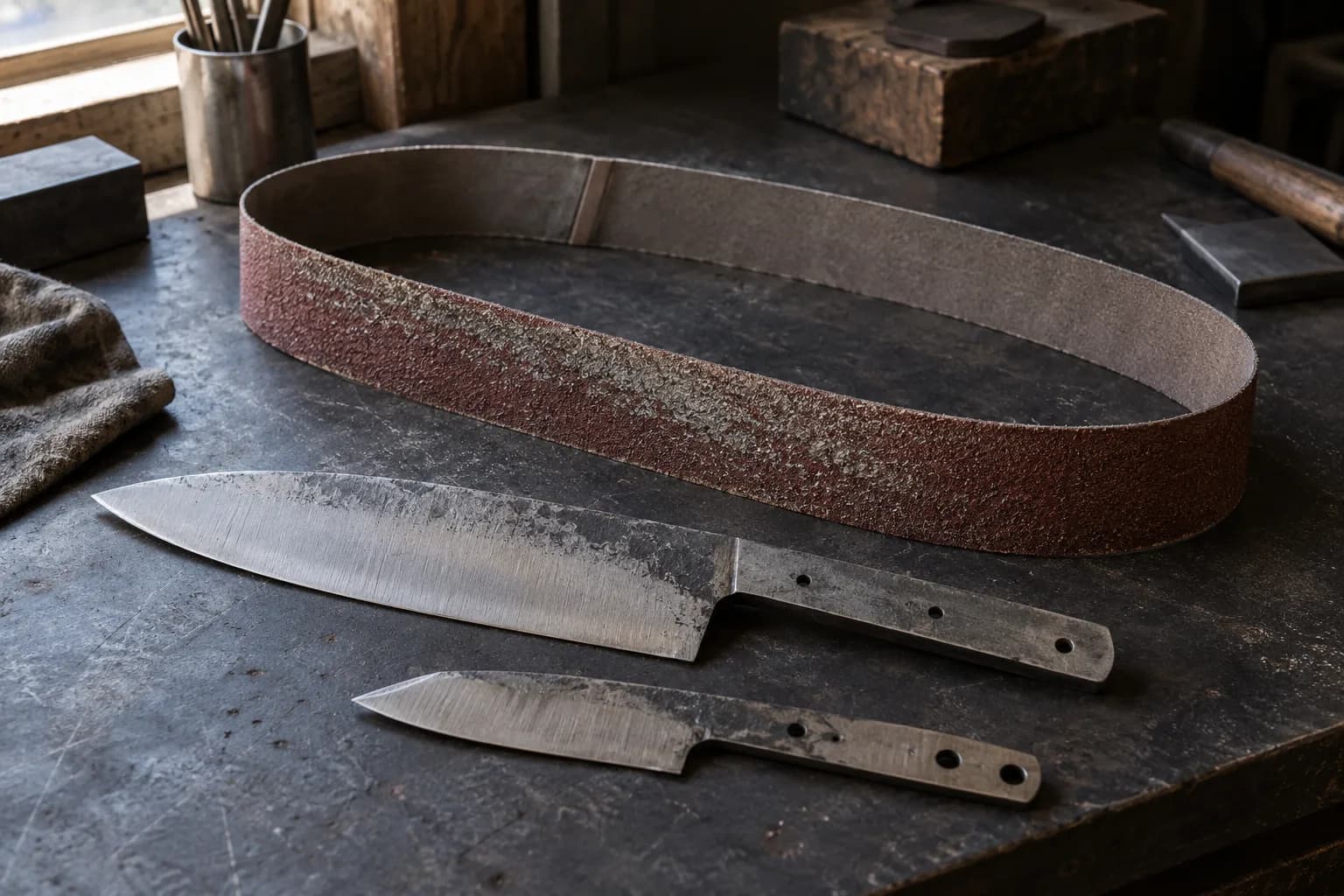
Even before forming a formal business structure, a dedicated bank account (and ideally a card) used only for knifemaking income and expenses makes tracking dramatically simpler than untangling business transactions from personal ones after the fact. This single habit prevents more bookkeeping headaches than almost anything else on this list.
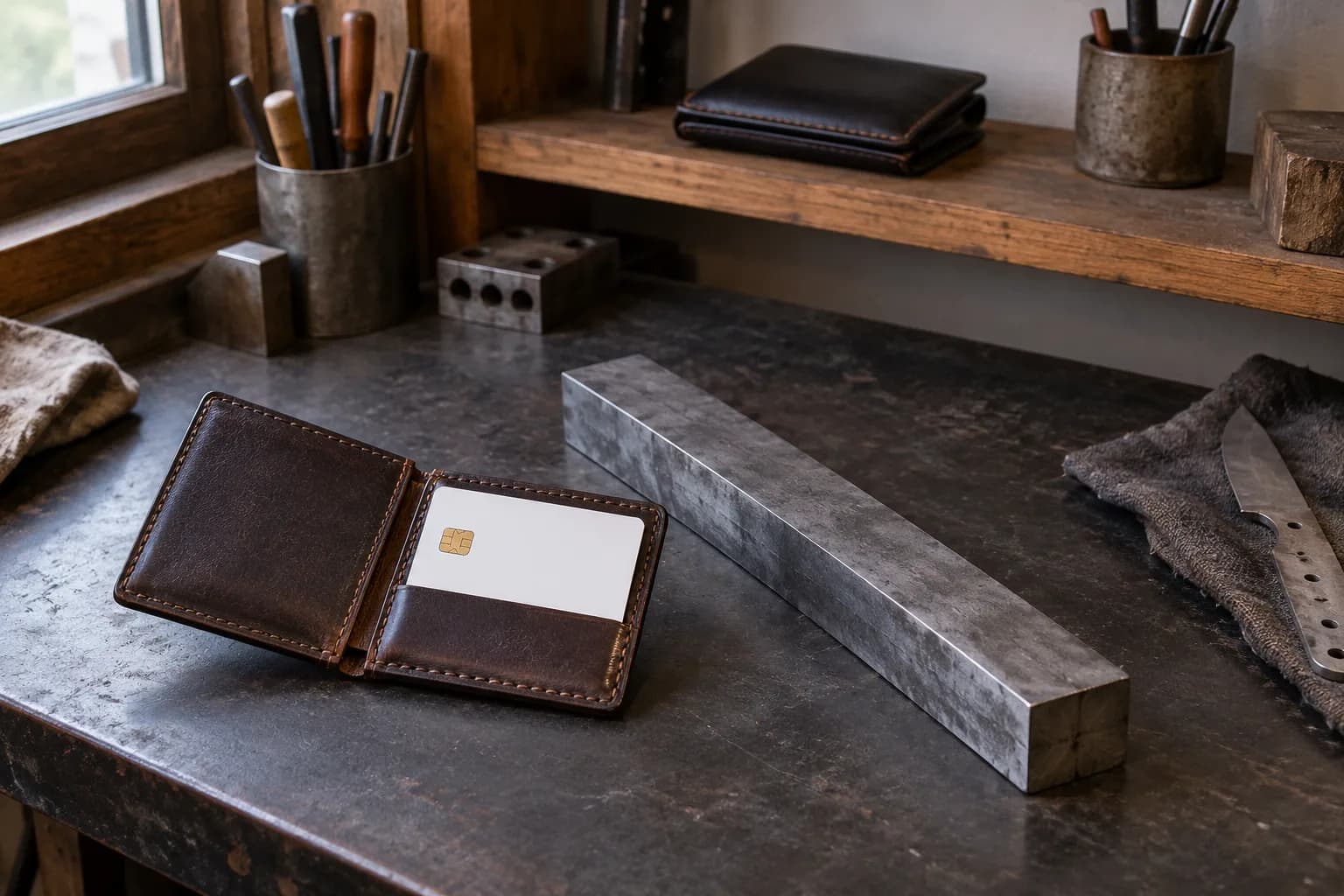
Steel, belts, handle materials, shop tools, even a portion of utilities if you have a dedicated shop space, all of these are legitimate business expenses, but only if you actually have records. Photographing receipts immediately and logging purchases in the moment beats trying to reconstruct a year of spending from memory in April.
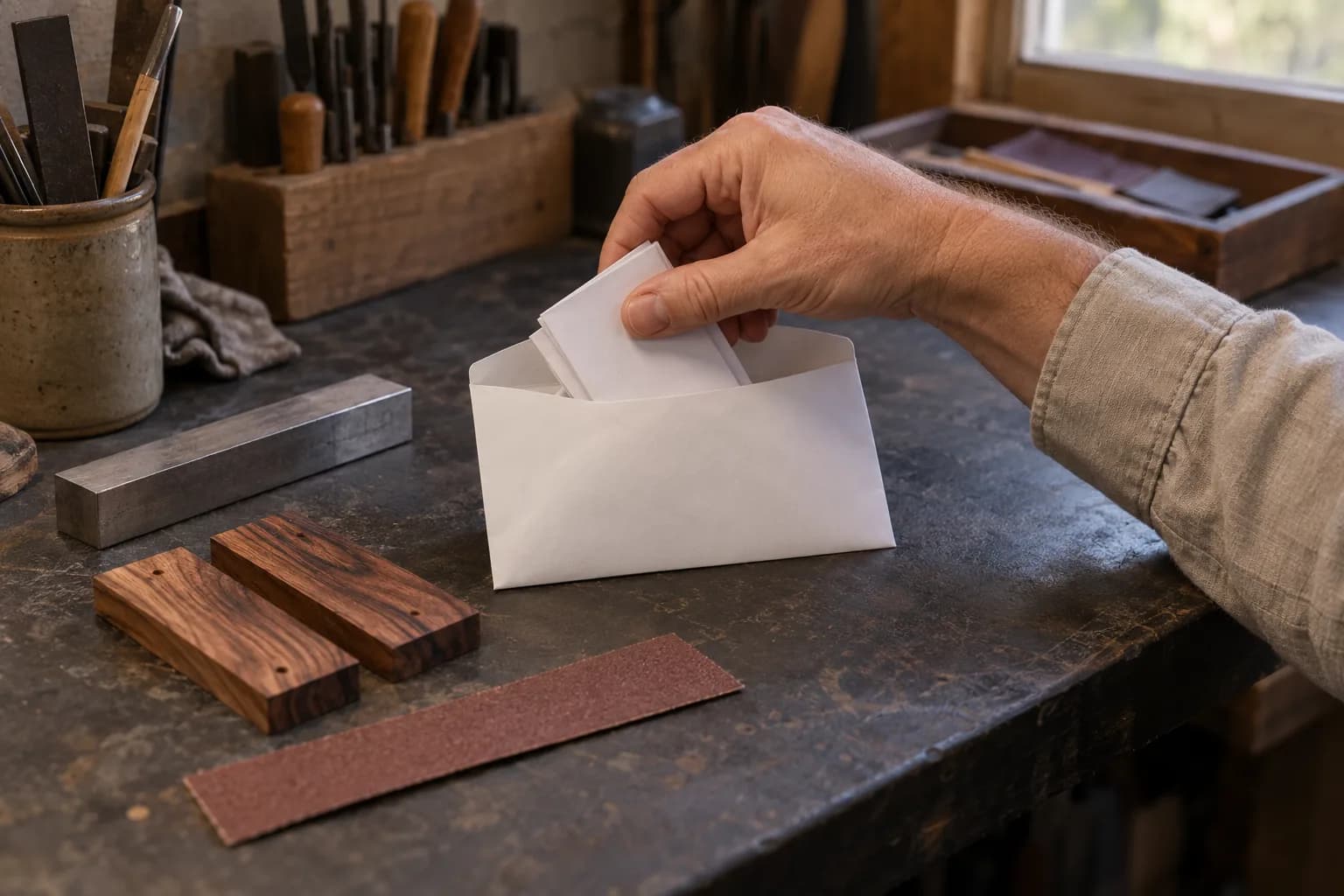
Simple small-business accounting software (built for tracking income and expenses, generating basic reports, and often integrating with a business bank account) removes most of the manual work involved in staying organized, and most options are inexpensive relative to the time they save. Even a well-maintained spreadsheet is a real improvement over no system at all if you’re not ready to pay for dedicated software yet, the important part is consistency, not which specific tool you use.
Knowing your total sales for the year is useful, but knowing your actual profit per knife (or per steel/complexity category) tells you which work is actually worth your time and which isn’t. This ties directly back into pricing, a knife that looks profitable at the sale price but ate more materials and hours than expected isn’t actually the win it appears to be on paper.
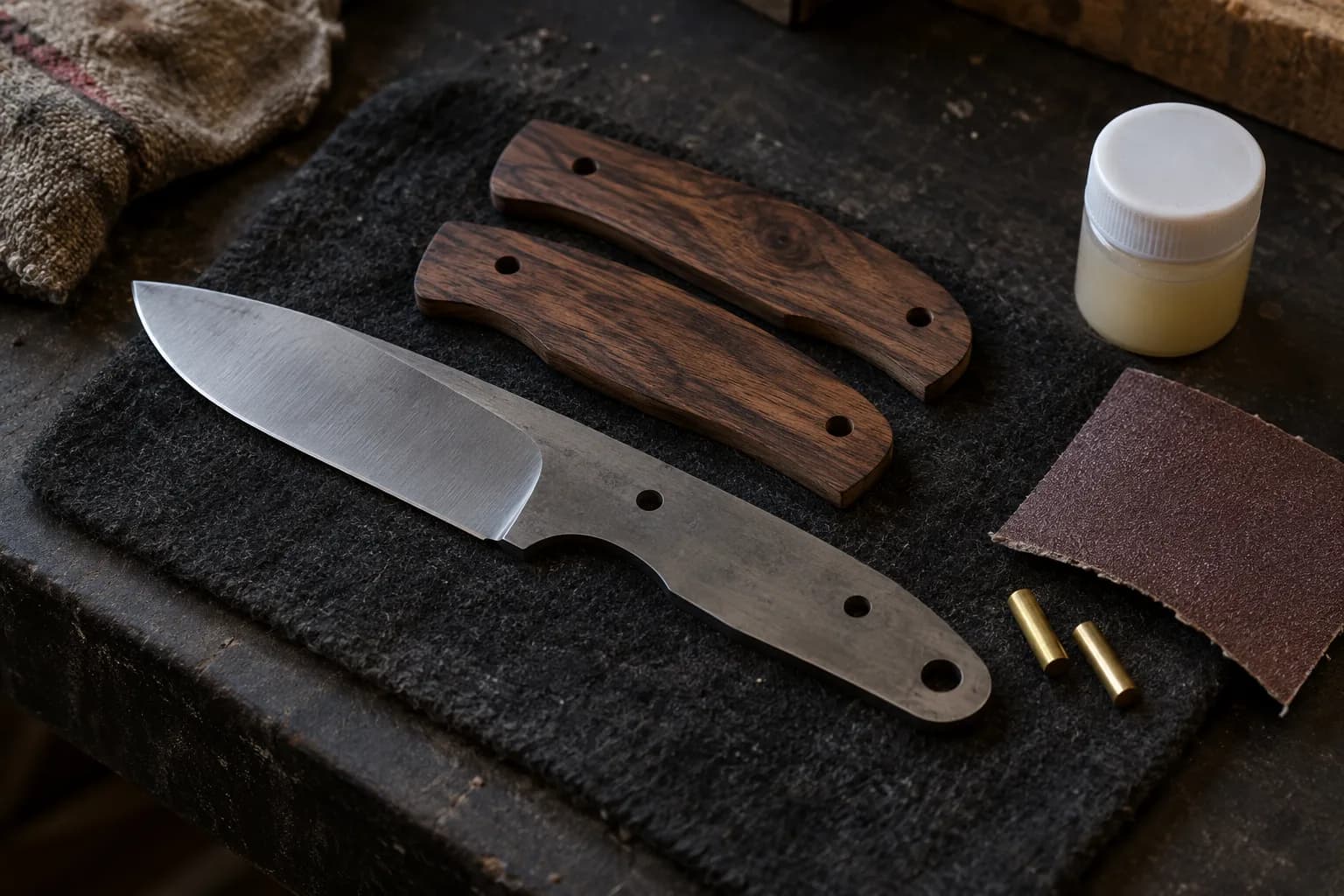
Business income is generally taxable, and self-employment tax obligations can catch new makers off guard if nothing has been set aside throughout the year. Setting aside a percentage of each sale into a separate account as you go is far less painful than facing a full year’s tax bill at once with nothing saved toward it.
Not necessarily, a clean, consistently-updated spreadsheet is a reasonable starting point while sales are occasional. Dedicated software becomes worth the cost once transaction volume and complexity grow enough that manual tracking starts eating real time or introducing errors.
Generally, anything genuinely used for the business, materials, tools, a portion of relevant utilities or space if applicable, but the specifics of what’s deductible and how depend on tax rules that change and vary by situation, confirm with an accountant rather than guessing.
This depends heavily on your total income, location, and business structure, there’s no single safe percentage to quote here. Ask an accountant for a figure based on your actual numbers rather than using a generic rule of thumb.
Keep reading
Three more from the same bench.
Undercharging is the single most common mistake makers make when they start selling knives, mostly because it’s easy to price for materials and forget to…
This is general education, not legal or tax advice, business structure decisions depend on your specific state, income level, and risk exposure, so treat…
The faire booth business model is forty matching daggers, not forty individual daggers — and the difference between those two sentences is the difference…
Same bench
I machine the parts, hand-assemble, track and test Torus grinders in Sterling, Illinois. Most orders ship in seven to ten business days from time of order.
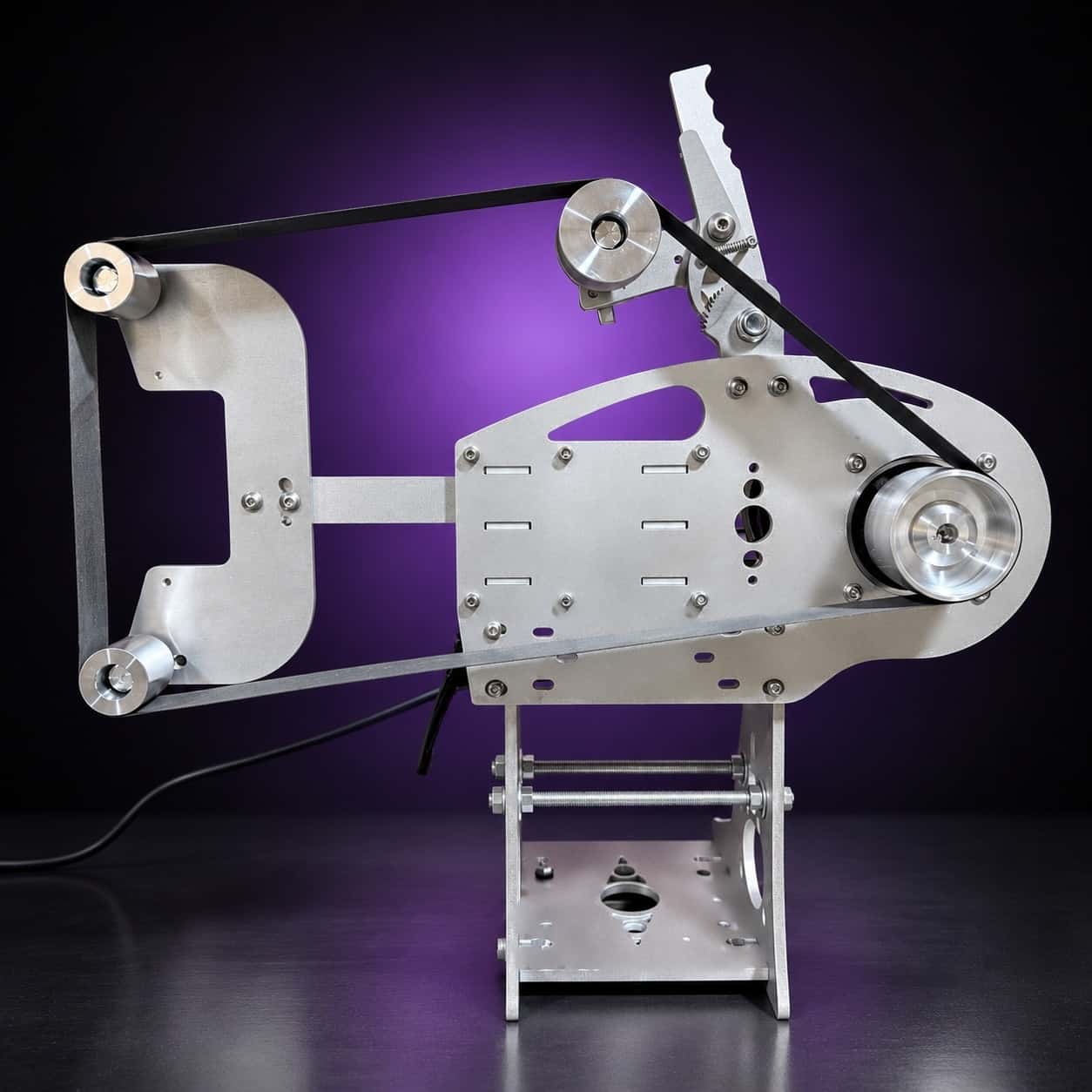
Current dual-axis platform with a fiber-laser-cut 6061 chassis and single-knob tracking.
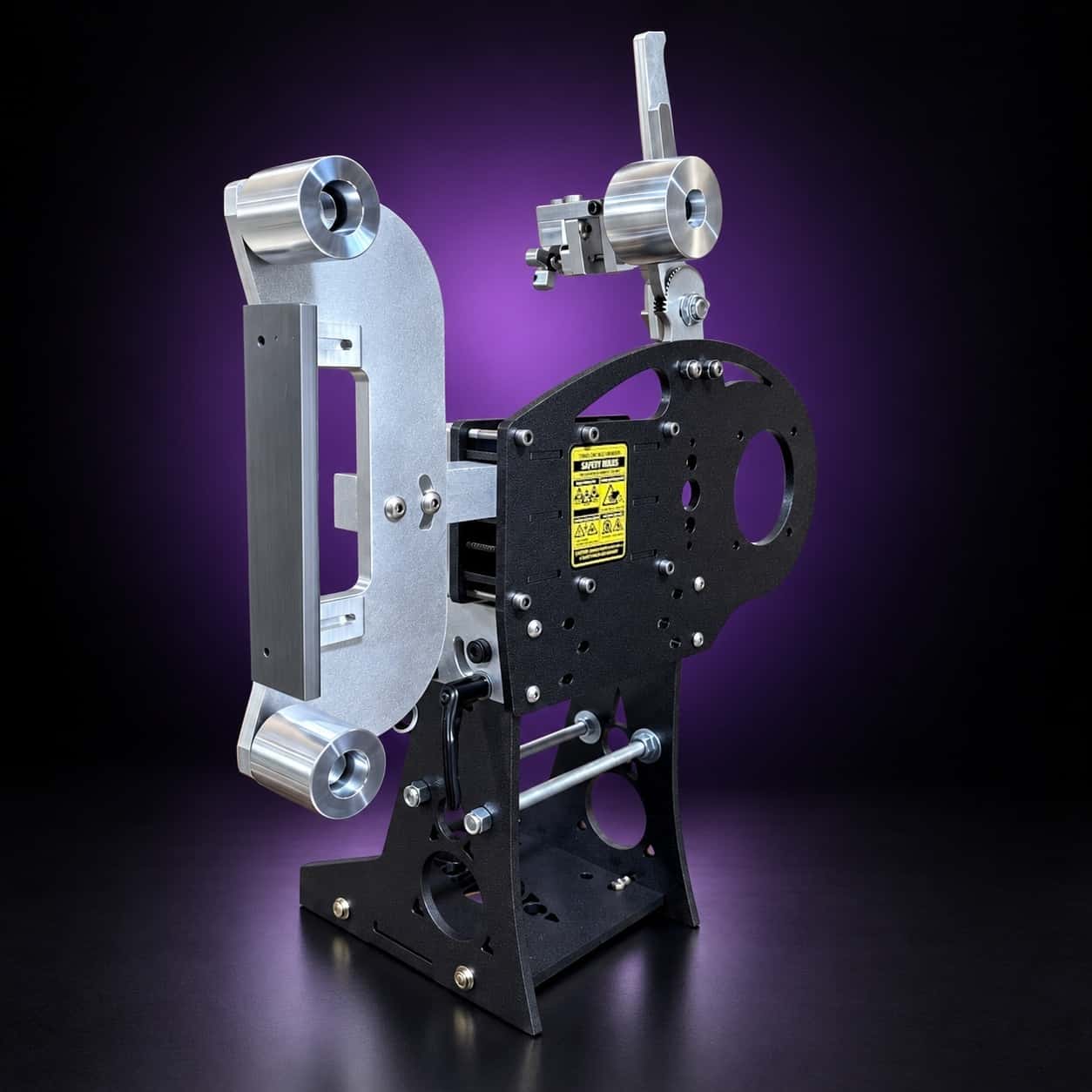
Current dual-axis platform with a steel chassis, more mass and less vibration.
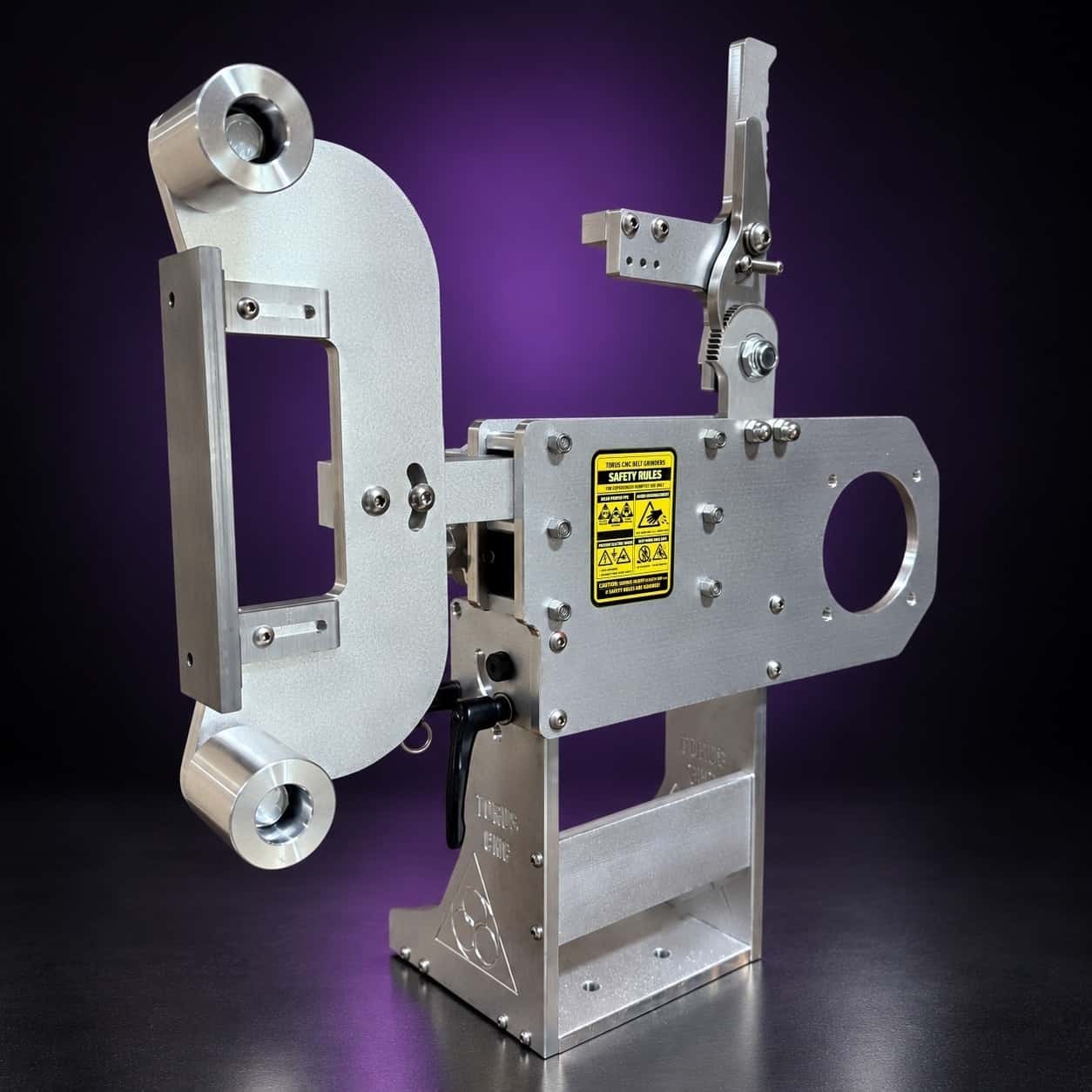
Prior-design aluminum chassis, 90-degree tilt and 1.5-inch tooling arms.
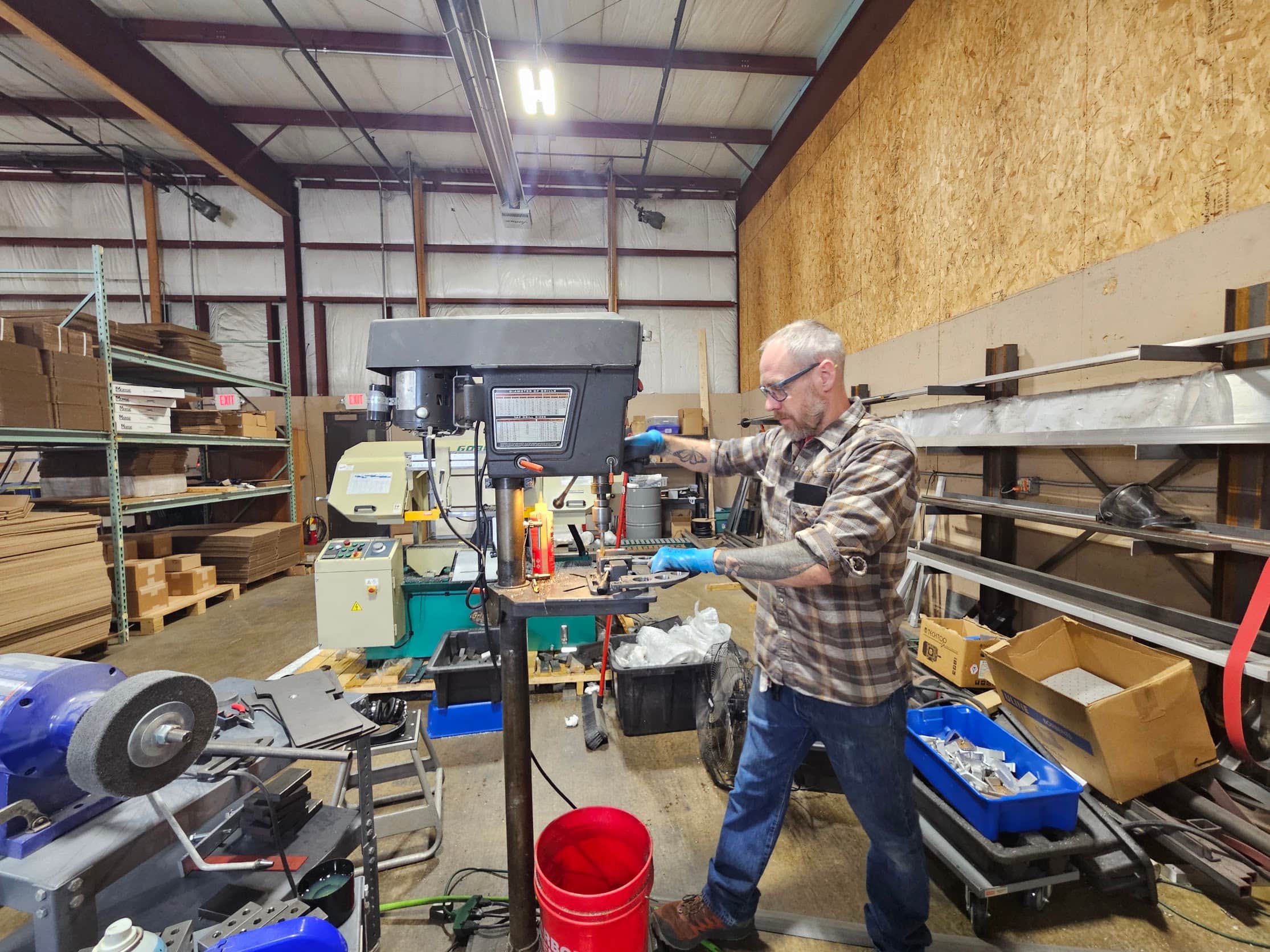
One-man shop
I answer my own email. Tell me the steel, the machine and what it is doing, and I will tell you what I would try next.