
Selling & Business
Do You Need an LLC to Sell Knives?
This is general education, not legal or tax advice, business structure decisions depend on your specific state, income level, and risk exposure, so treat…
Selling & Business
Before you ship a knife: the Federal Switchblade Act, USPS versus UPS and FedEx rules, why most knives are mailable, and the state limits that vary.
3 min readWritten by Rich LinvilleFree to read
This is general education, not legal advice, knife laws vary significantly by state and even by city, and shipping carrier policies change, always verify current rules directly with USPS, your carrier, and your state’s specific knife laws before shipping.
Federal law makes it illegal to ship automatic knives, switchblades, or any blade that opens via a button, gravity, or inertia, through the United States Postal Service specifically. This applies to USPS as a carrier, not to knife ownership or sale itself. Narrow exceptions exist for shipments to military branches, government agencies, and certain other specific cases, but for a typical maker selling to the general public, USPS is not a legal option for shipping automatic-opening knives.
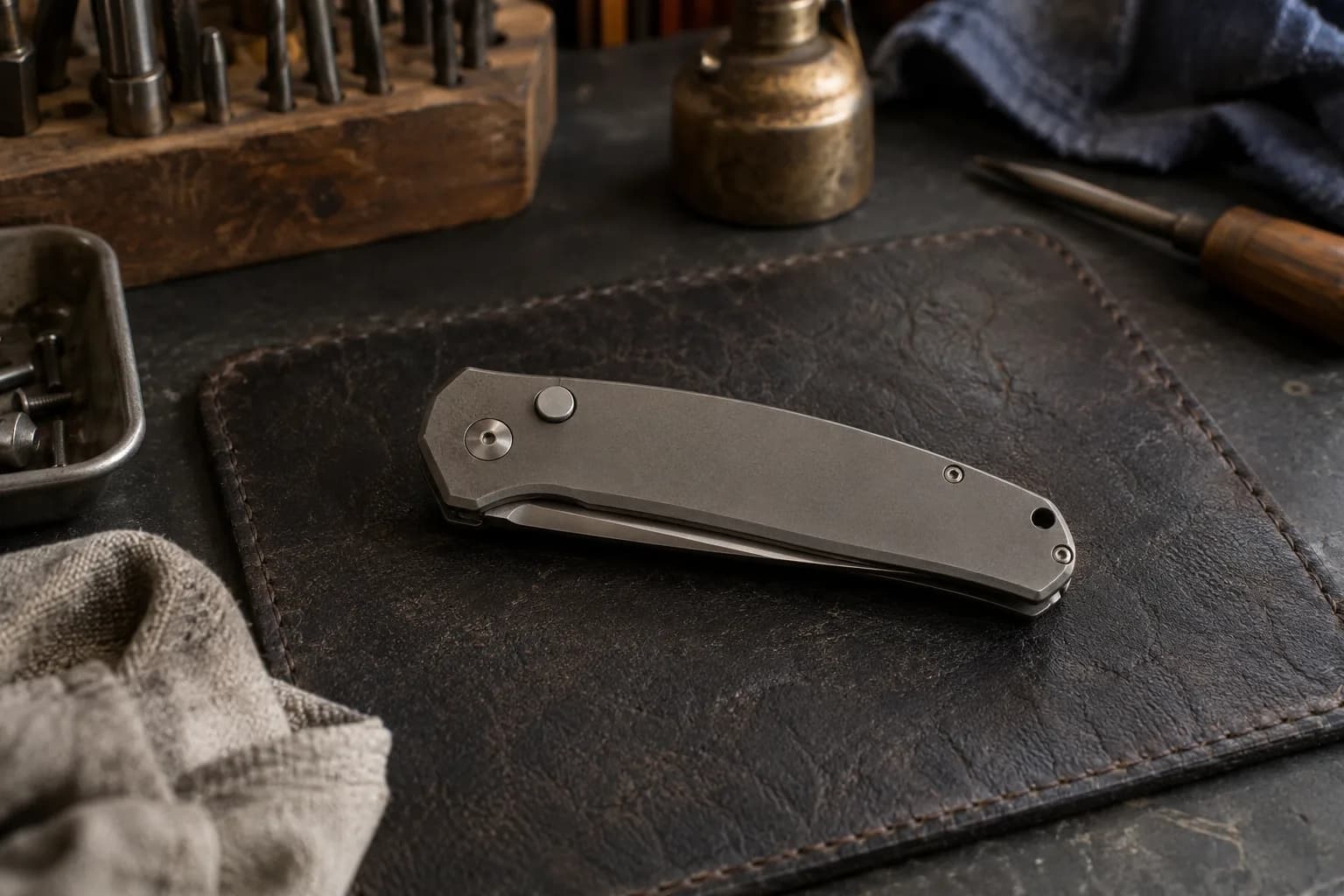
The Federal Switchblade Act specifically targets USPS. UPS and FedEx aren’t bound by that particular statute, but both carriers have their own policies that also prohibit shipping switchblades and other automatic knives. In practice, this means automatic knives are difficult to ship legally through any major carrier, not just USPS, always check your specific carrier’s current published policy rather than assuming one carrier is more permissive than another.
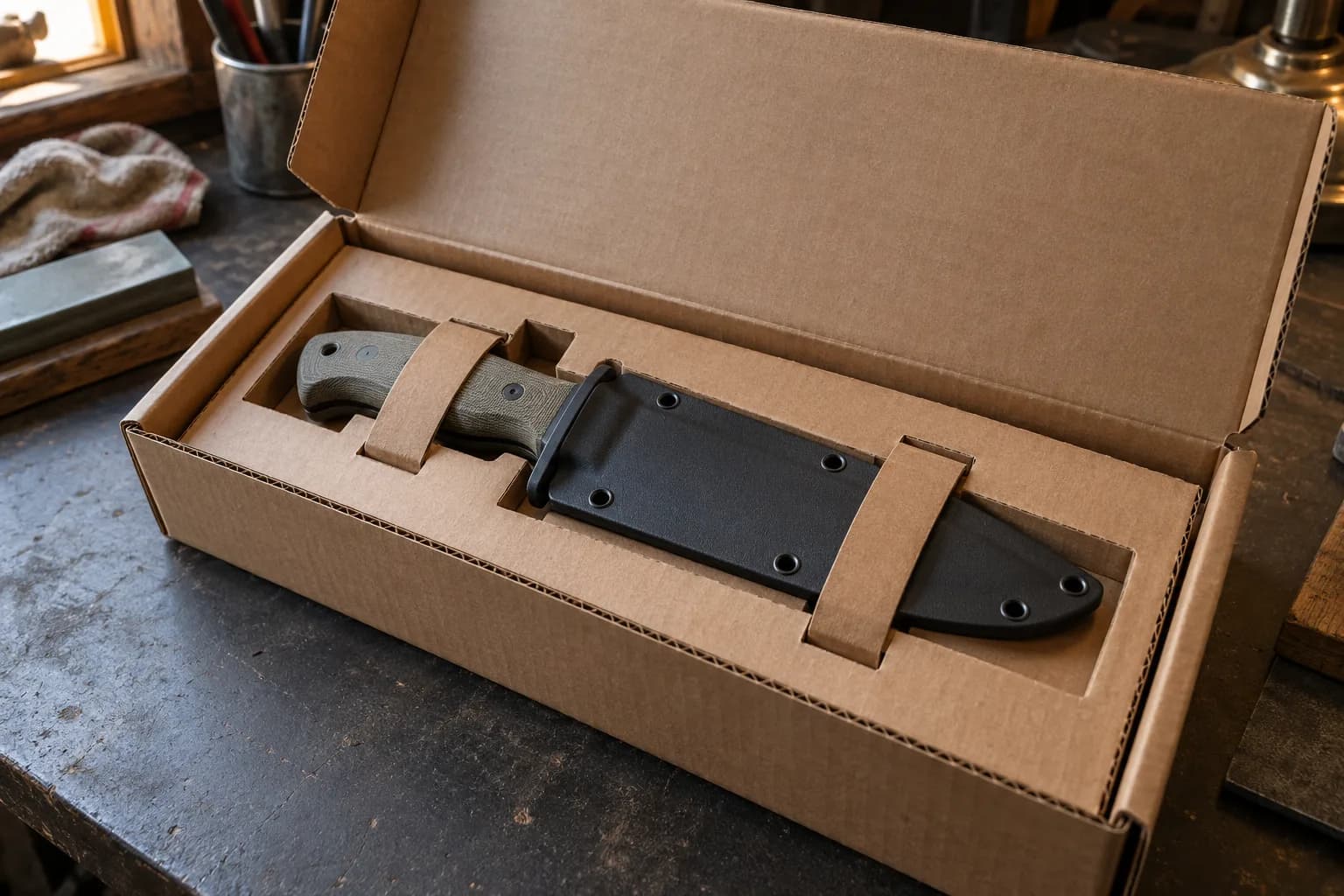
Fixed blades, standard (non-automatic) folding knives, hunting knives, and kitchen knives are generally mailable through major carriers when properly packaged, the federal restriction specifically targets automatic-opening mechanisms, not knives in general. Proper packaging (secured blade, appropriate box, clear labeling per your carrier’s requirements) still matters for any knife shipment.
Beyond the federal shipping rule, individual states and even specific cities have their own knife laws, covering things like blade length limits, restrictions on specific knife types, and sometimes outright bans on certain designs within city limits. These vary enough, and change often enough, that this guide won’t attempt to list them, verify the current law in both your state and your buyer’s state (and city, in some cases) before completing a sale, not just your own.
Selling and shipping across state lines means potentially navigating two different sets of state knife laws, yours and your buyer’s. Some makers ask buyers to confirm a knife is legal in their jurisdiction before shipping as a basic precaution, though this doesn’t replace actually knowing the relevant laws yourself for the products you regularly sell.
Beyond legal restrictions, carriers have their own packaging and labeling requirements for shipping blades, checking your specific carrier’s current published guidelines before your first shipment (and periodically after, since policies do change) avoids a shipment being refused or delayed.
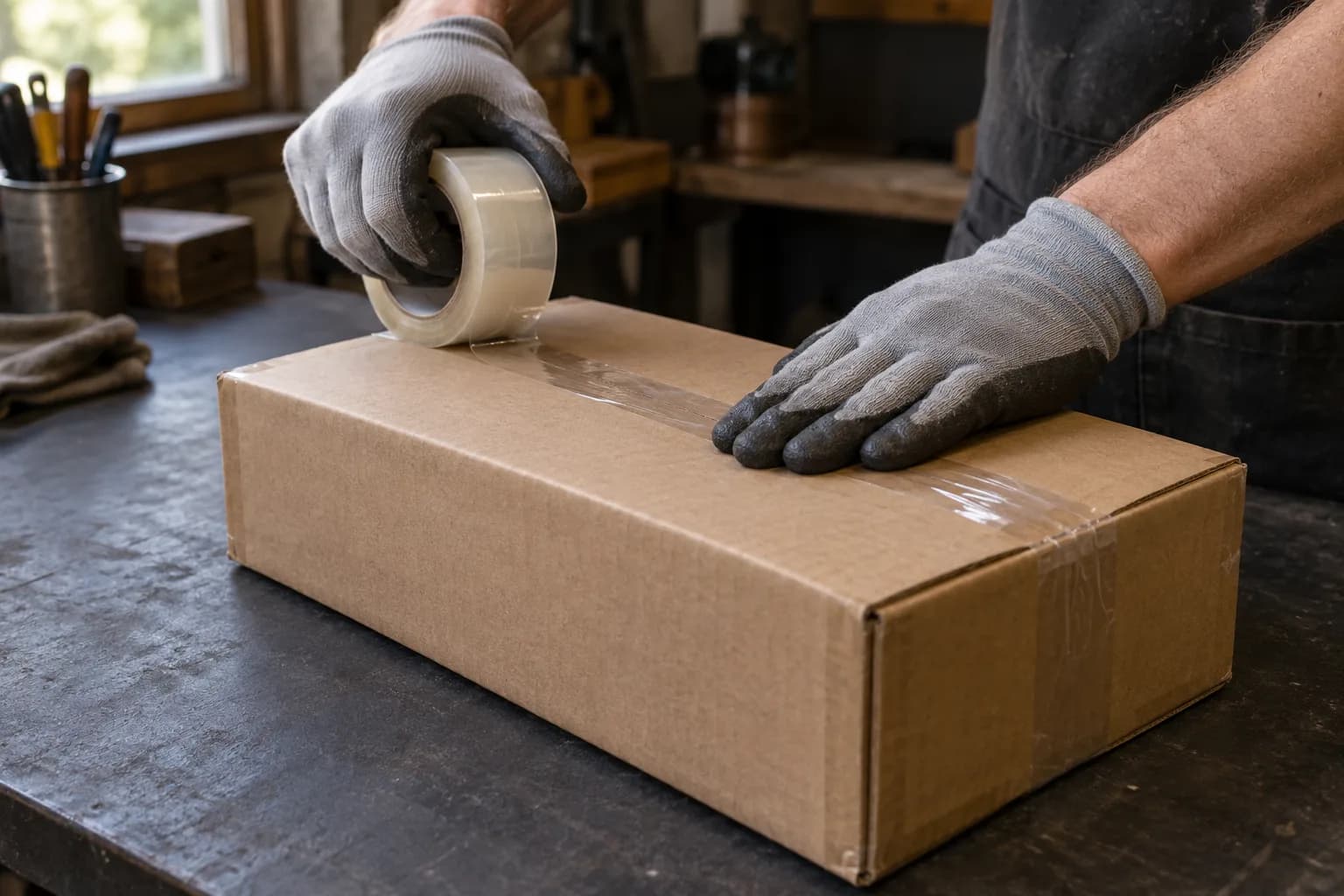
Non-automatic knives, generally yes, when properly packaged. Automatic-opening (switchblade-type) knives are federally restricted from USPS shipment with only narrow exceptions, that specific category is the one to be careful about.
Generally yes for most standard knife types, but both your state’s and the buyer’s state’s specific knife laws can apply, and they’re not always the same. This is worth understanding for the specific products you sell, not something to assume is uniformly fine everywhere.
Organizations focused specifically on knife rights and legislation track state-by-state knife law changes and are a more current, specialized resource than general legal sites, worth checking directly rather than relying on secondhand summaries, including this one, for anything you’re relying on to make a real business decision.
Keep reading
Three more from the same bench.
This is general education, not legal or tax advice, business structure decisions depend on your specific state, income level, and risk exposure, so treat…
This is general education, not tax or accounting advice, talk to an accountant about your specific situation, especially once income becomes real. But…
The faire booth business model is forty matching daggers, not forty individual daggers — and the difference between those two sentences is the difference…
Same bench
I machine the parts, hand-assemble, track and test Torus grinders in Sterling, Illinois. Most orders ship in seven to ten business days from time of order.
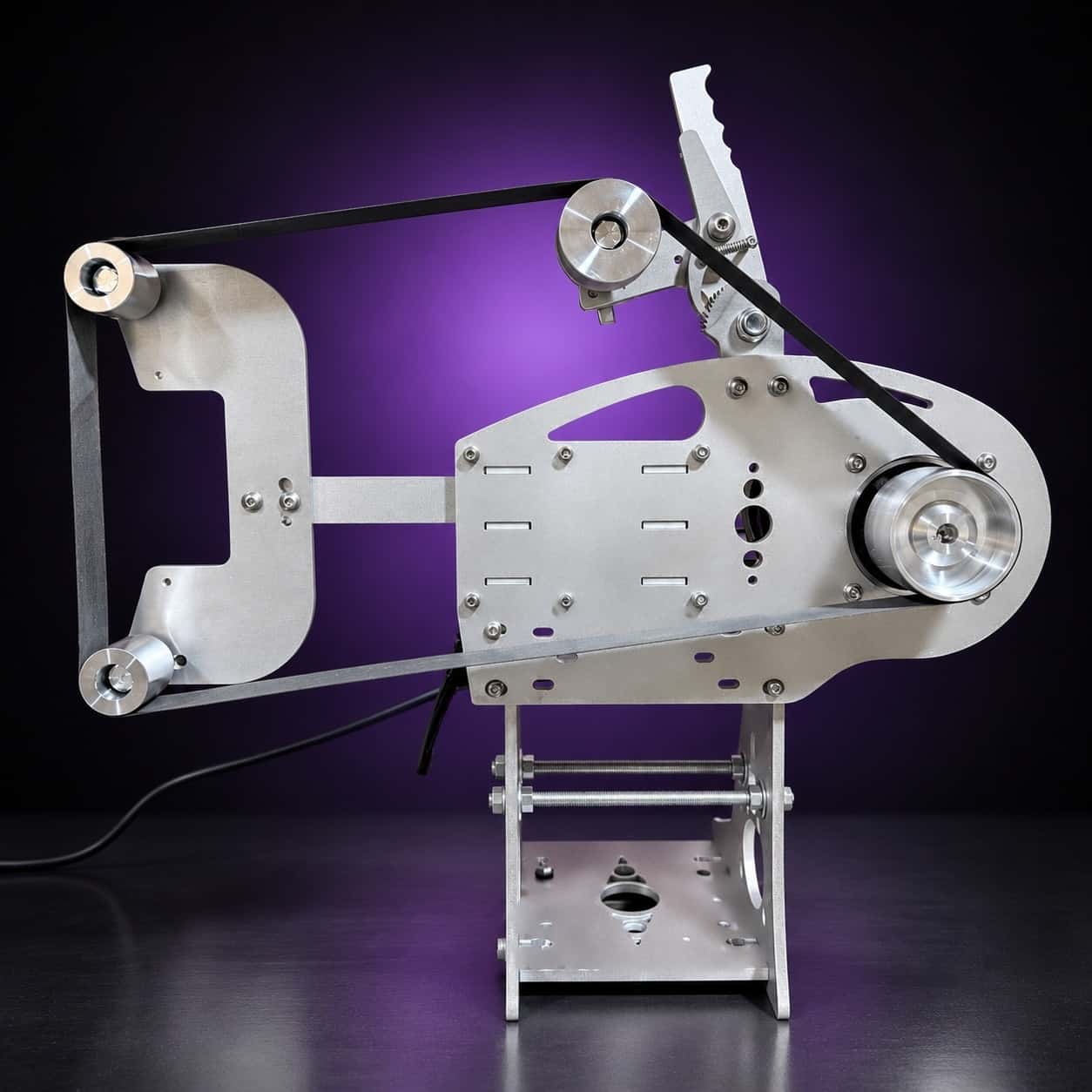
Current dual-axis platform with a fiber-laser-cut 6061 chassis and single-knob tracking.
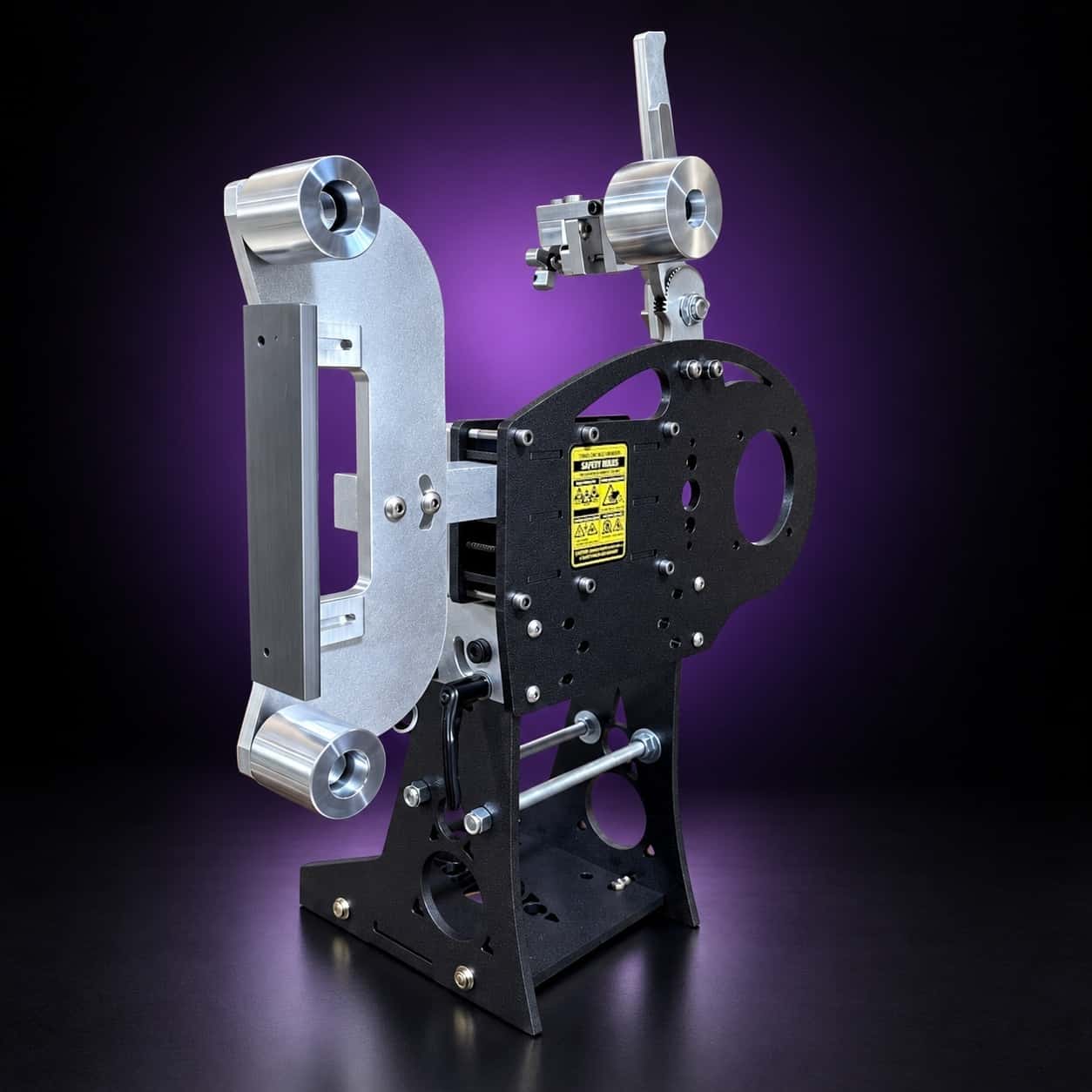
Current dual-axis platform with a steel chassis, more mass and less vibration.
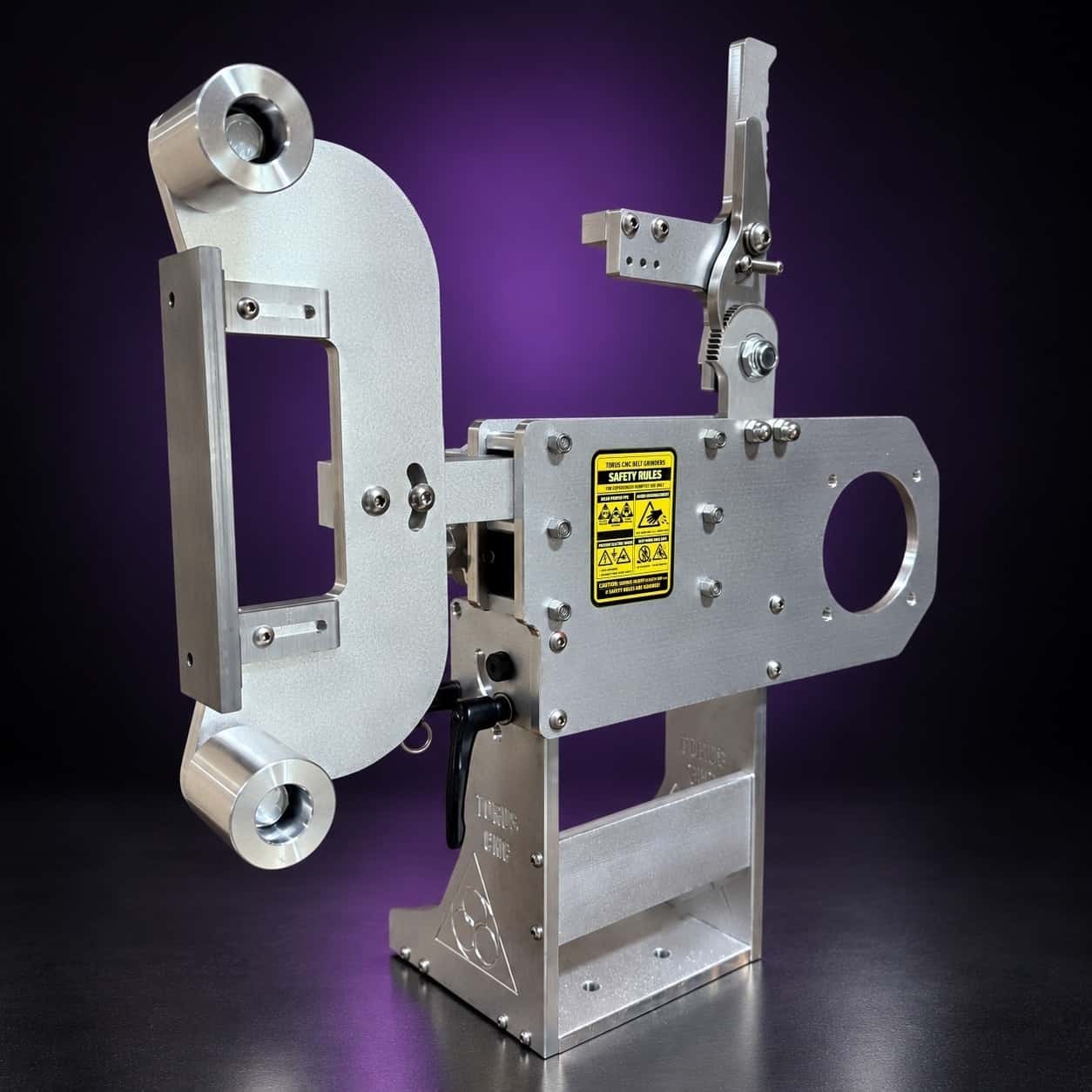
Prior-design aluminum chassis, 90-degree tilt and 1.5-inch tooling arms.
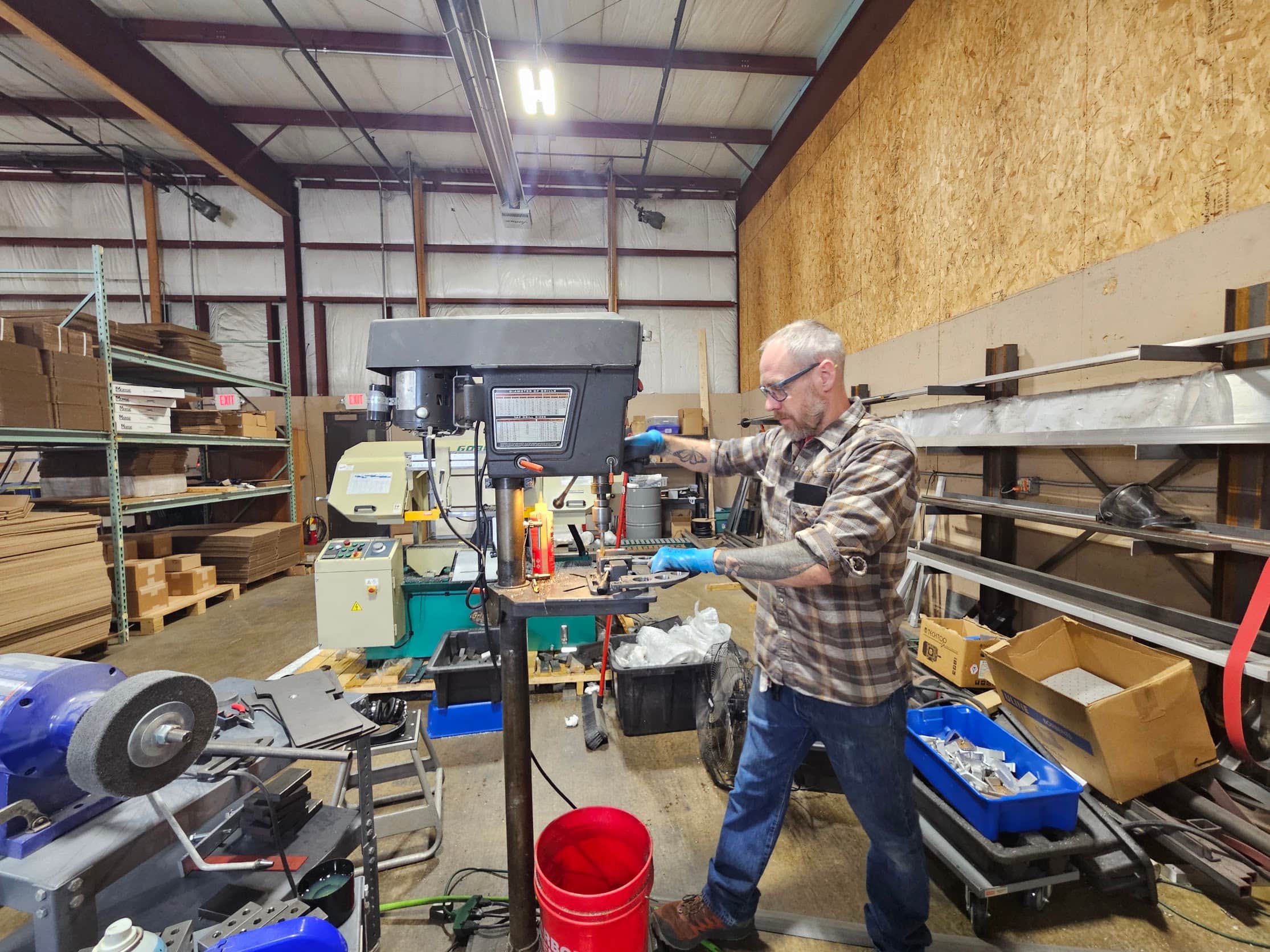
One-man shop
I answer my own email. Tell me the steel, the machine and what it is doing, and I will tell you what I would try next.