
Selling & Business
How to Price a Custom Knife
Undercharging is the single most common mistake makers make when they start selling knives, mostly because it’s easy to price for materials and forget to…
Selling & Business
Instagram, knife shows, Etsy, commissions and word of mouth: what each channel costs, which suits a new maker, and why photography matters more than expected.
3 min readWritten by Rich LinvilleFree to read
Making a great knife and selling it consistently are two different skills, and most makers who struggle to sell aren’t struggling because their work isn’t good enough, they’re struggling because they haven’t found the right channel for it yet.
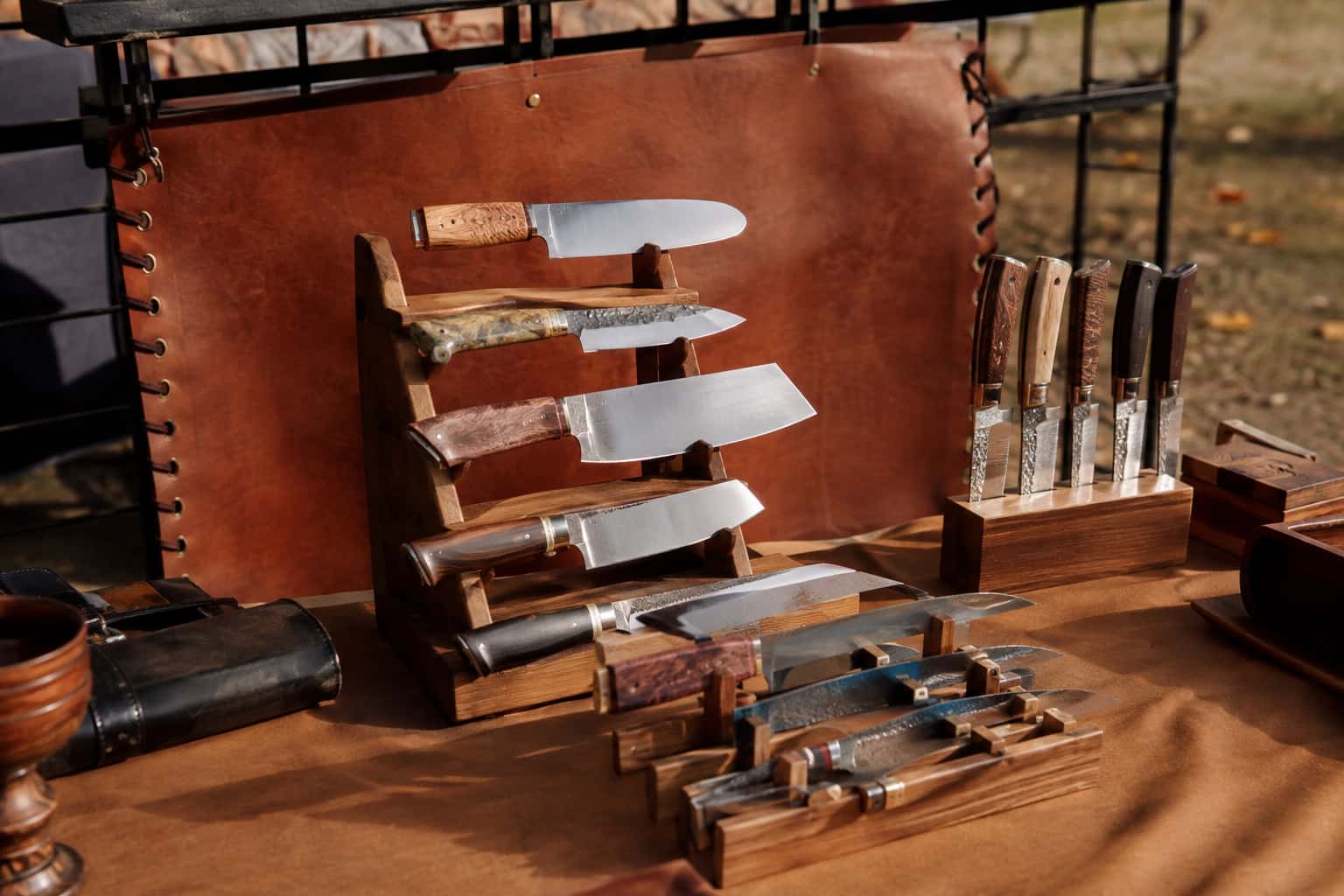
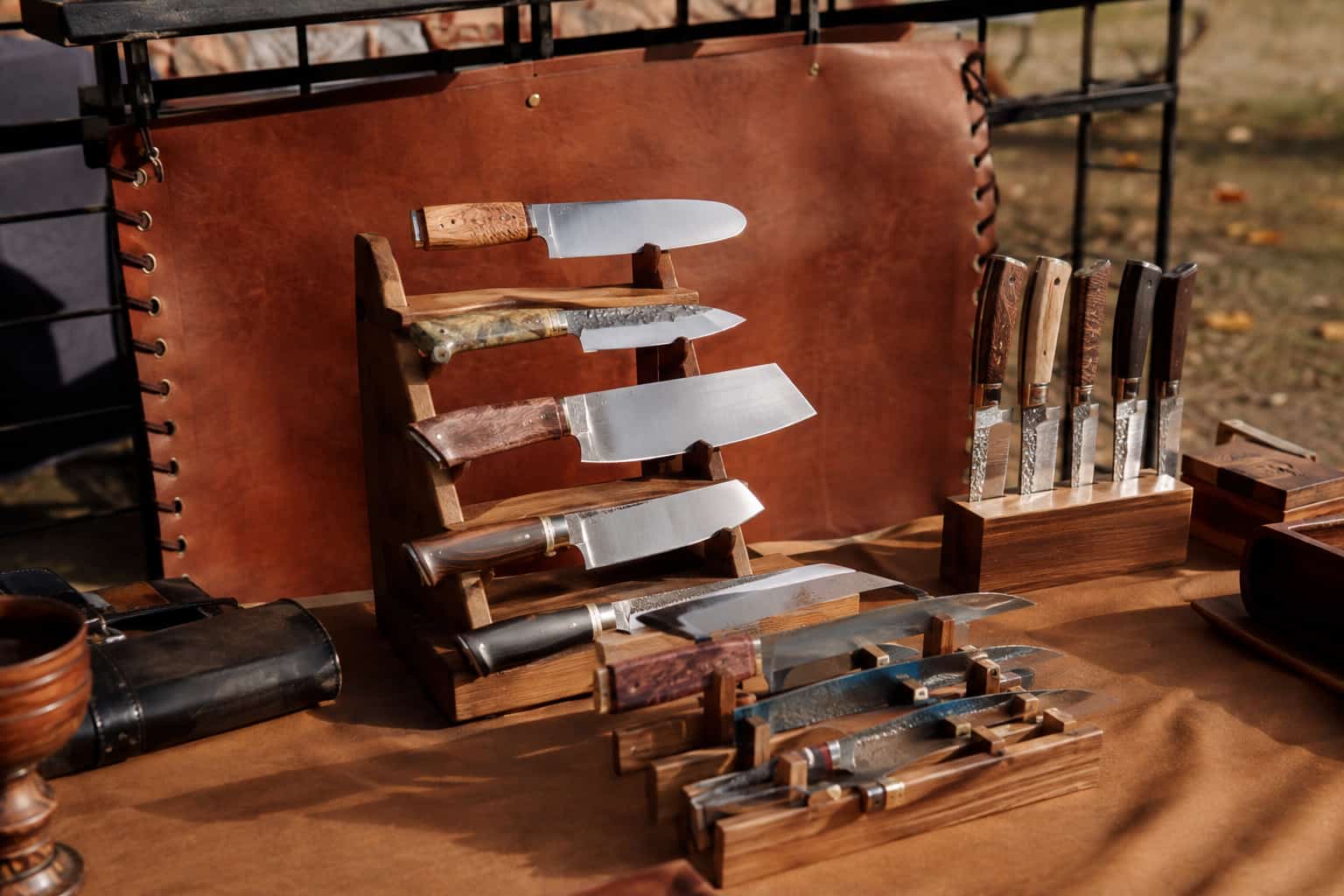
In-person knife shows put you directly in front of buyers who are already specifically interested in knives, a genuinely different audience than general craft fair foot traffic. Shows also let buyers handle a knife before purchasing, which matters a lot for a product people want to feel the balance and grip of. Table fees and travel are real costs, so shows work best once you have enough inventory and polish to make the trip worthwhile.
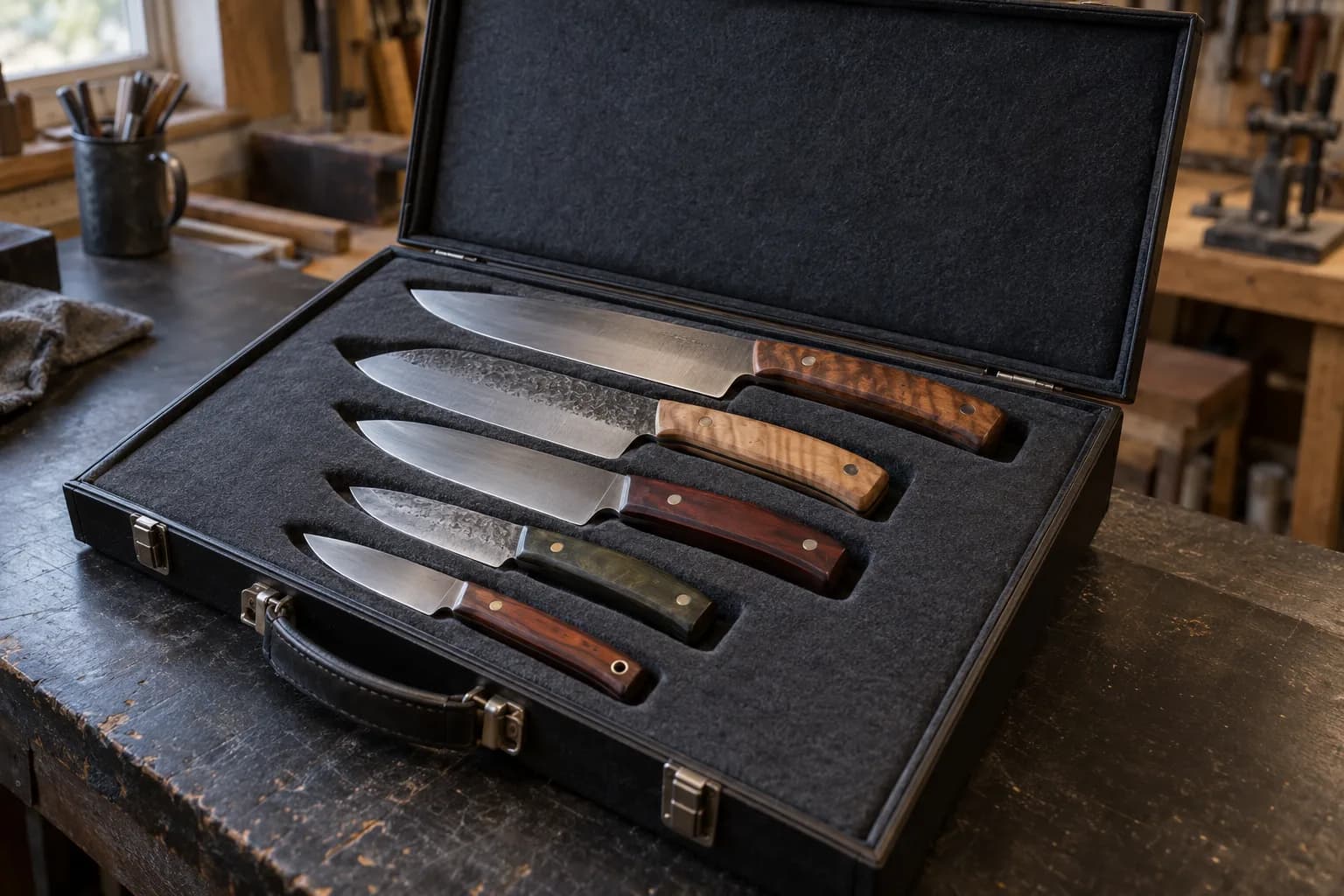
Knife-focused social media, especially Instagram, has become one of the primary ways custom makers build a following and sell directly, good photography and consistent posting matter enormously here (more on that below). Many makers announce new pieces to their following and sell through direct messages or a simple link-in-bio store rather than a full e-commerce setup, especially early on.
Marketplaces like Etsy offer built-in buyer traffic without needing to build an audience from scratch first, useful when you’re starting out, at the cost of listing and transaction fees and less control over your storefront’s branding than a dedicated website. Knife-specific marketplaces and forums (where allowed) are worth checking too, they concentrate exactly the buyers you want.
Building custom pieces to a specific customer’s request, often at a premium over standard catalog pricing since it involves direct consultation and a one-off design. Commission work tends to come from an existing following or referral rather than cold marketplace traffic, making it a natural next step once you’ve built some reputation through other channels.
Local gun shops, outdoor/hunting stores, and even just a strong local reputation can generate steady sales without any of the fees or logistics of shows or online platforms. This channel builds slowly but tends to produce loyal repeat customers and referrals once established.
Online sales in particular live or die on photos, clean, well-lit, in-focus images that actually show the grind lines, handle material, and finish quality make a real difference in whether a listing converts. This doesn’t require professional equipment, consistent natural light and a simple neutral background go a long way further than most new sellers expect.
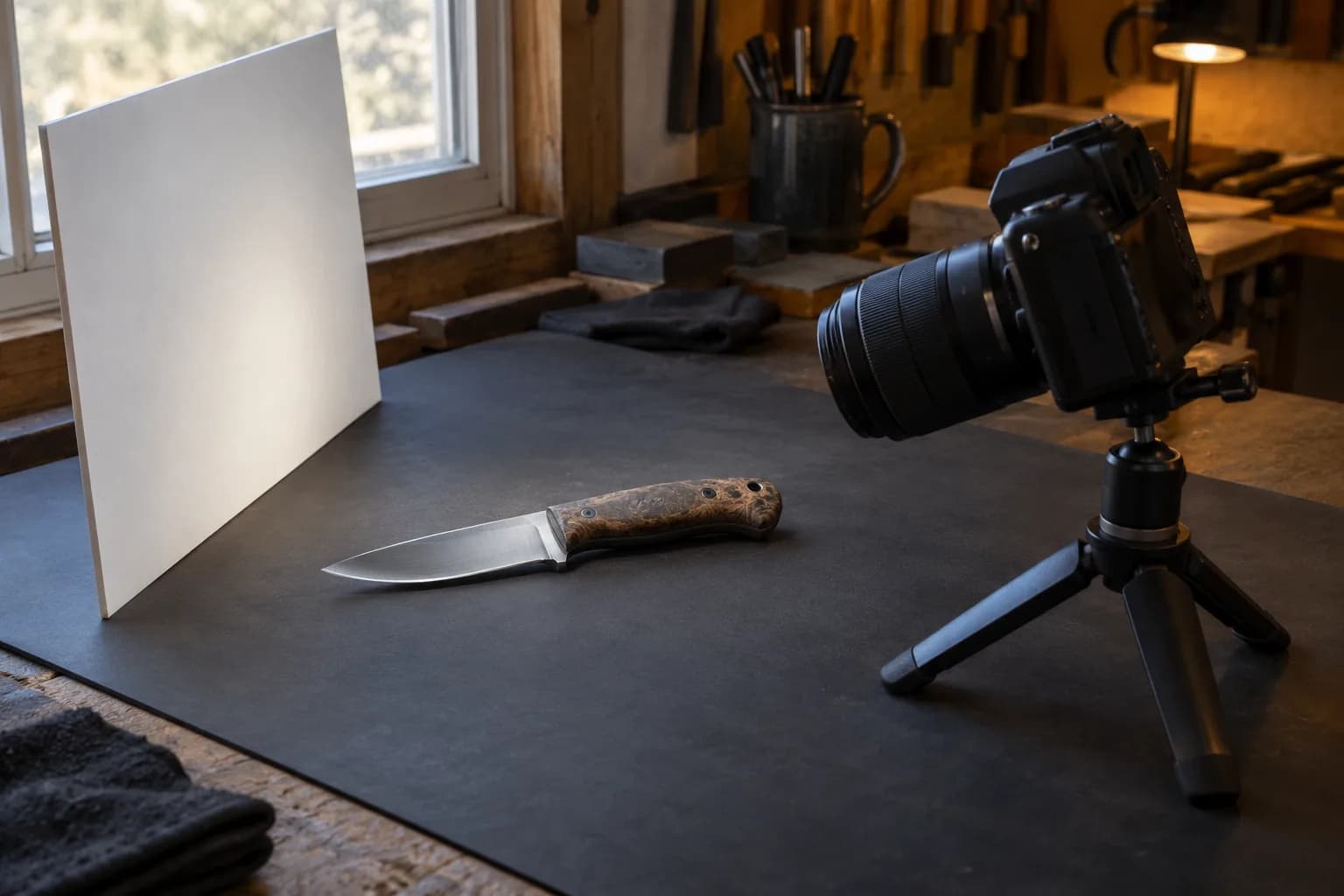
Posting build progress, not just finished pieces, tends to build a more engaged following than only showing final results, people get invested in a knife’s story before it’s even done. Starting this before you’re actively trying to sell means you already have an audience by the time you have inventory to move.
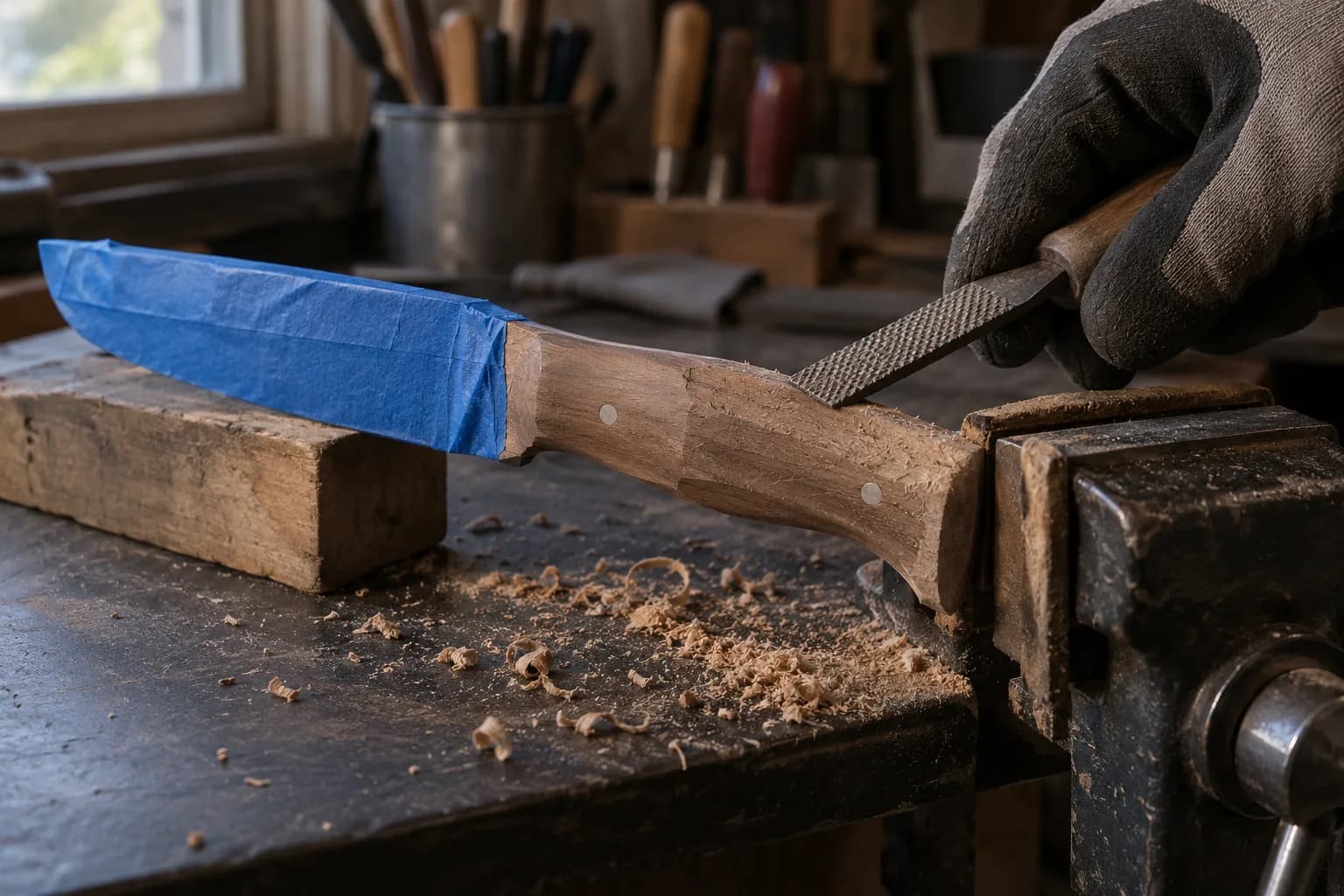
Social media (Instagram in particular) is usually the lowest-cost, lowest-barrier place to start, no table fees, no marketplace cut, just consistent posting and good photos. Shows and marketplaces become worth the added cost and effort once you have both inventory and some existing following.
Not to start. Many makers sell successfully through Instagram and Etsy alone for a long time before building a dedicated website, which becomes more valuable once volume and brand recognition justify the added control and cost.
Enough to make a visually full table and give buyers real choice, a sparse table undersells your work regardless of quality. There’s no fixed number, but most makers find a dozen or more finished pieces is a reasonable starting point for a first show table.
Keep reading
Three more from the same bench.
Undercharging is the single most common mistake makers make when they start selling knives, mostly because it’s easy to price for materials and forget to…
Knife shows are where sales, reputation, and community actually happen in person, and a handful of recurring events are worth knowing whether you’re…
This is general education, not tax or accounting advice, talk to an accountant about your specific situation, especially once income becomes real. But…
Same bench
I machine the parts, hand-assemble, track and test Torus grinders in Sterling, Illinois. Most orders ship in seven to ten business days from time of order.
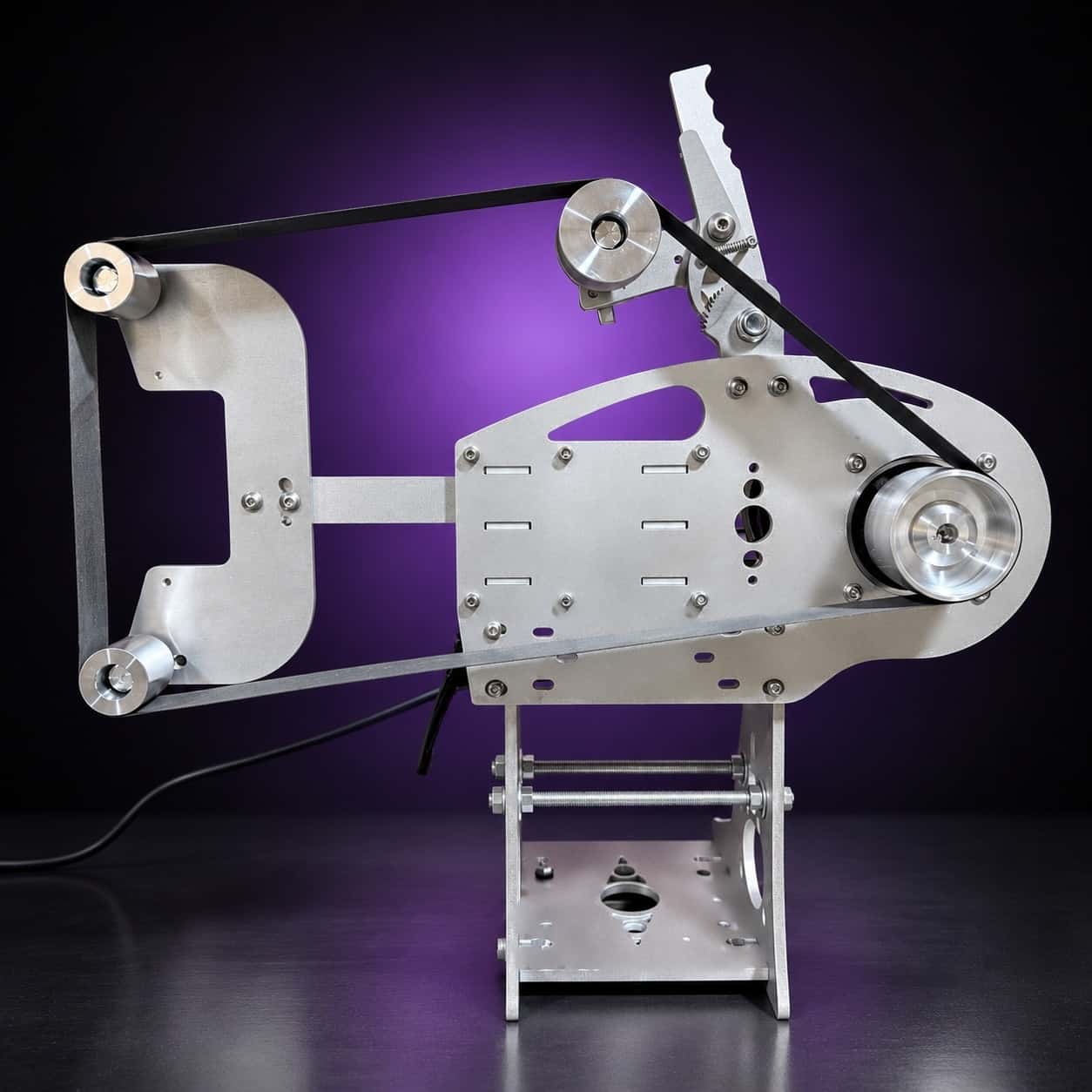
Current dual-axis platform with a fiber-laser-cut 6061 chassis and single-knob tracking.
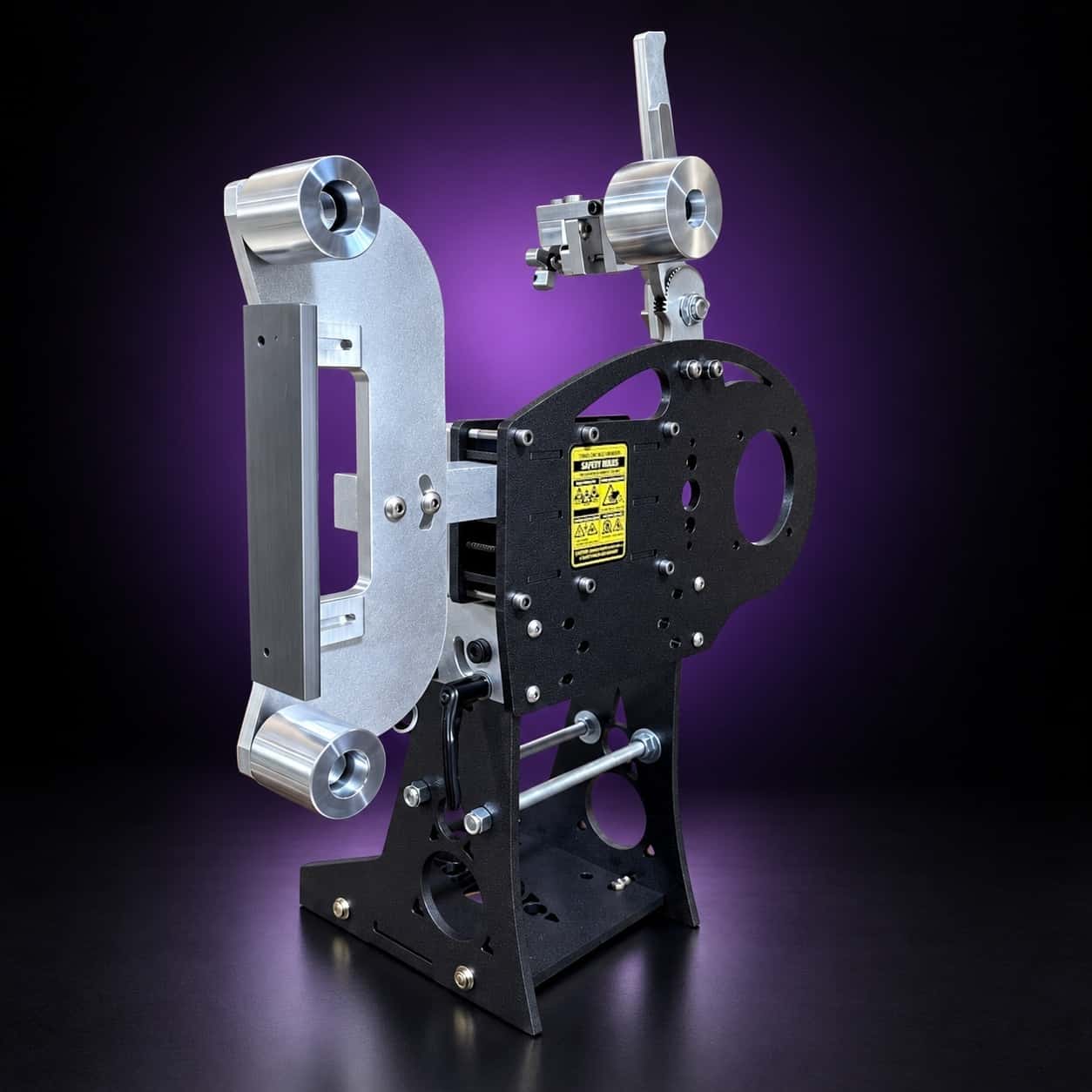
Current dual-axis platform with a steel chassis, more mass and less vibration.
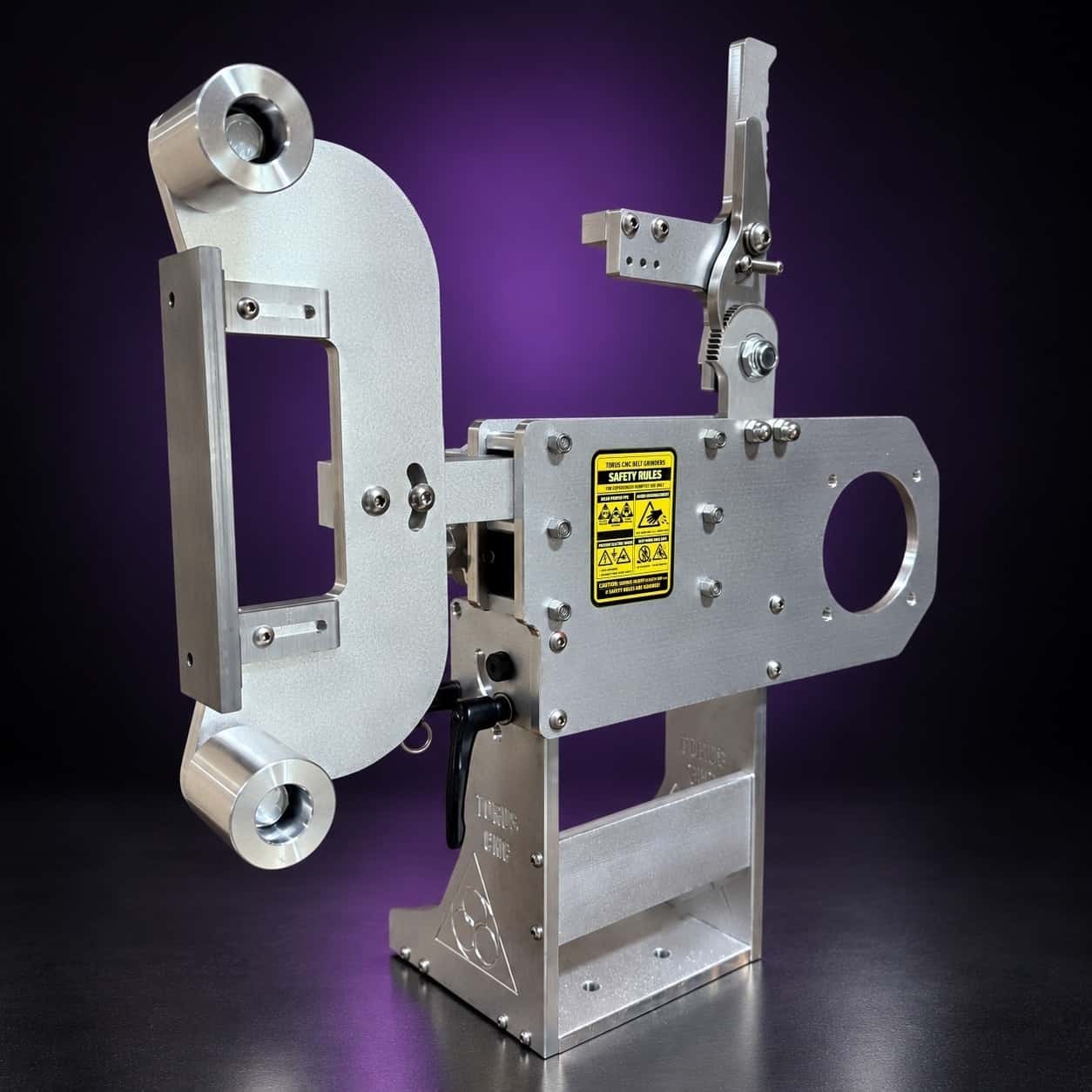
Prior-design aluminum chassis, 90-degree tilt and 1.5-inch tooling arms.
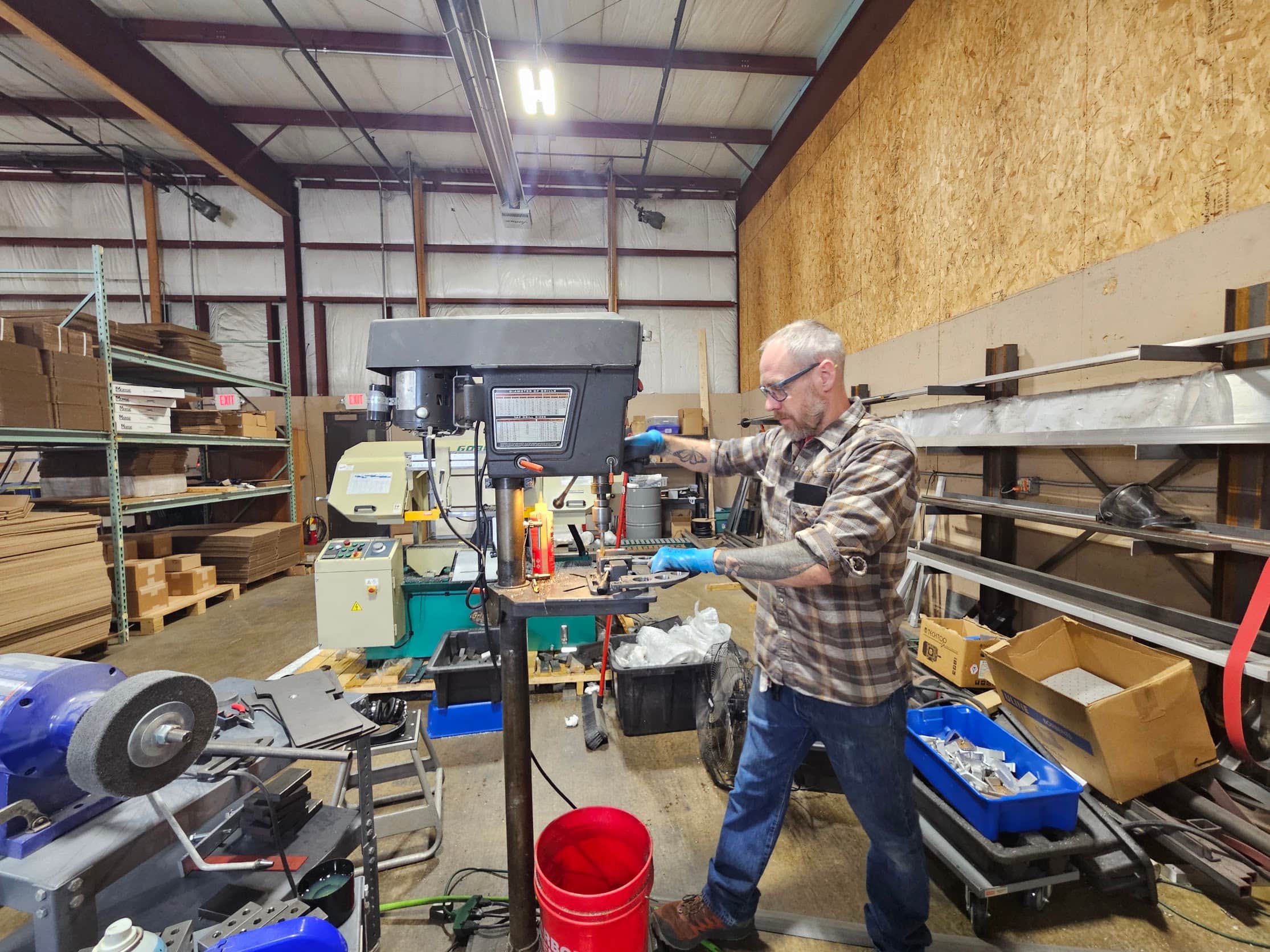
One-man shop
I answer my own email. Tell me the steel, the machine and what it is doing, and I will tell you what I would try next.