
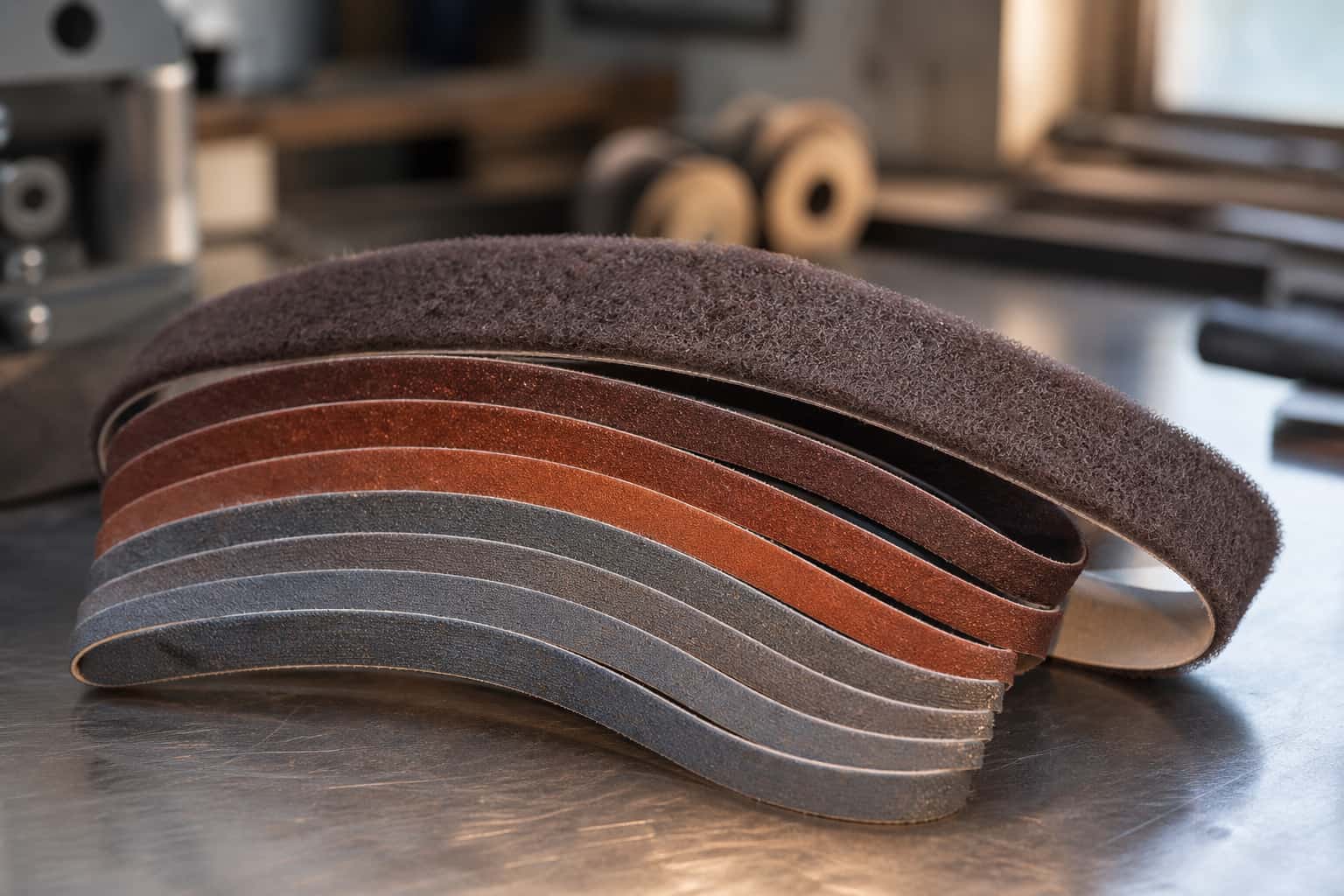
Abrasives
Belt Buyer’s Guide: Which Abrasives to Actually Buy
Belts are the single biggest recurring cost in this hobby, and buying the wrong ones wastes money twice: once on belts that wear out fast, and again on…
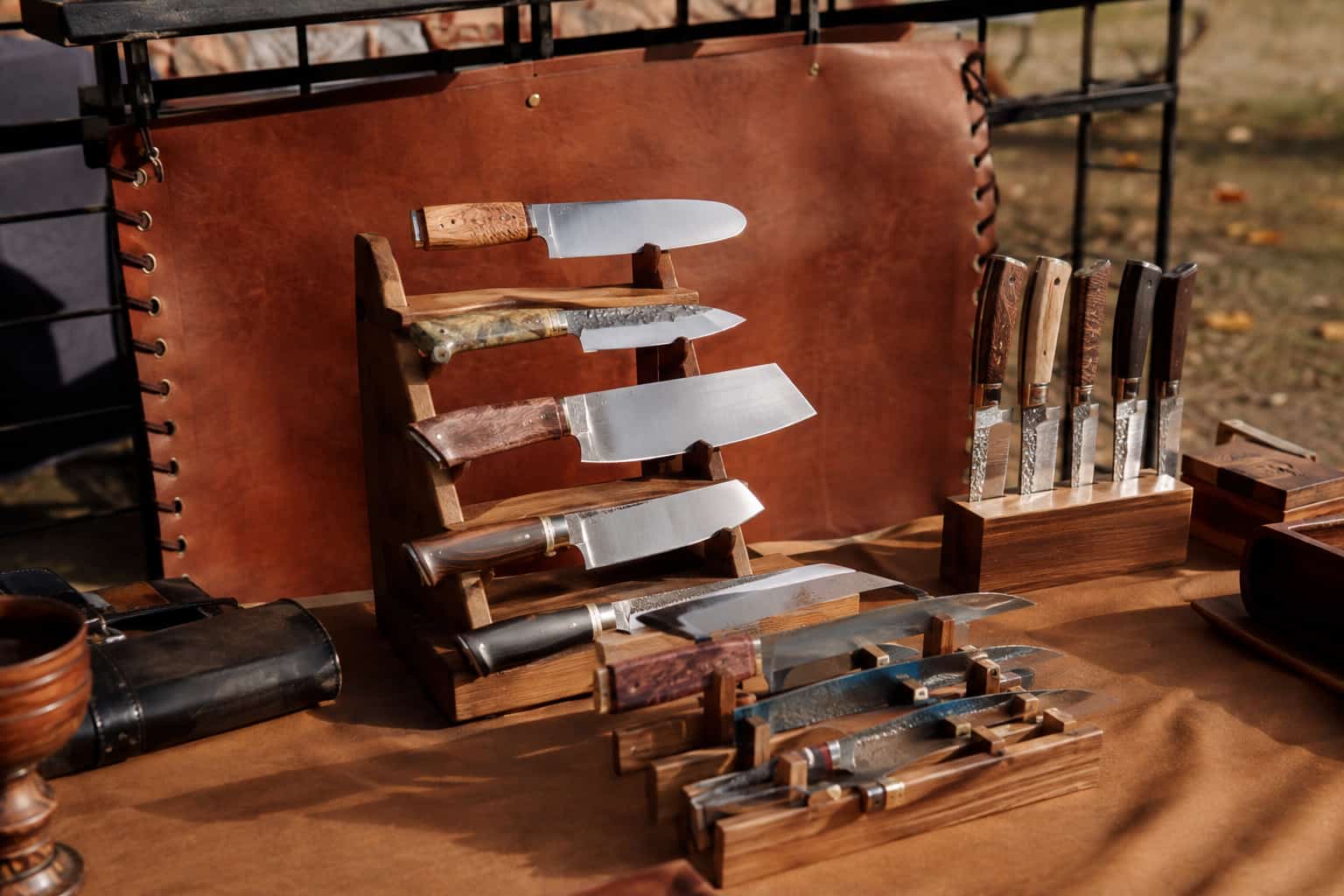
Selling & Business
Price a custom knife from real material cost, honestly tracked labor hours, shop overhead and a skill premium, then check it against comparable makers.
3 min readWritten by Rich LinvilleFree to read
Undercharging is the single most common mistake makers make when they start selling knives, mostly because it’s easy to price for materials and forget to price for time. Here’s a practical way to actually land on a number.
Add up the actual cost of everything that goes into the knife: steel, handle material, pins or fasteners, epoxy, sheath materials if included, and a reasonable share of consumables that get used up making it (belts, especially, wear out fast and cost real money per project, see Belt Buyer’s Guide for what these actually cost). This is your floor, not your price, materials alone rarely reflect what a knife is actually worth.
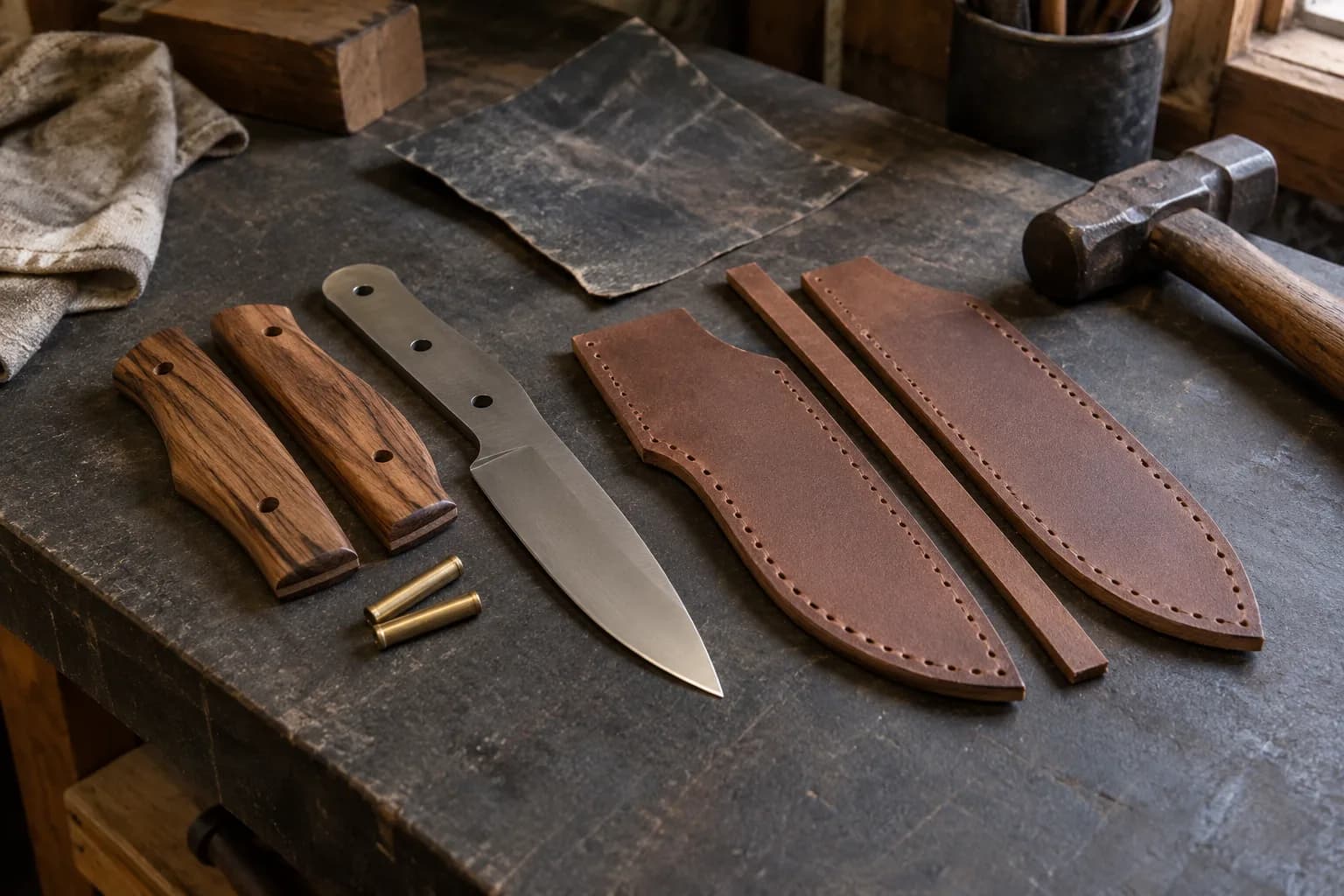
Track actual hours on a few builds, from profiling through final sharpening and finishing, most new makers are surprised how many hours a single knife really takes. Multiply that by an hourly rate that reflects the skill involved, not minimum wage. This is where most underpricing happens: makers who price materials plus “a little extra” instead of materials plus real labor value consistently sell themselves short.
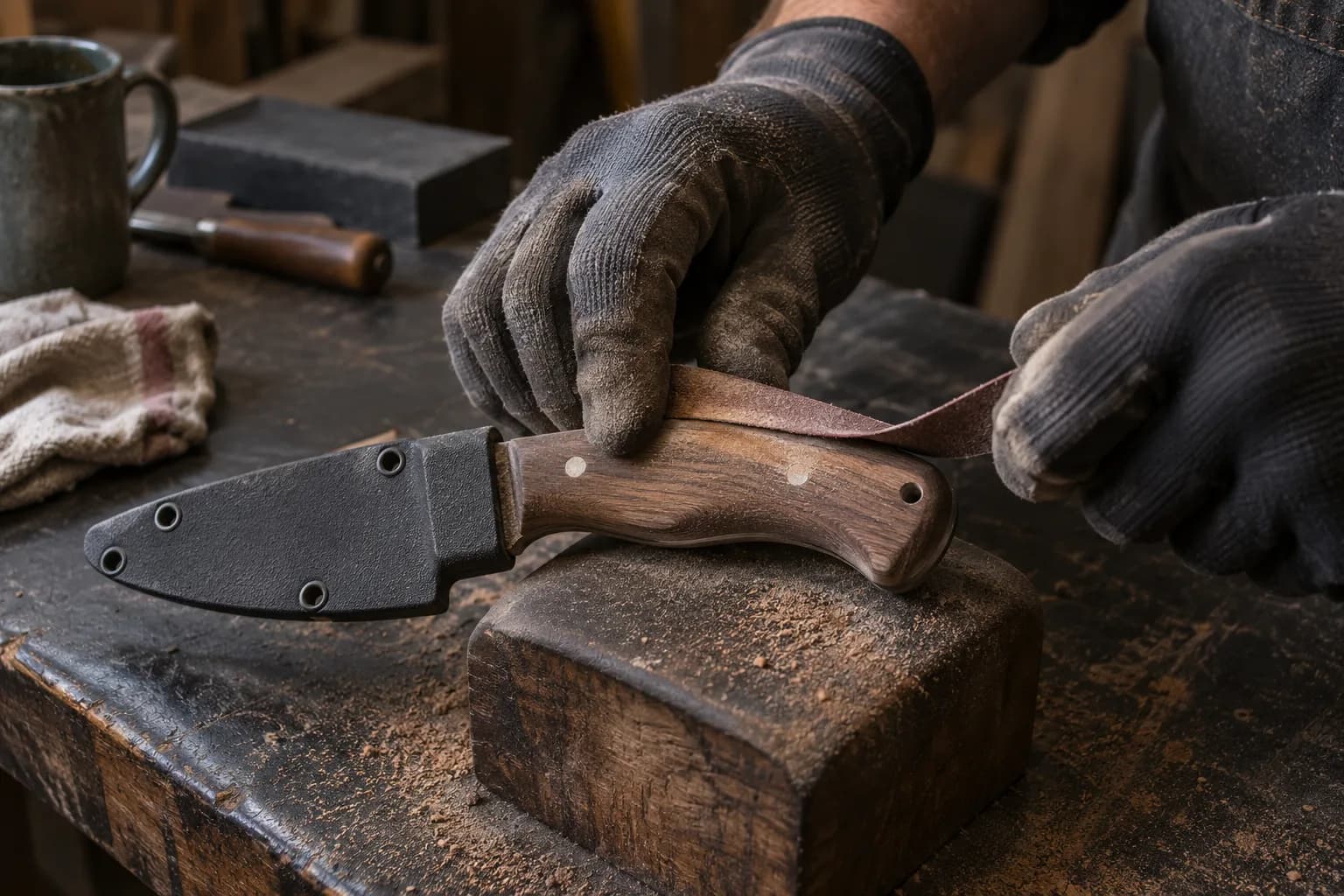
Equipment costs (grinder, belts, heat-treat setup), shop space, tools that wear out and need replacing, all of this needs to show up somewhere in your pricing over time, even if it’s not itemized on every invoice. A simple approach: estimate your annual overhead and divide it across your realistic annual knife output to get a per-knife overhead figure to add in.
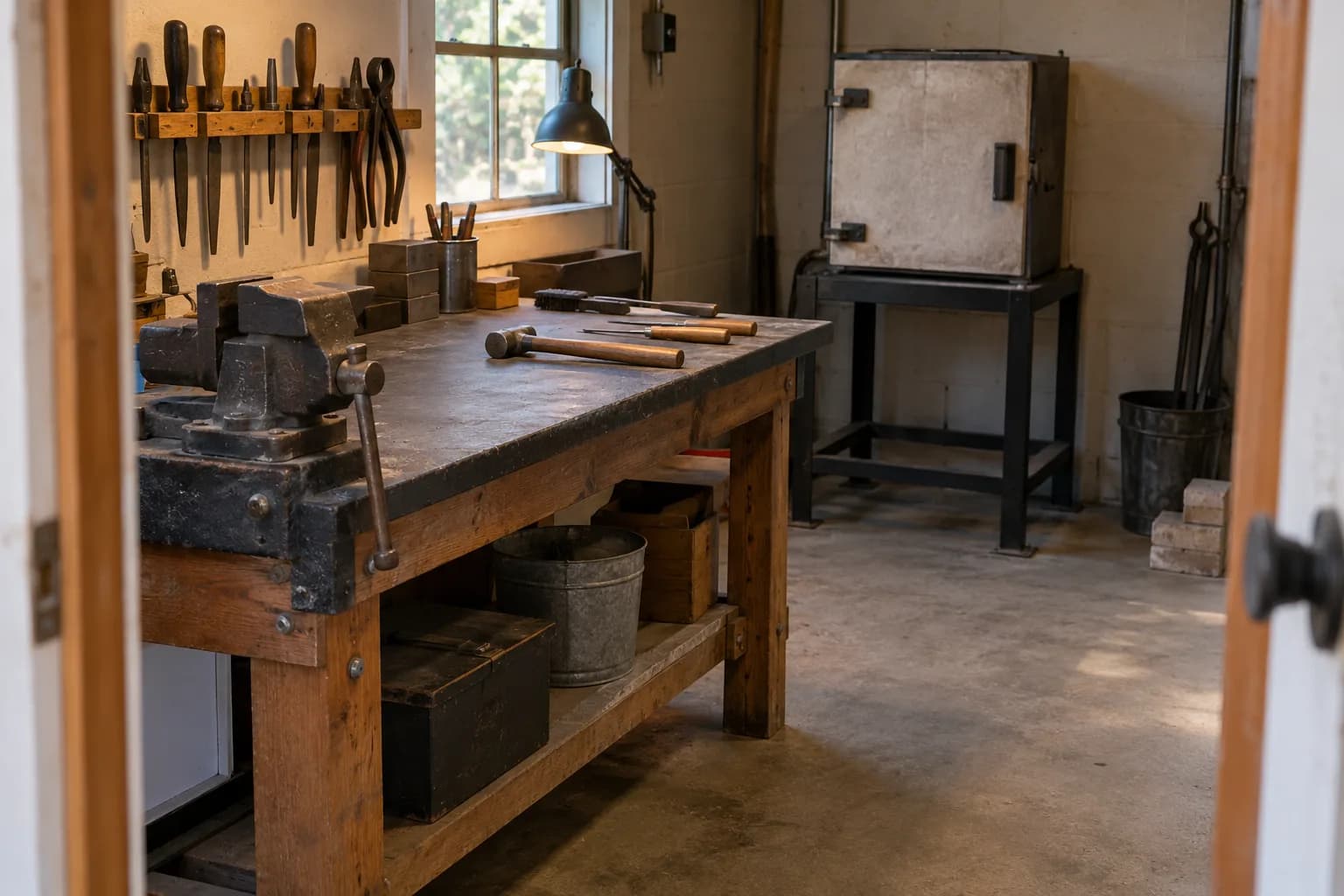
A knife with a hamon, complex handle construction, integral bolsters, or other advanced techniques justifies a higher price than a straightforward stock-removal blade with simple scales, not just because it takes longer, but because it represents skill that took real time to build. Don’t price advanced work the same as a first-few-knives build.
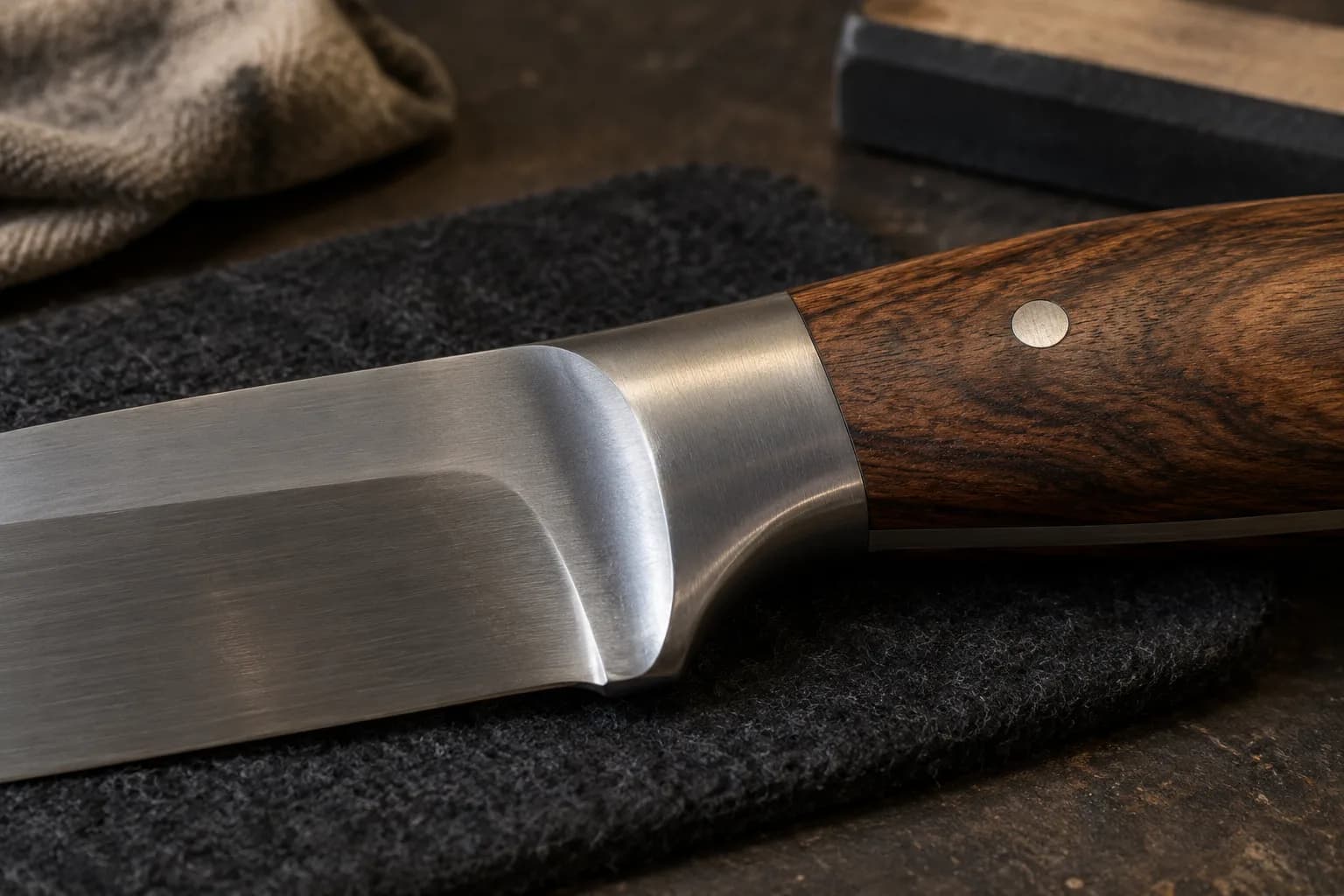
Look at what makers with similar experience level, similar steel and material choices, and similar construction complexity are actually charging, knife shows and maker social media accounts make this easy to research. Pricing far below the going rate for comparable work undersells the whole maker community, not just yourself, and pricing without any market reference at all is a guess, not a strategy.
Pricing only for materials and forgetting labor entirely is the biggest one. Discounting heavily for friends and family without a clear boundary is another, it sets an expectation that’s hard to walk back once you’re selling more broadly. And pricing every knife identically regardless of steel, complexity, or time invested ignores real cost differences between a simple 1084 knife and a MagnaCut integral build.
Charging somewhat less while building a portfolio and reputation is reasonable, but “less” should still cover real materials and a fair (if modest) rate for your time, not just materials alone. Chronically underpricing makes it harder to raise prices later and can undervalue the whole craft in a local market.
The same way, materials, time, and skill still apply regardless of who came up with the design, custom design work from you specifically can justify an additional premium on top of the base build price.
Either approach works as long as it’s consistent and clear to the customer, some makers bundle a basic sheath into the knife price and charge extra for premium materials or complexity, others itemize the sheath entirely separately.
Keep reading
Three more from the same bench.
Belts are the single biggest recurring cost in this hobby, and buying the wrong ones wastes money twice: once on belts that wear out fast, and again on…
Buying steel from a real, known supplier instead of unmarked scrap or “mystery steel” is the single most important sourcing decision a new maker makes…
Making a great knife and selling it consistently are two different skills, and most makers who struggle to sell aren’t struggling because their work isn’t…
Same bench
I machine the parts, hand-assemble, track and test Torus grinders in Sterling, Illinois. Most orders ship in seven to ten business days from time of order.
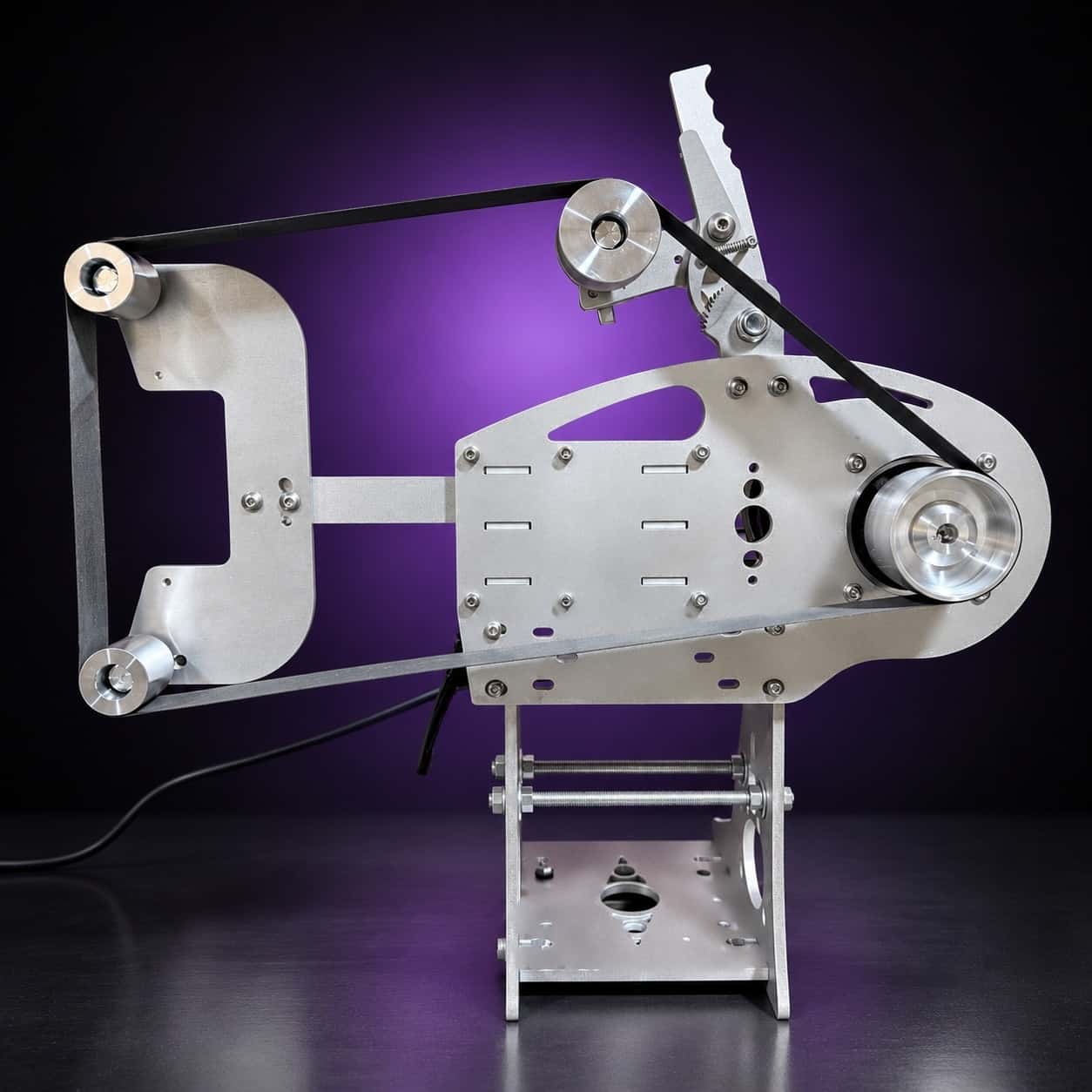
Current dual-axis platform with a fiber-laser-cut 6061 chassis and single-knob tracking.
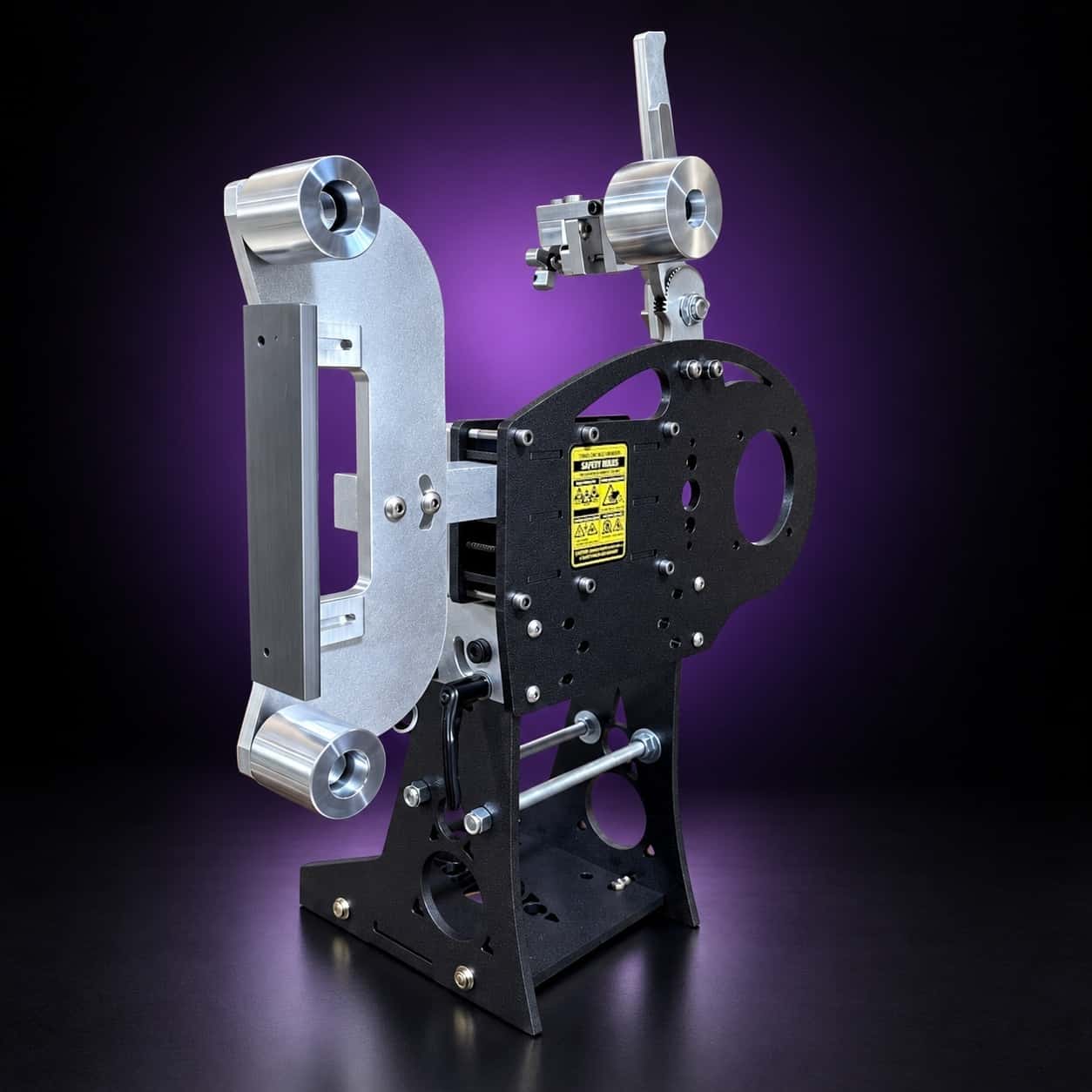
Current dual-axis platform with a steel chassis, more mass and less vibration.
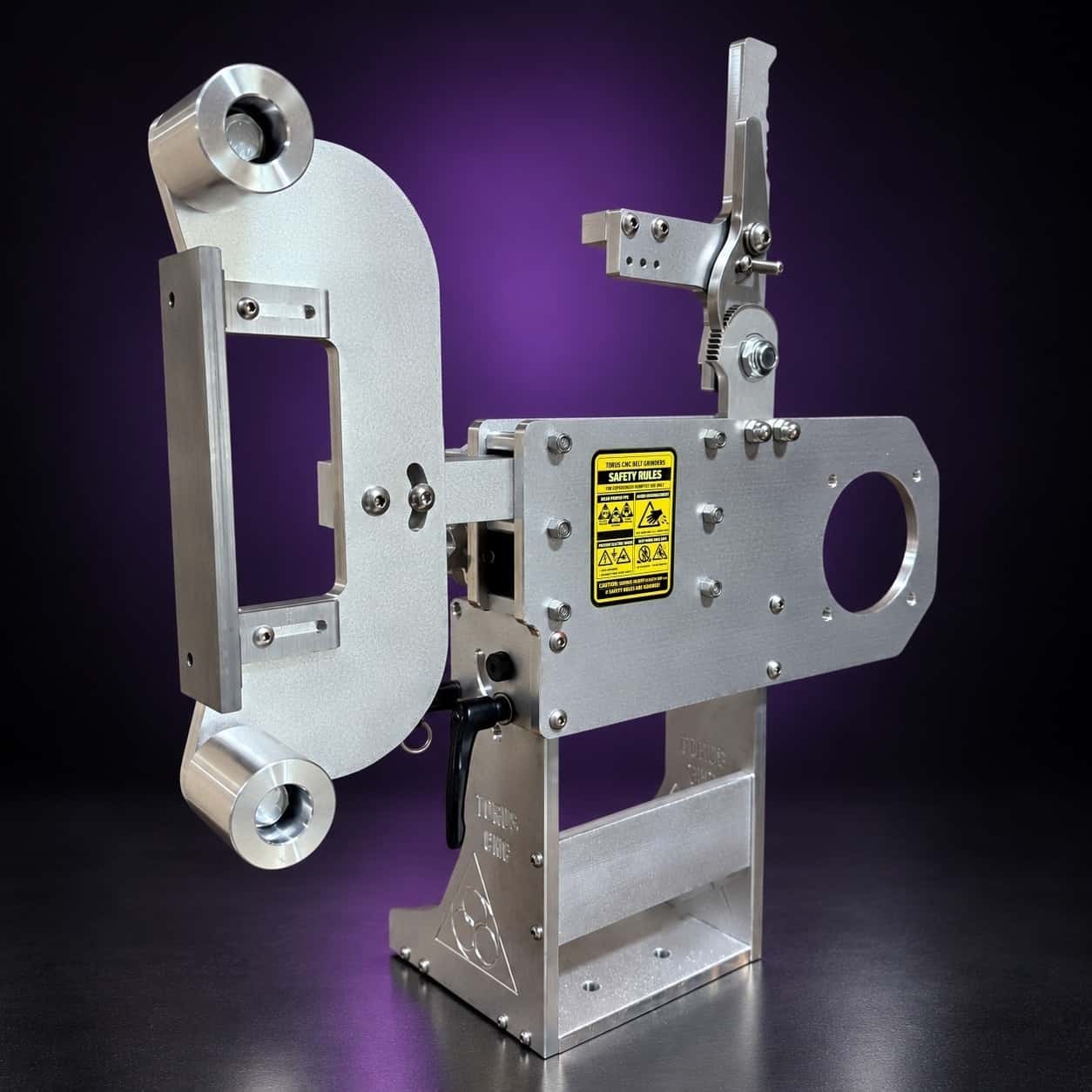
Prior-design aluminum chassis, 90-degree tilt and 1.5-inch tooling arms.
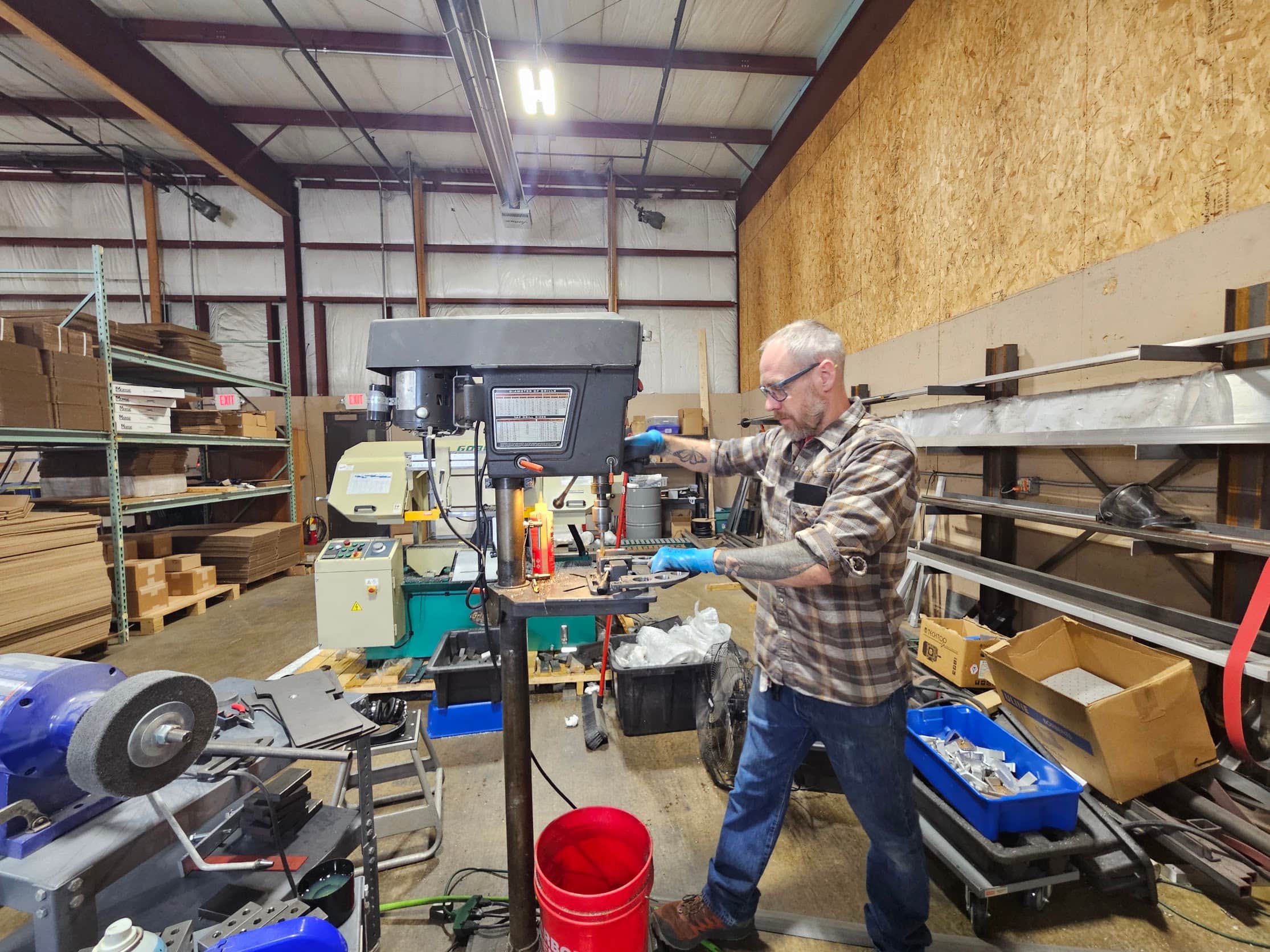
One-man shop
I answer my own email. Tell me the steel, the machine and what it is doing, and I will tell you what I would try next.