
Selling & Business
Product Liability Insurance for Knife Makers
This is general education, not insurance or legal advice, actual coverage needs depend on your sales volume, state, and specific risk factors, talk to a…
Selling & Business
An LLC splits personal assets from business liability. When makers form one, why sole proprietor is the usual start, what it won't replace. Not legal advice.
2 min readWritten by Rich LinvilleFree to read
This is general education, not legal or tax advice, business structure decisions depend on your specific state, income level, and risk exposure, so treat this as a starting point for a conversation with an attorney or accountant, not a final answer.
A Limited Liability Company (LLC) is a business structure that generally separates your personal assets (house, personal savings, car) from your business’s liabilities, if the business is sued or can’t pay a debt, an LLC is designed to limit exposure to business assets rather than personal ones. For a knifemaker, this liability separation is the main reason the structure comes up at all, selling a sharp, weapon-adjacent product carries real liability considerations a hobby woodworking business, for example, doesn’t have in quite the same way.
Common triggers include selling regularly rather than occasionally, selling at a volume where a lawsuit or product liability claim would represent real financial risk, wanting to open a business bank account and separate finances cleanly from personal accounts, or simply reaching a point where the business is a genuine income source rather than a side hobby that occasionally covers material costs.
An LLC doesn’t replace product liability insurance, see Product Liability Insurance for Knife Makers, the two address different kinds of risk and most makers who form an LLC still carry insurance too. An LLC also doesn’t automatically reduce your tax burden or eliminate paperwork, depending on your state and how the LLC is taxed, there can be added filing requirements and fees, not fewer.
Without forming any specific business structure, you’re operating as a sole proprietor by default the moment you sell anything, no separate liability protection, and business income and expenses generally flow through your personal tax return. Many makers start here while the business is small and consider an LLC once volume, income, or risk exposure grows enough to justify the added cost and paperwork.
LLC filing fees, annual report requirements, and ongoing costs differ meaningfully from state to state, what’s a simple, low-cost filing in one state can involve real ongoing fees in another. This is exactly the kind of detail worth confirming with your state’s Secretary of State office or an attorney rather than assuming your situation matches what worked for a maker in a different state.
No, most makers start as a sole proprietor while selling occasionally or building a portfolio, and consider forming an LLC once sales become more regular and the liability and financial separation genuinely matter.
No, they cover different things. An LLC helps separate personal and business assets in a lawsuit; product liability insurance actually covers claims and legal costs related to a product causing harm. Most established makers carry both rather than treating either as a substitute for the other.
Yes. Business structure and liability decisions depend heavily on your specific state, income, and risk profile, a short consultation with an attorney or accountant familiar with small business formation is worth the cost before committing to a structure.
Keep reading
Three more from the same bench.
This is general education, not insurance or legal advice, actual coverage needs depend on your sales volume, state, and specific risk factors, talk to a…
This is general education, not legal advice, knife laws vary significantly by state and even by city, and shipping carrier policies change, always verify…
This is general education, not tax or accounting advice, talk to an accountant about your specific situation, especially once income becomes real. But…
Same bench
I machine the parts, hand-assemble, track and test Torus grinders in Sterling, Illinois. Most orders ship in seven to ten business days from time of order.
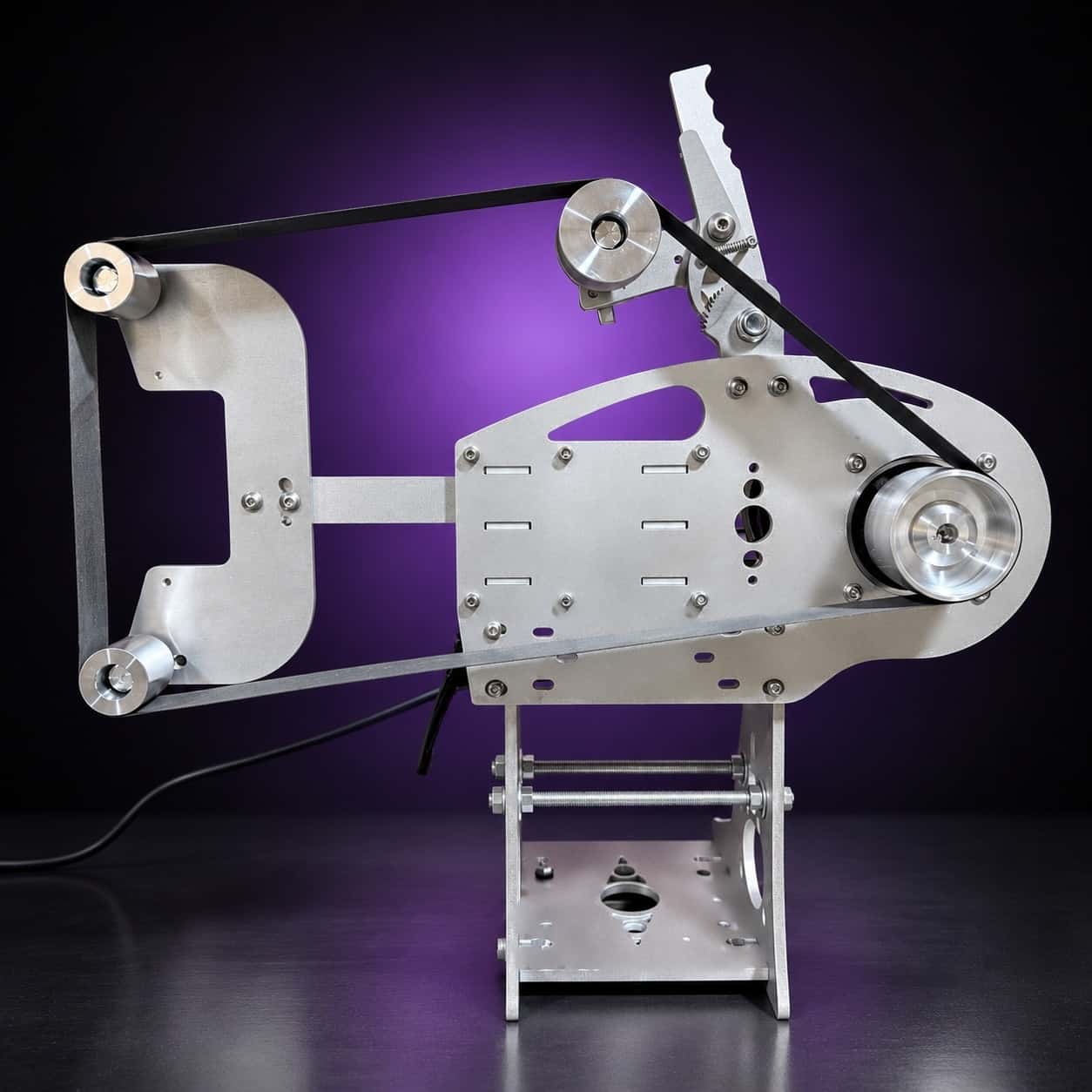
Current dual-axis platform with a fiber-laser-cut 6061 chassis and single-knob tracking.
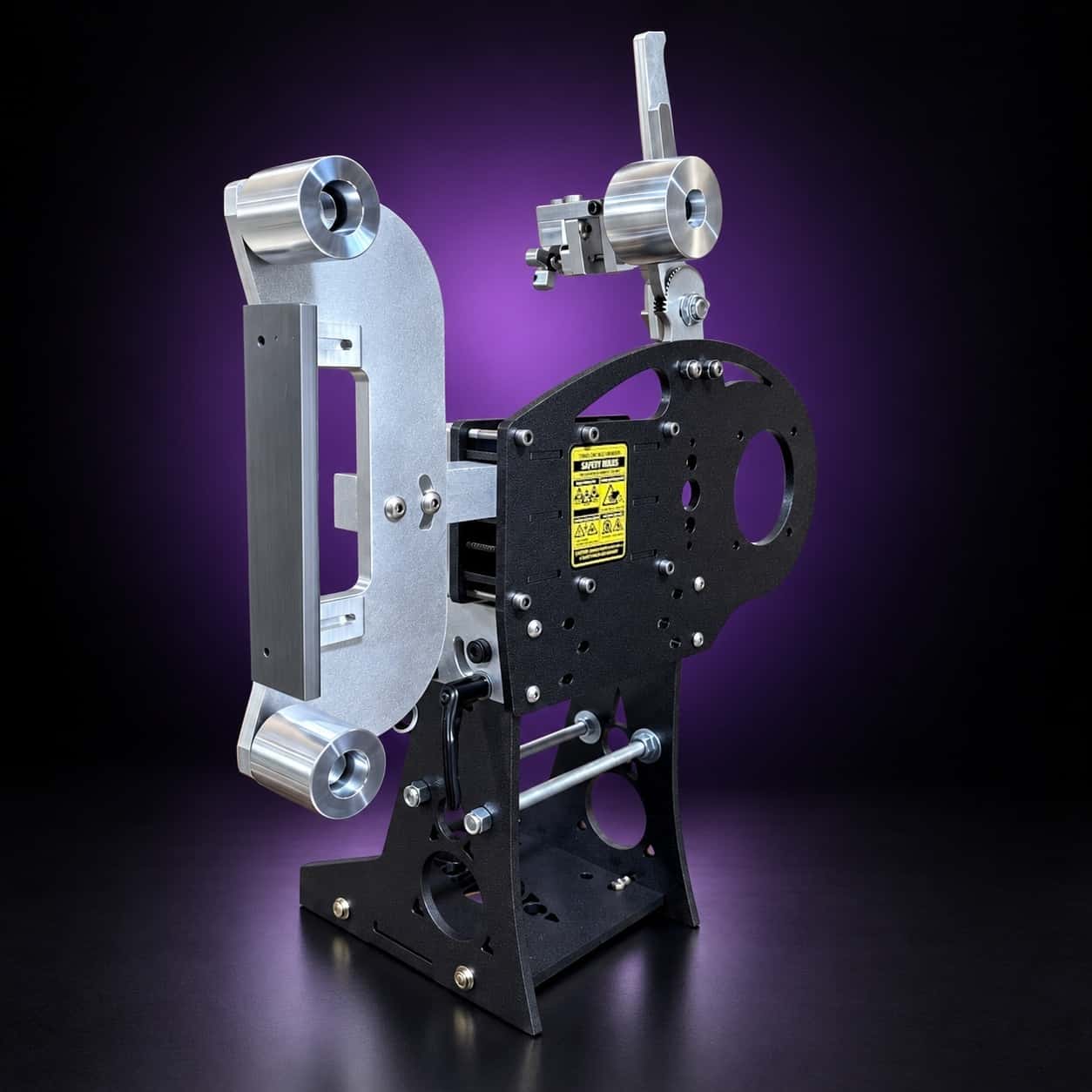
Current dual-axis platform with a steel chassis, more mass and less vibration.
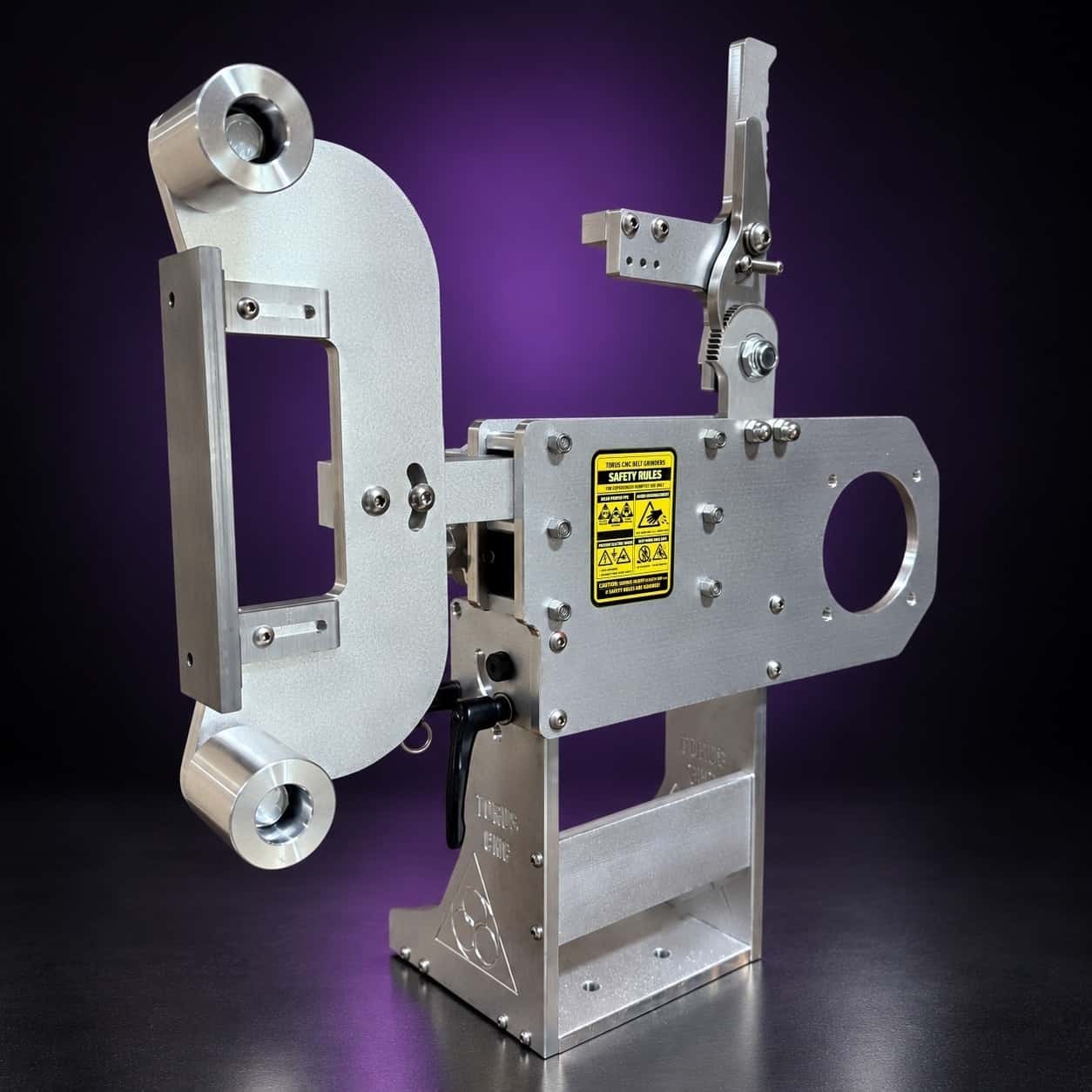
Prior-design aluminum chassis, 90-degree tilt and 1.5-inch tooling arms.
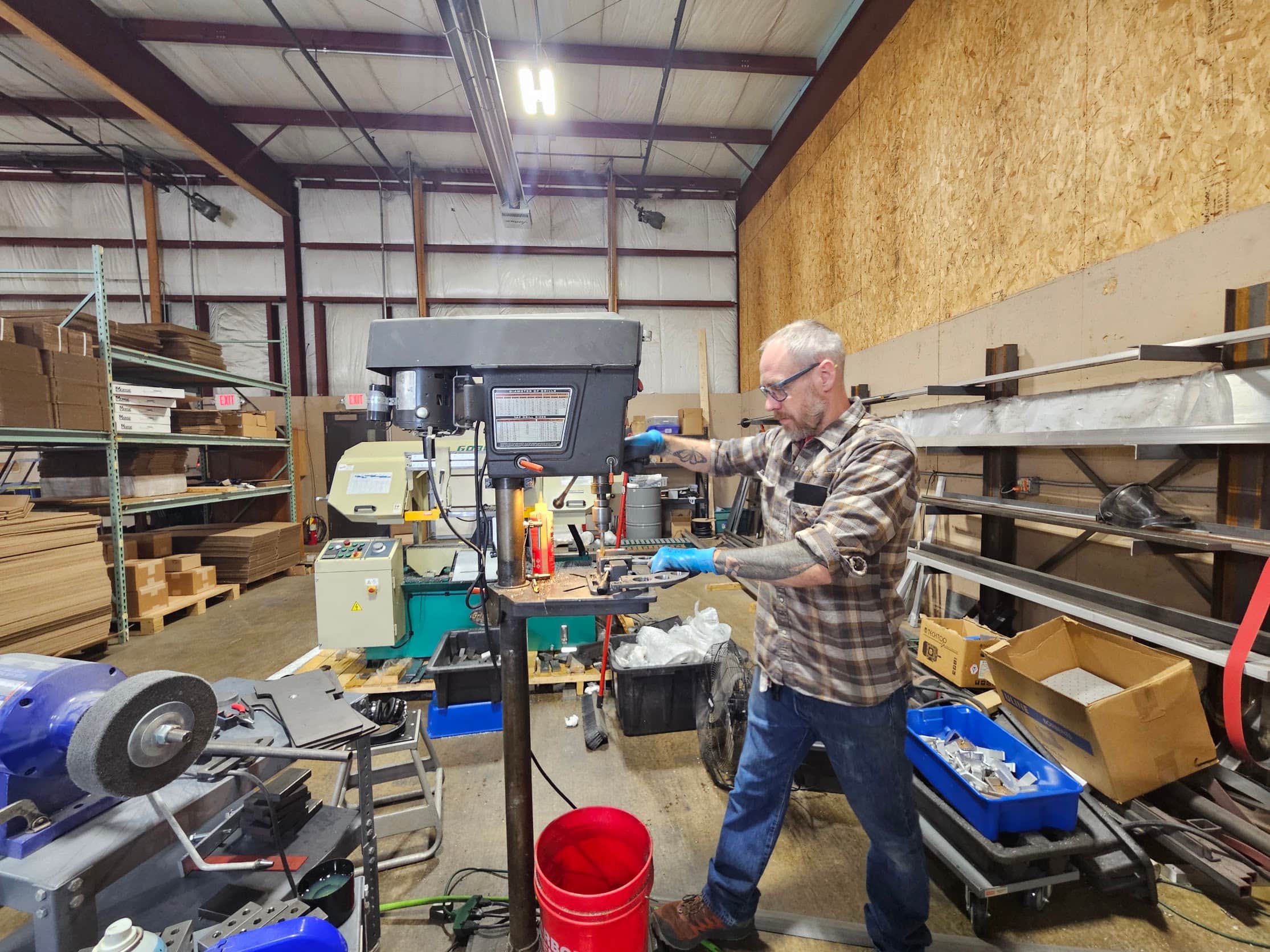
One-man shop
I answer my own email. Tell me the steel, the machine and what it is doing, and I will tell you what I would try next.