
Selling & Business
Do You Need an LLC to Sell Knives?
This is general education, not legal or tax advice, business structure decisions depend on your specific state, income level, and risk exposure, so treat…
Selling & Business
Product liability insurance matters more for knives than most handmade goods: what it covers, when makers start carrying it, where to find it, and its limits.
2 min readWritten by Rich LinvilleFree to read
This is general education, not insurance or legal advice, actual coverage needs depend on your sales volume, state, and specific risk factors, talk to a licensed insurance agent about your specific situation before deciding what to carry.
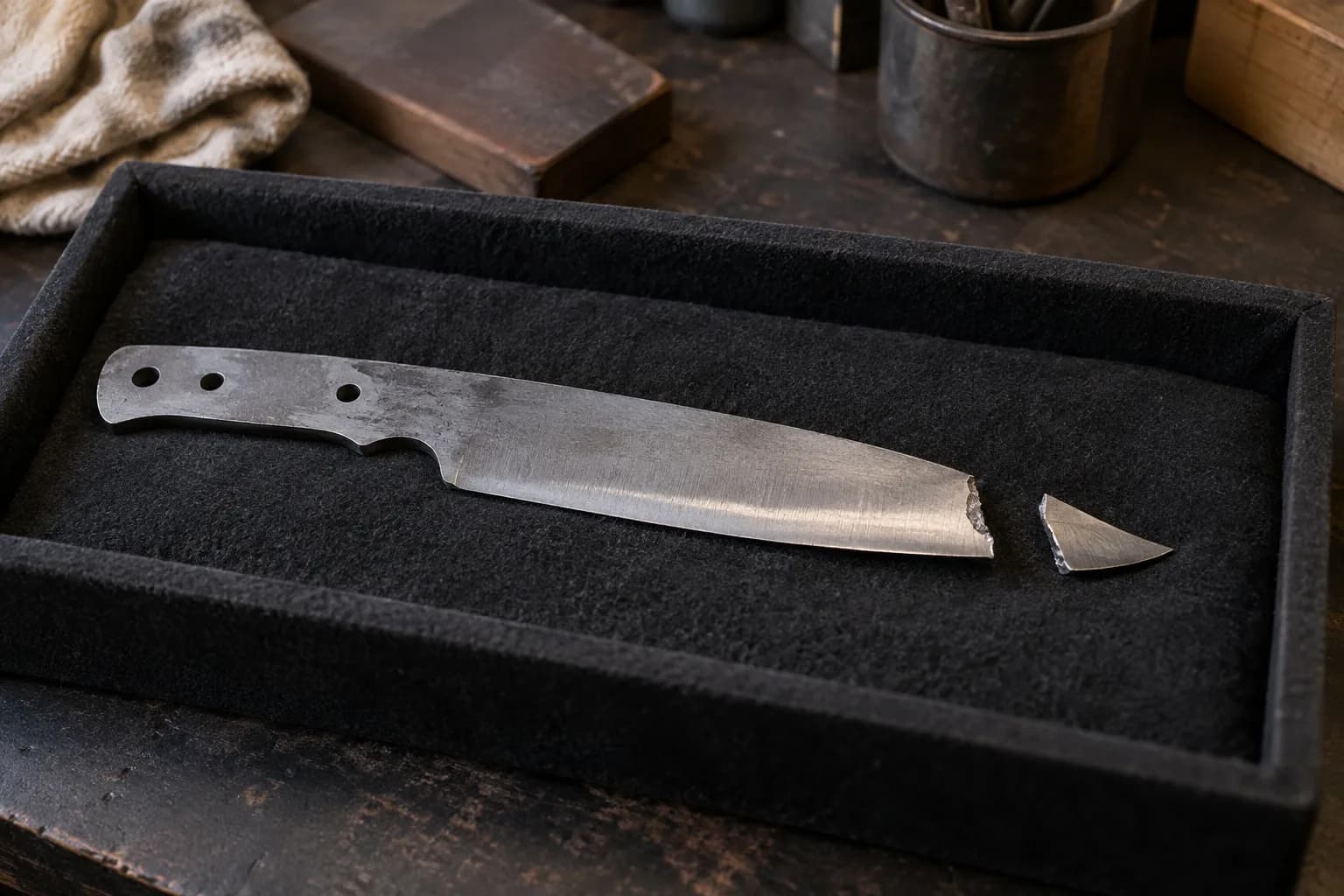
Product liability insurance covers claims if something you made causes injury or damage, and it exists for handmade goods of all kinds, but a knife carries genuinely different risk exposure than, say, a hand-thrown ceramic bowl. A blade failure (snapping, an edge chipping badly) during normal use has a more direct path to a real injury claim than most handmade products, which is exactly why makers who sell regularly tend to take this coverage seriously rather than treating it as optional.
Generally, the cost of defending a claim (legal fees add up fast even for a claim that turns out to be unfounded) and any settlement or judgment if the claim is valid, up to your policy’s coverage limits. It typically covers claims related to the product itself causing harm, not general business liability like a customer getting hurt at your booth at a show, that’s usually a separate general liability consideration.
Common triggers are similar to LLC formation, see Do You Need an LLC to Sell Knives?, selling regularly rather than occasionally, selling at craft fairs or knife shows where a table/booth agreement sometimes requires proof of insurance, and reaching a sales volume where an uninsured claim would represent real financial risk rather than a manageable one-off cost.
Some general small-business insurance providers offer product liability policies suited to handmade goods sellers, and some knifemaker associations and guilds offer member access to group insurance programs specifically because general insurers aren’t always familiar with knife-specific risk. Checking whether a knifemaking organization you’re already part of (or could join) offers this is often a faster path to appropriately-priced coverage than a general search.
Insurance covers the financial side of a claim, it doesn’t reduce the actual risk of a failure happening in the first place. Solid heat-treat practice (see Heat Treating Knife Steel: Complete Guide), verifying hardness rather than assuming it, and being honest with customers about a knife’s intended use and limitations all reduce the chance you ever need to file a claim at all.
Check the specific show’s requirements, some require proof of liability insurance to get a table, others don’t. Even where it’s not required, it’s worth considering once you’re selling regularly rather than as a one-off.
Generally no, standard homeowner’s policies typically exclude business activity and business-related liability, even a home-based one. This is exactly the kind of assumption worth confirming directly with your insurance provider rather than assuming coverage exists.
Cost varies significantly based on sales volume, coverage limits, and provider, general figures aren’t reliable enough to quote here, get an actual quote from a licensed agent based on your real situation rather than estimating from something you read online.
Keep reading
Three more from the same bench.
This is general education, not legal or tax advice, business structure decisions depend on your specific state, income level, and risk exposure, so treat…
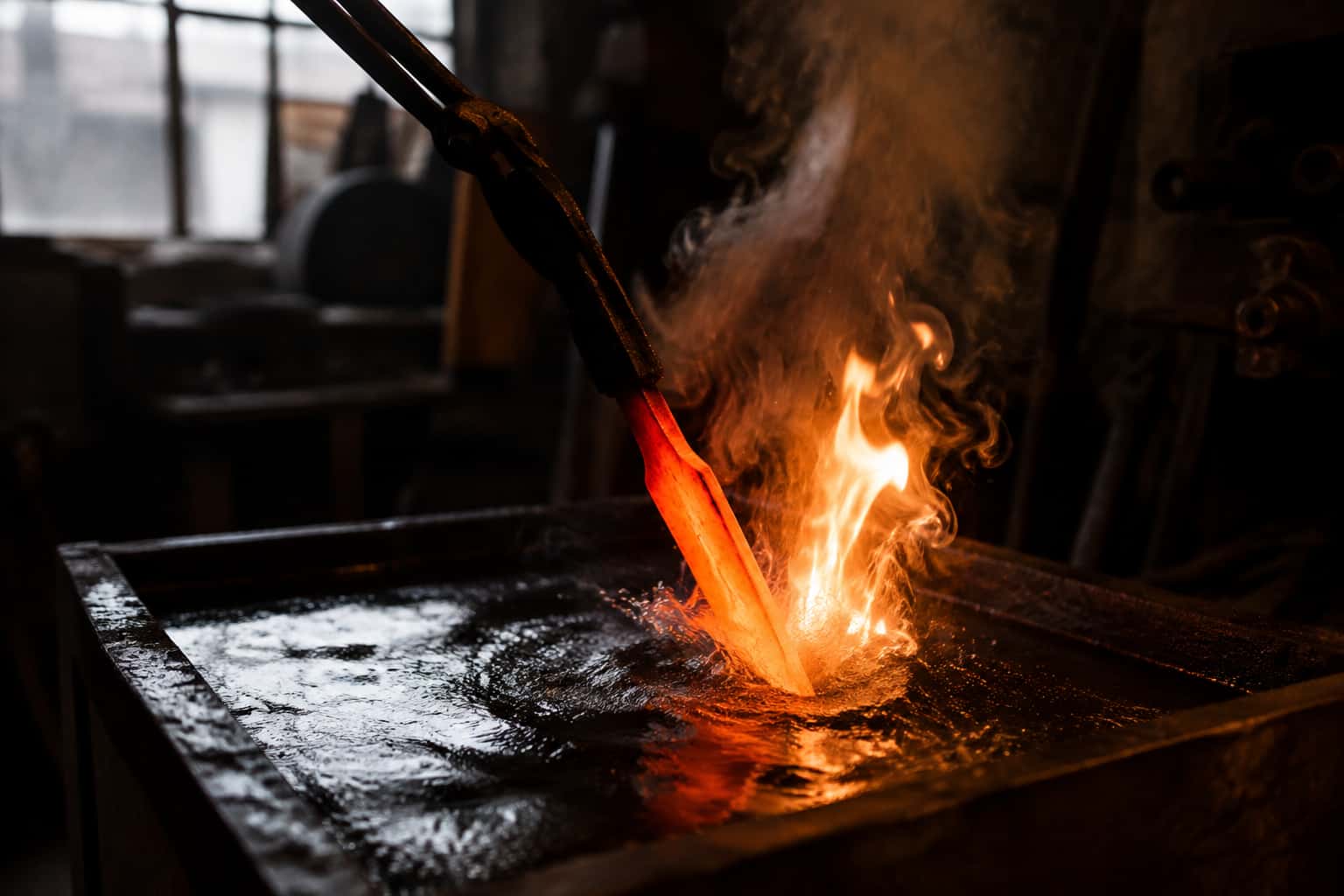
Heat treating is what turns a piece of flat bar stock into a functional knife blade. Done correctly, it transforms the steel’s internal crystal structure…
This is general education, not tax or accounting advice, talk to an accountant about your specific situation, especially once income becomes real. But…
Same bench
I machine the parts, hand-assemble, track and test Torus grinders in Sterling, Illinois. Most orders ship in seven to ten business days from time of order.
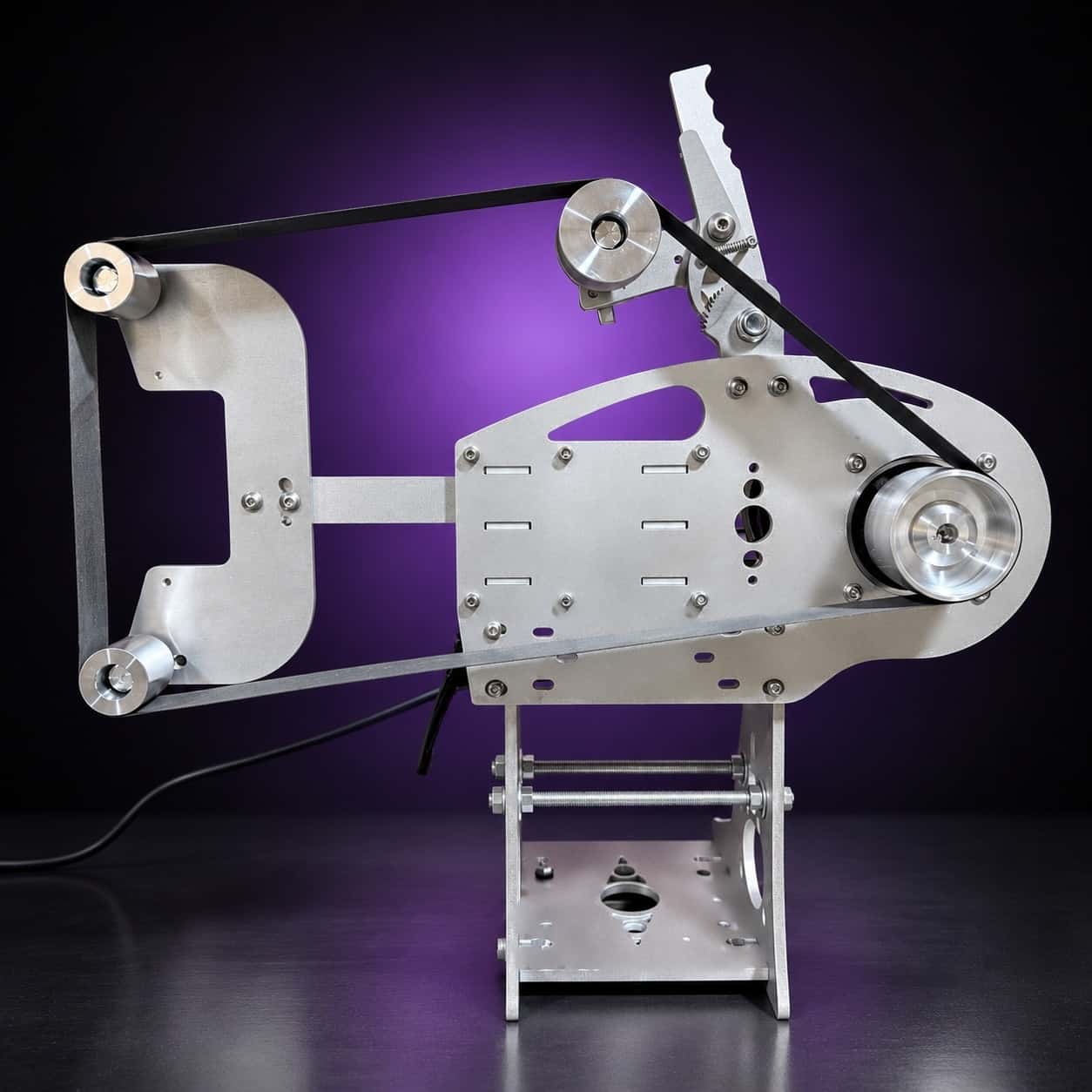
Current dual-axis platform with a fiber-laser-cut 6061 chassis and single-knob tracking.
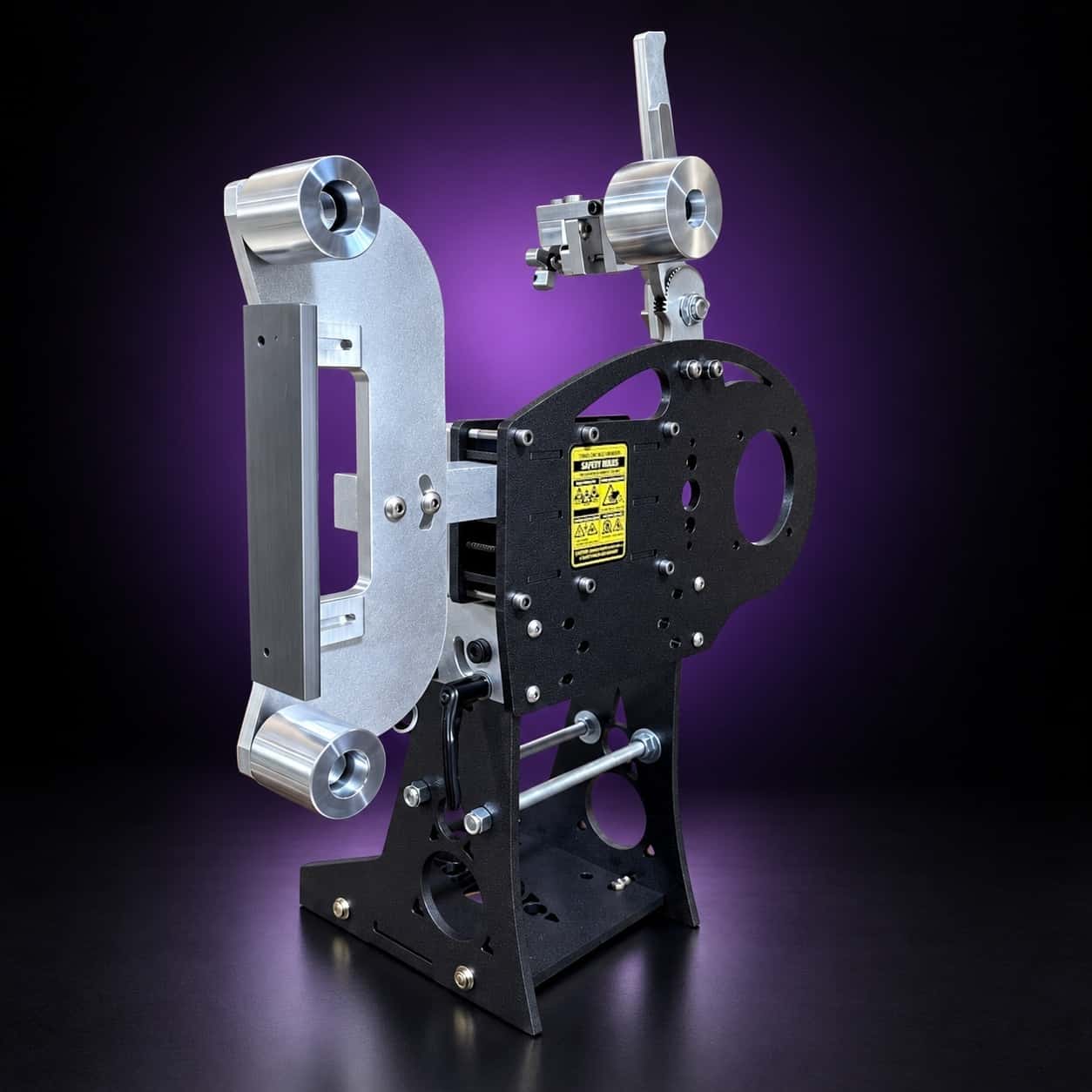
Current dual-axis platform with a steel chassis, more mass and less vibration.
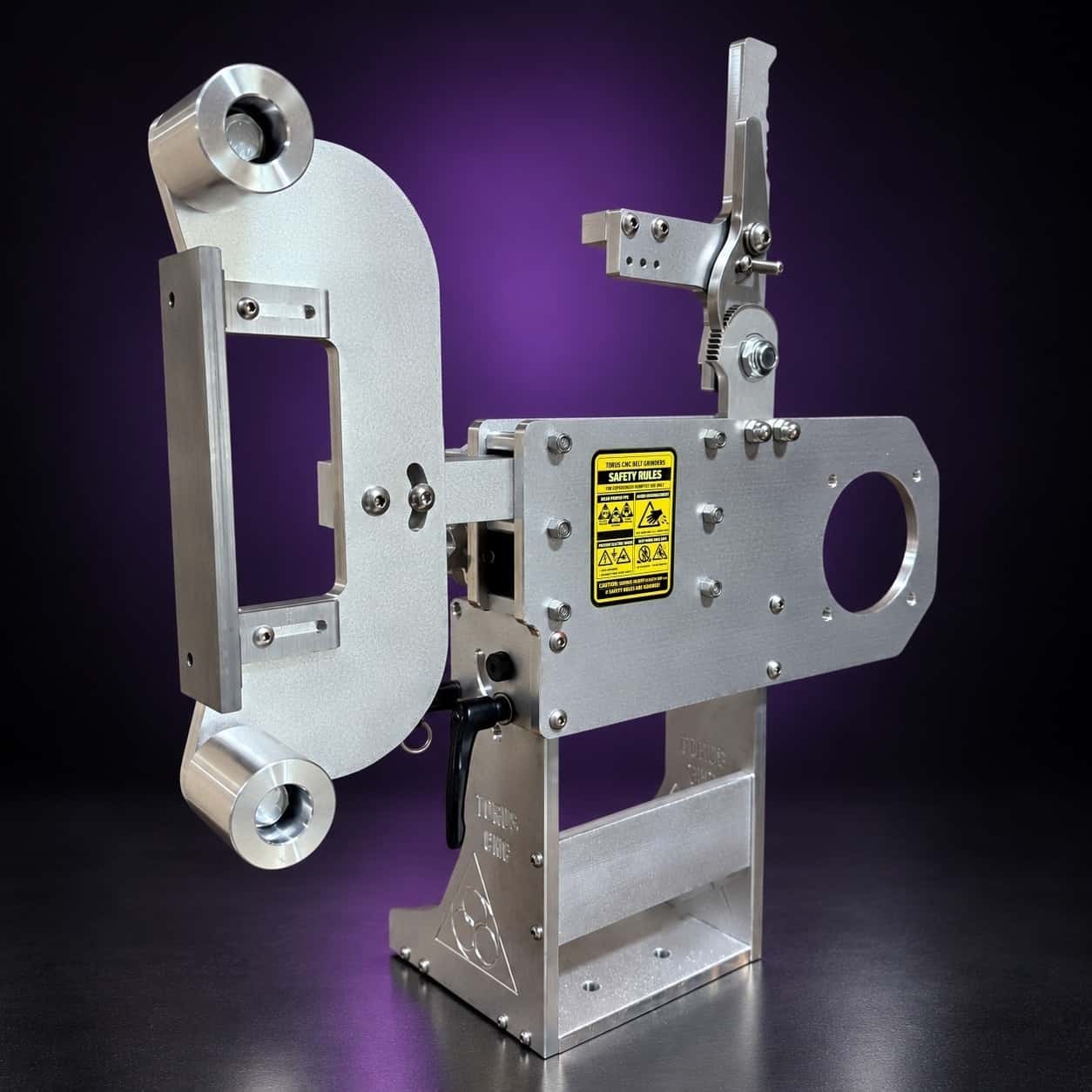
Prior-design aluminum chassis, 90-degree tilt and 1.5-inch tooling arms.
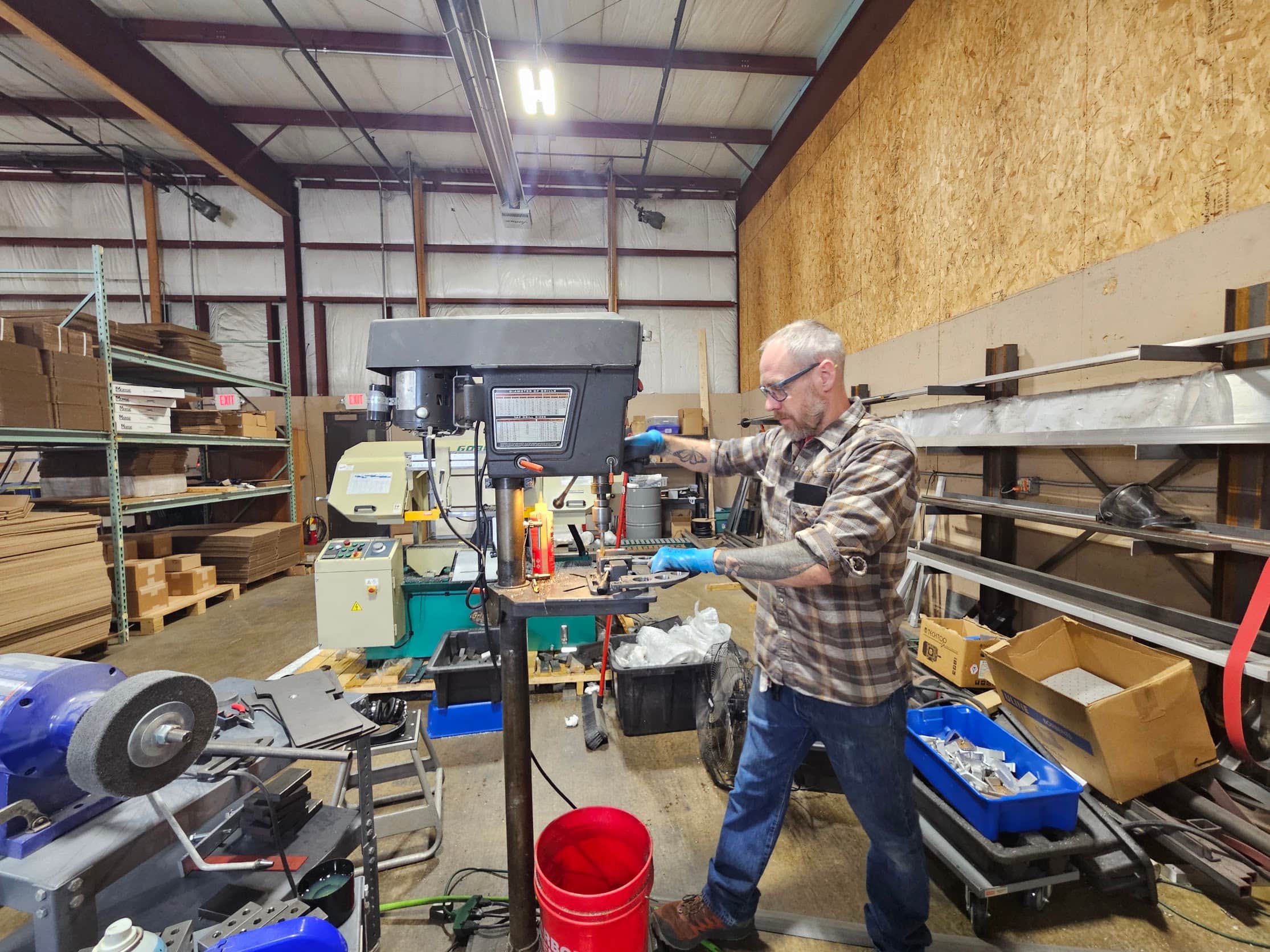
One-man shop
I answer my own email. Tell me the steel, the machine and what it is doing, and I will tell you what I would try next.