| Toughness | 5/5In Charpy impact testing at 62.5 HRC, MagnaCut delivers roughly 38 ft-lbs of toughness, about 40% tougher than S35VN at similar hardness, and roughly double the toughness of M390. It performs on par with tough non-stainless steels like CPM 4V and Vanadis 4 Extra. | 4/5Only slightly less tough than S35VN despite the higher carbide load, and still an improvement over S30V once hardness is accounted for. | MagnaCut is tougher. It was purpose-engineered by Larrin Thomas specifically to push toughness further than steels like the S-series, and it shows even against S45VN, itself already a fairly tough member of that family. |
|---|
| Edge retention | 4/5CATRA edge-retention testing places MagnaCut between S35VN and S45VN, very good, though not at the extreme end occupied by steels like S90V or M390. | 5/5Rated around 143% CATRA edge retention versus 440C, matching S30V and beating S35VN, among the better edge-holding stainless steels in this class. | S45VN pulls ahead here, rated around 143% CATRA edge retention versus 440C, a notch above MagnaCut's already-strong wear resistance. The gap is real but modest. |
|---|
| Corrosion resistance | 5/5MagnaCut keeps its full 10.7% chromium in solid solution, giving it corrosion resistance that exceeds S35VN, S45VN, M390, and 20CV, among the best of any high-performance knife steel, approaching though not quite reaching saltwater-grade steels like Vanax or LC200N. | 5/5The best corrosion resistance in the S-series thanks to 16% chromium and a nitrogen addition; noticeably better than S35VN in salt-air and marine testing. | Essentially tied at the top of the field. Both use high chromium content and are considered excellent choices for wet, humid, or marine environments. |
|---|
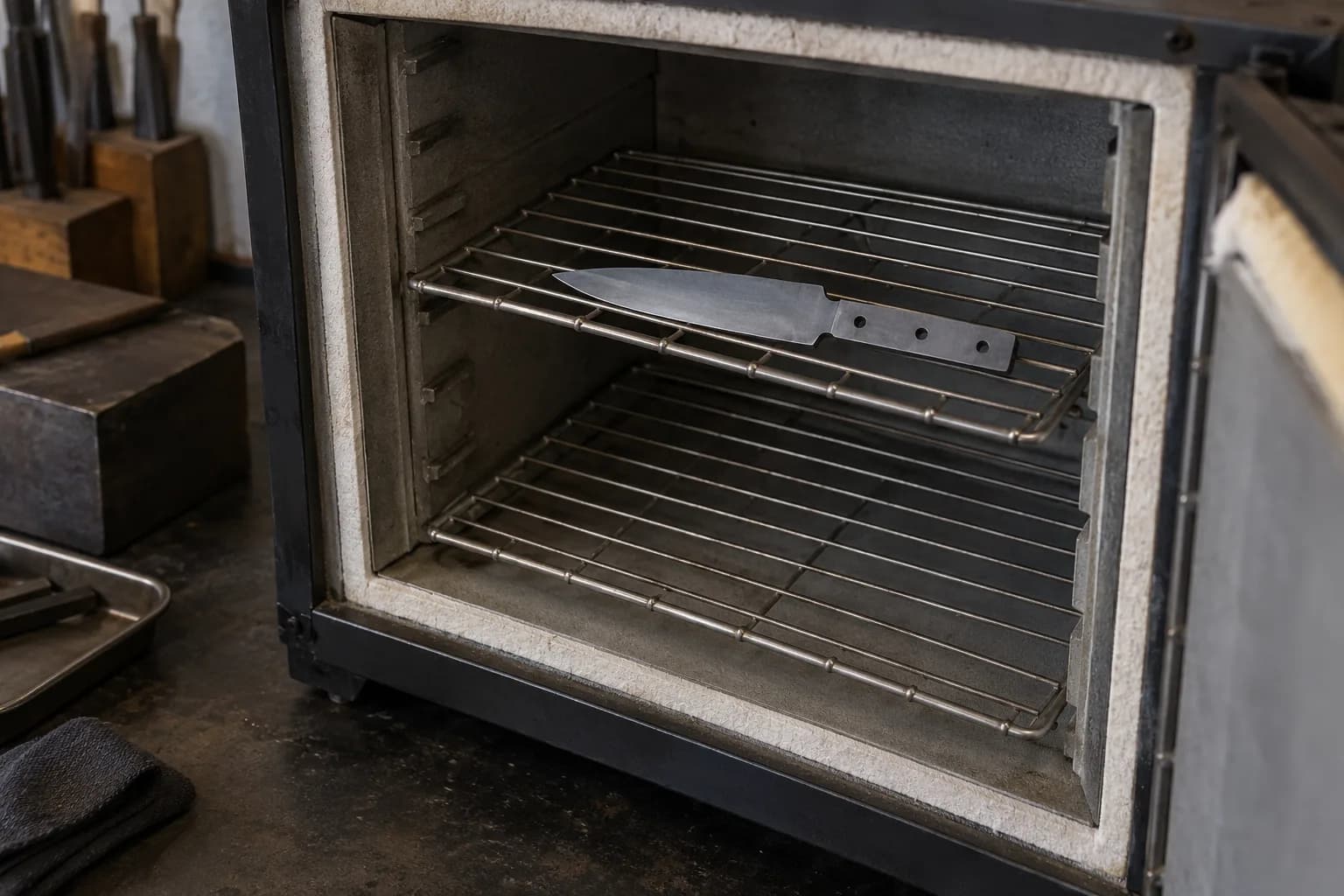
| Heat treat | Recommended heat treatment from Crucible: austenitize at 2050 degrees F (1121 C) for approximately 25 minutes, then plate or oil quench, followed by tempering 2x2 hours at 350 degrees F (176 C). This typically yields 61-62.5 HRC. An optional cryogenic treatment (dry ice or liquid nitrogen) immediately after quenching can push hardness to 63-65+ HRC. Because MagnaCut is a stainless PM steel, it should be heat treated in a foil-wrapped or controlled-atmosphere environment to prevent scale and decarburization, and requires an oven capable of holding precise soak temperatures. A dedicated quench plate system makes it much easier to control warping during the plate quench step. For the general principles behind every stage of this process, see our Complete Guide to Heat Treating Knife Steel. | Austenitize at 1950-2000 F (the higher end of this range has shown improved toughness), then quench to below 125 F. Unlike S35VN, S45VN is double tempered at a much higher 600 F for at least 2 hours per cycle, cooling to hand-warm between cycles. This combination typically lands in the 58-61 Rc range, trading a little peak hardness for S45VN's strong all-around balance of edge retention and corrosion resistance. | MagnaCut was specifically designed to be more forgiving to heat treat, reaching excellent properties with equipment accessible to small shops. S45VN uses an unusual high-temperature double temper (around 600 F) that differs from most other premium stainless steels, and benefits from precise, professional-grade equipment. |
|---|
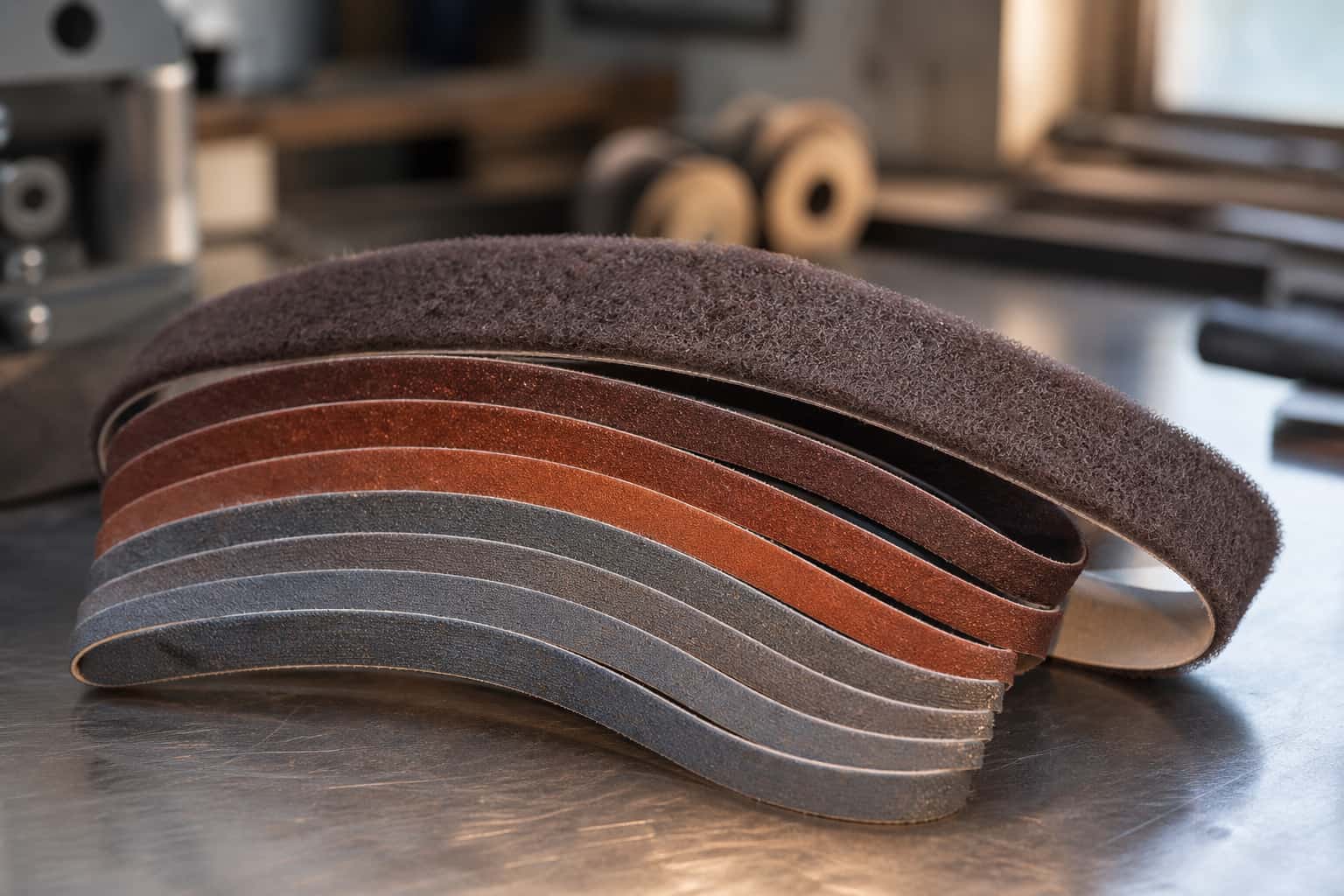
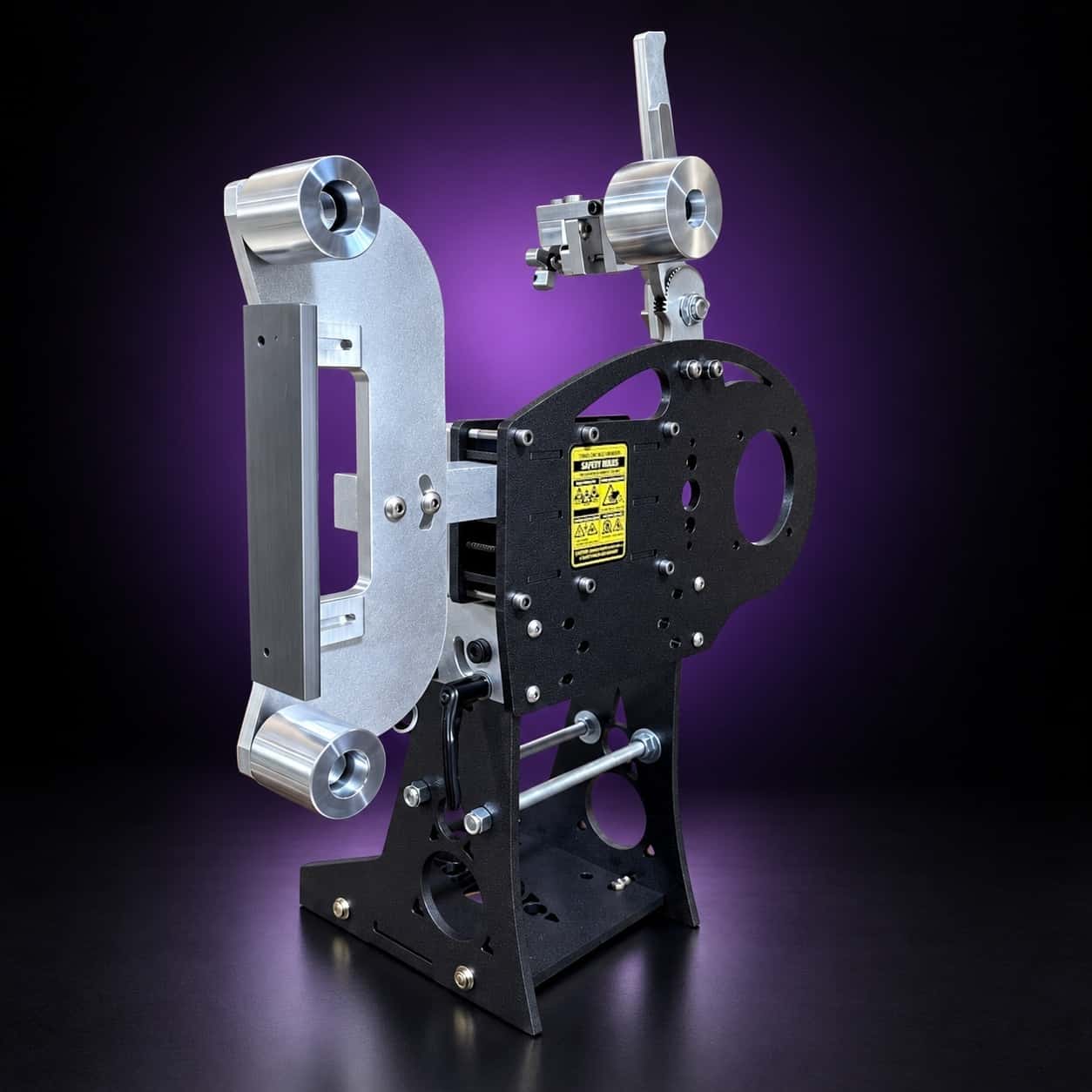
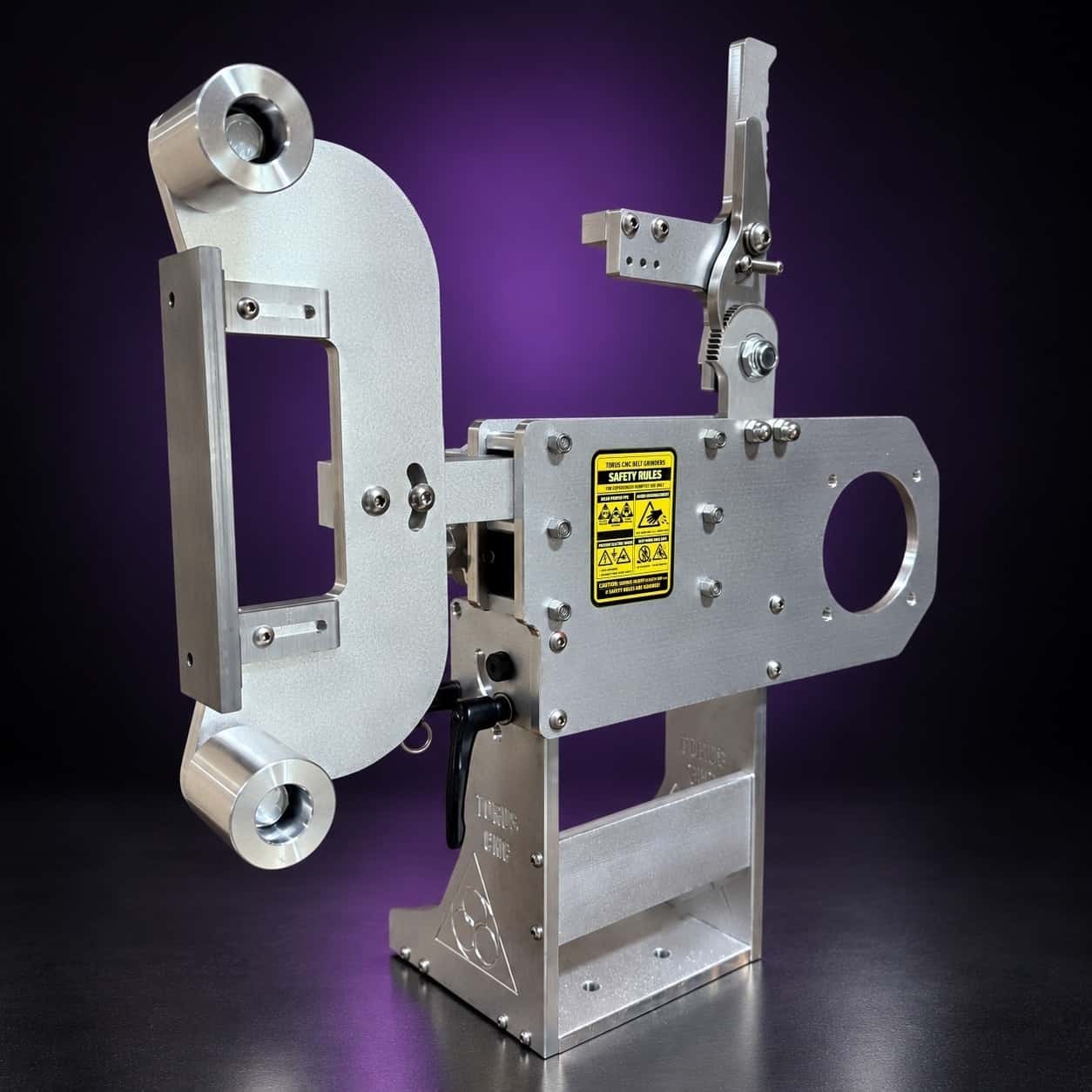
| Grinding | 3/5Like other vanadium-rich powder-metallurgy steels, MagnaCut is moderately demanding to grind because of hard vanadium and niobium carbides. Expect belt wear similar to or slightly higher than S35VN; ceramic or high-quality zirconia belts are recommended for stock removal. | 3/5Grinds similarly to S35VN, moderate for a powder-metallurgy steel; expect faster belt wear than simple carbon or basic stainless steels. | Comparable. Both are moderately demanding powder-metallurgy steels that grind similarly and are noticeably easier to work than steels like CPM S30V or CPM 20CV. |
|---|