| Toughness | 5/5In Charpy impact testing at 62.5 HRC, MagnaCut delivers roughly 38 ft-lbs of toughness, about 40% tougher than S35VN at similar hardness, and roughly double the toughness of M390. It performs on par with tough non-stainless steels like CPM 4V and Vanadis 4 Extra. | 5/5Among the best toughness of any stainless knife steel at a given hardness, thanks to its simple chemistry and very fine, clean grain structure with minimal large carbides. Often used as a toughness benchmark against more heavily alloyed stainless steels. | Tied. Both are among the toughest stainless steels in this database, just for different reasons: AEB-L through its simple, fine-grained chemistry, and MagnaCut through deliberate modern alloy design. |
|---|
| Edge retention | 4/5CATRA edge-retention testing places MagnaCut between S35VN and S45VN, very good, though not at the extreme end occupied by steels like S90V or M390. | 2/5Modest wear resistance compared to higher-vanadium steels since it has far fewer hard carbides, but the fine grain gives it excellent edge stability, so it takes a very keen edge and resists rolling or chipping at that edge even though it dulls from abrasion sooner than high-carbide steels. | MagnaCut holds a clear advantage here. Its added carbide-forming elements give it meaningfully better wear resistance than AEB-L's minimal-alloy composition can provide. |
|---|
| Corrosion resistance | 5/5MagnaCut keeps its full 10.7% chromium in solid solution, giving it corrosion resistance that exceeds S35VN, S45VN, M390, and 20CV, among the best of any high-performance knife steel, approaching though not quite reaching saltwater-grade steels like Vanax or LC200N. | 4/5A genuine stainless steel with 12.8% chromium, giving it solid, dependable corrosion resistance well suited to kitchen and wet-environment use. | MagnaCut is slightly ahead, though both offer good, dependable stainless performance suitable for everyday-carry and kitchen use. |
|---|
| Heat treat | Recommended heat treatment from Crucible: austenitize at 2050 degrees F (1121 C) for approximately 25 minutes, then plate or oil quench, followed by tempering 2x2 hours at 350 degrees F (176 C). This typically yields 61-62.5 HRC. An optional cryogenic treatment (dry ice or liquid nitrogen) immediately after quenching can push hardness to 63-65+ HRC. Because MagnaCut is a stainless PM steel, it should be heat treated in a foil-wrapped or controlled-atmosphere environment to prevent scale and decarburization, and requires an oven capable of holding precise soak temperatures. A dedicated quench plate system makes it much easier to control warping during the plate quench step. For the general principles behind every stage of this process, see our Complete Guide to Heat Treating Knife Steel. | Austenitize between 1940-1975 F (soak roughly 15 minutes at 1940 F, or as little as 5 minutes at 1975 F), then plate or air quench. An optional cryogenic treatment (liquid nitrogen) can push peak hardness from around 62 HRC to roughly 64 HRC. Temper at least twice, 2 hours each cycle, in the 350-450 F range depending on desired final hardness, tempering immediately after quench or cryo. | AEB-L is simpler and more forgiving to heat treat, requiring less precise equipment. MagnaCut was also designed to be shop-friendly, but its more complex alloy still asks a bit more of the process than AEB-L's straightforward recipe. |
|---|
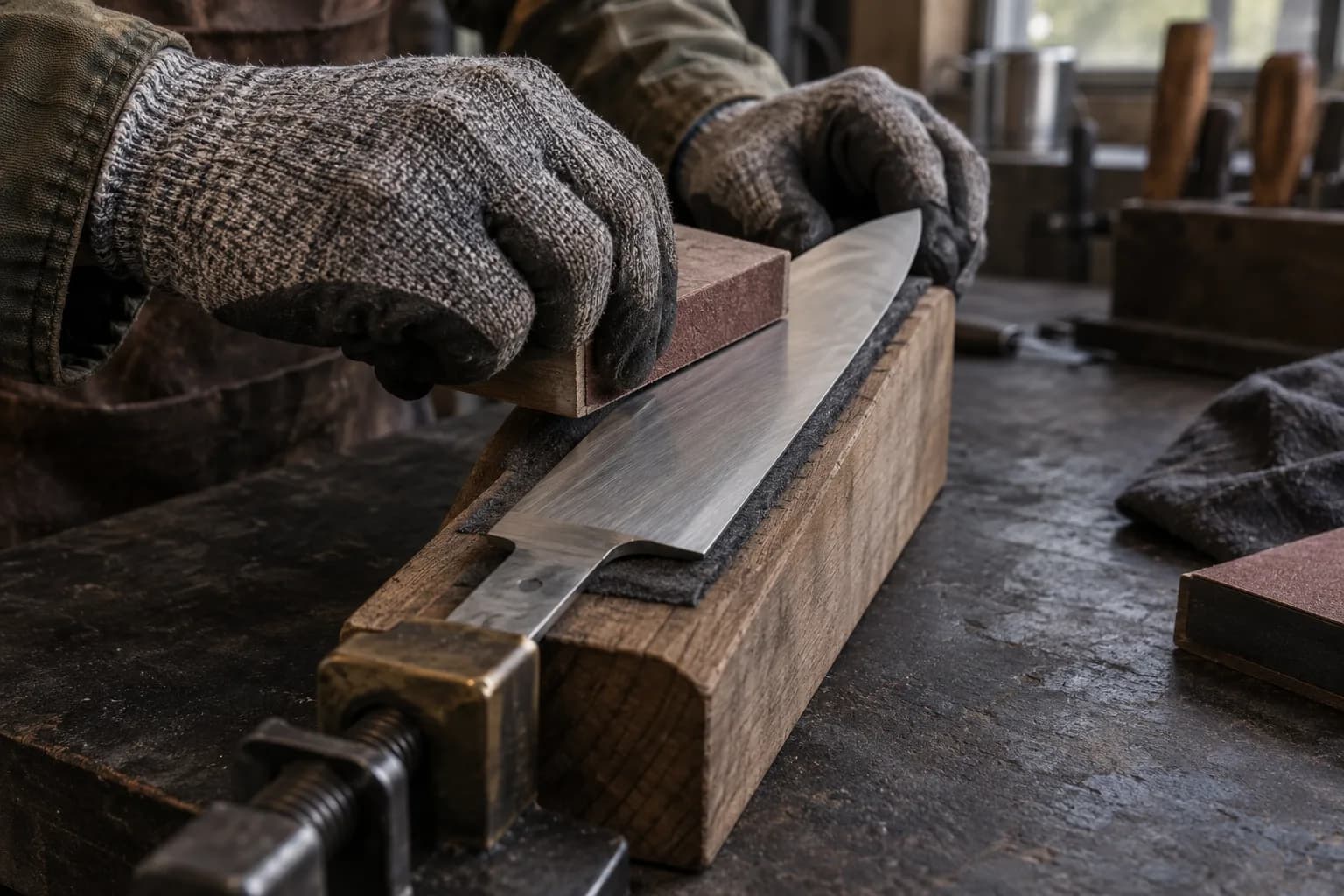
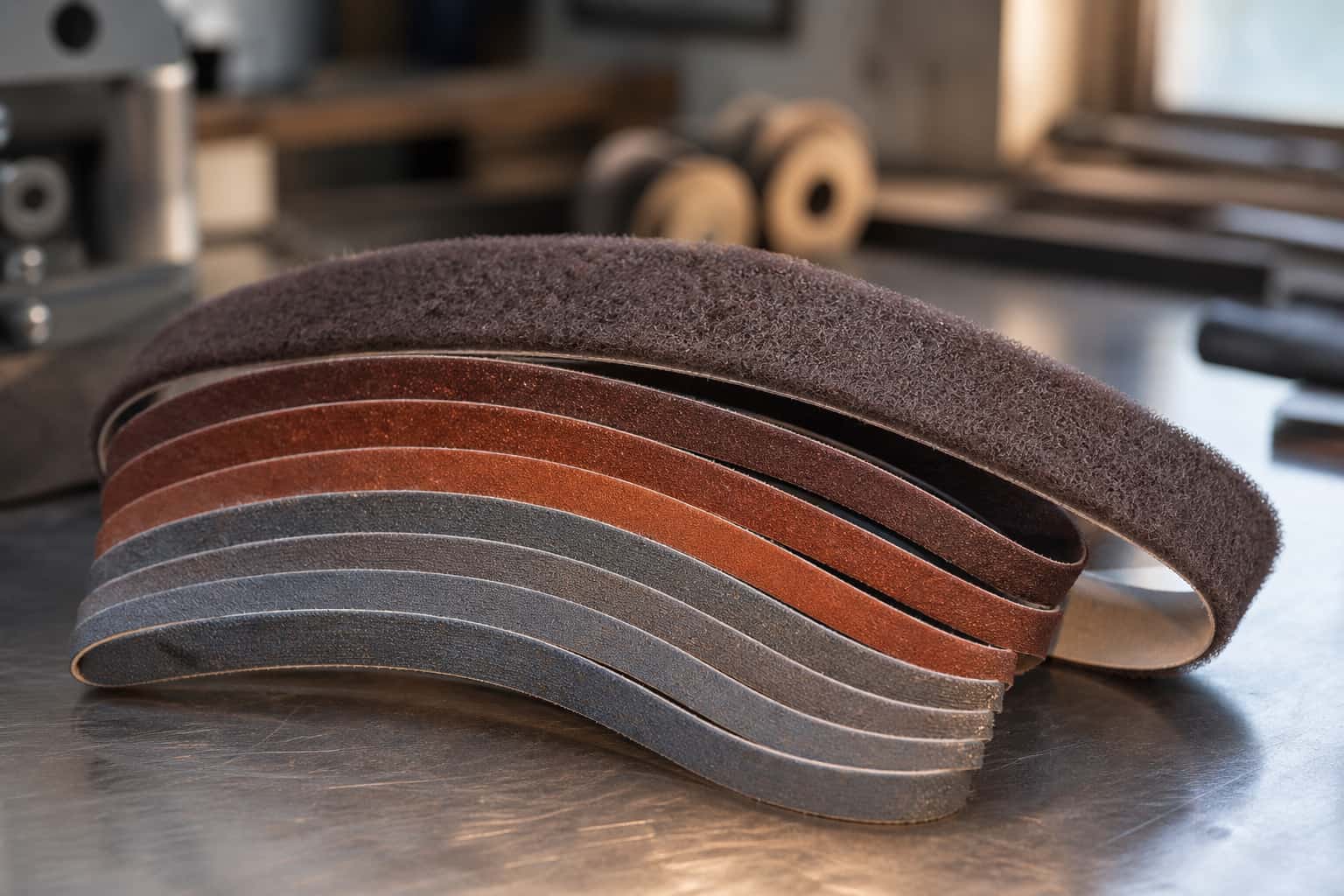
| Grinding | 3/5Like other vanadium-rich powder-metallurgy steels, MagnaCut is moderately demanding to grind because of hard vanadium and niobium carbides. Expect belt wear similar to or slightly higher than S35VN; ceramic or high-quality zirconia belts are recommended for stock removal. | 5/5One of the easiest stainless steels to grind and finish available to knifemakers, with no large hard carbides to fight through. A common recommendation for makers just starting to work with stainless steel. | AEB-L is noticeably easier and faster to grind and finish, one of the easiest stainless steels available for stock removal work. MagnaCut is more demanding on belts, though still more workable than many other premium stainless steels. |
|---|