
Metallurgy
Carbon Steel vs. Stainless vs. Tool Steel vs. Powder Metallurgy
“Carbon steel,” “stainless steel,” “tool steel,” and “powder metallurgy steel” get used as if they’re four completely separate categories, but they…
Metallurgy
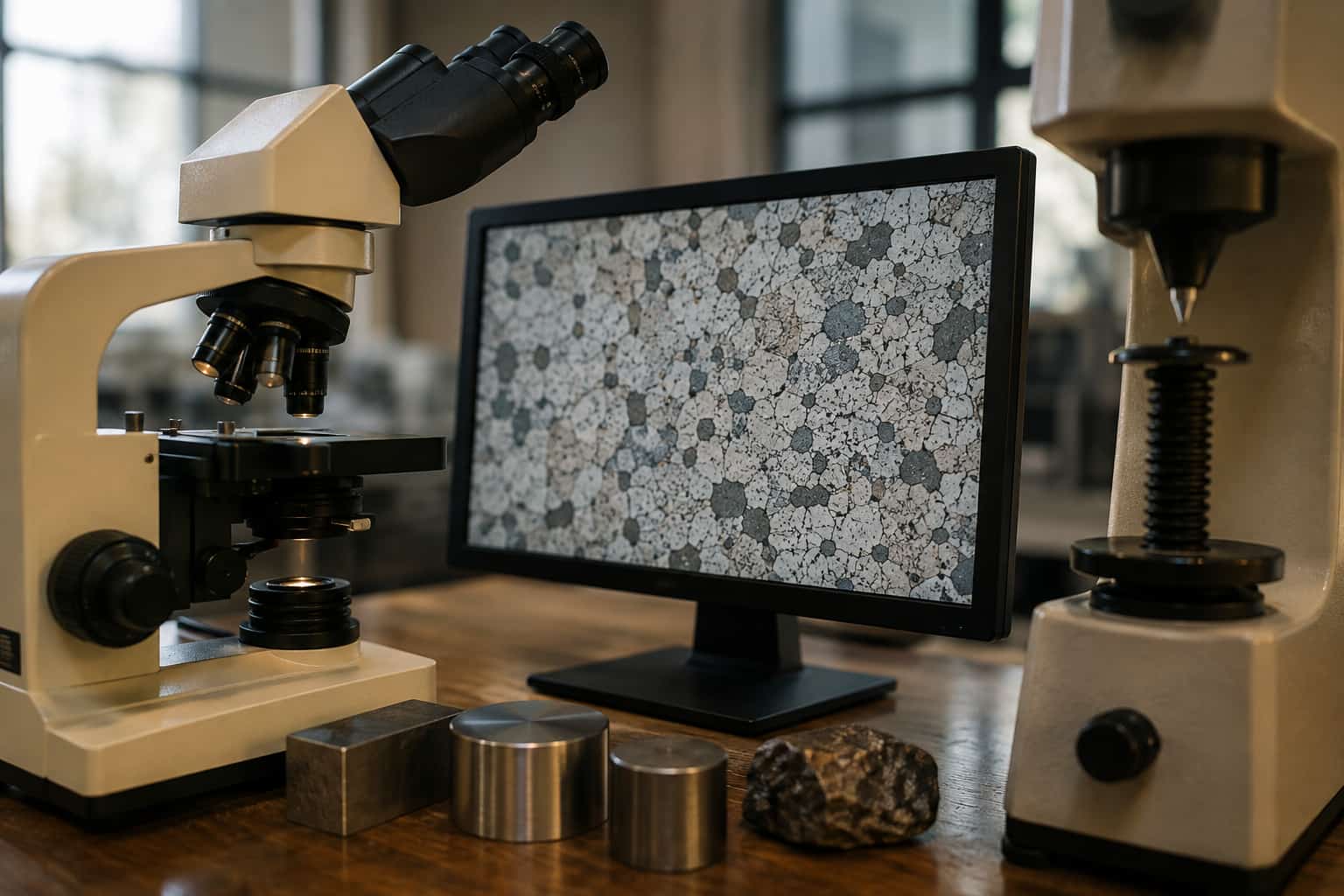
Carbide size decides how a steel sharpens: big carbides resist abrasives, high-vanadium steels want diamond or CBN, and powder metal sharpens predictably.
3 min readWritten by Rich LinvilleFree to read
Two steels with similar hardness numbers can feel completely different under a sharpening stone, one glides along smoothly, another feels like it’s dragging against sandpaper. That difference almost always comes down to carbides: how many there are, how big they are, and how they’re distributed through the steel.
Carbides are hard compounds that form when carbon bonds with alloying elements like chromium, vanadium, or molybdenum during the steel’s manufacture and heat treat. They’re significantly harder than the surrounding steel matrix around them, which is exactly what makes them useful: carbides are what actually resist wear and hold a working edge as a blade cuts through abrasive material.
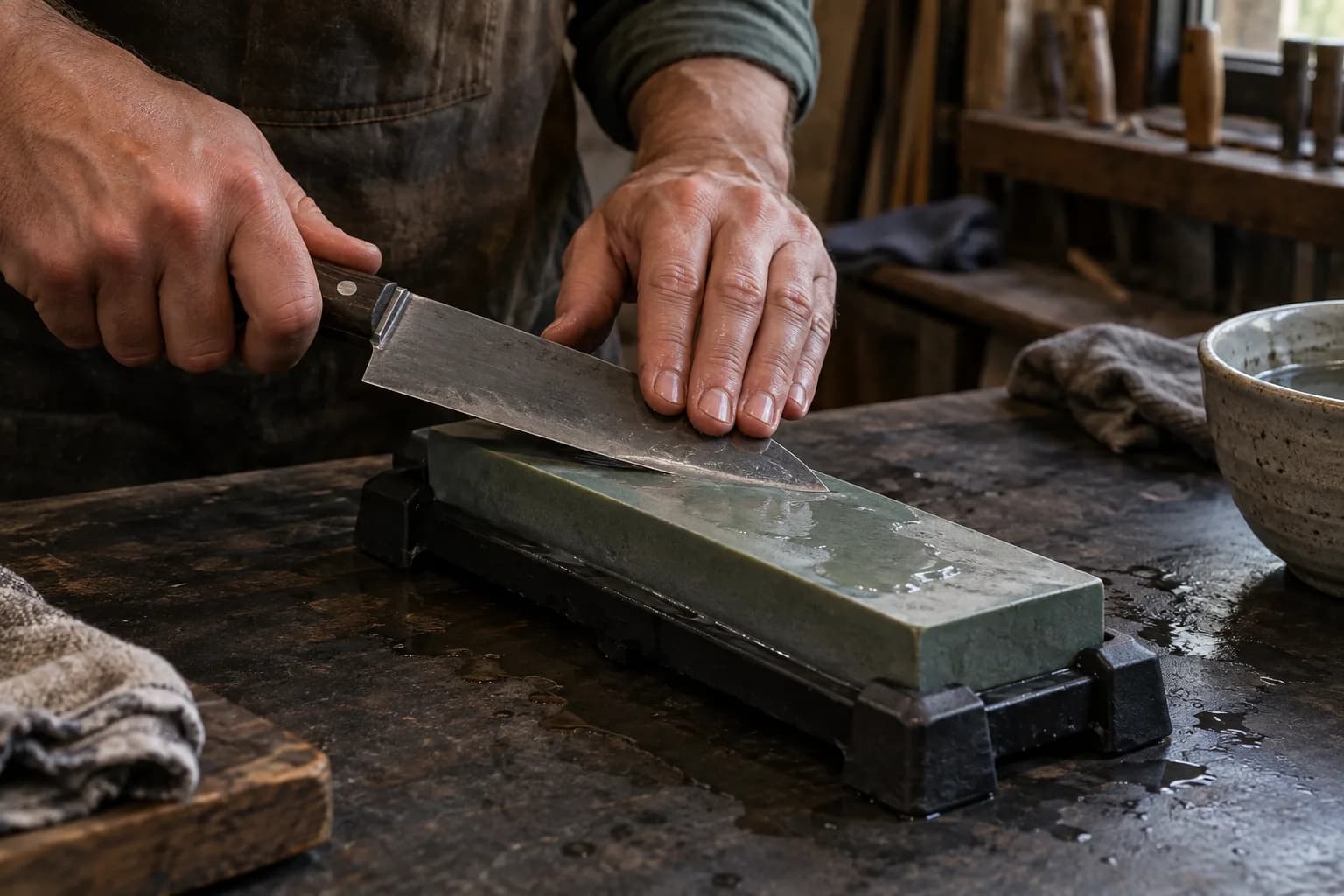
Larger carbides are harder for an abrasive (a sharpening stone or grinding belt) to cut through cleanly, since the abrasive grit has to actually be harder than the carbide to remove it rather than just skating over or around it. Steel with large carbides, common in some higher-carbide conventional (non-powder-metallurgy) steels, can feel gritty or resistant under lower-grit abrasives, and take noticeably longer to sharpen than a steel with the same hardness but finer carbides.
As covered in Carbon Steel vs. Stainless vs. Tool Steel vs. Powder Metallurgy, the PM manufacturing process produces much finer, more evenly distributed carbides than conventional casting does, even at the same overall alloy content. This is a big part of why steels like CPM MagnaCut or CPM S35VN can carry high vanadium content (which would otherwise mean large, difficult carbides) while still sharpening more predictably than a conventionally-cast steel with similar vanadium levels.
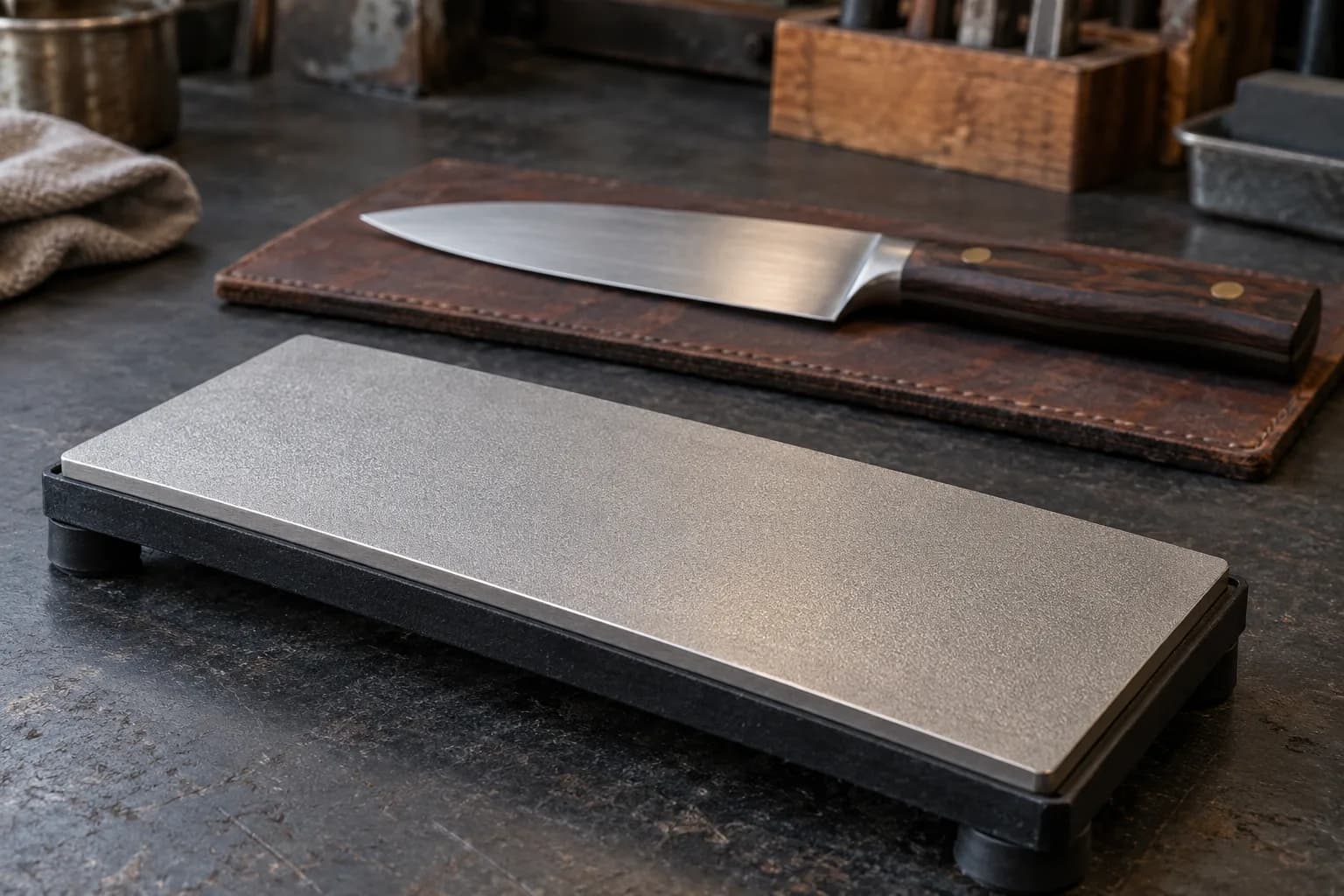
Standard aluminum oxide abrasives handle simple carbon steels and lower-vanadium stainless steels well. High-vanadium steels benefit significantly from diamond or CBN (cubic boron nitride) abrasives for sharpening, since those abrasives are hard enough to actually cut through vanadium carbides rather than just wearing down around them, which is why sharpening kits marketed for “super steels” usually lean on diamond stones rather than standard oxide or ceramic stones.
These are related but separate factors: a steel can have a high total volume of carbides (more wear resistance overall) while still having small, fine individual carbides (easier sharpening) if the manufacturing process supports it, which is exactly the PM steel advantage. Conversely, a steel with the same carbide volume but larger individual carbides will generally be harder to sharpen and can leave a less refined edge, even at comparable overall hardness.
Carbides that resist wear during use are the same carbides that resist abrasives during sharpening, it’s the same hardness working for you in one case and against you in the other. This is the practical root of why high-edge-retention steels are often described as “harder to sharpen”: it’s not really the overall hardness number causing that, it’s the size and hardness of the carbides embedded in the steel.
Almost certainly carbide hardness and size, not the base hardness (HRC) number. Vanadium-rich steels form carbides hard enough to resist standard abrasives, requiring diamond or CBN stones to sharpen efficiently, while simple carbon steel has few or no hard carbides standing in the way.
No. Simple carbon and low-alloy stainless steels sharpen fine on standard aluminum oxide or ceramic stones. Diamond or CBN becomes genuinely worth it once you’re regularly sharpening high-vanadium PM steels, where standard abrasives struggle and take much longer to get results.
Yes. Very large carbides can act as stress concentration points, potentially making an edge more prone to chipping under lateral stress, which is another reason the fine, even carbide structure from powder metallurgy tends to perform well: not just easier sharpening, but often better edge stability too.
Keep reading
Three more from the same bench.
“Carbon steel,” “stainless steel,” “tool steel,” and “powder metallurgy steel” get used as if they’re four completely separate categories, but they…
Every knife steel is iron plus a specific recipe of other elements, and each of those elements pulls the steel’s behavior in a particular direction…
The Heat Treating Guide covers the practical steps: normalize, austenitize, quench, temper. This guide covers what’s actually happening inside the steel…
Same bench
I machine the parts, hand-assemble, track and test Torus grinders in Sterling, Illinois. Most orders ship in seven to ten business days from time of order.
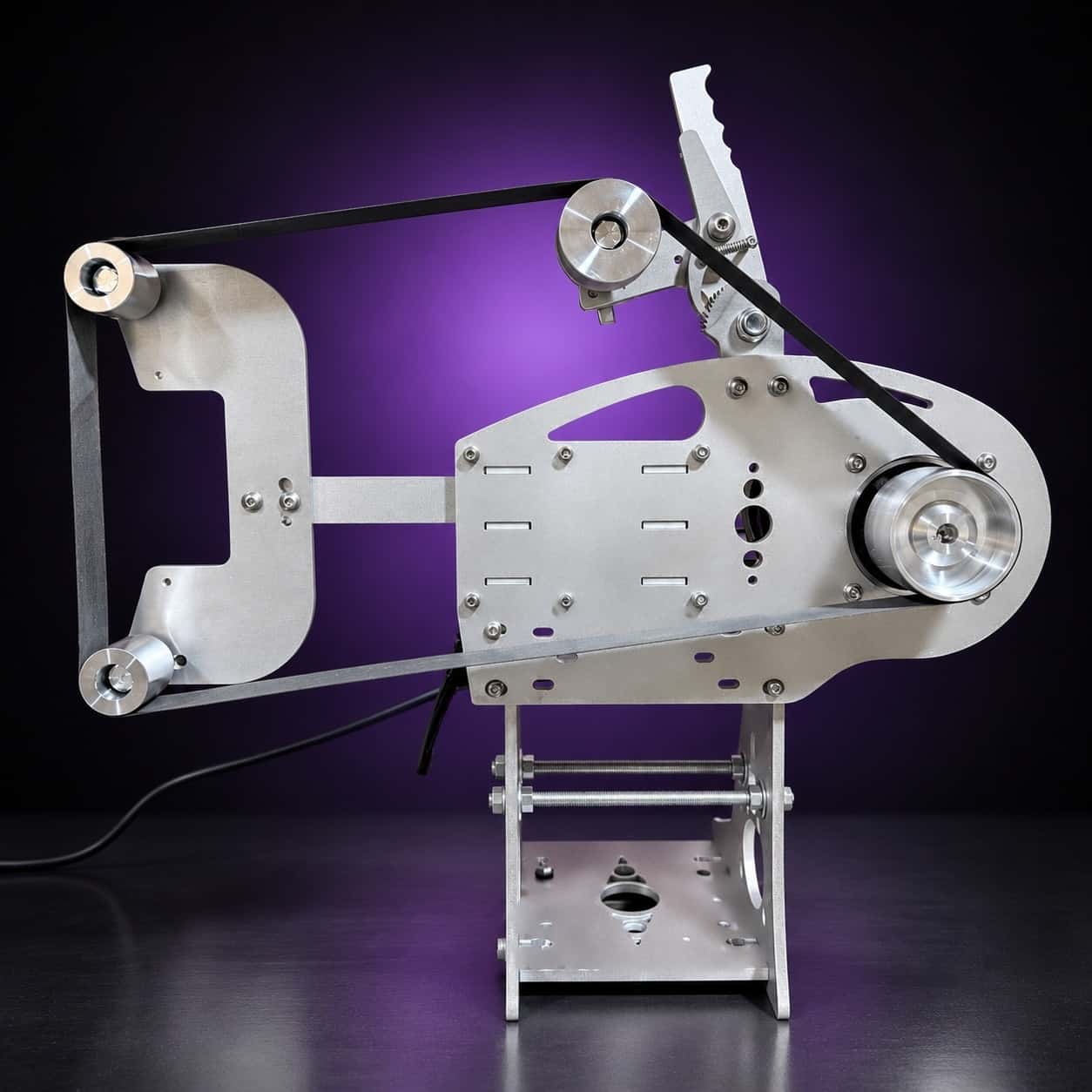
Current dual-axis platform with a fiber-laser-cut 6061 chassis and single-knob tracking.
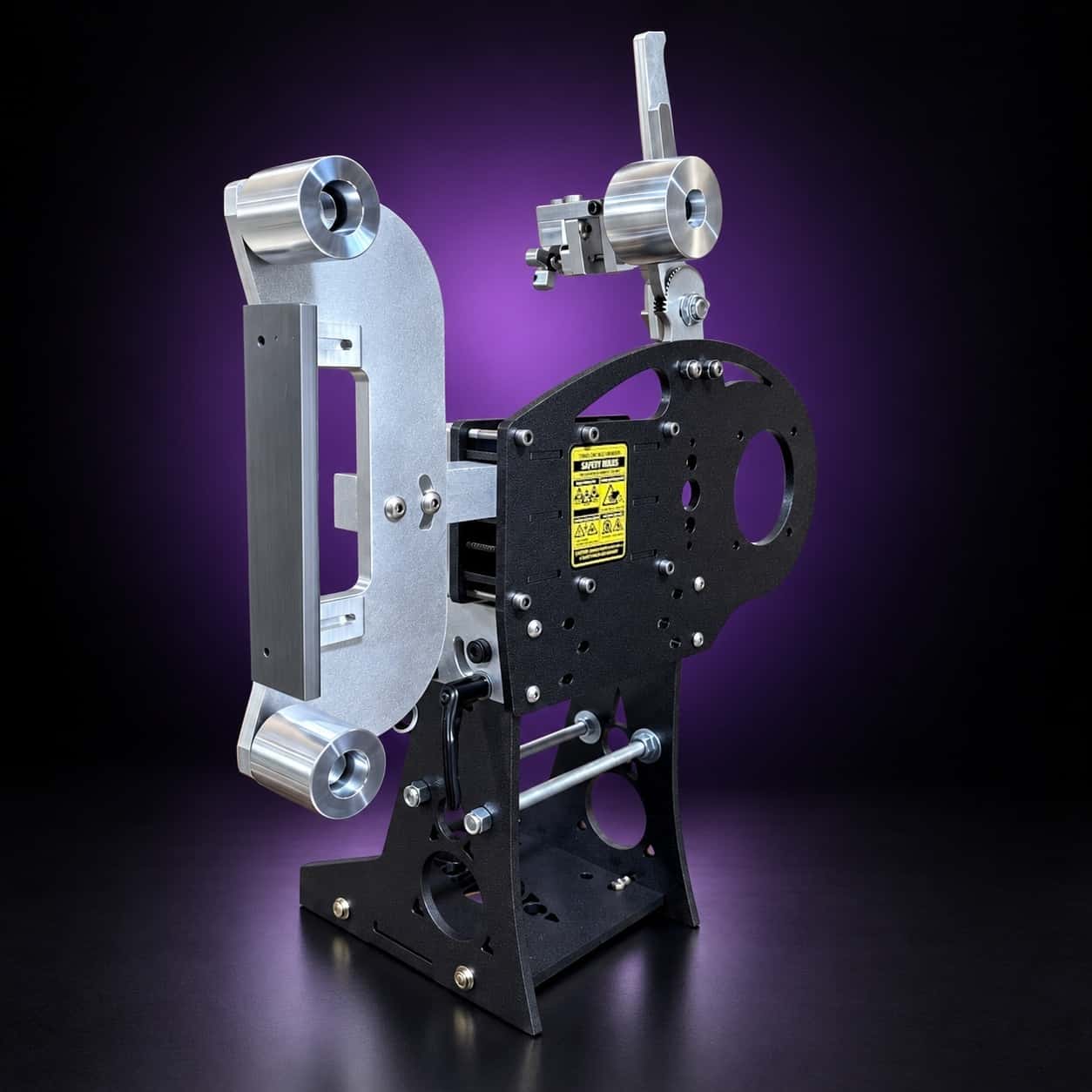
Current dual-axis platform with a steel chassis, more mass and less vibration.
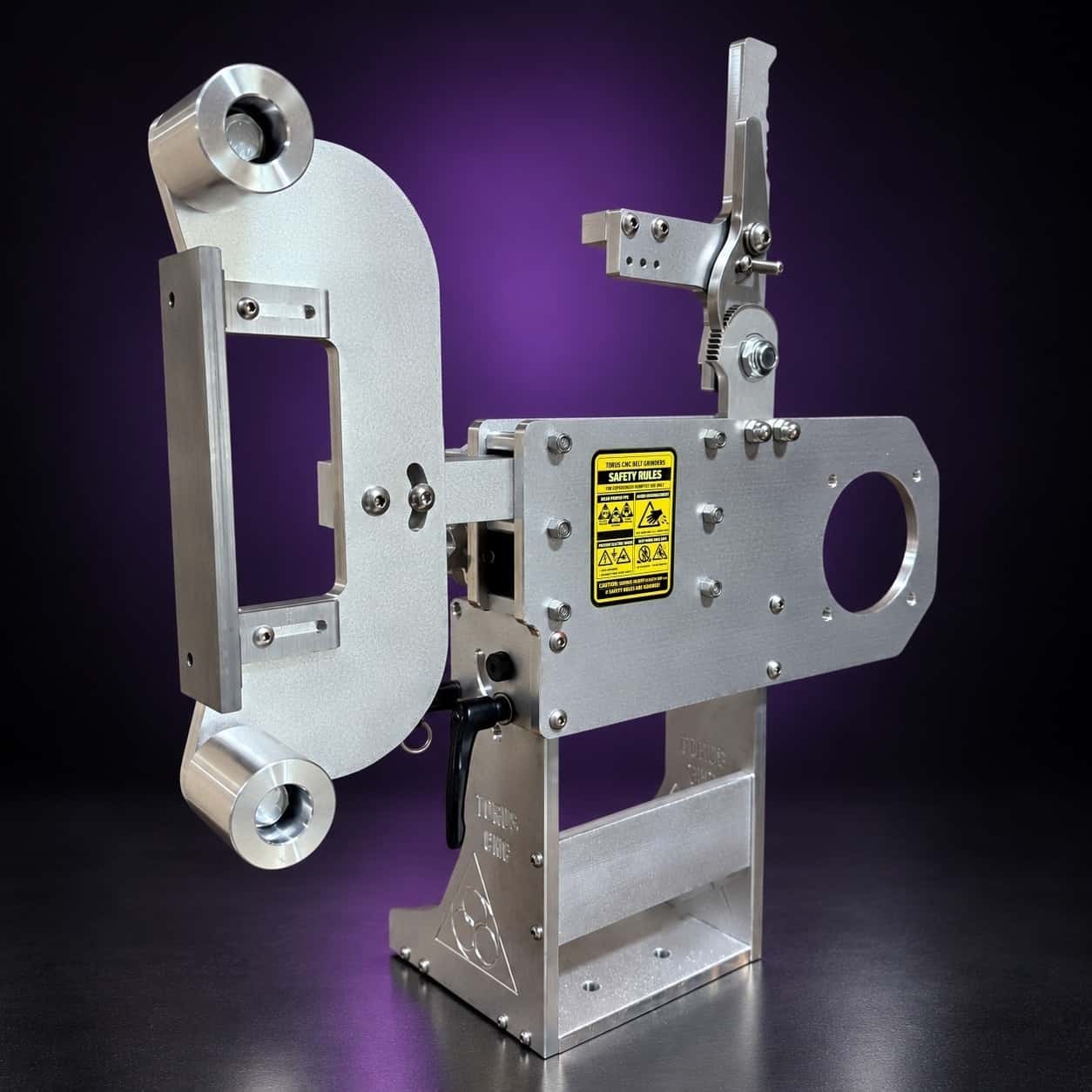
Prior-design aluminum chassis, 90-degree tilt and 1.5-inch tooling arms.
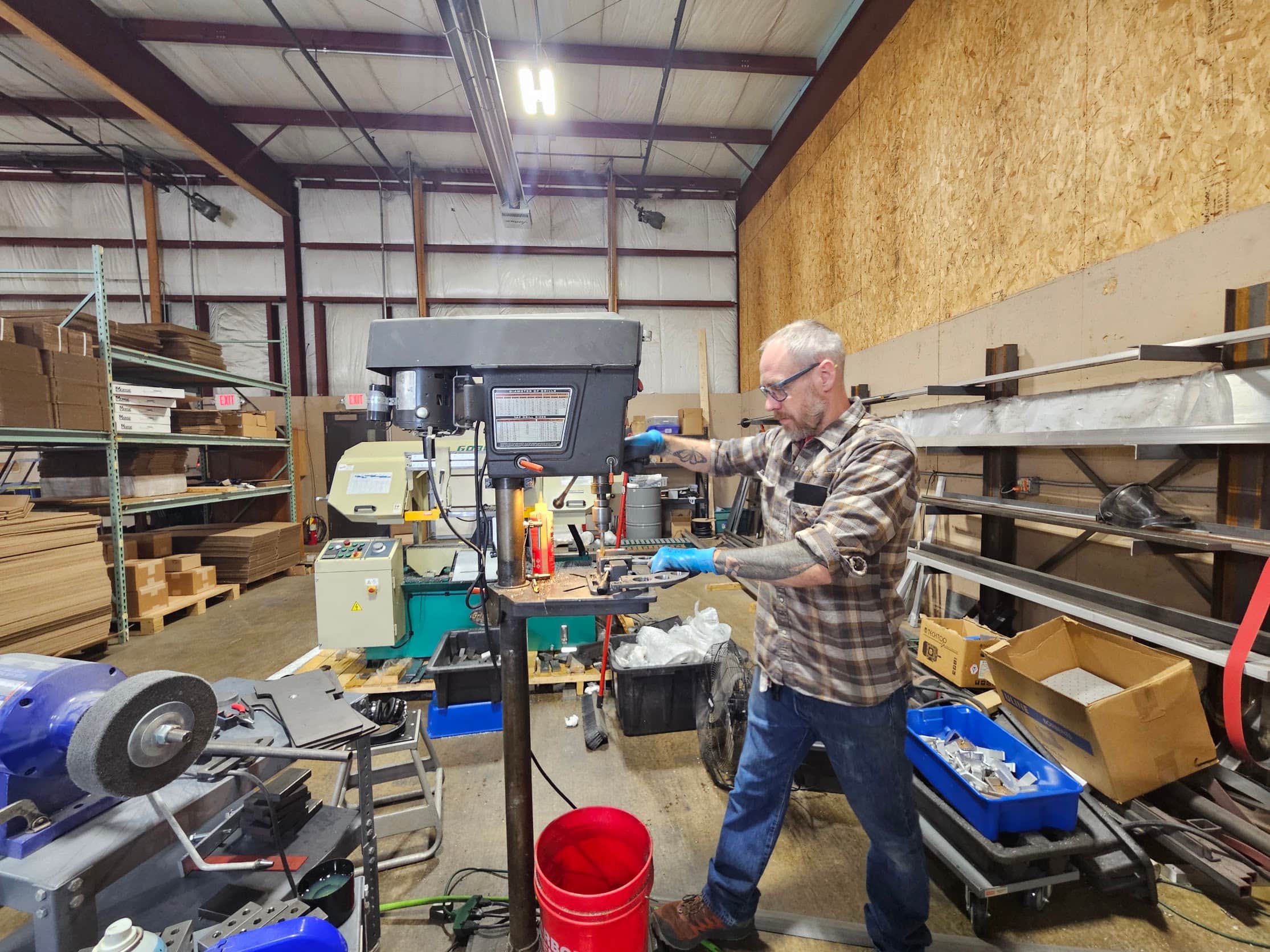
One-man shop
I answer my own email. Tell me the steel, the machine and what it is doing, and I will tell you what I would try next.