| Toughness | 4/5Only slightly less tough than S35VN despite the higher carbide load, and still an improvement over S30V once hardness is accounted for. | 4/5Noticeably tougher than its predecessor S30V, thanks to niobium carbides replacing some of the vanadium carbide load, one of the better toughness figures among premium powder-metallurgy stainless steels. | Essentially tied. Both share a very similar toughness profile, S45VN's added vanadium and niobium content boosts wear resistance without meaningfully sacrificing the toughness that made S35VN popular in the first place. |
|---|
| Edge retention | 5/5Rated around 143% CATRA edge retention versus 440C, matching S30V and beating S35VN, among the better edge-holding stainless steels in this class. | 4/5Strong, dependable edge retention, slightly below S30V's, but still well ahead of basic stainless steels like 420HC or AEB-L. | S45VN pulls ahead here. Its higher vanadium content forms more hard carbides, giving it a real, noticeable edge-retention advantage over S35VN in extended cutting tasks. |
|---|
| Corrosion resistance | 5/5The best corrosion resistance in the S-series thanks to 16% chromium and a nitrogen addition; noticeably better than S35VN in salt-air and marine testing. | 4/5Nearly identical to S30V and considered very good for a high-performance stainless, suitable for kitchen, marine, and everyday-carry use. | S45VN also has the edge, its higher chromium content pushes it into top-tier stainless corrosion resistance, while S35VN remains very good but a step behind. |
|---|
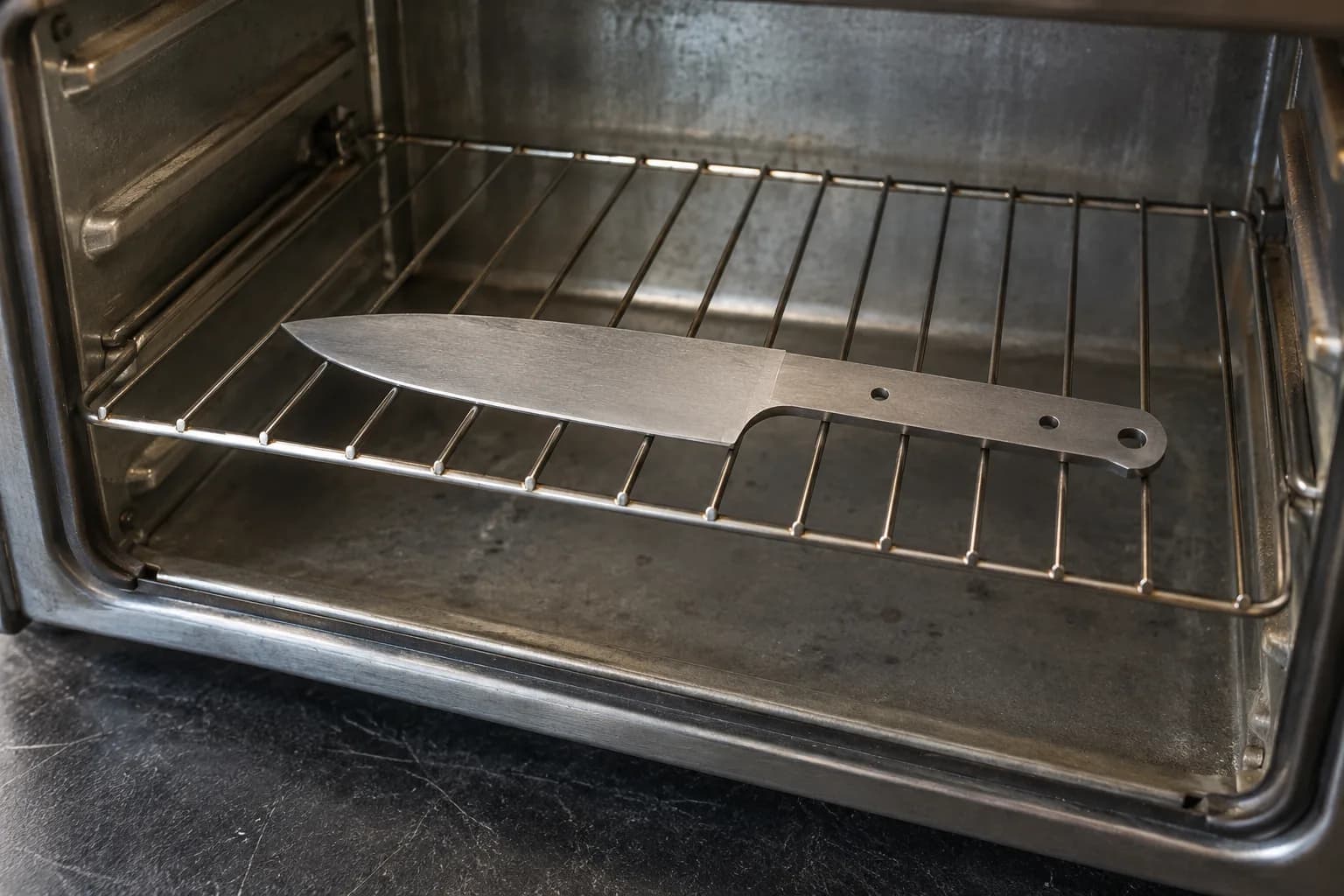
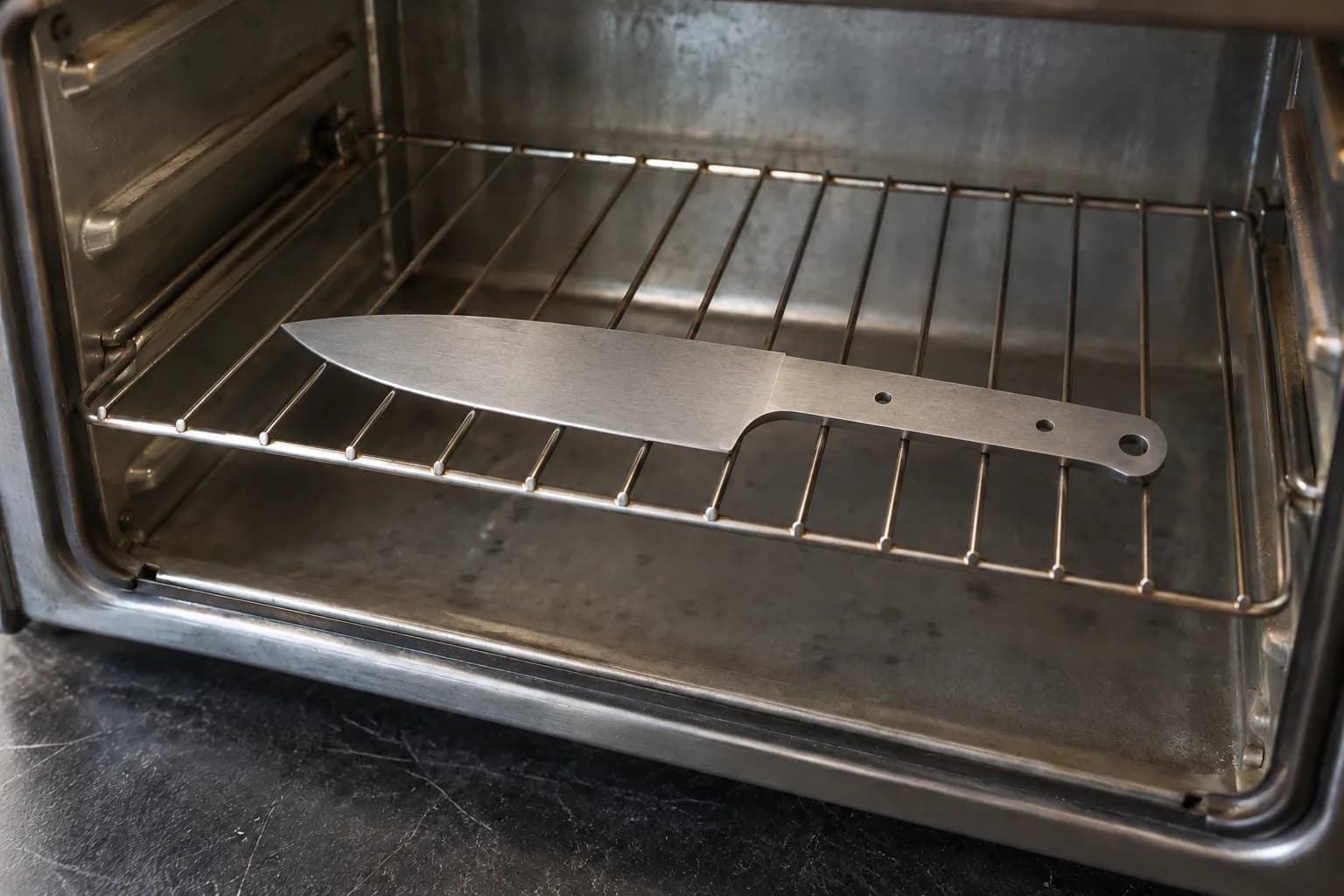
| Heat treat | Austenitize at 1950-2000 F (the higher end of this range has shown improved toughness), then quench to below 125 F. Unlike S35VN, S45VN is double tempered at a much higher 600 F for at least 2 hours per cycle, cooling to hand-warm between cycles. This combination typically lands in the 58-61 Rc range, trading a little peak hardness for S45VN's strong all-around balance of edge retention and corrosion resistance. | Preheat at 1550-1600 F, then austenitize around 1900-2025 F for 15-30 minutes. Plate quench, followed by a cryogenic treatment (liquid nitrogen, at least 30 minutes) for best properties. Double temper at 300-400 F for 2 hours per cycle: 300 F favors maximum hardness (60+ Rc), while 400 F trades some hardness for added toughness. This combination gives S35VN's well-rounded, dependable performance without any single weak point. | Similar heat-treat requirements and equipment needs; makers already set up to heat treat S35VN won't need to change their process meaningfully to work with S45VN. |
|---|
| Grinding | 3/5Grinds similarly to S35VN, moderate for a powder-metallurgy steel; expect faster belt wear than simple carbon or basic stainless steels. | 3/5Easier to grind than S30V, a deliberate improvement in the alloy design, but still a powder-metallurgy steel that wears belts faster than simple carbon or basic stainless steels. | Comparable, both are moderately demanding PM stainless steels that benefit from diamond or CBN abrasives for efficient sharpening, with S45VN's slightly higher carbide content making it marginally slower to grind. |
|---|