
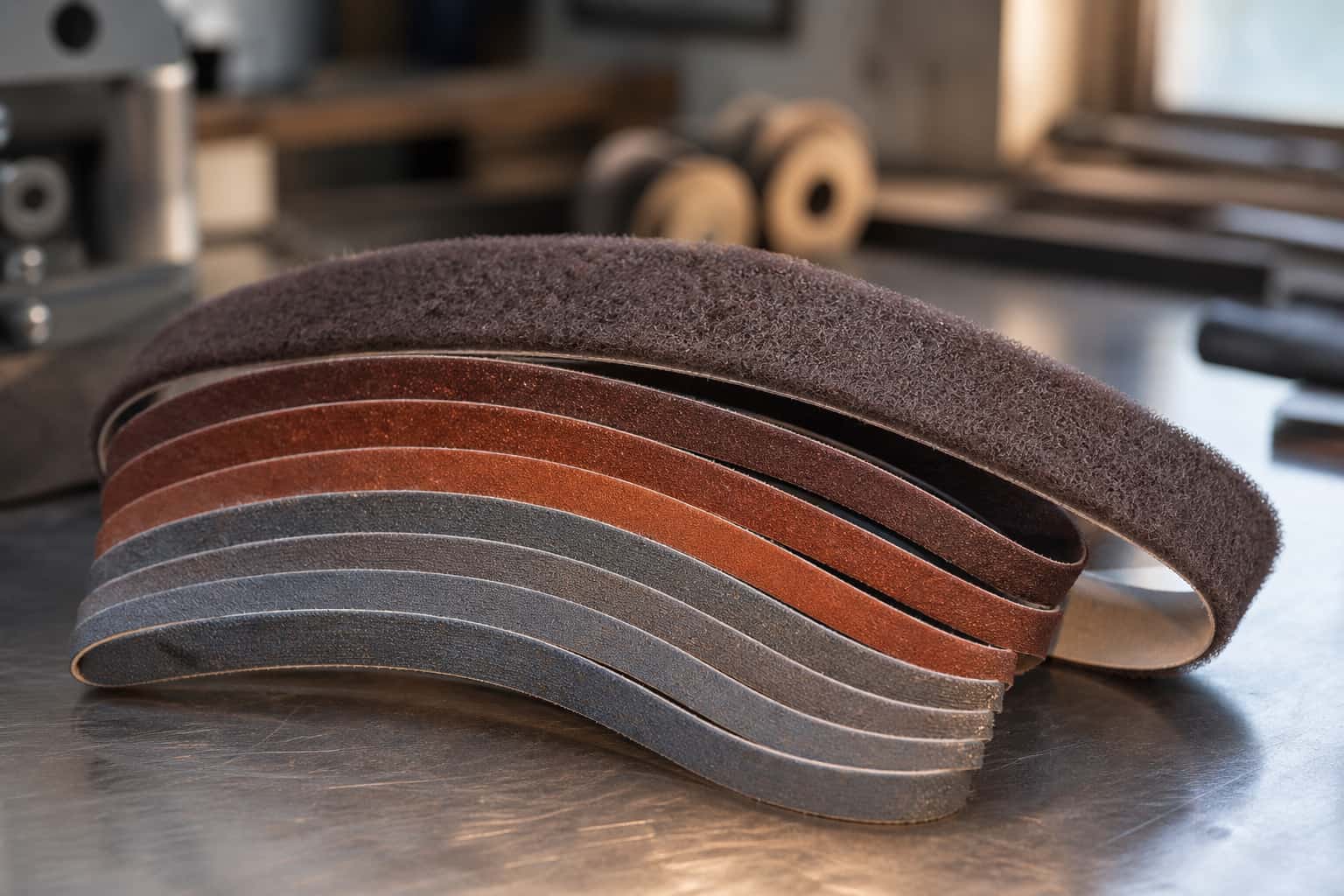
Abrasives
Grinding and Sharpening MagnaCut: Belt Recommendations & Technique
MagnaCut is one of the more demanding steels to grind on a 2×72 platform. Its heavy carbide load, the same chemistry that gives it excellent toughness and…
Knife steel
A powder-metallurgy stainless steel balancing high toughness, strong edge retention, and excellent corrosion resistance, widely regarded as one of the most well-rounded modern knife steels.
Also known as
At a glance
The four meters are relative to the rest of the database. Composition is the published nominal analysis, not a mill certificate for your bar.
Working properties
This rare combination of toughness, edge retention, and corrosion resistance makes MagnaCut an excellent general-purpose and hard-use knife steel, well suited to EDC knives, hunting and fillet knives, and outdoor or survival blades that may see rough use in wet conditions. Browse more entries in the Knife Steel Database to compare it against other options.
At the bench
Open the property you are worried about. Every note is written for the blade in your hand, not for a spec sheet.
The full reference
MagnaCut is a modern powder-metallurgy stainless steel designed specifically for knife applications by metallurgist Dr. Larrin Thomas. Released in 2021, it set out to solve a long-standing tradeoff in knife steel design: traditional stainless steels typically sacrifice either toughness or corrosion resistance to reach high hardness and edge retention. MagnaCut keeps nearly all of its chromium in solid solution rather than locking it into large, brittle carbides, which lets it deliver strong toughness, edge retention, and corrosion resistance at the same time, a combination few other steels can match.
With Crucible’s recommended heat treatment (2050°F austenitize, 350°F double temper), MagnaCut reaches 61.5 HRC after a plate or oil quench and 62 HRC after dry ice or liquid nitrogen, and Larrin Thomas reports around 61-62.5 HRC. Harder results, up to 64-65 HRC, need a hotter 2100-2200°F austenitize and a cold treatment, usually with a lower 300°F temper; Crucible’s hardness table also lists 64 HRC at 2200°F with a 350°F temper and liquid nitrogen or dry ice. See the heat treat details further up this page for the full recipe.
For most users, yes, if toughness and chip resistance are a priority. MagnaCut is noticeably tougher than both while matching or beating their corrosion resistance, though CPM 20CV and S45VN each hold a slight edge-retention advantage. See the full breakdowns: MagnaCut vs CPM 20CV and MagnaCut vs CPM S45VN.
Not meaningfully more than other high-chromium stainless steels. MagnaCut’s corrosion resistance is on par with the best modern stainless knife steels, so normal care (wiping down and drying after wet use) is enough to keep it rust-free.
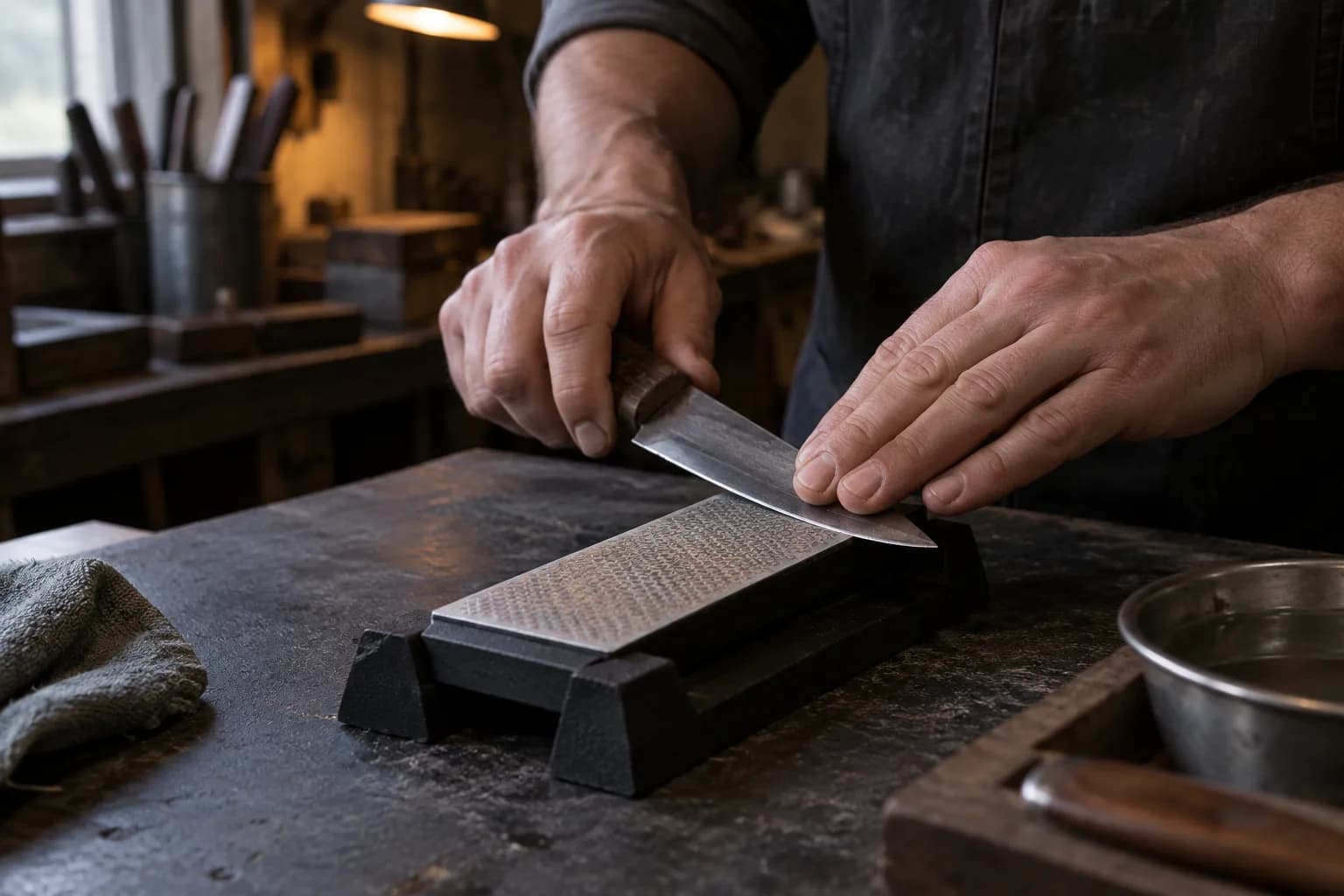
It is more demanding than simple carbon steels, but it is considered one of the more sharpenable premium stainless steels for its performance class, since most of its chromium stays out of large carbides. Diamond or CBN abrasives are recommended for maintaining an edge once hardened. See the full grinding and sharpening guide for belt and abrasive recommendations.
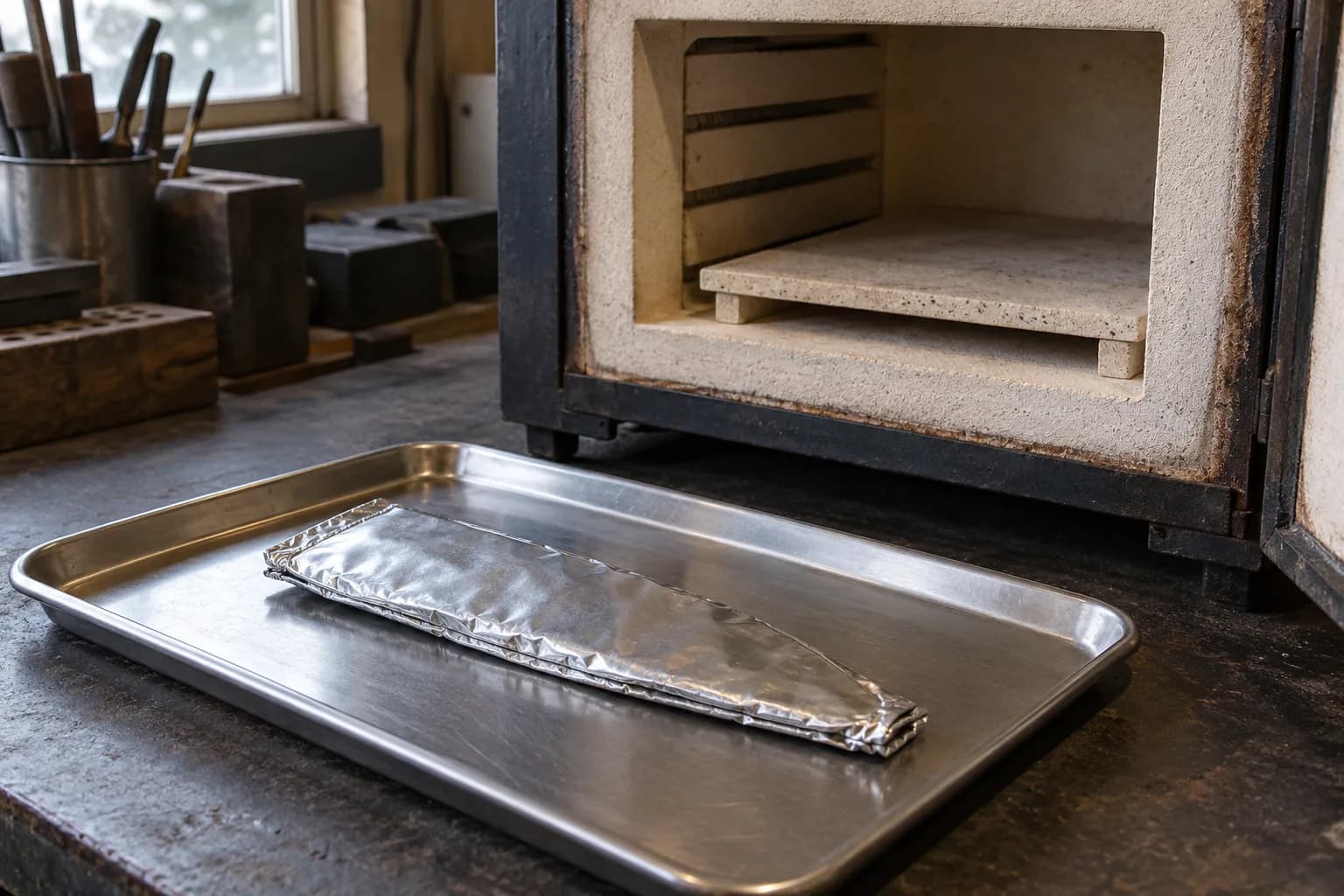
Not usually. It is a capable steel, but not the easiest to heat treat at home. It needs a foil-wrapped or controlled-atmosphere oven and precise soak temperatures to reach its full potential. New makers are often better off starting with a simpler steel like 1084 before working up to MagnaCut.
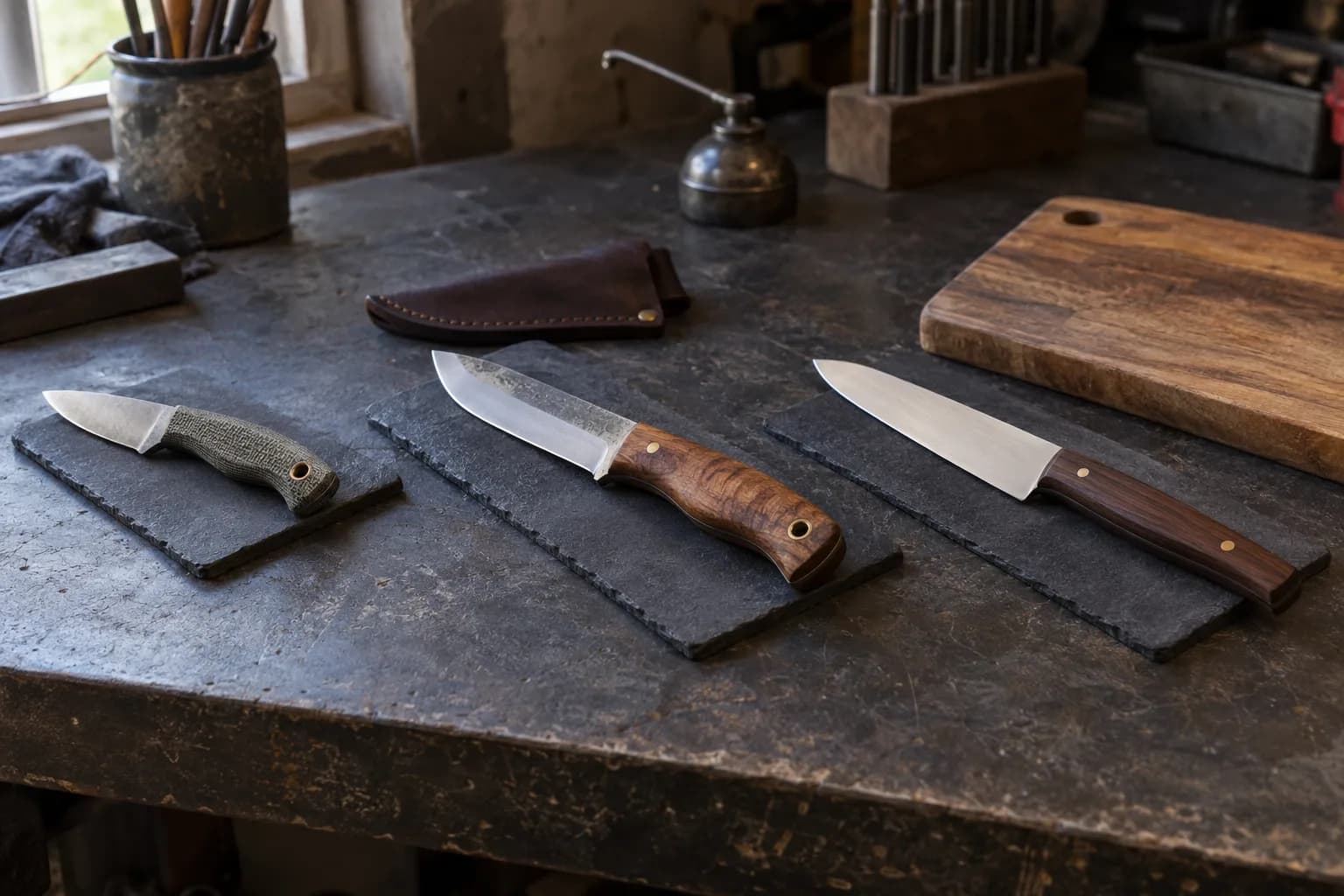
General-purpose EDC, hunting, and kitchen knives where excellent all-around performance and a low risk of chipping both matter. See the Best Uses section further up this page for more detail.
Head to head
Every matchup MagnaCut appears in, dimension by dimension.
Keep reading
MagnaCut is one of the more demanding steels to grind on a 2×72 platform. Its heavy carbide load, the same chemistry that gives it excellent toughness and…
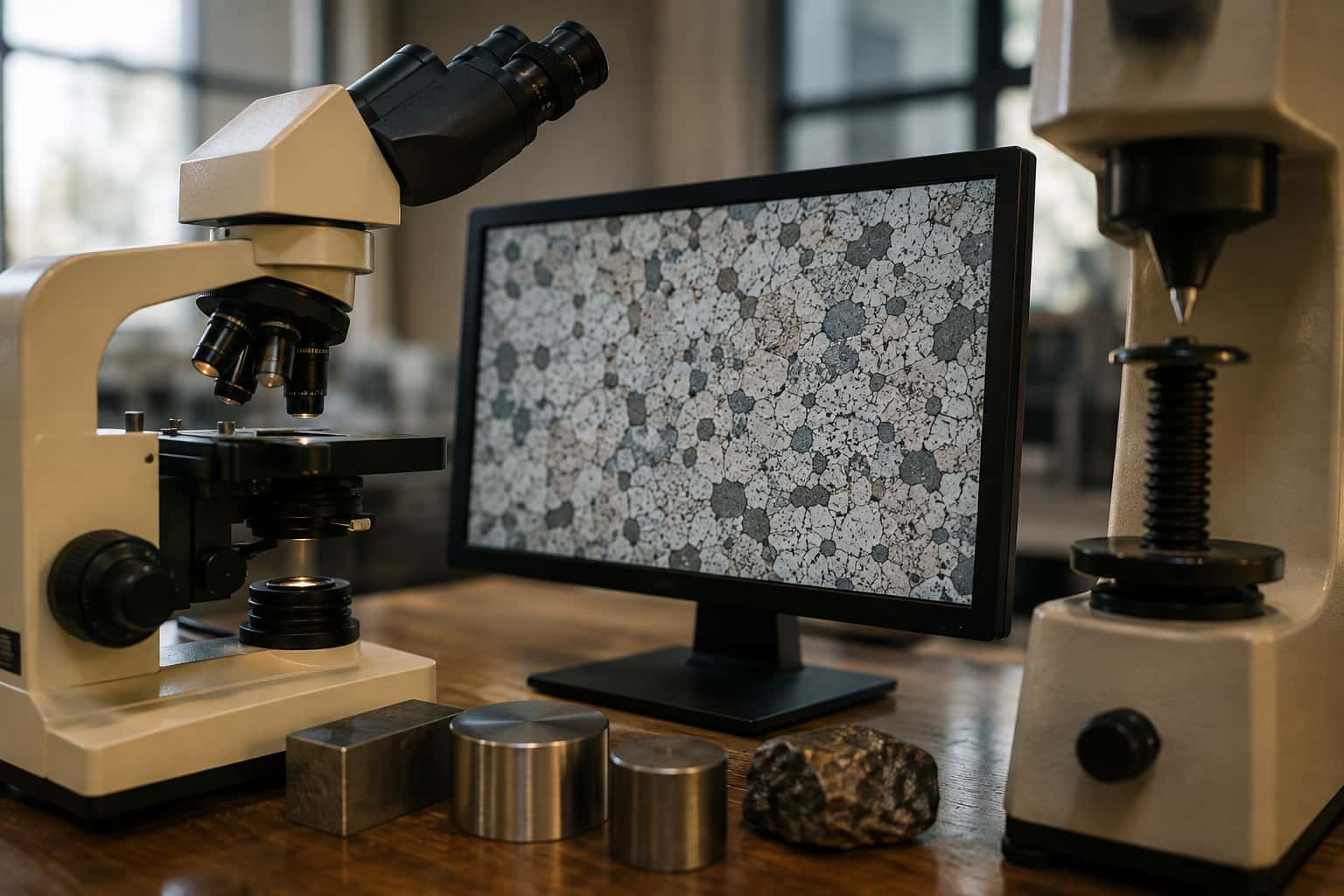
Every knife steel is iron plus a specific recipe of other elements, and each of those elements pulls the steel’s behavior in a particular direction…
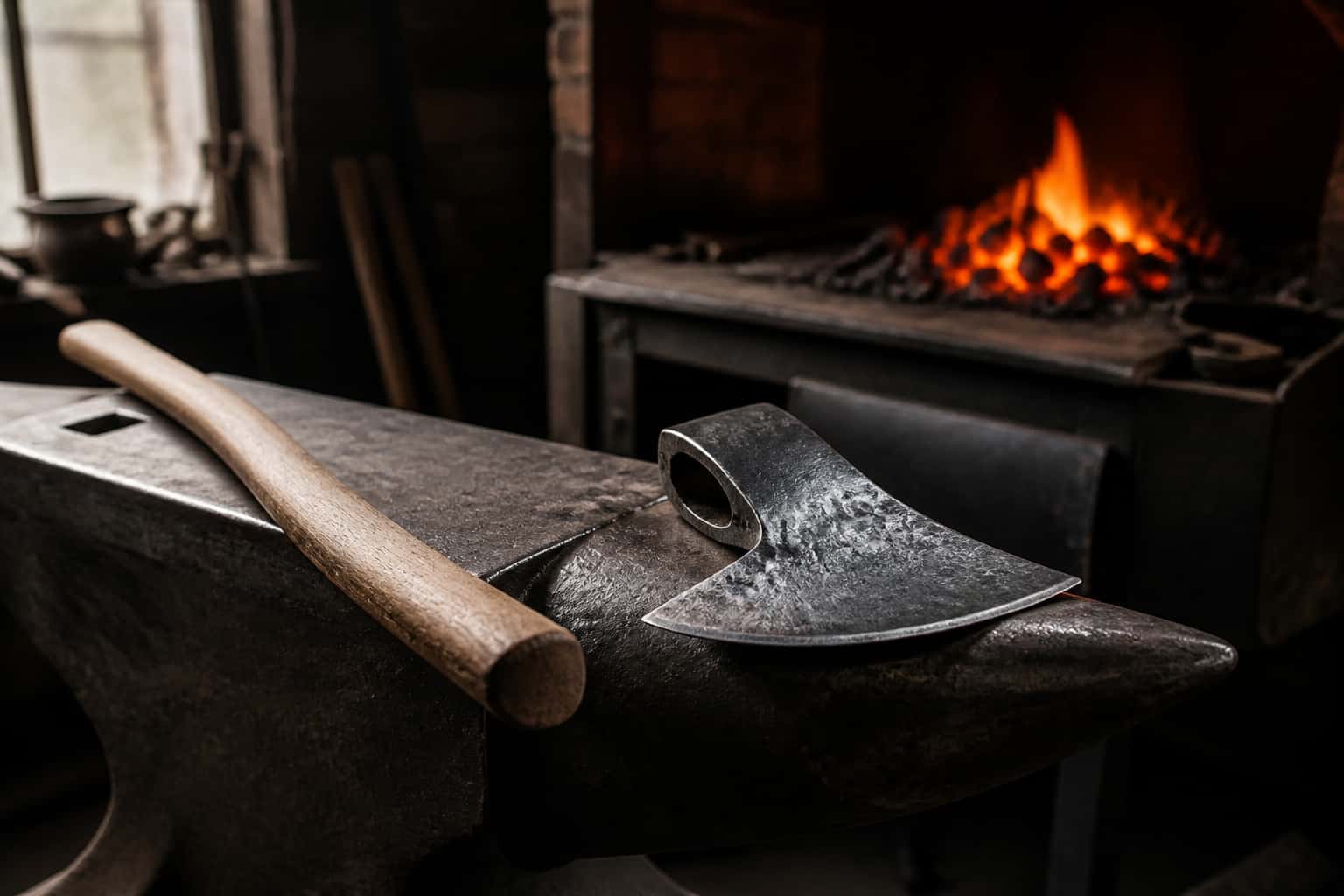
Two steels with similar hardness numbers can feel completely different under a sharpening stone, one glides along smoothly, another feels like it’s…
Same bench
Whatever the steel, the grind is only as flat as the platen behind it. I machine the parts, hand-assemble and test Torus grinders in Sterling, Illinois.
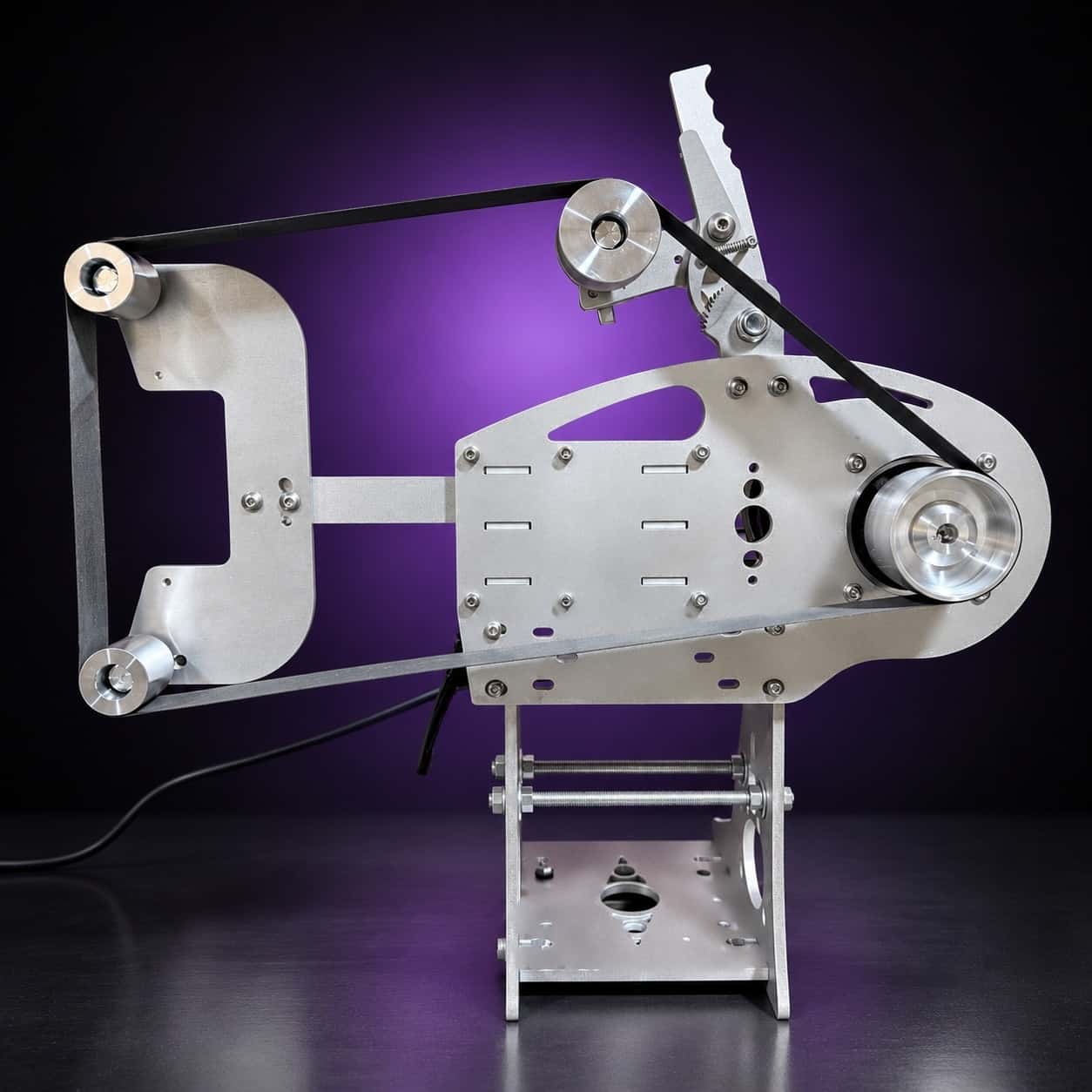
Current dual-axis platform with a fiber-laser-cut 6061 chassis and single-knob tracking.
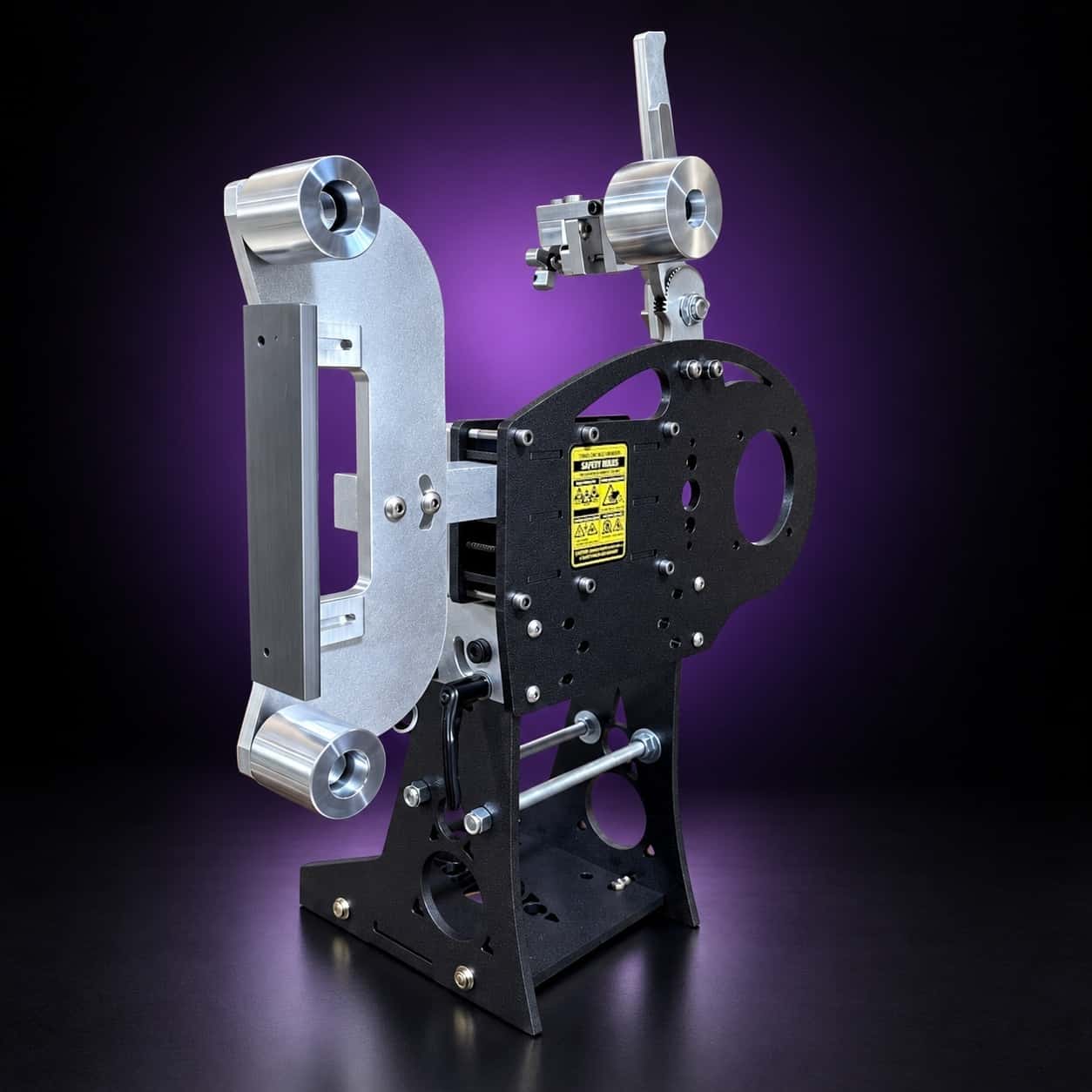
Current dual-axis platform with a steel chassis, more mass and less vibration.
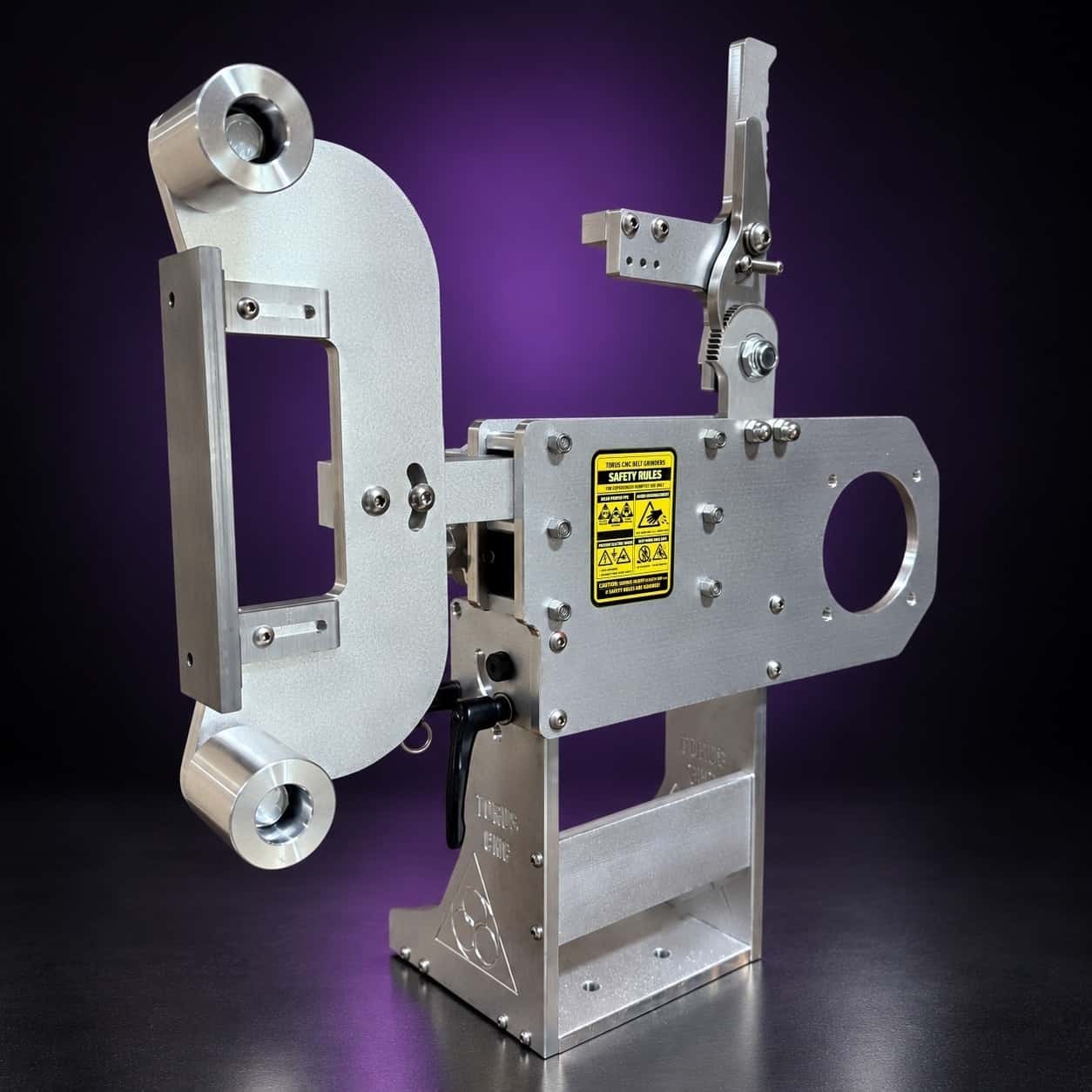
Prior-design aluminum chassis, 90-degree tilt and 1.5-inch tooling arms.
One-man shop
Tell me what the blade is for and how you heat treat. I will tell you whether this is the steel I would use, and what I would use instead.