
Abrasives
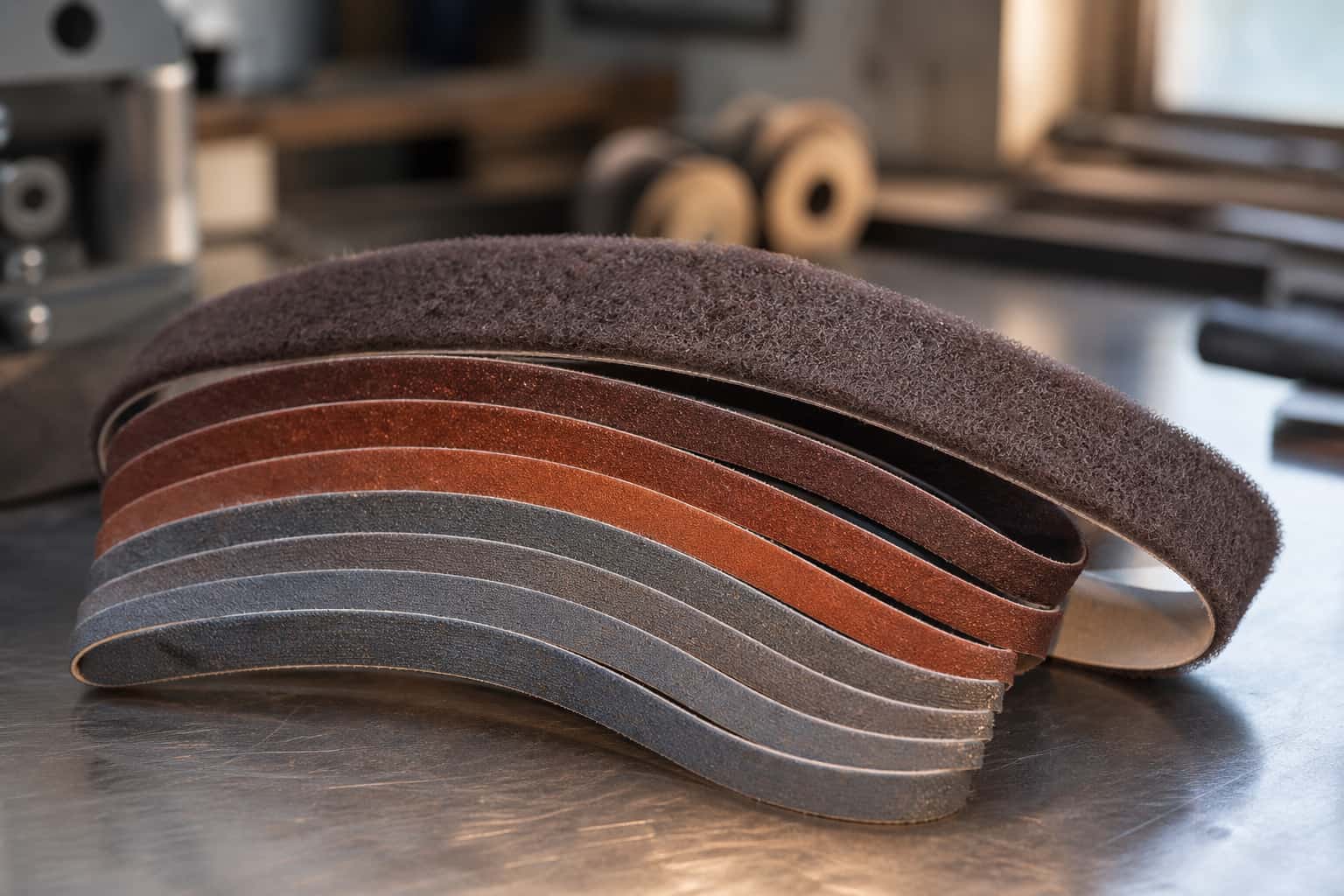
Grinding and Sharpening 5160: Belt Recommendations & Technique
5160 is a forgiving steel on the grinder, and the challenges it does present come from the blades people make out of it rather than the alloy itself…
Knife steel
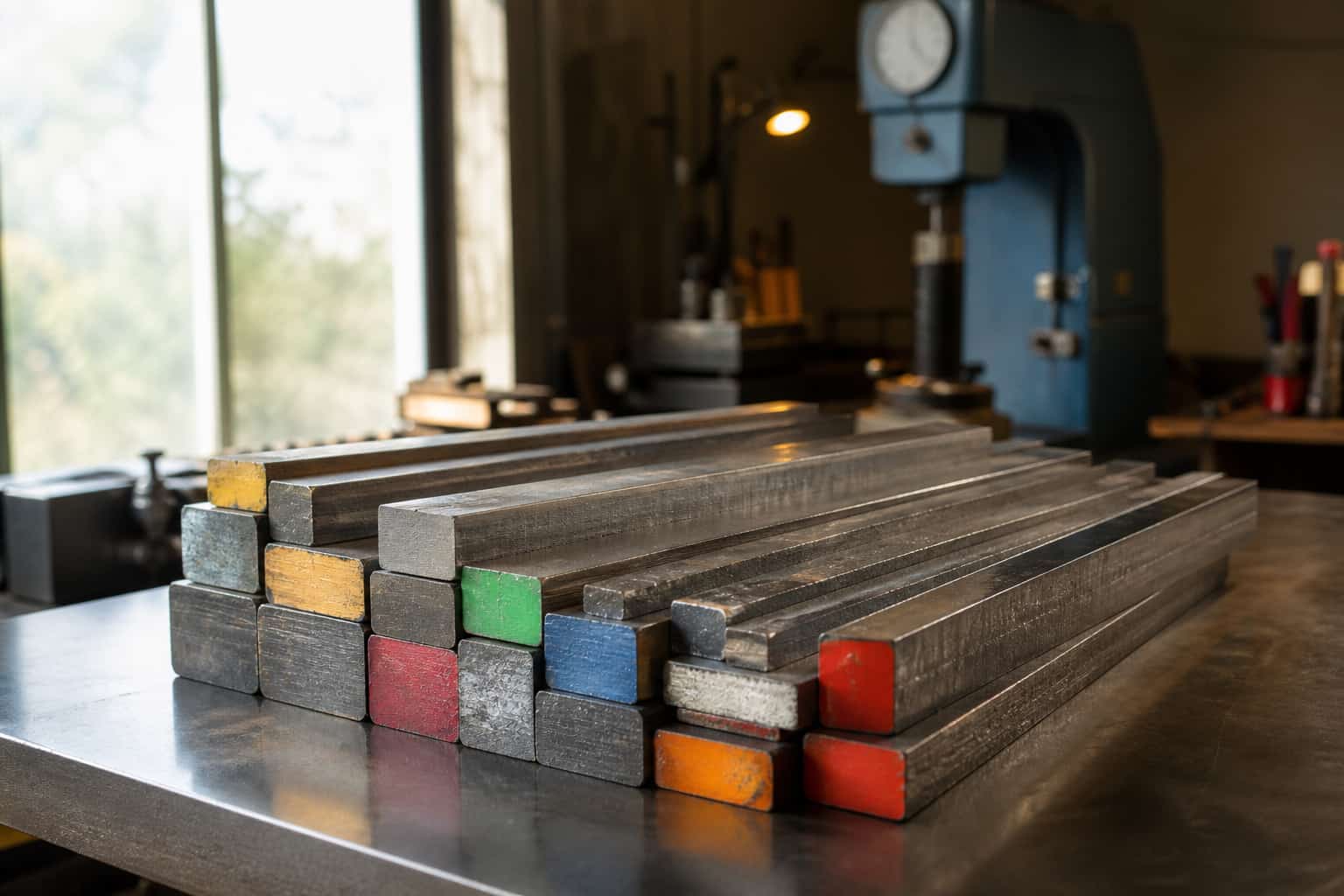
The classic chromium spring steel: outstanding toughness at moderate hardness, low cost, and a leaf-spring heritage that makes it the default choice for swords, machetes and camp choppers — provided you resist the urge to run it hard.
Also known as
At a glance
The four meters are relative to the rest of the database. Composition is the published nominal analysis, not a mill certificate for your bar.
Working properties
commonly called leaf spring steel.
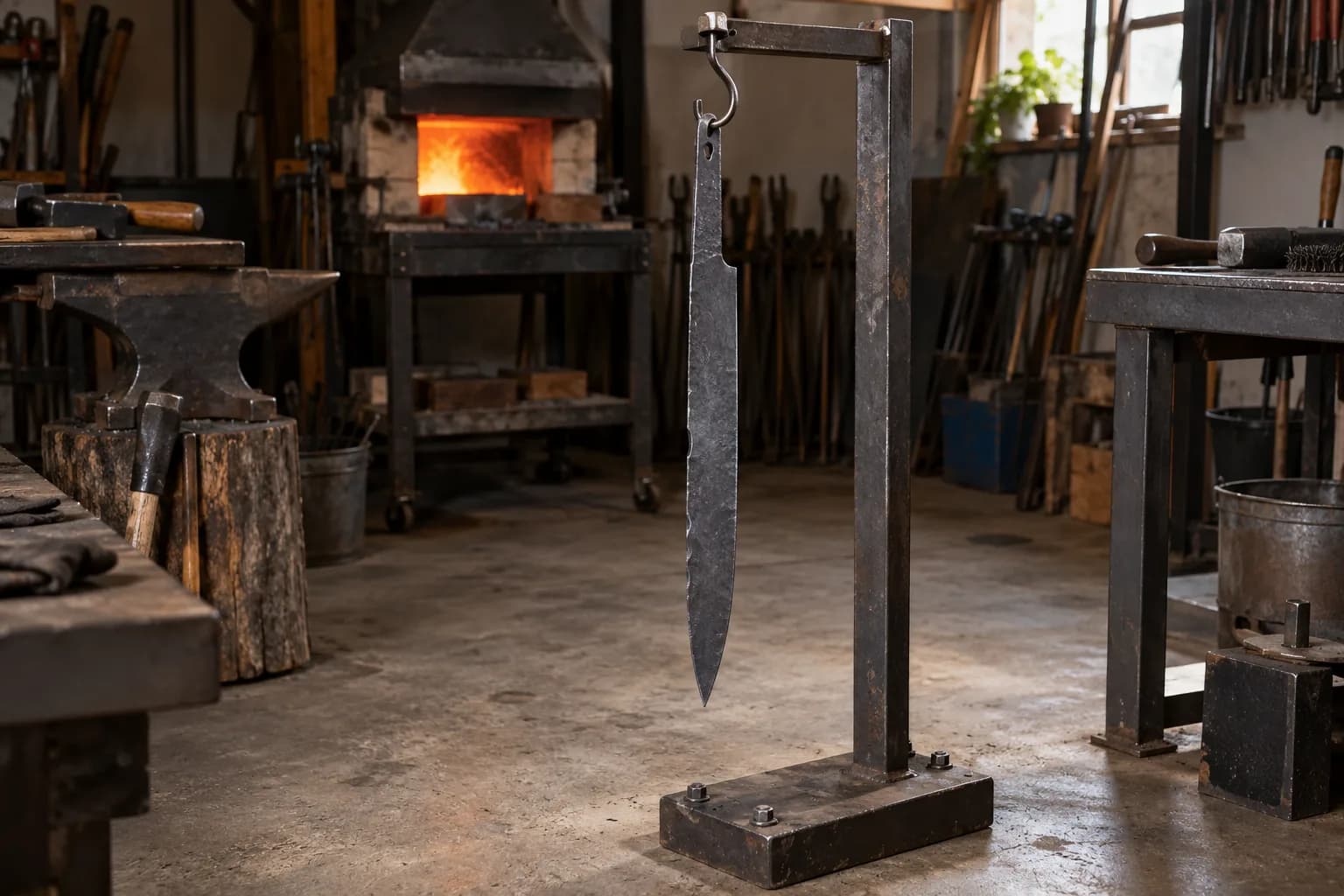
Swords, machetes, kukris, camp choppers, large bowies, tomahawks and hard-use field knives — long or heavy blades that must survive impact and lateral load. Also a forgiving, inexpensive forging steel for learning to move metal.
At the bench
Open the property you are worried about. Every note is written for the blade in your hand, not for a spec sheet.
The full reference
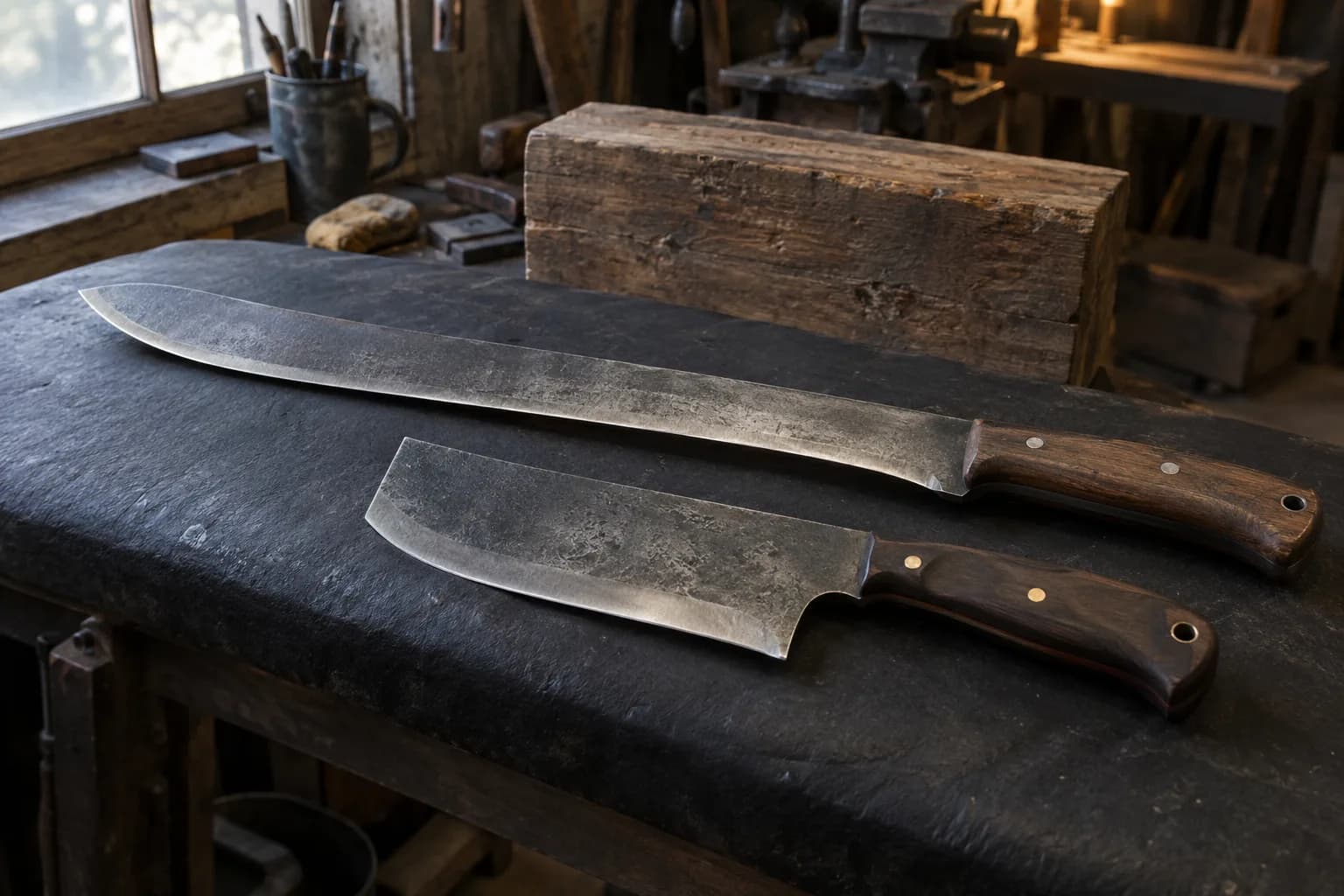
5160 is the steel that made a thousand swords, machetes and camp choppers, and it earns that job honestly: a chromium-alloyed spring steel with only about 0.60% carbon, built to bend and come back rather than to hold a razor edge forever. The interesting thing about 5160 is that the makers who love it deliberately run it soft — 57–59 HRC — because pushing it to 60+ throws away the exact property they chose it for. If your blade is long, thick, or going to hit things, 5160 belongs on the shortlist.
Big blades that take abuse: swords, machetes, kukris, camp choppers, large bowies, hard-use field knives and tomahawks. Its toughness at working hardness is legendary and its price is low. It is a poor choice for a thin kitchen slicer — at 0.60% carbon it simply cannot match O1 or 52100 for edge retention.
57–59 HRC. This is the single most important thing to know about the steel. Larrin Thomas’s toughness testing shows that 5160’s advantage is concentrated at moderate hardness — take it to 60–61 HRC and you have given up most of the toughness that justified choosing it, in exchange for edge retention that better steels would have given you anyway. Temper at 400–450°F and stop there.
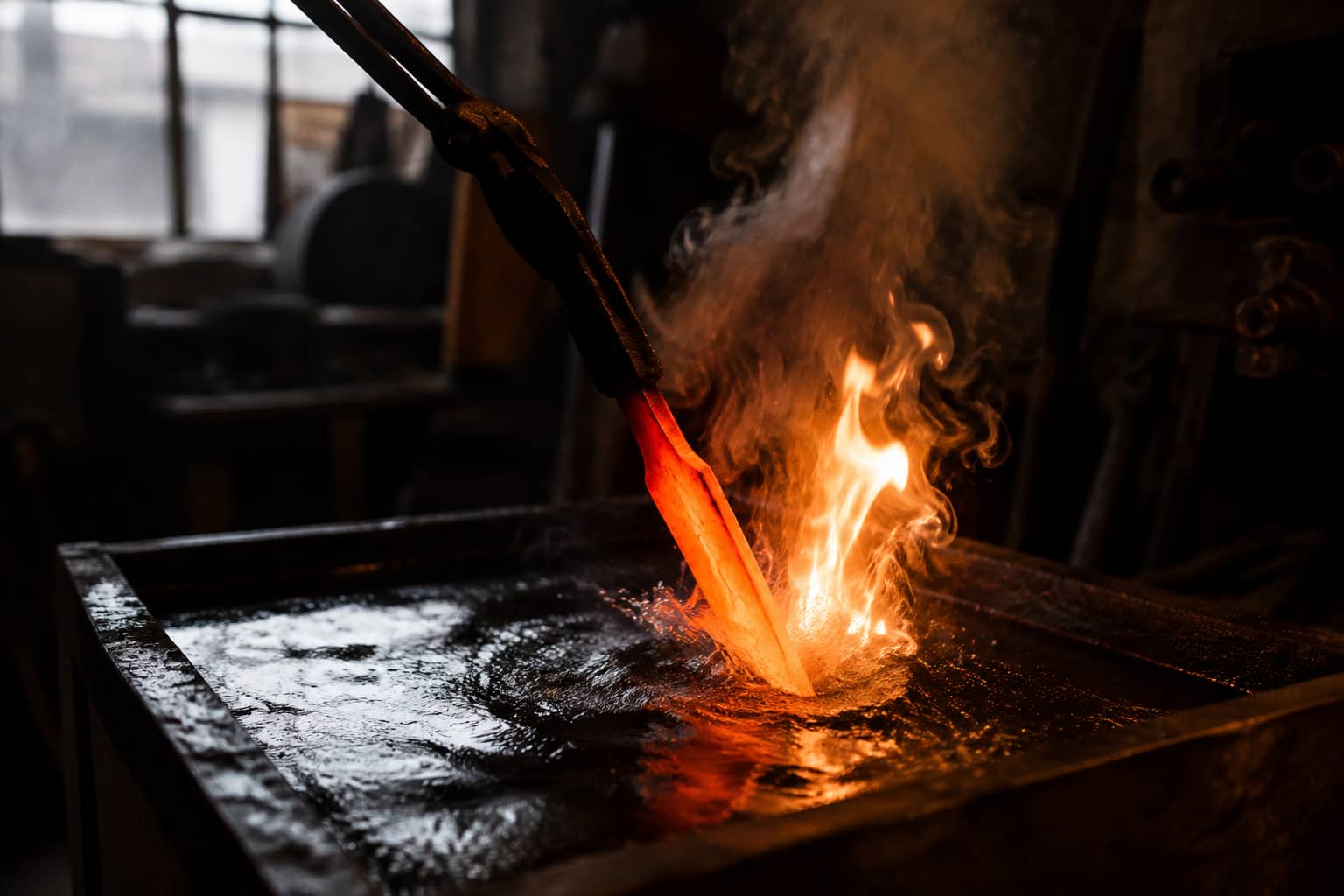
Normalize and thermal cycle first, especially if forged — see Normalizing and Thermal Cycling. Austenitize at about 1525°F with a 10 minute soak, quench in a medium-fast oil, and temper twice at 400–450°F. The chromium gives it enough hardenability that it does not need a violent quench, which is part of why long blades survive the process.
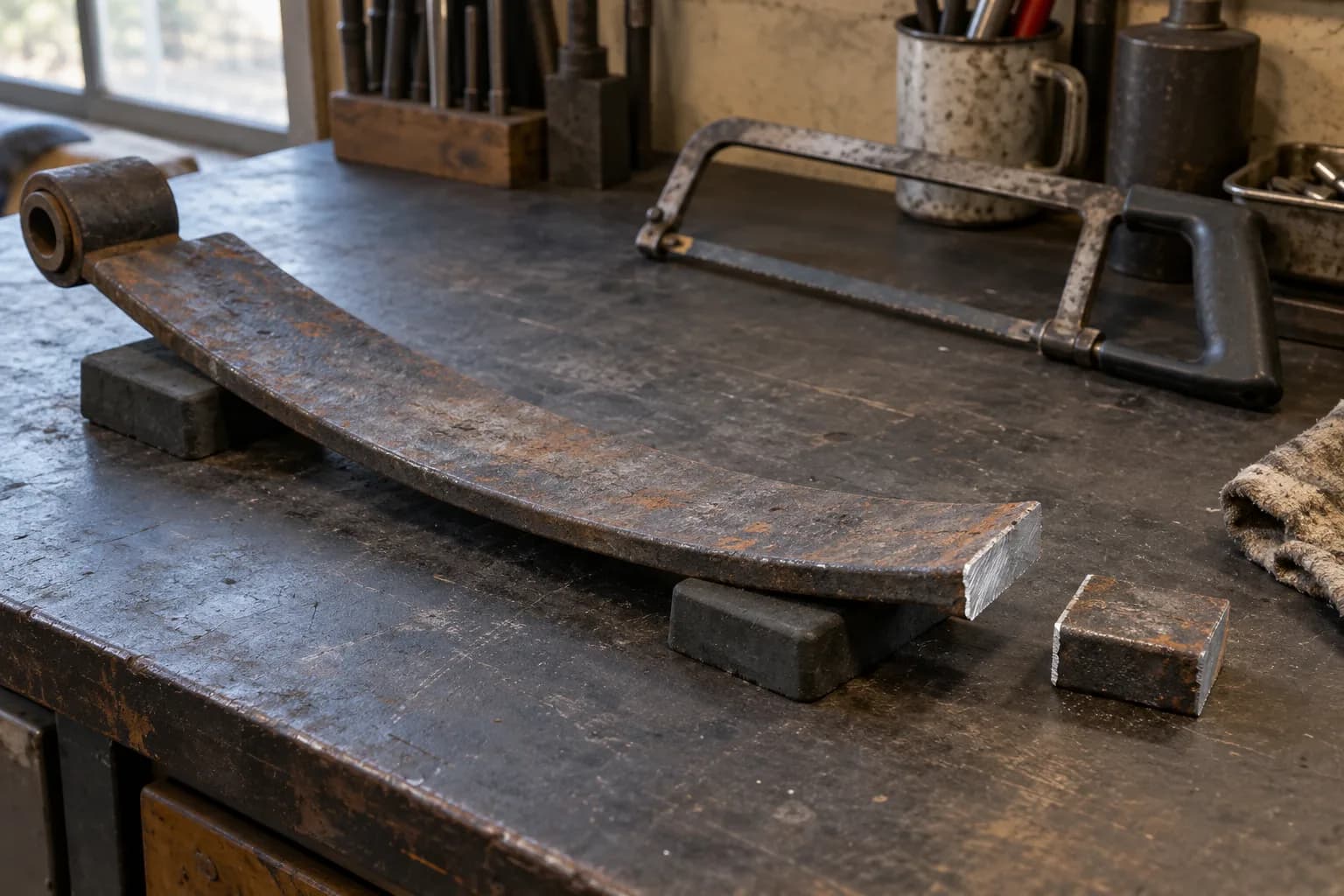
Often yes — many vehicle leaf springs really are 5160 or something close to it. But “close to it” is the catch: you cannot confirm the alloy, the spring may be fatigue-cracked from service, and used springs need careful normalizing before they behave. Test-piece it before you commit hours to it. Full guidance in Making Knives from Files, Leaf Springs and Found Steel.
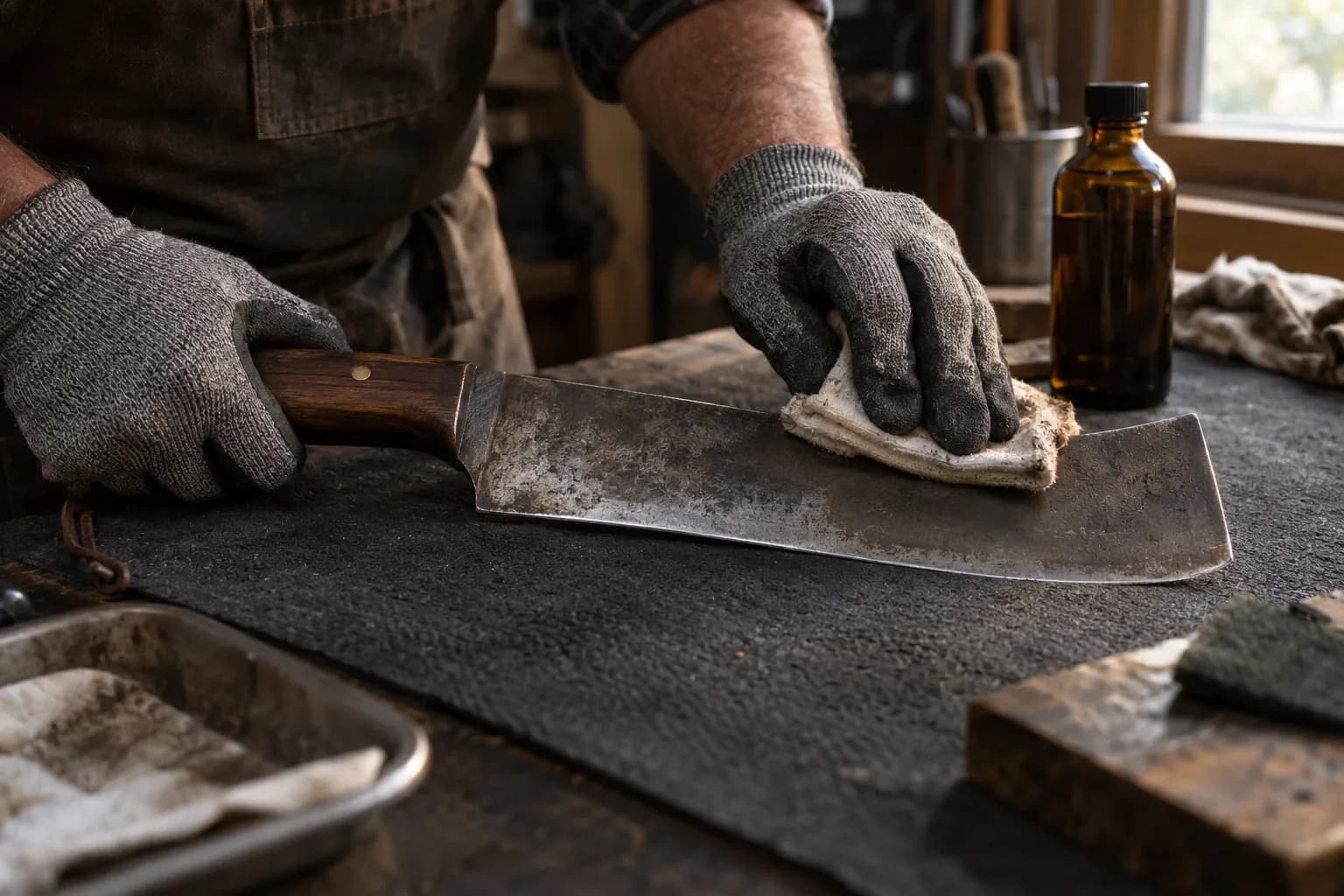
No. The ~0.8% chromium is there for hardenability, not corrosion resistance. 5160 rusts like any carbon steel — oil it, dry it, and a forced patina suits its rough-and-ready character well.
5160 for anything long or heavy, 1084 for smaller blades and first projects. 1084 is simpler to heat treat and takes a slightly harder edge; 5160 is dramatically more forgiving of impact and lateral load. See the 5160 vs 1084 comparison.
Head to head
Every matchup 5160 appears in, dimension by dimension.
Keep reading
5160 is a forgiving steel on the grinder, and the challenges it does present come from the blades people make out of it rather than the alloy itself…
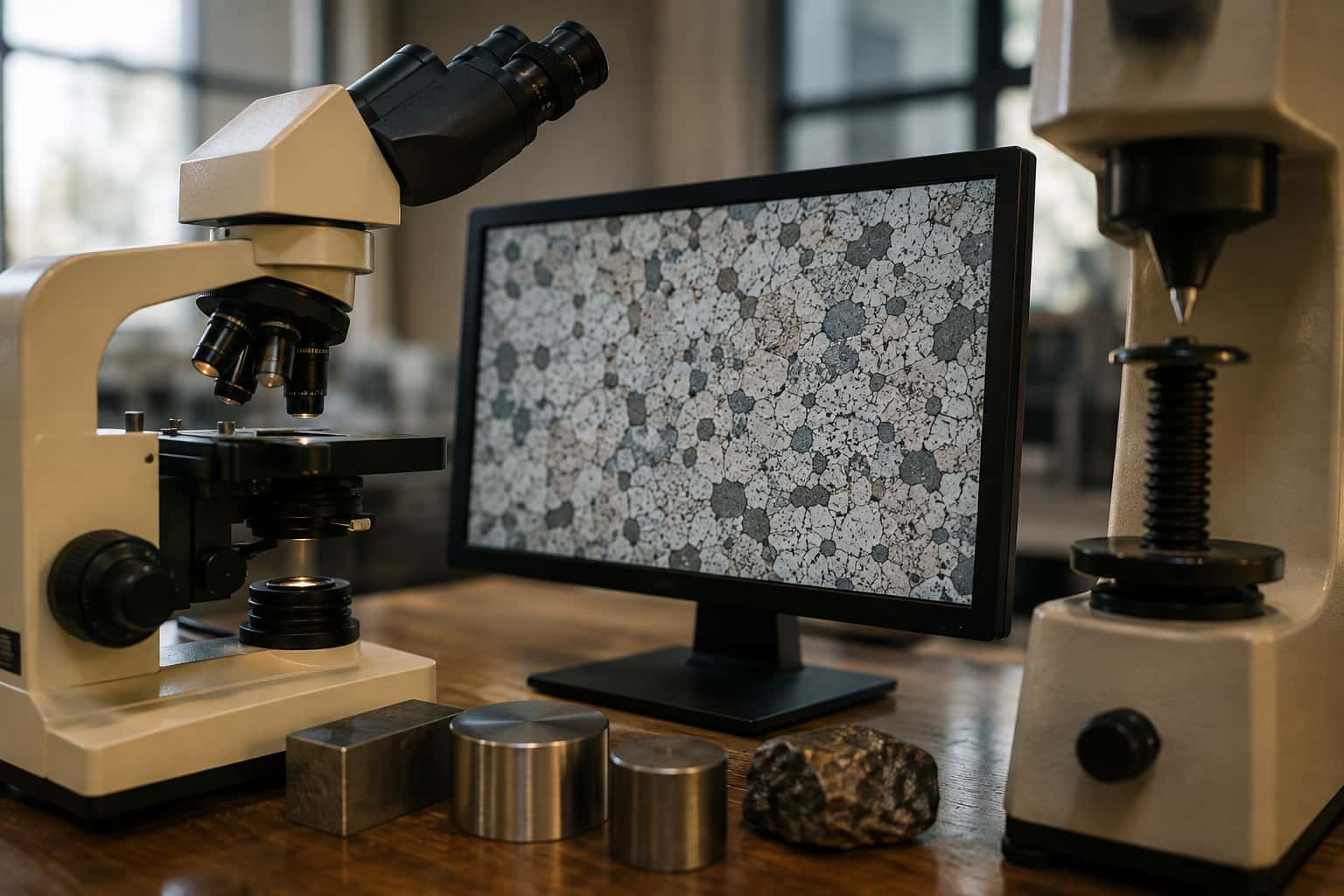
Every knife steel is iron plus a specific recipe of other elements, and each of those elements pulls the steel’s behavior in a particular direction…
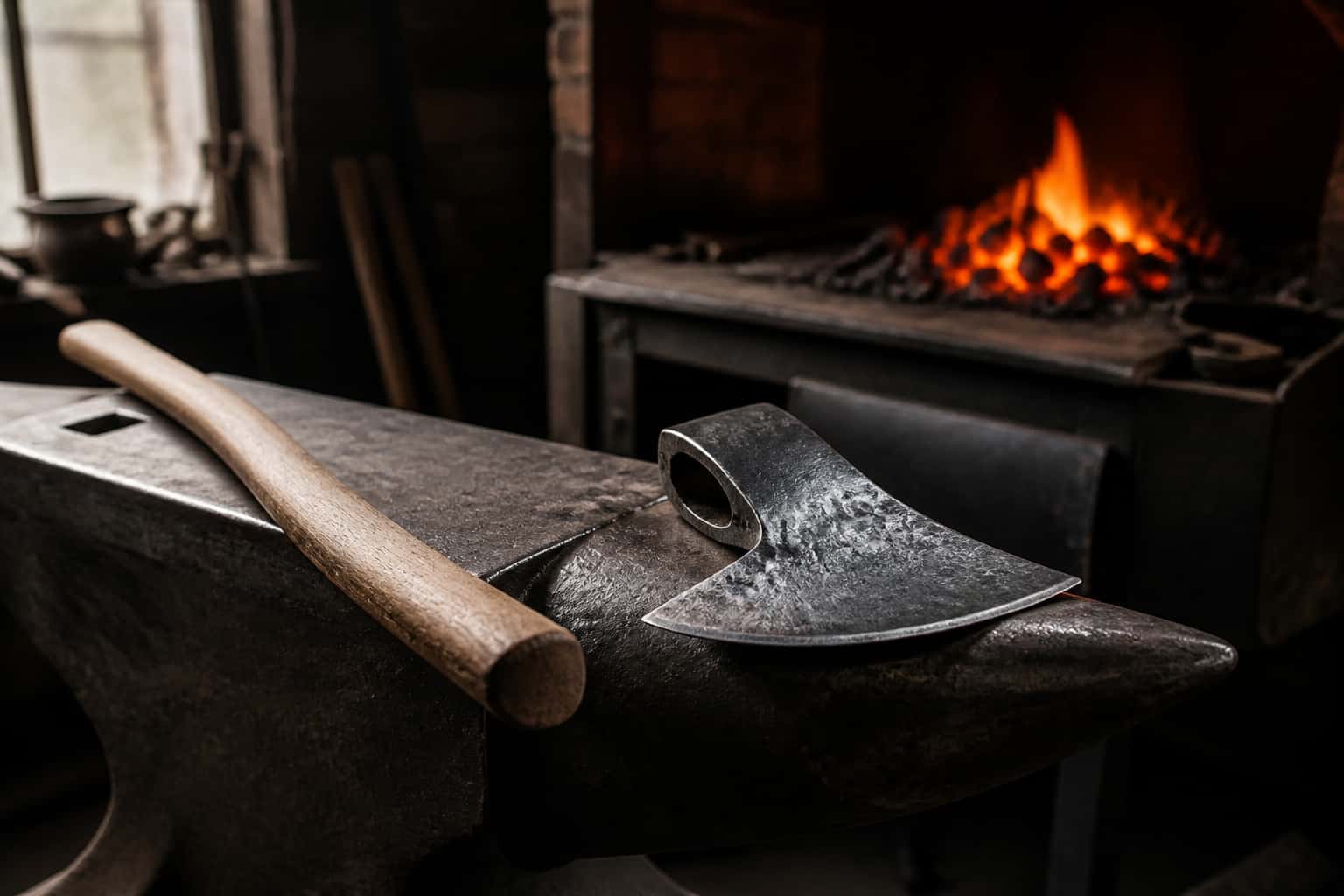
Two steels with similar hardness numbers can feel completely different under a sharpening stone, one glides along smoothly, another feels like it’s…
Same bench
Whatever the steel, the grind is only as flat as the platen behind it. I machine the parts, hand-assemble and test Torus grinders in Sterling, Illinois.
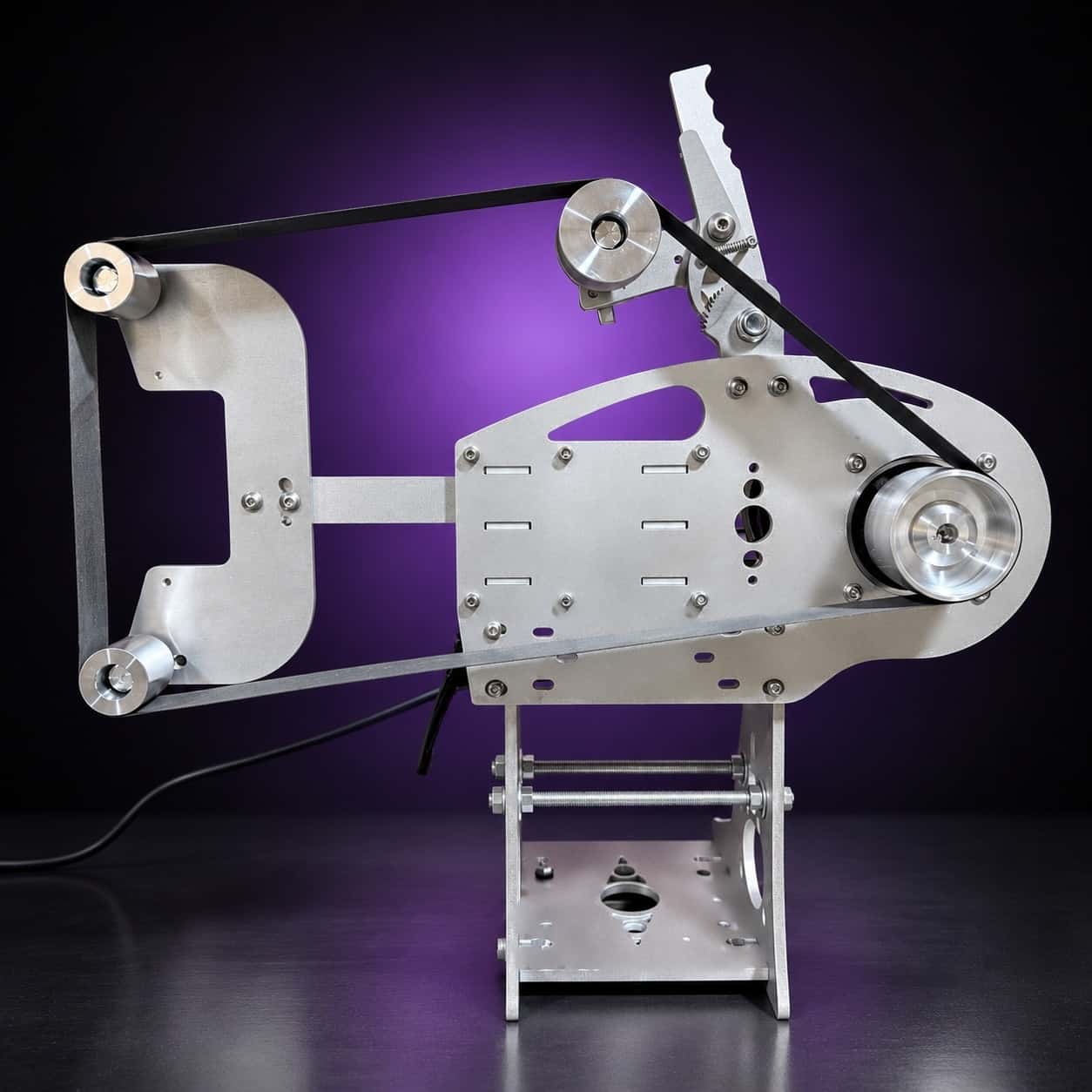
Current dual-axis platform with a fiber-laser-cut 6061 chassis and single-knob tracking.
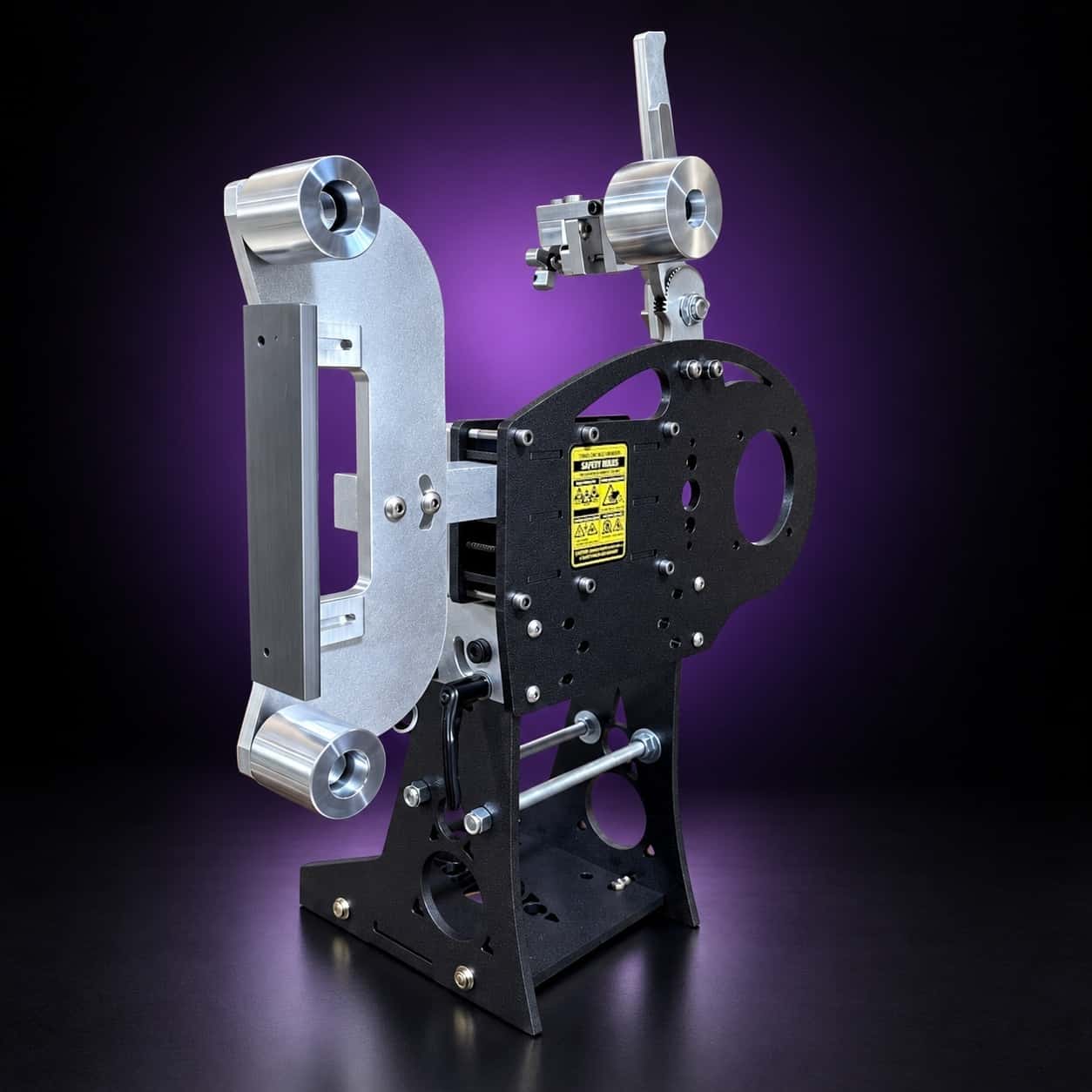
Current dual-axis platform with a steel chassis, more mass and less vibration.
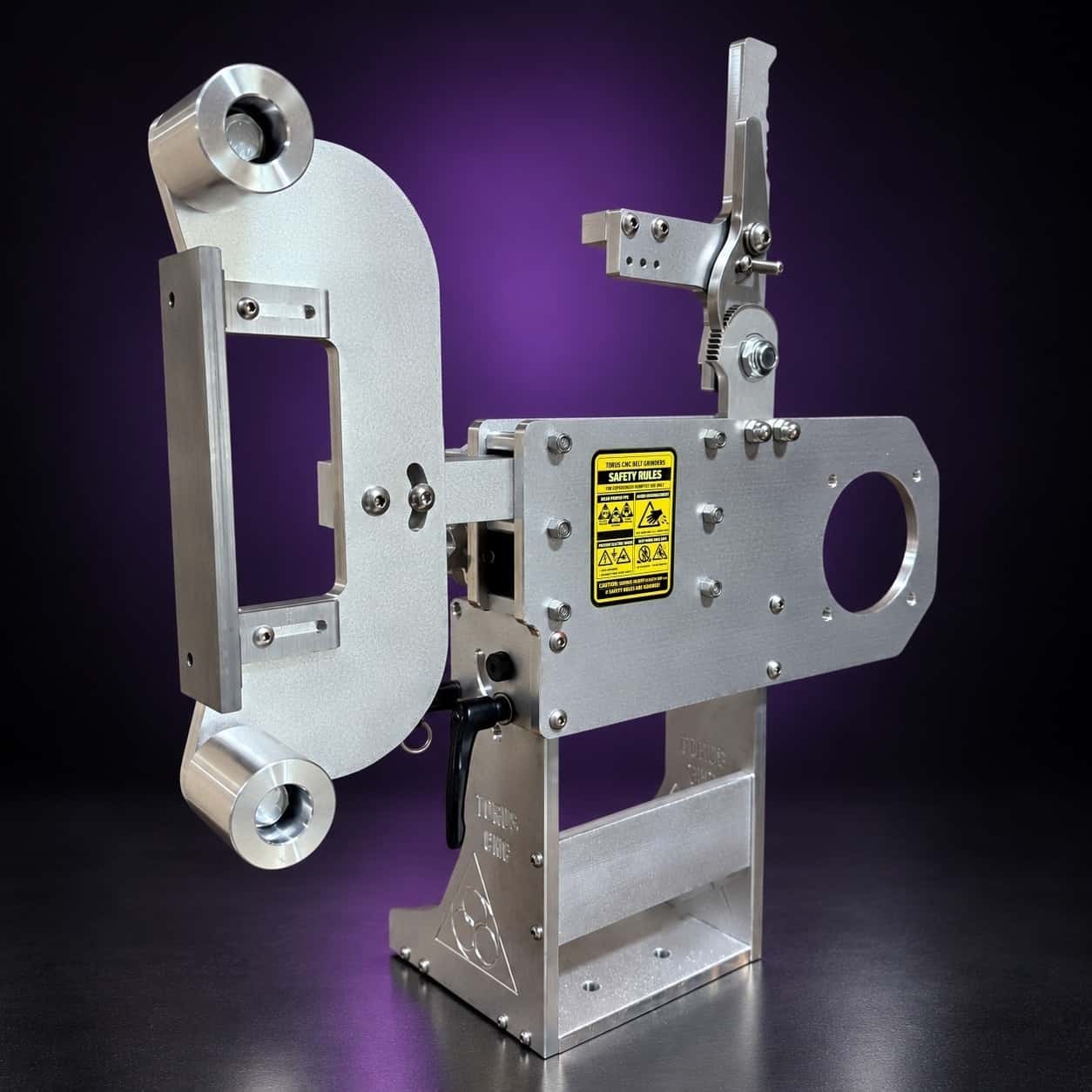
Prior-design aluminum chassis, 90-degree tilt and 1.5-inch tooling arms.
One-man shop
Tell me what the blade is for and how you heat treat. I will tell you whether this is the steel I would use, and what I would use instead.