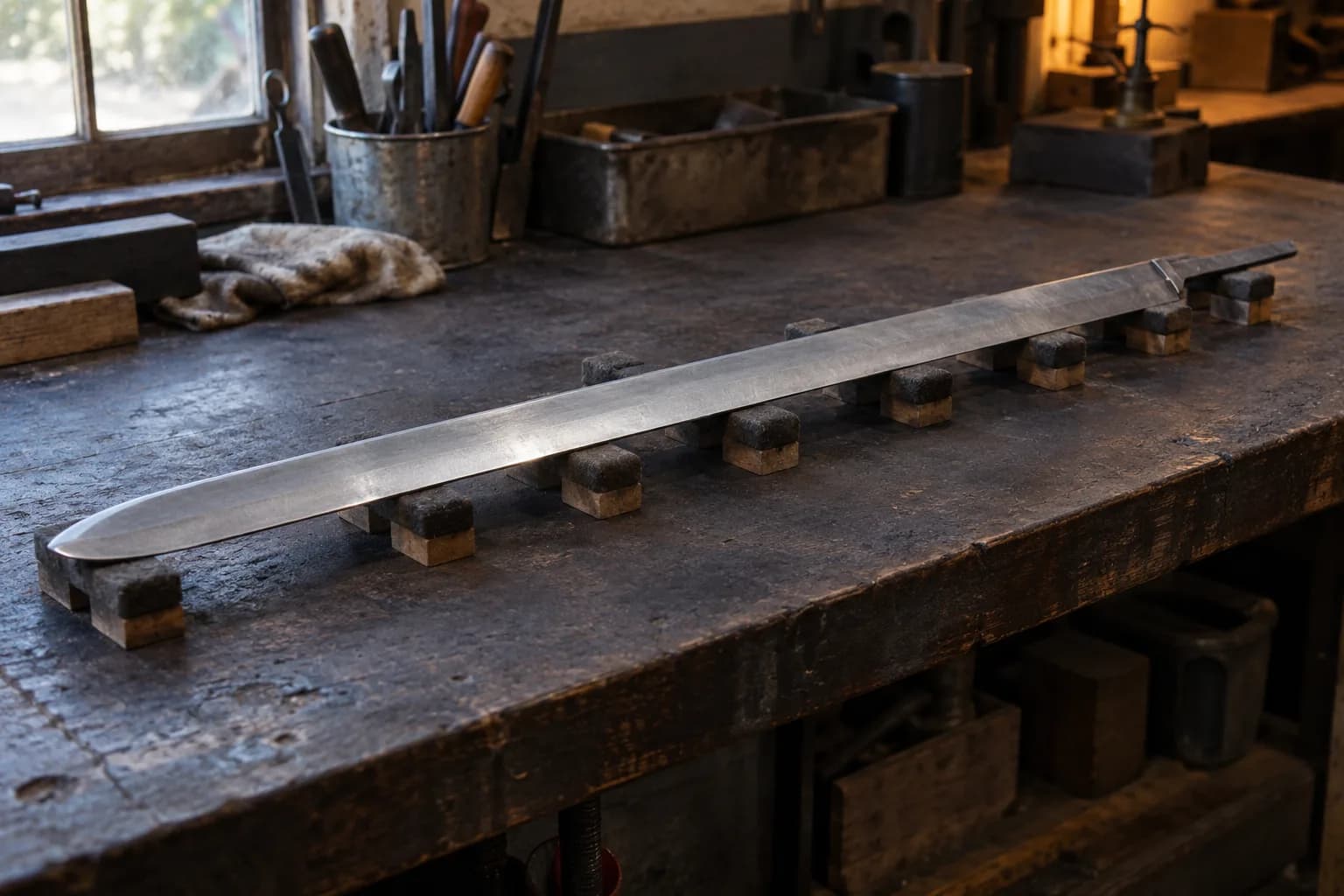
| Toughness | 5/5The whole reason to choose it. Low carbon content means very little excess carbide, and the chromium and manganese give clean, deep hardening — the result is a steel that bends, absorbs impact and returns rather than chipping or snapping. This is why it dominates sword and chopper work. Critically, the advantage lives at 57–59 HRC and is largely spent by 61 HRC. | 4/5Noticeably tougher than plain carbon steels like 1095 or O1, thanks to its very fine, clean grain structure inherited from its bearing-steel origins. | 5160 wins. Its ~0.60% carbon leaves very little excess carbide and it is designed to flex and recover, which is why swords and machetes use it. 52100 is respectably tough for a high-carbon steel — considerably better than 1095 — but it is not in 5160's class, and it is usually run much harder besides. |
|---|
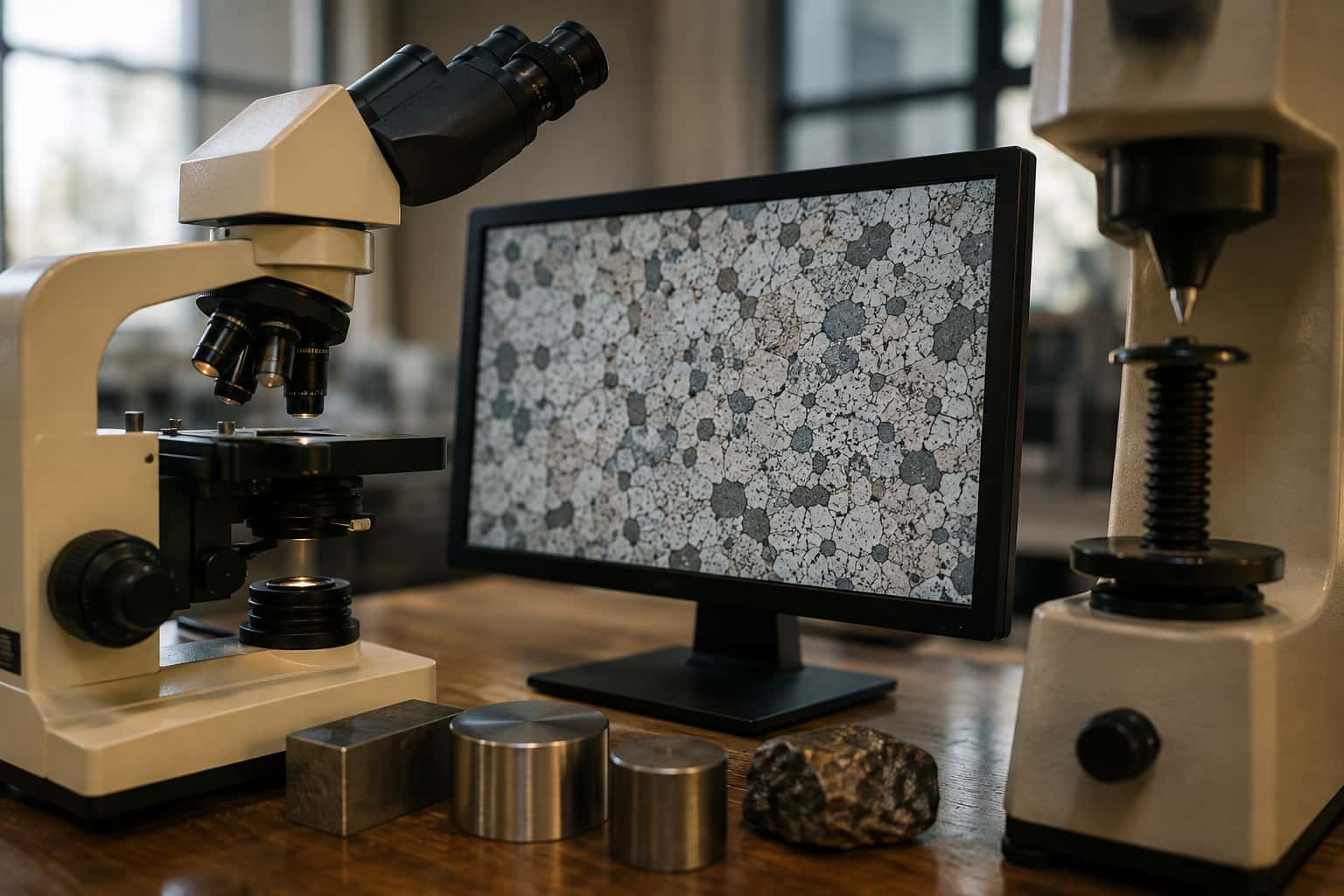
| Edge retention | 2/5Modest, and honestly so. At roughly 0.60% carbon there is neither the hardness nor the carbide volume for long slicing life — it will need touching up sooner than 1084, O1 or 52100. In exchange it sharpens back to working sharp in a few passes on almost any stone, which is the right tradeoff for a field blade. | 3/5Chromium carbides give it a real step up in wear resistance over plain carbon steel, and its fine grain lets it hold a very keen edge, though it is still well short of high-carbide stainless steels. | 52100 wins decisively. Around 1% carbon with 1.4% chromium produces very fine, evenly distributed carbides, and it holds 61 to 63 HRC — the combination makes it one of the best slicing steels available outside the powder-metallurgy class. 5160 at 57 to 59 HRC will need touching up far sooner. |
|---|
| Corrosion resistance | 1/5None to speak of. The ~0.8% chromium is a hardenability alloy, not a stainless one. Expect rust on neglected blades and a fast patina on working ones — for a machete or camp knife that patina is a perfectly good protective finish. | 1/5The 1.3-1.6% chromium is there for hardenability and carbide structure, not corrosion resistance. Treat it like a carbon steel and keep it oiled and dry. | Effectively a tie. 52100's 1.4% chromium and 5160's 0.8% are both hardenability alloys well short of stainless. Both rust, both patina, both want oil and a dry rack. |
|---|
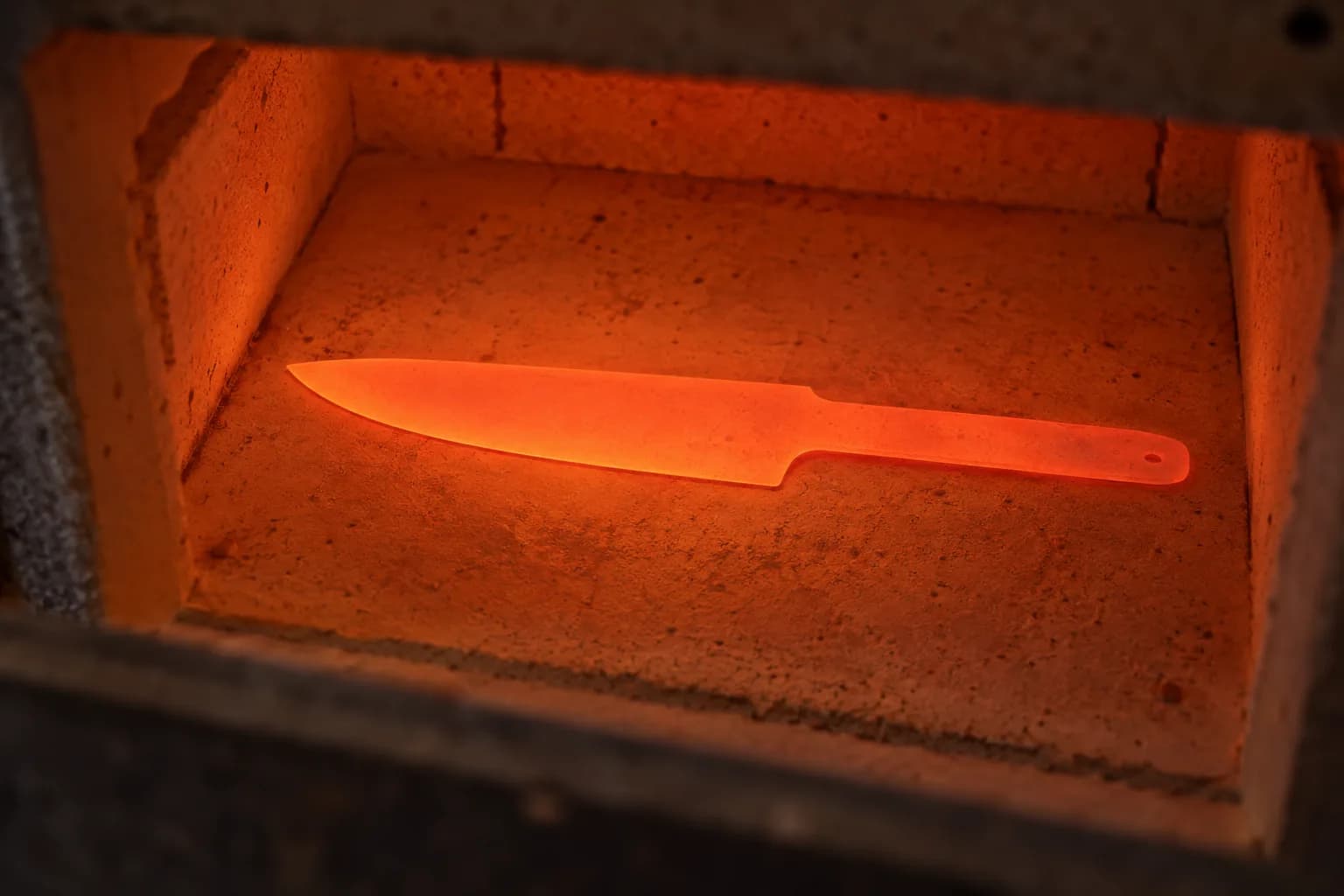
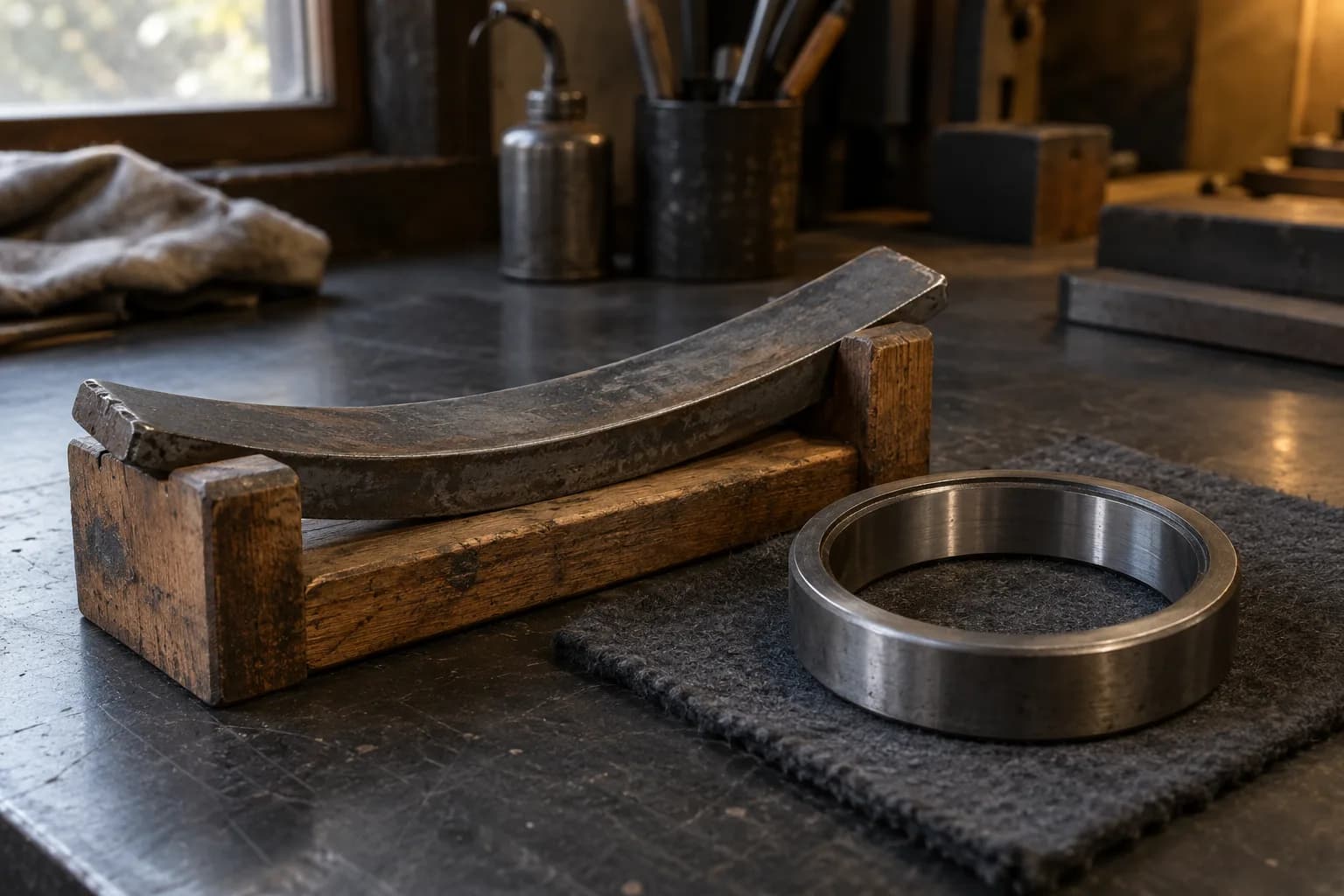
| Heat treat | Normalize and thermal cycle first, especially for forged blades or reclaimed spring stock. Austenitize at ~1525°F with a 10 minute soak, quench in a medium-fast oil — the chromium provides enough hardenability that a violent quench is unnecessary, which helps long blades survive straight. Temper twice for two hours at 400–450°F to land 57–59 HRC. Resist going higher: above about 60 HRC you trade away the toughness that is 5160's entire reason for existing. | If working from reclaimed bearing races, a normalize at 1700 F followed by a grain-refining anneal at 1460 F is common before hardening. Austenitize at 1500-1525 F for about 15 minutes, then quench in a fast oil such as Parks AAA (medium-speed oil can work on thinner stock). As-quenched hardness can reach the mid-60s Rc. Temper between 300 and 400 F: the lower end favors maximum hardness and edge stability, the higher end favors toughness, with most knife applications landing around 60-62 Rc. | 52100 is the fussier steel by some distance. It needs a controlled soak — commonly 1475 to 1500°F for 10 to 20 minutes, often with a preliminary spheroidizing or normalizing cycle to get the carbides right — and it rewards precision with high hardness. 5160 asks for about 1525°F, a 10 minute soak and a medium-fast oil, and is far more forgiving of imperfect control. Both temper low; 52100 to hold 61 to 63 HRC, 5160 at 400 to 450°F to stay at 57 to 59. |
|---|
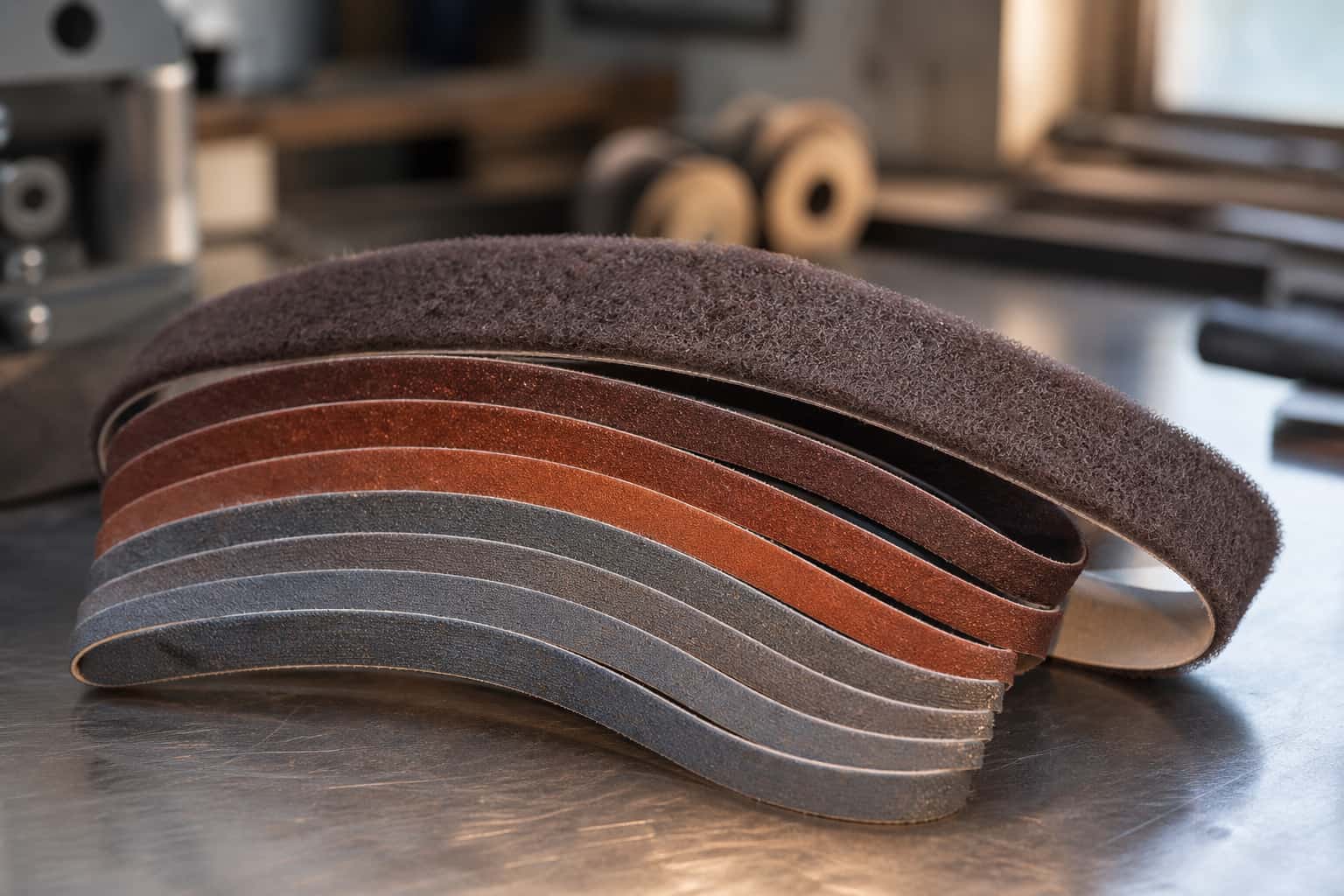
| Grinding | 4/5Grinds and files easily in the annealed state and forges beautifully, which is why it is a bladesmithing staple. Hardened 5160 at 57–59 HRC is also comparatively cooperative on the belt. New bar stock behaves far better than reclaimed leaf springs, which arrive with scale, service fatigue and unknown history. | 4/5Grinds and forges well, though the chromium carbides make it slightly slower to work than simple steels like 1084 or 1075. | 5160 is easier, particularly hardened. 52100 at 62 HRC is harder on belts and demands real heat discipline near the edge, though its fine carbide structure means it hand-sands and polishes beautifully. Neither fights back like a high-vanadium steel. |
|---|