
Swords
Swords in Pop Culture: LOTR, Anime & the Replica World
Ask a room of sword owners what started it and the honest answers are rarely museums: it was Aragorn reforging Narsil, a Kurosawa duel, an anime blade the…
Fantasy & Fiction Blades
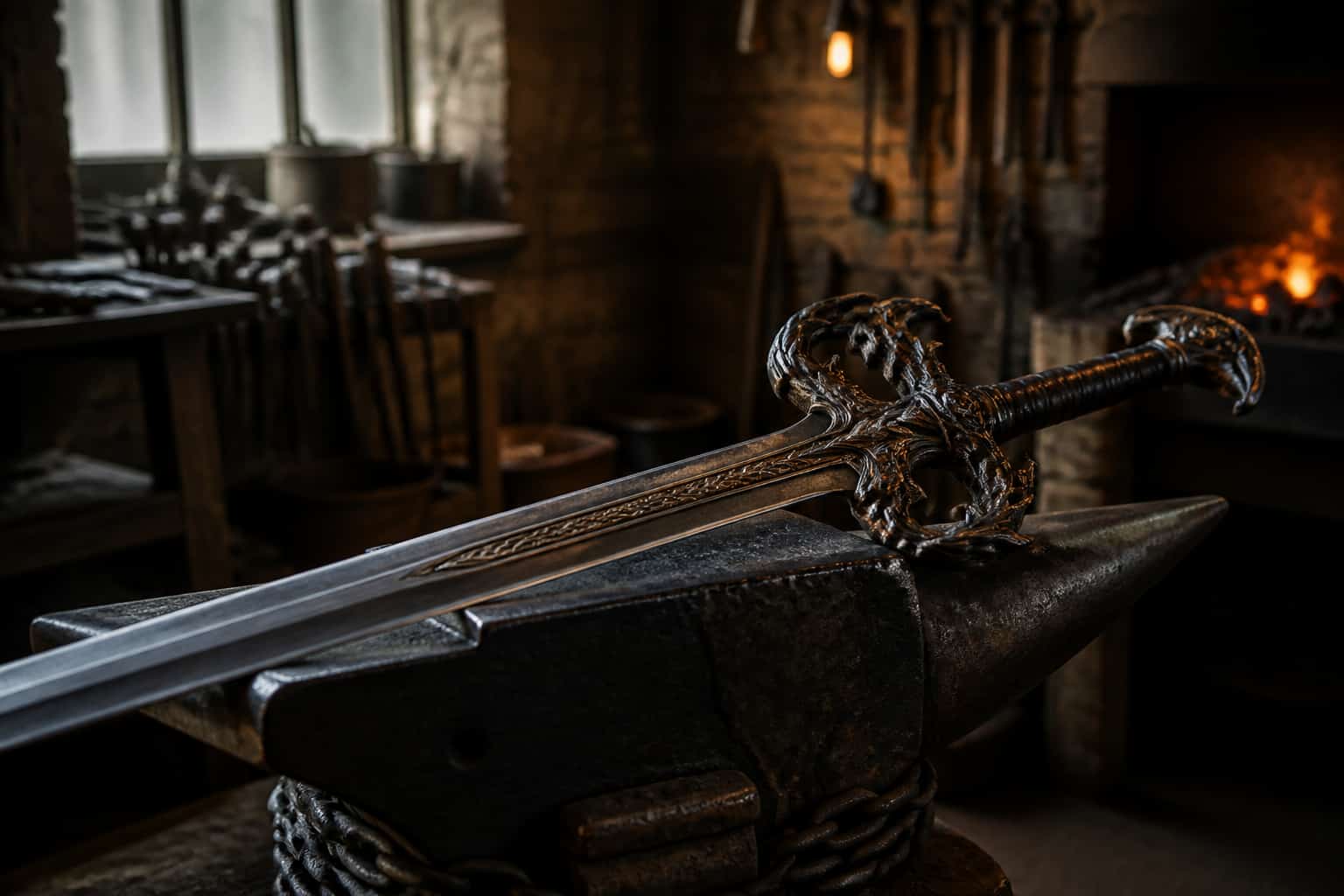
Fiction bends three rules: mass, the hardness-toughness curve and history. How a real maker builds inspired-by fantasy blades that work, legally and well.
2 min readWritten by Rich LinvilleFree to read
Every fictional blade is a real design brief with the physics turned off. Turn the physics back on and something interesting happens: the analysis becomes a masterclass in why real blades are shaped the way they are — and the fan reading it starts wondering what the real version would take to build. This section does exactly that, franchise by franchise. This page is the field guide to the rules every fictional blade bends.
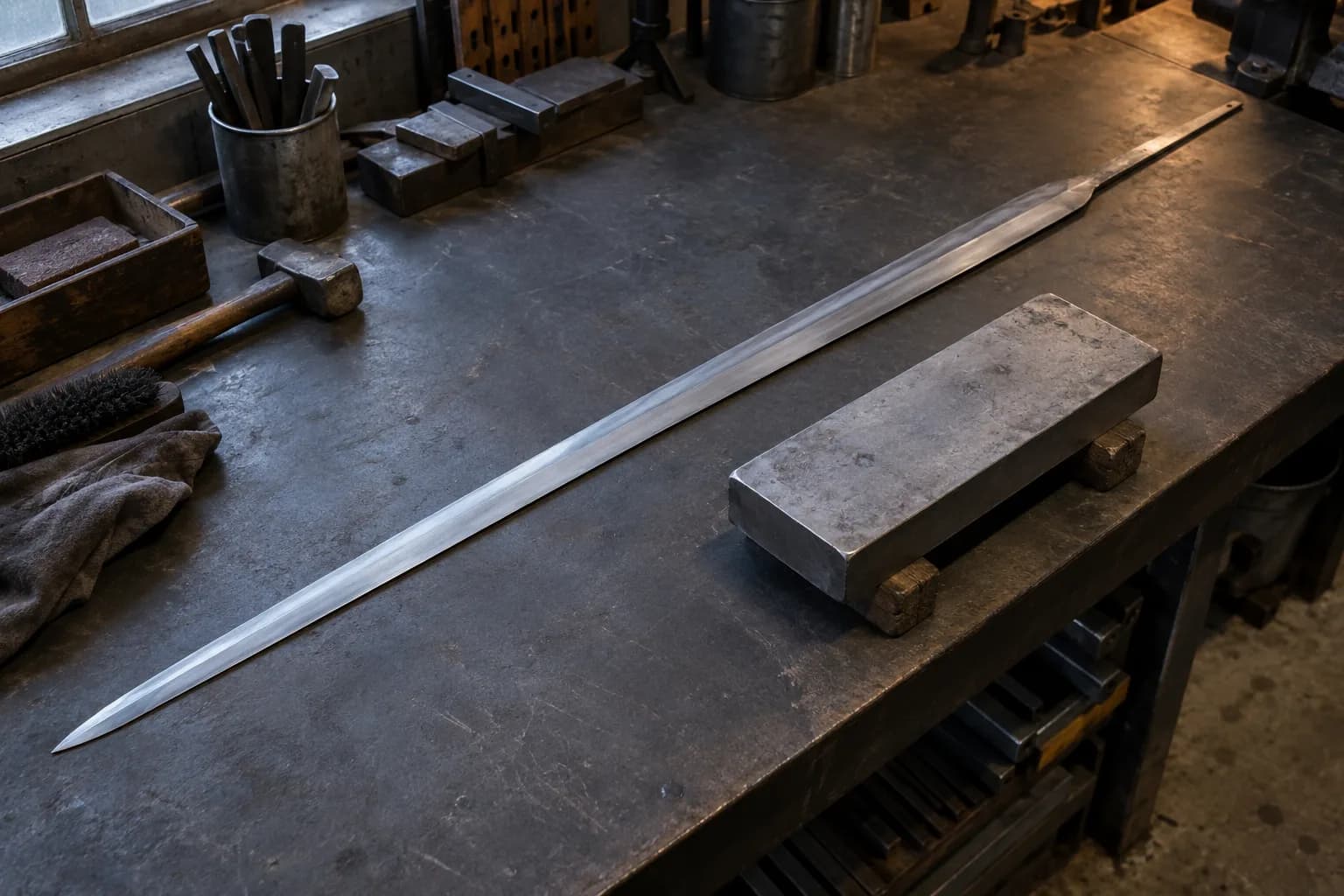
Fiction’s favorite lie is the enormous blade swung freely. Steel weighs what it weighs — about 0.28 pounds per cubic inch — and real fighting swords ran 2.5 to 3.5 pounds for one hand, 5 to 7 for true greatswords, because arms are the motor and endurance is the fight. Every anime slab and video-game buster sword is a mass-math problem, and running the numbers is half the fun of the genre.
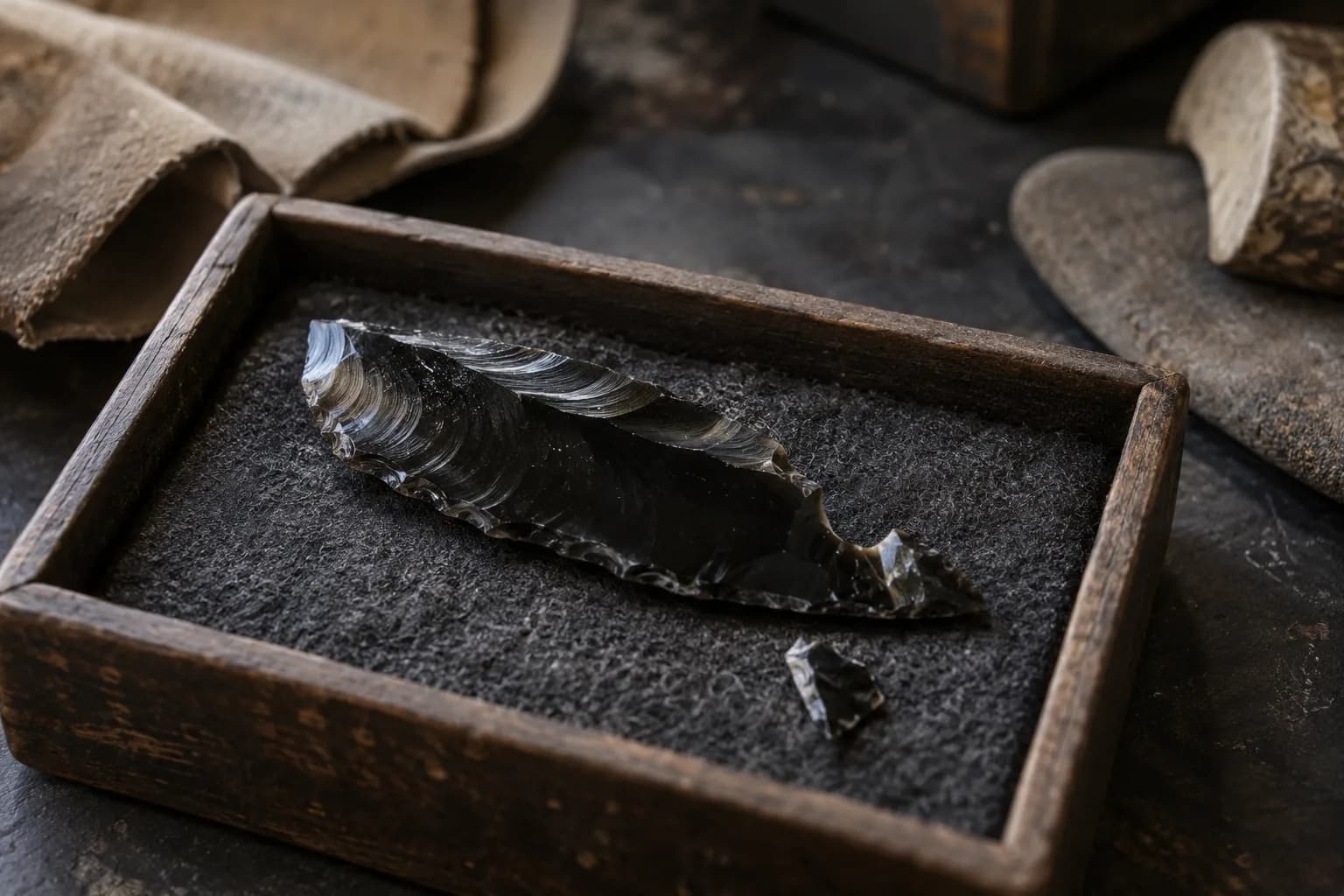
Fiction writes materials that are maximally hard AND unbreakable; metallurgy says pick a point on the curve — the entire hardness-toughness tradeoff. That is why adamantium is fiction, why obsidian daggers are scary-sharp and fragile, and why real super-steels are billed as balanced rather than infinite. When a franchise invents a material, ask which end of the curve it is cheating — the answer is usually both, and that is the tell.
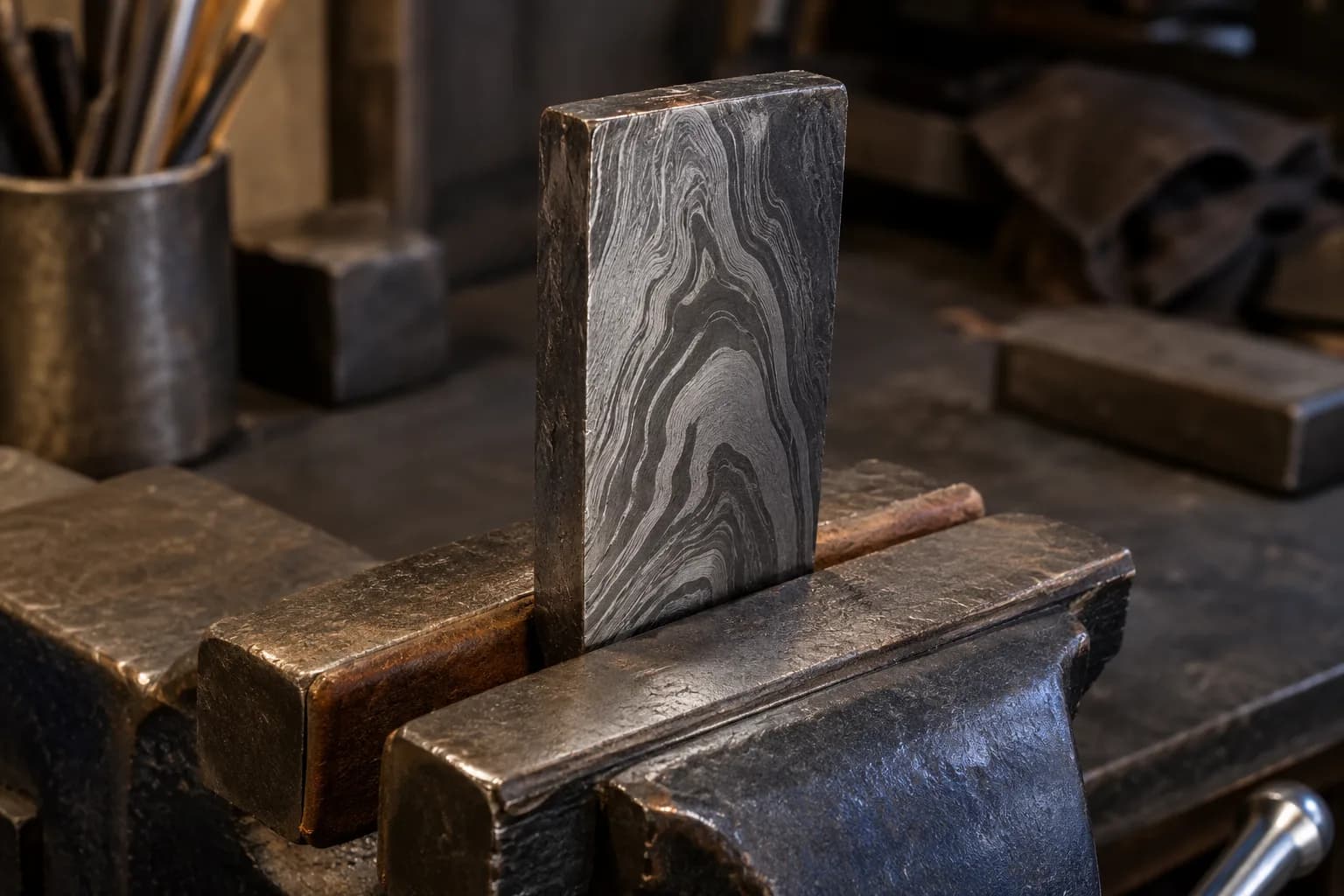
The great fictional metals are folk memories of real metallurgy: Valyrian steel is Damascus by its own author’s admission, meteoric iron runs from Tutankhamun’s dagger to the Witcher’s forges, and every unbreakable ancestral blade echoes the real awe that pattern-welded steel and crucible-steel Ulfberhts earned when most smiths could not match them. The fiction is downstream of real shop history — which is why makers are the right people to write about it.
The legal and craft line in one paragraph: analyzing and discussing franchises is commentary and fair game; copying a trademarked design for sale is not. The working lane is inspired-by — a blade in the SPIRIT of a fictional weapon (its silhouette family, its mood, its materials story) without reproducing the protected design, per the same rules as the replica-market guide. Fans commission in this lane constantly, and it is honest work: your design skills, their beloved story, nobody’s lawyers.
Read the series, then notice the pattern: every article ends at a buildable real blade — the damascus bar that answers Valyrian, the clay-quenched W2 that answers the glowing elf blade, the spring-steel rebate that answers stage fantasy. The path from fan to maker runs through exactly one realization: the real version is buildable, and the roadmap is sitting right there. That realization is what this whole section is for.
Keep reading
Three more from the same bench.
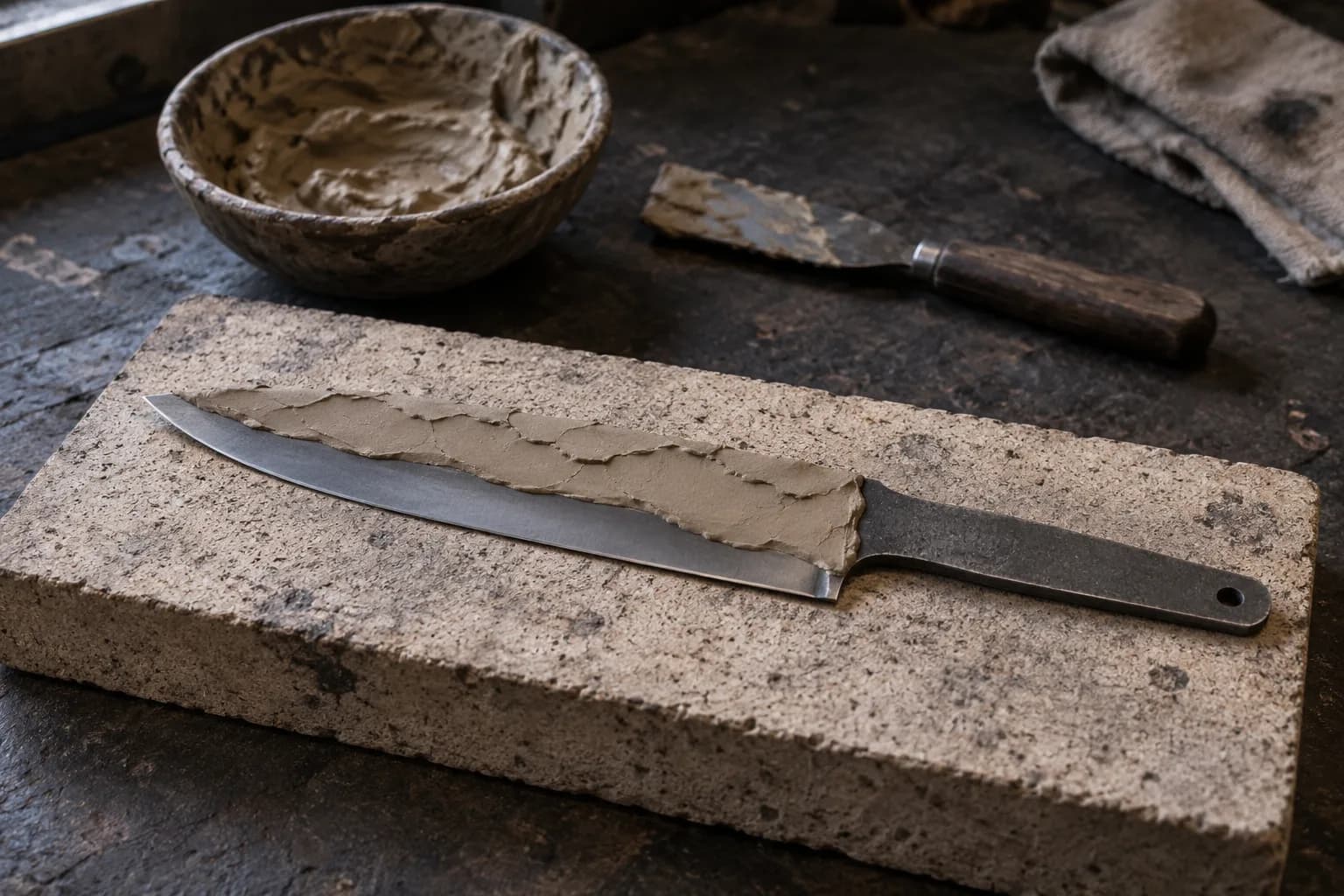
Ask a room of sword owners what started it and the honest answers are rarely museums: it was Aragorn reforging Narsil, a Kurosawa duel, an anime blade the…
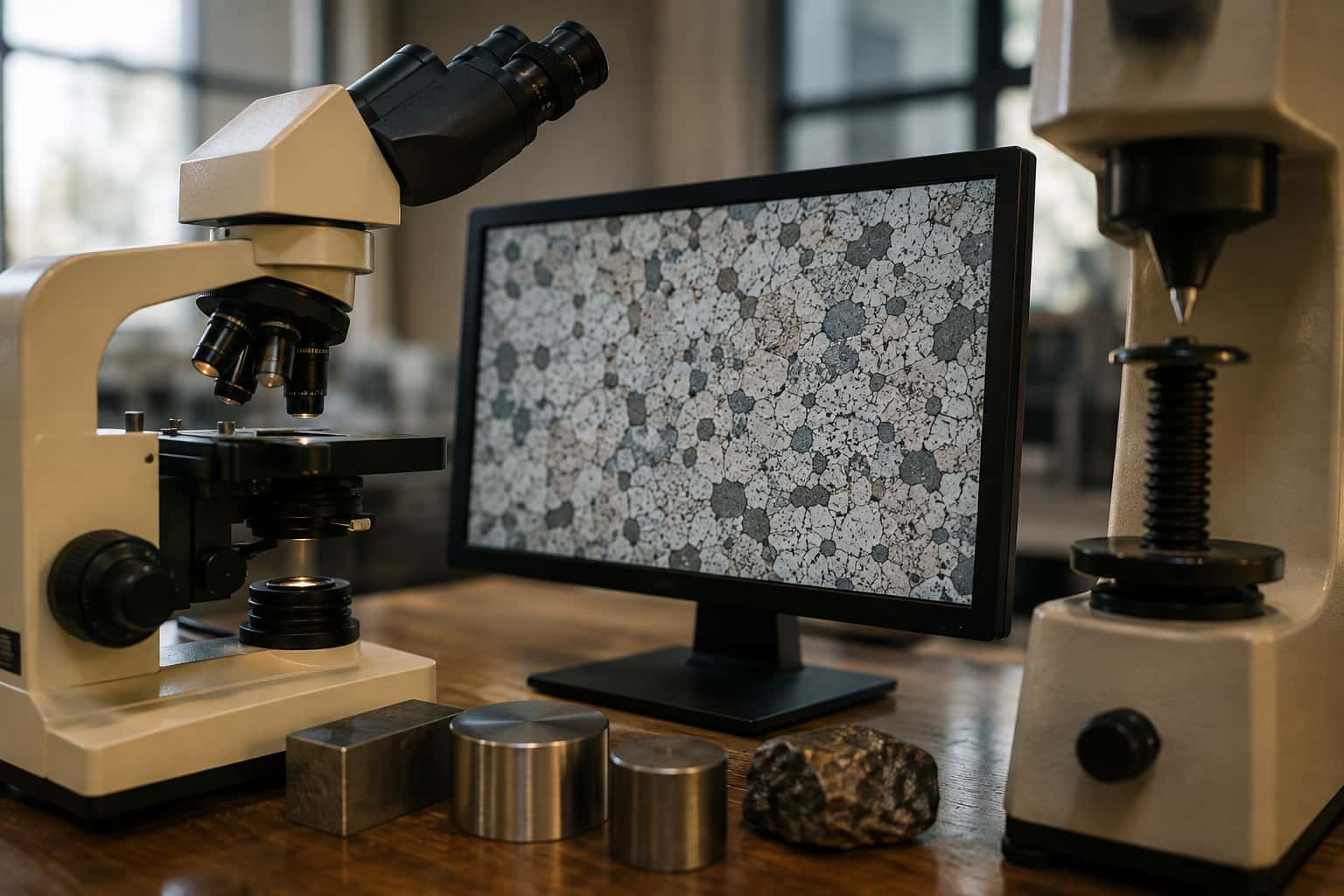
Heat treat recipes and steel spec sheets both cite a target hardness on the Rockwell C scale, but the number by itself doesn’t explain why that specific…
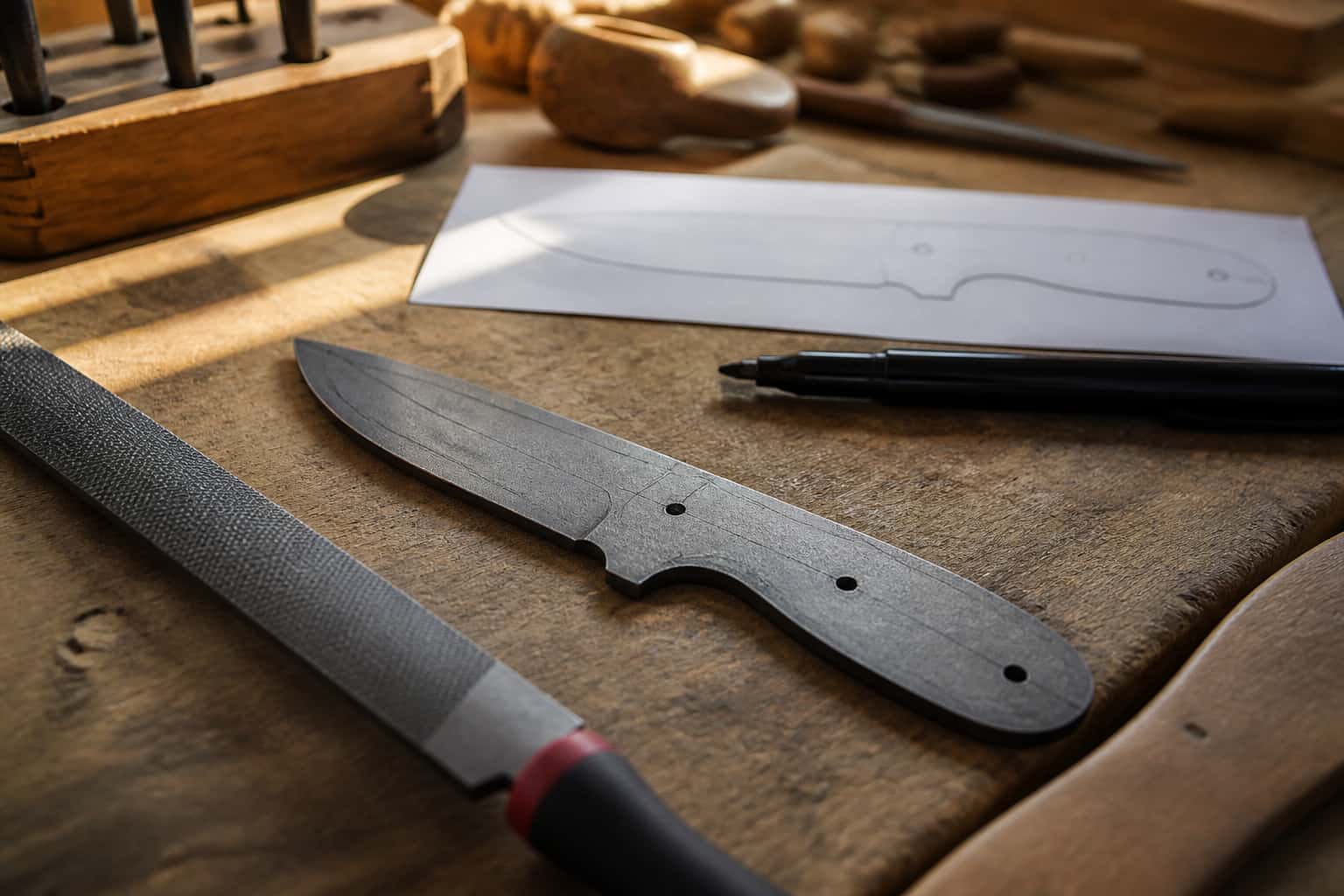
ForgeBrain has grown past 180 guides, which is wonderful for depth and terrible for knowing where to start. This page is the fix: the whole craft as one…
Same bench
I machine the parts, hand-assemble, track and test Torus grinders in Sterling, Illinois. Most orders ship in seven to ten business days from time of order.
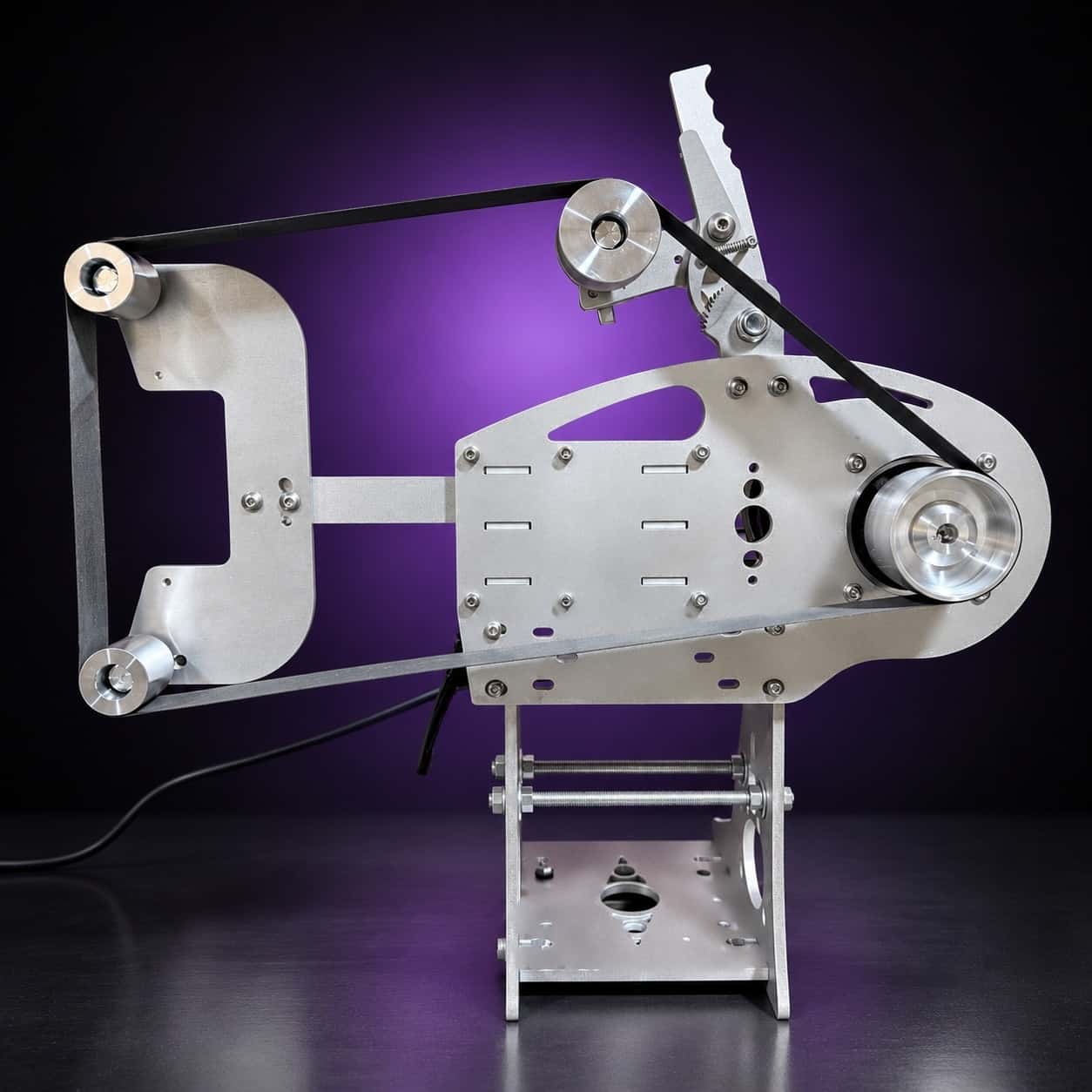
Current dual-axis platform with a fiber-laser-cut 6061 chassis and single-knob tracking.
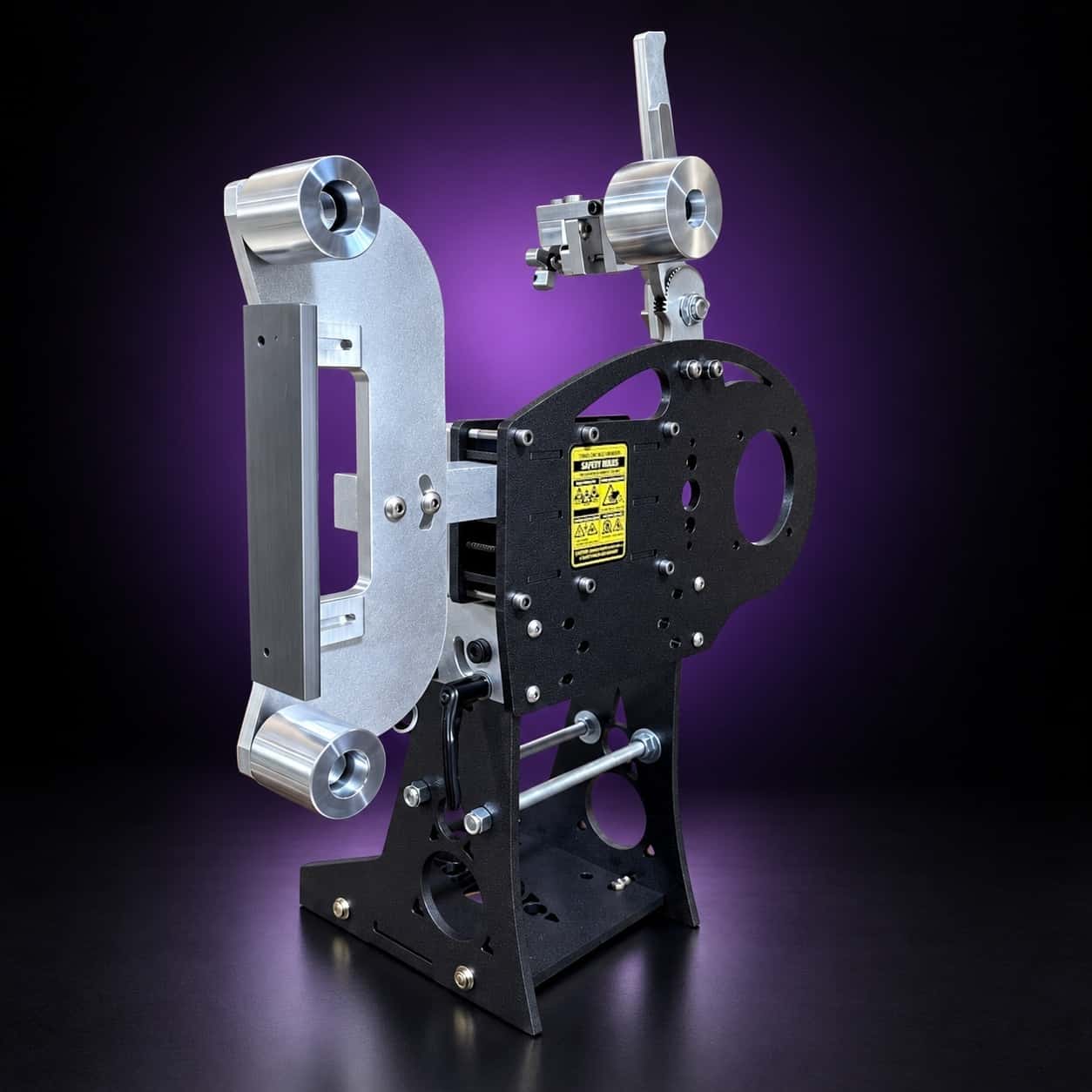
Current dual-axis platform with a steel chassis, more mass and less vibration.
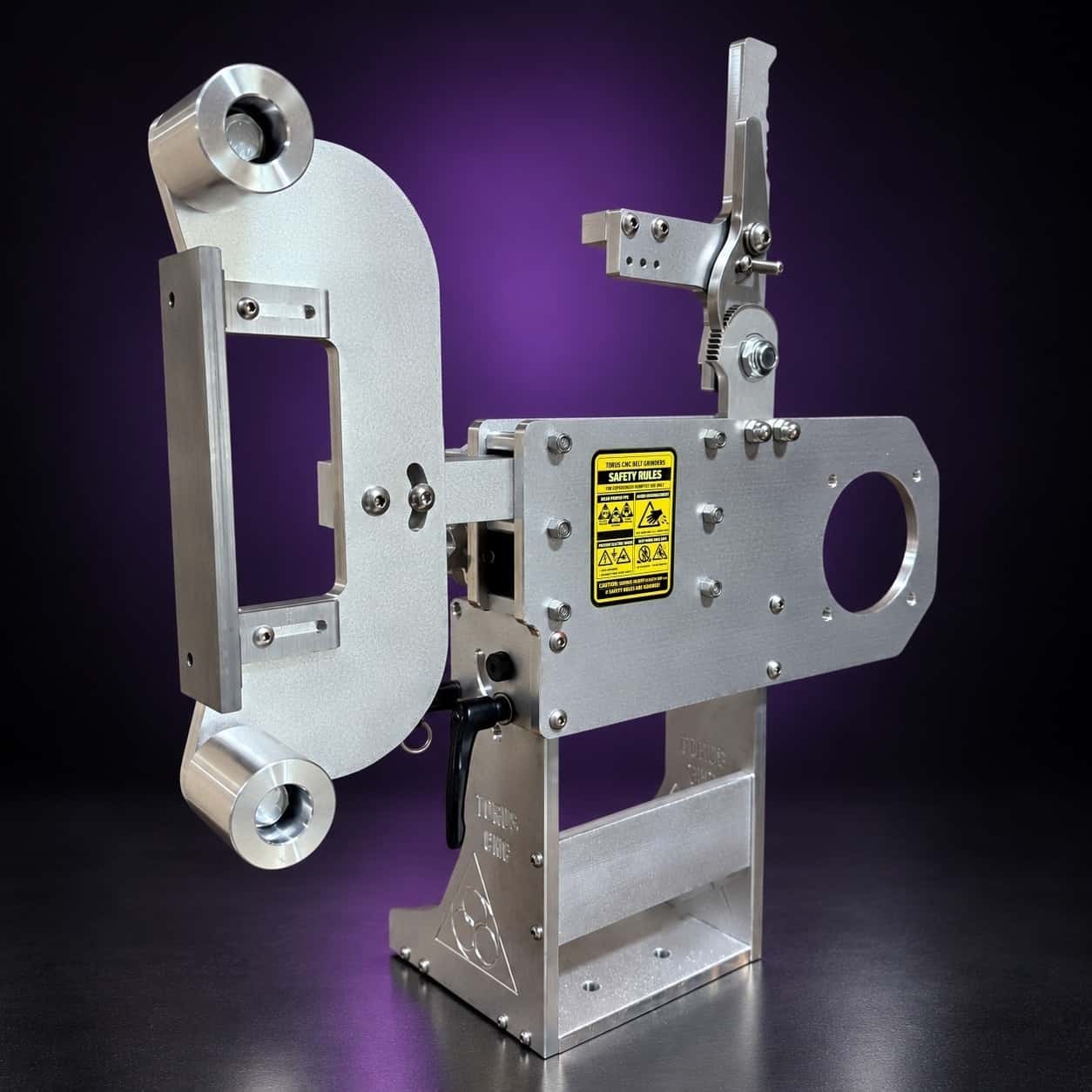
Prior-design aluminum chassis, 90-degree tilt and 1.5-inch tooling arms.
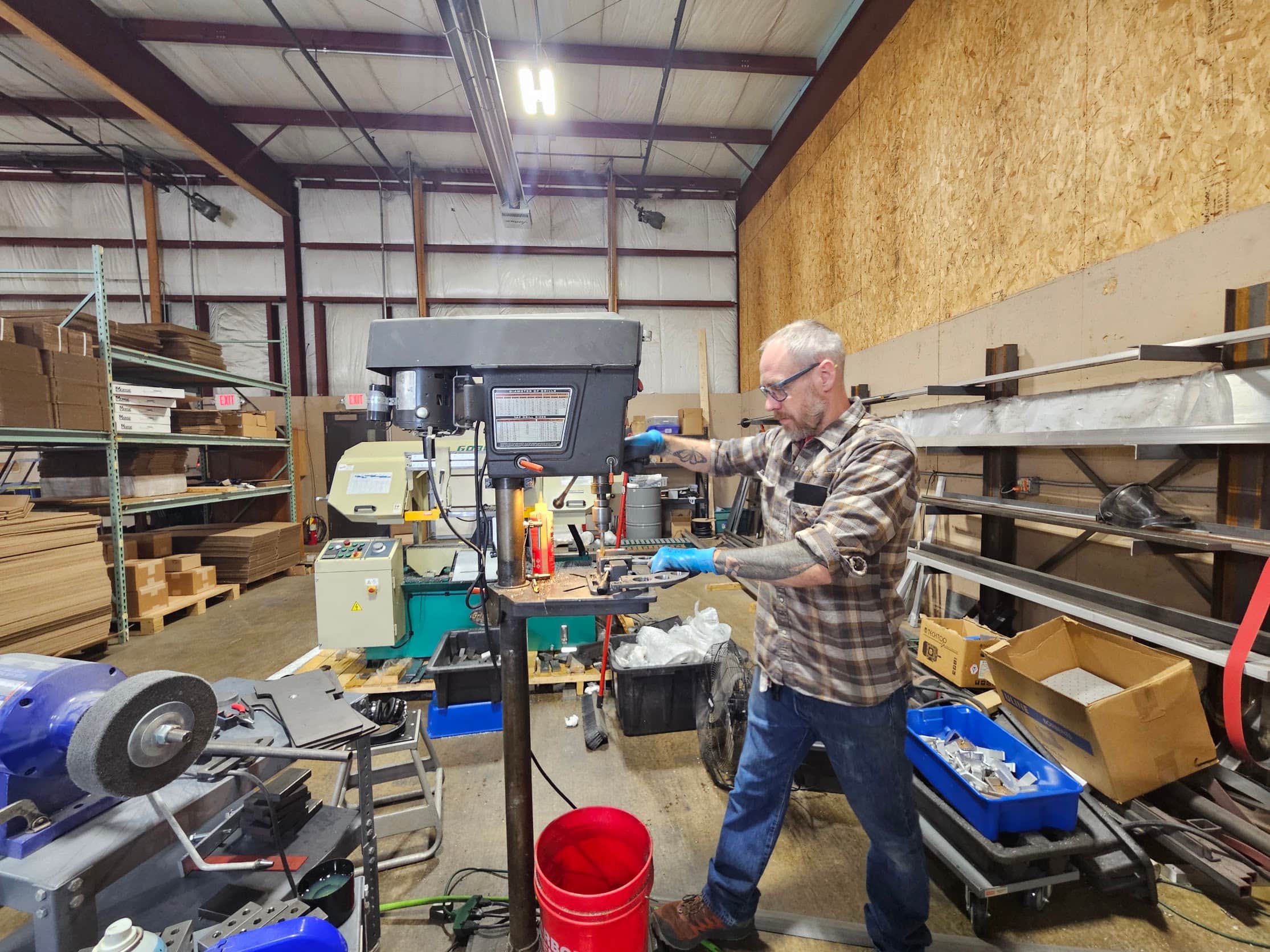
One-man shop
I answer my own email. Tell me the steel, the machine and what it is doing, and I will tell you what I would try next.