
Fantasy & Fiction Blades
Fantasy Blades in Real Steel: The Maker’s Field Guide
Every fictional blade is a real design brief with the physics turned off. Turn the physics back on and something interesting happens: the analysis becomes…
Fantasy & Fiction Blades
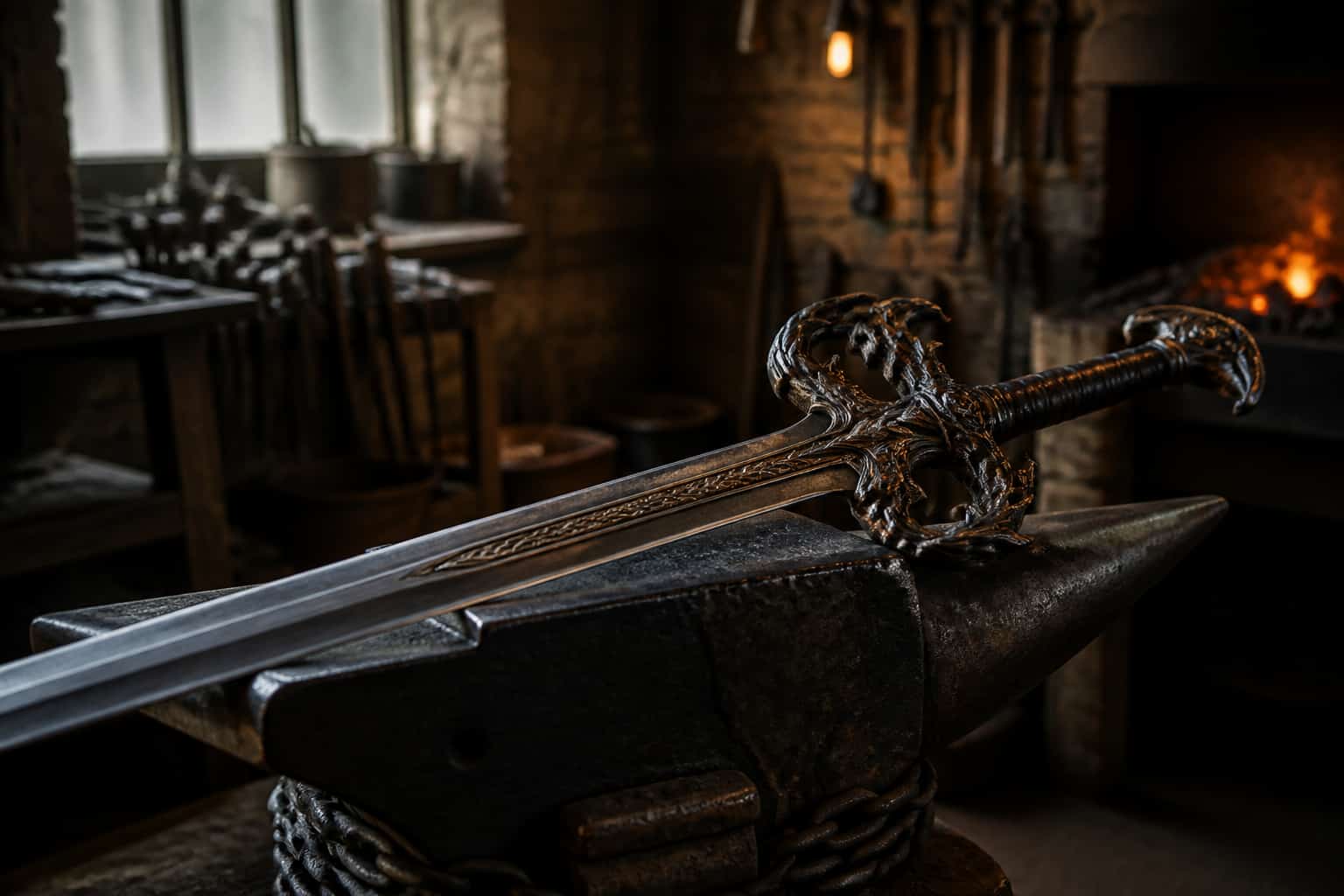
Valyrian steel decoded: GRRM's own Damascus analogy, wootz crucible steel and its lost-then-found secret, dragonfire as heat treat, and forging your own.
2 min readWritten by Rich LinvilleFree to read
George R.R. Martin settled the biggest question himself: Valyrian steel’s closest real-world analog, in his words, is Damascus steel. That one sentence connects the most famous fictional metal alive to a real metallurgical detective story — one with a lost secret, a modern rediscovery, and a direct line to the pattern-welding you can do in your own shop.
Valyrian blades ripple with visible patterns, hold impossible edges, run lighter and stronger than castle-forged steel, cannot be made anymore — only reforged from existing stock — and carry names and lineages across centuries. Every element maps to a real phenomenon: the rippling pattern is exactly how observers described real Damascus (“wavy marks like the tracks of ants,” per the ancient accounts), the reforging-only scarcity mirrors how true wootz Damascus became unmakeable when its secret died, and the named-heirloom culture is just real sword history — the Ulfberht blades carried a brand across two centuries, per their own strange story.
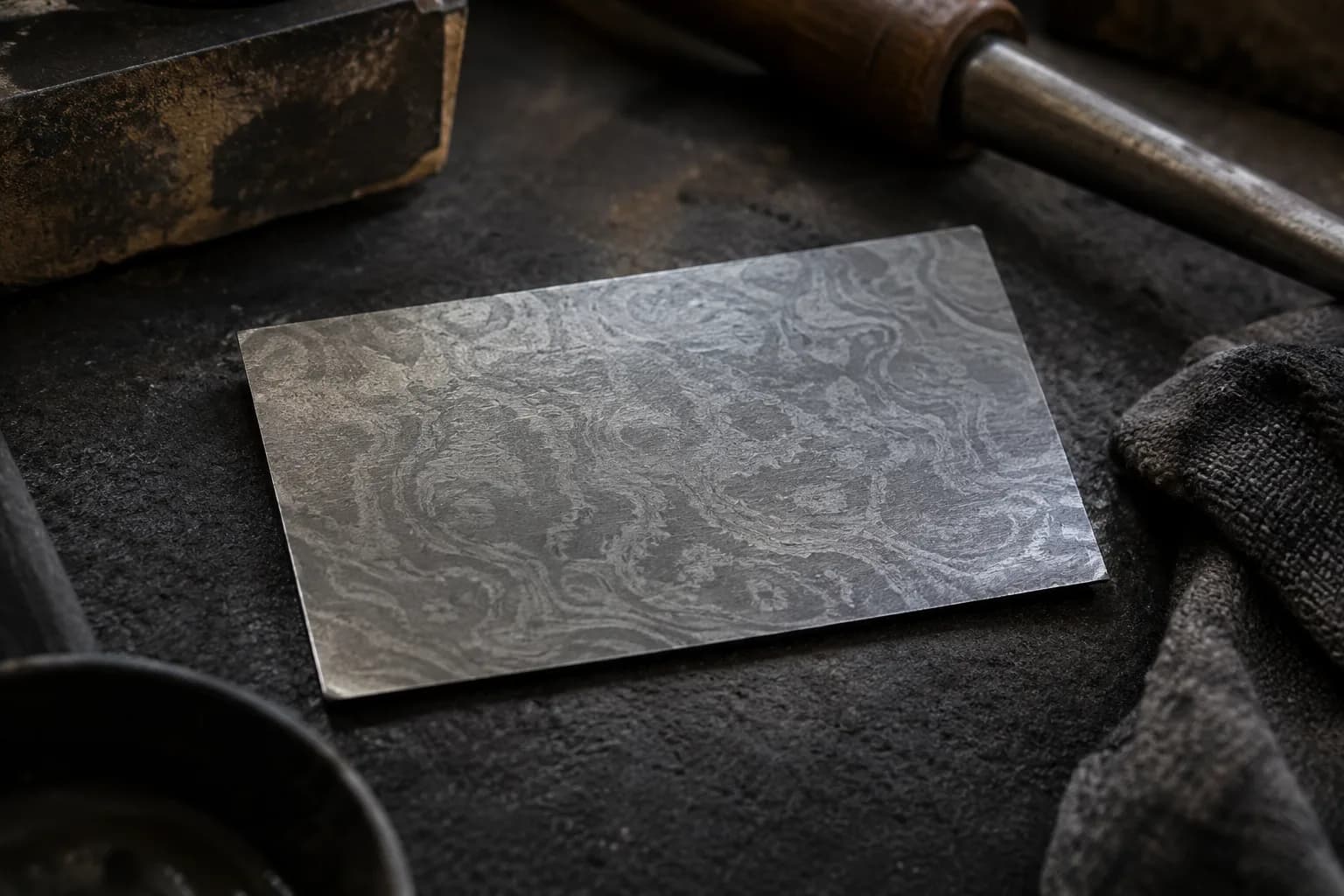
The real history has a fork fiction happily blurs. Pattern-welded Damascus — layered steels forge-welded and folded, per our entire damascus section — is alive, well, and makeable this weekend. Crucible wootz — the original Damascus, cast as ingots in India and Sri Lanka with its watered pattern grown from internal carbide banding rather than layering — genuinely WAS lost when the ore sources and craft lineages died out, and stayed lost for roughly two centuries: the Valyrian scarcity, for real. The modern coda: metallurgist John Verhoeven and bladesmith Al Pendray spent years reverse-engineering wootz and by the 1990s were reliably producing banded blades — the lost secret, found, and published. Fiction rarely gets an ending that good.
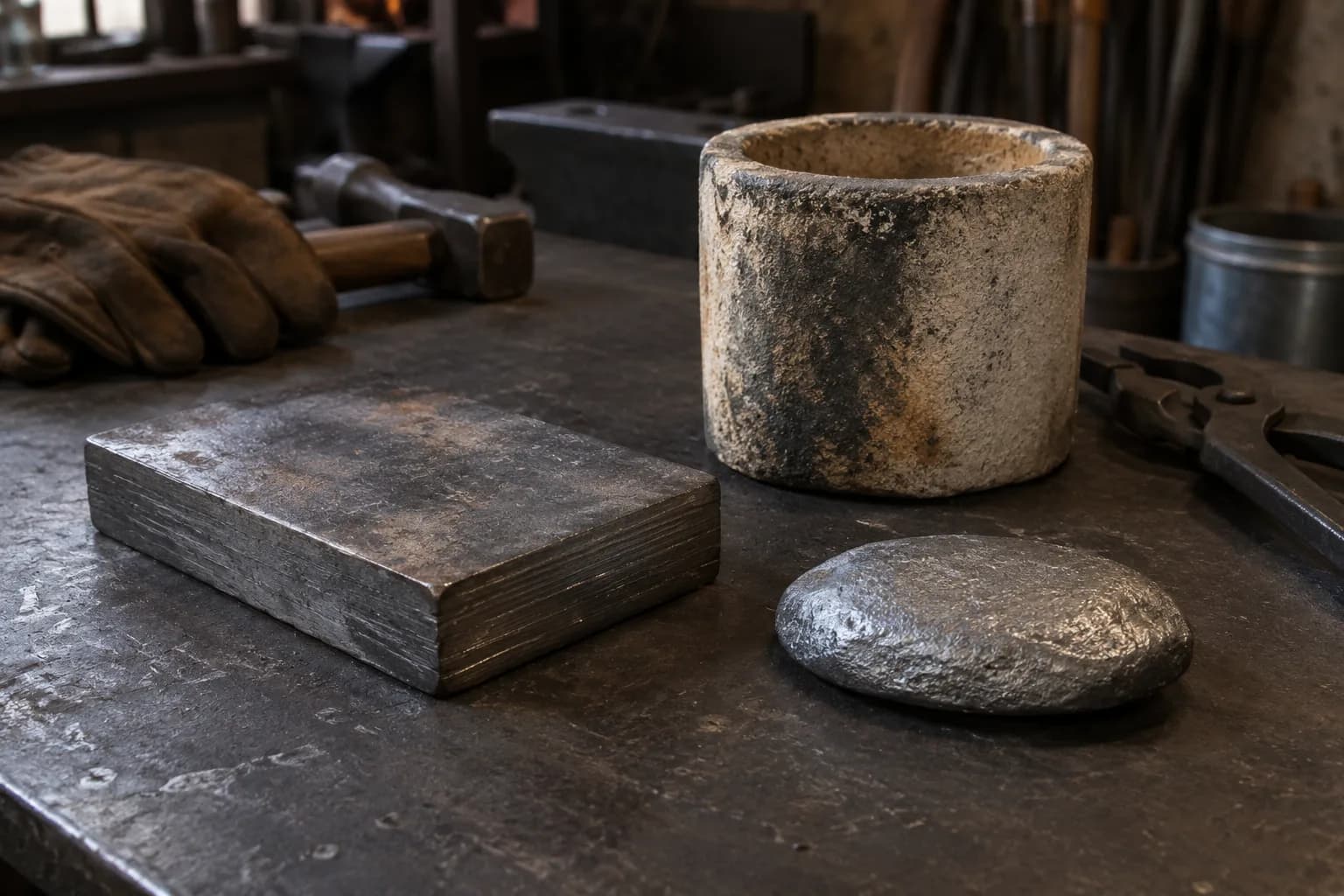
Fan theory loves dragons-as-forges, and the metallurgical joke lands better than fans know: what wootz actually demanded was patient, controlled thermal cycling to grow its carbide bands — temperature discipline, not maximum fire. A dragon is the worst possible kiln: uncontrolled, oxidizing, and enthusiastic. The real magic ingredient was process knowledge — the same thing that separates a dialed heat treat from a campfire quench today. Spell-forged is just the fantasy word for somebody knew exactly what they were doing.
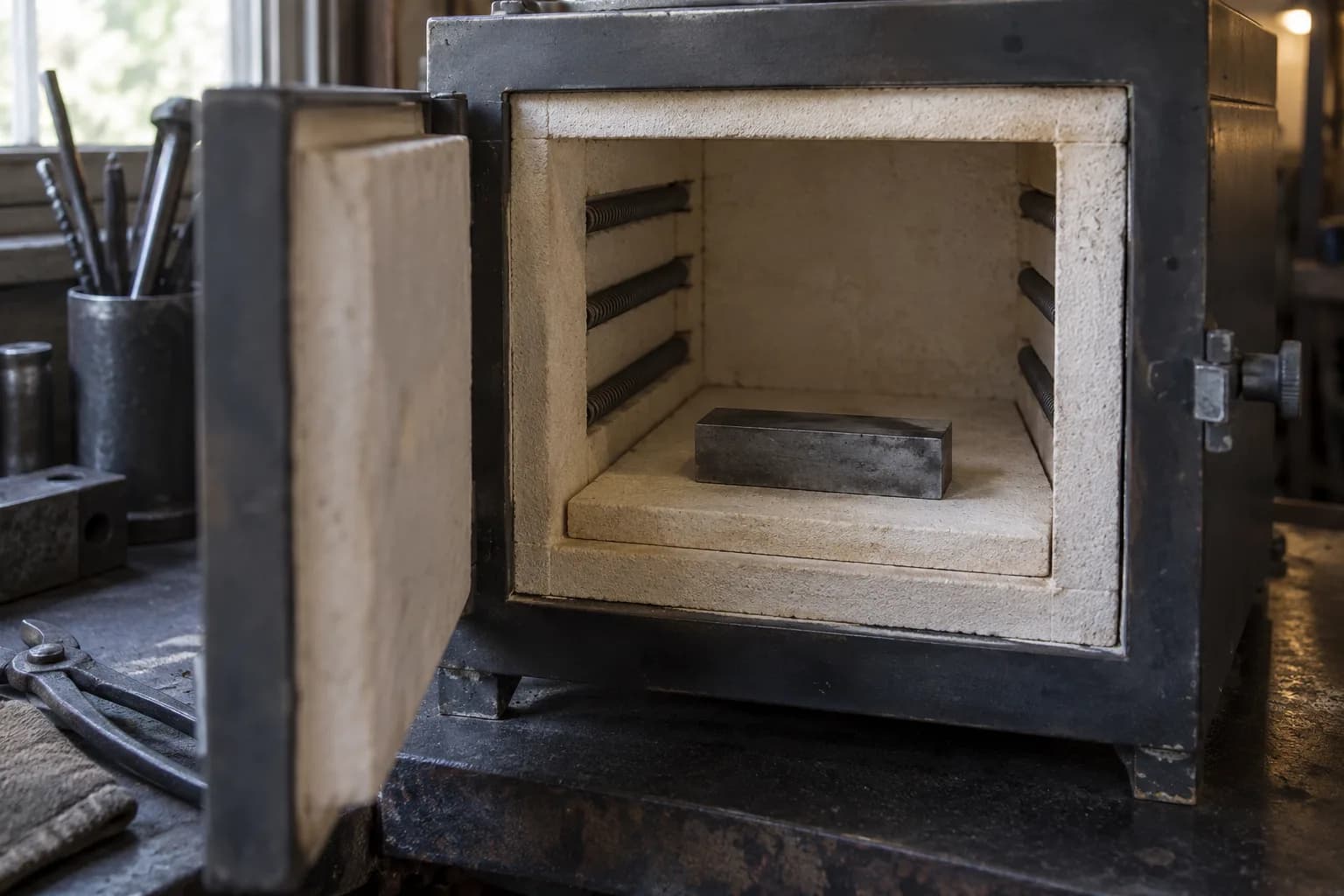
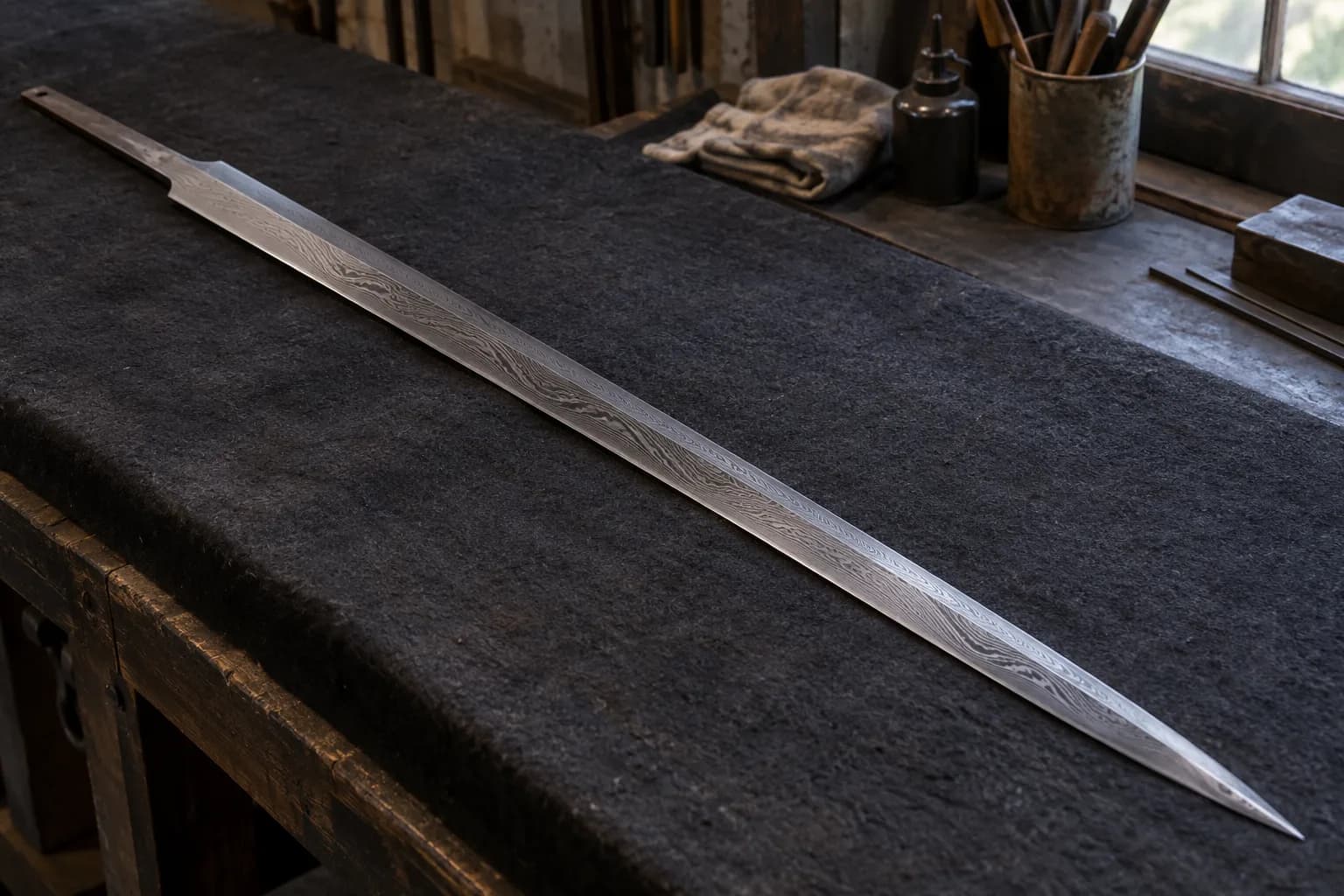
The buildable answer to Valyrian steel is a high-layer pattern-welded blade: 1084-and-15N20 billet, drawn and folded per the damascus section, etched so the pattern ripples and dances — the visual the books are describing — with the honest performance story told straight (is Damascus stronger? covers exactly what layering does and does not buy). An inspired-by longsword in real pattern weld, named like an heirloom on the maker’s card, sells the whole fantasy legally and beautifully. The dragons remain out of stock.
Keep reading
Three more from the same bench.
Every fictional blade is a real design brief with the physics turned off. Turn the physics back on and something interesting happens: the analysis becomes…
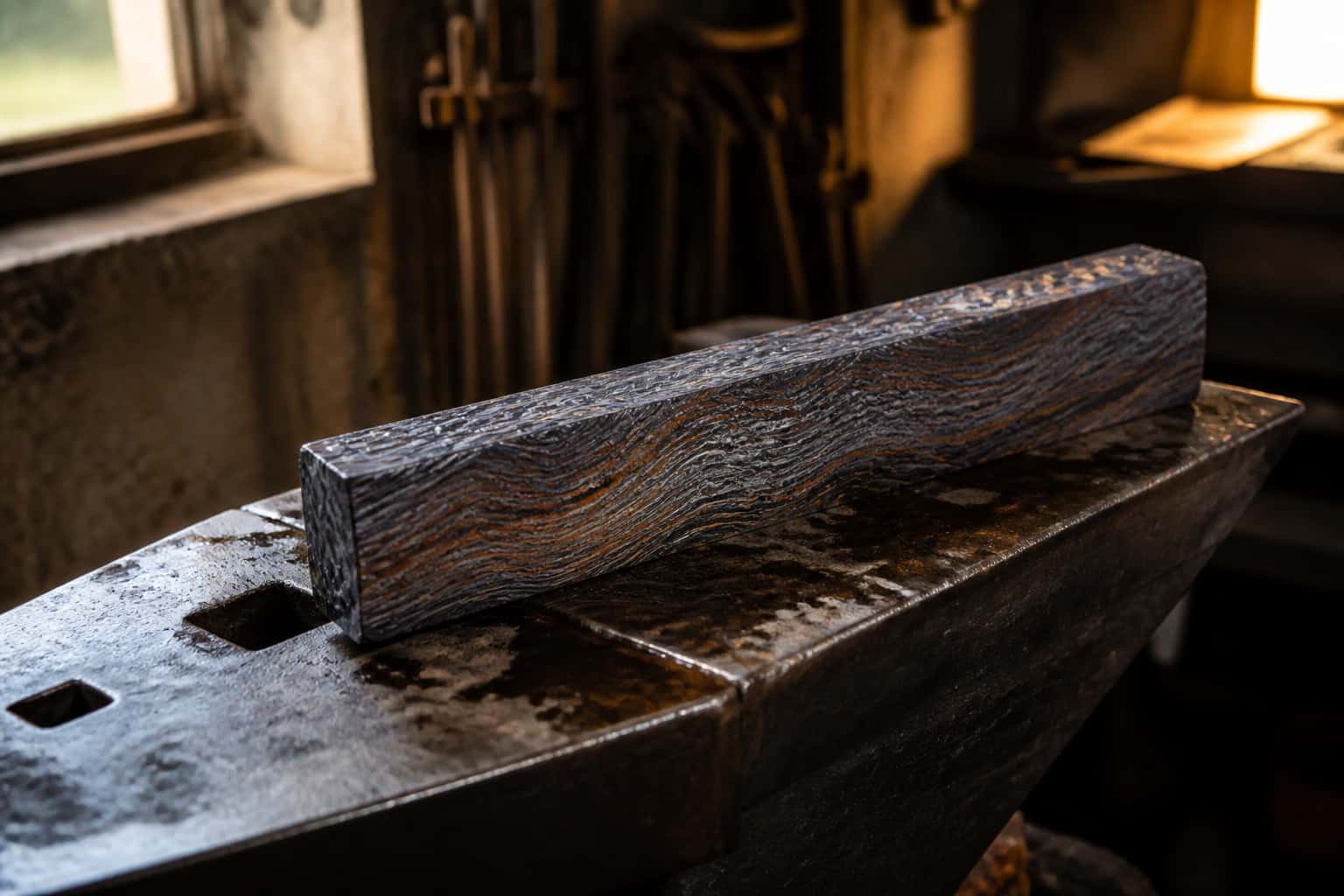
Marketing copy loves to whisper that damascus is stronger, sharper, somehow more than ordinary steel — ancient secrets, legendary edges. Since ForgeBrain…
The Viking sword is where bladesmithing history gets genuinely mysterious: gorgeous pattern-welded blades giving way, at the top of the market, to a run…
Same bench
I machine the parts, hand-assemble, track and test Torus grinders in Sterling, Illinois. Most orders ship in seven to ten business days from time of order.

Current dual-axis platform with a fiber-laser-cut 6061 chassis and single-knob tracking.

Current dual-axis platform with a steel chassis, more mass and less vibration.

Prior-design aluminum chassis, 90-degree tilt and 1.5-inch tooling arms.

One-man shop
I answer my own email. Tell me the steel, the machine and what it is doing, and I will tell you what I would try next.