
Fantasy & Fiction Blades
Fantasy Blades in Real Steel: The Maker’s Field Guide
Every fictional blade is a real design brief with the physics turned off. Turn the physics back on and something interesting happens: the analysis becomes…
Fantasy & Fiction Blades
Comic-book blade metallurgy audited: why adamantium cannot exist, Wolverine's claw geometry, and the functional swords of Blade and Deadpool.
2 min readWritten by Rich LinvilleFree to read
Comics run on invented metals — adamantium, vibranium, the whole periodic table of plot — and the fastest way to appreciate real metallurgy is to audit them. Three case files: the claws, the daywalker’s sword, and the merc’s katanas.
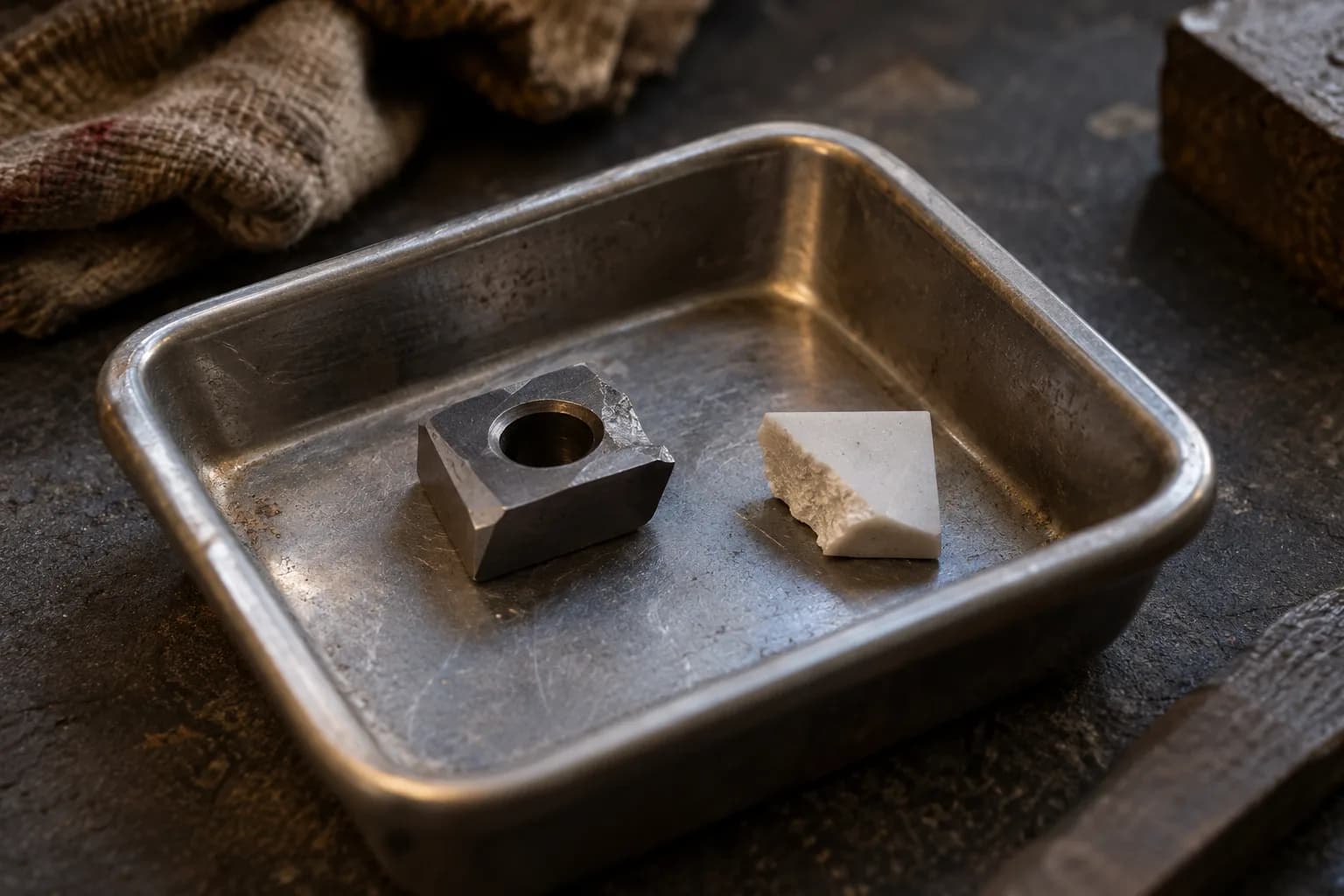
Adamantium is the pure fantasy of rule two from the field guide: maximally hard, utterly unbreakable, holds a monomolecular edge forever — every point on the hardness-toughness curve at once. The real materials it gestures at each pay the tax the comic waives: tungsten carbide approaches the hardness and shatters like glass under impact; real cutting-tool ceramics likewise; the toughest steels sit far down the hardness scale on purpose. Even the lore knows — adamantium is forged once from a molten resin and can never be reworked, which is a rather honest fictional admission that no real process could exist. The maker’s translation of a claw-adjacent commission: CPM 3V or CruWear at the toughness-first end — the real steels that get CALLED indestructible by people who abuse them, and honestly are not.
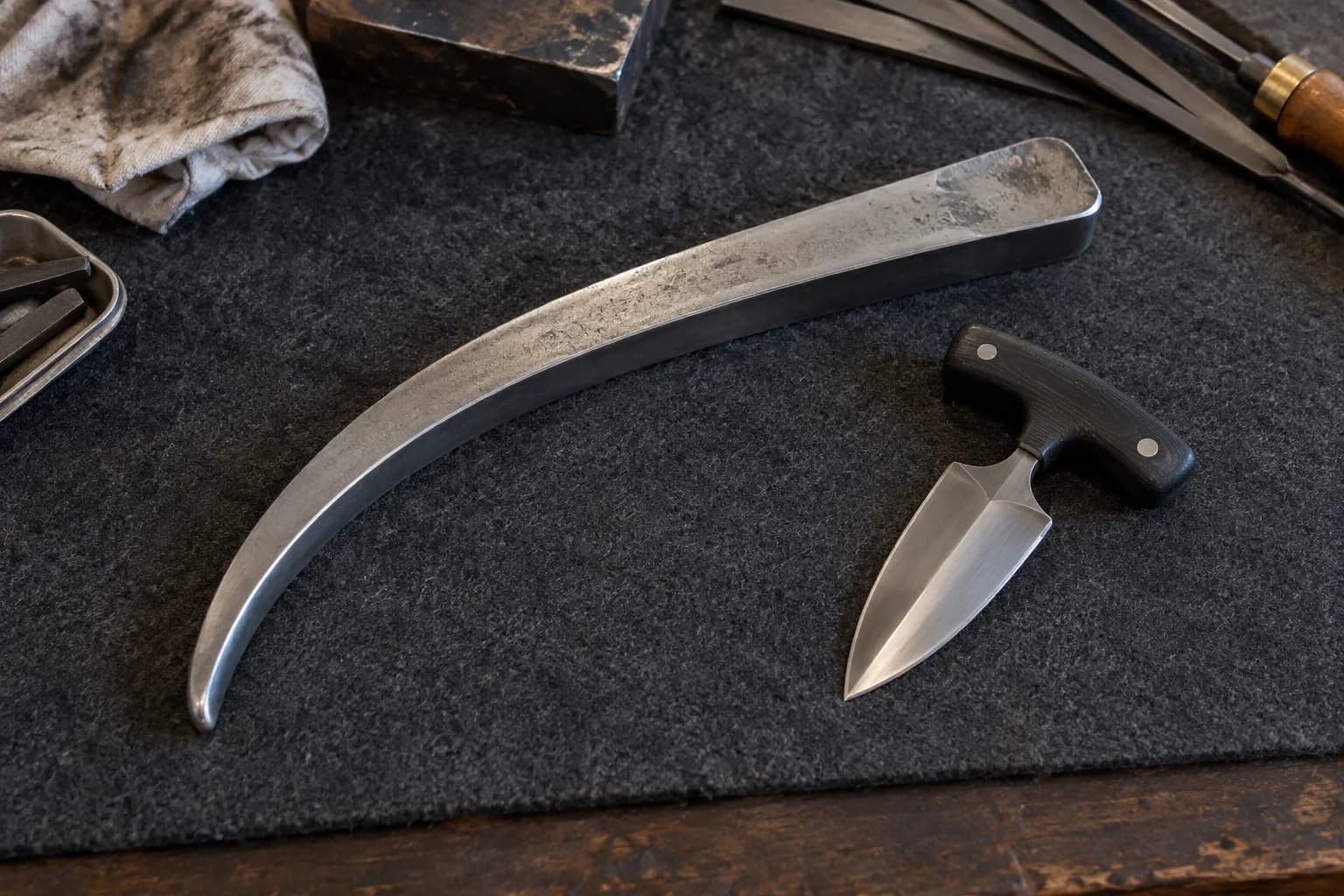
Wolverine’s claws, taken as blades, are an instructive geometry audit: roughly foot-long, gently curved, apparently full-thickness spines with edges — essentially six push-daggers with no taper, no distal engineering, and a grip position (through the hand) that surrenders every leverage rule in the balance guide. They work in-universe because adamantium plus a healing factor forgives everything; a steel copy is a heavy, awkward novelty — which is exactly what the real market for them is, and a maker who builds one labels it display-tier per the usual rules. The interesting real cousin is the push-dagger proper: a genuinely effective historical pattern whose geometry the claws unknowingly reference.
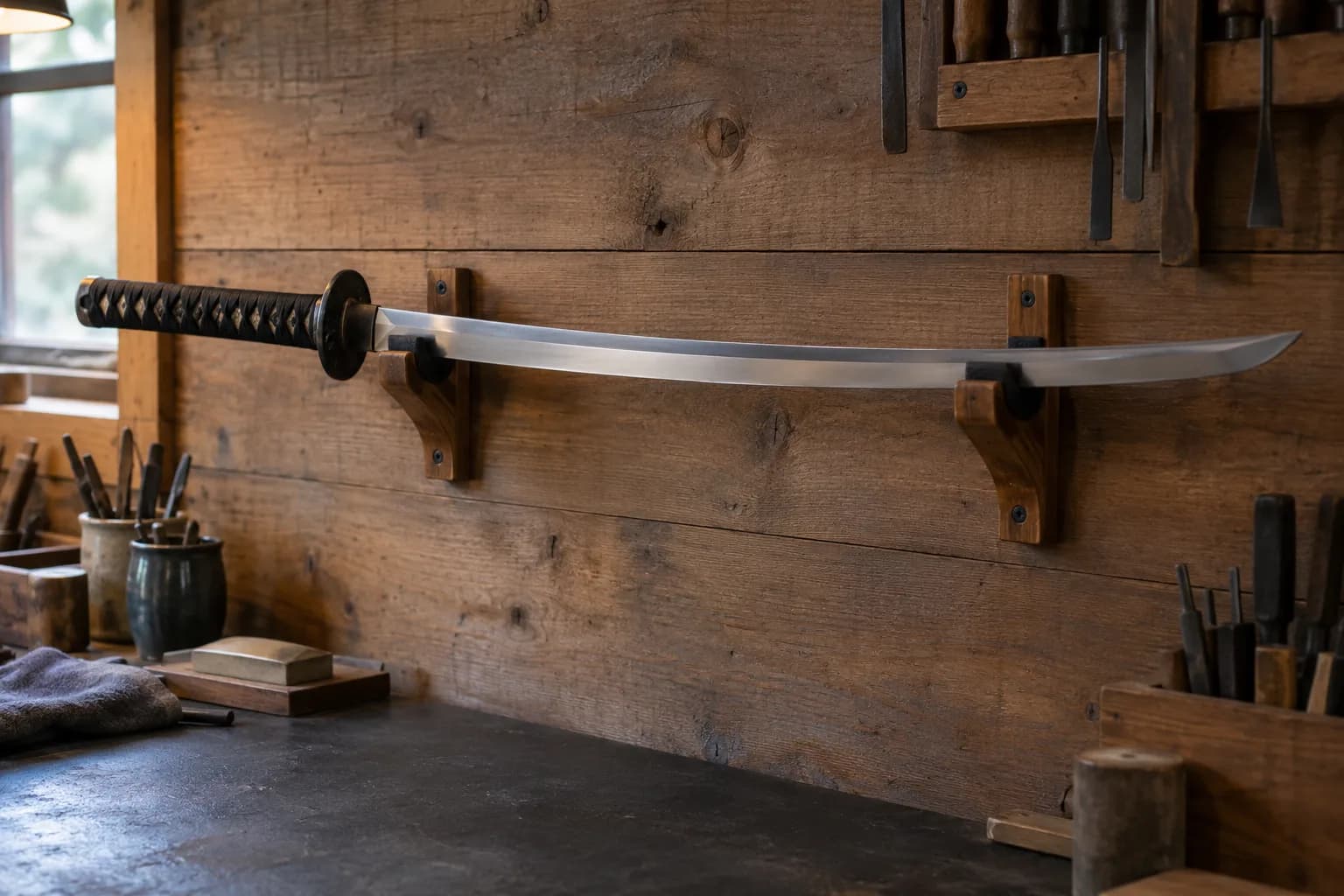
The swords comics get closest to right are the simplest: Blade’s sword (film lore dresses it in titanium and boobytraps, but its screen use is straight two-handed sword work) and Deadpool’s paired katanas — conventional blades wielded by unconventional people, which is the correct formula. The real audit notes: titanium is a poor blade material by sword-steel standards (light and tough but soft-edged — its real niche is dive knives and furniture), so the daywalker’s sword built honestly is spring steel with titanium fittings; and paired katana work is a real, demanding discipline (niten-style two-sword methods) that the films compress into flair. An inspired-by here is the most buildable in comics: a plain, excellent katana-form blade in 5160 or 1075 with blacked-out modern furniture — the whole aesthetic, zero invented physics.
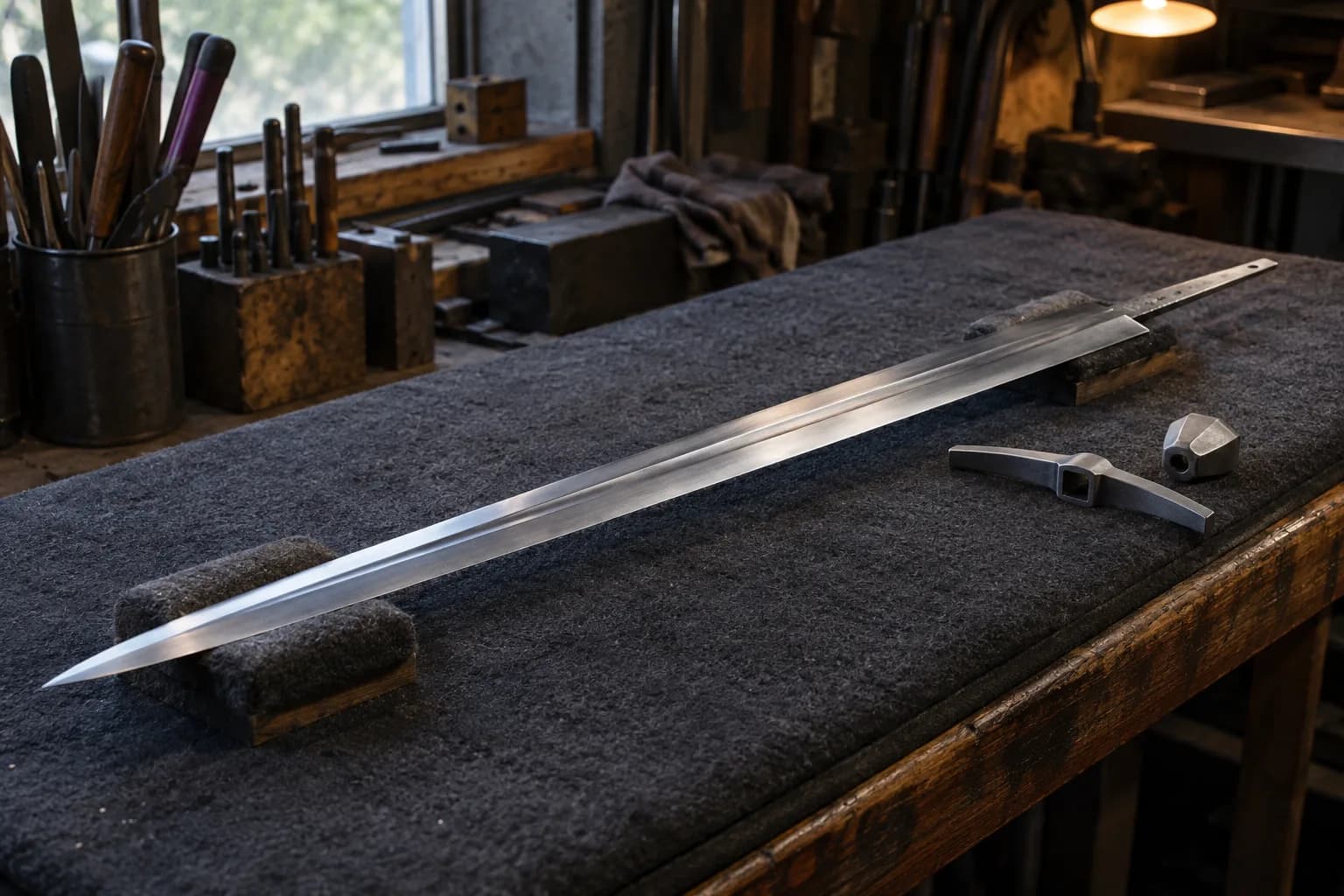
Comic commissions sort into the same three lanes as everything in this section: display novelties (claws — label them), inspired-by functionals (the blacked-out katana, the daywalker-style two-hander in real steel), and the conversation itself — because the fan who came in asking about adamantium and leaves understanding the hardness-toughness curve just took the first step on the roadmap. That conversion, one honest audit at a time, is the entire business case for this section.
Keep reading
Three more from the same bench.
Every fictional blade is a real design brief with the physics turned off. Turn the physics back on and something interesting happens: the analysis becomes…
Guts’ Dragonslayer — the iconic slab from Berserk, “too big to be called a sword” — is the perfect specimen for the genre’s favorite math problem: what…
No blade carries more mythology per inch than the katana — the folded-a-thousand-times, cuts-through-tanks legend machine. The real sword underneath is…
Same bench
I machine the parts, hand-assemble, track and test Torus grinders in Sterling, Illinois. Most orders ship in seven to ten business days from time of order.
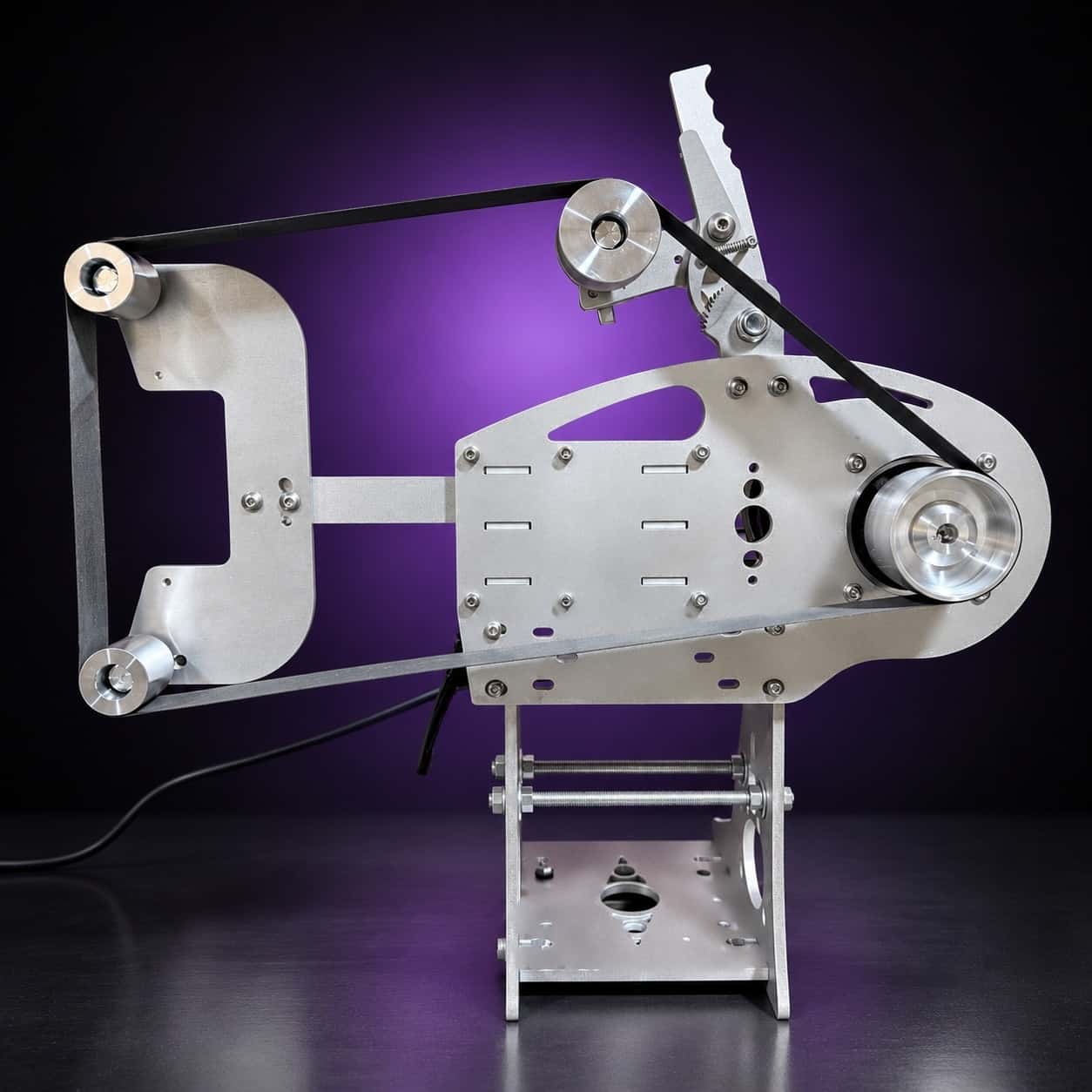
Current dual-axis platform with a fiber-laser-cut 6061 chassis and single-knob tracking.
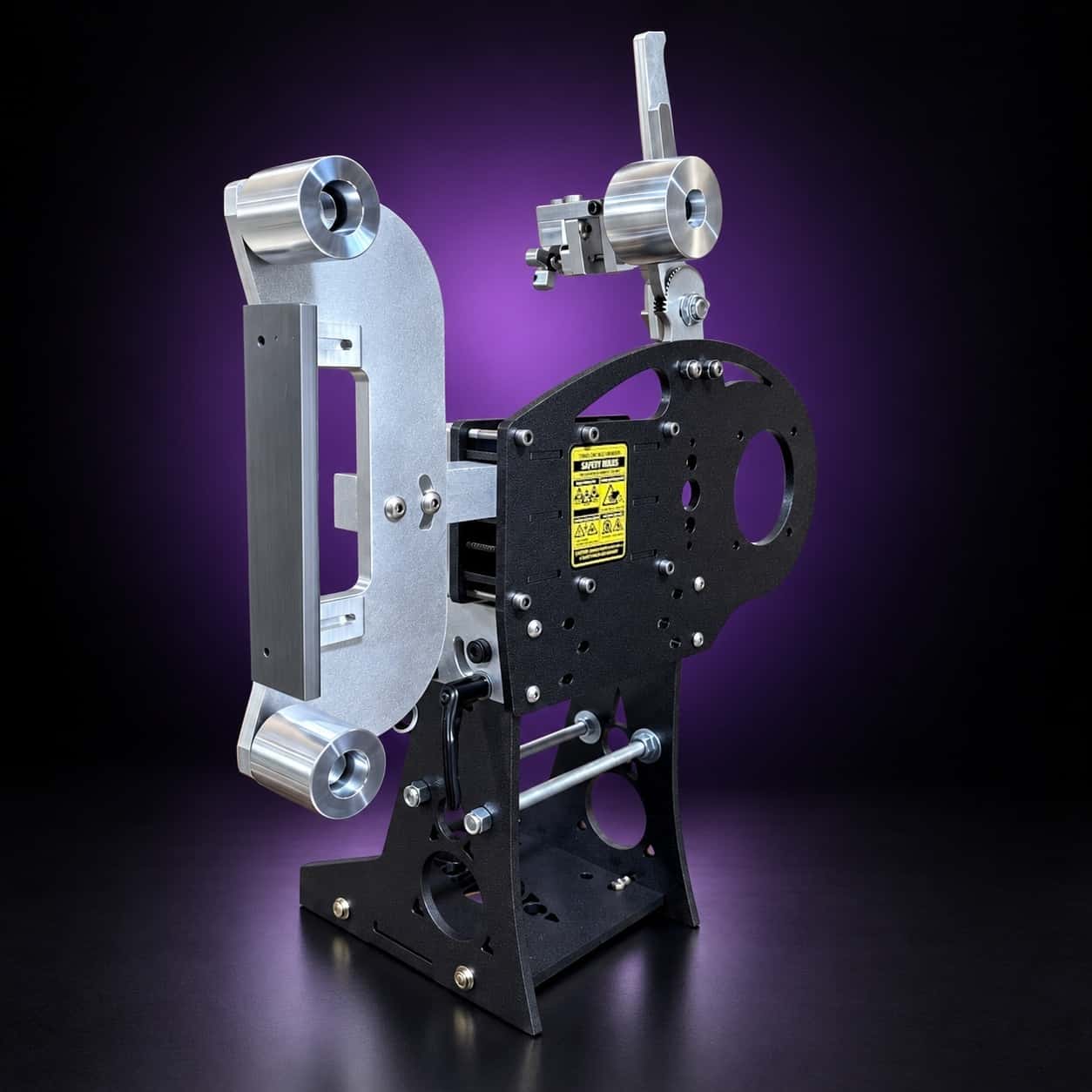
Current dual-axis platform with a steel chassis, more mass and less vibration.
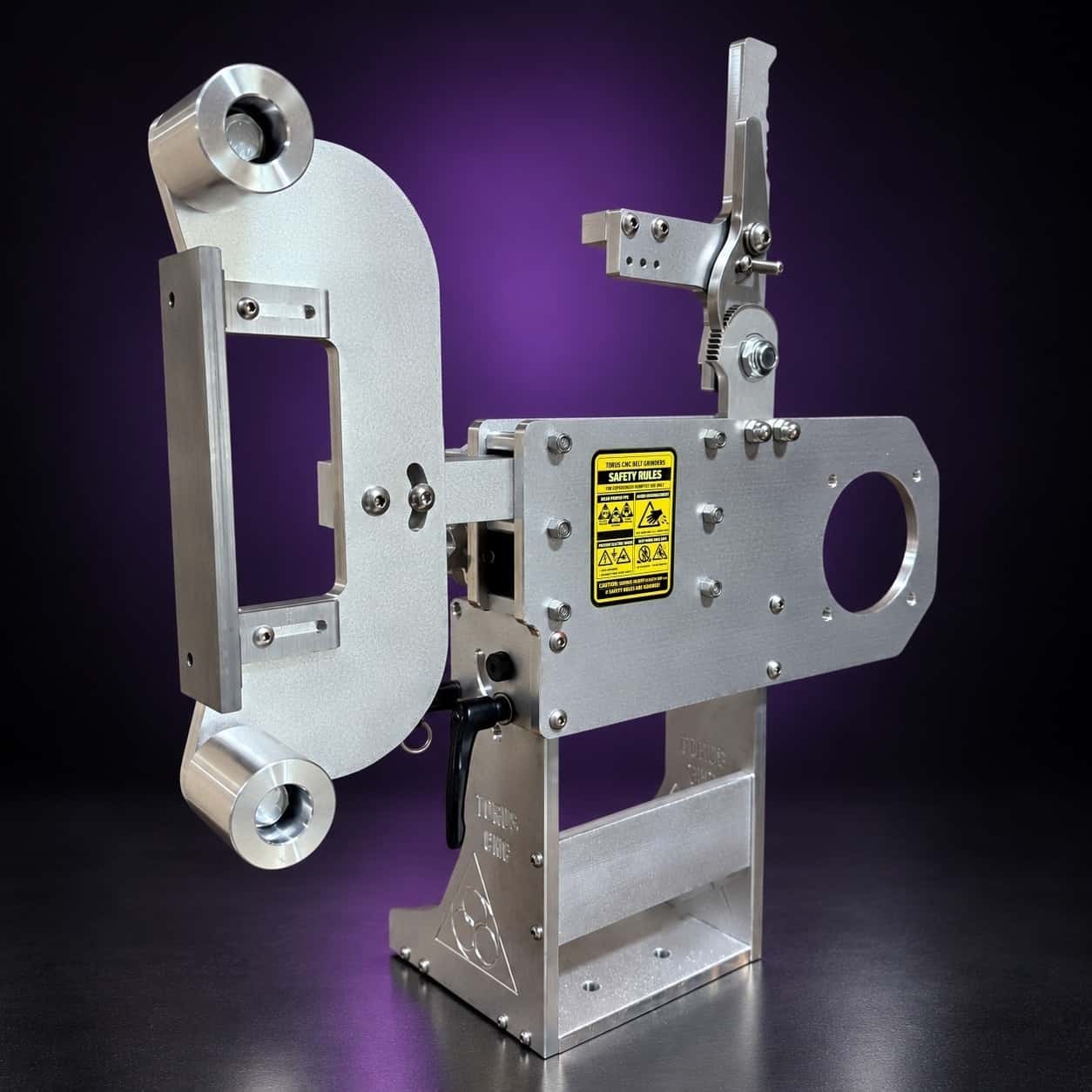
Prior-design aluminum chassis, 90-degree tilt and 1.5-inch tooling arms.
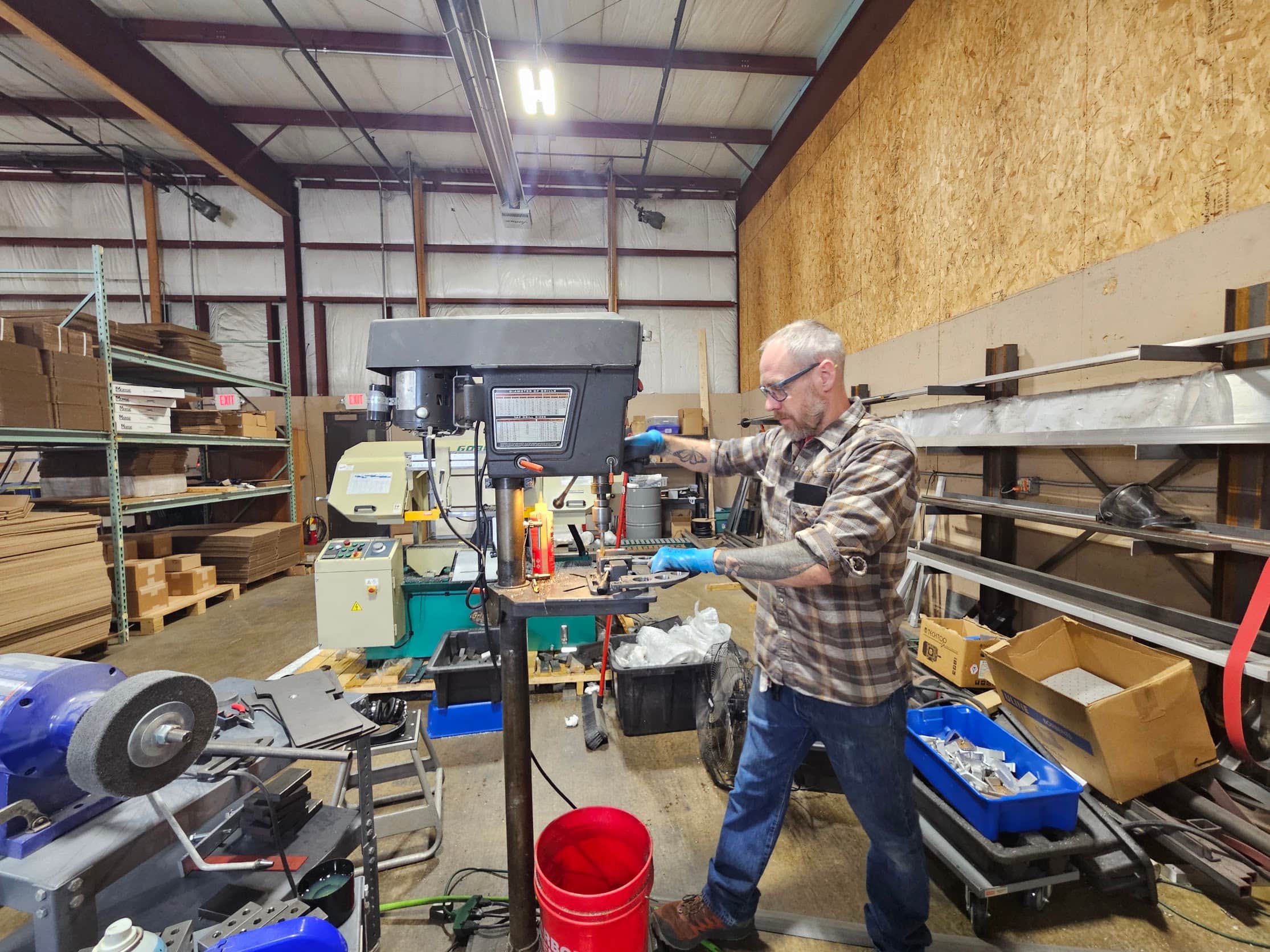
One-man shop
I answer my own email. Tell me the steel, the machine and what it is doing, and I will tell you what I would try next.