
Fantasy & Fiction Blades
Fantasy Blades in Real Steel: The Maker’s Field Guide
Every fictional blade is a real design brief with the physics turned off. Turn the physics back on and something interesting happens: the analysis becomes…
Fantasy & Fiction Blades
The two-sword lore metallurgically audited: why a pure silver edge fails, how a real silver monster-sword would be built, and real meteoric blades.
2 min readWritten by Rich LinvilleFree to read
Geralt’s two-sword rig — steel for men, silver for monsters — is one of fantasy’s best-known loadouts, and the lore is more metallurgically literate than fans give it credit for: the books’ witcher silver swords are meteoric-iron blades with silver coating and inlay, not solid silver. That detail saves the whole concept, because a solid silver sword is a metallurgical comedy. Here is the audit.
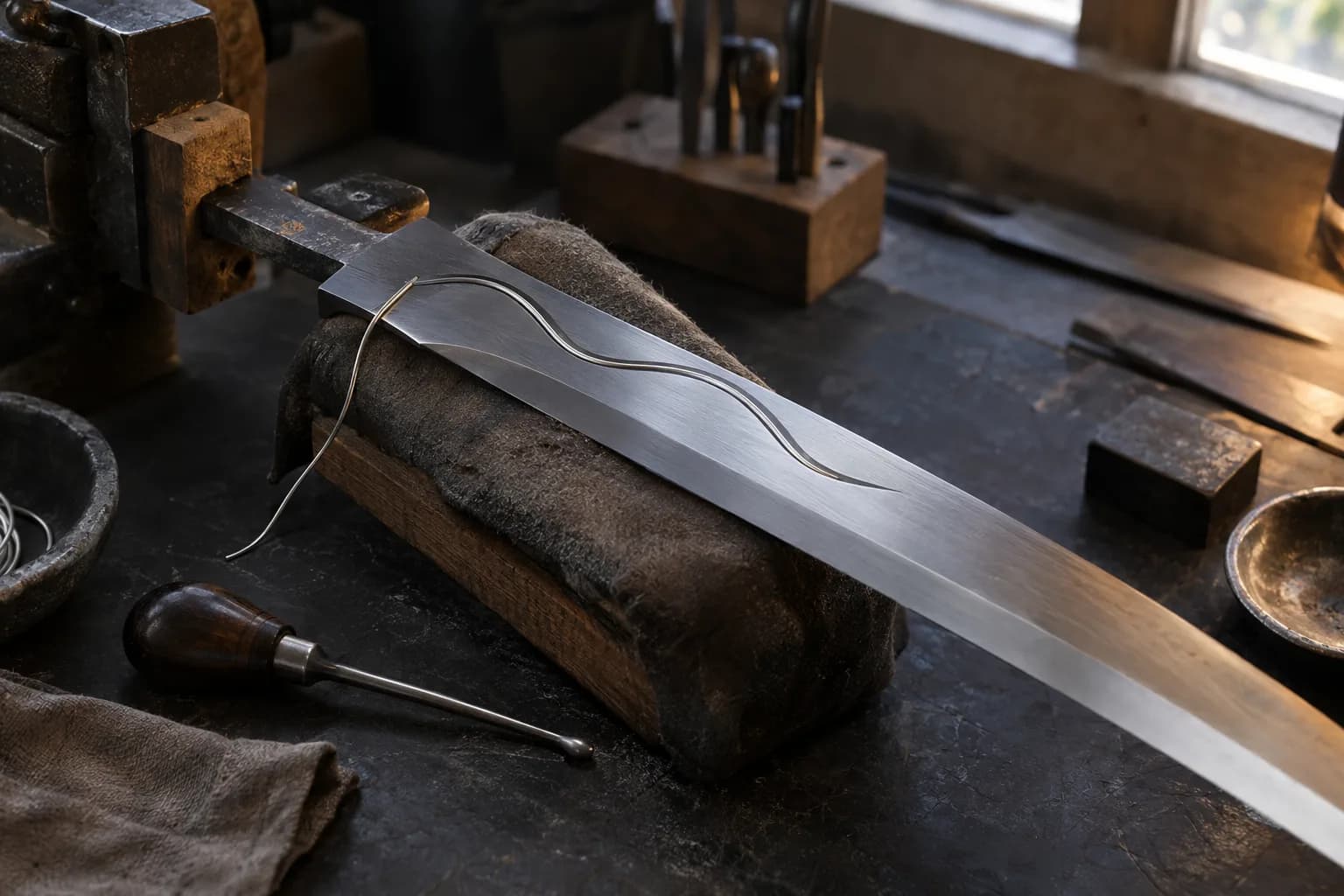
Silver is a jewelry metal wearing weapon-myth clothes: soft enough to mark with a fingernail file, no meaningful hardening response, and a fraction of steel’s strength. A solid-silver edge would roll on the first cut, bend at the first parry, and blunt against a leather jerkin — the hardness math is not close. The lore’s answer is the correct engineering answer: a steel (meteoric iron) core doing the structural work, silver carried as plating, inlay or edge cladding — enough contact metal for the monster-burning mythology, with steel underneath for the fight. Fiction quietly converging on real bimetal construction is this franchise at its best.
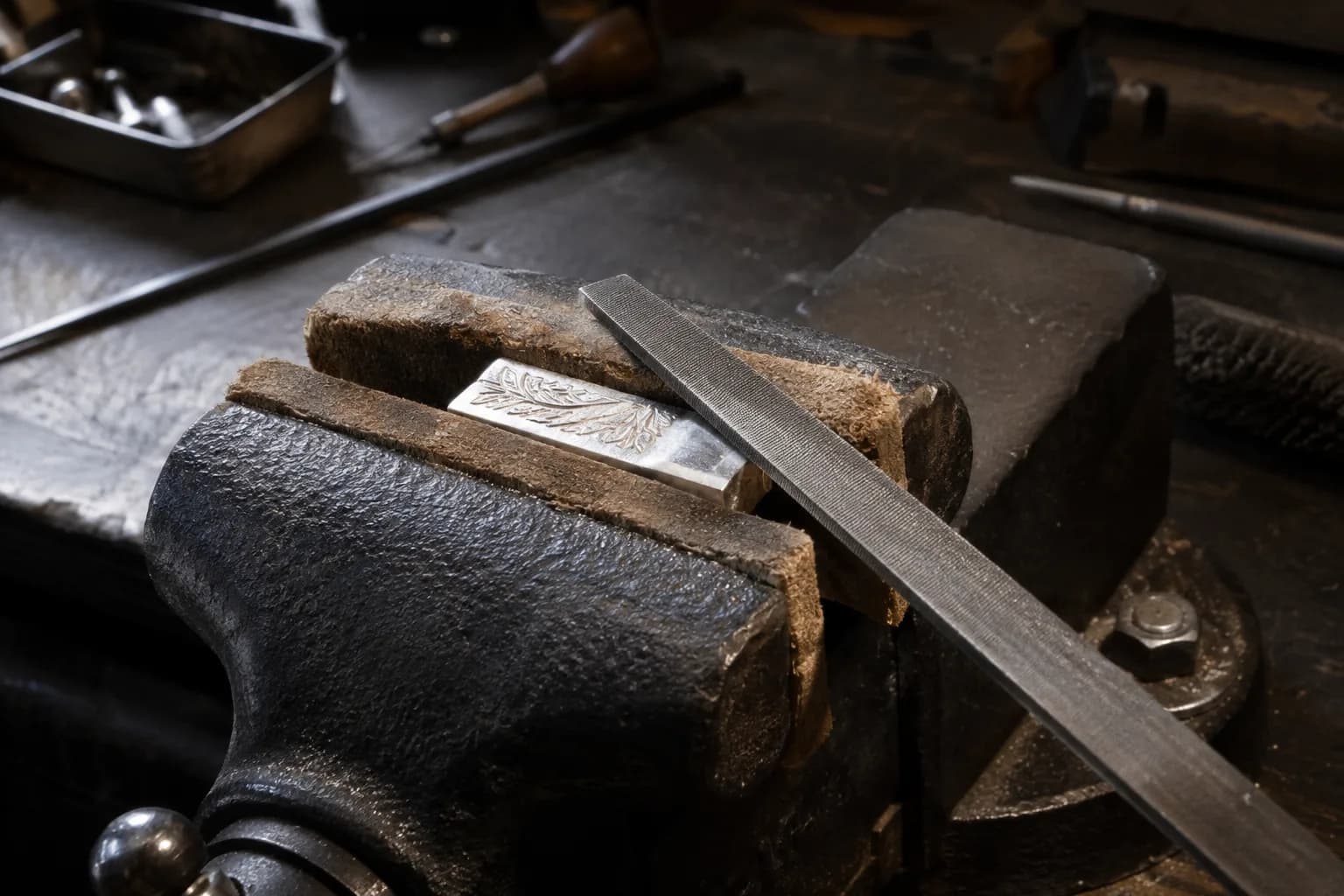
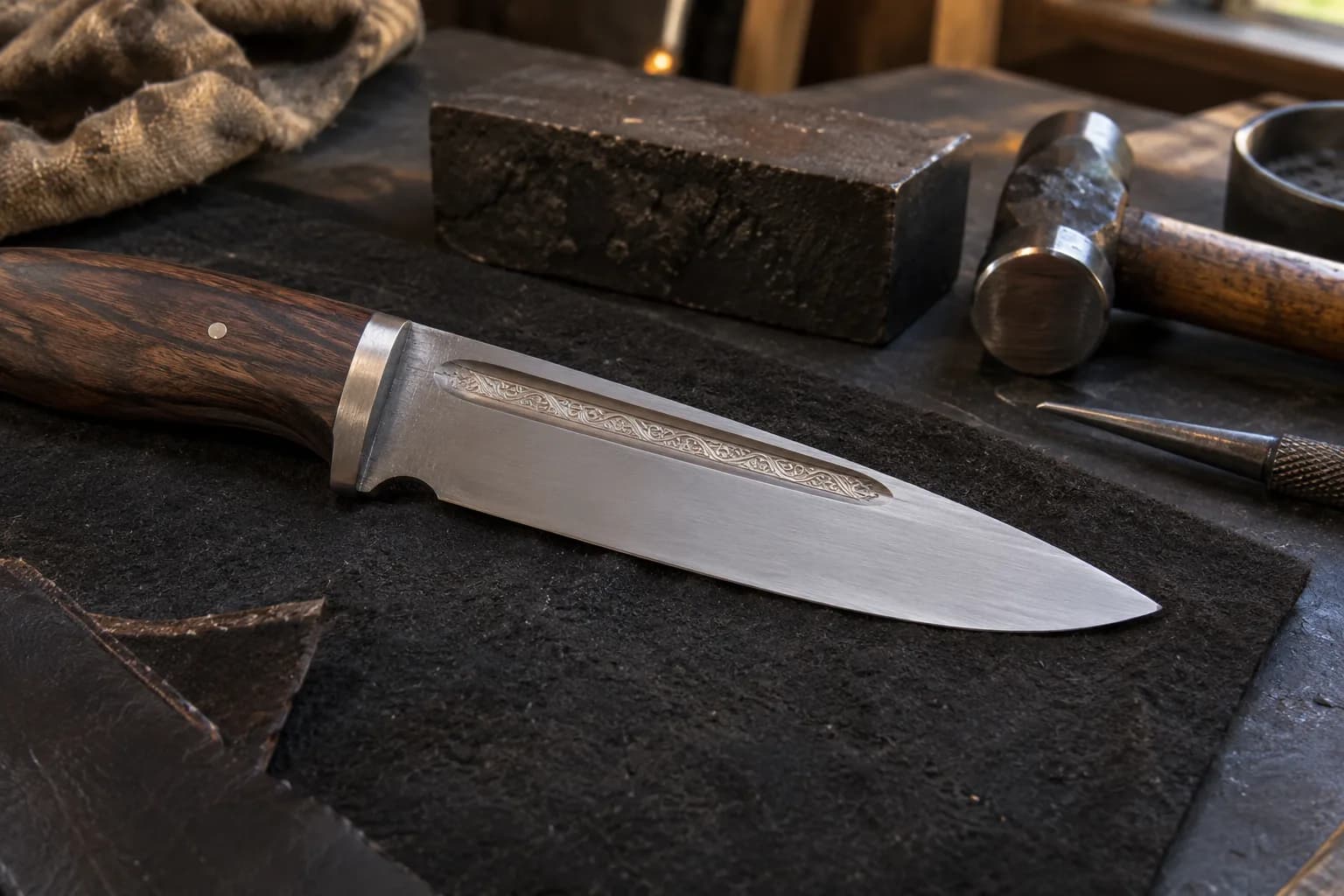
The real-world witcher sword is a bimetal project with several honest paths: silver-plated fullers and inlaid runes on a spring-steel blade (the jeweler-meets-bladesmith route — silver wire inlay in engraved channels is established decoration per finish practice); silver-soldered edge cladding on a display piece; or the honest costume answer — a bright-etched or nickel-bearing steel that photographs silver, per the 15N20-bright damascus trick. The structural blade stays sword steel in every path; the silver is story, carried where it cannot fail. A monster-slaying edge that must actually cut stays steel to the apex — tell the customer which build they are buying.
The core material is the lore’s second good call: humanity’s first iron blades were meteoric — worked from nickel-iron meteorites centuries before smelting — and Tutankhamun was buried with a meteoric-iron dagger whose nickel signature modern analysis confirmed. Meteoric iron forges into real blades today (it welds happily into pattern-welded billets, where its high nickel etches bright like 15N20), and sky-metal provenance remains the single best materials STORY a maker can put on a card. A witcher-inspired blade with genuine meteorite in the billet is buildable, sellable, and true to the books — the rare inspired-by where the real version out-romances the fiction.
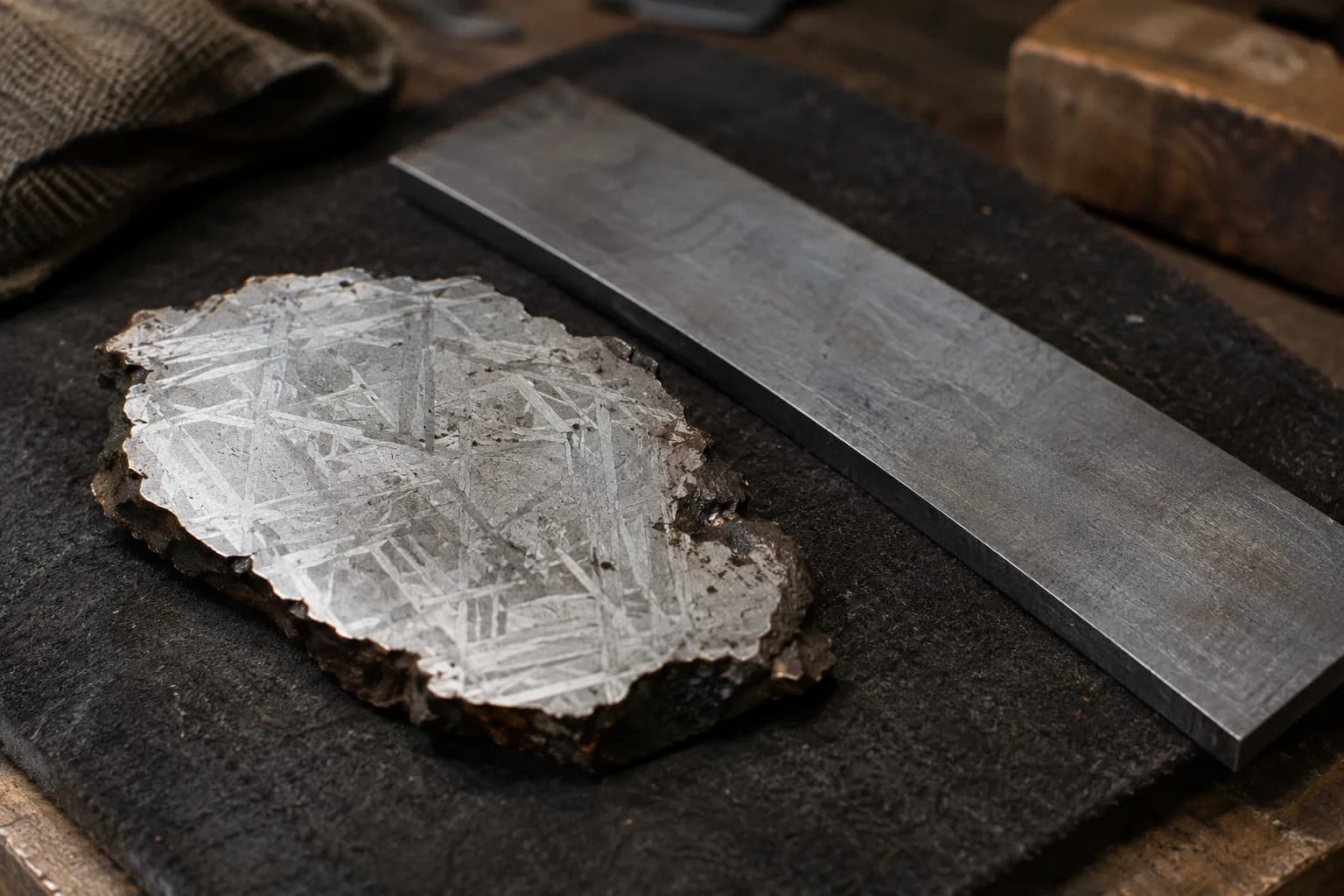
The two-sword doctrine itself is the practical takeaway fans already understand: different threats, different tools — the same logic as the whole geometry chart. Build the silver as decoration on steel bones, source a slice of meteorite when the commission justifies it, and let the fan leave knowing the real metallurgy was better than the myth: soft metals decorate, steel fights, and the sky really did send us our first swords.
Keep reading
Three more from the same bench.
Every fictional blade is a real design brief with the physics turned off. Turn the physics back on and something interesting happens: the analysis becomes…
George R.R. Martin settled the biggest question himself: Valyrian steel’s closest real-world analog, in his words, is Damascus steel. That one sentence…
Sword steel selection is knife steel selection with the priorities inverted: at three feet of lever arm, toughness is nearly everything and wear…
Same bench
I machine the parts, hand-assemble, track and test Torus grinders in Sterling, Illinois. Most orders ship in seven to ten business days from time of order.
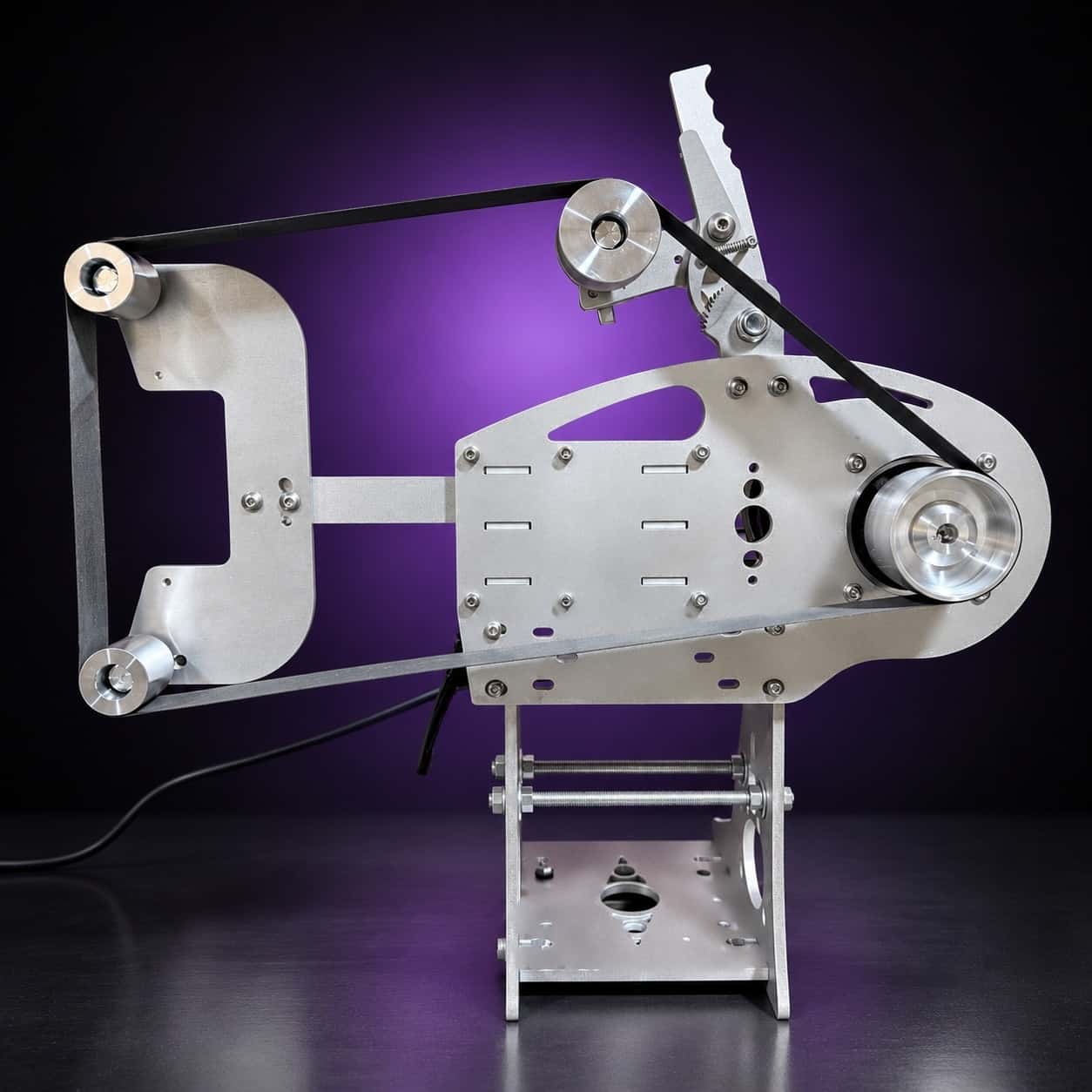
Current dual-axis platform with a fiber-laser-cut 6061 chassis and single-knob tracking.
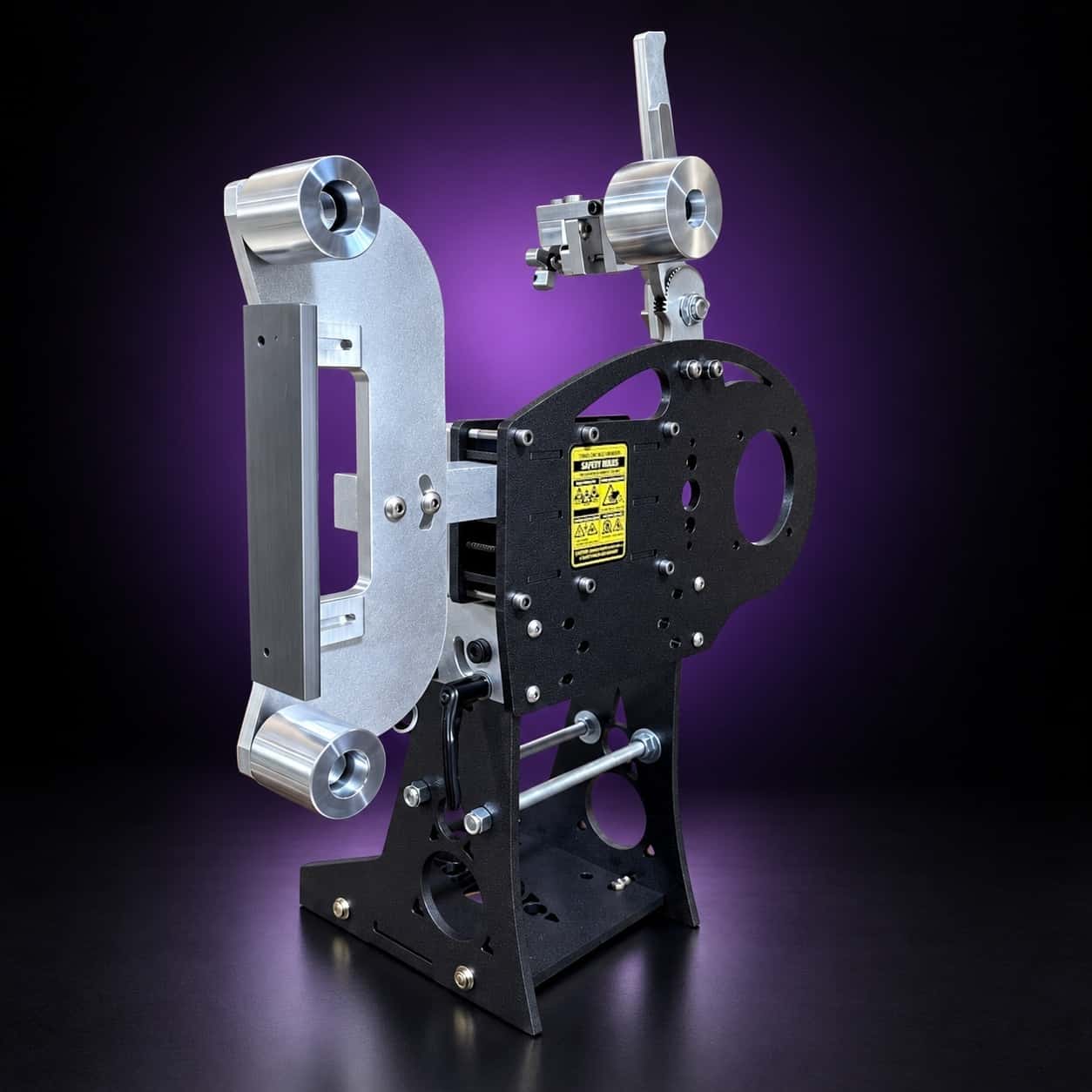
Current dual-axis platform with a steel chassis, more mass and less vibration.
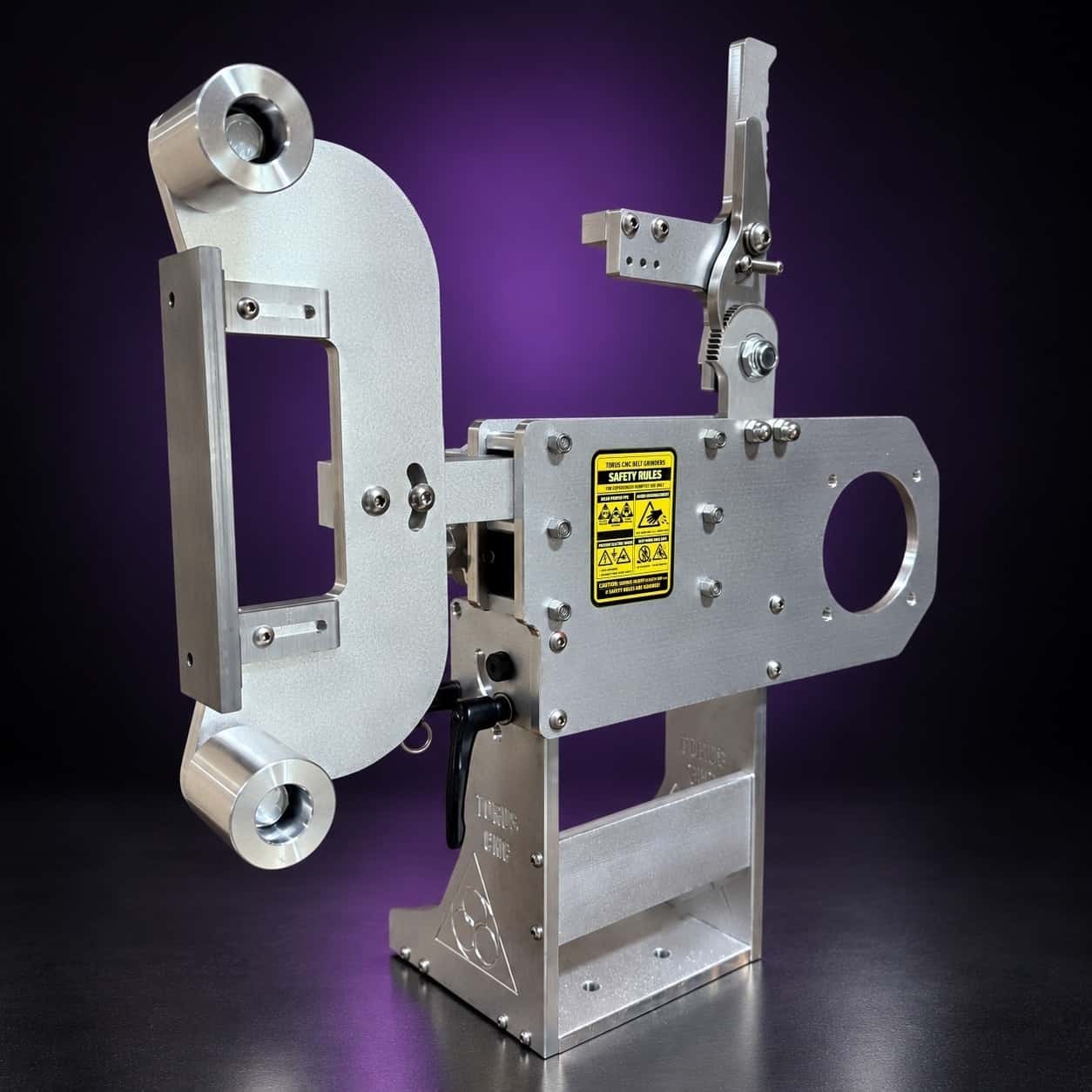
Prior-design aluminum chassis, 90-degree tilt and 1.5-inch tooling arms.
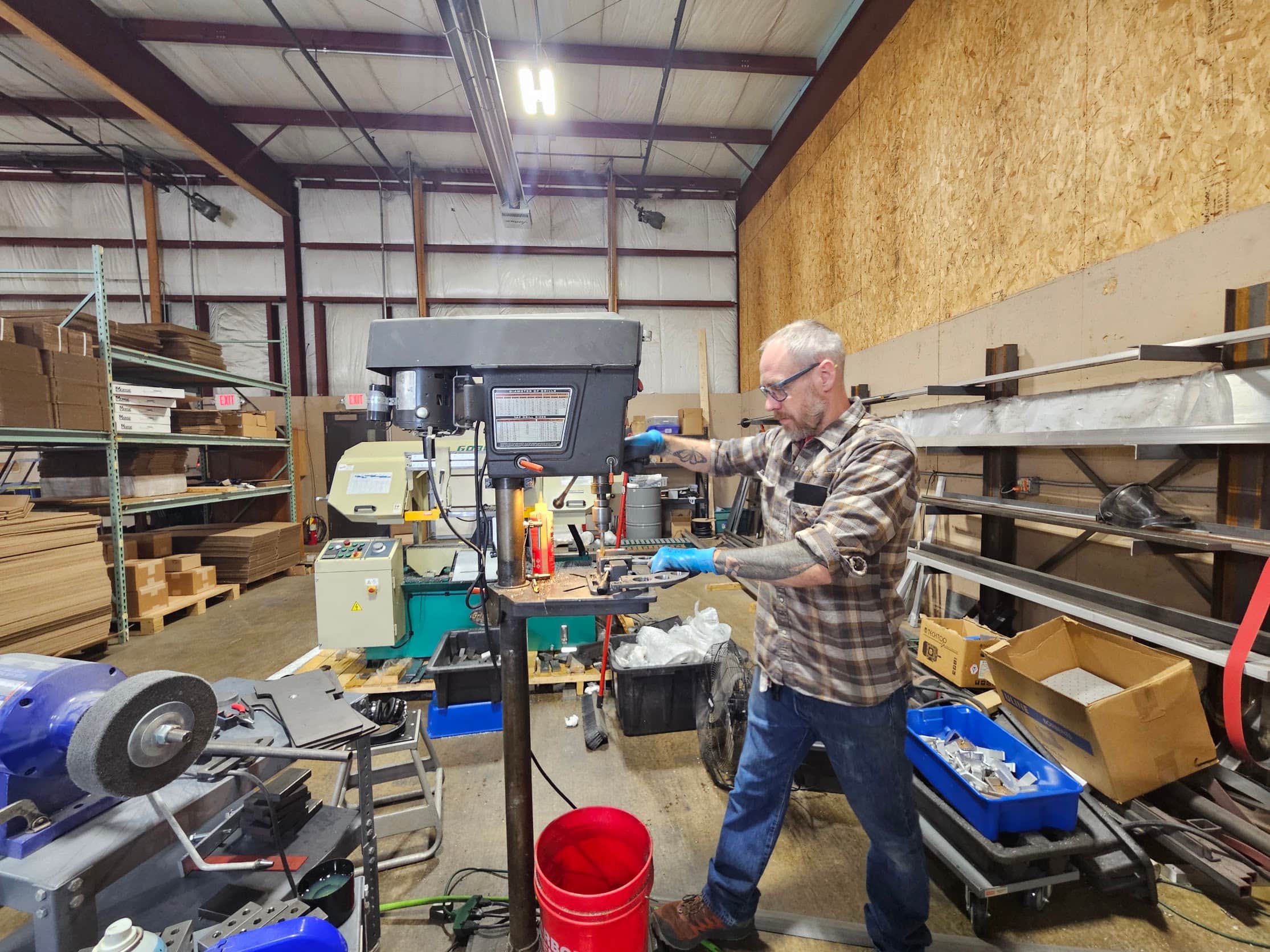
One-man shop
I answer my own email. Tell me the steel, the machine and what it is doing, and I will tell you what I would try next.