
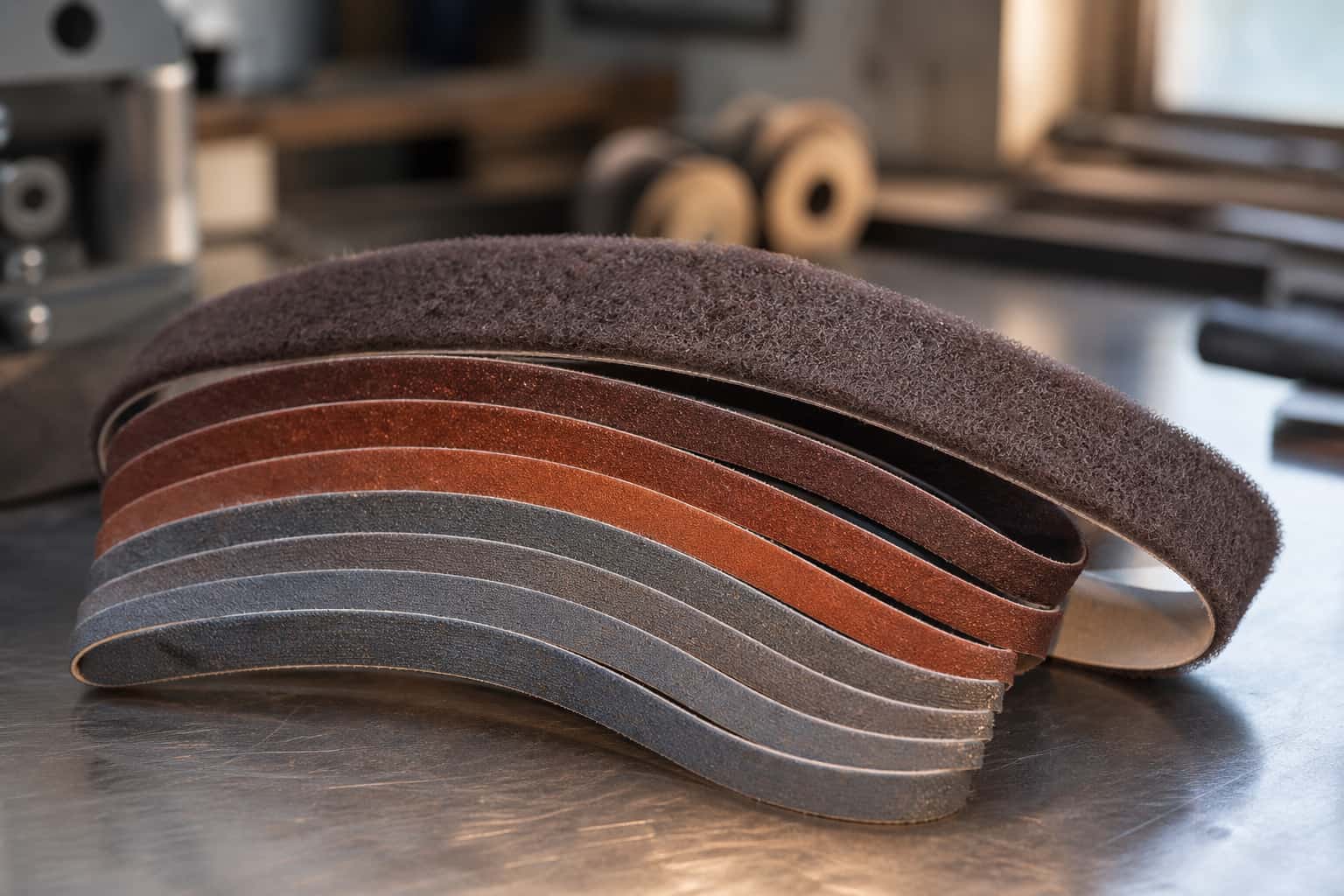
Abrasives
Grinding and Sharpening 14C28N: Belt Recommendations & Technique
14C28N is the stainless that grinds like it read the manual. Fine carbides mean ceramic belts cut it instead of fighting it, it finishes cleanly, and it…
Knife steel
Sandvik's razor-lineage stainless, designed with Kershaw: AEB-L's fine-carbide toughness with nitrogen chemistry that delivers the best corrosion resistance in the budget class. Run soft in factories, outstanding at a maker's 61–62 HRC — the thinking maker's budget stainless.
Also known as
At a glance
The four meters are relative to the rest of the database. Composition is the published nominal analysis, not a mill certificate for your bar.
Working properties
family successor to 13C26 (itself AEB-L's twin).
nitrogen substitutes for carbon to boost corrosion resistance without coarse carbides
Kitchen knives, EDC folders, fillet and bird-and-trout knives, salt-air and waterside blades, and a first stainless for makers moving up from carbon steel. Anywhere a tough, easy-care, easy-sharpening edge beats maximum wear resistance.
At the bench
Open the property you are worried about. Every note is written for the blade in your hand, not for a spec sheet.
The full reference
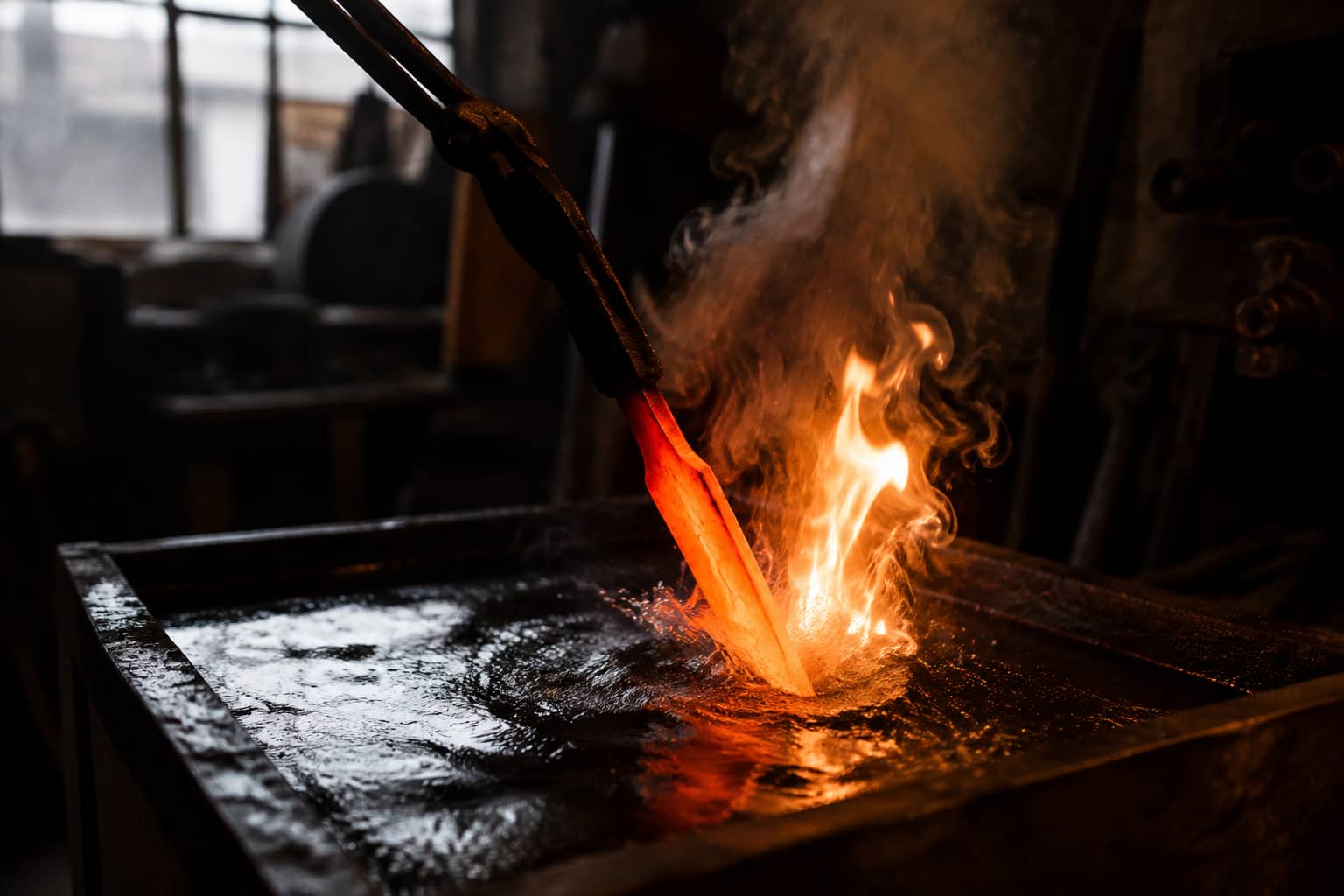
14C28N is what happened when Sandvik took their razor steel lineage and fixed the rust. Developed with Kershaw for production folders, it keeps the fine-carbide structure that makes AEB-L the toughness king of affordable stainless, then swaps a little carbon for nitrogen — buying noticeably better corrosion resistance without the big chromium carbides that make lesser budget stainless steels chip and grind like glass. Factory knives run it soft; makers who push it to 61–62 HRC find one of the best value-for-performance stainless steels ever offered.
One of the best budget stainless choices there is. Toughness at the top of the stainless class alongside AEB-L, corrosion resistance the best of that family, a fine keen edge, and easy grinding and finishing. Its one honest weakness is wear resistance — with no vanadium carbides it will not hold a working edge like the powder steels, though it sharpens back in moments.
Chemistry-wise, nitrogen and a touch more chromium. AEB-L runs slightly tougher and can be pushed a point harder; 14C28N stains meaningfully less — it was literally engineered for wet razor duty. For a kitchen knife that lives rinsed-and-wiped, that margin matters. Full breakdown in our 14C28N vs AEB-L comparison.
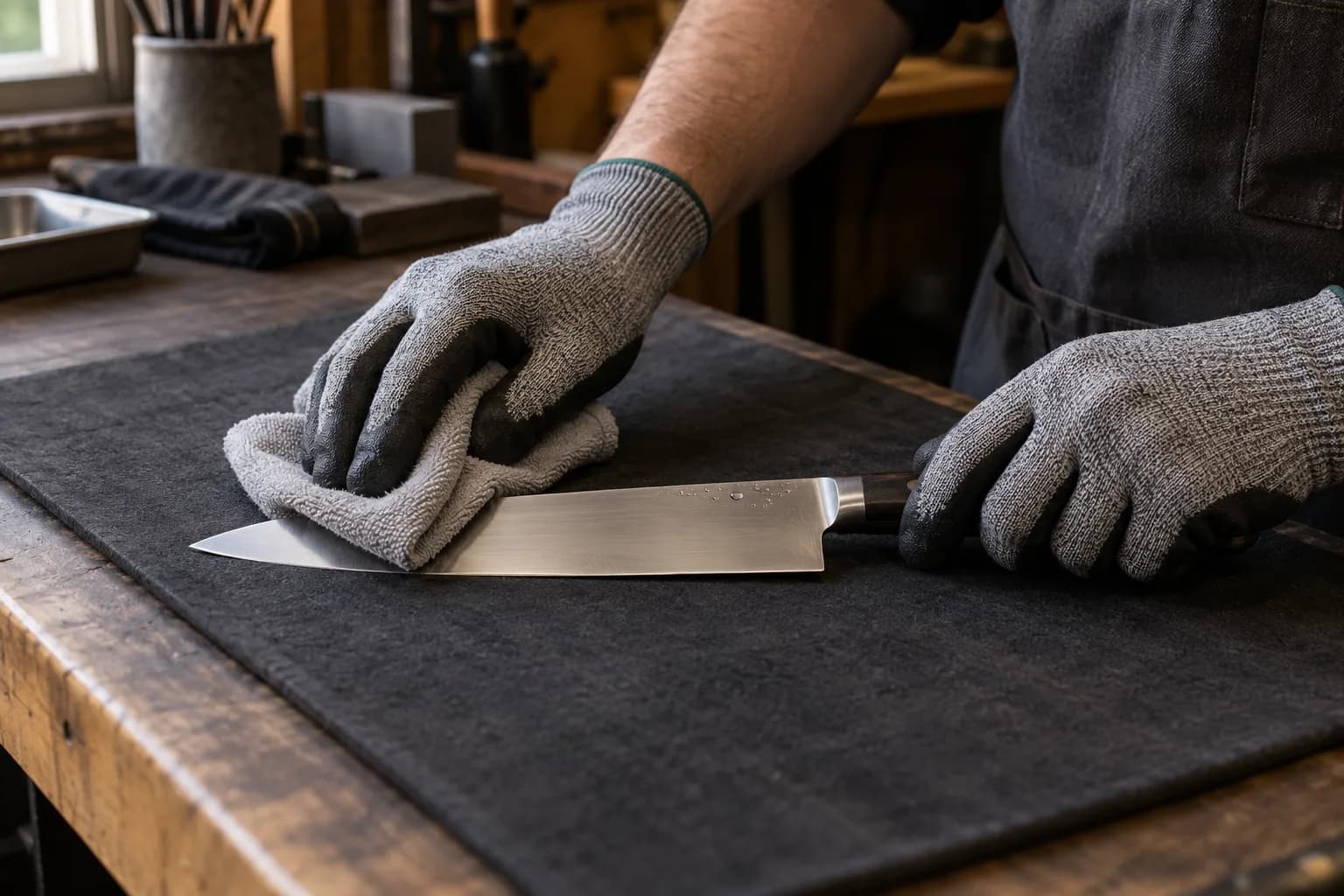
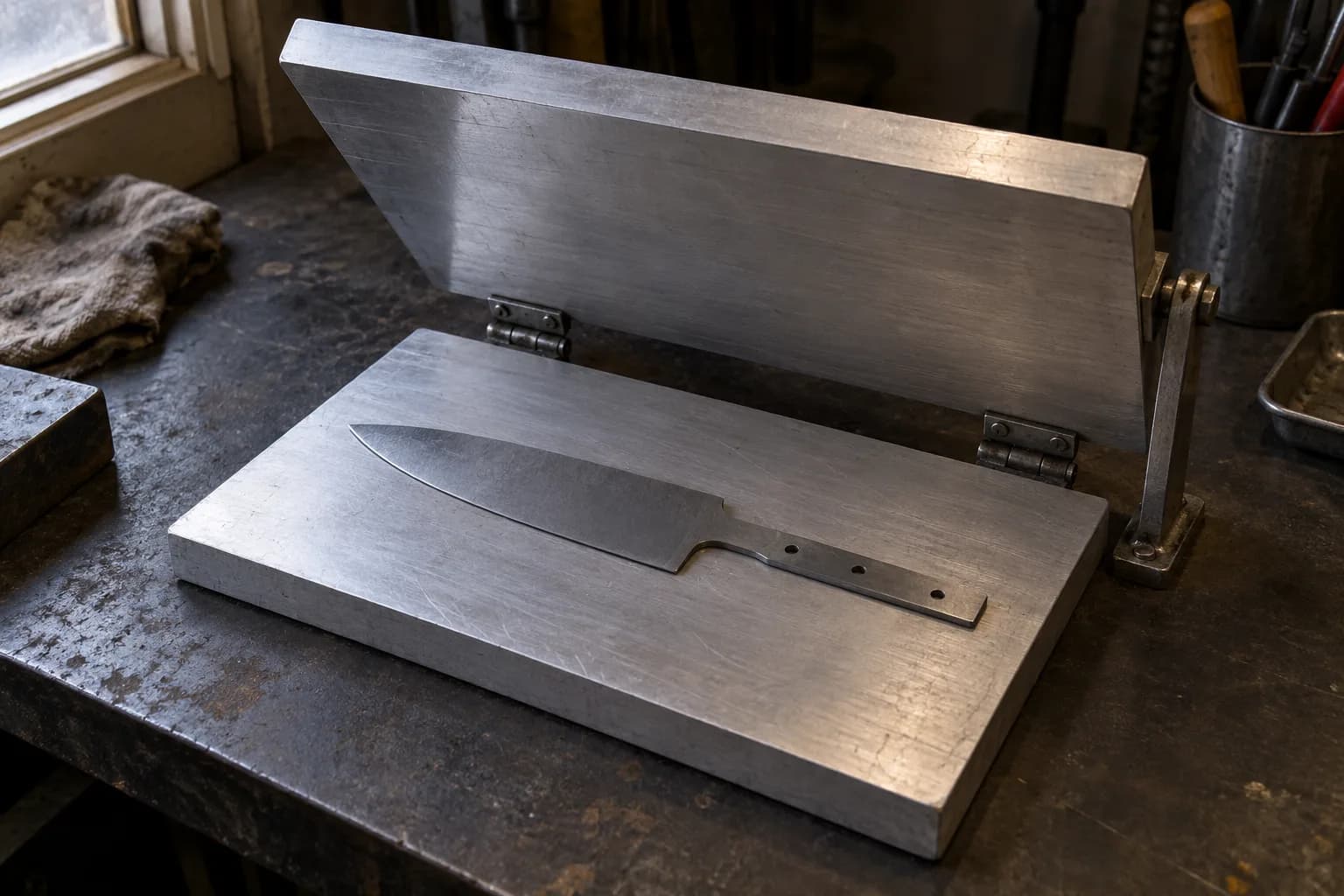
Austenitize at 1950°F for 10–15 minutes, plate quench between aluminum plates, then a cold step — a household freezer helps, liquid nitrogen is better — to convert retained austenite. Temper twice at 300–350°F for 60–62 HRC. Skip the cold step and expect to give back a point or two of hardness.
Production lines temper to 58–60 HRC for warranty margins, and the steel’s budget reputation was built there. At 61–62 with a proper cryo step its edge retention improves markedly while the toughness headroom keeps it far from brittle — the maker’s version is simply a better knife than the factory version. The tradeoff logic lives in Why Hardness Matters.
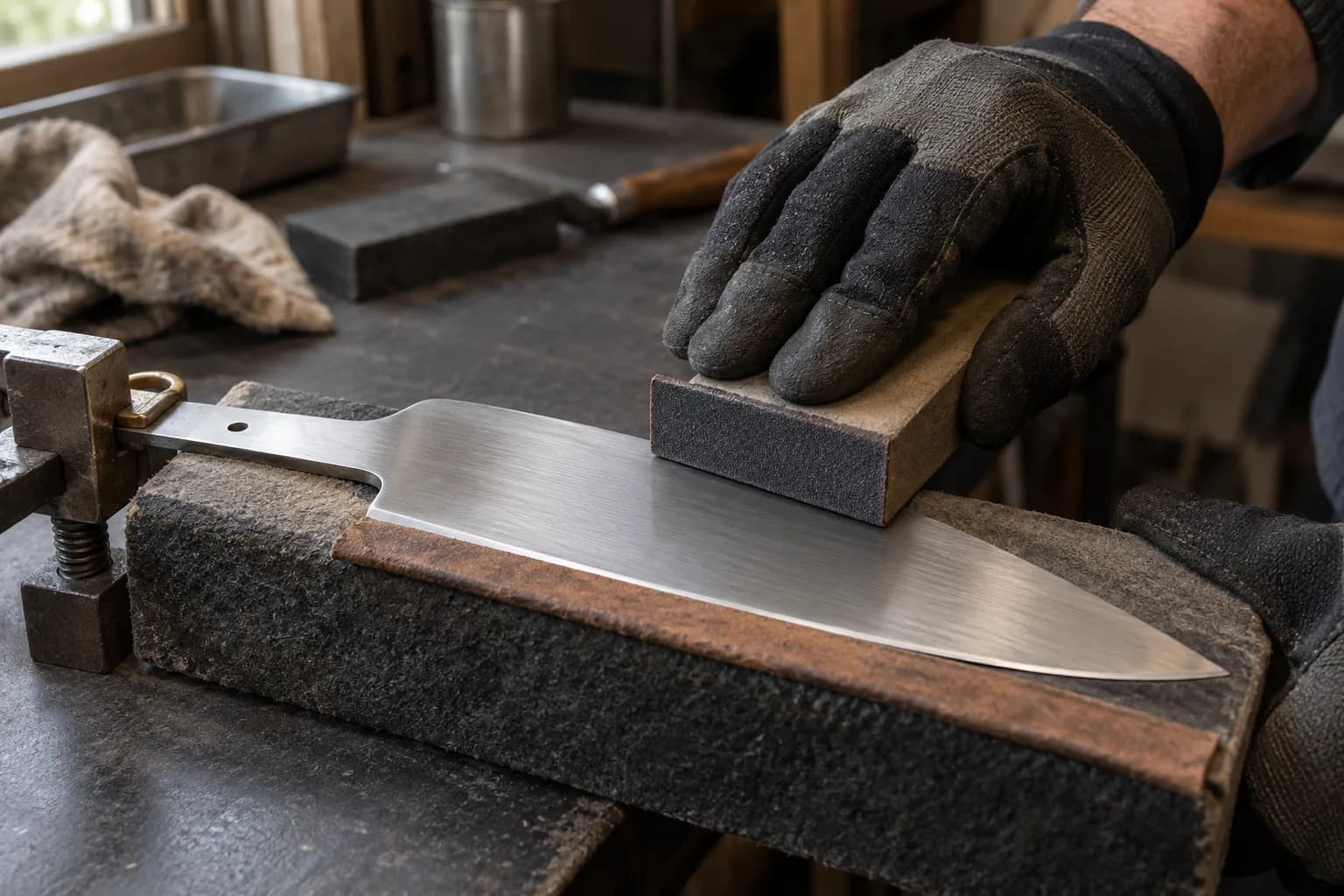
No — it is one of the friendliest stainless steels on a belt. Fine carbides mean ceramic belts cut it cleanly, it hand-sands to a respectable finish for a stainless, and it takes a crisp edge on ordinary stones. See our grinding and sharpening guide.
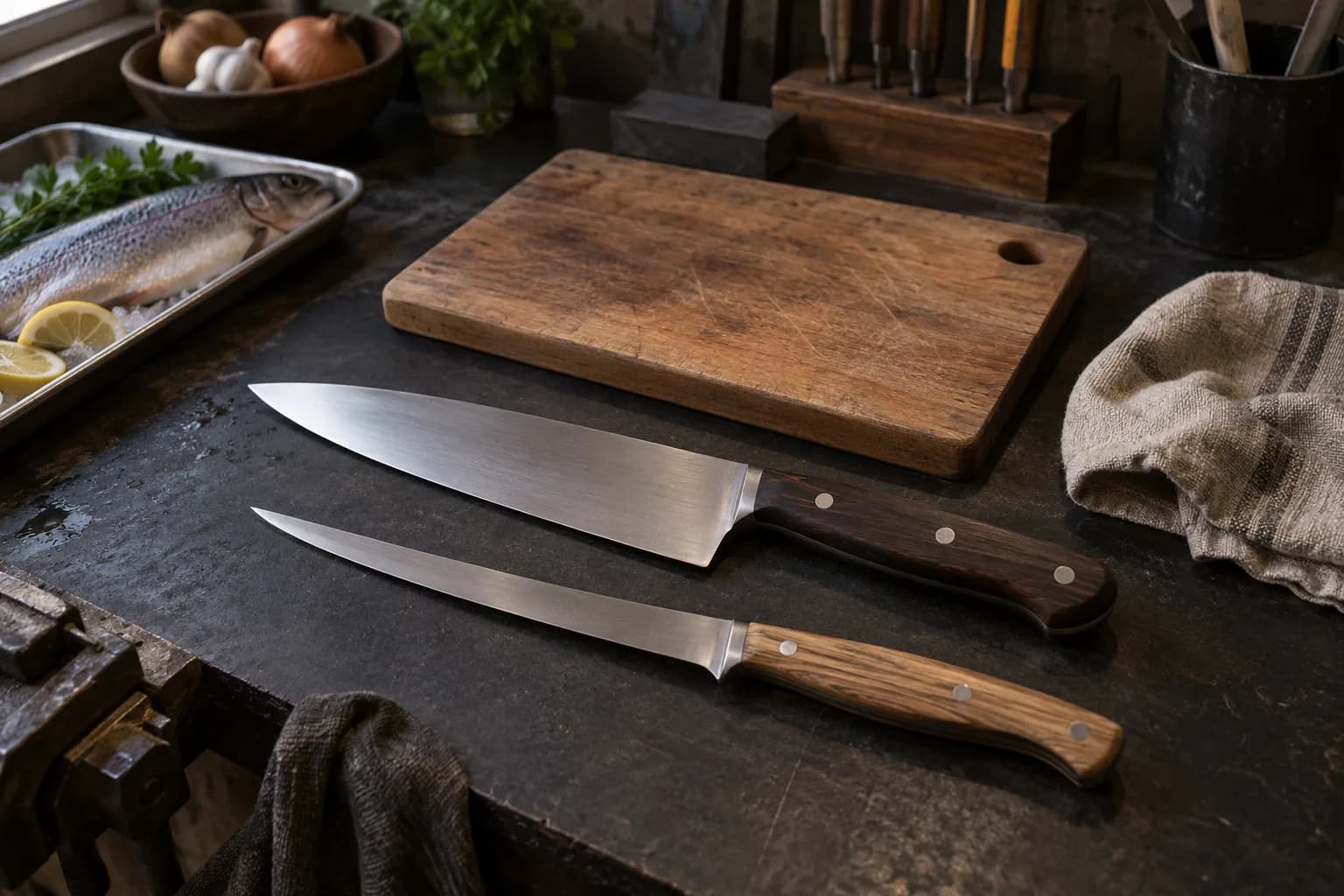
Kitchen knives above all — toughness for thin edges, stain resistance for the sink — plus EDC folders, fillet knives and anything that lives near water. It is also a forgiving first stainless for a maker stepping up from carbon steel.
Head to head
Every matchup 14C28N appears in, dimension by dimension.
Keep reading
14C28N is the stainless that grinds like it read the manual. Fine carbides mean ceramic belts cut it instead of fighting it, it finishes cleanly, and it…
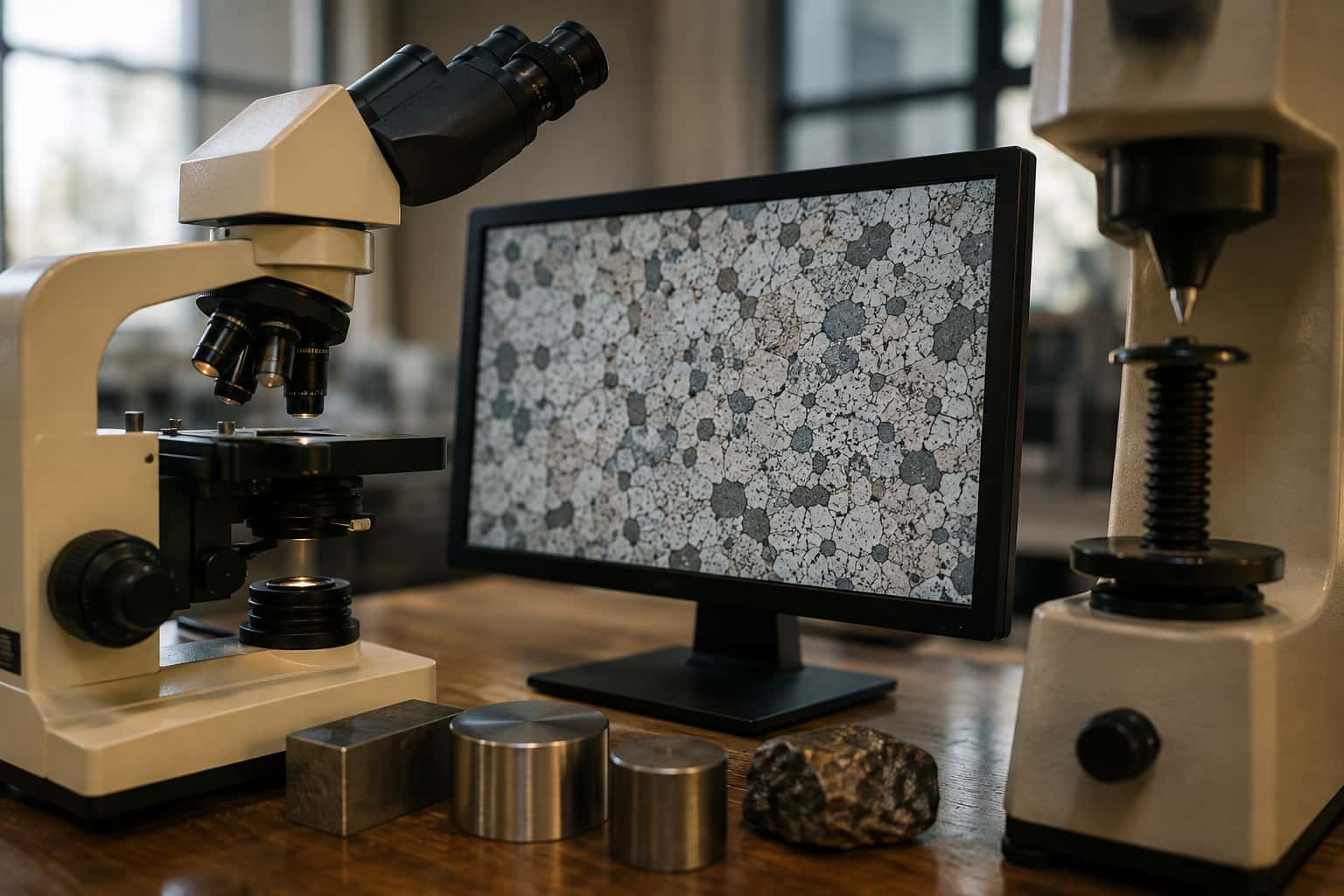
Every knife steel is iron plus a specific recipe of other elements, and each of those elements pulls the steel’s behavior in a particular direction…
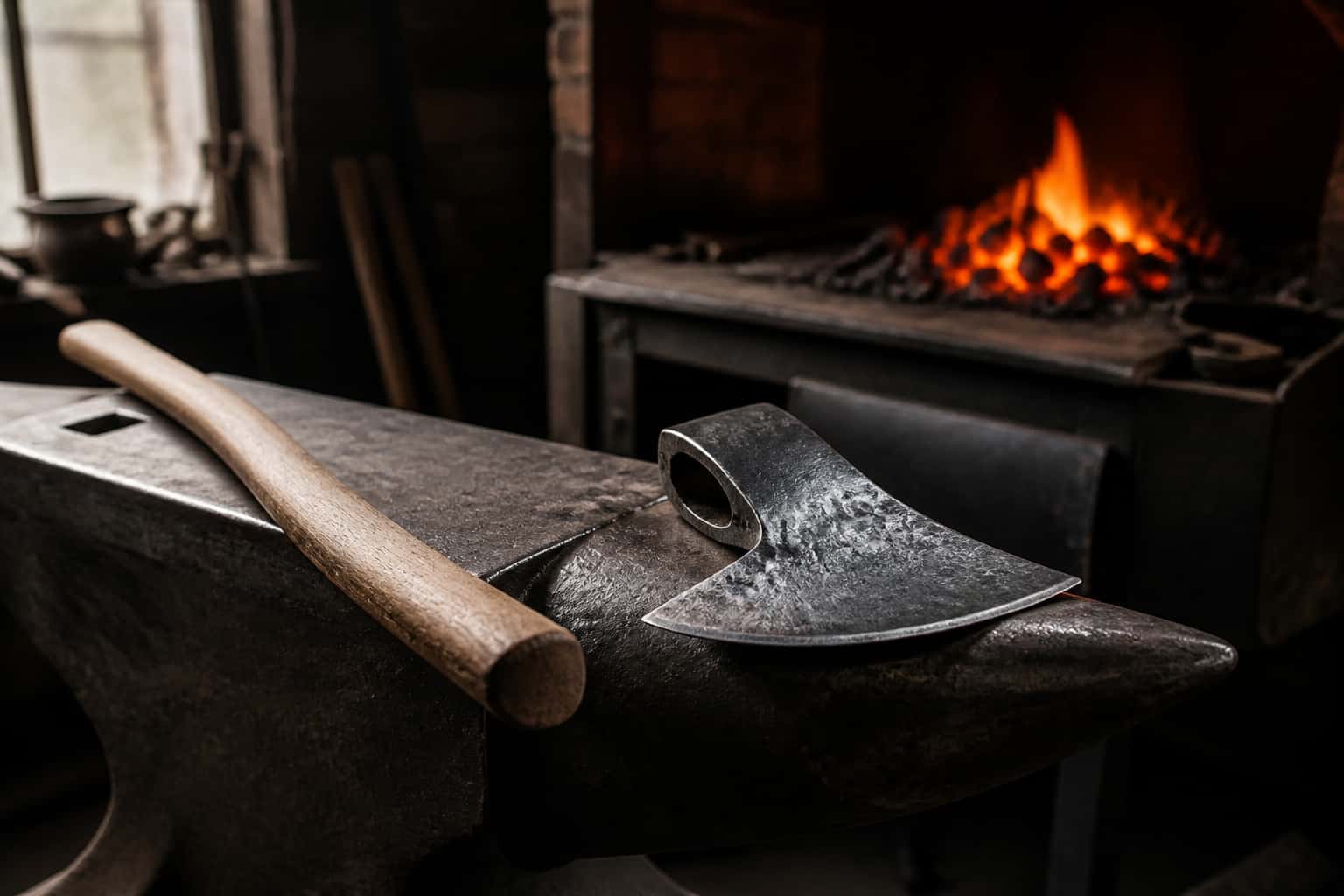
Two steels with similar hardness numbers can feel completely different under a sharpening stone, one glides along smoothly, another feels like it’s…
Same bench
Whatever the steel, the grind is only as flat as the platen behind it. I machine the parts, hand-assemble and test Torus grinders in Sterling, Illinois.
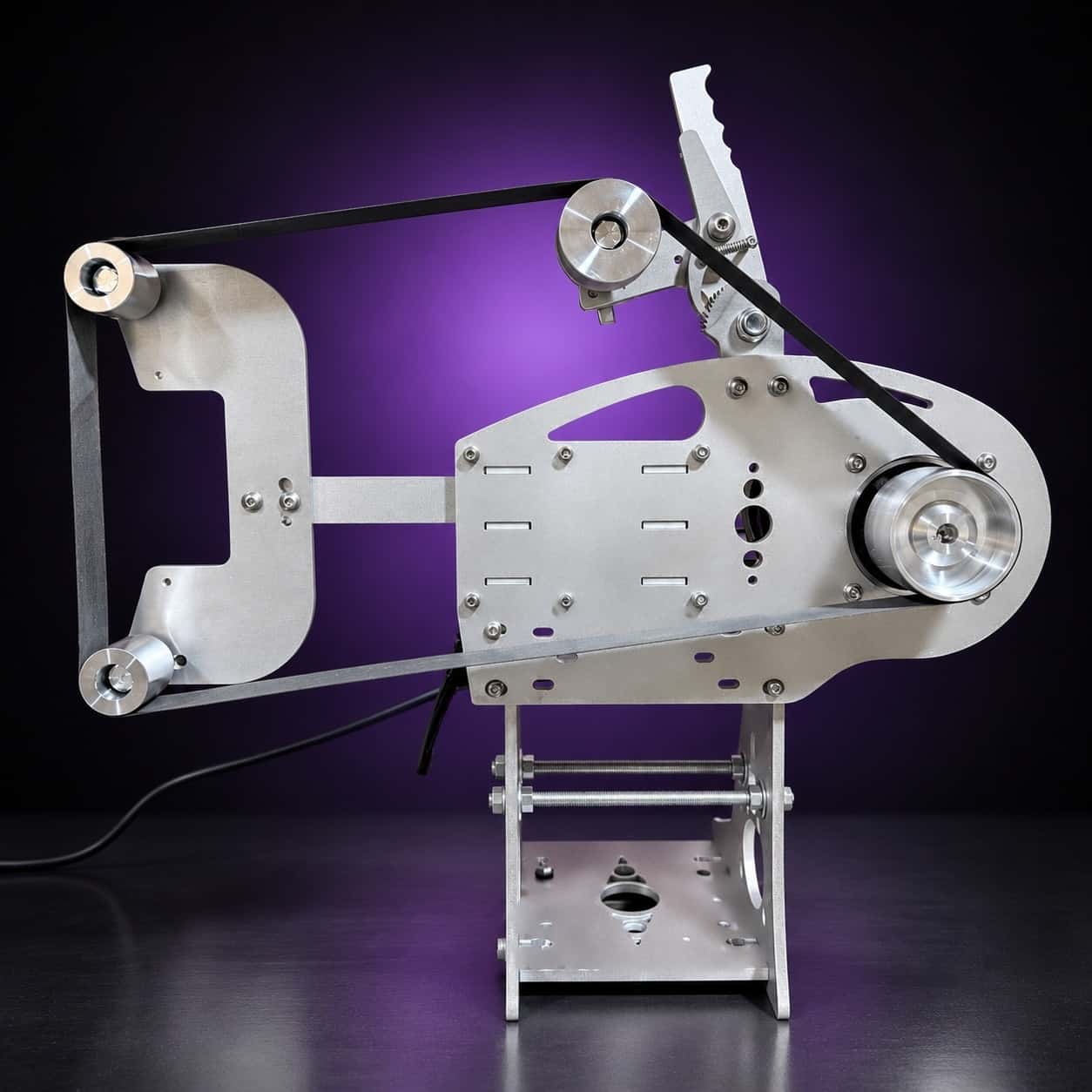
Current dual-axis platform with a fiber-laser-cut 6061 chassis and single-knob tracking.
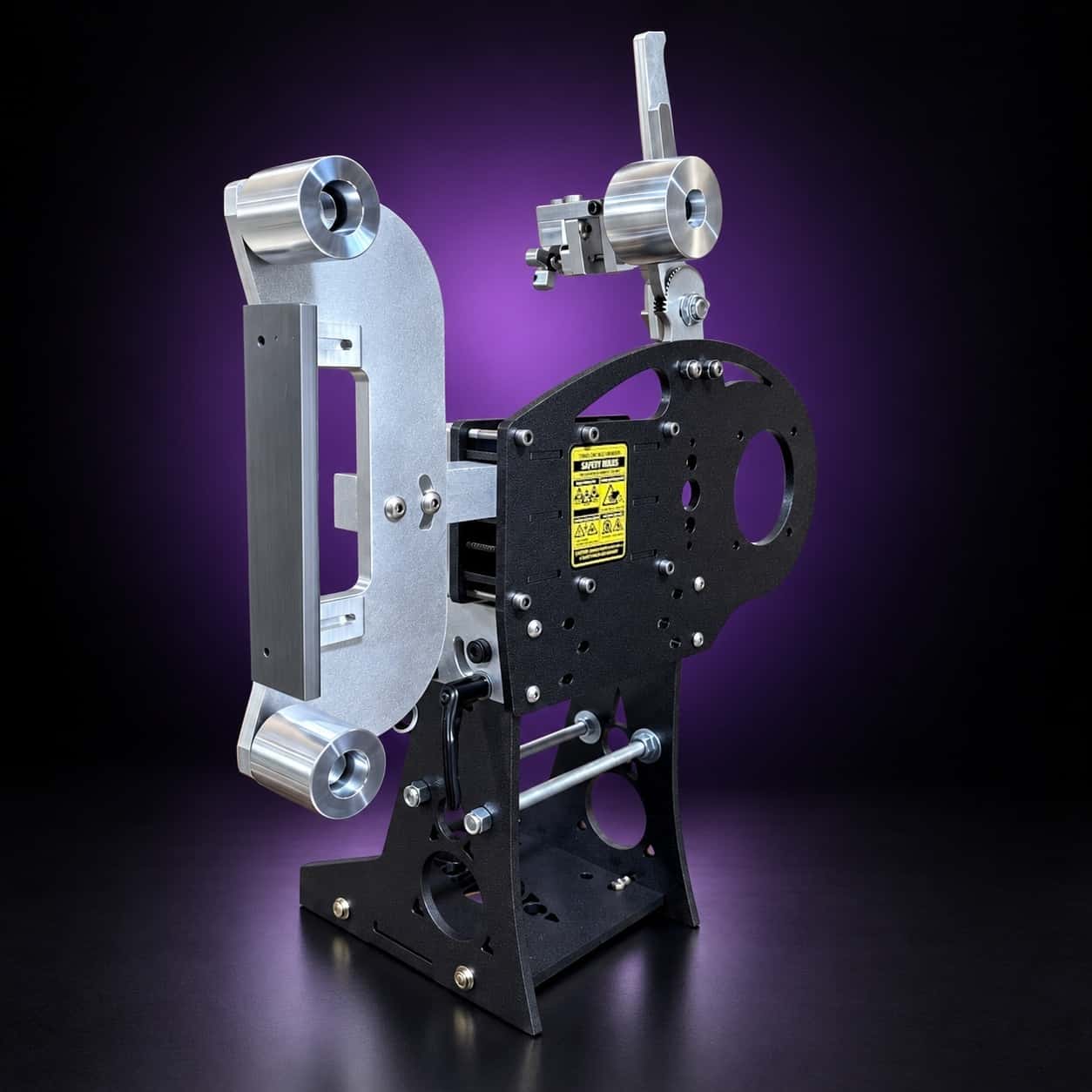
Current dual-axis platform with a steel chassis, more mass and less vibration.
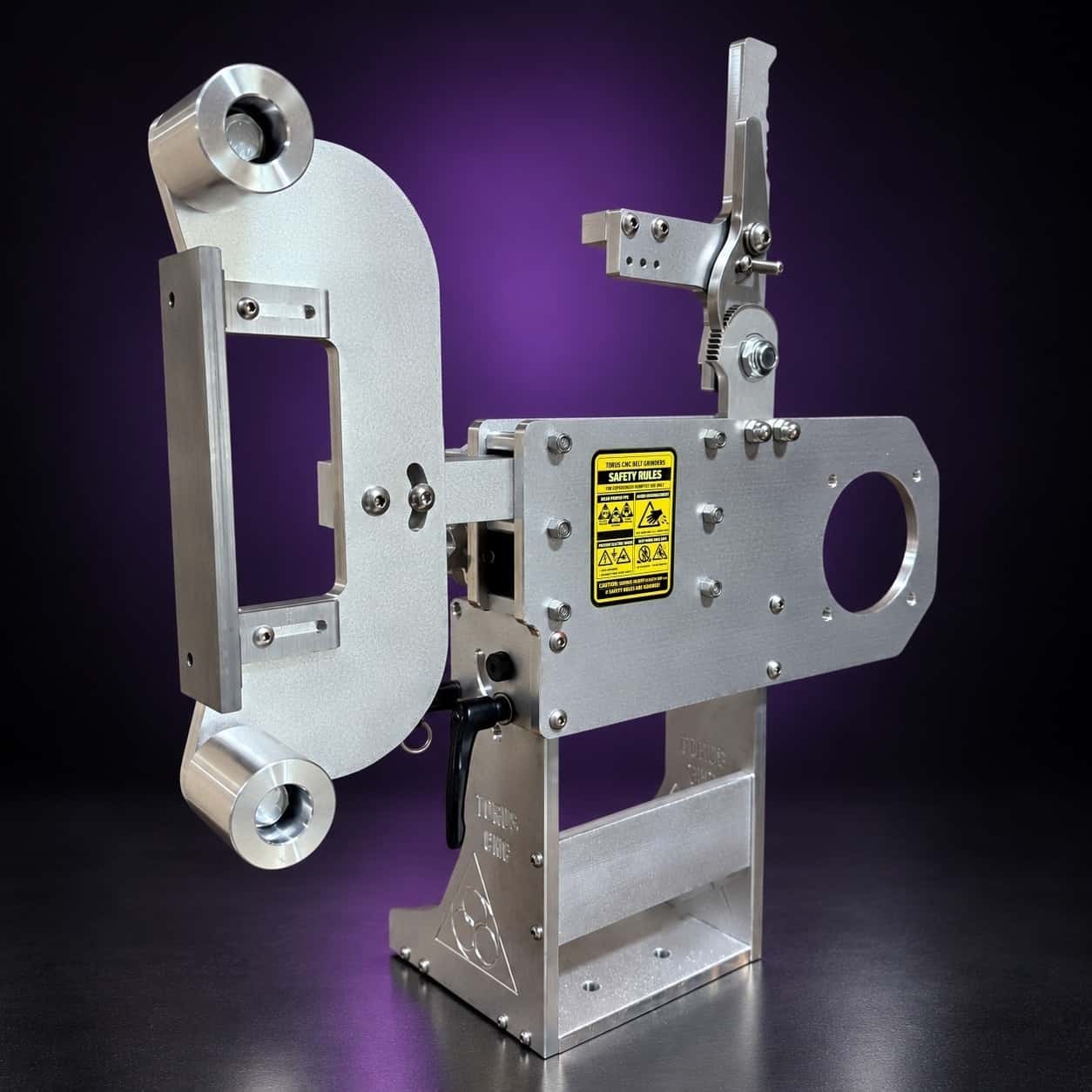
Prior-design aluminum chassis, 90-degree tilt and 1.5-inch tooling arms.
One-man shop
Tell me what the blade is for and how you heat treat. I will tell you whether this is the steel I would use, and what I would use instead.