
Abrasives
Belt Buyer’s Guide: Which Abrasives to Actually Buy
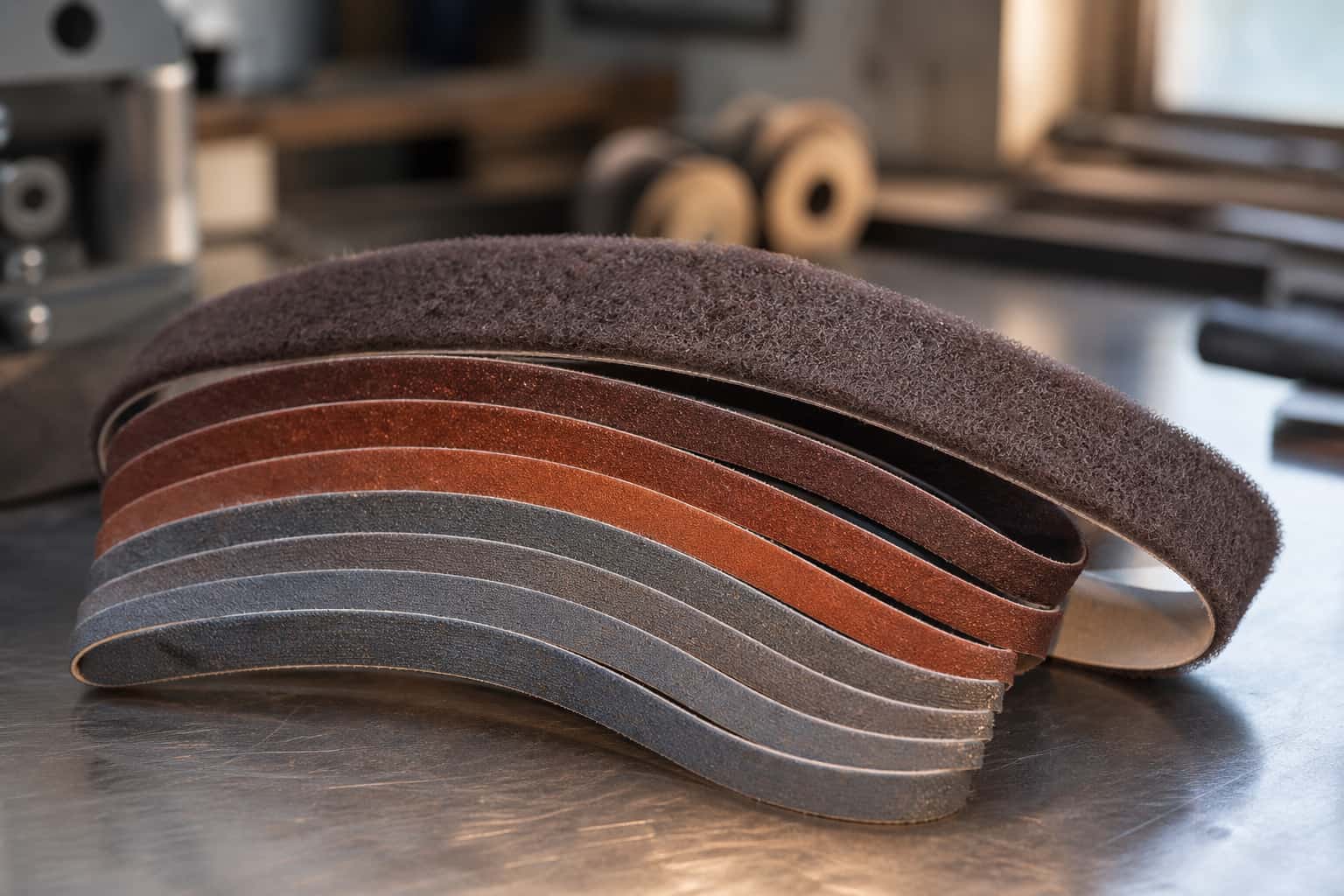
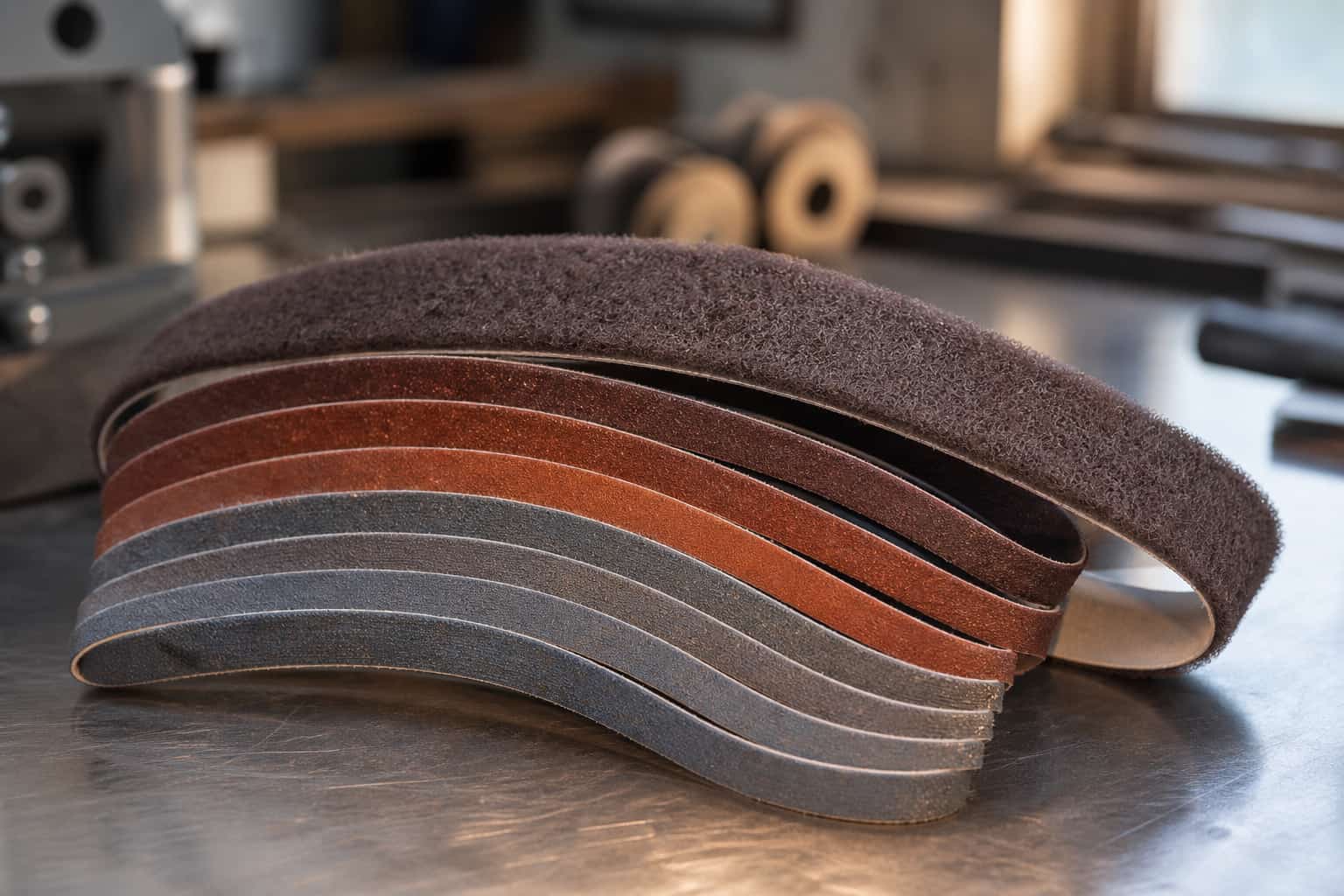
Belts are the single biggest recurring cost in this hobby, and buying the wrong ones wastes money twice: once on belts that wear out fast, and again on…
Abrasives
Every major 2x72 attachment explained - platens, contact wheels, small wheels, work tables - what each does, what to buy first, and why 1.5-inch arms rule.
2 min readWritten by Rich LinvilleFree to read
A 2×72 out of the box is a platform; the attachments are the machine. Every serious grinder task — flat bevels, hollow grinds, fullers, handle curves, repeatable angles — belongs to a specific attachment, and knowing which is which turns one machine into six. Here is the complete map, with the buying order that makes sense.
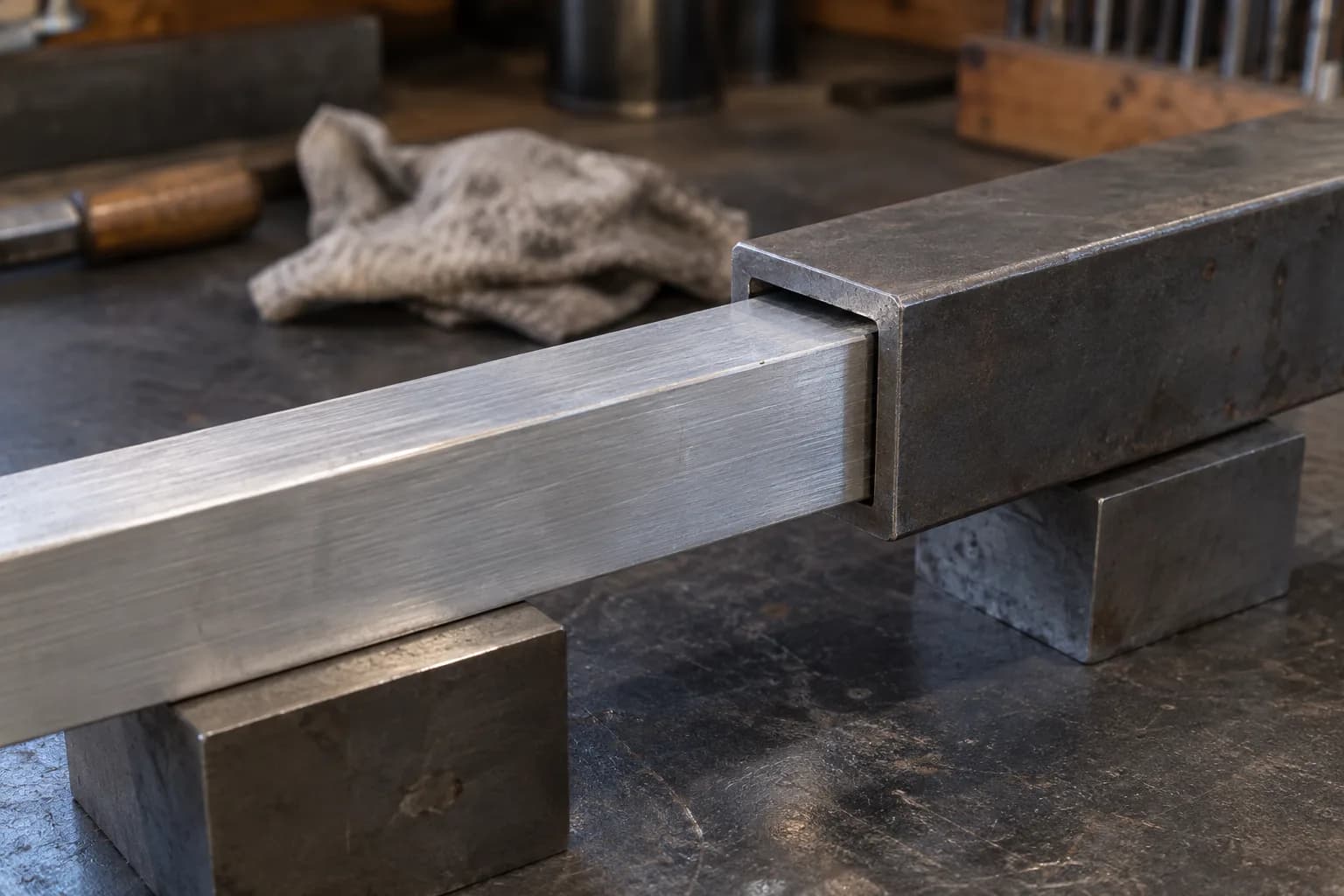
The whole system runs on the industry-standard 1.5″ square tooling arm: every attachment lives on its own arm, and changing setups means sliding one arm out and the next one in — seconds, not wrenches. Every Torus ships compatible, spare 17″ solid aluminum arms run $89, and a 3-pack of tension knobs keeps every station clamp-ready. The practical upgrade path is simply: one arm per attachment you own, so nothing gets unbolted twice.
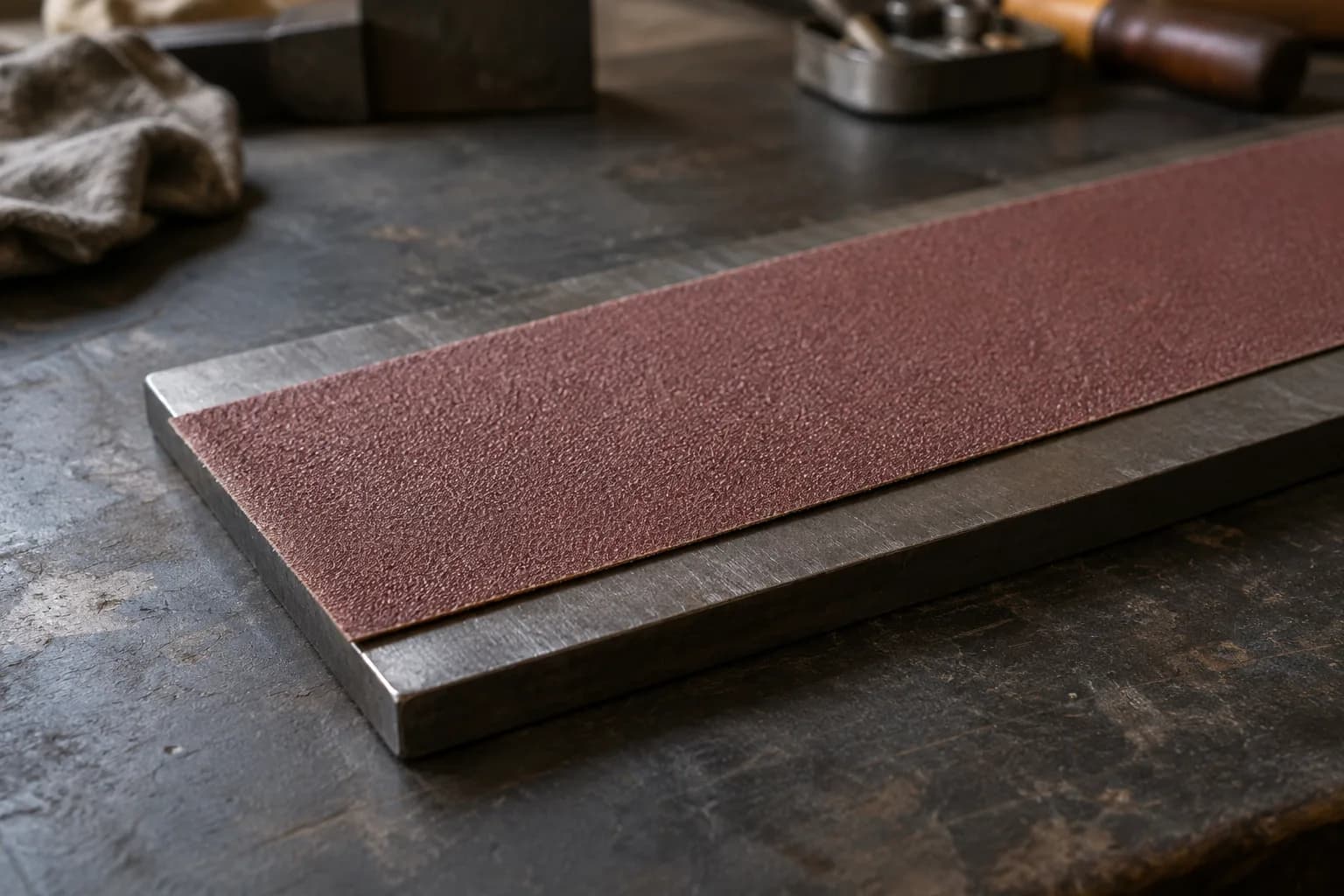
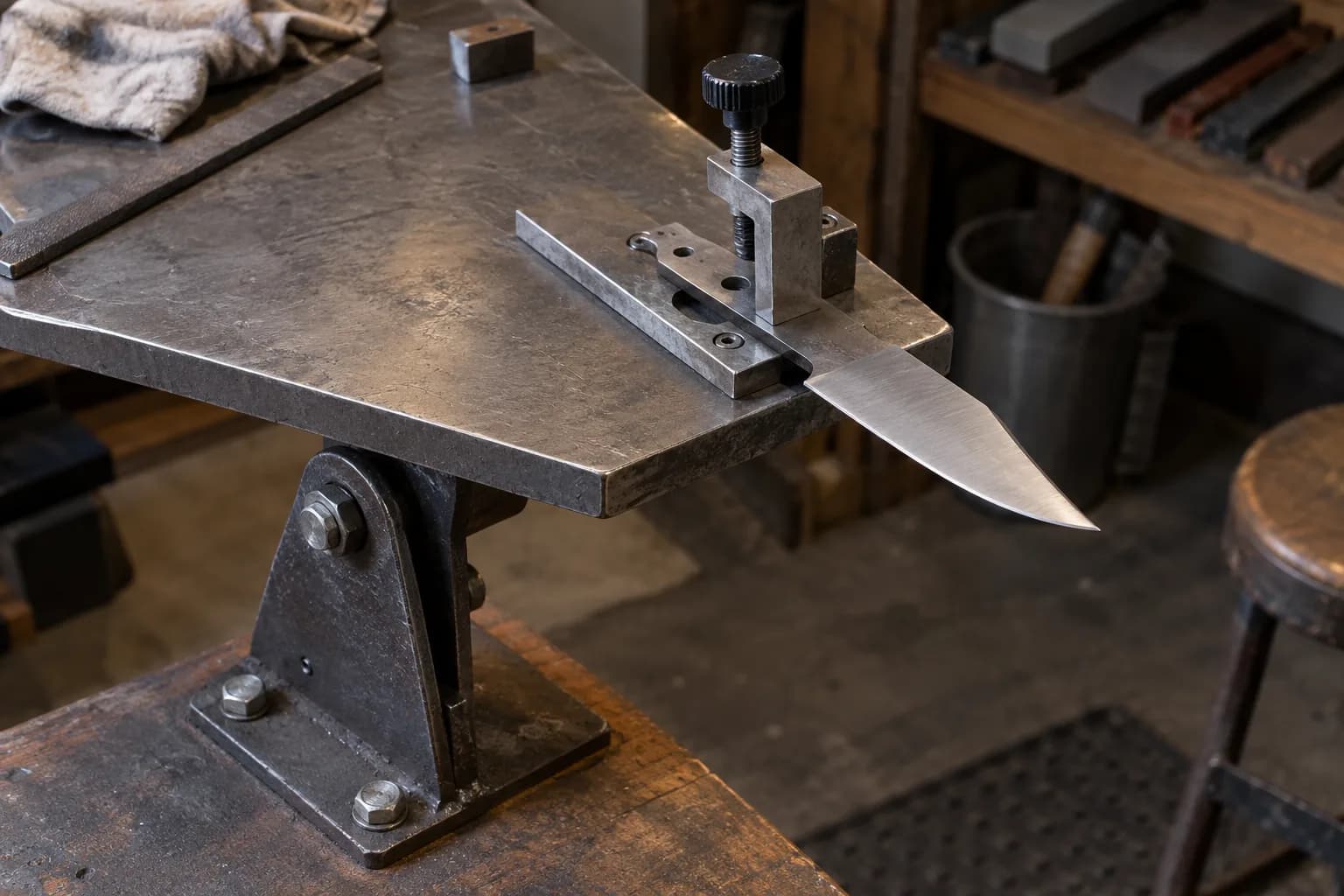
The platen is the flat steel backing behind the belt — the reference surface for every flat and sabre grind, which makes it the attachment 90% of knife grinding happens against. A deep slack-belt flat platen does double duty: belt against the platen for dead-flat bevels, belt run slack above it for convex edges and eased spines. Glass or ceramic platen liners are the classic wear upgrade; a 2″ rubber wheel set keeps the belt path smooth.
A contact wheel replaces the flat reference with a radiused one — the geometry behind every hollow grind, from razor cheeks to classic hunters. Diameter sets the hollow’s sweep and durometer sets the bite; the full theory lives in Contact Wheels Explained. It is also the fastest steel-hogging setup on the machine, which is why production shops keep one permanently armed.
The small wheel attachment carries interchangeable wheels down to fingertip diameters — the only way to grind finger choils, fullers, inside curves, and the tomahawk beards and hawk eyes this site keeps sending you toward. The small wheel guide covers technique; once you own one you will wonder how anything got finished without it.
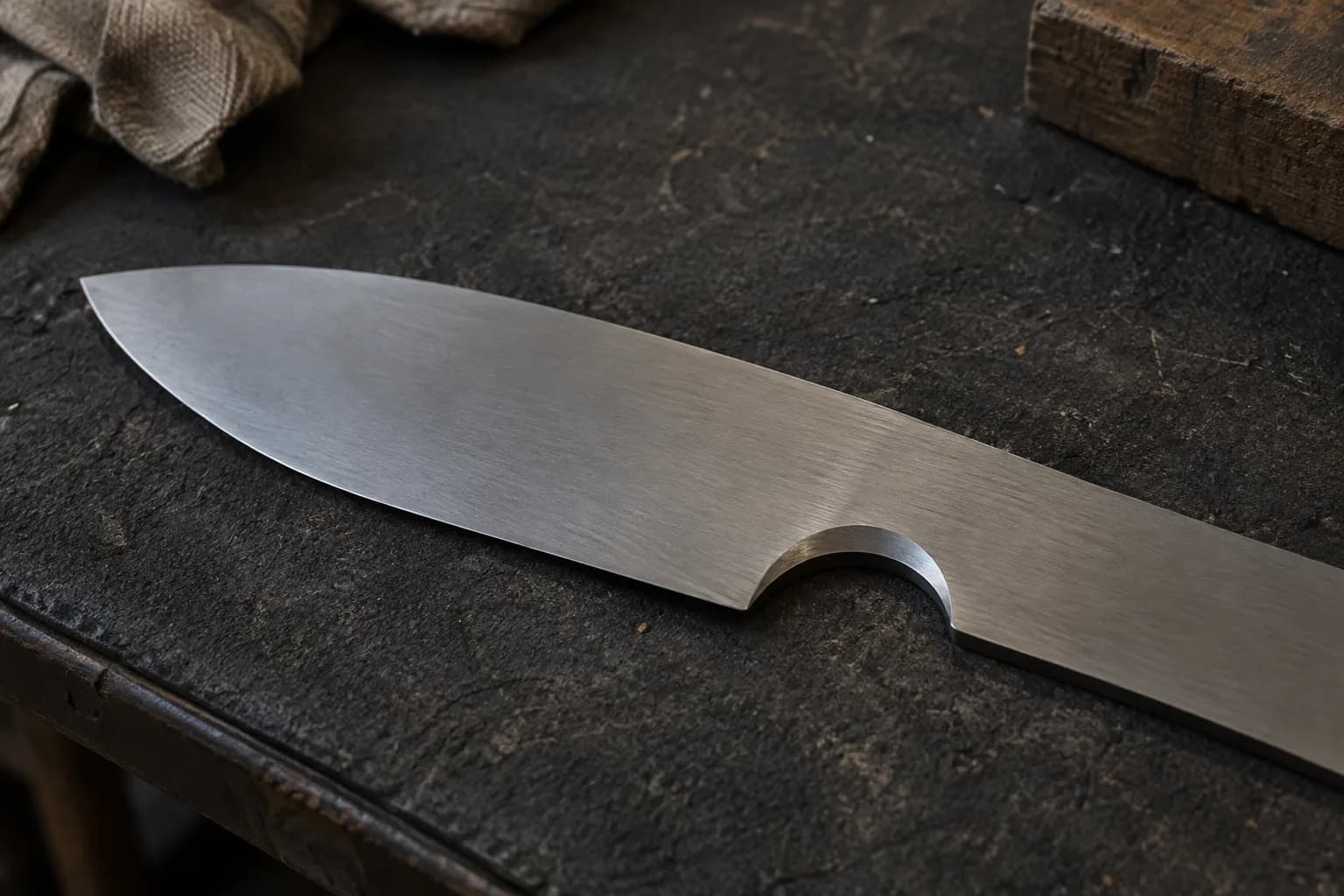
Freehand skill is real, but repeatable angles come from reference surfaces: the adjustable 6×16 work table gives blades a registered platform for consistent bevels, square plunges, and jig work — the difference between forty matching booth daggers and forty arguments, per Work Rests and Jigs.
Drive wheels (4″ or 7″) set your belt speed for a given motor RPM — the 7″ runs ~75% faster at the same RPM, per the belt speed calculator — and the Motor & VFD combo makes the whole chart adjustable, per the motor guide.
The honest order for a knifemaker: flat platen (it ships with your Torus), then the work table, then the small wheel, then the contact wheel, then spare arms so nothing swaps. Buy the attachment your current project keeps wishing for — that wish is the roadmap.
Keep reading
Three more from the same bench.
Belts are the single biggest recurring cost in this hobby, and buying the wrong ones wastes money twice: once on belts that wear out fast, and again on…
Sharpening is where knifemaking gets humbled: you can grind a flawless blade and still hand someone a knife that won’t slice paper. The good news …
ForgeBrain has grown past 180 guides, which is wonderful for depth and terrible for knowing where to start. This page is the fix: the whole craft as one…
Same bench
I machine the parts, hand-assemble, track and test Torus grinders in Sterling, Illinois. Most orders ship in seven to ten business days from time of order.
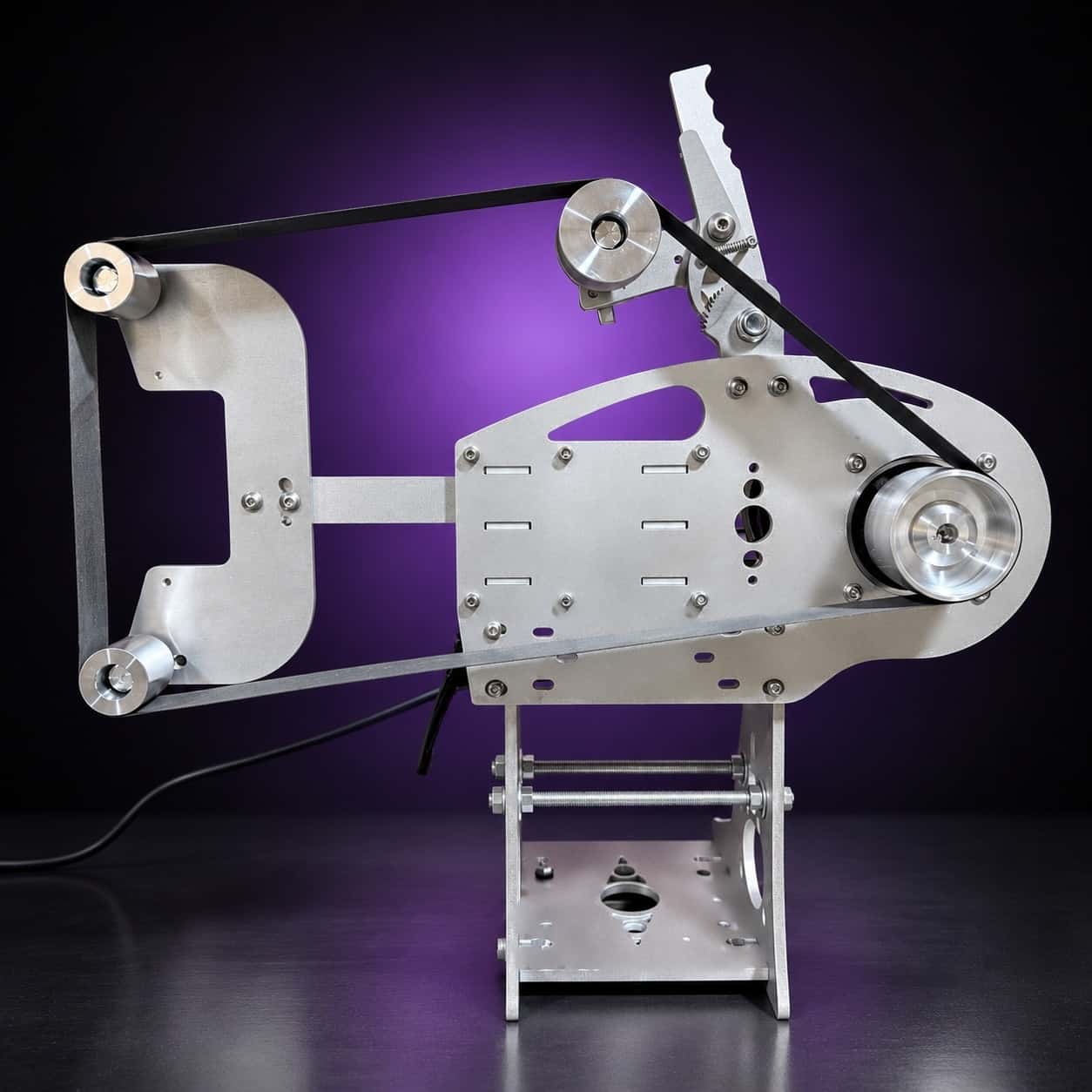
Current dual-axis platform with a fiber-laser-cut 6061 chassis and single-knob tracking.
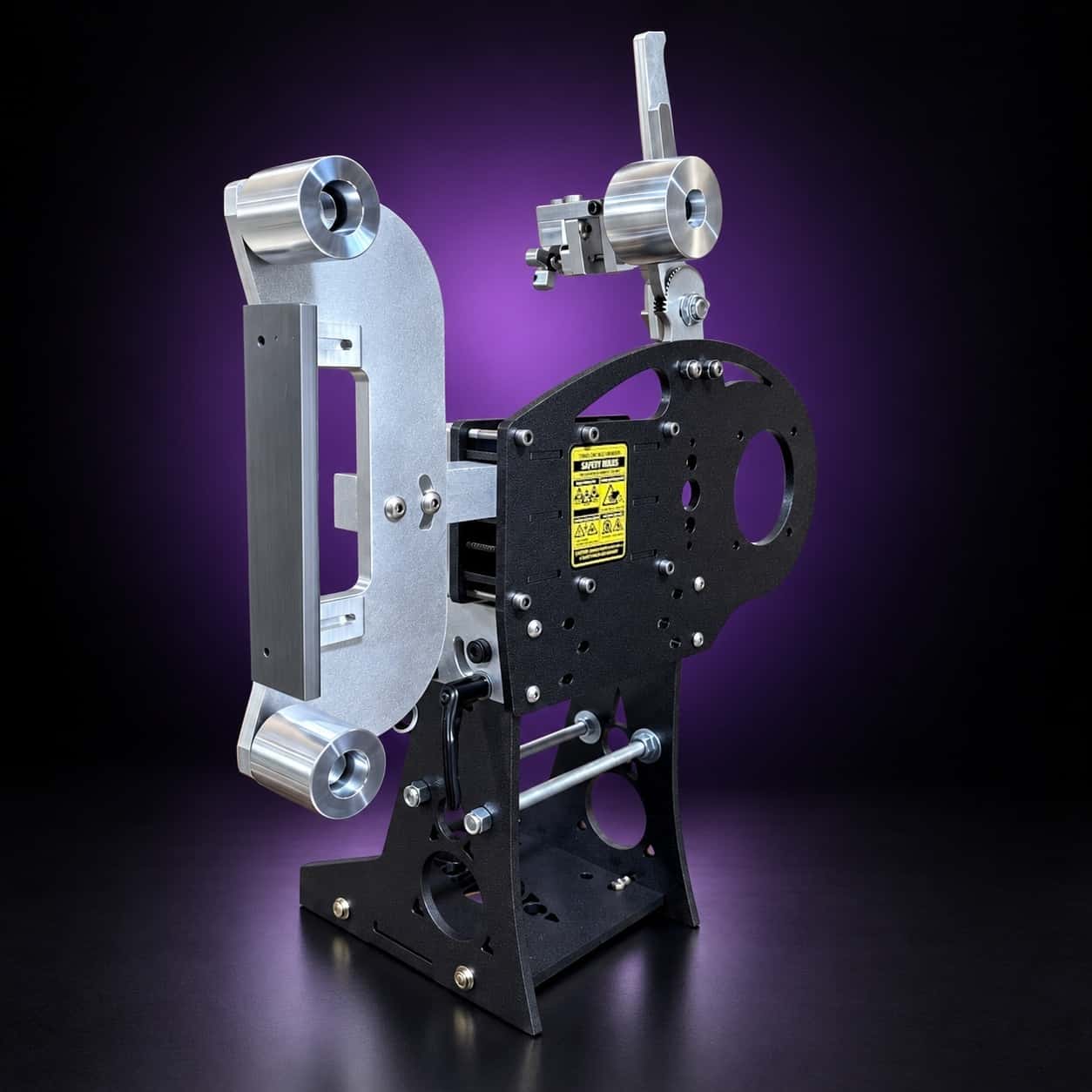
Current dual-axis platform with a steel chassis, more mass and less vibration.
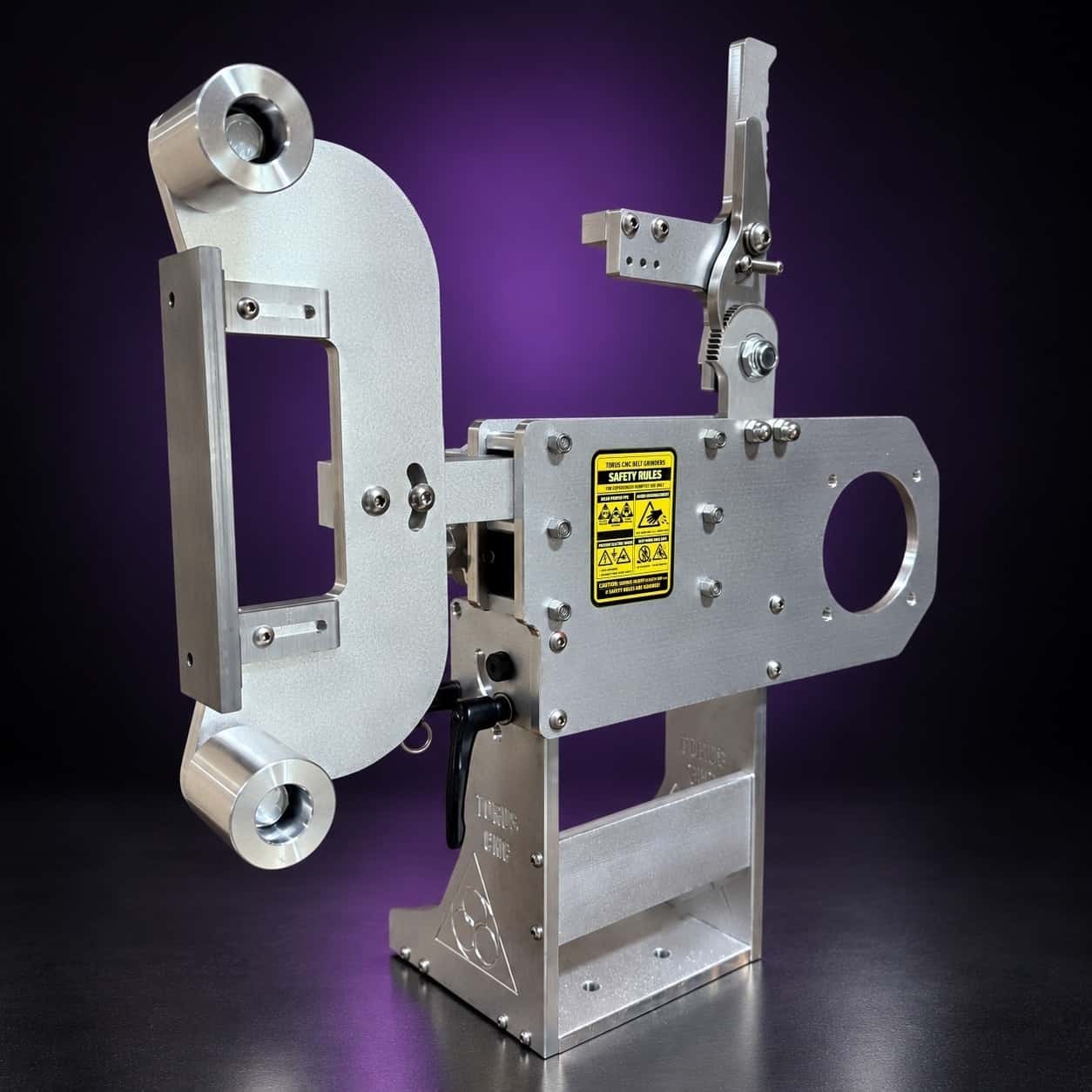
Prior-design aluminum chassis, 90-degree tilt and 1.5-inch tooling arms.
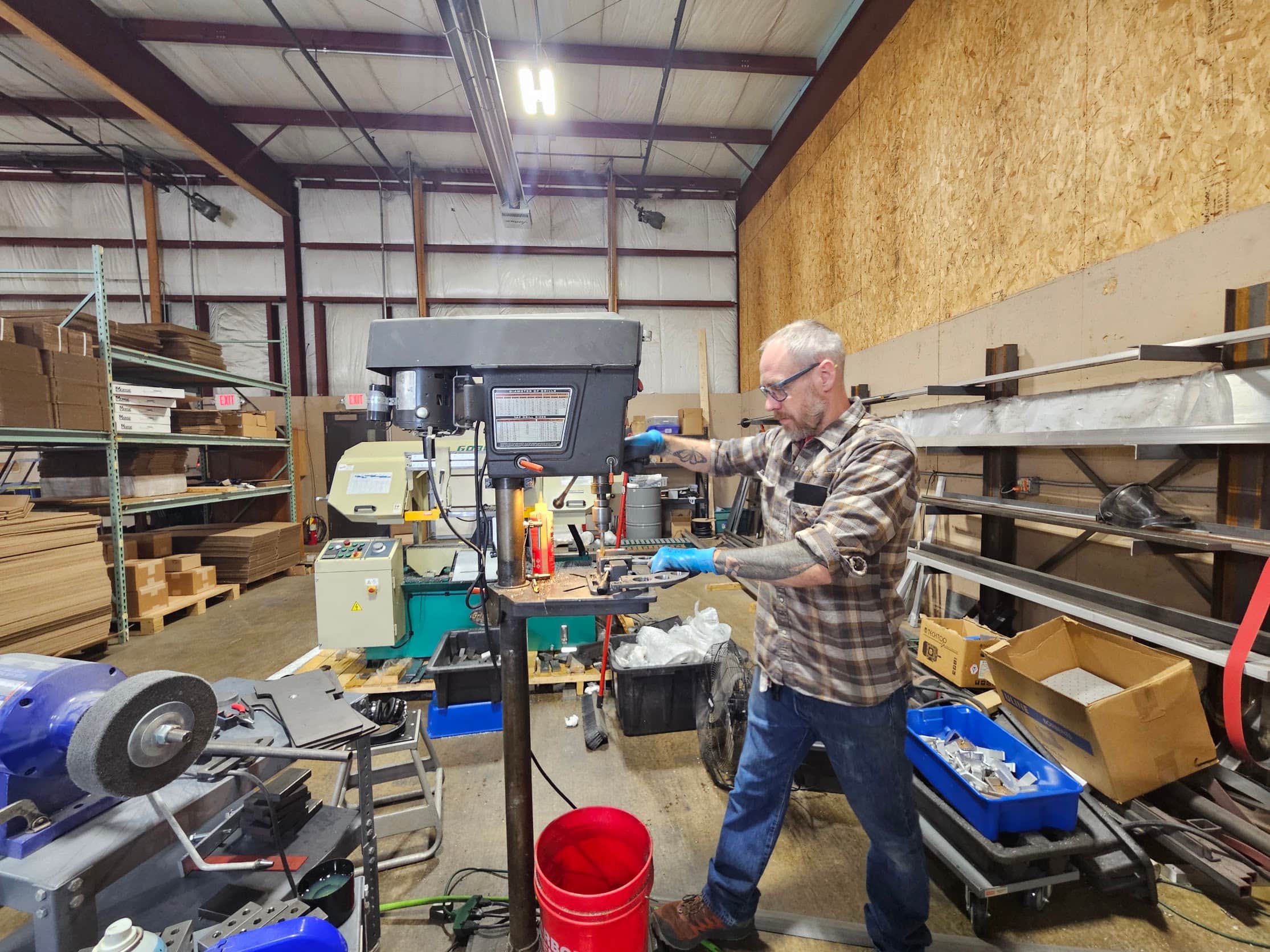
One-man shop
I answer my own email. Tell me the steel, the machine and what it is doing, and I will tell you what I would try next.