
Abrasives
The Complete 2×72 Attachments Guide
A 2×72 out of the box is a platform; the attachments are the machine. Every serious grinder task — flat bevels, hollow grinds, fullers, handle curves…
Abrasives
The motor decision made simple: horsepower for real grinding, why VFD variable speed changed everything, drive wheel math, and wiring safety.
2 min readWritten by Rich LinvilleFree to read
Every Torus ships as a complete assembled chassis with the motor sold separately — which hands you the one decision that shapes the machine’s personality more than any attachment: what spins it. Here is the whole motor conversation in plain shop language.
The working consensus for knife grinding: 1.5 HP runs a 2×72 honestly for hobby work; 2 HP is the serious-shop standard that shrugs at hard hogging pressure; 3 HP is production muscle most makers never stall. Under-motored grinders bog under fresh coarse ceramics — the exact moment you need power most, per the bog-down diagnosis — and a bogging motor teaches timid grinding, which is its own tax on every blade after.
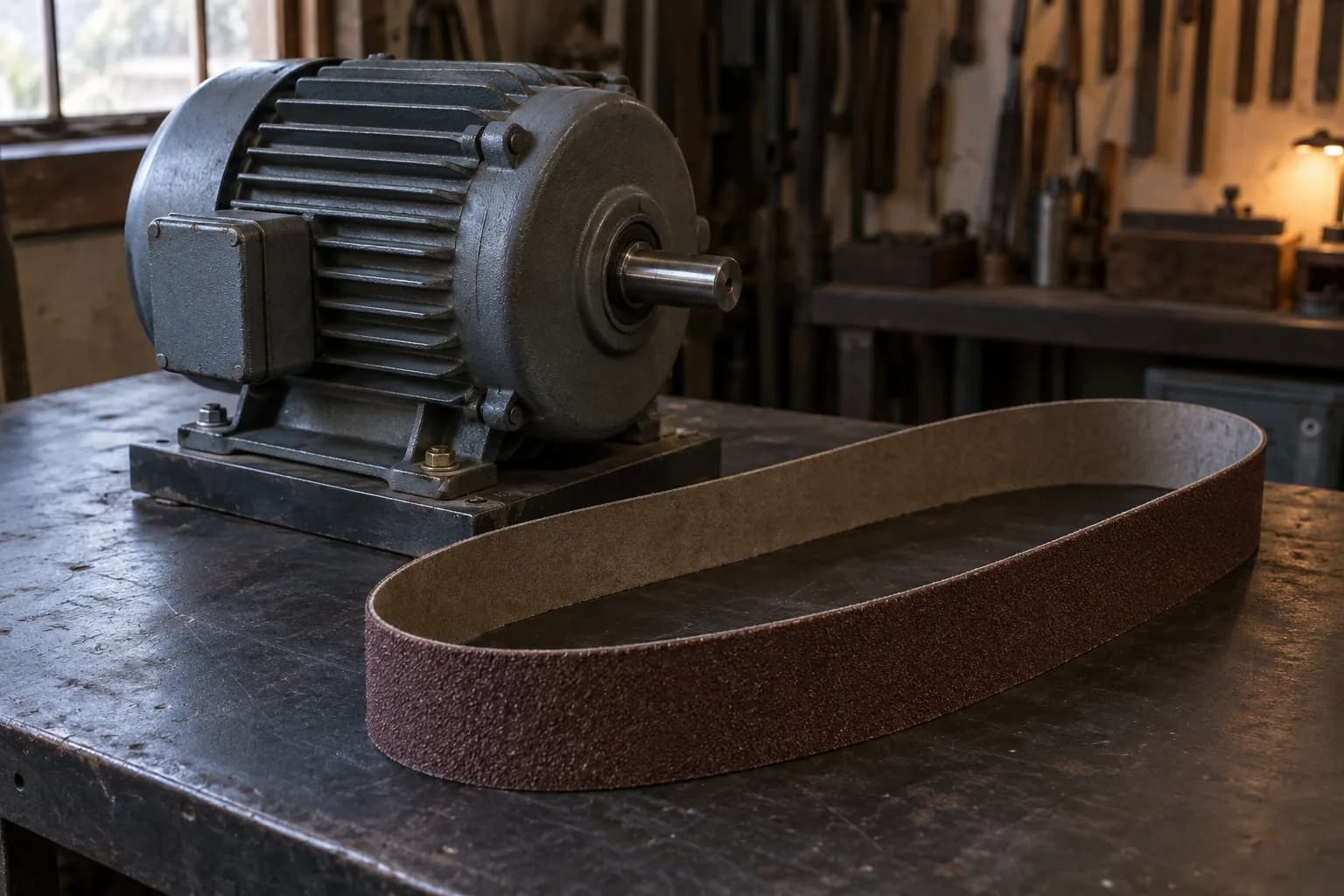
A VFD (variable frequency drive) feeds a 3-phase motor adjustable frequency from ordinary single-phase wall power — which means smooth, dial-controlled belt speed from a crawl to full song. One dial replaces the whole compromise: hogging at full speed, hardened-steel passes at 40%, handle materials at 30%, leather and stropping at the bottom — the entire speed-by-task chart becomes reachable instead of theoretical. This is why variable speed is the first spec serious makers demand and the one they never give back. The Torus Motor & VFD combo pairs a TechTop motor (1 HP on 120V or 2 HP on 220V) with a KBAC-27D drive programmed for it and built for these machines — hang it, wire it, grind.
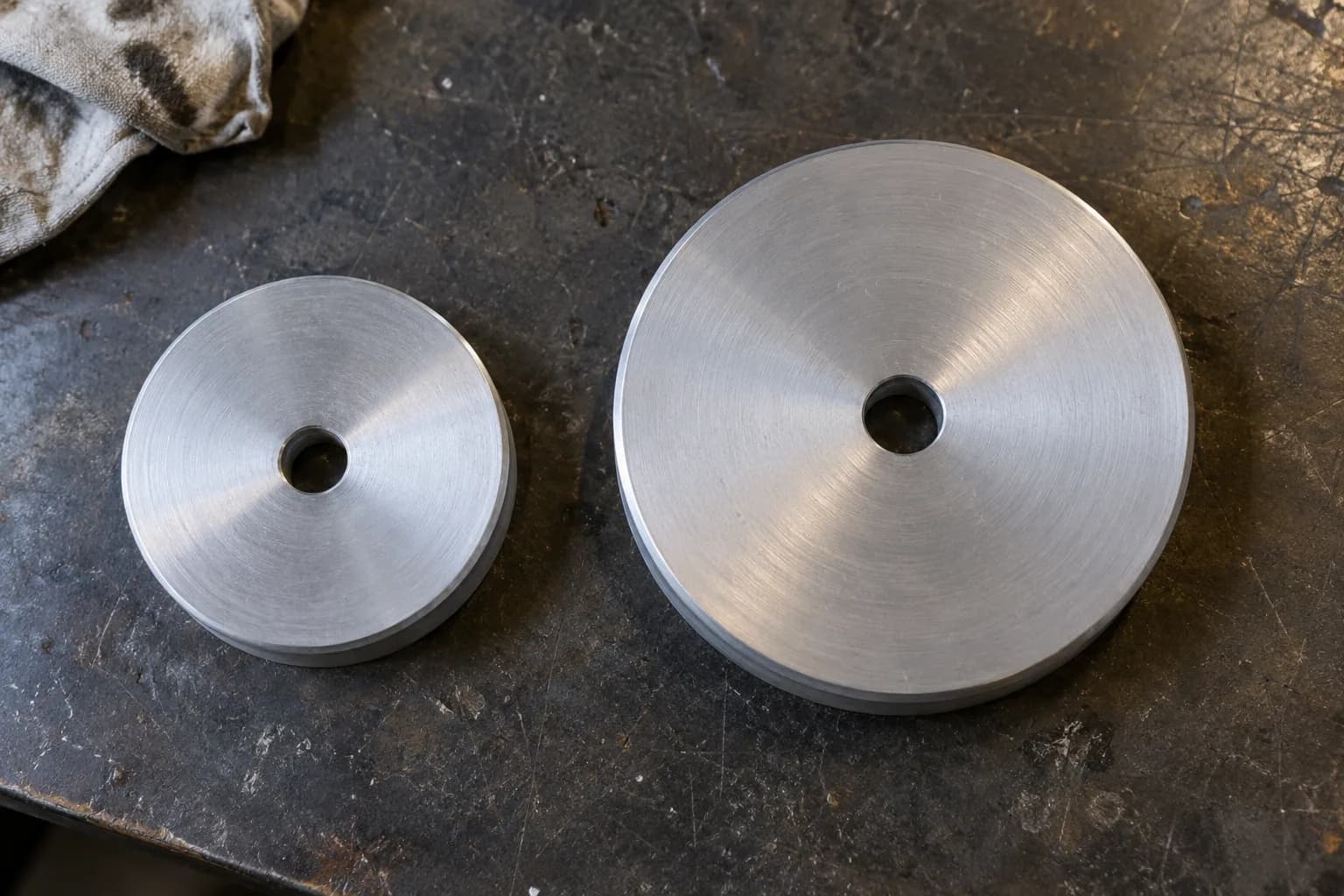
Motor RPM is only half the speed equation: the drive wheel’s diameter multiplies it — a 7″ wheel runs ~75% faster belt speed than a 4″ at the same RPM. The pairing logic: a 4″ wheel plus VFD gives fine low-speed control for hardened and finish work; a 7″ biases the range toward hogging speed. The belt speed calculator does the exact math for your combination — and with a VFD, mostly what the wheel picks is where your dial’s sweet spot lands.
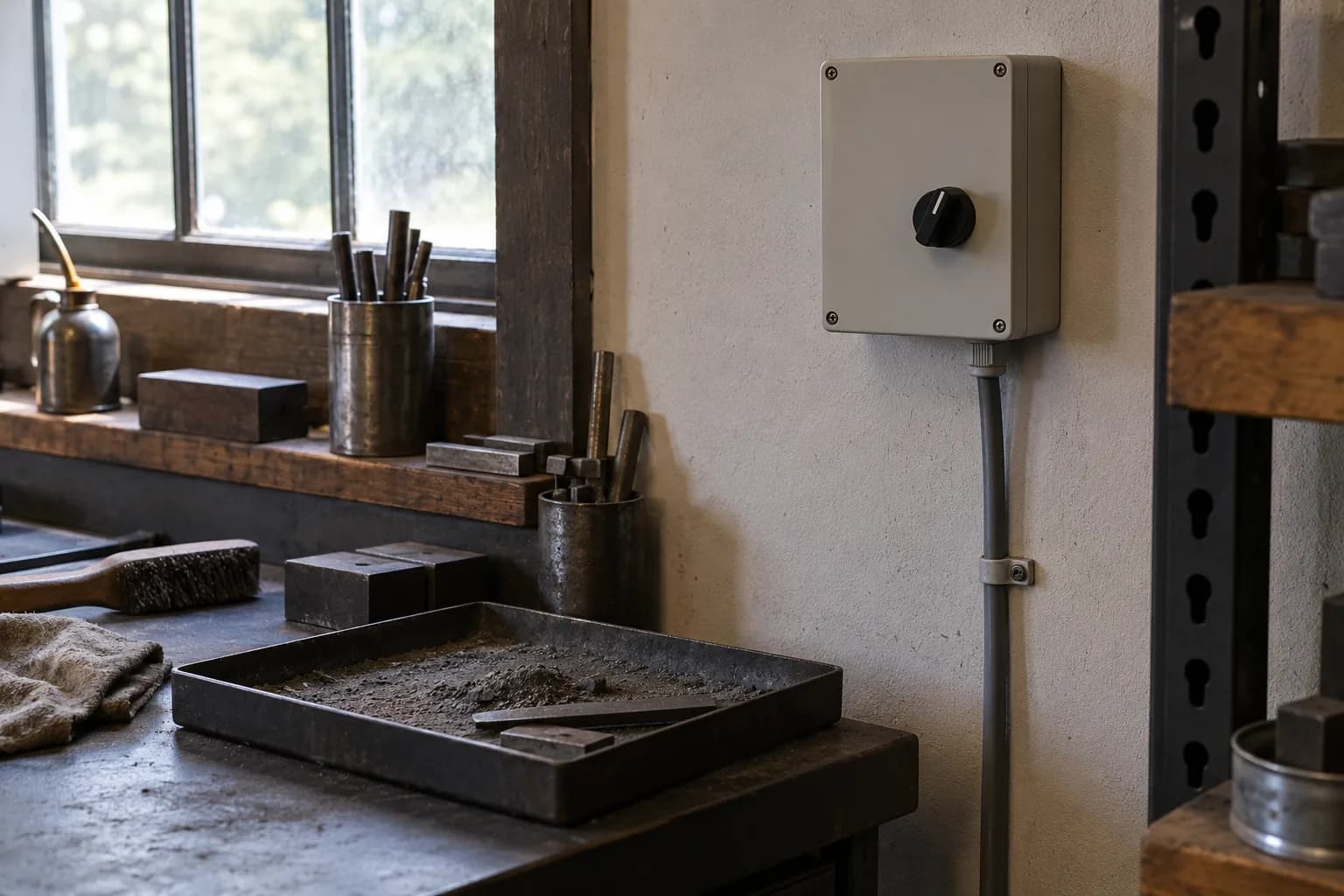
The plain-language essentials: VFD-driven 3-phase motors run off standard single-phase shop power (the VFD does the conversion — check its input spec against your outlet: common units run 220V single-phase in); the VFD mounts clear of grinding dust (a dusty VFD is a dying VFD — bag it, box it or mount it high); motor and VFD get properly grounded; and anything beyond plugging a pre-wired combo into a correct outlet — new circuits, 220V outlets, panel work — is licensed-electrician territory, full stop. A grinder that starts instantly at the dial also stops instantly: mount the controls where a loaded hand can reach them without crossing the belt.
Keep reading
Three more from the same bench.
A 2×72 out of the box is a platform; the attachments are the machine. Every serious grinder task — flat bevels, hollow grinds, fullers, handle curves…
The difference between a maker who fights every bevel and one who repeats them at will is rarely talent — it is a reference surface. Work rests and jigs…
Belts are the single biggest recurring cost in this hobby, and buying the wrong ones wastes money twice: once on belts that wear out fast, and again on…
Same bench
I machine the parts, hand-assemble, track and test Torus grinders in Sterling, Illinois. Most orders ship in seven to ten business days from time of order.
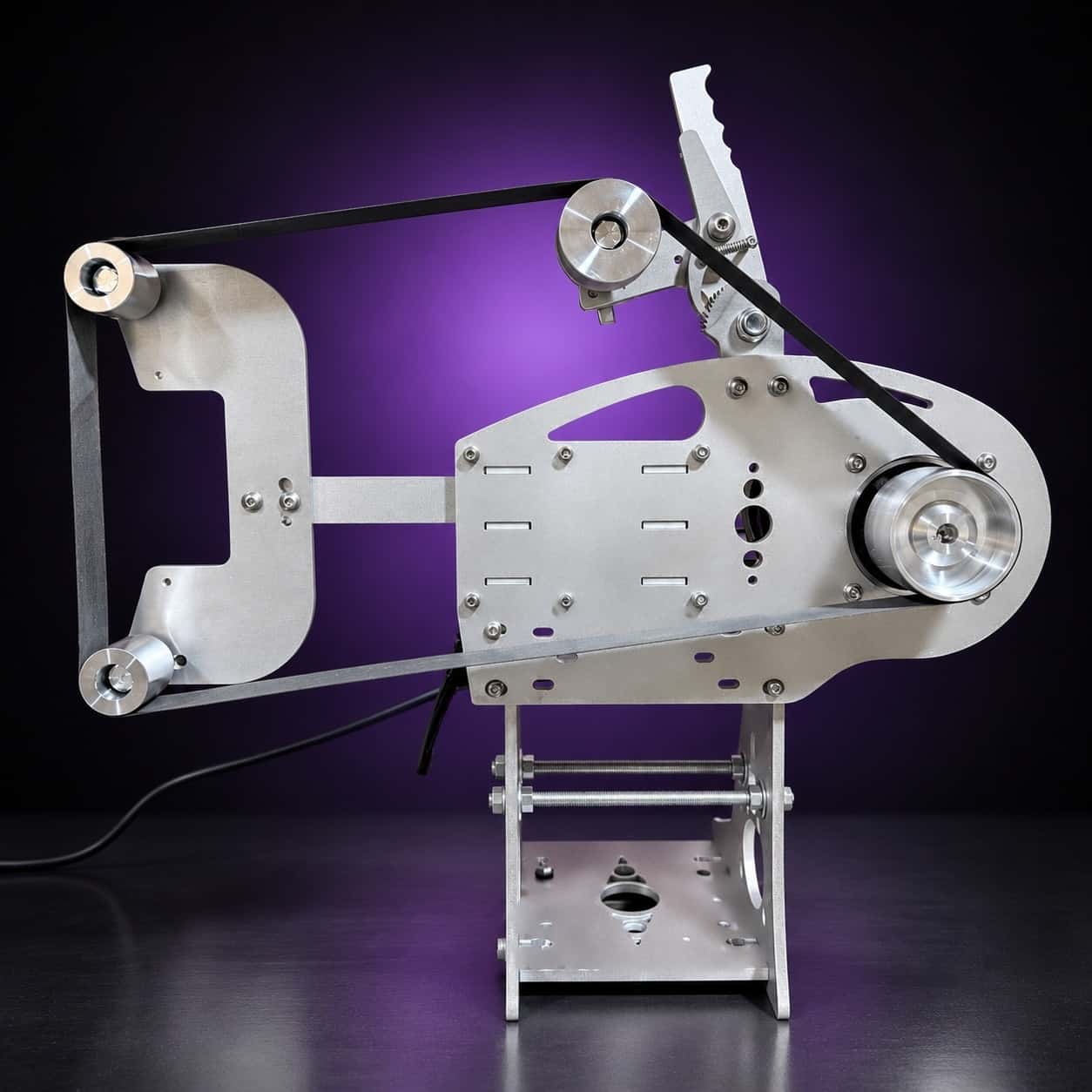
Current dual-axis platform with a fiber-laser-cut 6061 chassis and single-knob tracking.
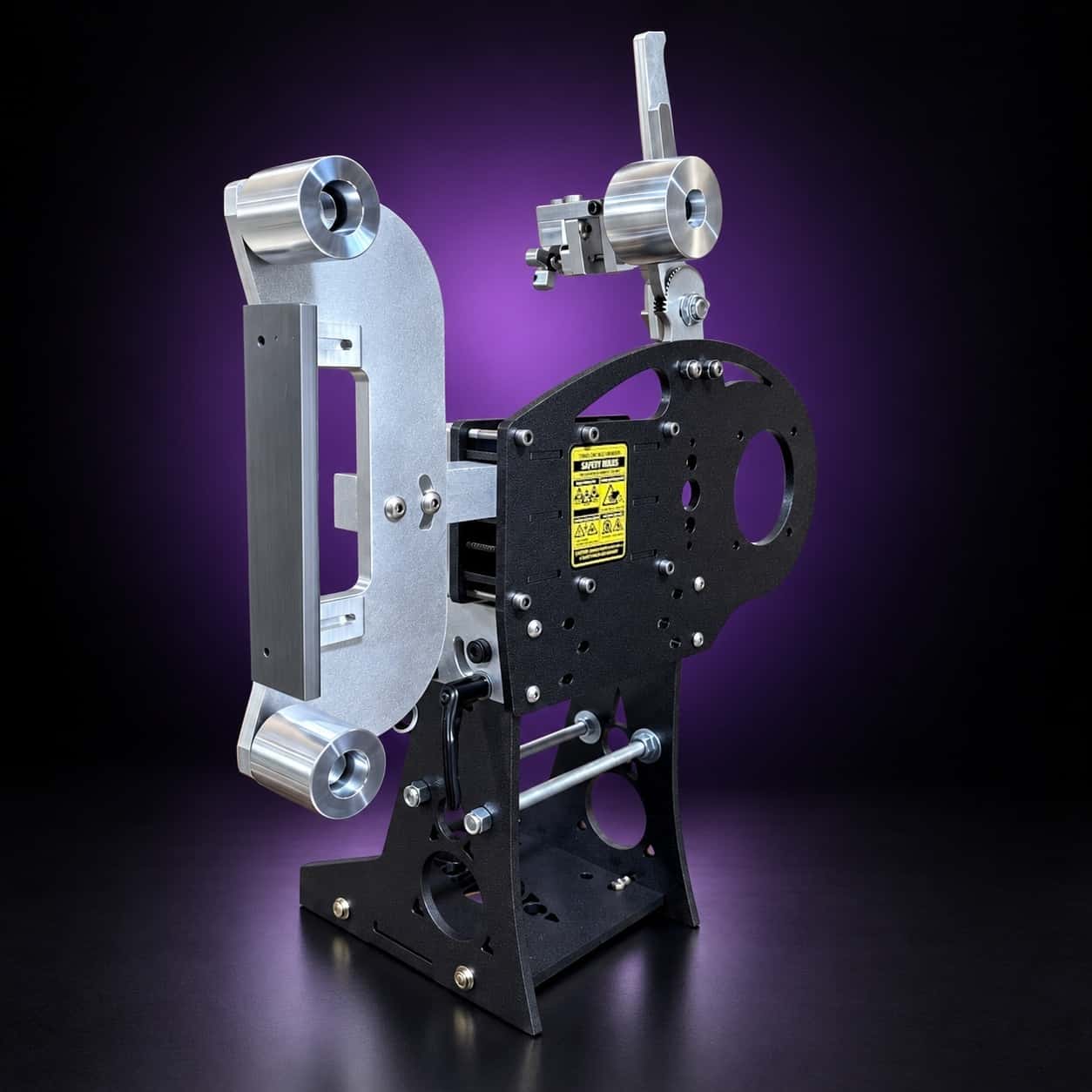
Current dual-axis platform with a steel chassis, more mass and less vibration.
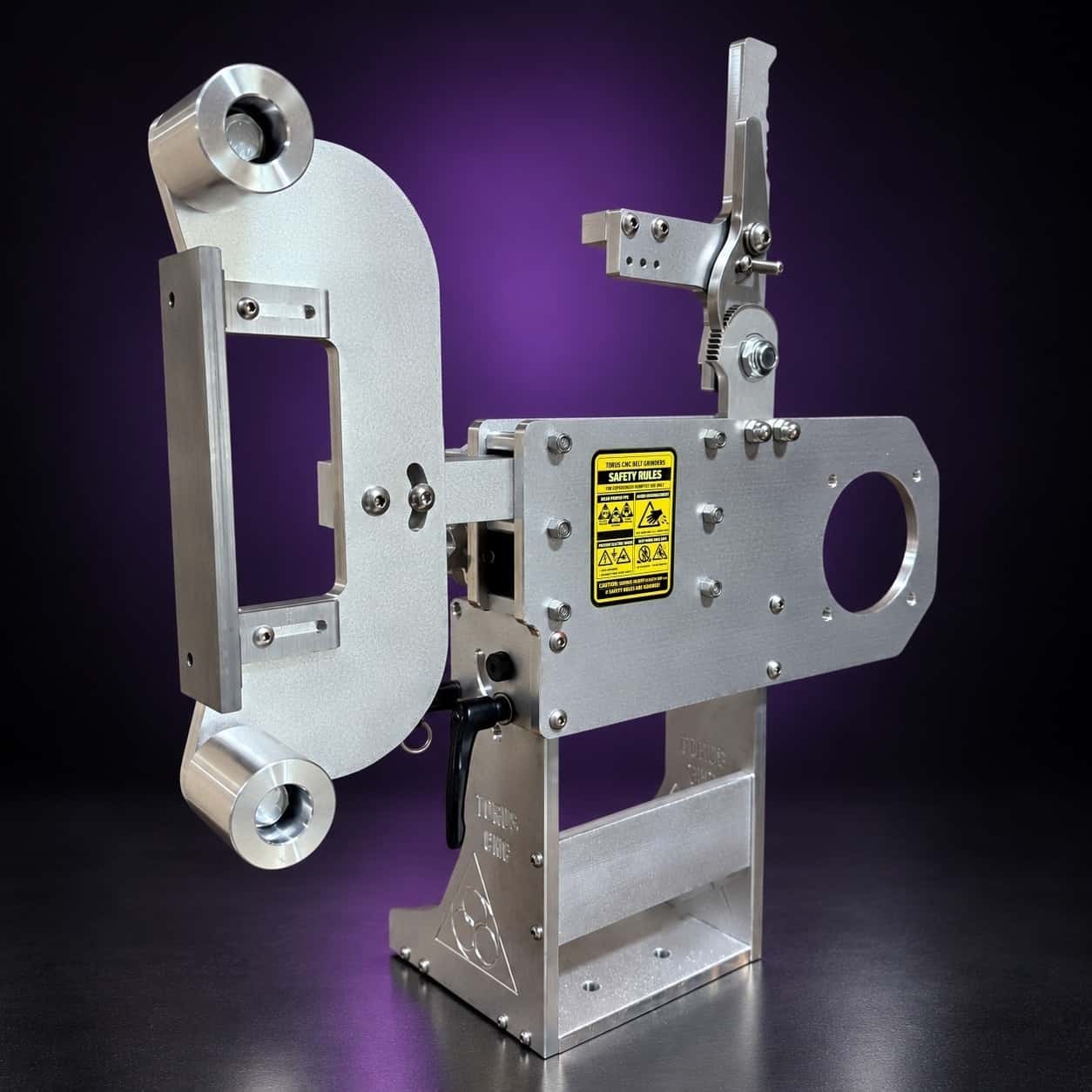
Prior-design aluminum chassis, 90-degree tilt and 1.5-inch tooling arms.
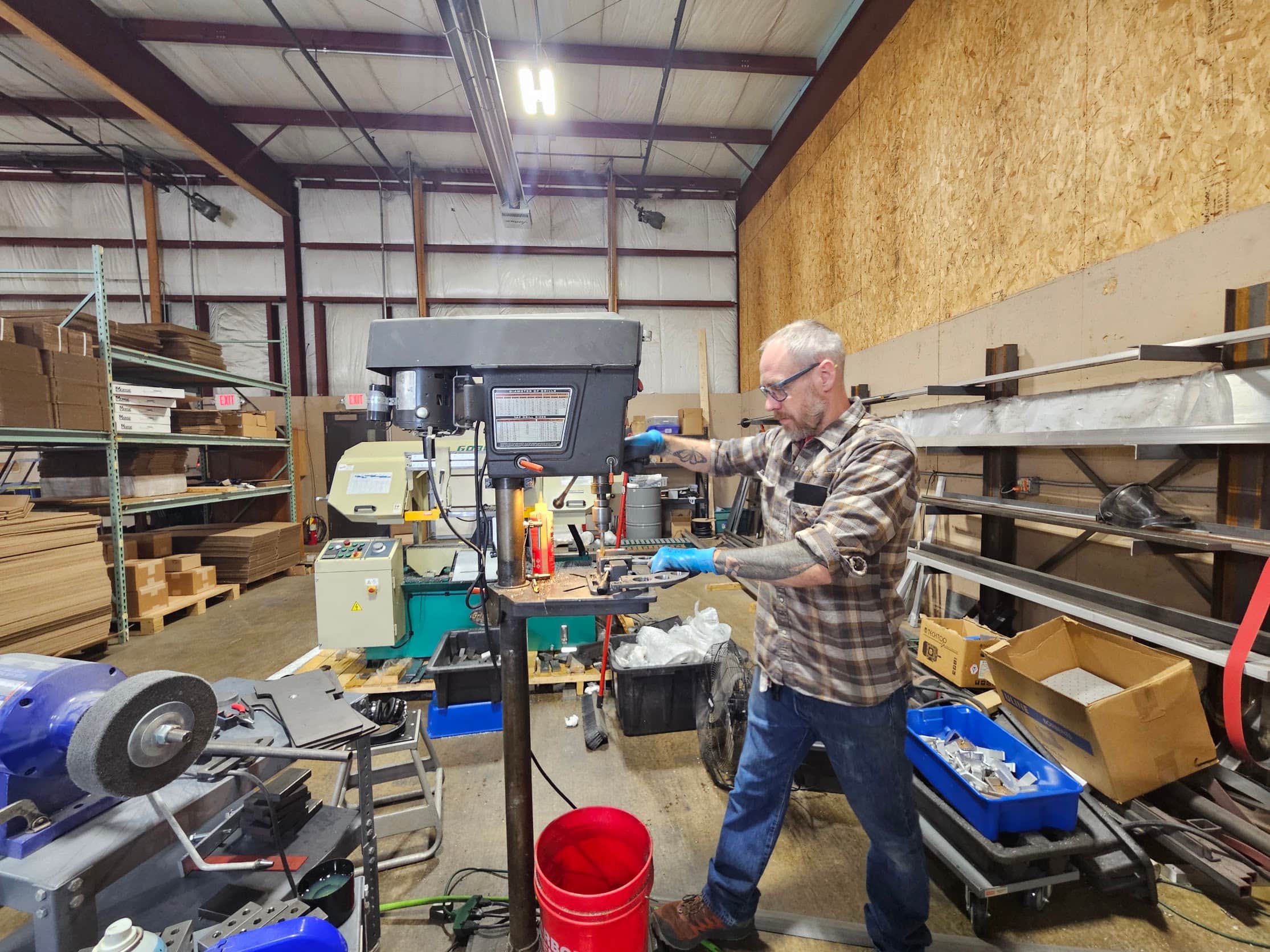
One-man shop
I answer my own email. Tell me the steel, the machine and what it is doing, and I will tell you what I would try next.