
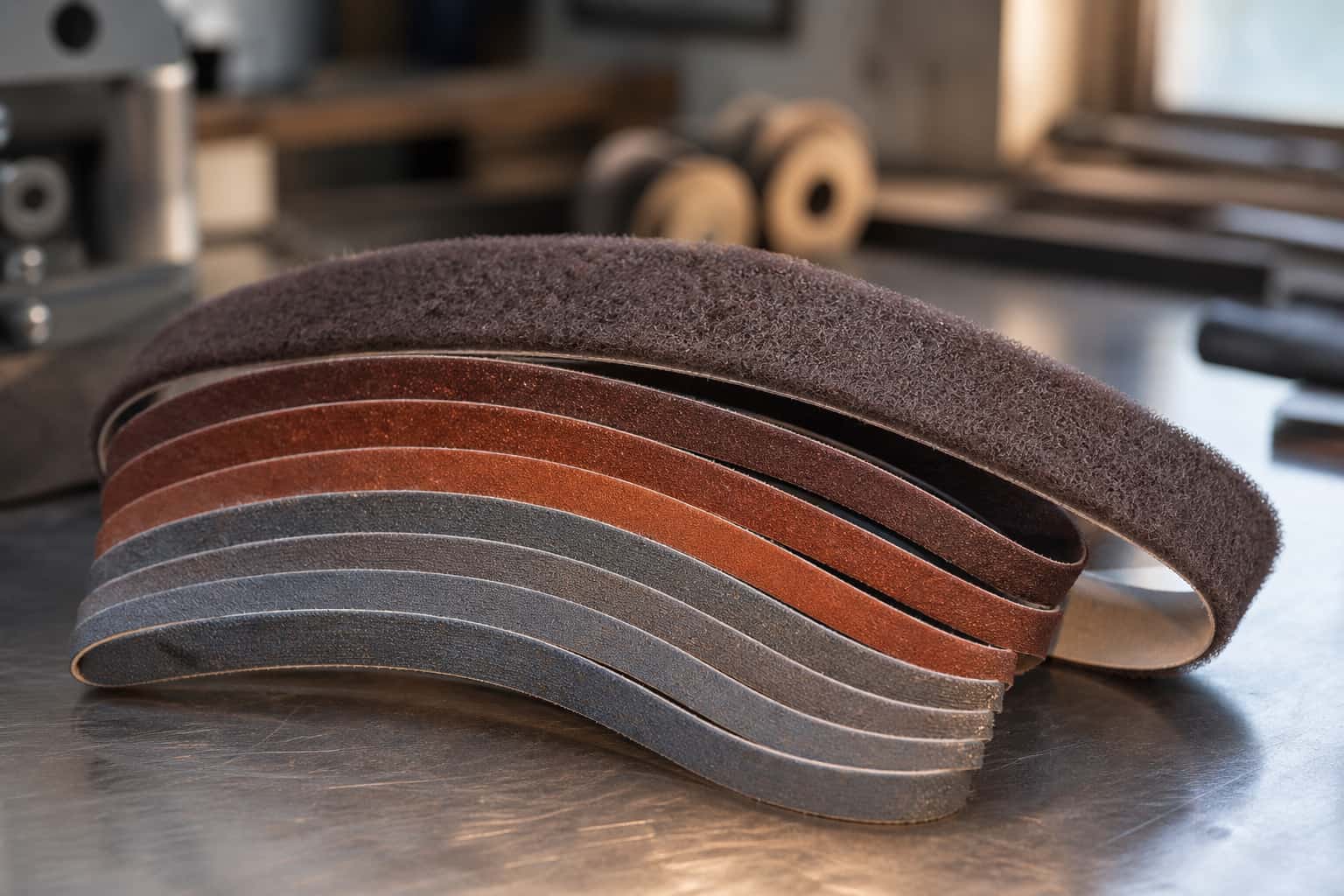
Abrasives
Grinding & Sharpening LC200N
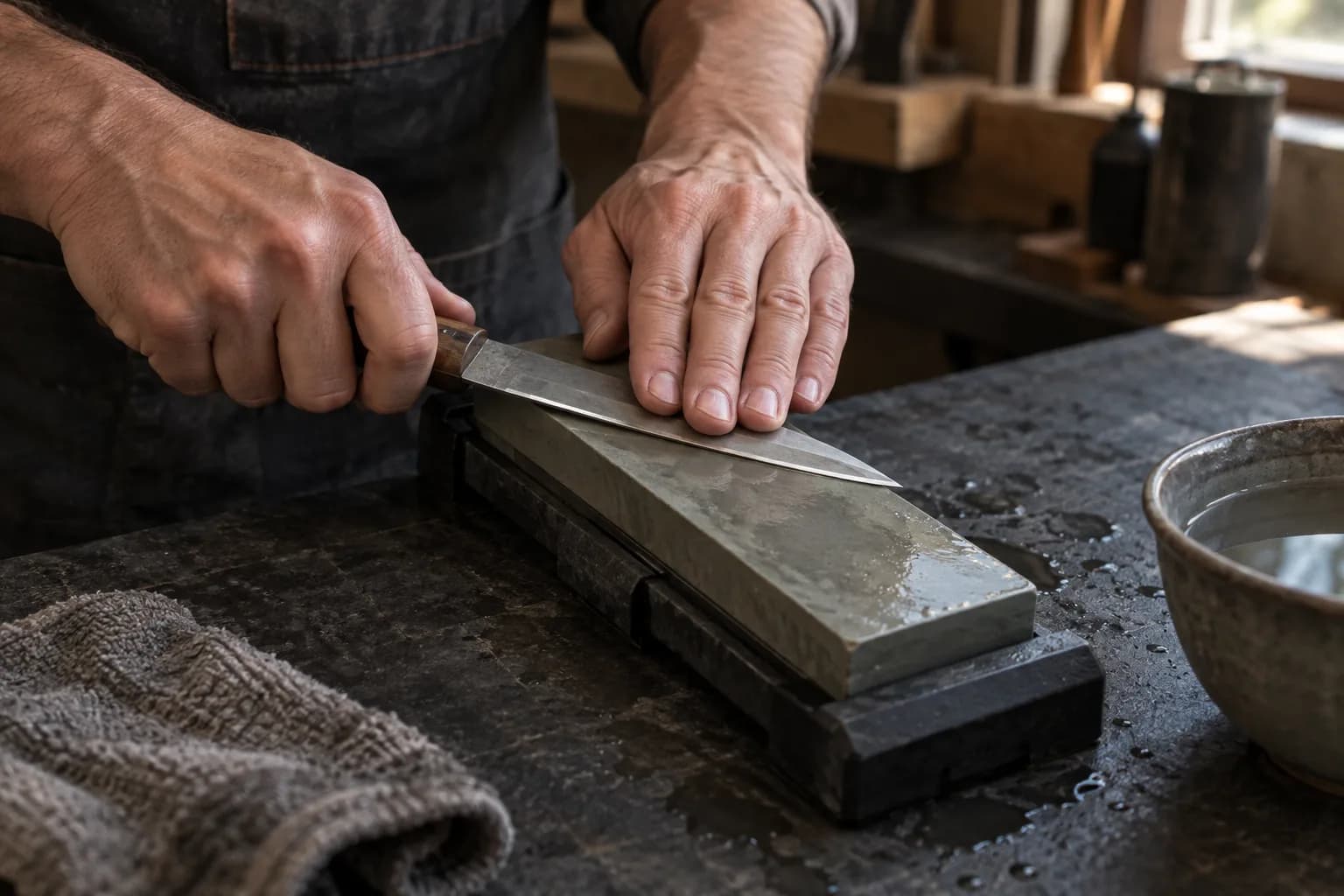
After the carbide monsters, LC200N is a vacation: low carbide volume means it grinds like a mid stainless, finishes cleanly, and sharpens on whatever…
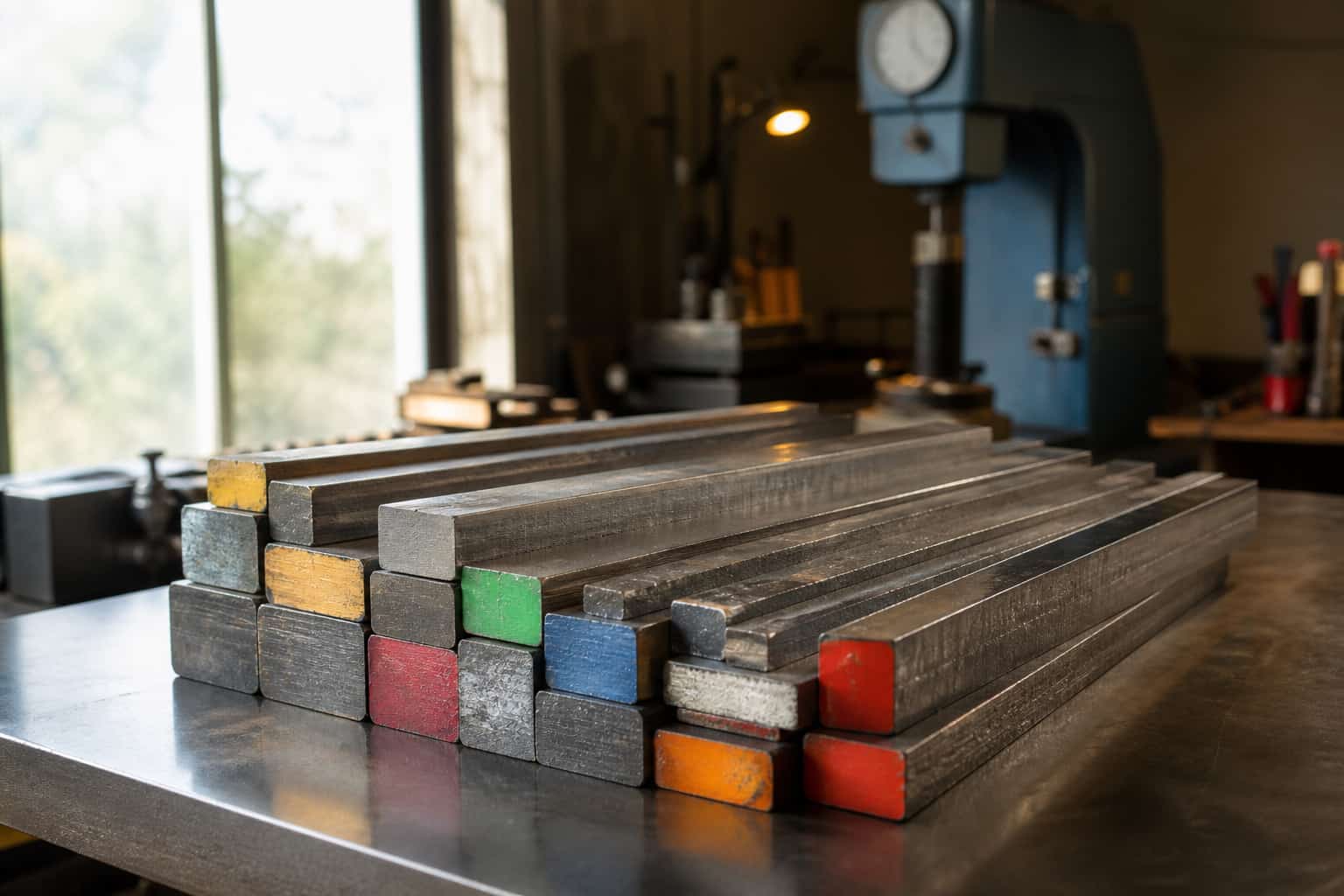
Knife steel
Zapp's nitrogen steel (Z-Finit / Cronidur 30 / N360): part of carbon's job handed to nitrogen so chromium stays in solution - virtually rustproof in salt service, genuinely tough, fine keen low-carbide edge, ceiling around 58-60 HRC and modest wear resistance. The boat, dive and fillet steel.
Also known as
At a glance
The four meters are relative to the rest of the database. Composition is the published nominal analysis, not a mill certificate for your bar.
Working properties
Fillet, bait and boat knives, dive and rescue blades, surf and paddling EDC, kitchen knives for zero-maintenance owners, coastal carry. Anywhere salt, sweat or permanent wet would kill a conventional stainless.
At the bench
Open the property you are worried about. Every note is written for the blade in your hand, not for a spec sheet.
The full reference
LC200N answers a question every other stainless only mumbles at: what if the knife simply could not rust? Zapp’s nitrogen steel — sold as Z-Finit, Cronidur 30 and N360 — replaces part of carbon’s job with nitrogen, keeping chromium dissolved in the matrix where it prevents corrosion instead of locked up in carbides. The result is a blade steel that shrugs off salt water, sweat and fish blood (Larrin Thomas found no rust spots on it in his 1% and 3.5% saltwater tests), with surprising toughness and a fine keen edge — at the price of modest wear resistance and a mid-pack ceiling around 60 HRC. For boat knives, dive knives and wet-trade fillet work, nothing mainstream touches it.
As close as blade steel gets. Its chromium stays in solution (nitrogen does not strip it into carbides the way carbon does), so the passive layer is continuous and self-healing, which is why knives in LC200N are the pick for salt-spray service, saltwater fishing and dive duty. Larrin Thomas rates it 10 out of 10 for corrosion resistance, tied with Vanax at the top of his table, ahead of MagnaCut (9.5) and a step above M390 and 20CV (9). He found no rust spots on it in his 1% saltwater test or in a harsher 3.5% retest, where only LC200N and Vanax stayed free of corrosion (MagnaCut came close). M390 is a top-tier stainless for everyday wet use, but wipe it dry after salt and choose LC200N for constant salt exposure. Owners report years of marine use without a spot. Treat “virtually rustproof” as the honest claim; only true crevice abuse (trapped salt under scales) finds a way.
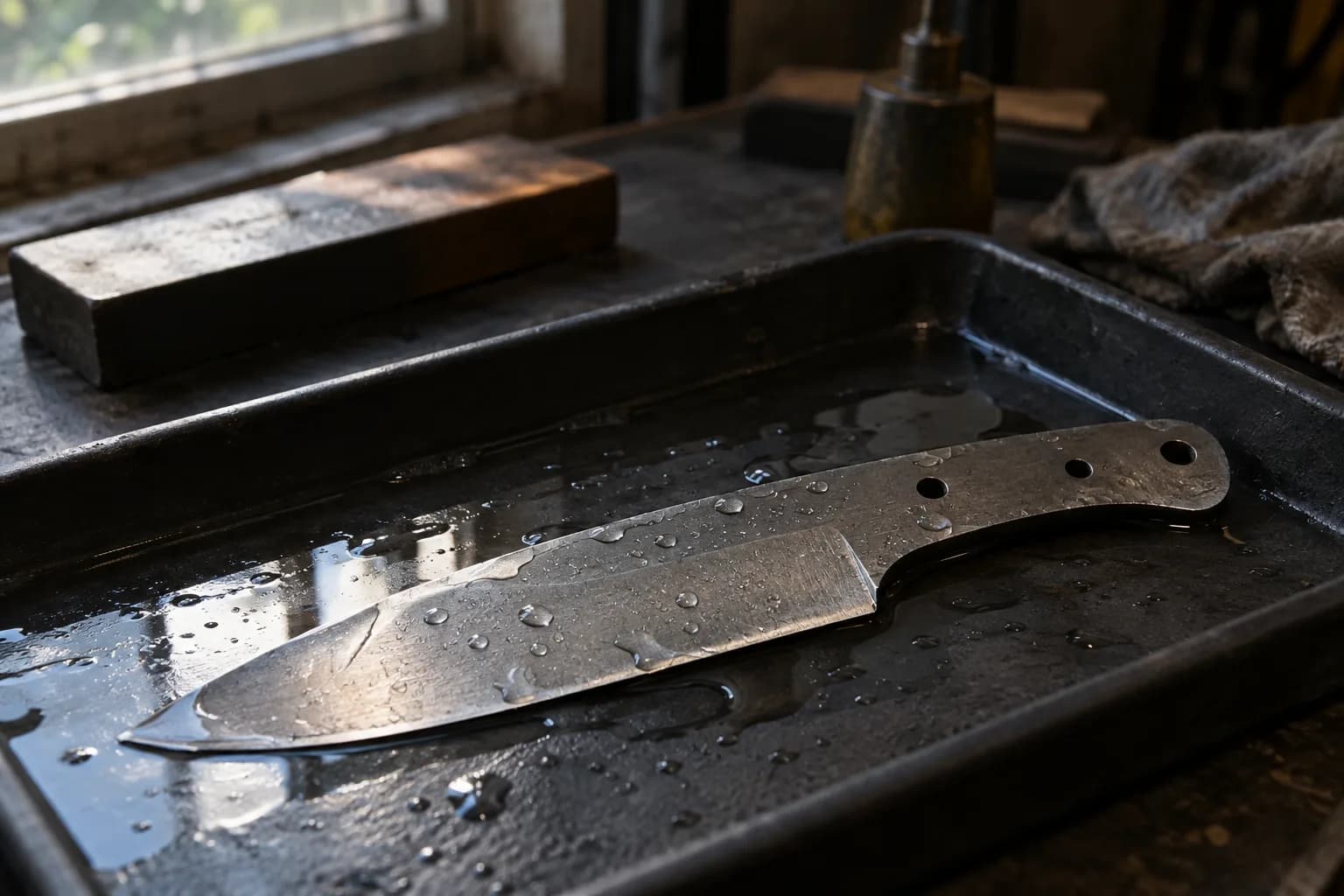
Fine and keen — closer to AEB-L’s character than to a carbide monster’s. Low carbide volume means it takes a screaming edge easily on ordinary stones and strops, and gives it up faster than M390-class steels in abrasive media. For food prep, filleting and utility cutting the trade feels excellent; for cardboard marathons pick a wear steel instead.
Very, for a stainless — that same low carbide volume that limits wear resistance buys real impact toughness, comfortably above the premium PM stainless class and in AEB-L’s neighborhood. Thin fillet flex, tips, and hard kitchen service all hold up. It is one of the few genuinely tough, genuinely rustproof combinations on the market.
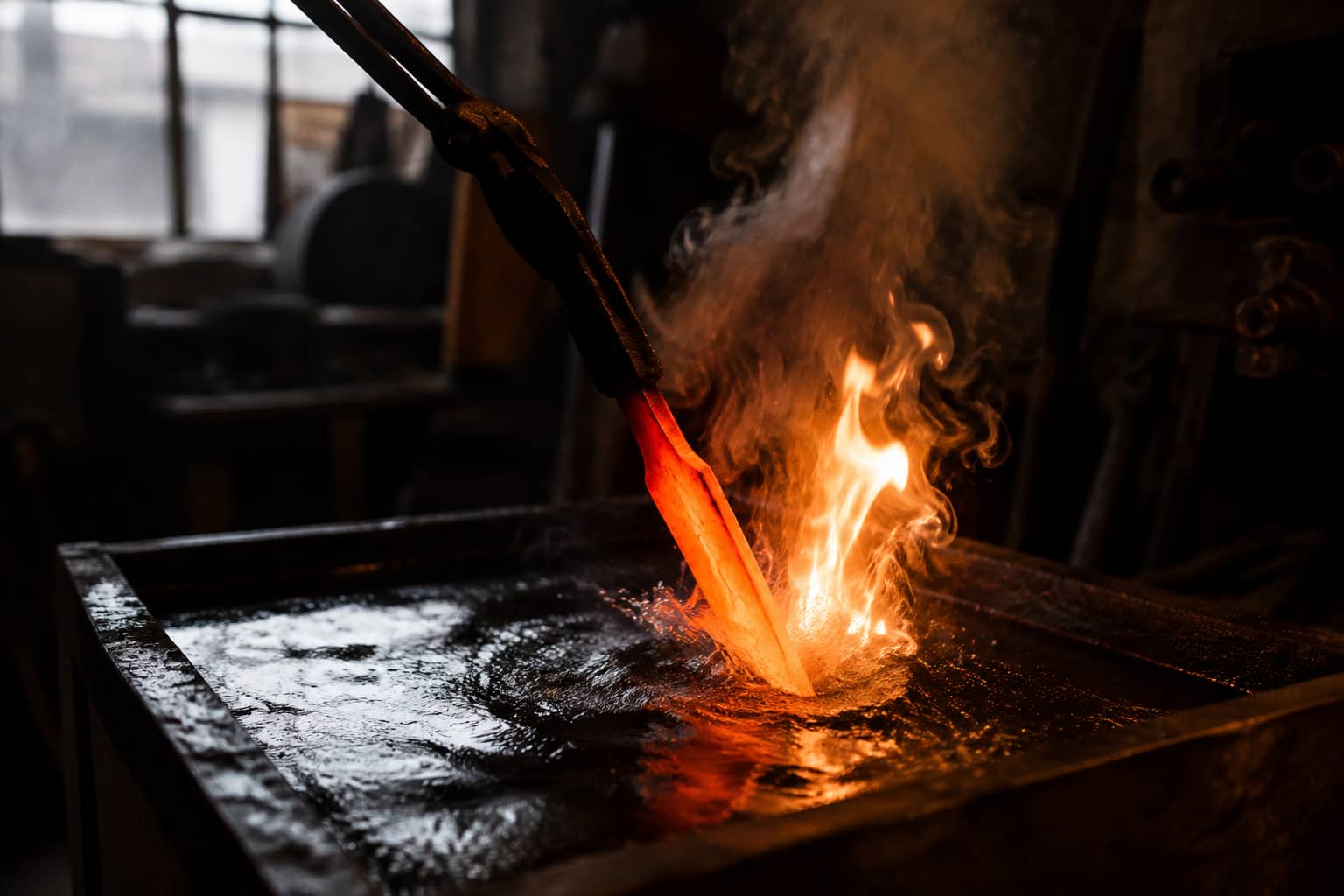
58–60 HRC — that is the ceiling, and it is enough. Zapp’s data sheet gives the recipe: austenitize at 1030°C (1886°F), quench, a subzero treatment (mandatory above 1000°C), then two 2-hour tempers, and it lists above 58 HRC at a 160-180°C (320-355°F) temper and an operating hardness of 58-60 HRC. Larrin Thomas’s testing found about 59-60 Rc from a 1900°F austenitize and a ceiling near 60 Rc. That is controlled-kiln work. At 59–60 with its fine structure, edge stability at kitchen angles is excellent; details in our heat treat guide.
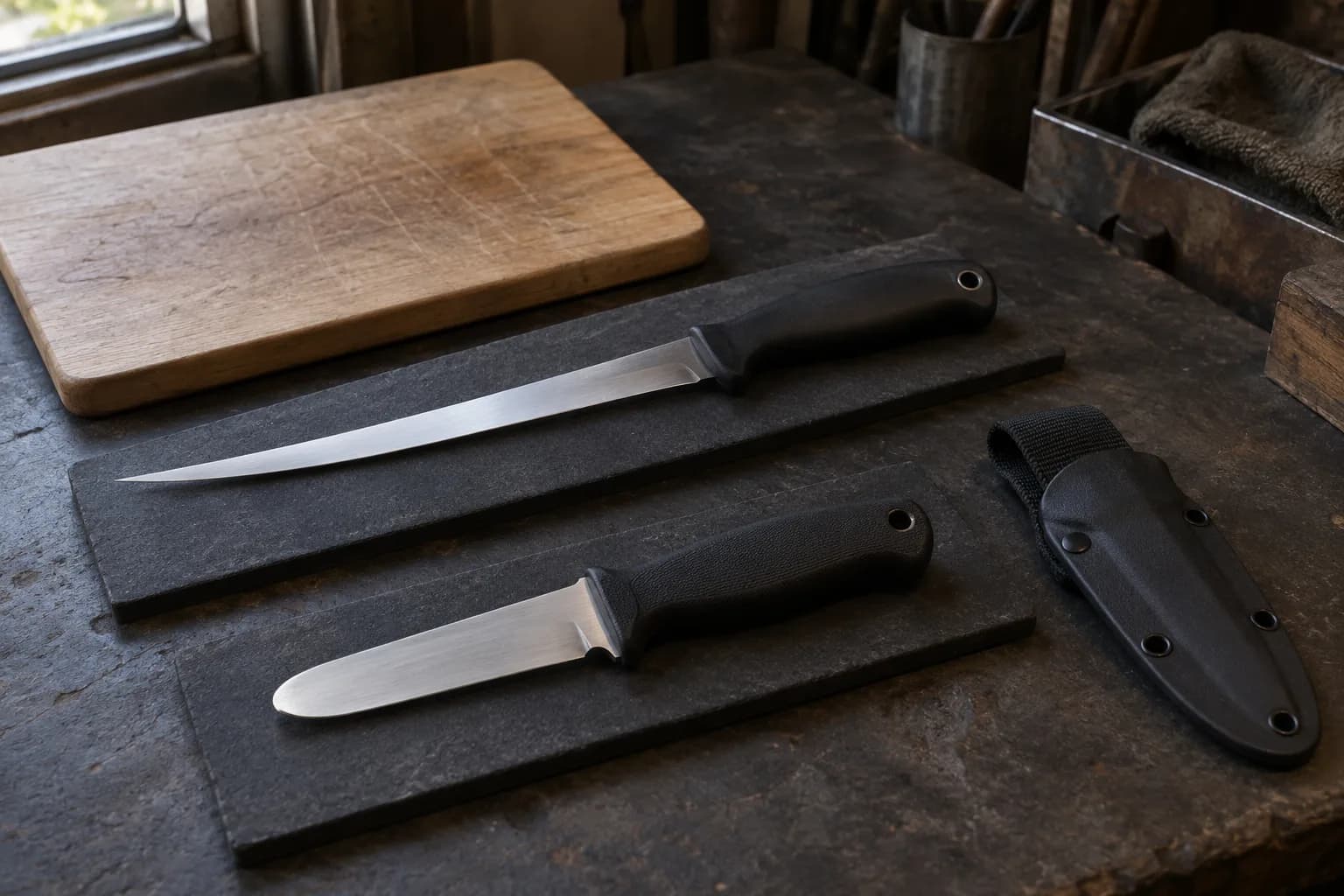
Anything that lives wet: fillet and bait knives (see our fillet geometry guide — this is its dream steel), boat and dive knives, paddling and surf-fishing blades, kitchen knives for owners who will not dry anything, EDC for coastal and sweat-heavy carry. The MagnaCut vs LC200N comparison covers the one modern rival in this niche.
MagnaCut brings more edge retention and hardness with corrosion resistance close behind LC200N’s; LC200N keeps the absolute rust-immunity crown and sharpens easier. Full-time salt water: LC200N. Everything else wet-adjacent: MagnaCut makes a strong case. The comparison page runs the whole argument.
Head to head
Every matchup LC200N appears in, dimension by dimension.
Keep reading
After the carbide monsters, LC200N is a vacation: low carbide volume means it grinds like a mid stainless, finishes cleanly, and sharpens on whatever…
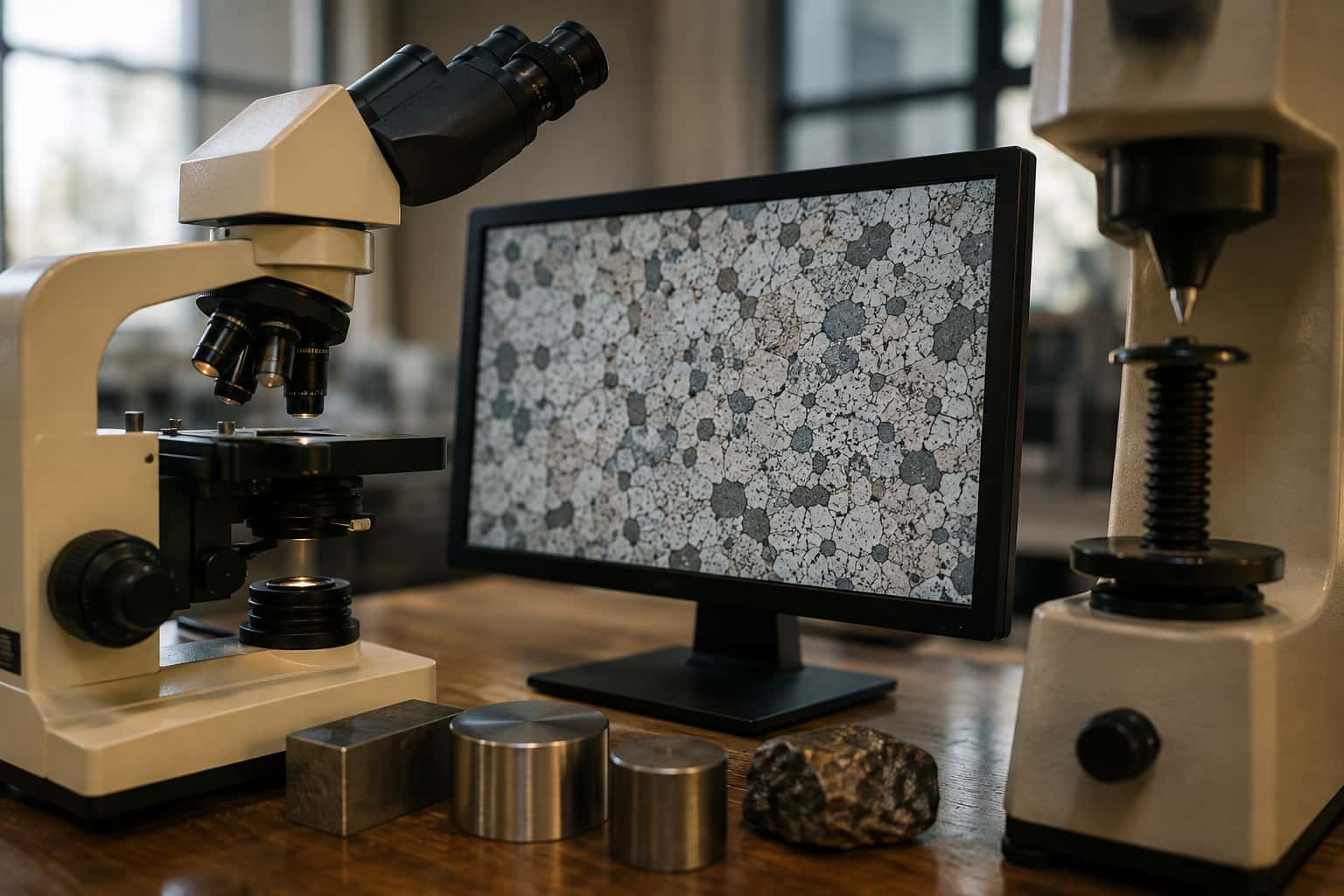
Every knife steel is iron plus a specific recipe of other elements, and each of those elements pulls the steel’s behavior in a particular direction…
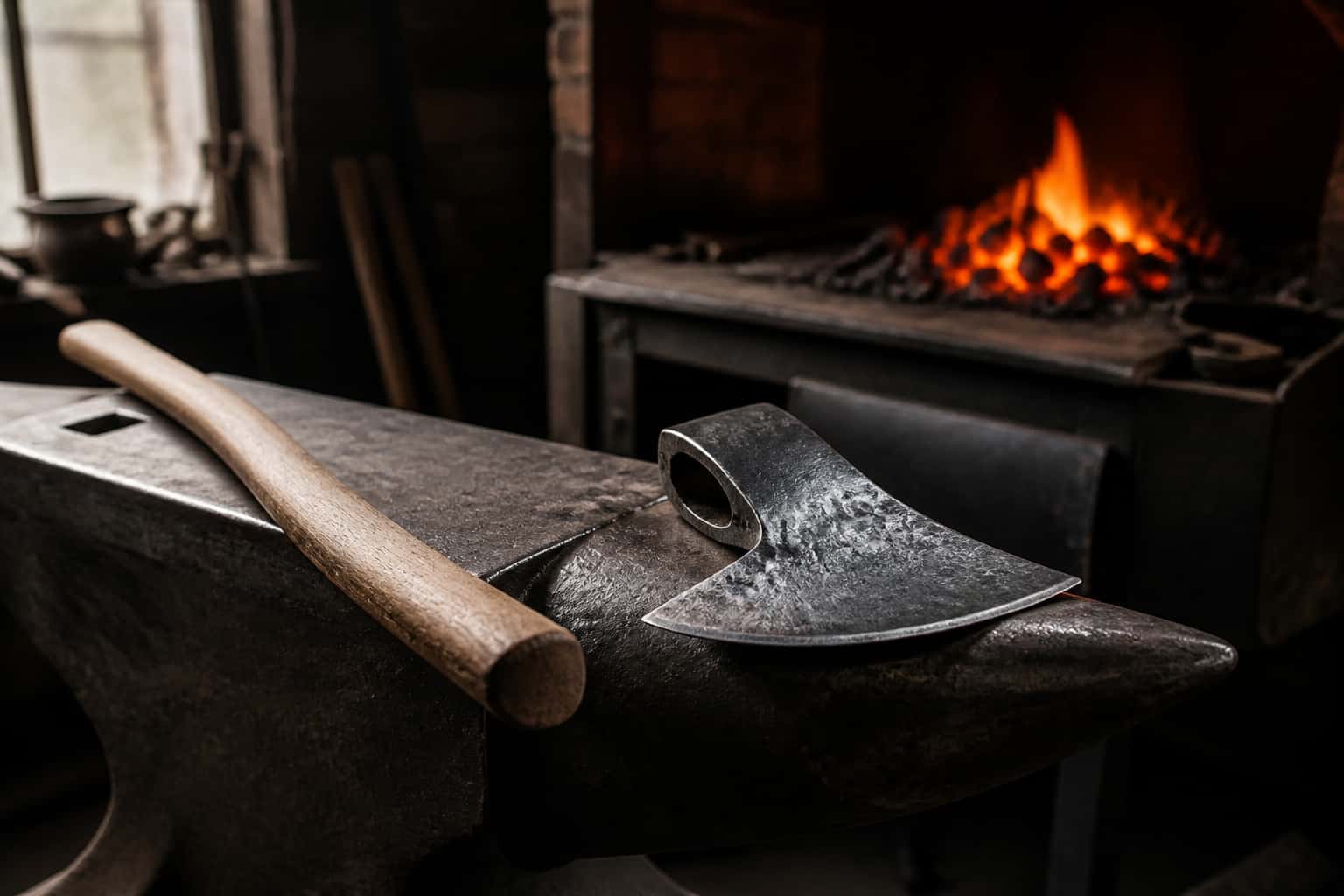
Two steels with similar hardness numbers can feel completely different under a sharpening stone, one glides along smoothly, another feels like it’s…
Same bench
Whatever the steel, the grind is only as flat as the platen behind it. I machine the parts, hand-assemble and test Torus grinders in Sterling, Illinois.
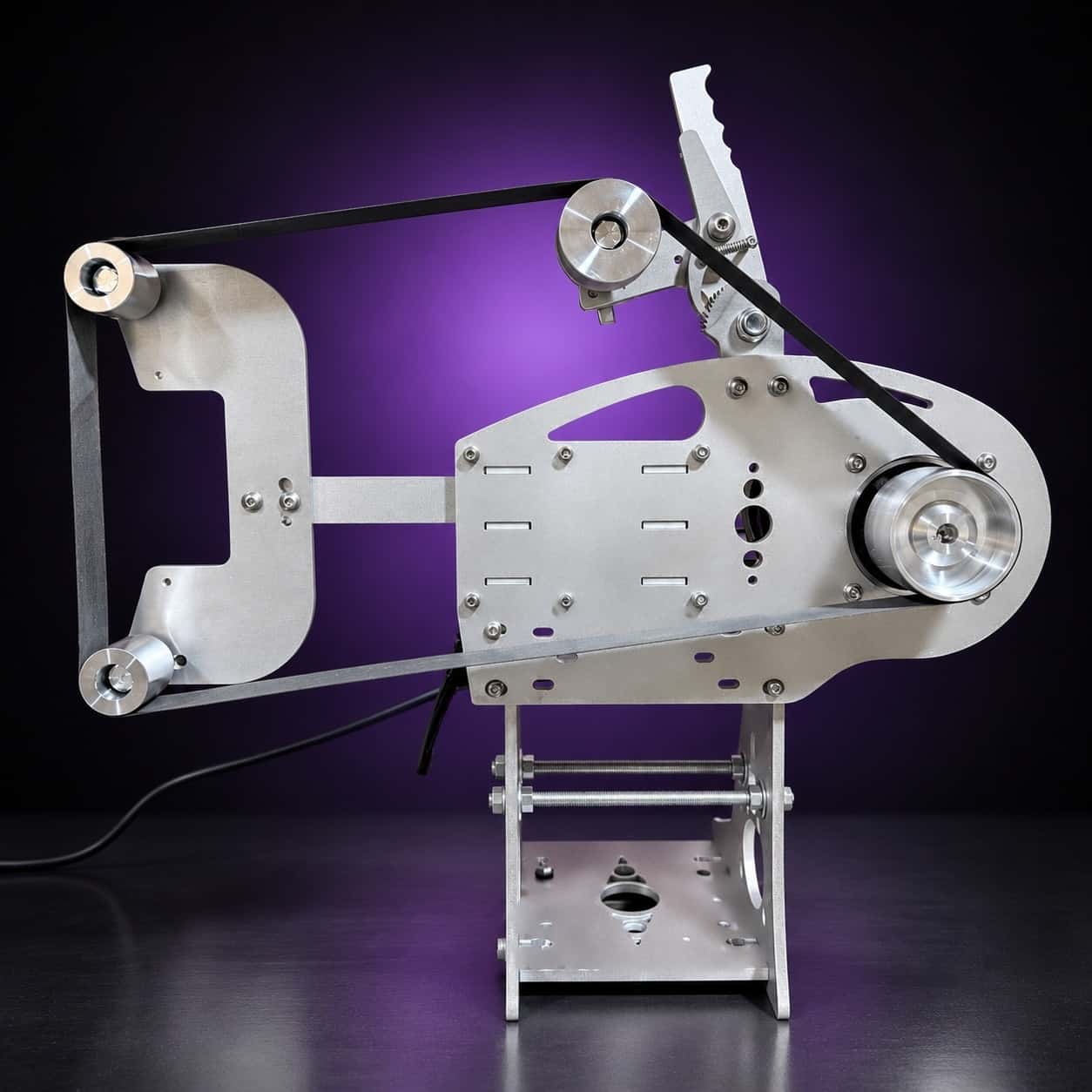
Current dual-axis platform with a fiber-laser-cut 6061 chassis and single-knob tracking.
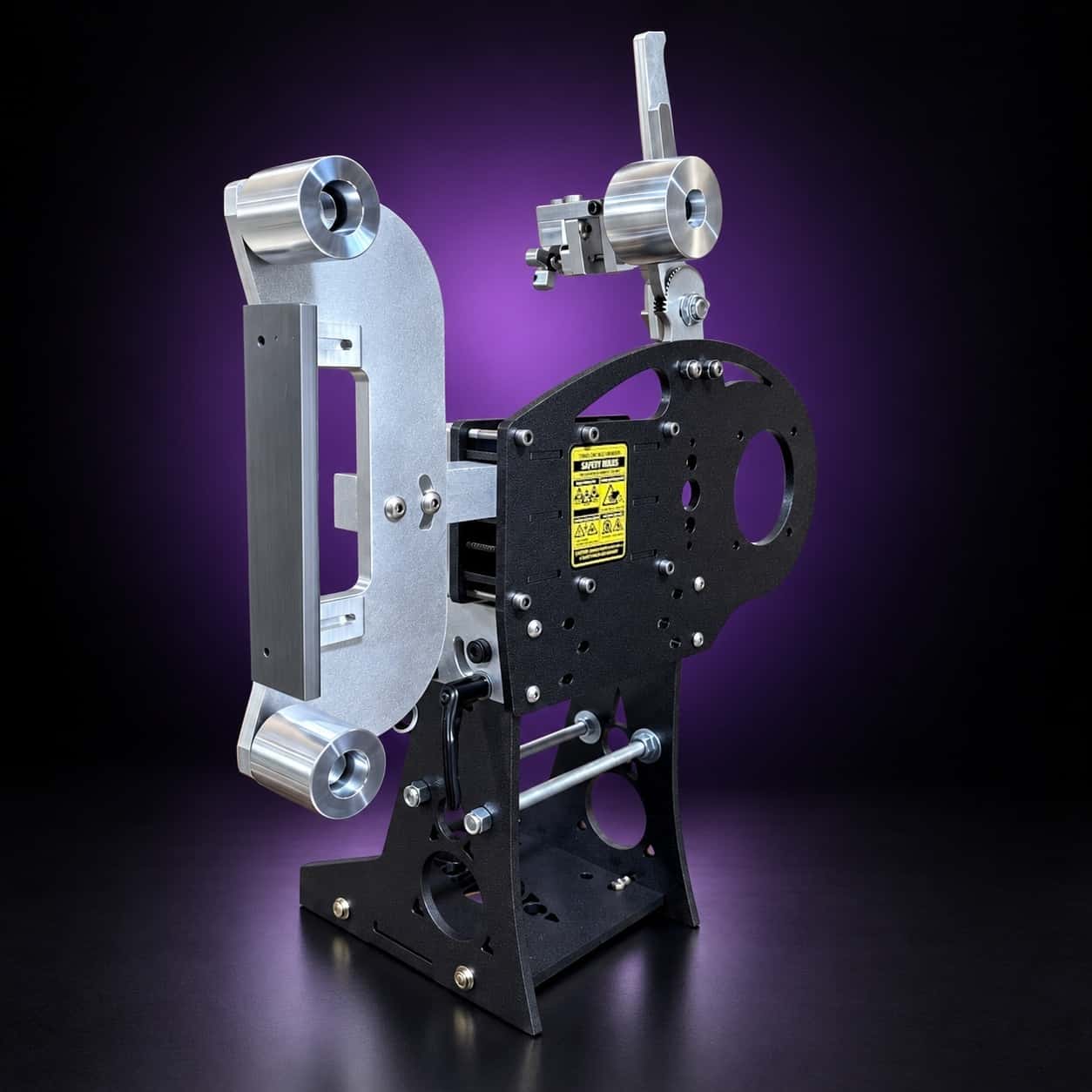
Current dual-axis platform with a steel chassis, more mass and less vibration.
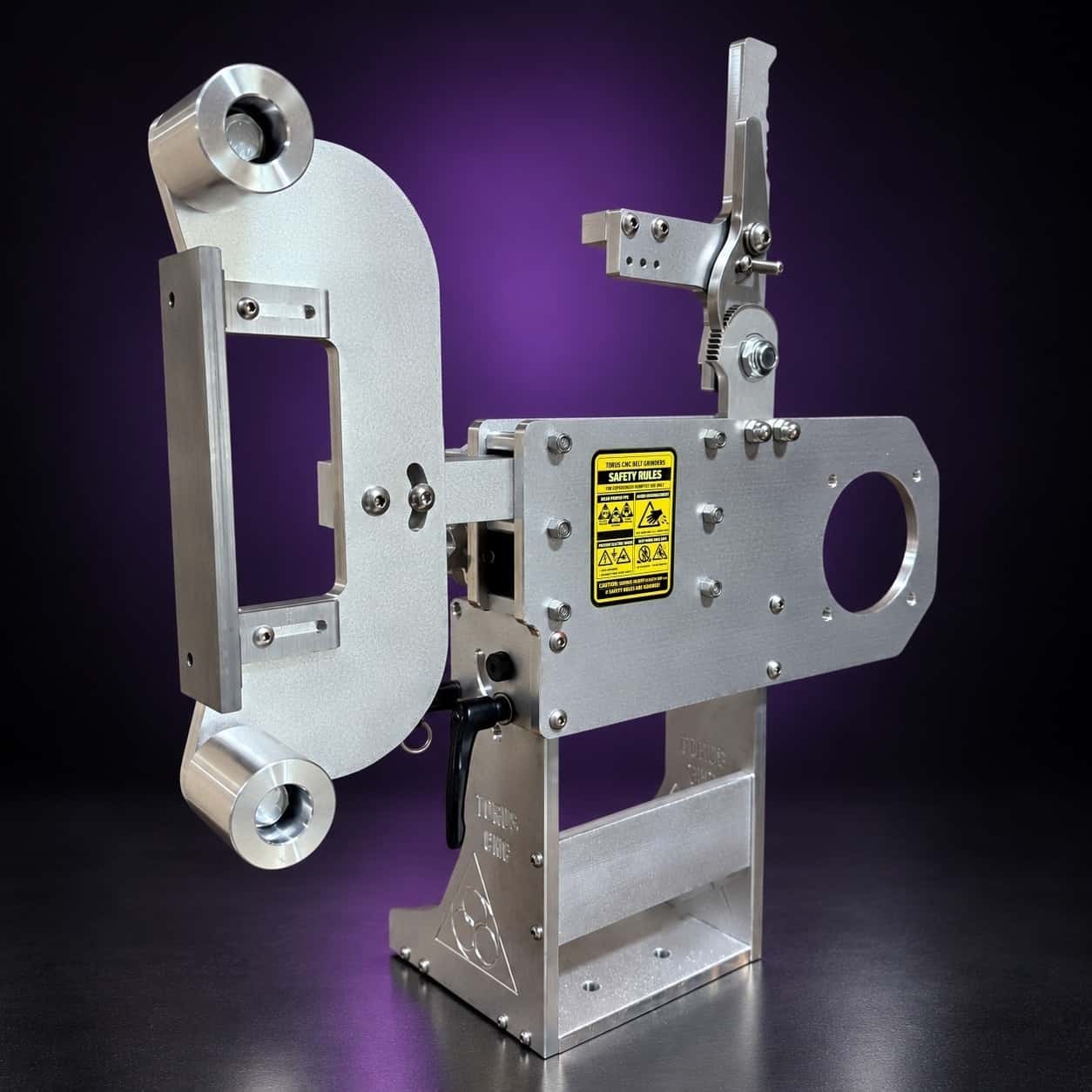
Prior-design aluminum chassis, 90-degree tilt and 1.5-inch tooling arms.
One-man shop
Tell me what the blade is for and how you heat treat. I will tell you whether this is the steel I would use, and what I would use instead.