

Abrasives
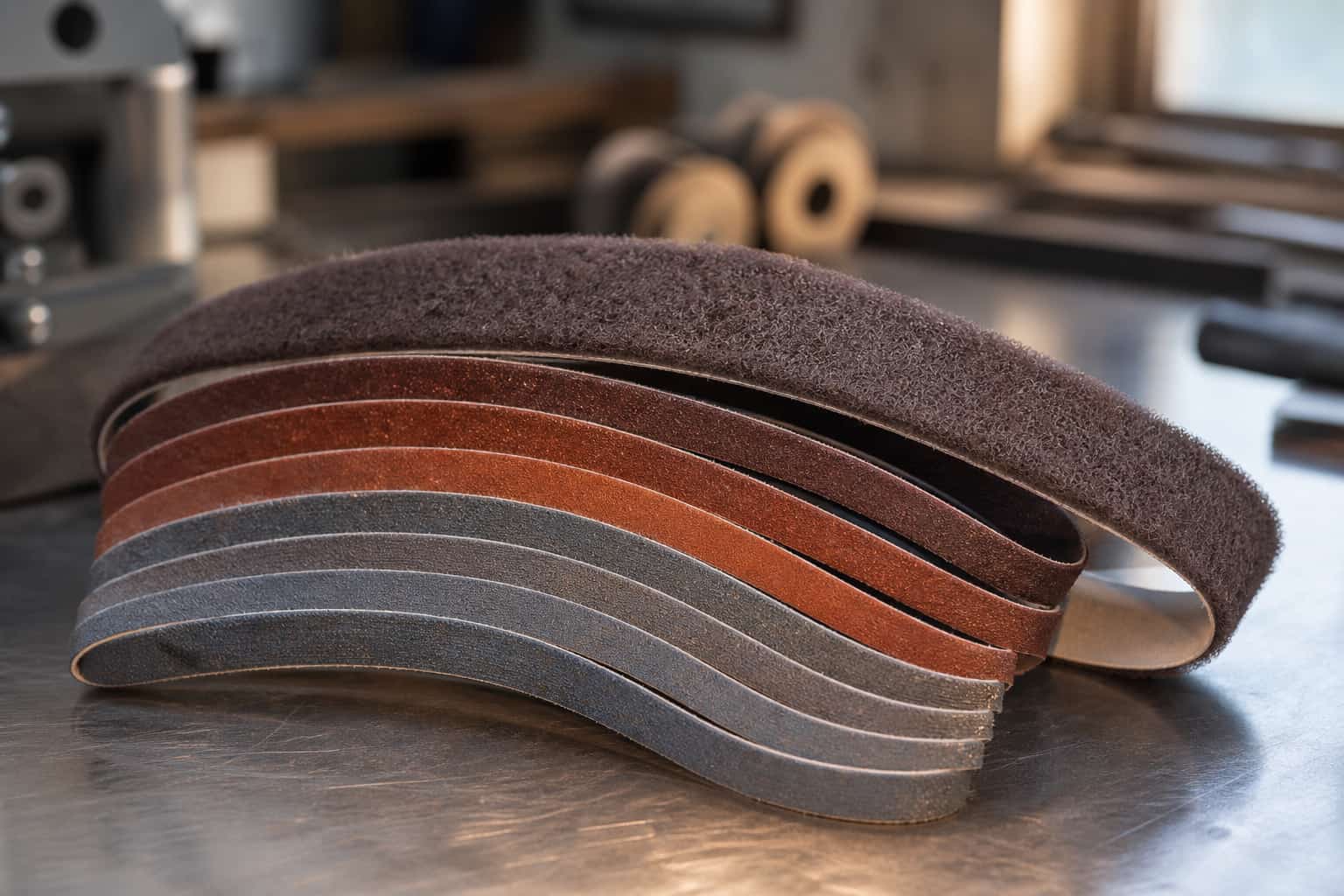
Belt Buyer’s Guide: Which Abrasives to Actually Buy
Belts are the single biggest recurring cost in this hobby, and buying the wrong ones wastes money twice: once on belts that wear out fast, and again on…
Abrasives
How to grind and sharpen 14C28N stainless: belt picks, heat discipline on stainless, hand-sanding behavior, and getting the most from 61-62 HRC.
2 min readWritten by Rich LinvilleFree to read
14C28N is the stainless that grinds like it read the manual. Fine carbides mean ceramic belts cut it instead of fighting it, it finishes cleanly, and it hand-sands better than nearly any other stainless. The cautions are the standard stainless pair — heat discipline and patient finishing — with none of the belt-eating misery of carbide-heavy steels.
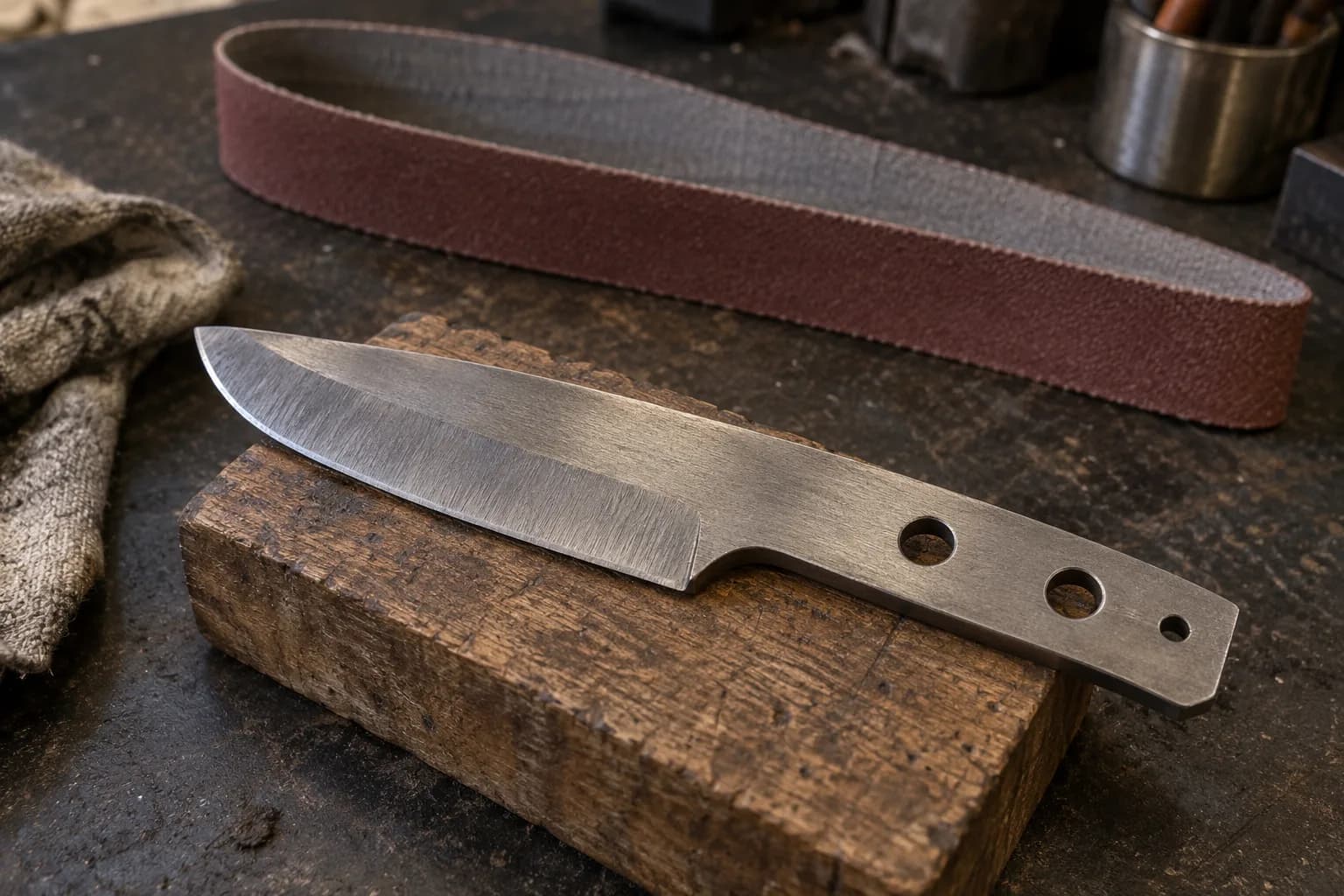
Annealed 14C28N cuts a little slower than carbon steel but with no complaints: fresh 36–60 ceramics for profile and rough bevels, honest feedback, no tear-out. Stainless holds heat longer than carbon steel — the chromium that stops rust also slows heat escaping, so water breaks matter even before hardening. Standard prep rules apply: drill soft, dime-thick edge, and get the grind to 90 percent because post-hardening stock removal on stainless is slow work.
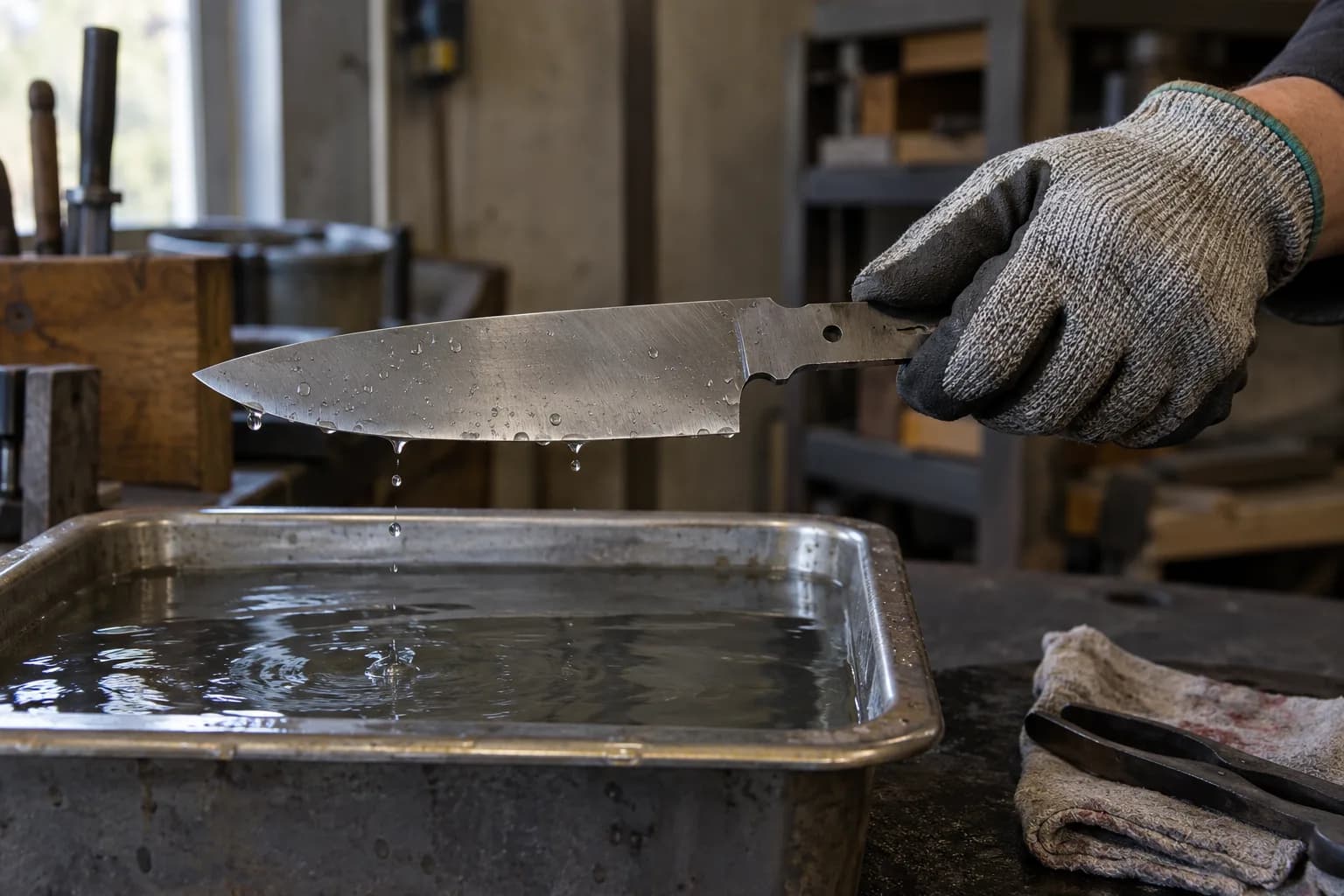
At 60–62 HRC the steel stays cooperative — this is where its fine structure pays the maker directly. Sharp belts still cut cleanly, but the heat rules tighten: a 300–350°F temper is among the lowest in the shop, and stainless sheds heat slowly, so the blade is quietly hotter than it feels. Reduced speed, light passes, water constantly, and stop trusting fingertips — dunk on cadence instead. Overheat a 14C28N edge and you lose both hardness and the corrosion chemistry you paid for.
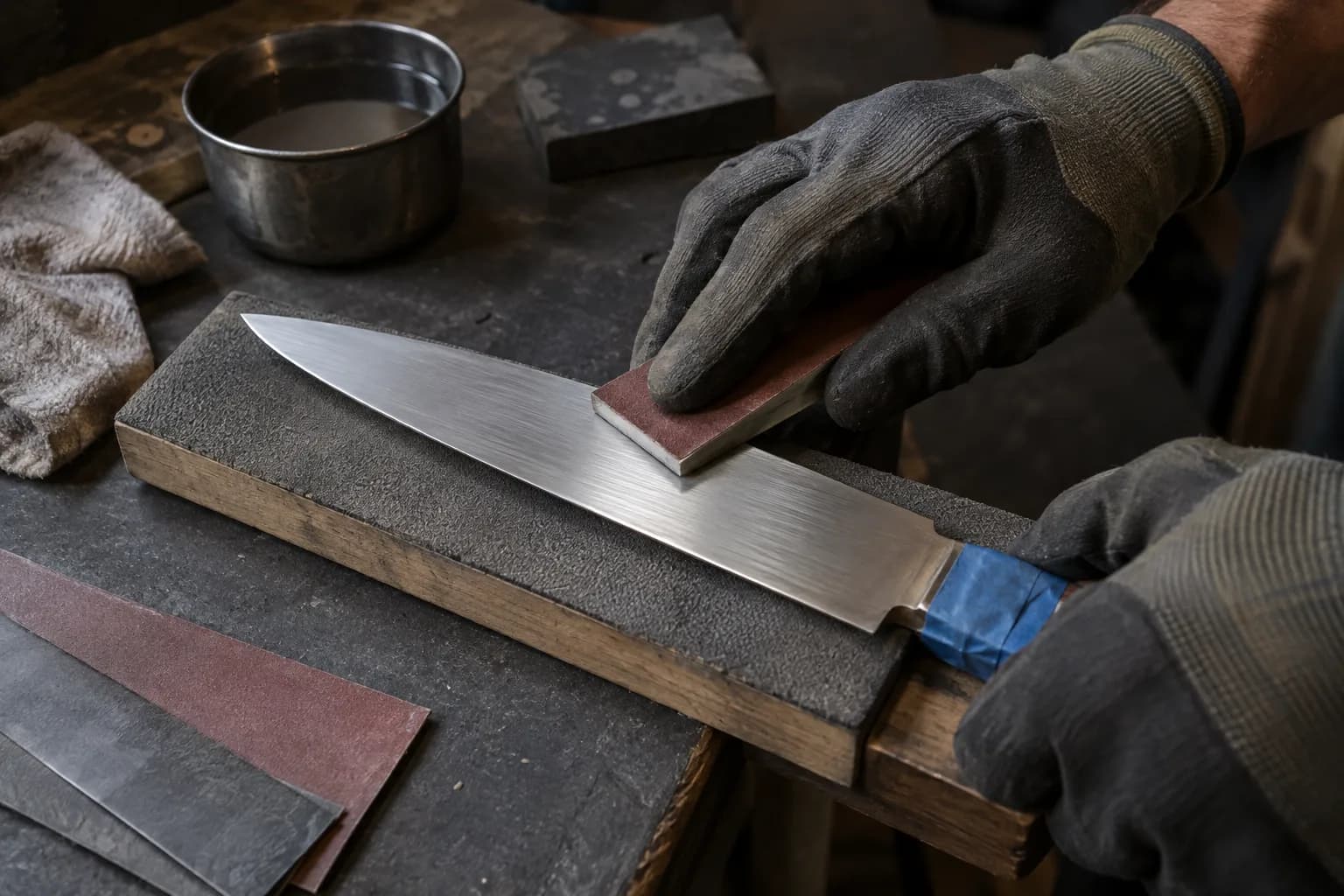
Here 14C28N separates from ordinary stainless: it hand-sands willingly, taking a clean satin at 400–800 grit without the smearing gumminess of softer stainless or the carbide streaking of harder ones. Machine-finish at 220–400, then hand-sand lengthwise with hard backing and fresh paper. It buffs to near-mirror if the knife calls for it — though satin suits its working-knife character. Finish options in Blade Finishes Explained.
Among the friendliest stainless steels on stones: no vanadium carbides means aluminium oxide, ceramic and water stones all cut it fully — diamonds welcome but never required. It takes a genuinely keen apex (razor heritage showing) and rewards a strop between sharpenings. At the maker hardness of 61–62 it holds that keenness noticeably longer than the factory-soft version that built its budget reputation. Progressions in How to Sharpen a Knife.
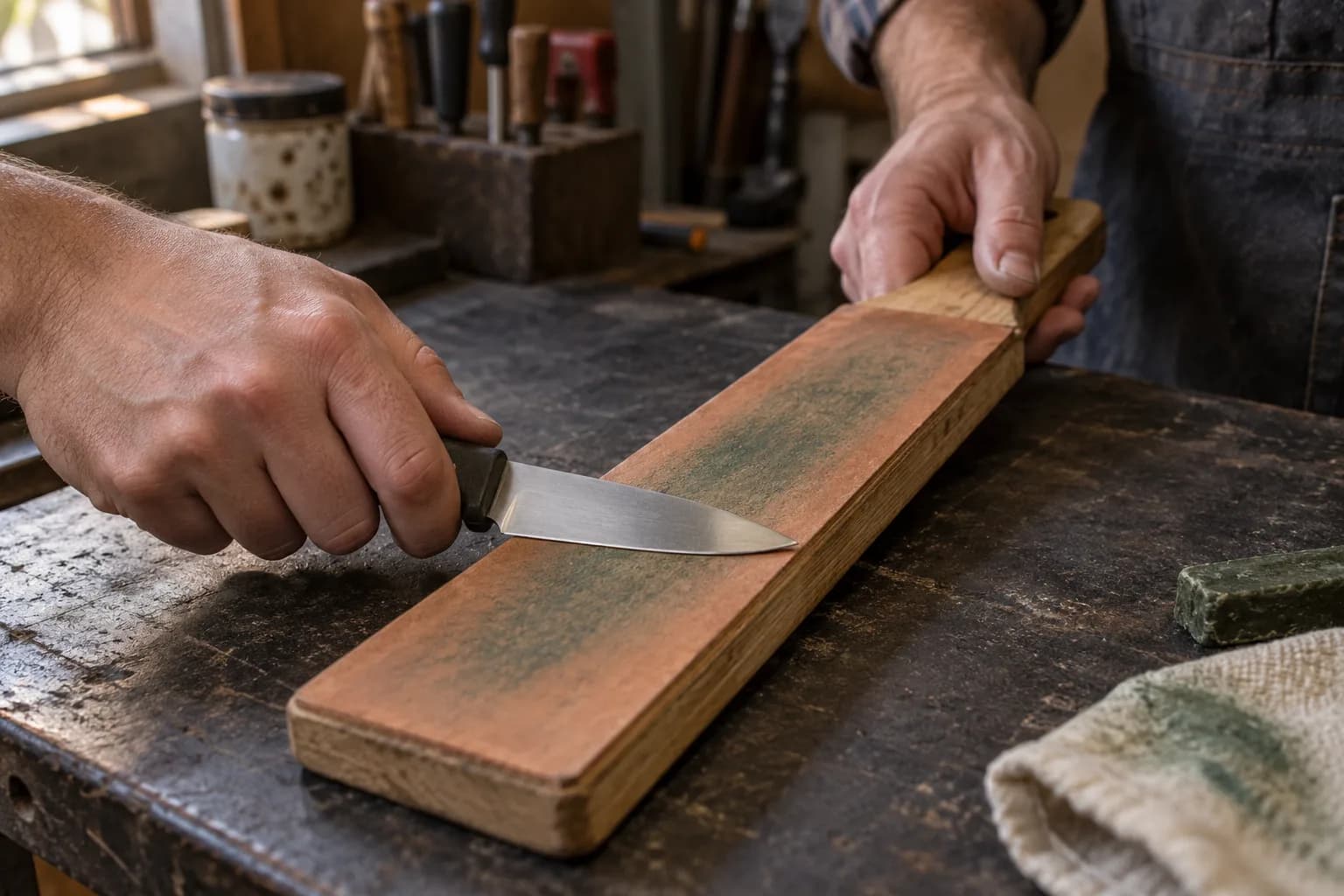
36–60 ceramic annealed, 120–220 refinement, 220–400 hardened cleanup with fresh belts and constant water, then hand work from 400. Buy the good ceramics — stainless punishes worn belts with heat rather than slow cutting, and on a 300°F temper that bill comes due invisibly. Belt choices: Belt Buyer’s Guide.
Keep reading
Three more from the same bench.
Belts are the single biggest recurring cost in this hobby, and buying the wrong ones wastes money twice: once on belts that wear out fast, and again on…

Sharpening is where knifemaking gets humbled: you can grind a flawless blade and still hand someone a knife that won’t slice paper. The good news …
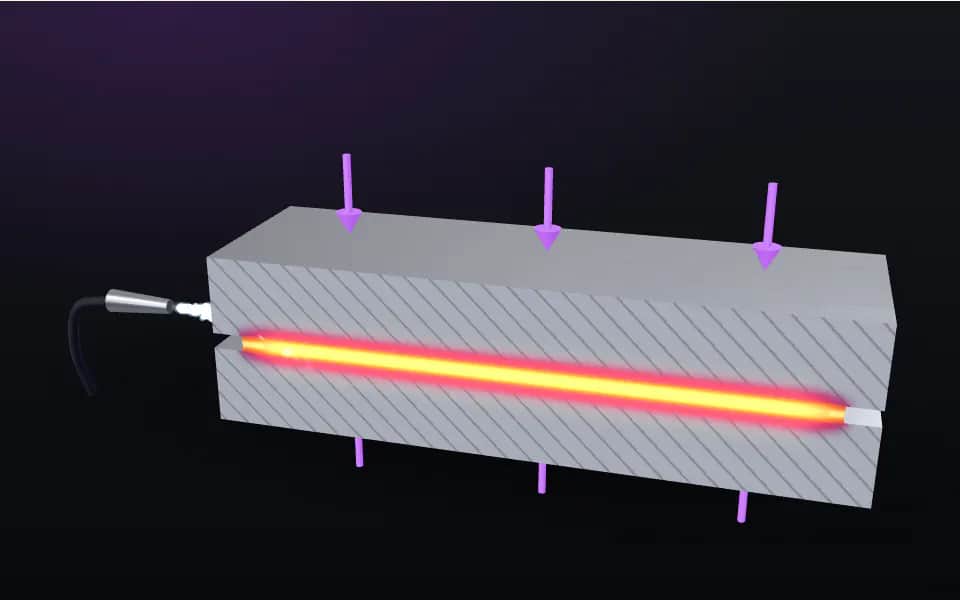
Somewhere in every stainless steel’s heat-treat sheet is a phrase that confuses first-time kiln owners: “plate quench.” No oil, no dramatic hiss — the…
Same bench
I machine the parts, hand-assemble, track and test Torus grinders in Sterling, Illinois. Most orders ship in seven to ten business days from time of order.

Current dual-axis platform with a fiber-laser-cut 6061 chassis and single-knob tracking.

Current dual-axis platform with a steel chassis, more mass and less vibration.

Prior-design aluminum chassis, 90-degree tilt and 1.5-inch tooling arms.

One-man shop
I answer my own email. Tell me the steel, the machine and what it is doing, and I will tell you what I would try next.