
Heat Treat
Heat Treat Oven Buyer’s Guide: Choosing a Knifemaking Kiln
Torch heat-treating and forge heat-treating both work, but a dedicated heat-treat kiln is what actually makes results repeatable, hitting the same target…
Heat Treat
Pro services like Peters' and Bos harden, temper, cryo-treat and test blades. How to prep and ship them, and when outsourcing beats buying a kiln.
3 min readWritten by Rich LinvilleFree to read
Here’s the secret experienced makers wish beginners learned sooner: you don’t have to do your own heat treating. Professional heat treating services exist specifically for knifemakers, they’re inexpensive per blade, and for stainless and powder steels they’ll usually beat the results of a first-year kiln owner. If the heat treat step is what’s been stopping you from working with MagnaCut or AEB-L — this is the unlock.
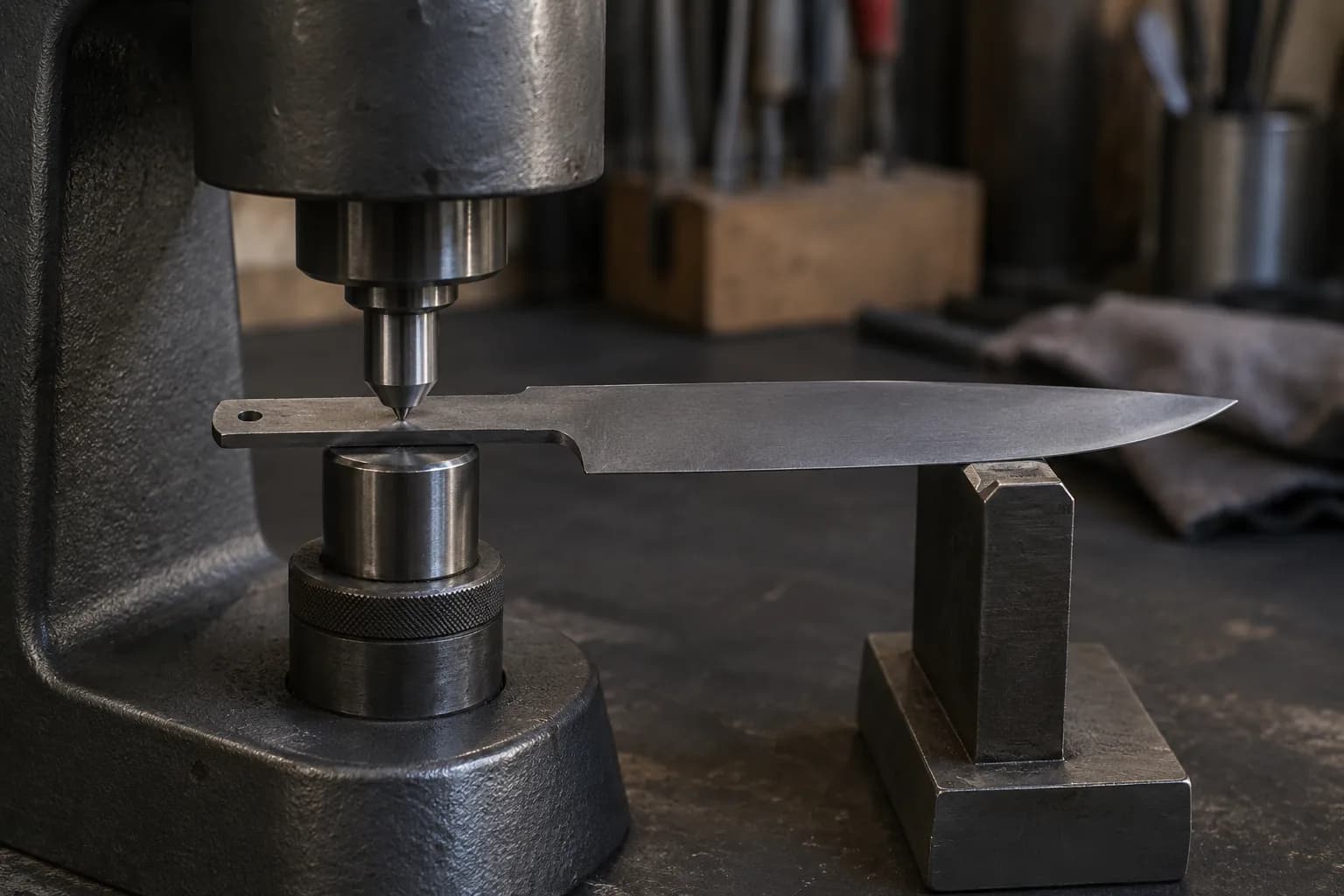
Peters’ Heat Treating has a dedicated Blade Division and is the default answer when makers ask “who do I send blades to?” Their blade pricing includes hardening to your specified HRC, double tempering, cryo treatment, straightening, and hardness testing. They handle everything from single custom blades to production batches, and steel suppliers themselves (including New Jersey Steel Baron) point customers to Peters’. Check their current blade pricing and customer form before shipping.
The most famous name in knife heat treating. Paul Bos built his reputation heat treating for custom makers for decades; the operation now runs inside Buck Knives’ Idaho facility under his protégé Paul Farner, and still accepts blades from outside knifemakers. Especially respected for stainless steels.
Several suppliers in the same ecosystem as our steel sourcing guide — including Texas Knifemaker’s Supply and TruGrit — run heat treating services aimed at hobbyist volumes, which can simplify logistics if you’re already buying steel or belts from them.
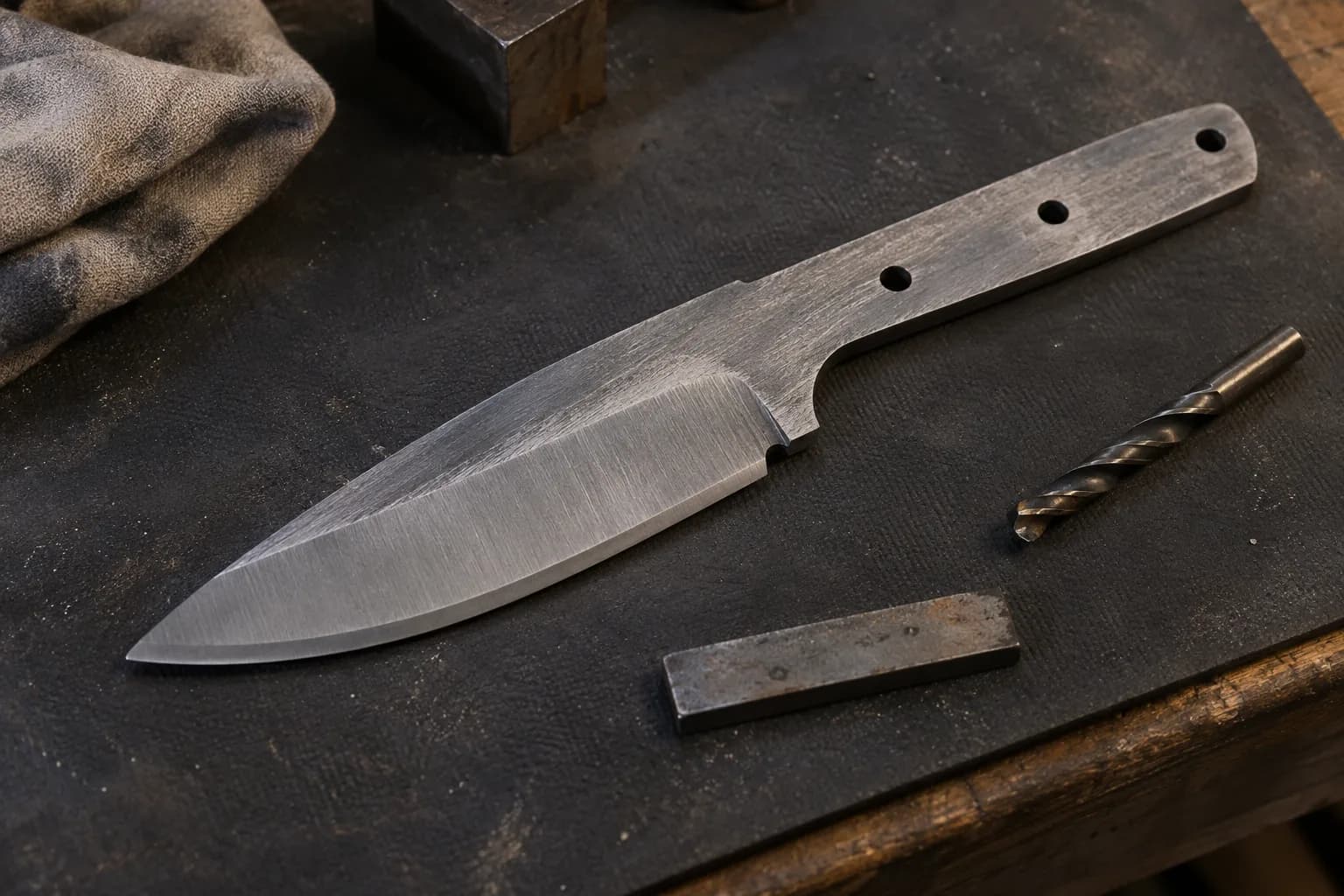
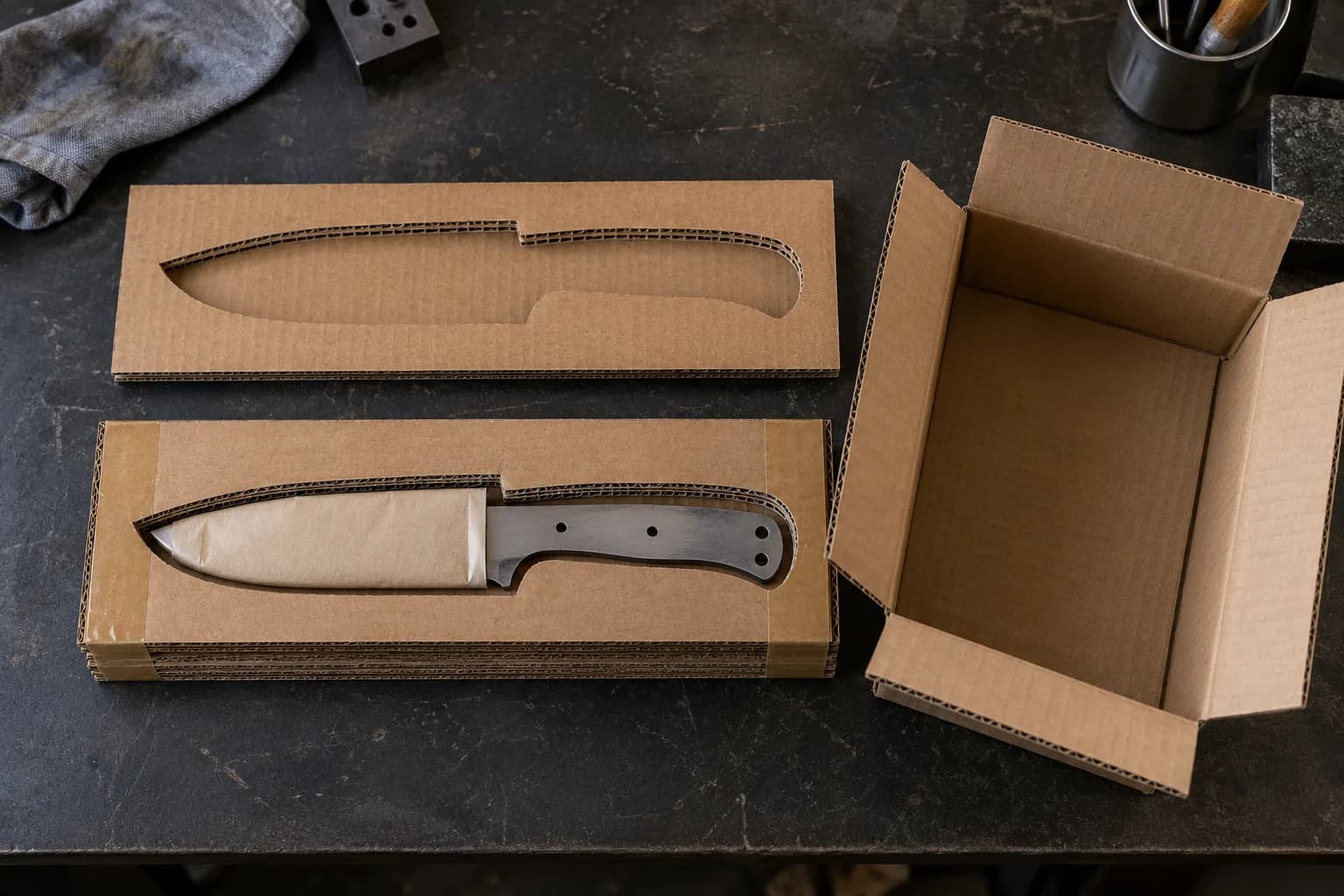
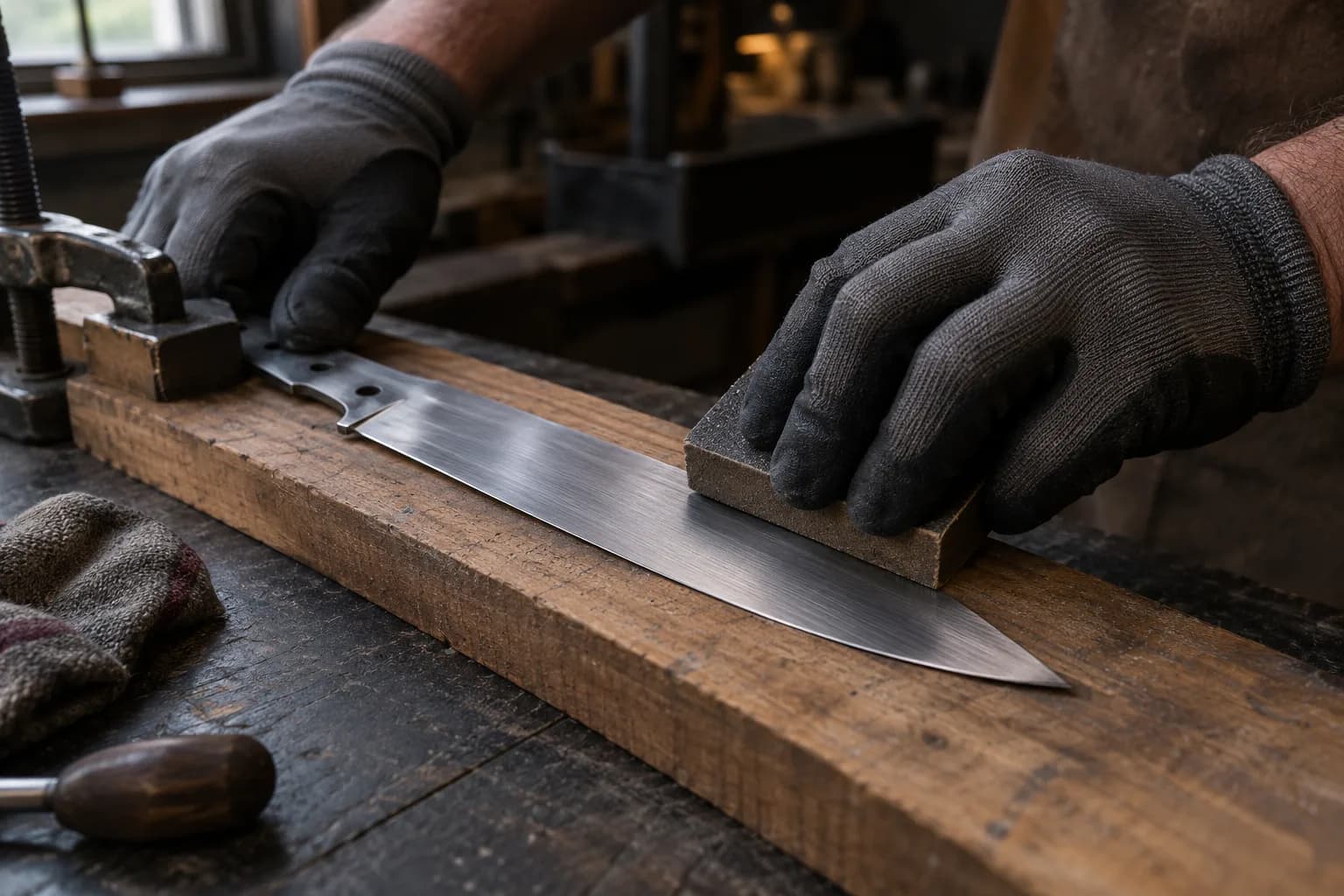
The practical rule most makers follow: send out stainless; do simple carbon steel yourself. Carbon steels like 1084 are genuinely doable at home (even without a kiln) and teach you real skills. High-carbide stainless stays outsourced until your volume — or your curiosity — justifies a kiln plus quench plates plus a cryo setup. Low-carbide stainless like AEB-L and 14C28N can be done from a forge, a point or two softer than a kiln gets it. Plenty of full-time professional makers never bring stainless heat treating in-house at all; there’s no shame in using the same shops the pros use.
Keep reading
Three more from the same bench.
Torch heat-treating and forge heat-treating both work, but a dedicated heat-treat kiln is what actually makes results repeatable, hitting the same target…
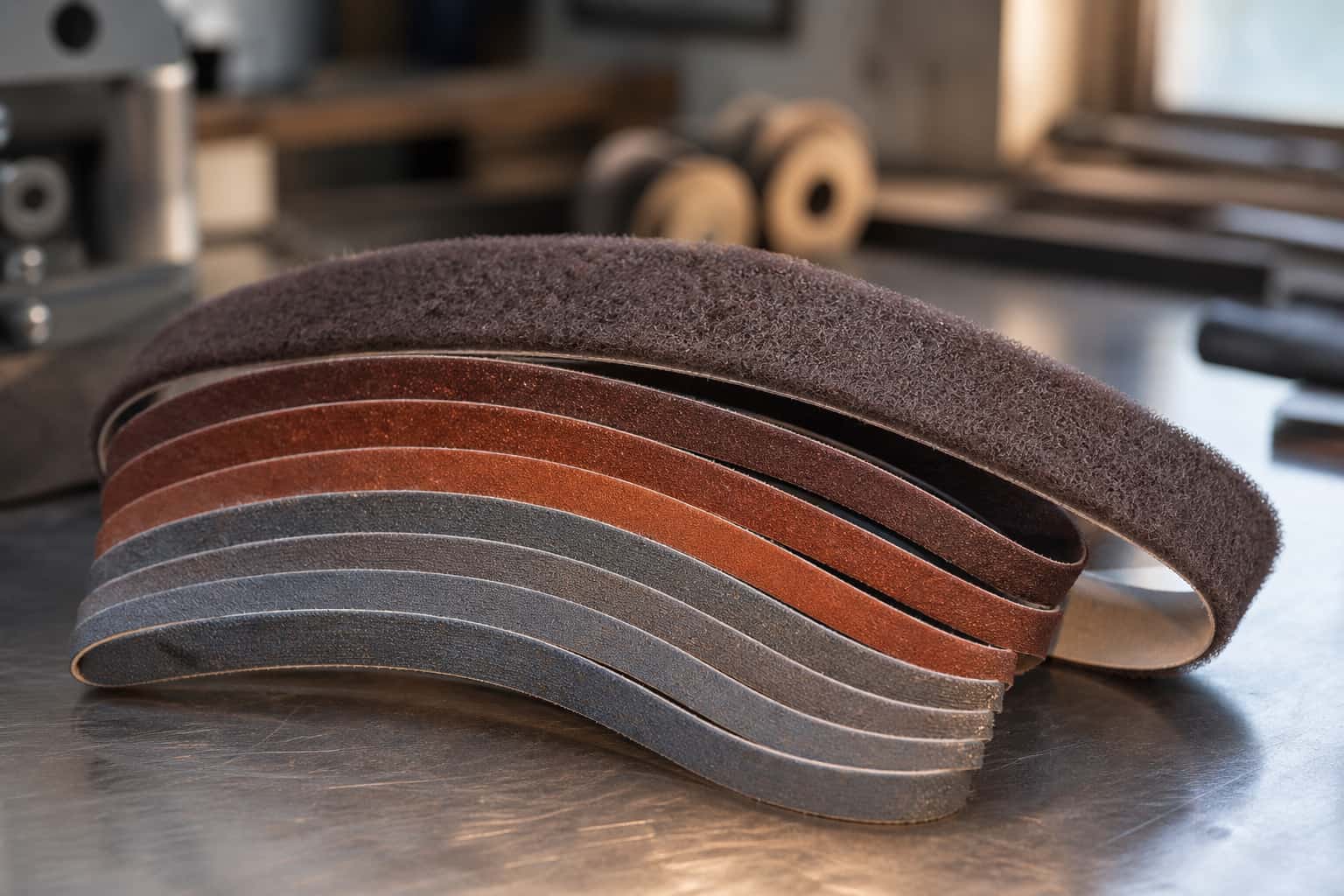
Heat treating is what turns a piece of flat bar stock into a functional knife blade. Done correctly, it transforms the steel’s internal crystal structure…
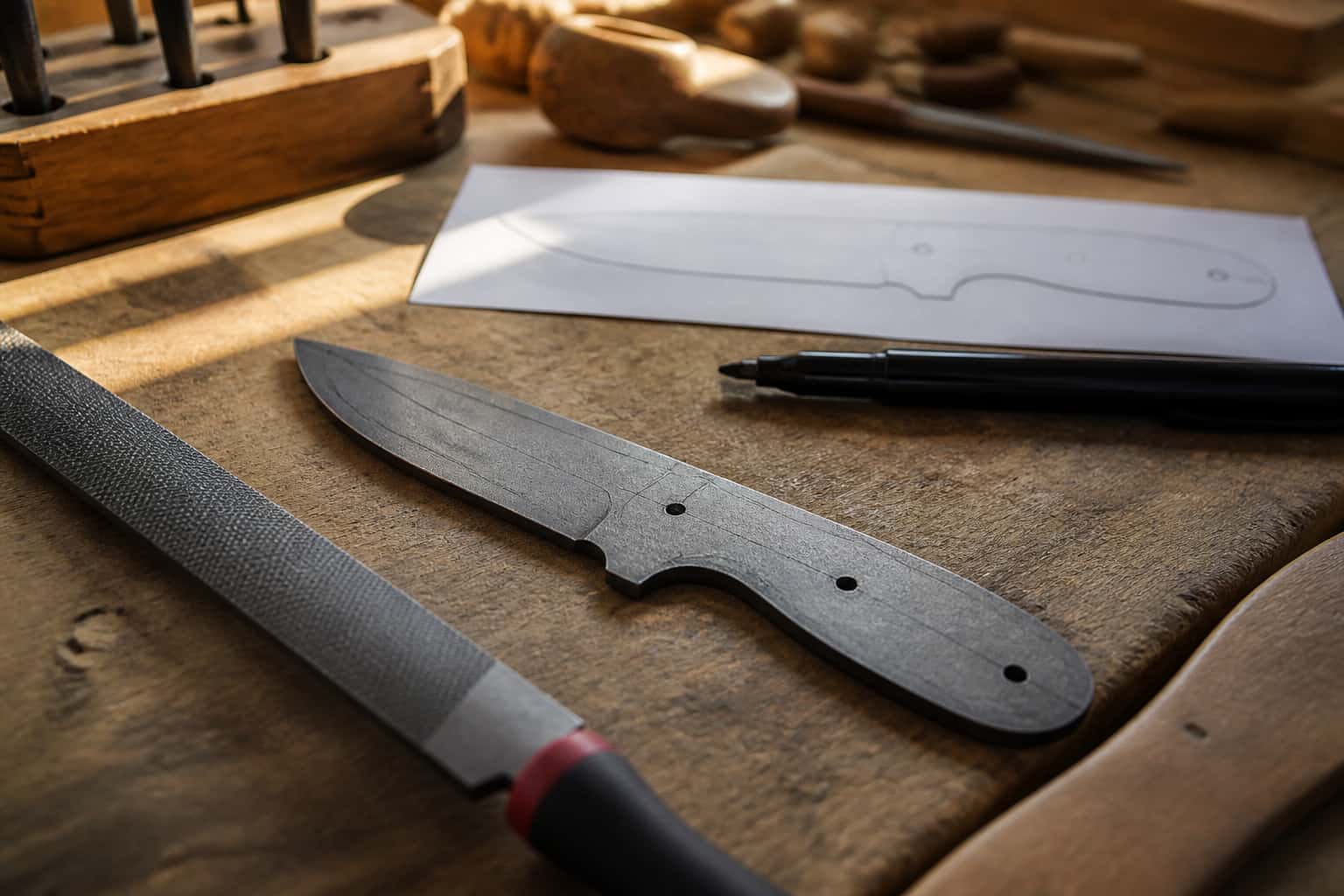
Serious knifemakers eventually ask the same question: what does it actually cost to build a professional-grade shop, not just a hobby setup? This breaks…
Same bench
I machine the parts, hand-assemble, track and test Torus grinders in Sterling, Illinois. Most orders ship in seven to ten business days from time of order.
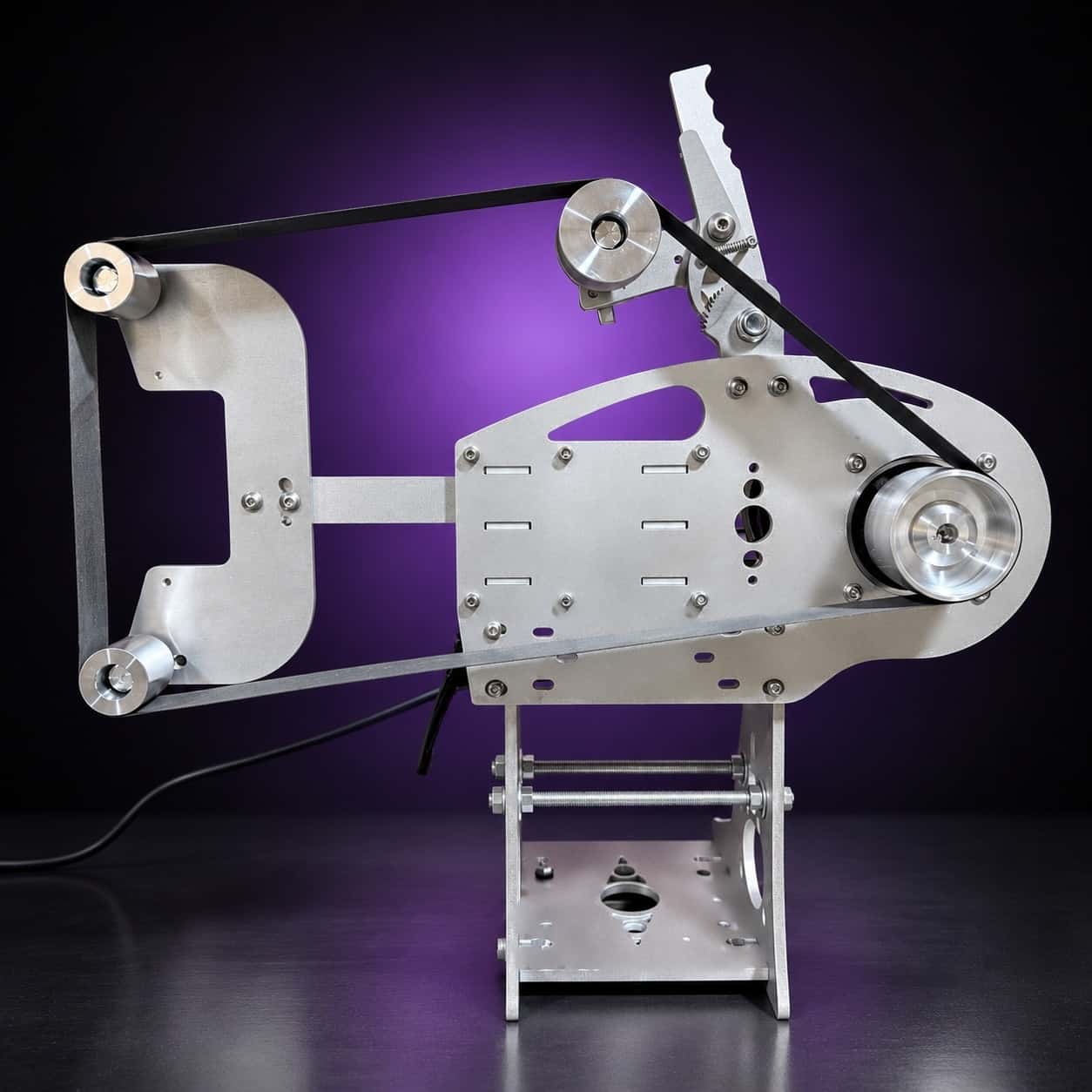
Current dual-axis platform with a fiber-laser-cut 6061 chassis and single-knob tracking.
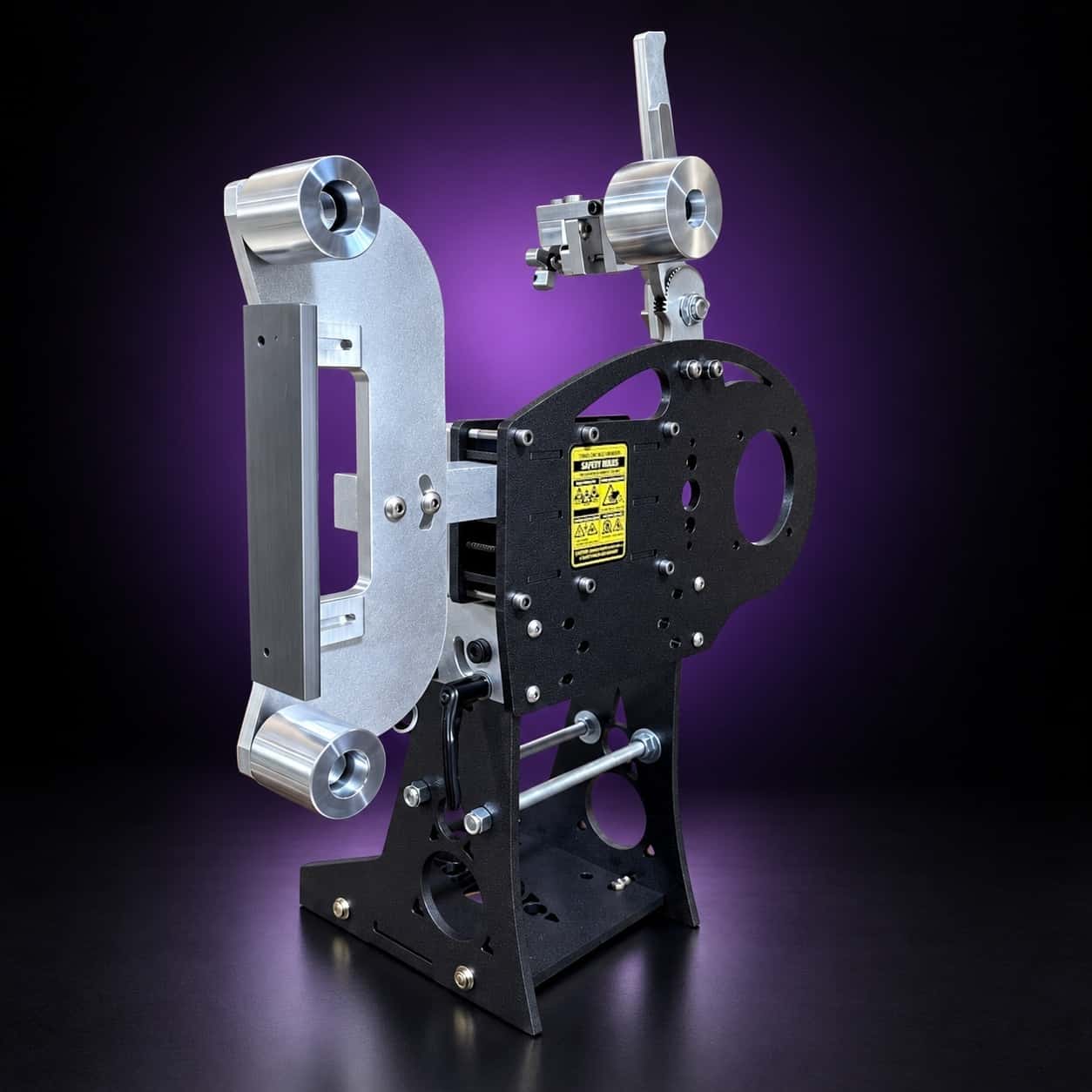
Current dual-axis platform with a steel chassis, more mass and less vibration.
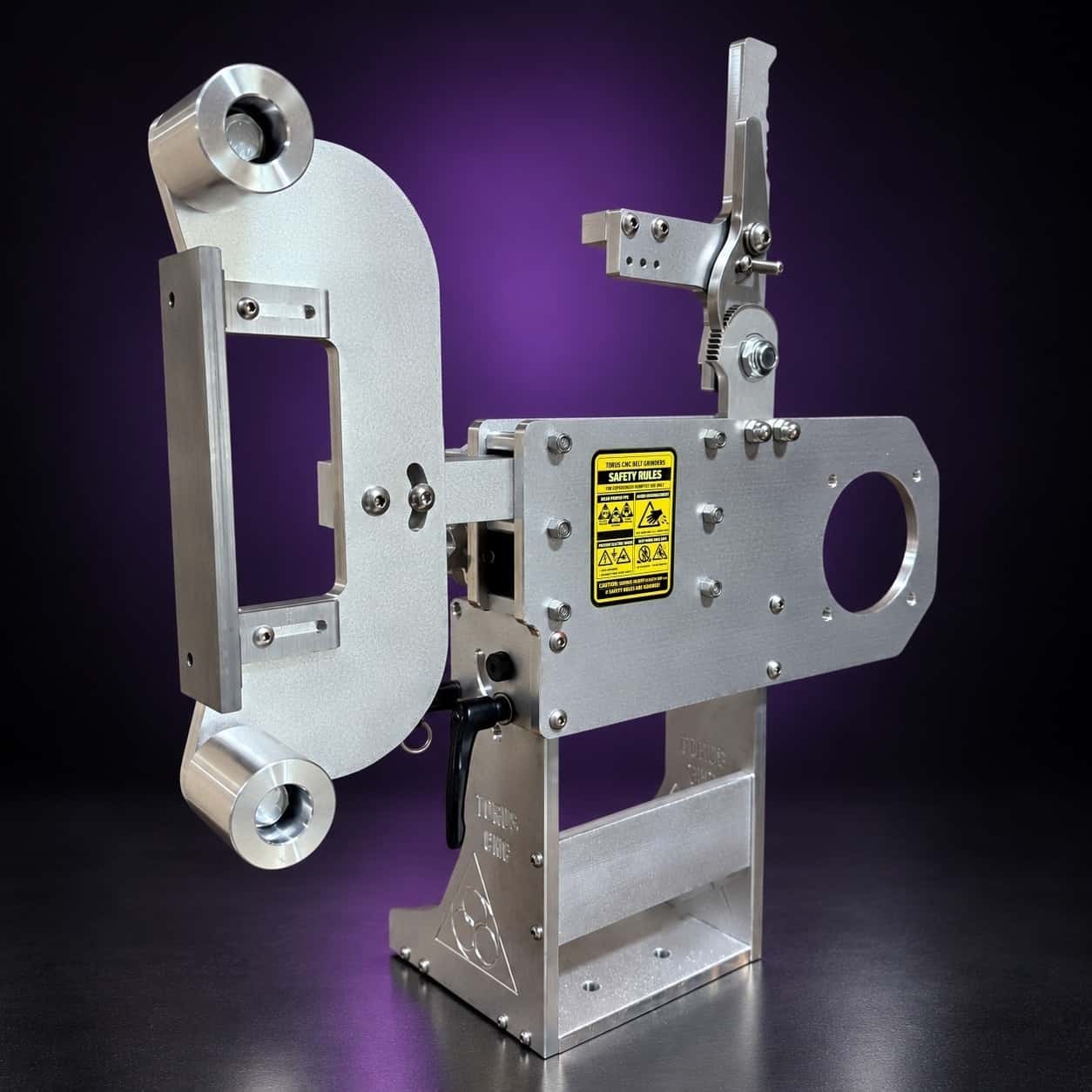
Prior-design aluminum chassis, 90-degree tilt and 1.5-inch tooling arms.
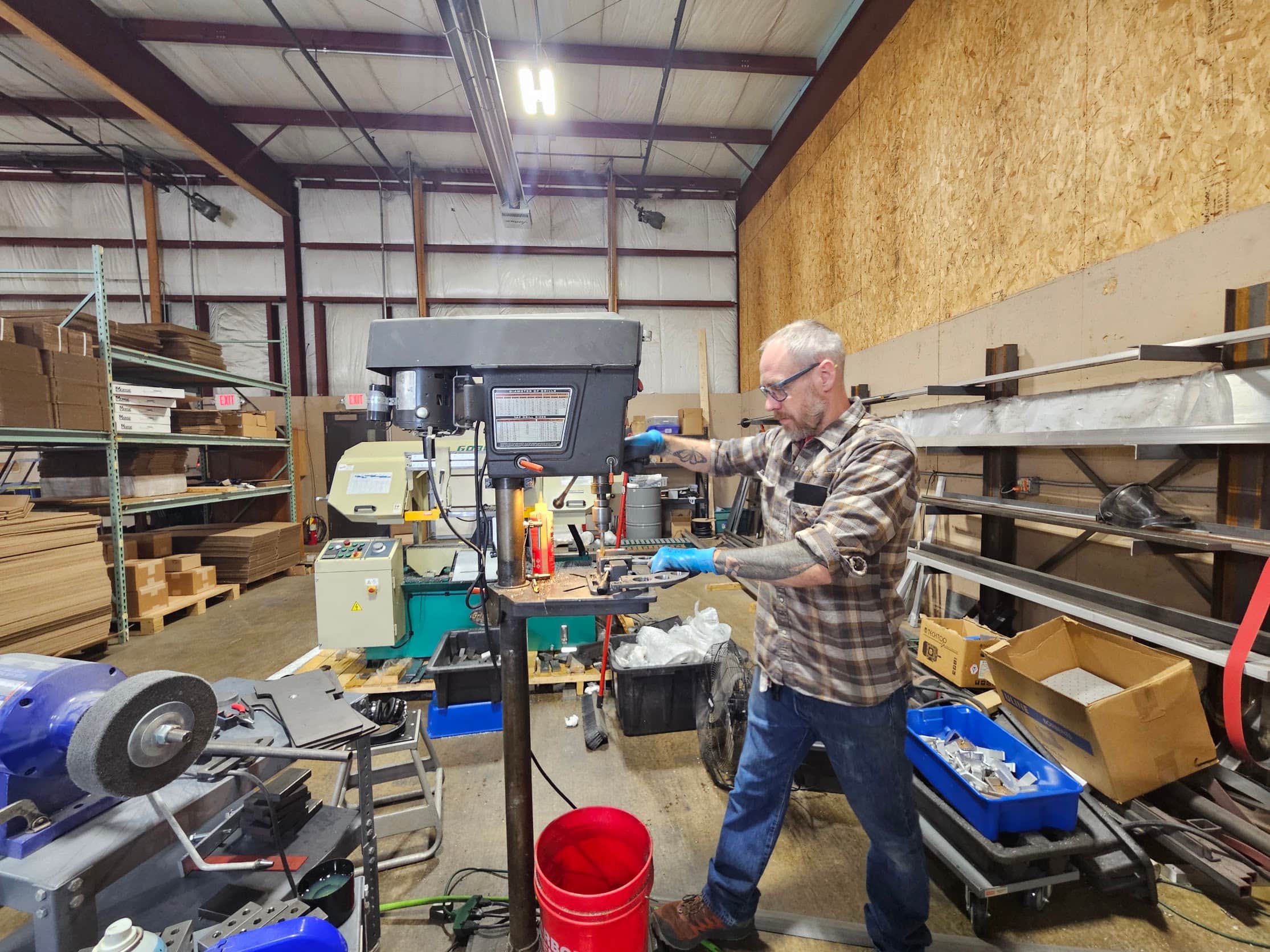
One-man shop
I answer my own email. Tell me the steel, the machine and what it is doing, and I will tell you what I would try next.