
Beginner Guides
How to Choose Your First Knife Steel
With dozens of knife steels to choose from, picking your first one can feel overwhelming. The good news: for a first knife, the right answer is almost…
Beginner Guides
Real knife steel suppliers compared: New Jersey Steel Baron, Alpha Knife Supply, Jantz Supply, USA Knifemaker, Pop's Knife Supply, Admiral Steel.
3 min readWritten by Rich LinvilleFree to read
Buying steel from a real, known supplier instead of unmarked scrap or “mystery steel” is the single most important sourcing decision a new maker makes, see 10 Common Mistakes Beginner Knifemakers Make for why. Here’s what to look for in a supplier, and real, currently-active options worth knowing.
A known, correctly-labeled alloy is the whole point, a reputable supplier sells steel that actually is what the label says, in a proper annealed (soft) condition ready for stock removal, not something that needs guessing at composition or condition before you can even start. Beyond that, look for a size selection that matches your actual project sizes rather than forcing you to buy far more than you need, and a track record within the knifemaking community specifically, general industrial metal suppliers aren’t always set up for small-batch knifemaker quantities or knife-specific finishing.
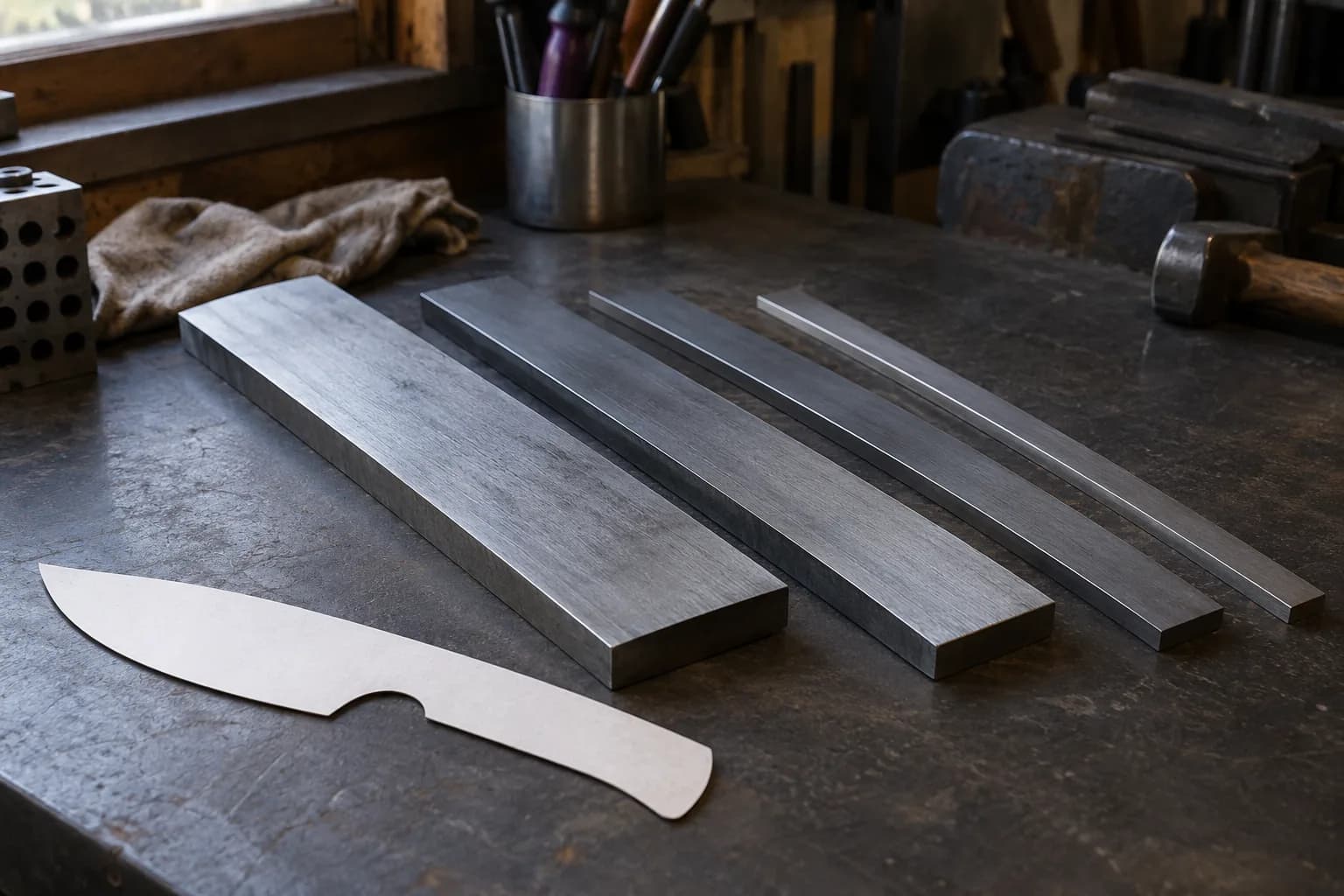
Founded in 2010 by Aldo Bruno specifically to supply consistent, quality steel to the knifemaking and bladesmithing community. Carries CPM, Hitachi, high-carbon, tool, and stainless steels, including modern options like Nitro-V and CPM MagnaCut, plus value-added services like waterjet cutting and heat treating. Based in Hawthorne, New Jersey. See New Jersey Steel Baron.
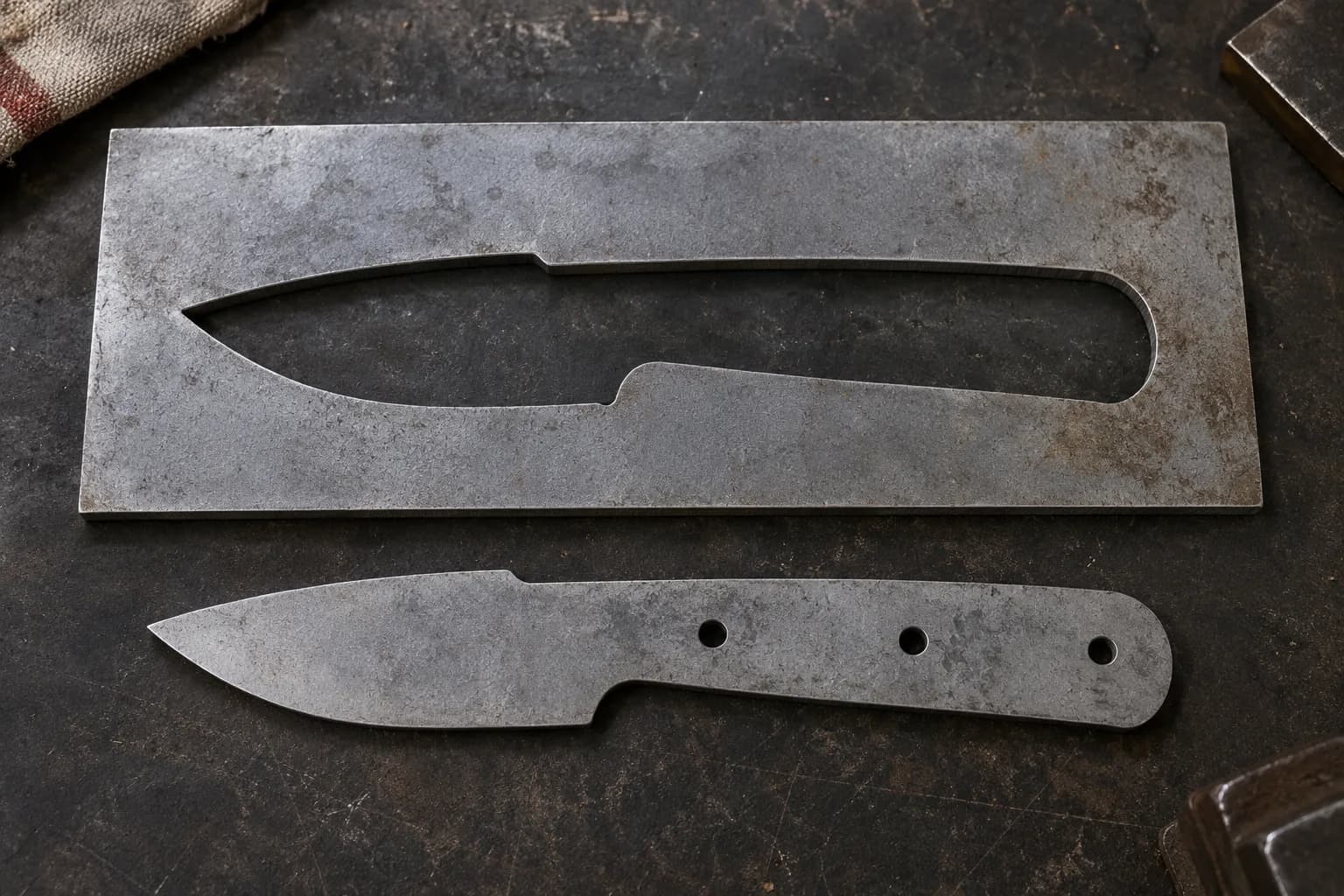
Carries an unusually wide range of thicknesses, lengths, and widths specifically for 1095, alongside many other steels including 1075, 1084, 15N20, 26C3, 52100, 80CrV2, D2, and several CPM tool steels. Steel ships properly annealed and ready to heat treat. AKS also carries handle materials (G10, Micarta, titanium, carbon fiber, Timascus), useful if you’re sourcing an entire build in one place, see Handle Material Guide for how these fit into a build. See Alpha Knife Supply.
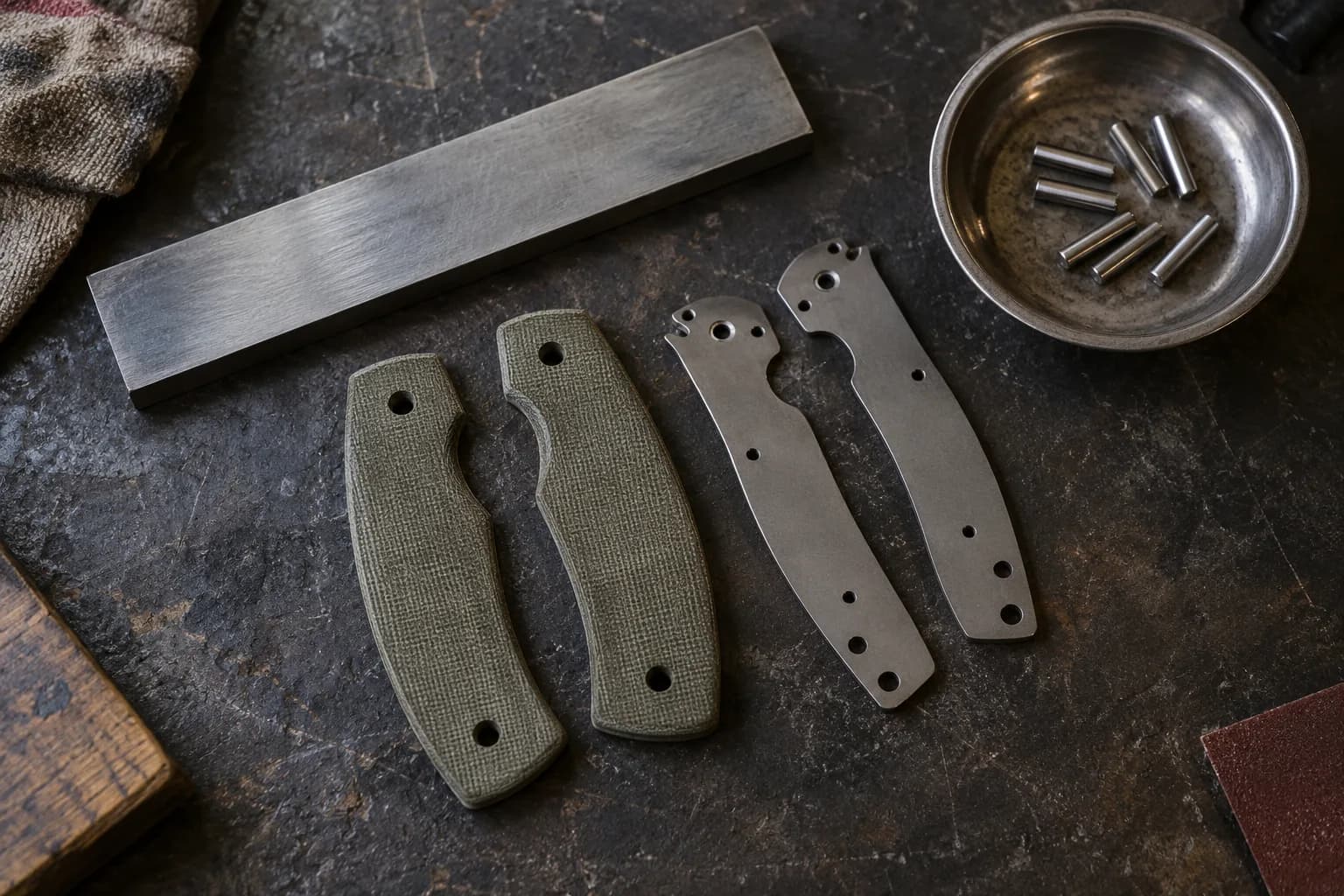
Founded in 1966, originally as a gunsmithing supply business before expanding into knifemaking, and now one of the largest, most established knifemaking supply companies in the country, a genuine one-stop shop covering bar stock and blade steel alongside handle materials, hardware, and kits. Based in Davis, Oklahoma. See Jantz Supply.
Known in the knifemaking community for competitive steel pricing, reasonable shipping, and a large overall inventory spanning blade steel, blade blanks, and heat-treat equipment (their listings appear throughout this site’s Heat Treat Oven Buyer’s Guide for exactly that reason). A solid, broad-catalog option worth comparing prices against. See USA Knifemaker.
Known specifically for 80CrV2 stock and for Pop’s ProCut, a newer carbon steel developed by Pop’s Knife Supply in collaboration with metallurgist Larrin Thomas (the same metallurgist behind CPM MagnaCut, referenced throughout this site’s metallurgy guides) as an intentional next step beyond 80CrV2, balancing toughness and edge retention with a forgiving heat-treat window. Worth a look specifically if you’re building a silo around simple, high-performance carbon steel. See Pop’s Knife Supply.
A less commonly mentioned option in knifemaking circles compared to the dedicated suppliers above, but a real source for affordable bar stock steel in knife-relevant sizes and alloys, worth comparing on price for straightforward carbon and tool steel purchases. See the Admiral Steel shop.
Most of these suppliers sell both single bars and bulk lengths or multi-packs at a meaningful per-unit discount. If you know you’ll use a lot of one alloy (1084 or 80CrV2 for a beginner working through a first several knives, for example), buying a longer length or a multi-pack up front is usually cheaper per knife than repeated small orders, as long as you have a way to store the extra stock properly (dry, away from moisture that could start surface rust on unstabilized steel).
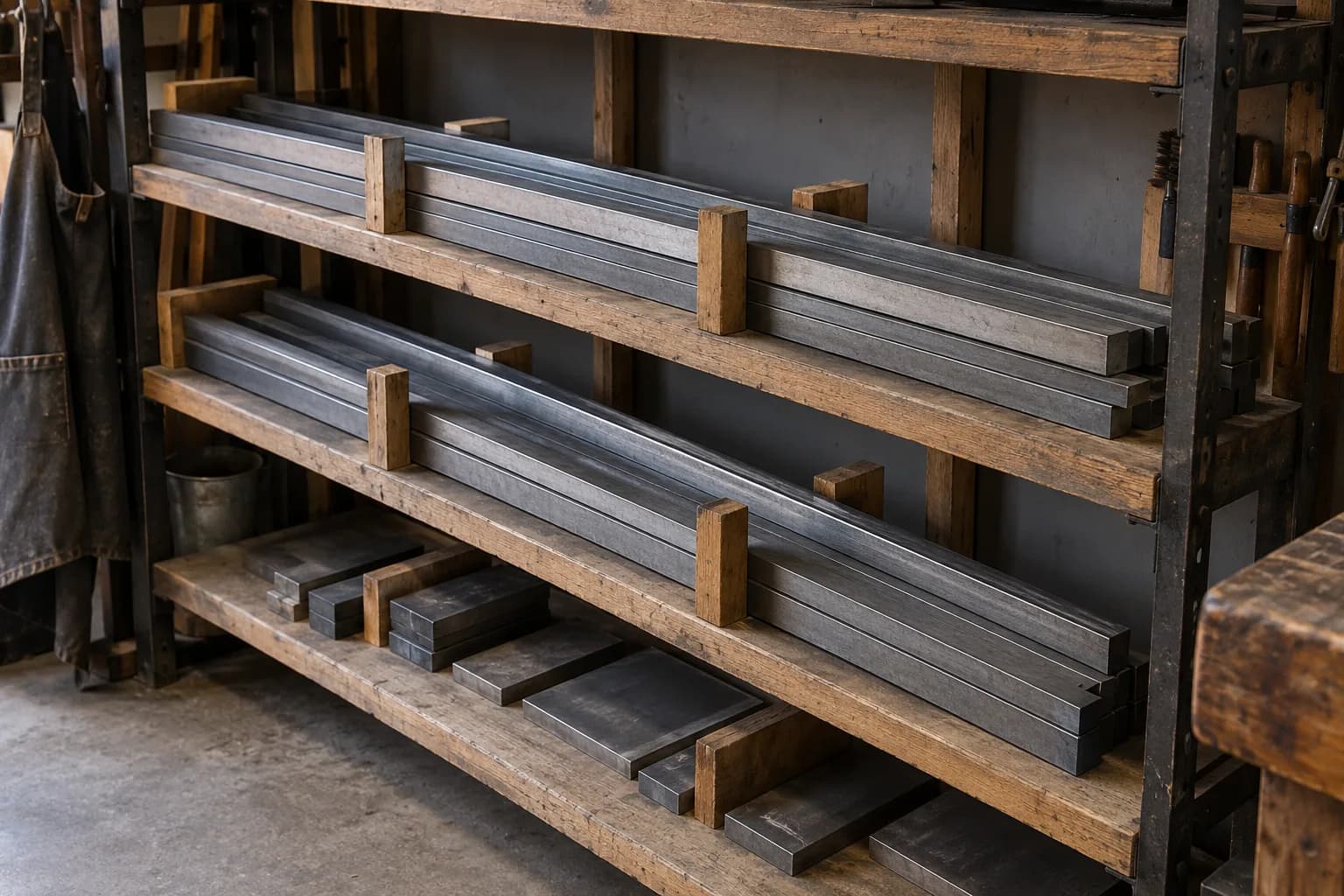
The underlying alloy composition should be the same regardless of supplier, but consistency, correct labeling, and proper annealed condition on arrival can genuinely vary. Sticking with suppliers who have an established reputation specifically within the knifemaking community reduces the risk of a mislabeled or improperly conditioned bar.
General industrial metal suppliers can work for common, simple alloys, but they’re usually not set up for the small-batch sizes knifemakers need, and won’t have the knife-specific product knowledge (annealed condition, common bar sizes for blades) that dedicated knifemaking suppliers do.
1084 or AEB-L in a common bar size from any of the dedicated suppliers above, see How to Choose Your First Knife Steel for why these are the recommended starting points.
Keep reading
Three more from the same bench.
With dozens of knife steels to choose from, picking your first one can feel overwhelming. The good news: for a first knife, the right answer is almost…
Most beginner knifemaking problems trace back to a handful of repeat mistakes, not bad luck or bad steel. Here are the ones that trip up new makers most…
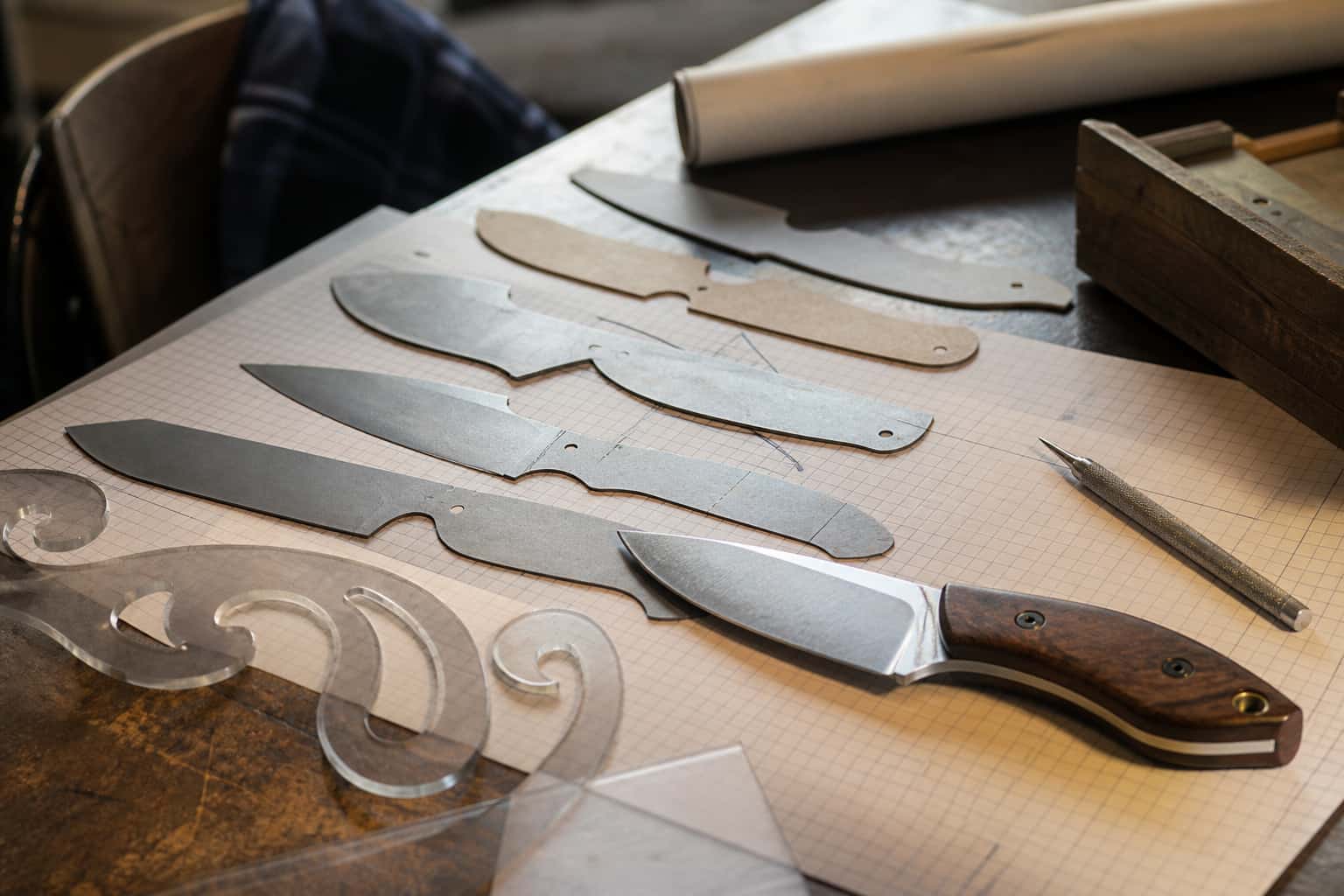
Handle material affects grip, durability, weather resistance, and how a knife feels in the hand, arguably as much as blade steel affects how it cuts…
Same bench
I machine the parts, hand-assemble, track and test Torus grinders in Sterling, Illinois. Most orders ship in seven to ten business days from time of order.
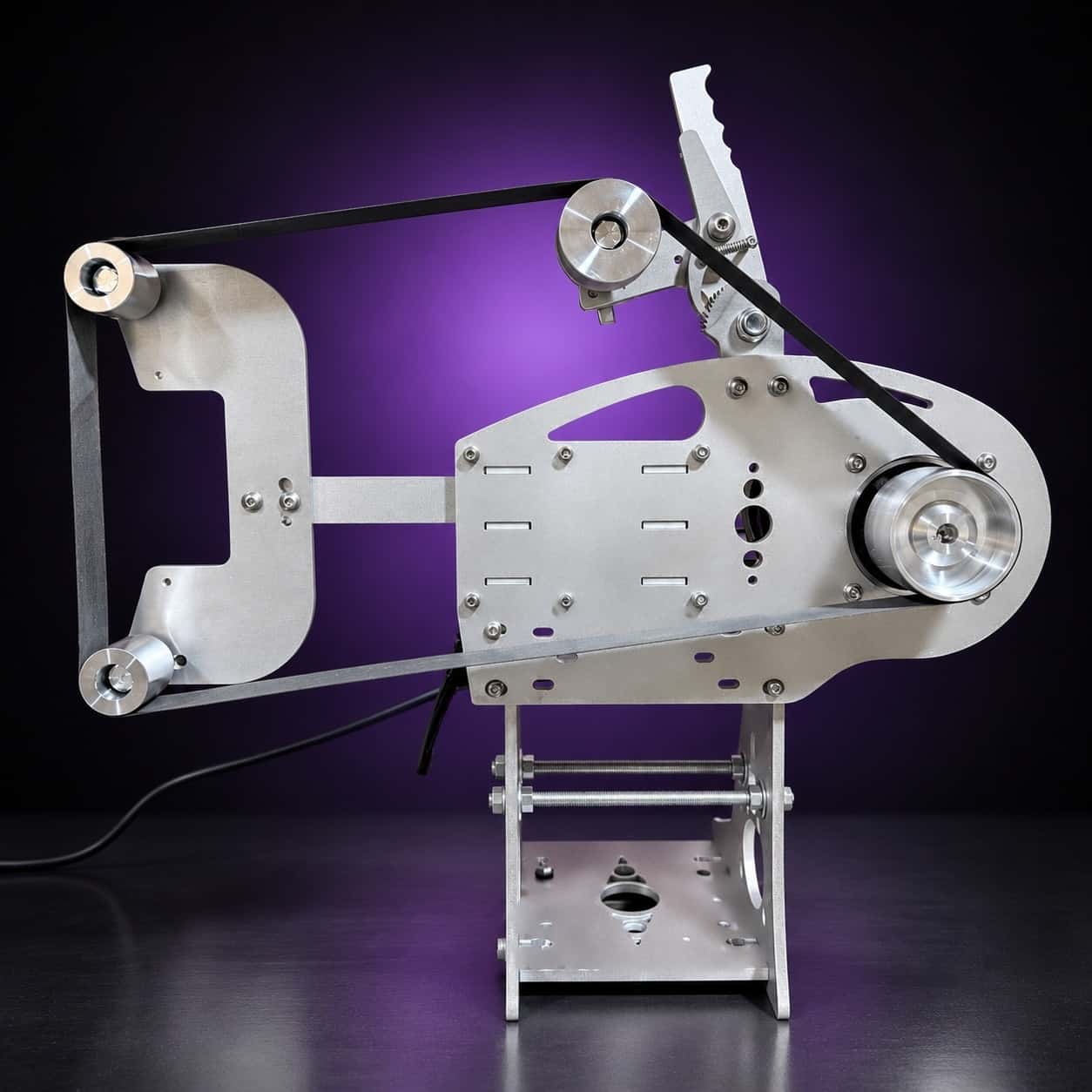
Current dual-axis platform with a fiber-laser-cut 6061 chassis and single-knob tracking.
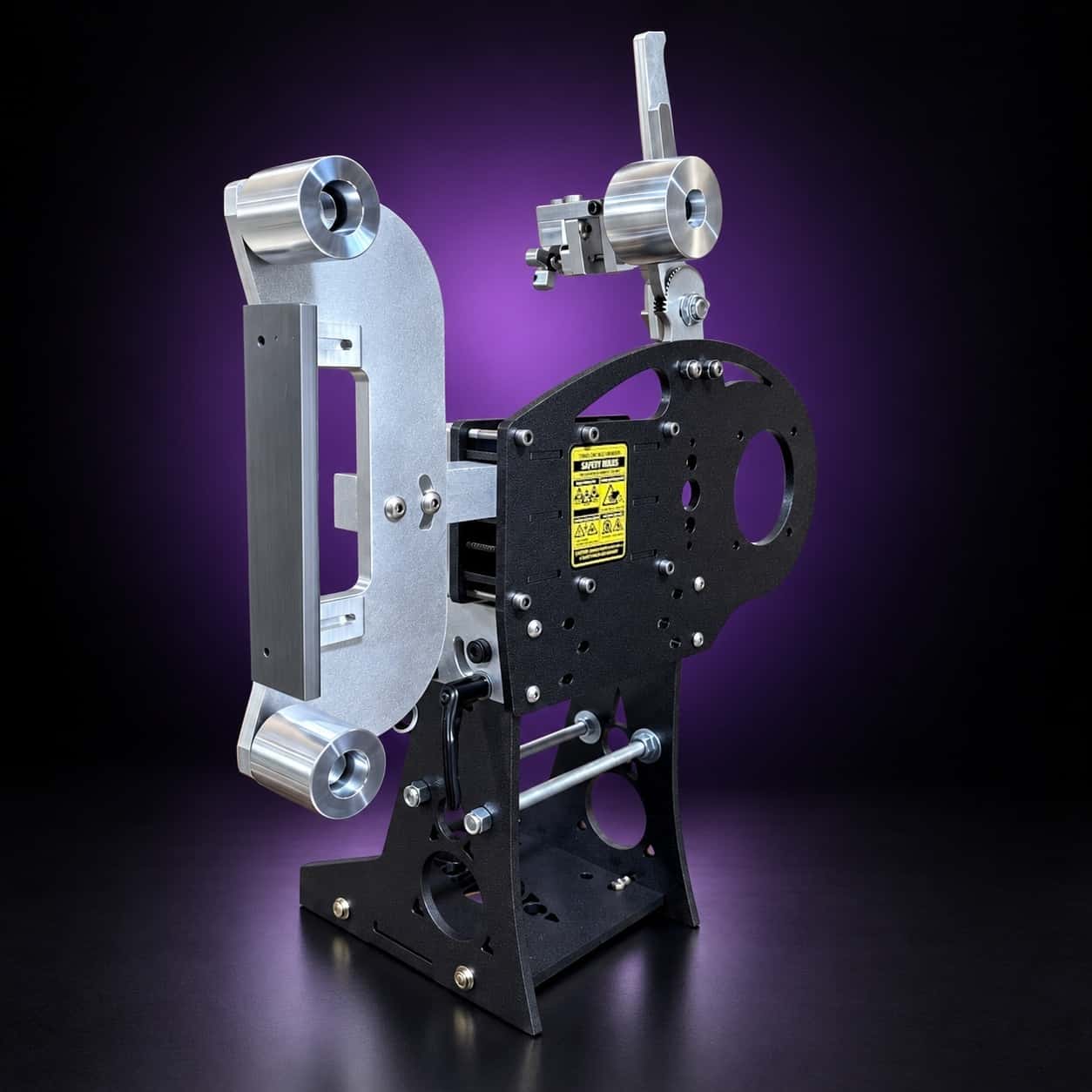
Current dual-axis platform with a steel chassis, more mass and less vibration.
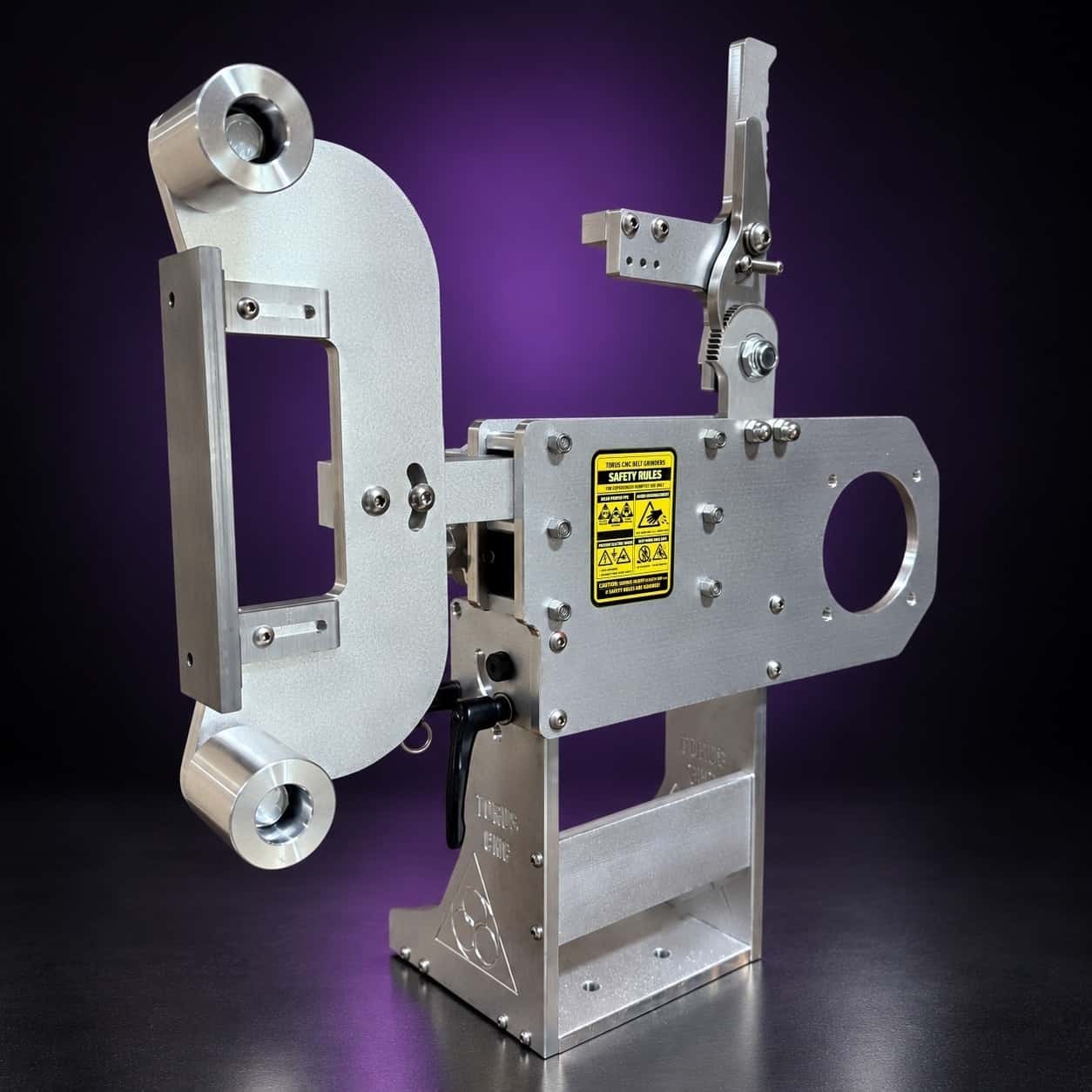
Prior-design aluminum chassis, 90-degree tilt and 1.5-inch tooling arms.
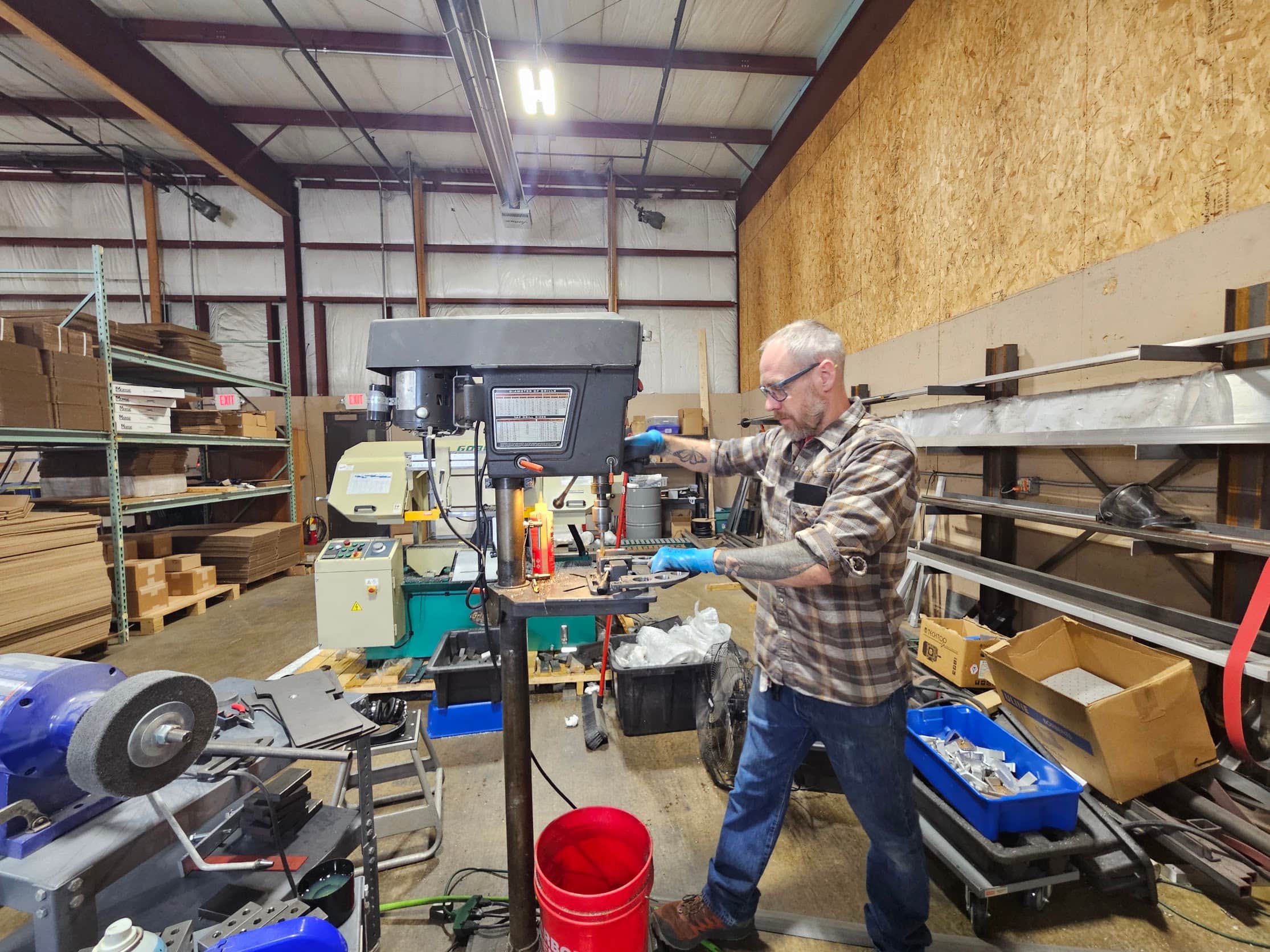
One-man shop
I answer my own email. Tell me the steel, the machine and what it is doing, and I will tell you what I would try next.