
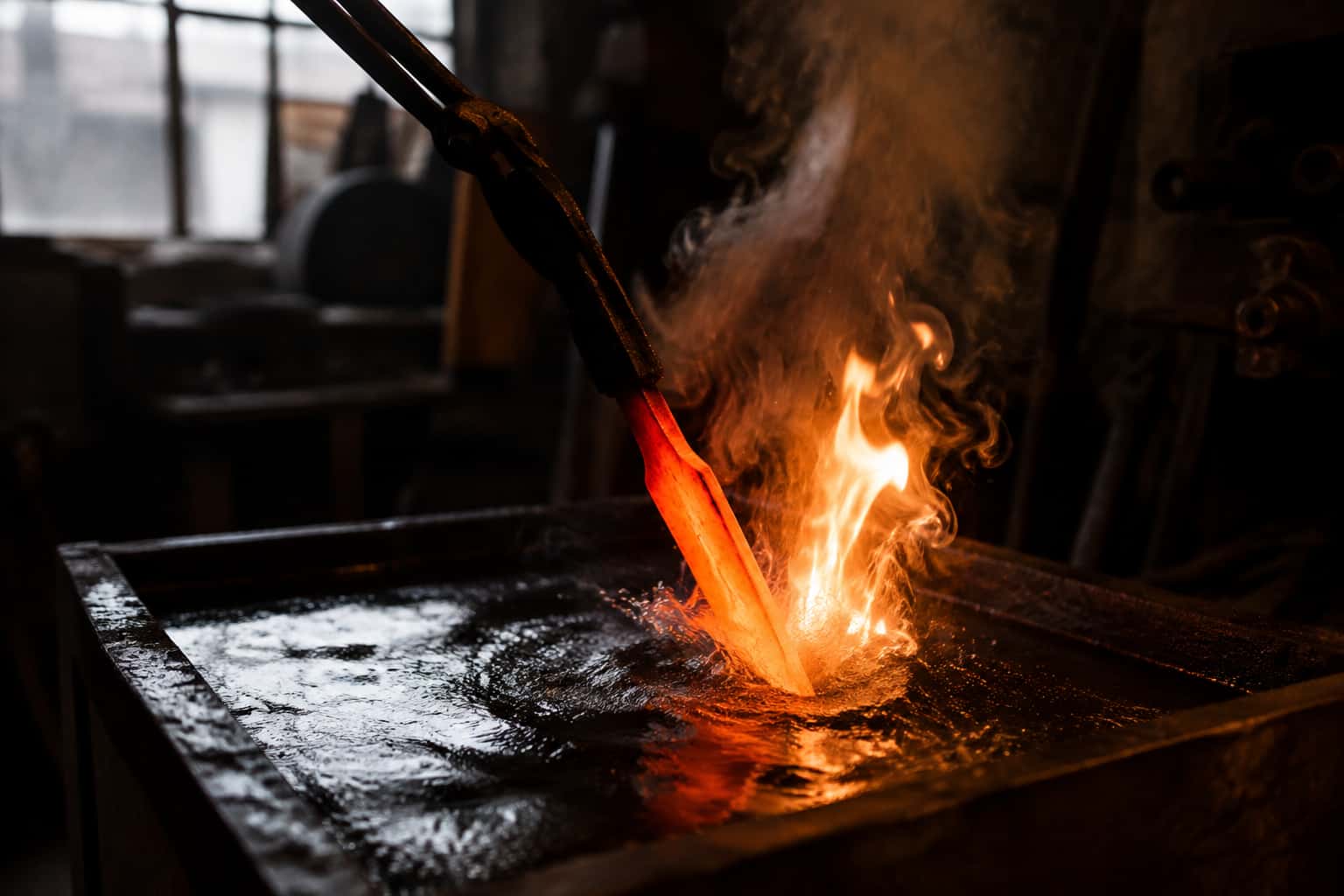
Heat Treat
Heat Treating Knife Steel: Complete Guide
Heat treating is what turns a piece of flat bar stock into a functional knife blade. Done correctly, it transforms the steel’s internal crystal structure…
Heat Treat
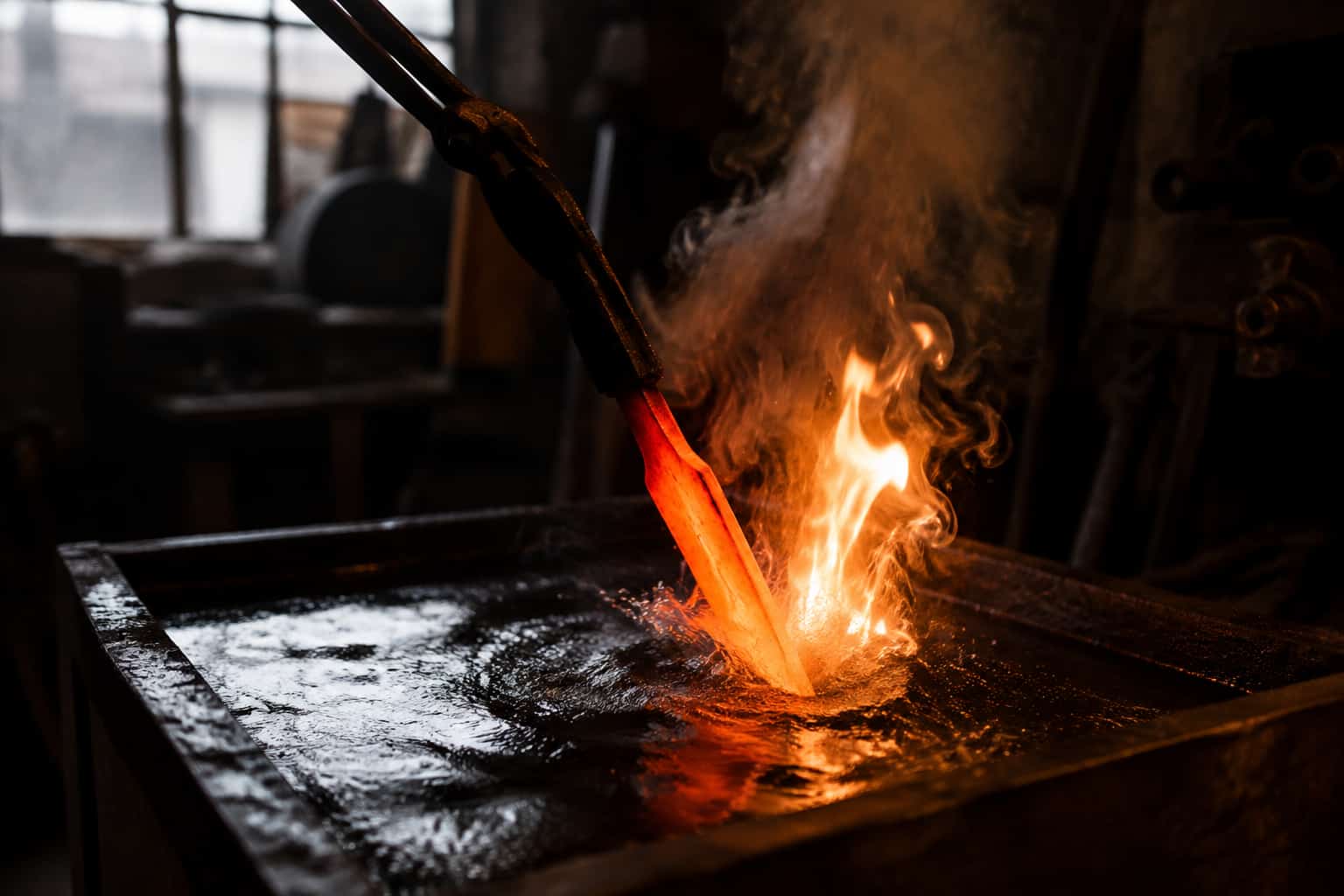
Knifemaking kilns beat pottery kilns. The specs to compare, plus real models weighed: Paragon KM14 and KM24, Evenheat KH414 and KH418, Hot Shot HS-24K.
4 min readWritten by Rich LinvilleFree to read
Torch heat-treating and forge heat-treating both work, but a dedicated heat-treat kiln is what actually makes results repeatable, hitting the same target temperature and soak time every single time instead of eyeballing color. Here’s what to actually look for, and which real kilns knifemakers commonly buy.
Pottery kilns and knifemaking kilns look similar but are built for genuinely different jobs. Pottery kilns are typically wide, round or box-shaped chambers optimized for even heat around ceramics, often with lower practical max temperatures and slower ramp rates suited to glaze firing schedules, not the fast, precise ramp-to-temperature-and-hold cycles heat treating needs. Knifemaking kilns use a long, narrow chamber shaped for blade geometry, reach the 2200°F+ range most knife steels need for austenitizing, and use controllers built around heat-treat cycles rather than ceramics firing schedules. A pottery kiln can sometimes be pressed into service, but it’s fighting the tool, not using the right one.
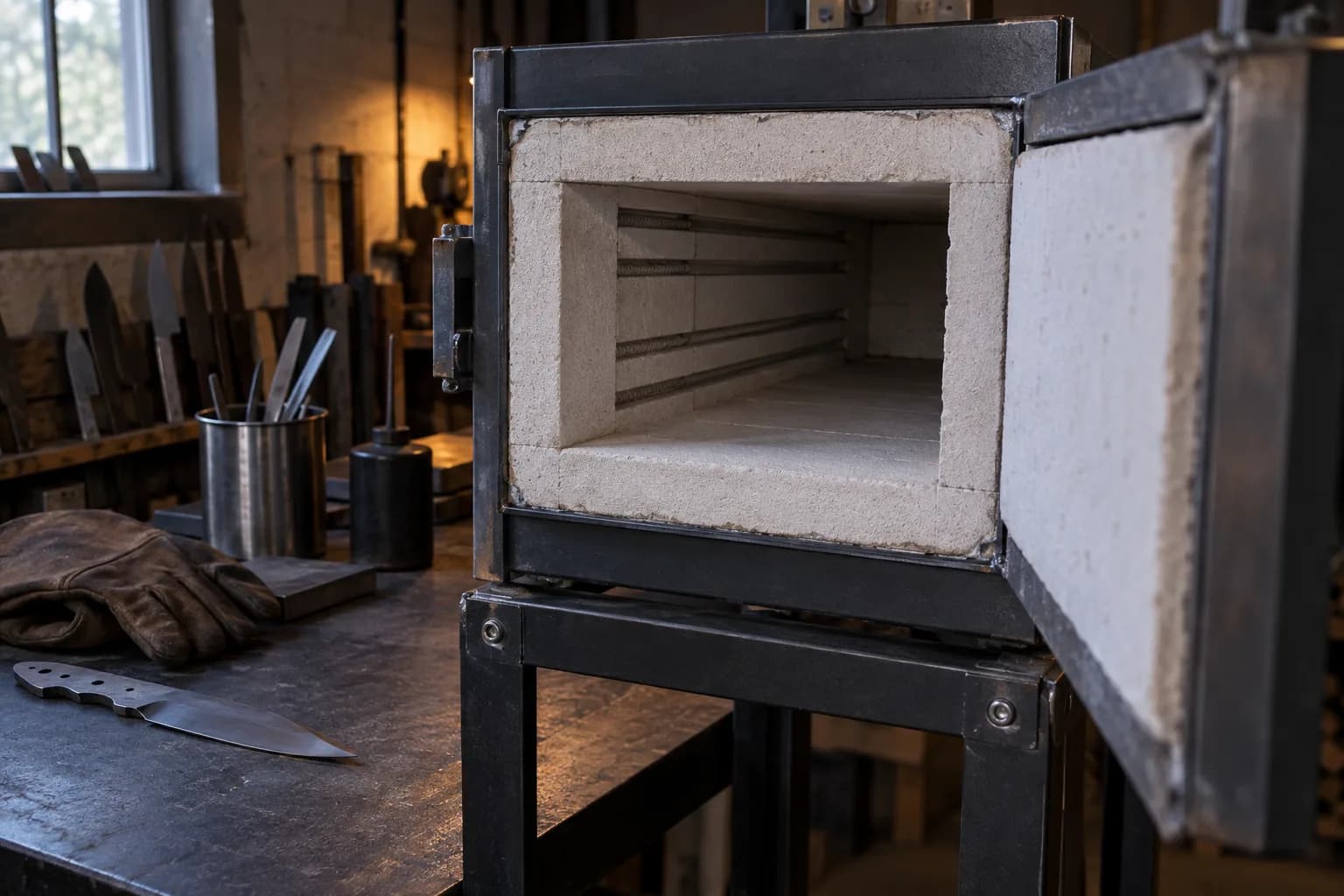
Max temperature: most knife steels need somewhere in the 1400-2100°F range to fully austenitize, and more heavily alloyed steels tend to need the higher end of that range, so headroom above 2100°F matters even if you don’t need it for every steel. Chamber dimensions: match the kiln’s interior length to the longest blades you actually plan to make, a kiln too short for your typical project defeats the purpose. 120V vs. 240V: 120V kilns run on a standard household outlet but take roughly twice as long to reach temperature as an equivalent 240V unit, which needs proper wiring but heats significantly faster, a real consideration if you’re heat treating in volume. Controller type: a solid-state relay with a real digital PID controller (holds a set temperature accurately over a soak time) is what actually enables repeatable results, look for this specifically rather than a simple on/off thermostat.
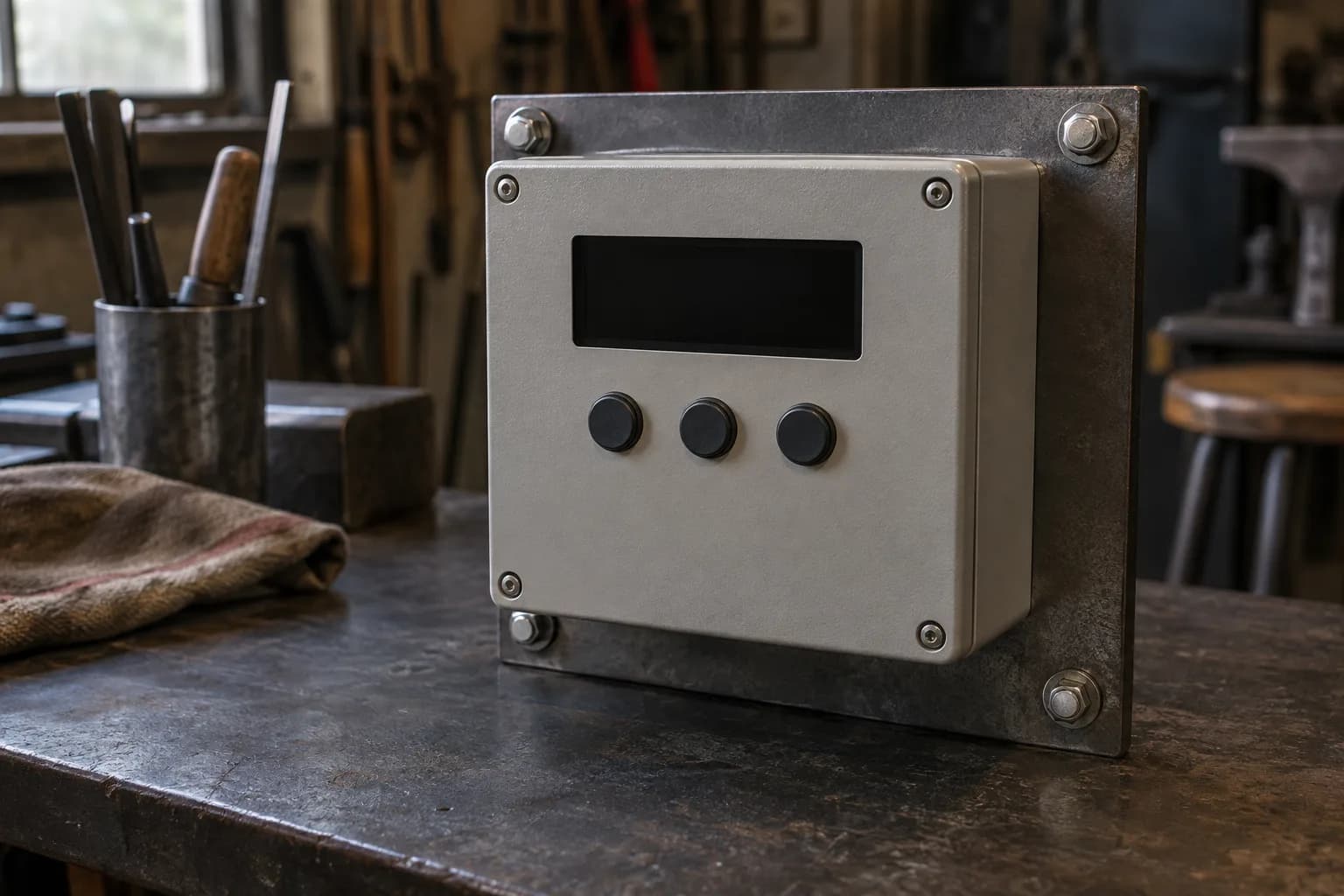
A compact, 120V kiln with a 5.5″W x 4.25″H x 14.5″D chamber, suited to blades up to about 14.5″ long, reaching a maximum of 2350°F. It runs on a Sentinel Touch Xpress controller with a solid-state relay, and ships with a knifemaking heat-treating kit (hot gloves, heat-treating fork, knife holders). Handcrafted in Mesquite, Texas. A solid, purpose-built starting point for a hobbyist working from a standard household outlet. See the Paragon KM14 product page for current specs and pricing.
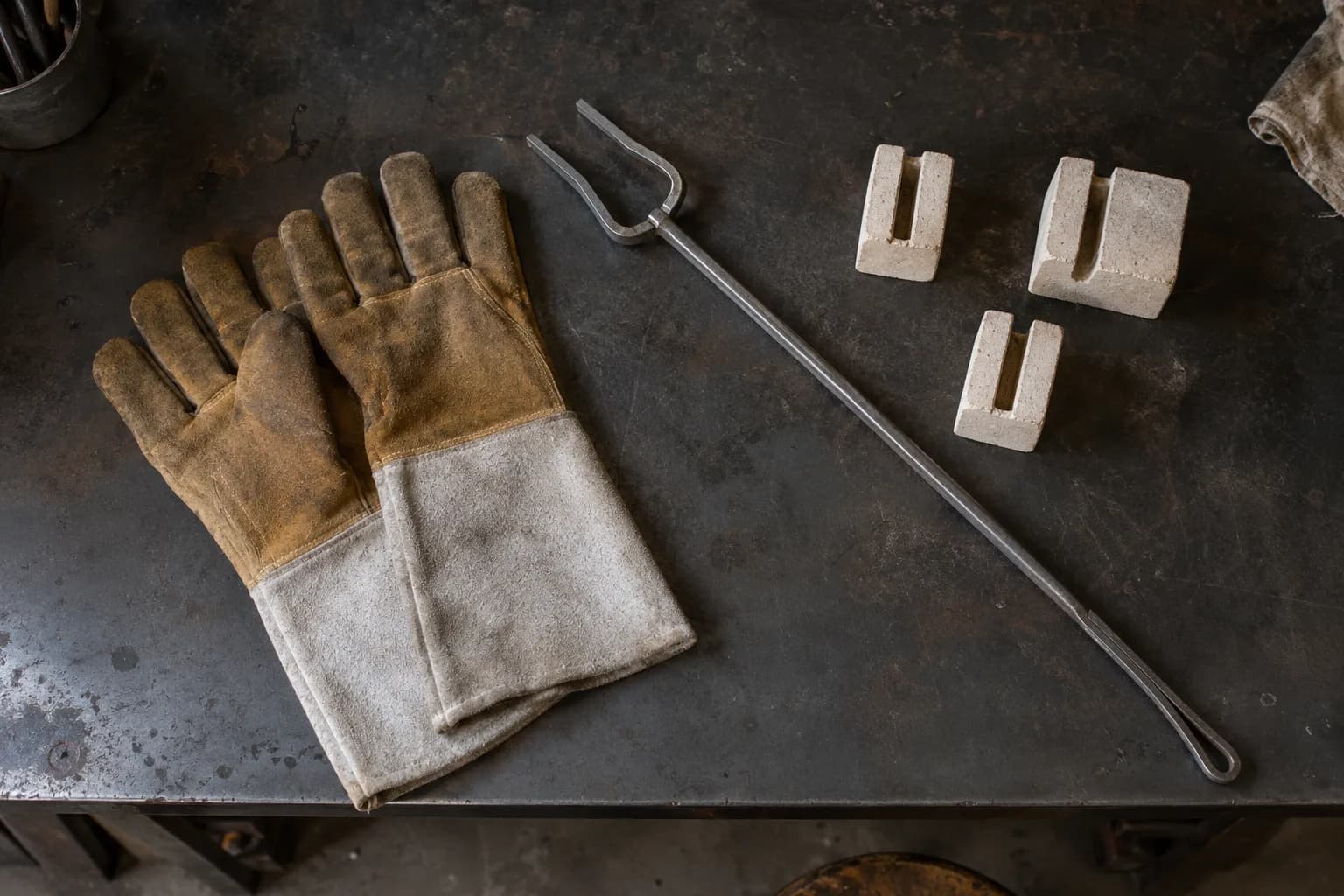
Evenheat’s KH series is specifically built for makers without 240V access, reaching up to 2200°F on standard 120V household power, generally hot enough for the large majority of knife steels. It comes in two chamber depths, the KH414 at 13.5″ deep and the KH418 at 18″ deep, both with a 6.5″W x 4.25″H chamber cross-section. Expect roughly 1.5 hours to reach 1650°F on 120V power, notably slower than a 240V unit but entirely workable for hobbyist-pace work. See Evenheat’s knife oven lineup for current models and pricing.
Steps up to a 24″ interior chamber depth, built for longer knives, swords, machetes, and running multiple blades through a heat-treat cycle at once. Available in both 120V and 240V depending on the specific model. A step up in both capability and cost from the KM14, worth it once blade length or batch volume outgrows a compact kiln. See the Paragon KM24 product page for details.
A 240V kiln with a 5″x5″x24″ chamber built specifically for knives and metallurgy work, reaching 2200°F in about 35 minutes thanks to its 240V power and Kanthal A1 heating elements. It uses a stainless-steel core with a fan-cooled, powder-coated exterior, a full side-swing door with a cool-to-touch handle, and a door safety switch that cuts power when opened. This tier (alongside kilns like the KM24 and Evenheat’s larger LB-series units) generally runs in the $2,500-$5,000 range and suits makers doing serious volume where fast cycle times matter. See Hot Shot Ovens’ HS-24K for current specs.
Beyond buying direct from the manufacturers linked above, retailers like Kiln Frog carry multiple knifemaking kiln brands side by side with buyer’s-guide comparisons, useful for comparing current pricing and availability across brands in one place before deciding.
You can in a pinch, but expect a worse fit: pottery kilns are often shaped wrong for blade length, may not reach the temperatures higher-alloy knife steels need, and their controllers are built around firing schedules, not heat-treat soak-and-quench cycles. A purpose-built knifemaking kiln is a meaningfully better tool for the job, not just a preference.
Not for hobbyist-pace work. 120V kilns like the Paragon KM14 or Evenheat KH series reach the temperatures most knife steels need, just more slowly. 240V becomes worth the wiring investment once cycle time and batch volume start to matter for how much you’re actually producing.
Match it to your longest realistic blade, not your average one. A 14″-15″ chamber comfortably fits most fixed-blade knives; step up to a 24″ chamber if you regularly work on longer blades, swords, or want to run multiple blades through a cycle at once.
Keep reading
Three more from the same bench.
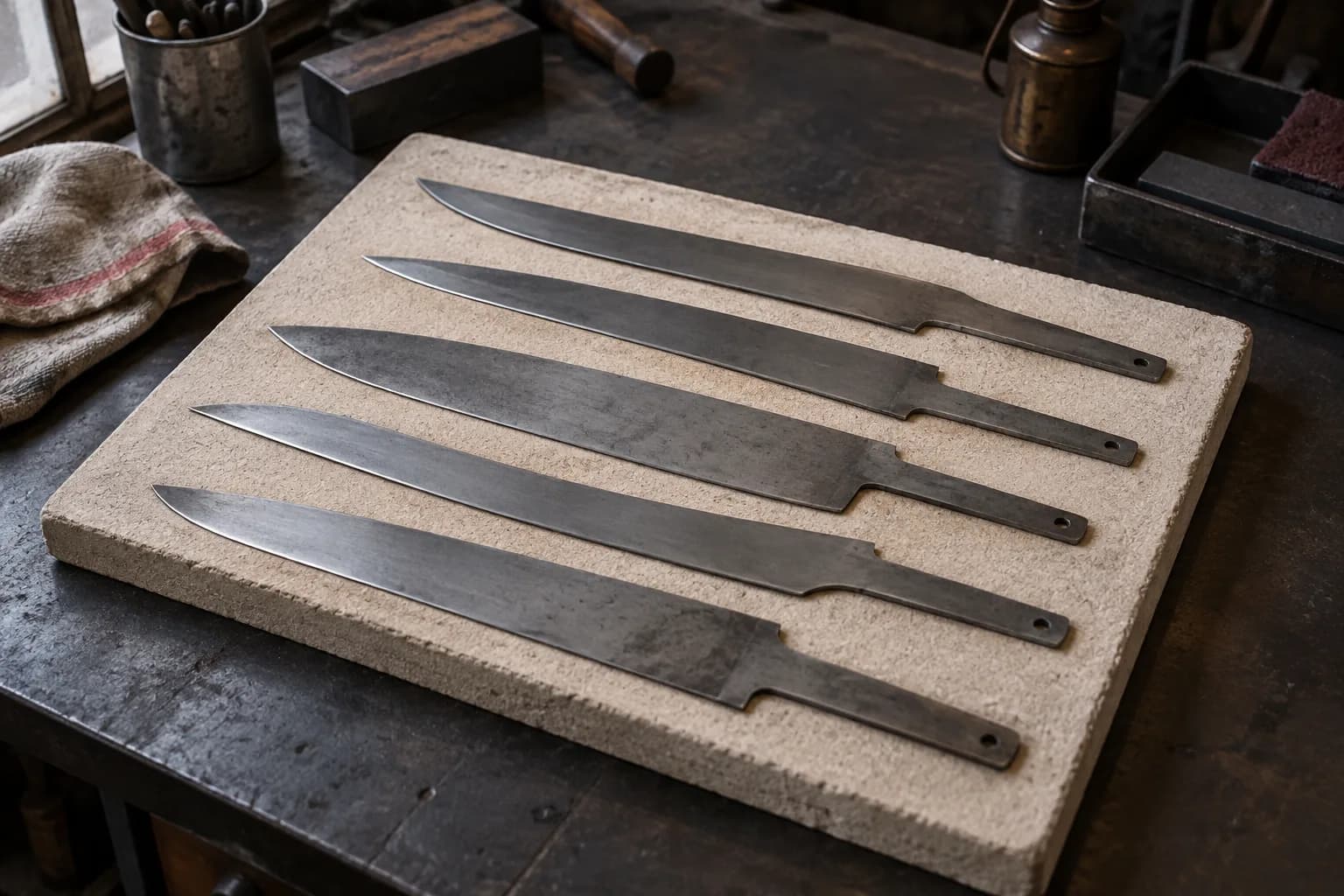
Heat treating is what turns a piece of flat bar stock into a functional knife blade. Done correctly, it transforms the steel’s internal crystal structure…
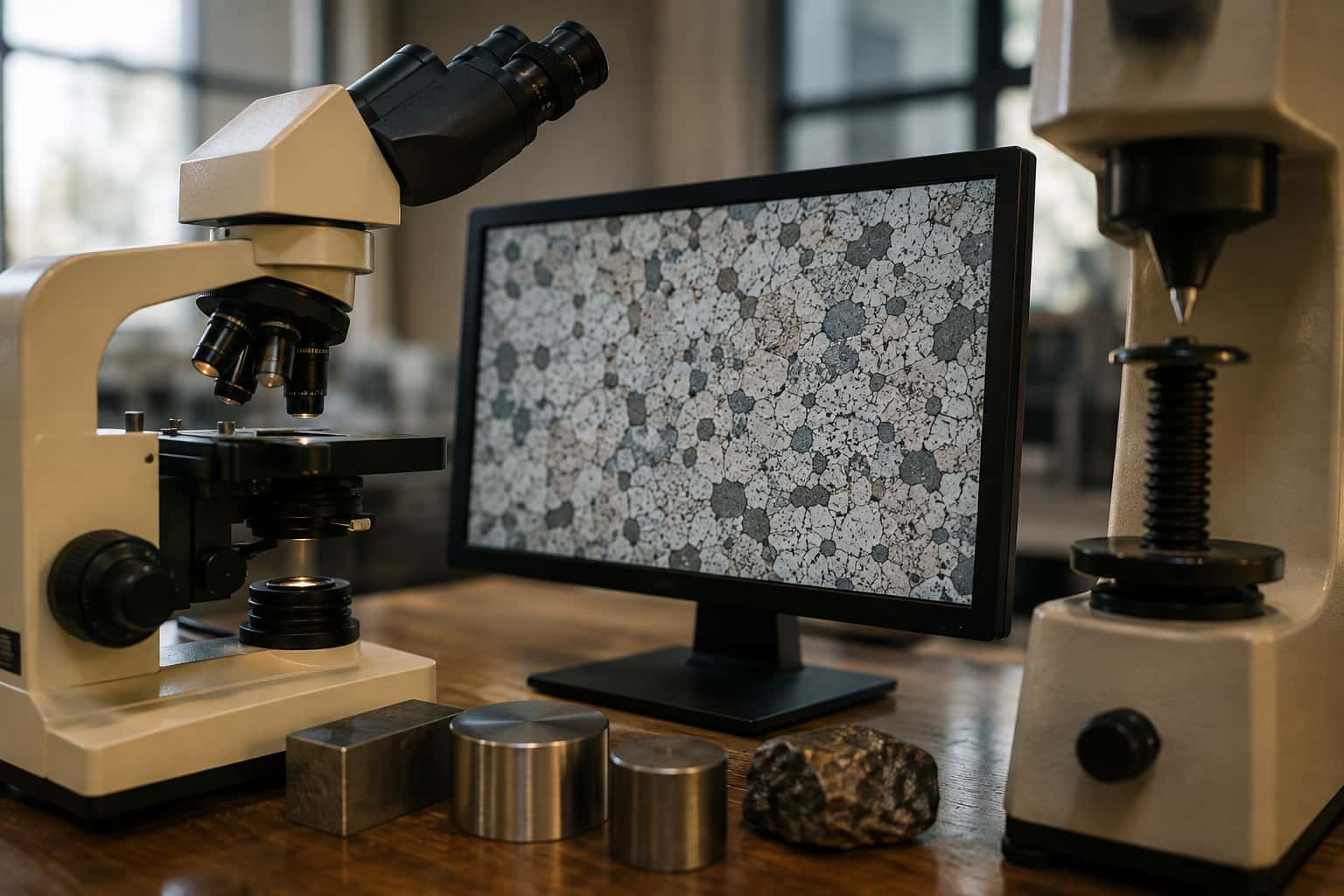
The Heat Treating Guide covers the practical steps: normalize, austenitize, quench, temper. This guide covers what’s actually happening inside the steel…
Heat treat recipes and steel spec sheets both cite a target hardness on the Rockwell C scale, but the number by itself doesn’t explain why that specific…
Same bench
I machine the parts, hand-assemble, track and test Torus grinders in Sterling, Illinois. Most orders ship in seven to ten business days from time of order.
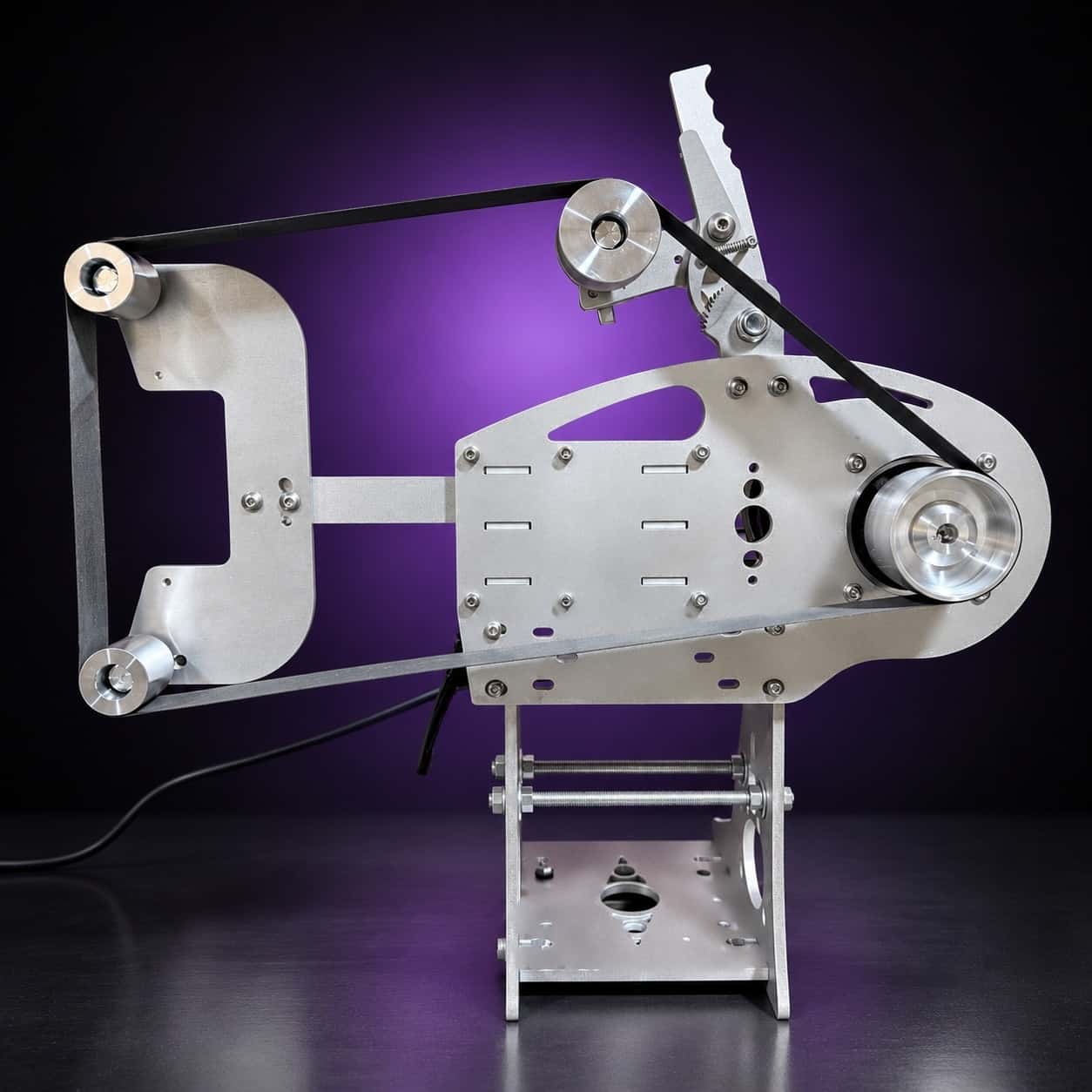
Current dual-axis platform with a fiber-laser-cut 6061 chassis and single-knob tracking.
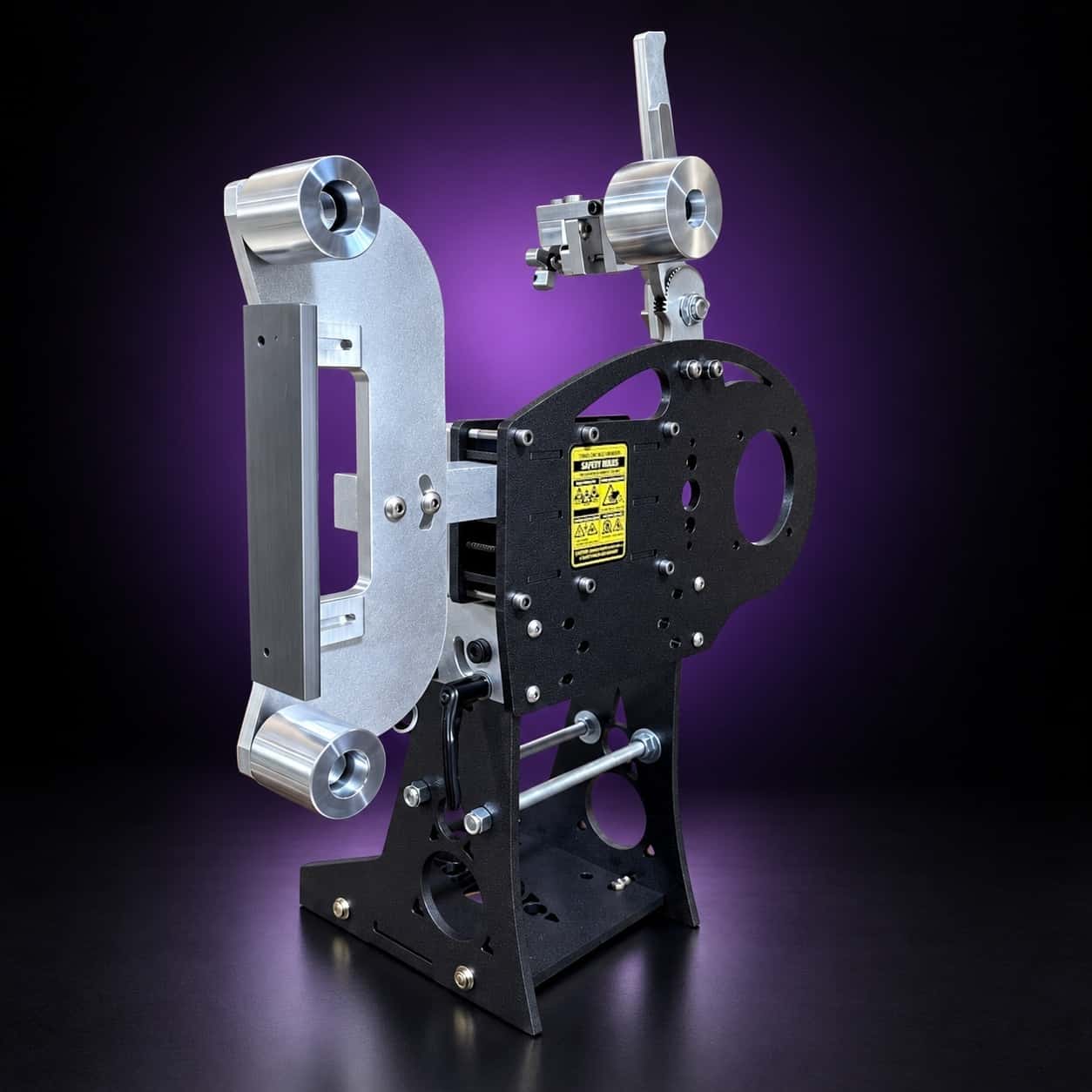
Current dual-axis platform with a steel chassis, more mass and less vibration.
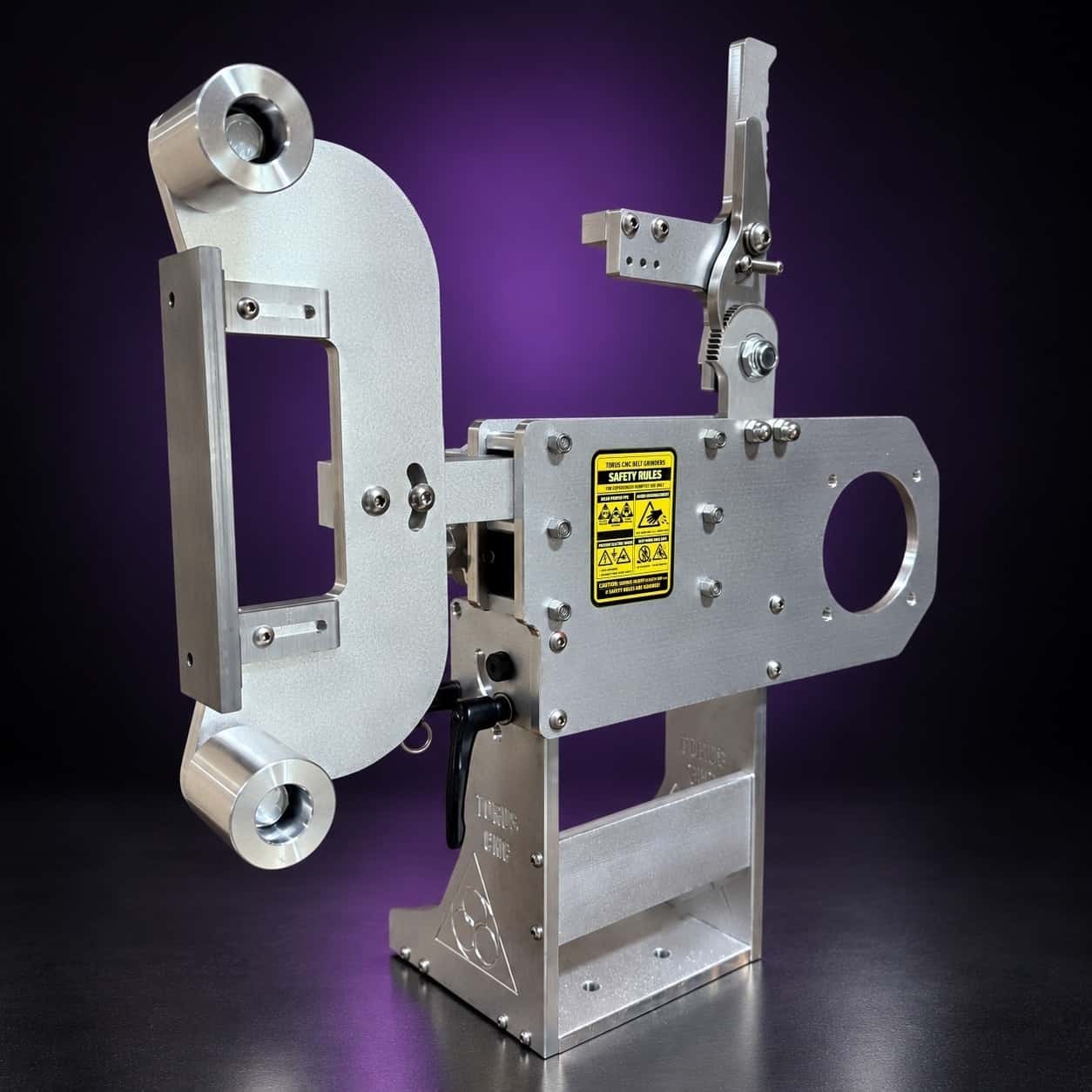
Prior-design aluminum chassis, 90-degree tilt and 1.5-inch tooling arms.
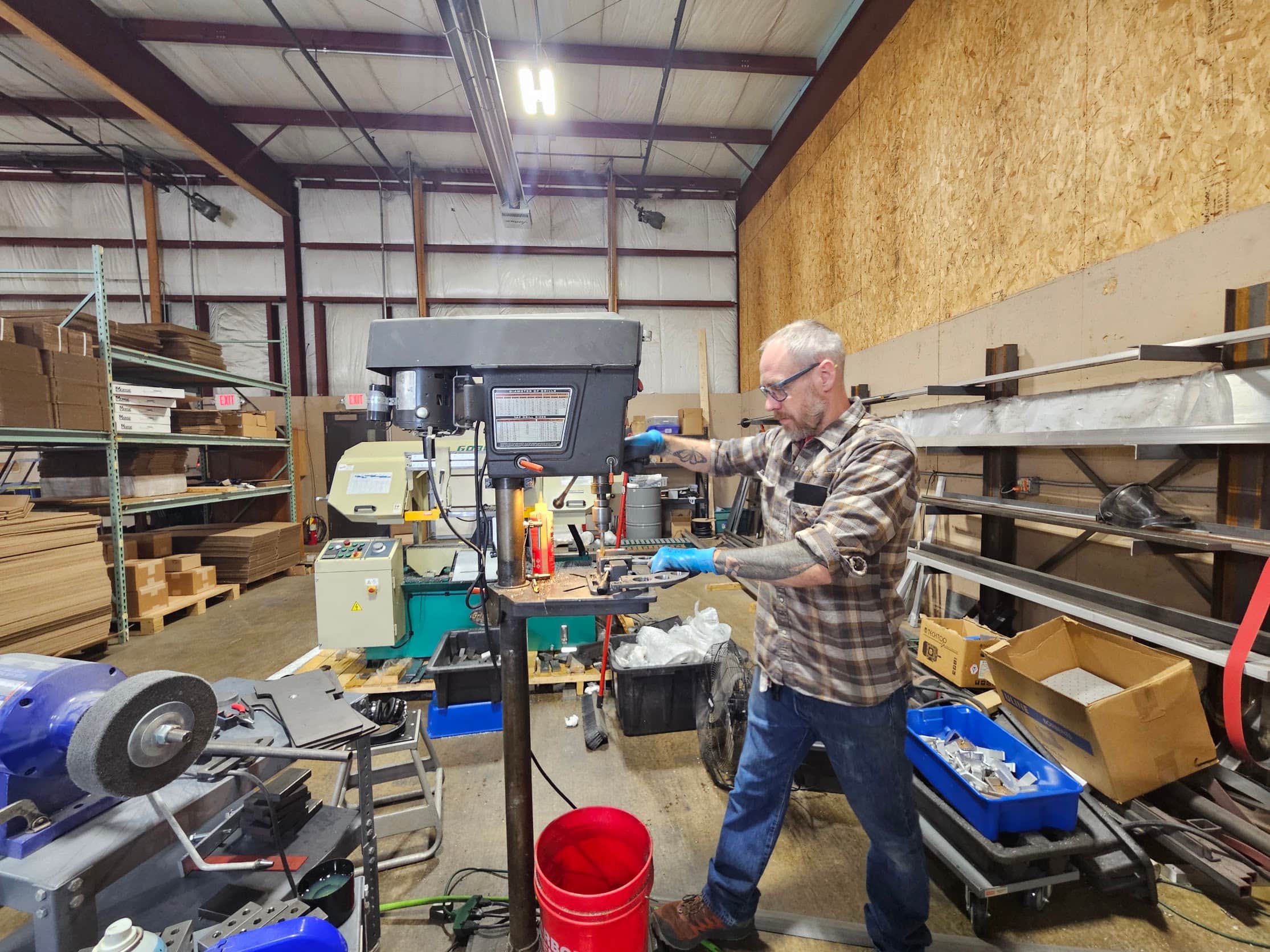
One-man shop
I answer my own email. Tell me the steel, the machine and what it is doing, and I will tell you what I would try next.