Business Tips
Why Consistency Beats Speed in a Small Knifemaking Business
Speed feels like the goal when orders stack up, but speed without consistency makes more rework, not more knives. Here is why repeatable processes build a small knifemaking business, and where to start improving yours.
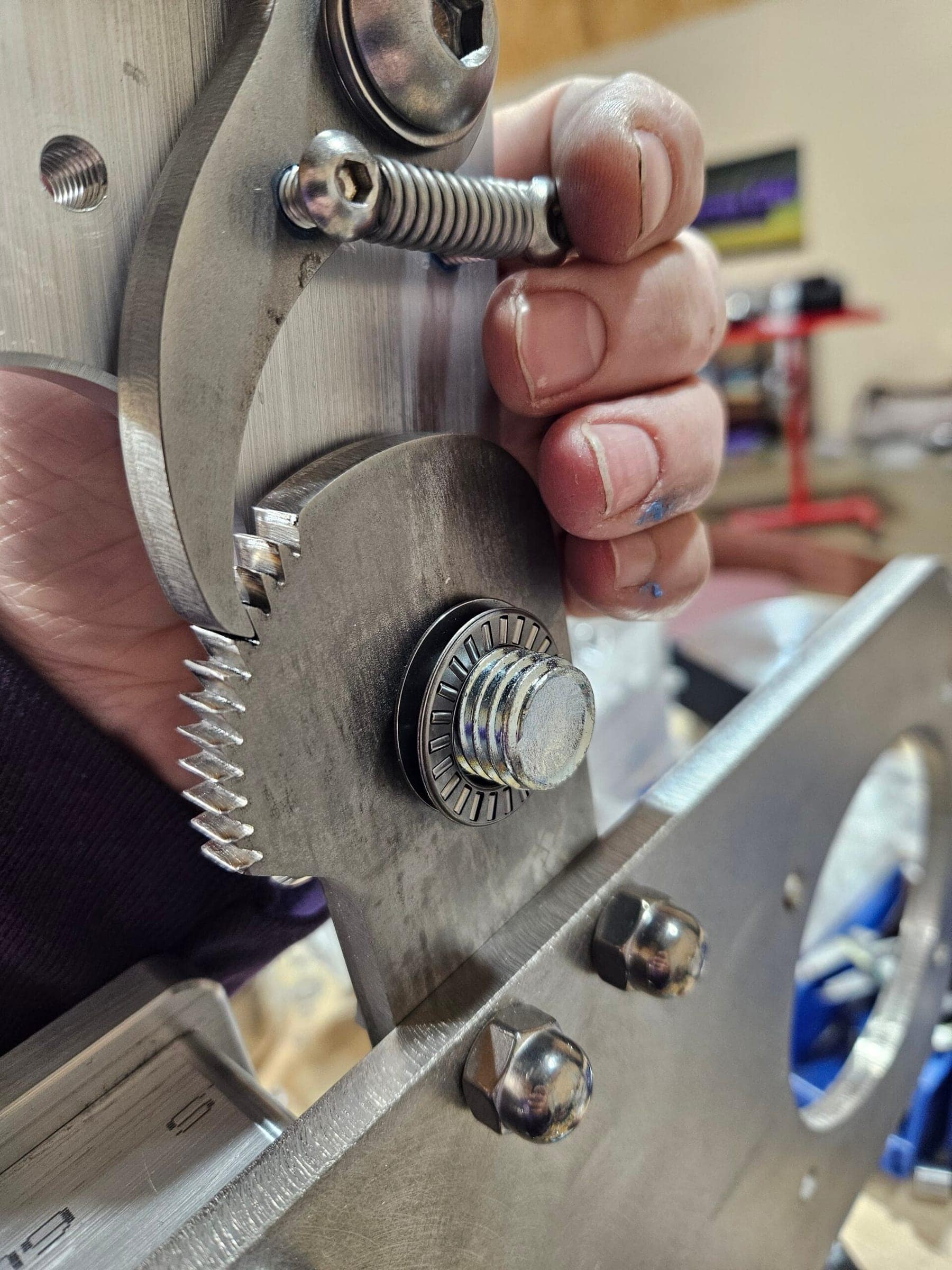
When orders stack up, speed feels like the goal: work faster, ship faster, catch up. But speed without consistency makes more rework, not more knives, and rework is what burns a small maker out. I run a one-man shop and I learned this the hard way. Here is why consistency beats speed in a small knifemaking business, and where to start making your process repeatable.
In the early stages of a knifemaking business, speed often feels like the goal. Orders stack up, lead times stretch, and the temptation is to work faster to keep up. But speed without consistency usually creates more problems than it solves.
Key Takeaways
- Consistency builds customer trust and confidence
- Repeatable processes reduce mistakes and rework
- Speed improves naturally once consistency is established
- Professional results come from control, not rushing
The Hidden Cost of Chasing Speed
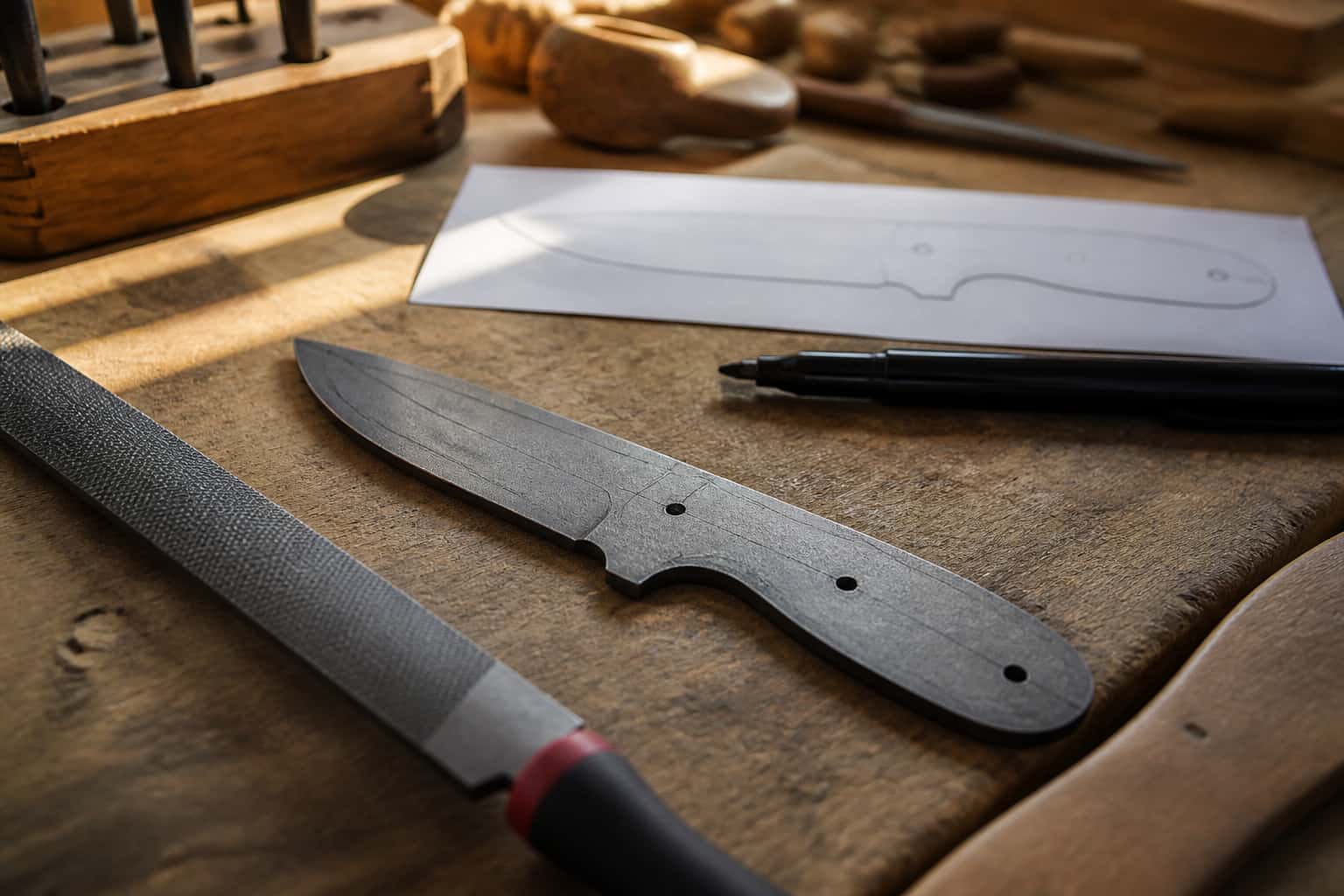
Working faster often introduces small errors—uneven bevels, inconsistent finishes, or rushed heat treatment. Each mistake requires time to fix, and rework quietly erases any time “saved” by rushing.
Inconsistent results also create mental overhead. Constantly fixing problems slows decision-making and increases fatigue, which further compounds errors. Over time, this cycle leads to burnout rather than growth.
Slowing down enough to work consistently often results in more finished knives, not fewer.
Why Customers Value Consistency More Than Volume
Most customers don’t want the fastest knife—they want the same quality every time. Consistency builds confidence, especially for repeat buyers and referrals.
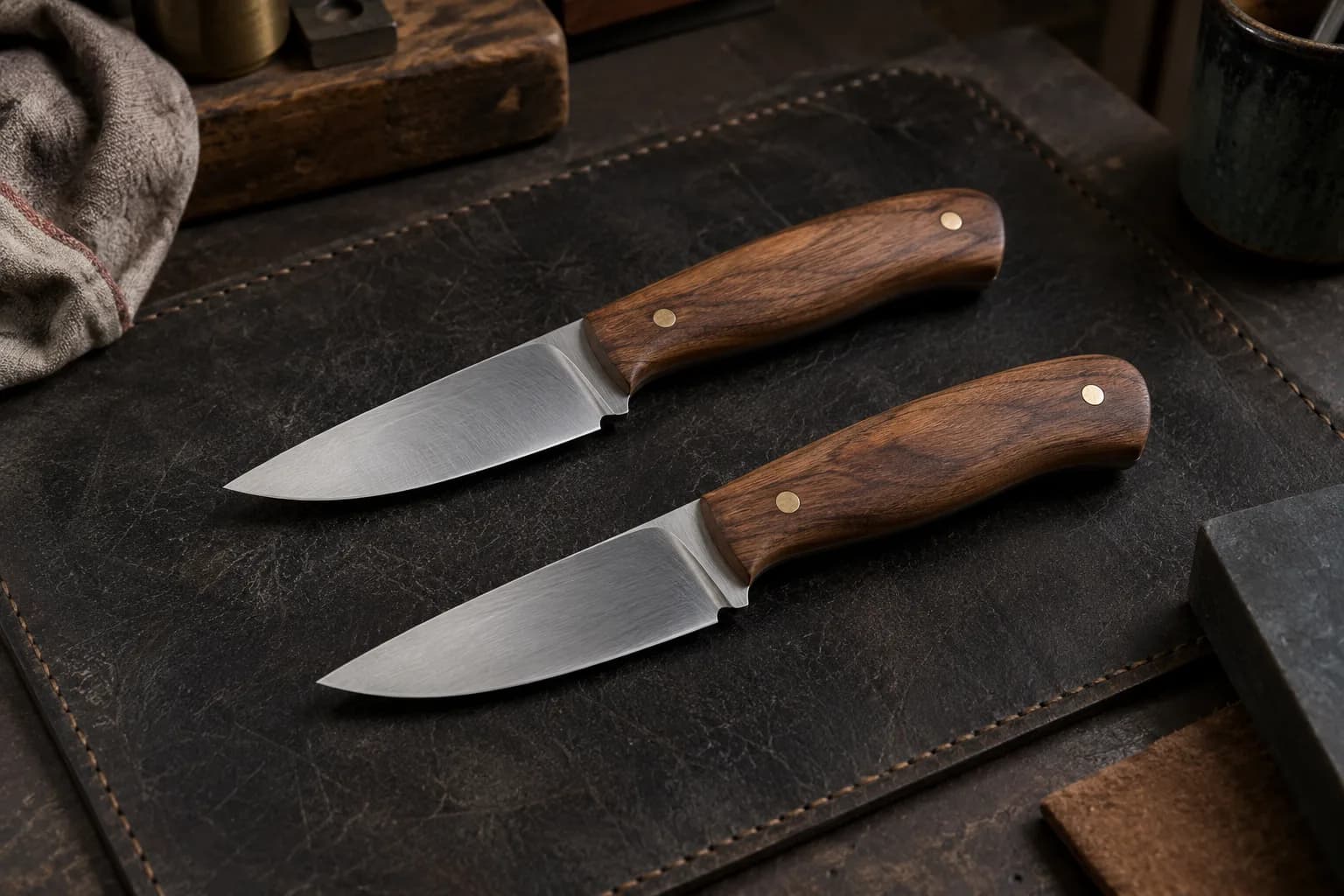
When customers know what they’ll receive, they’re more likely to:
- Recommend your work
- Place repeat orders
- Trust longer lead times
Process Control Is the Real Productivity Tool
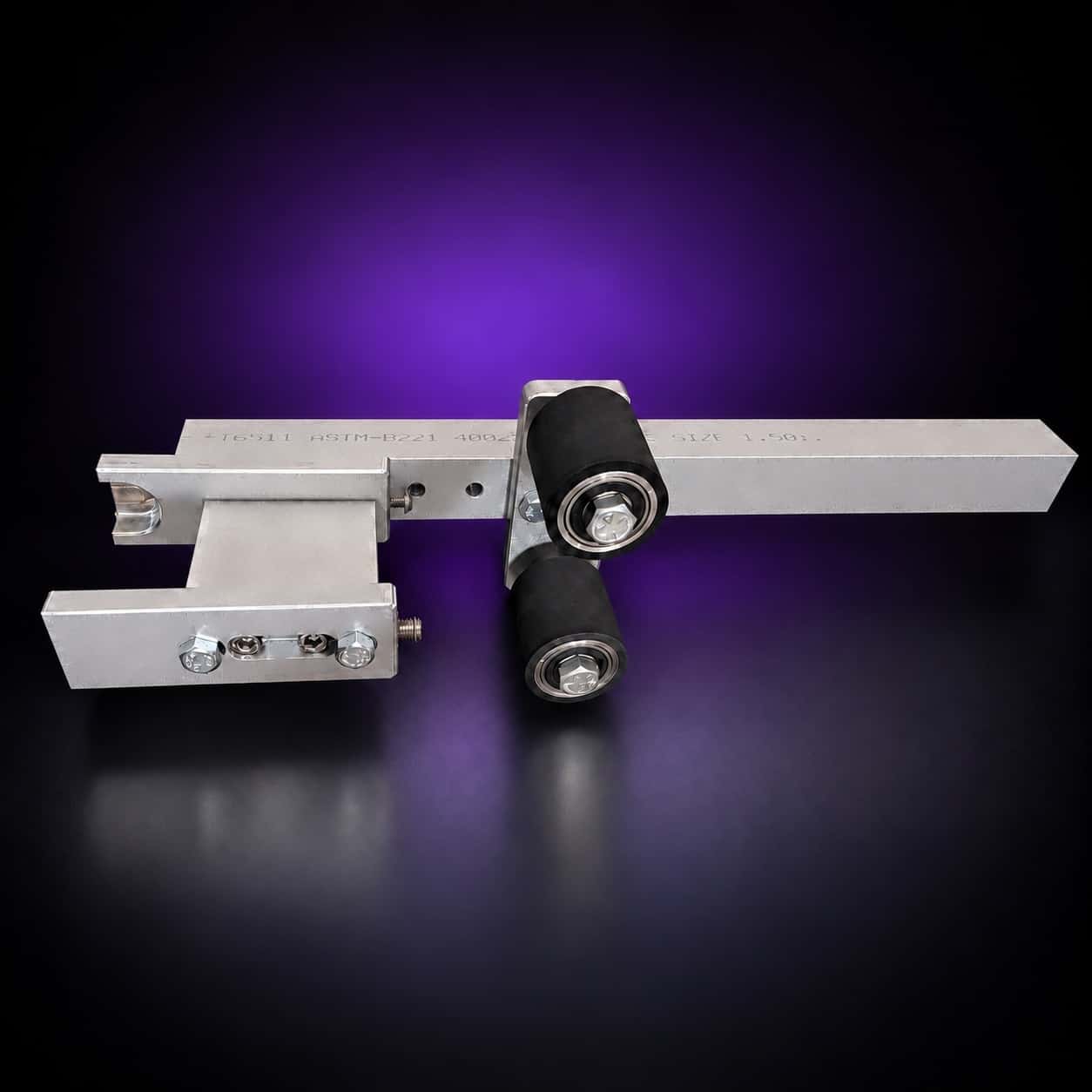
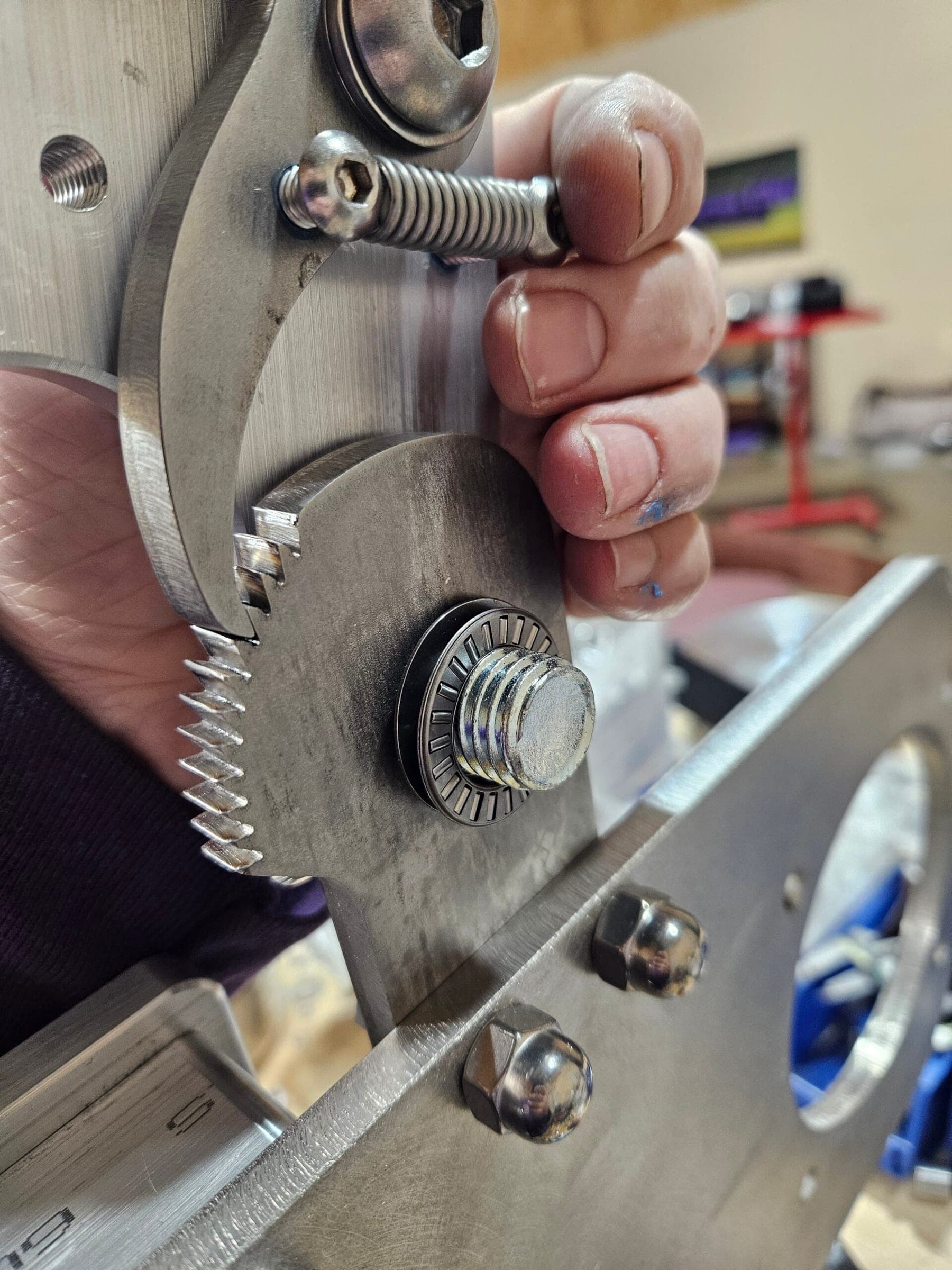
True efficiency doesn’t come from rushing—it comes from control. Fixtures, jigs, and repeatable setups remove guesswork and reduce variability. When each step produces predictable results, the entire workflow becomes smoother.
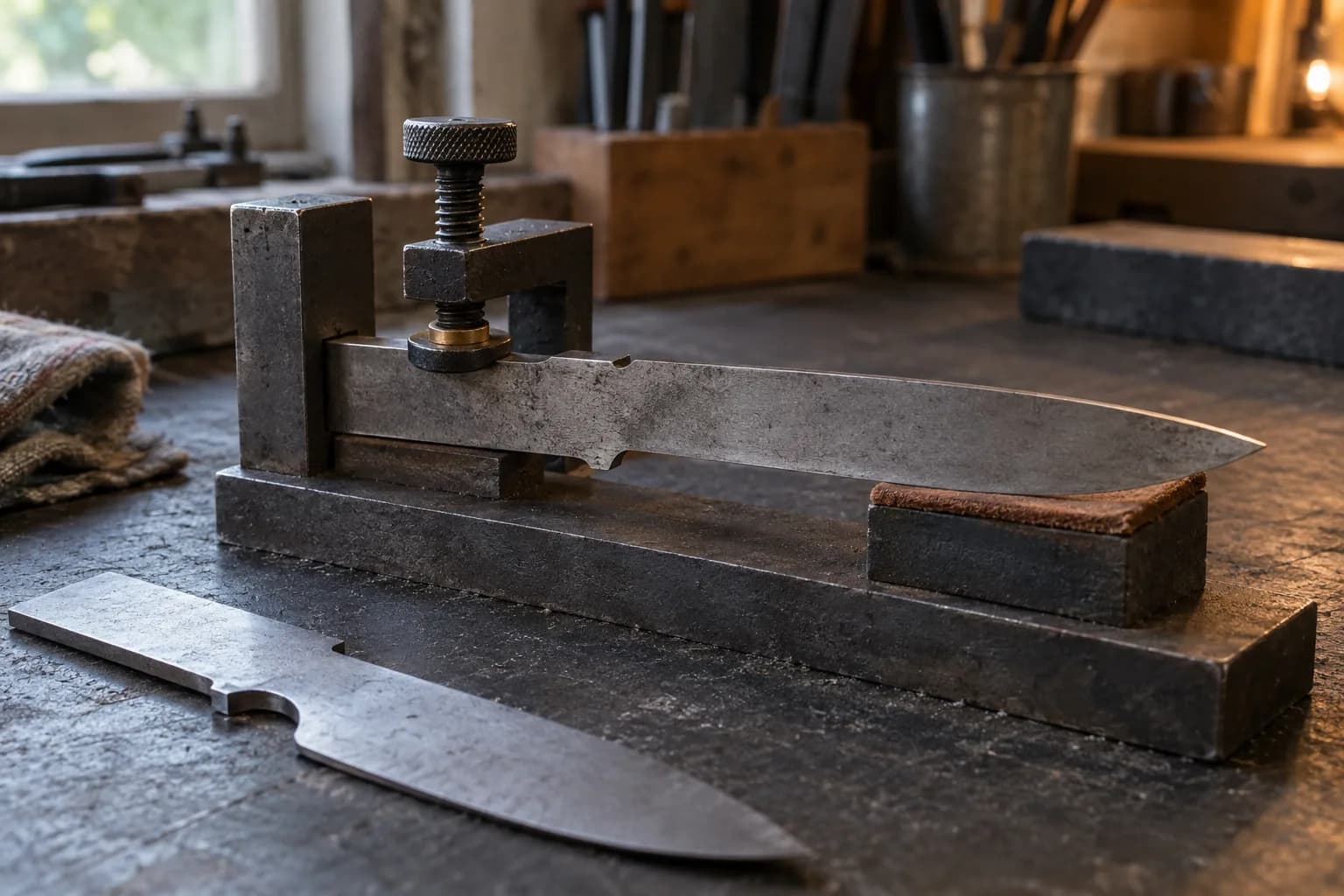
This is especially true at the grinder. Controlled setups allow makers to focus on feel and finish instead of constantly correcting mistakes.
How Consistency Reduces Burnout
Burnout rarely comes from working hard—it comes from fighting problems repeatedly. Inconsistent results force constant problem-solving, which drains mental energy.
When processes are consistent:
- Decisions take less effort
- Mistakes are rare and easier to fix
- Confidence replaces stress
Where to Start Improving Consistency
You don’t need a full shop overhaul. Small changes make a big impact:
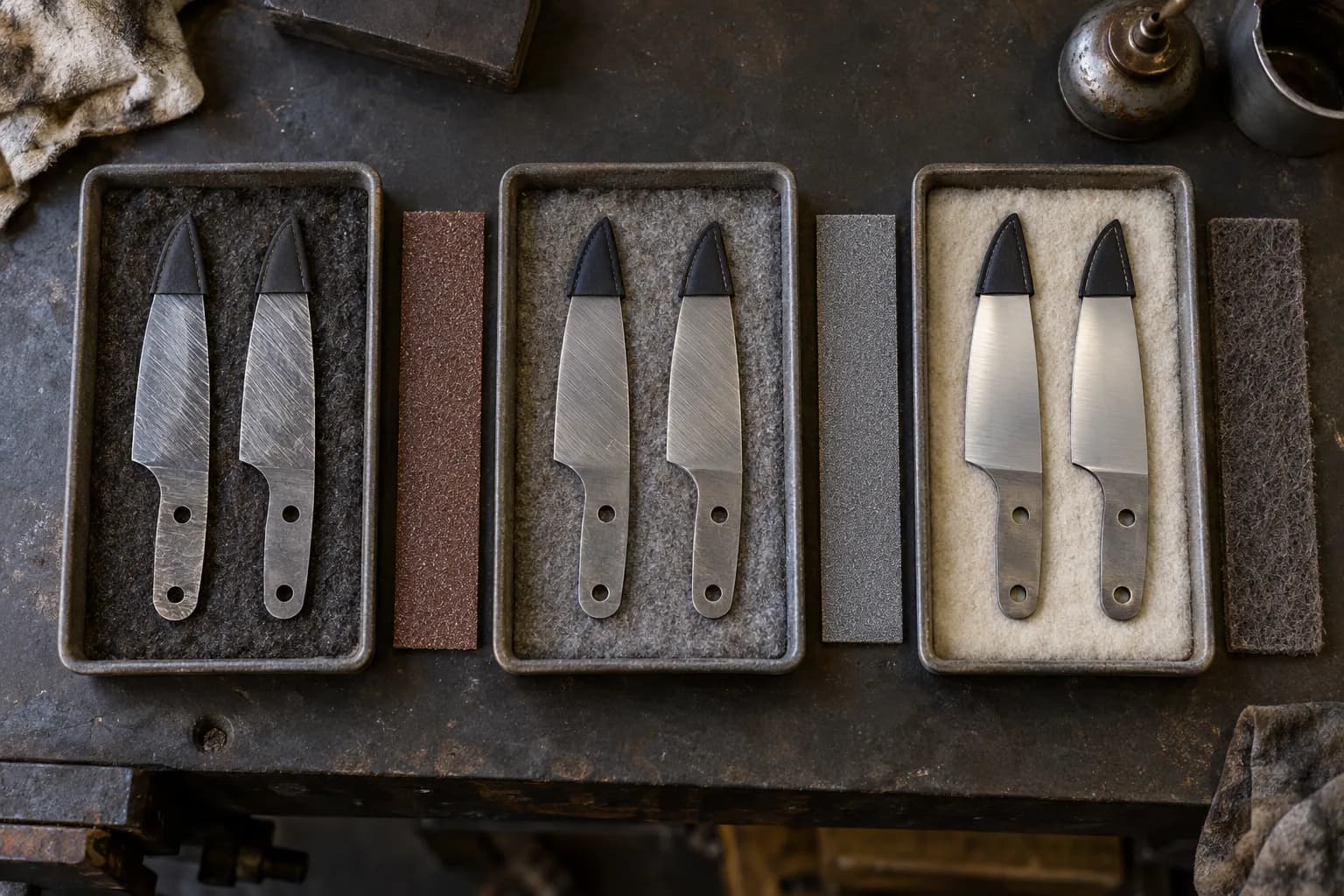
- Standardize bevel angles
- Use repeatable grinder setups
- Track finishing steps
- Work in batches when possible
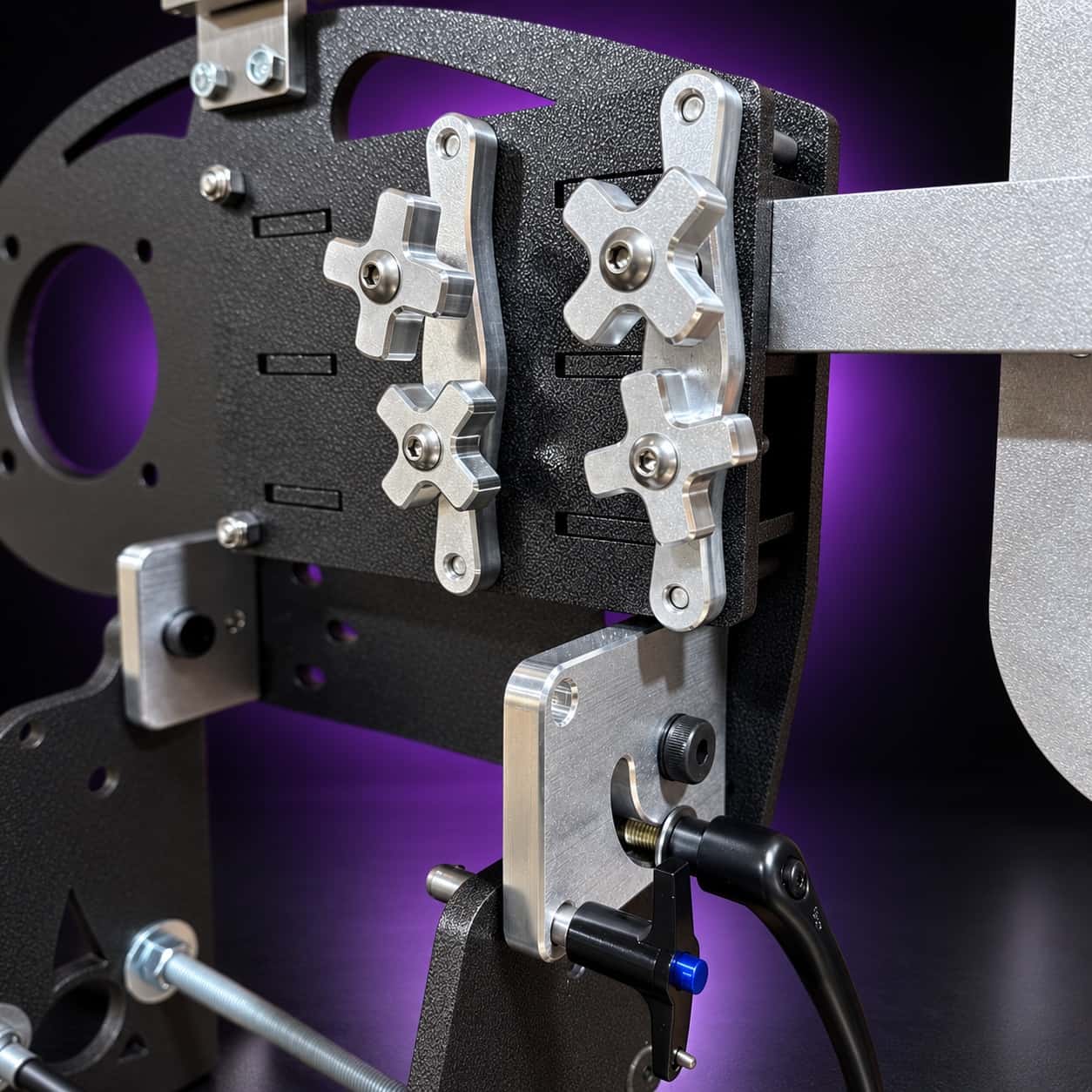
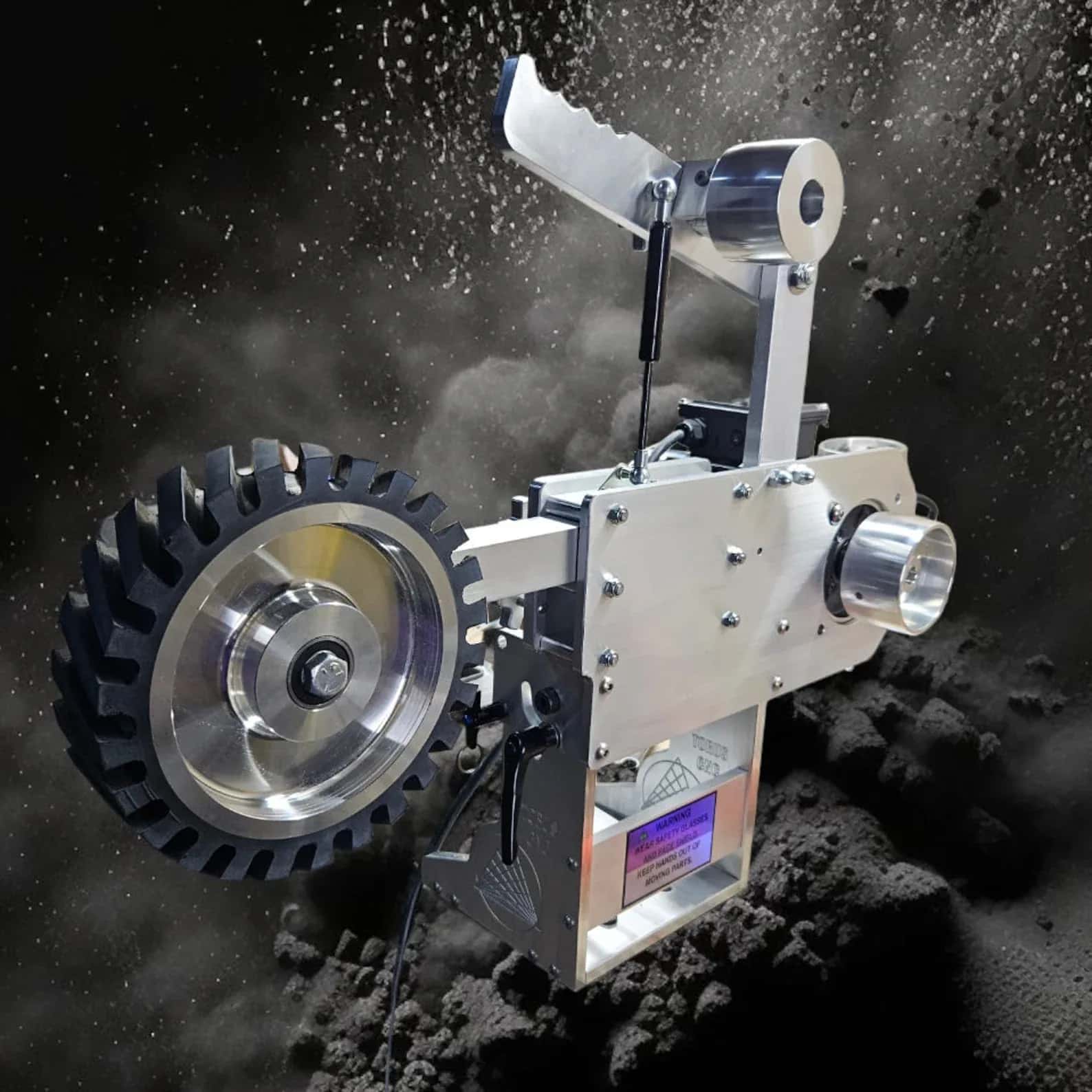
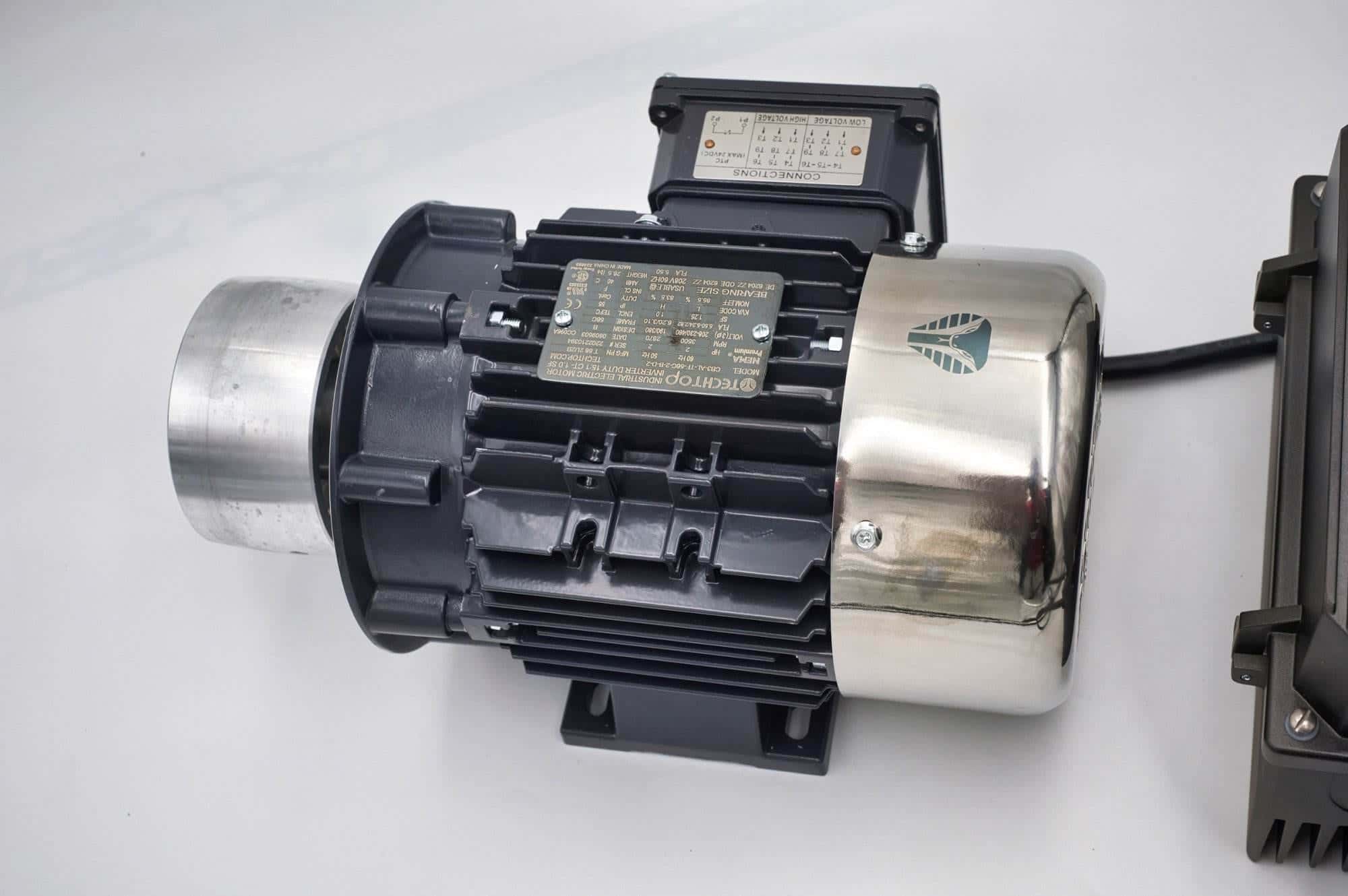
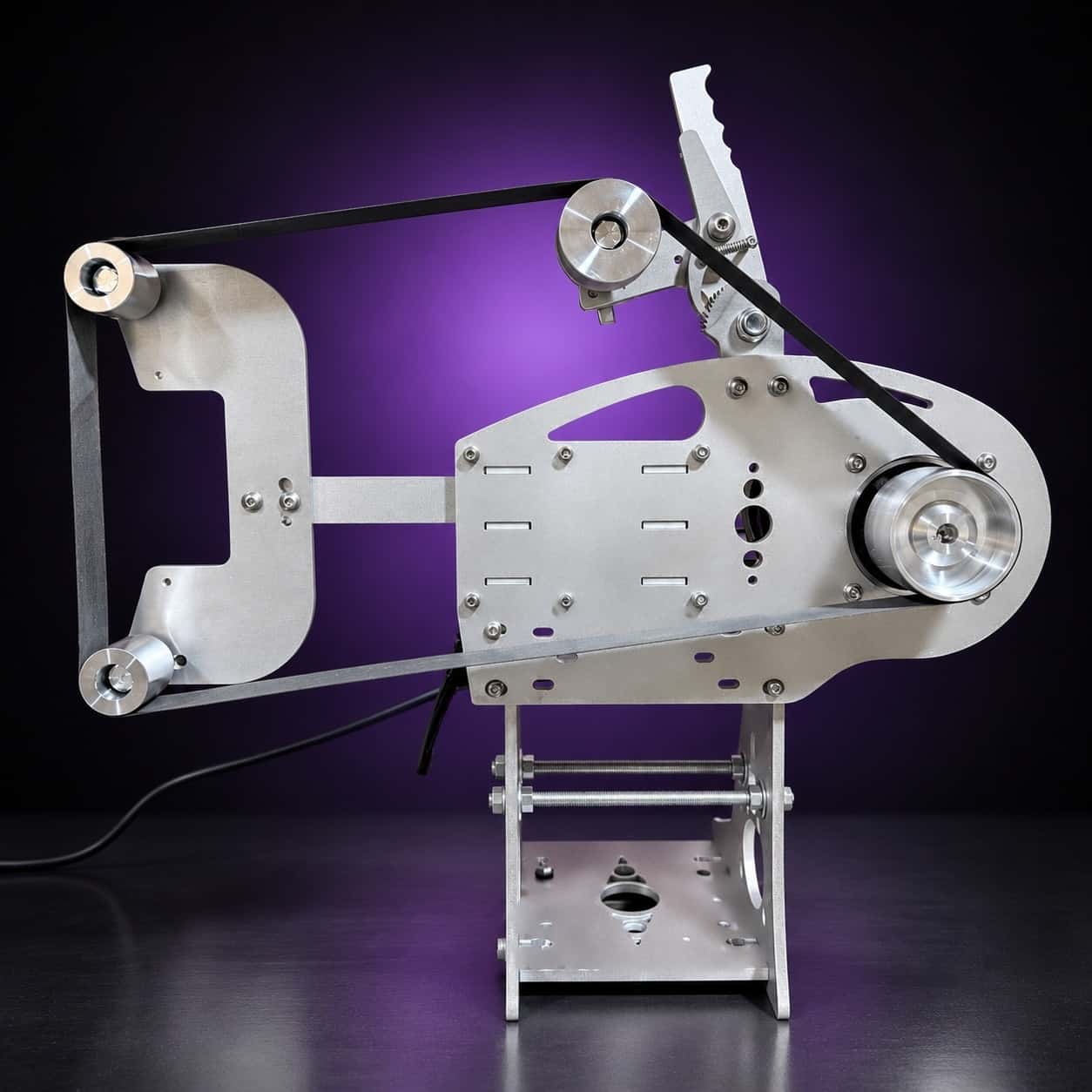
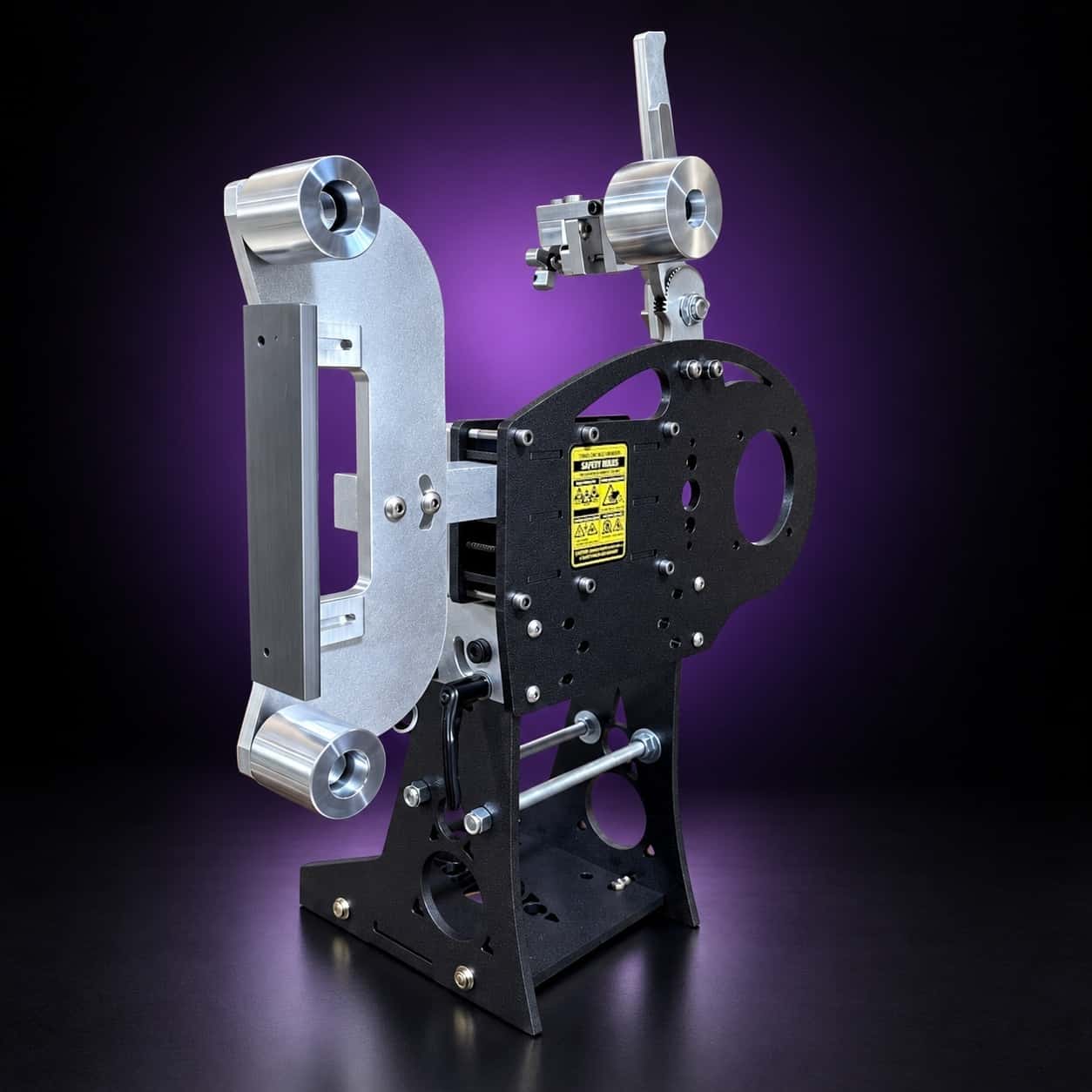
Consistency starts at the grinder. A Nova 2×72 holds its tracking and its work rest angle between blades, so the same motion gives the same result on knife one and knife fifty. Built, tracked and tested one at a time in Sterling, Illinois, by someone who also has to ship on time.