

Beginner Guides
2×72 Belt Grinder Brands Compared: The Honest Field Guide
Full disclosure, before anything else: this is Torus CNC’s site — we build three of the grinders compared below. Here’s how we’ve kept this honest: every…
Troubleshooting
Work back from what it is doing to what caused it, then to the fix that addresses the cause. Nothing here needs a sign-up.
The flow
Causes first, then the quick checks, the fix, prevention and the stop-work point.
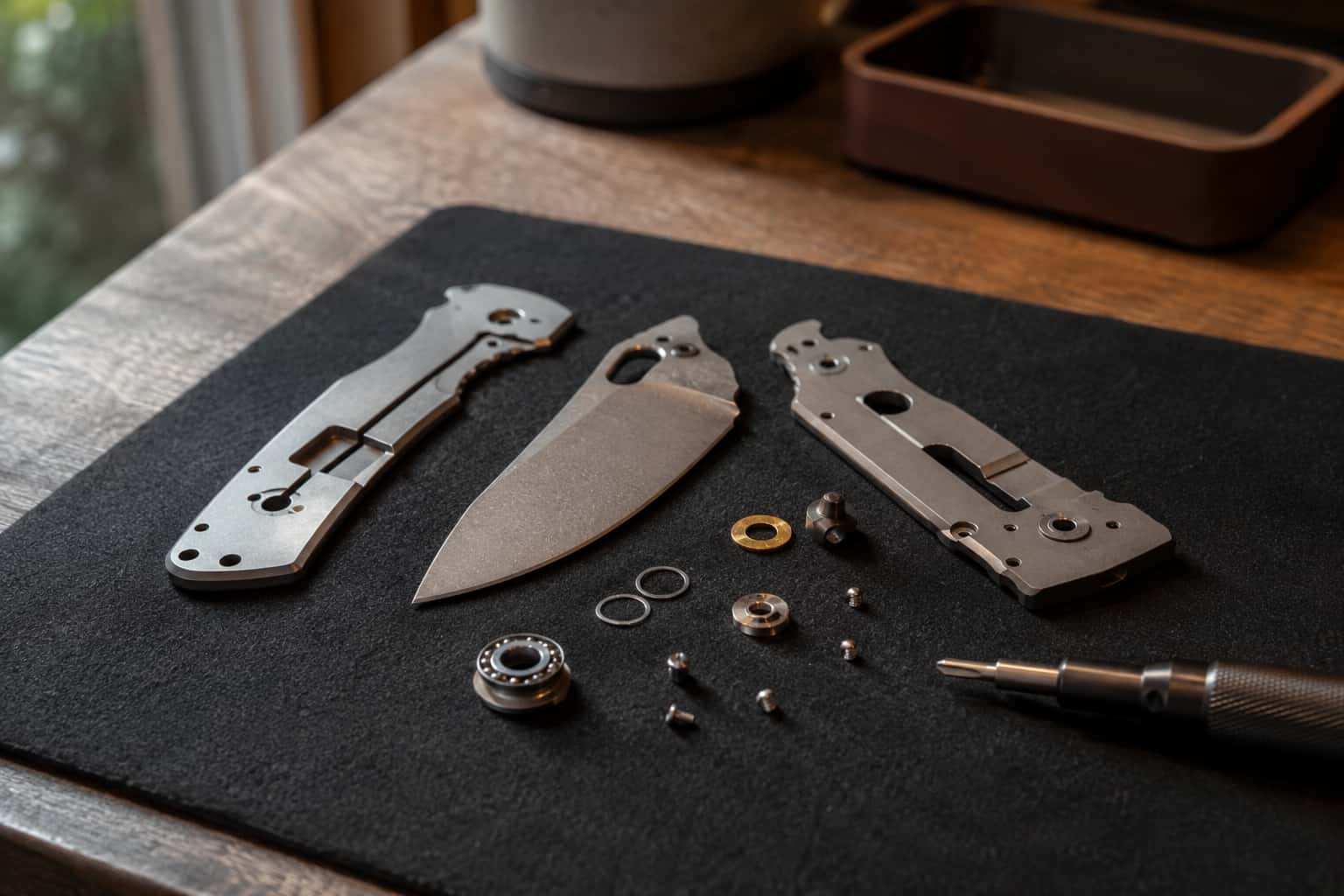
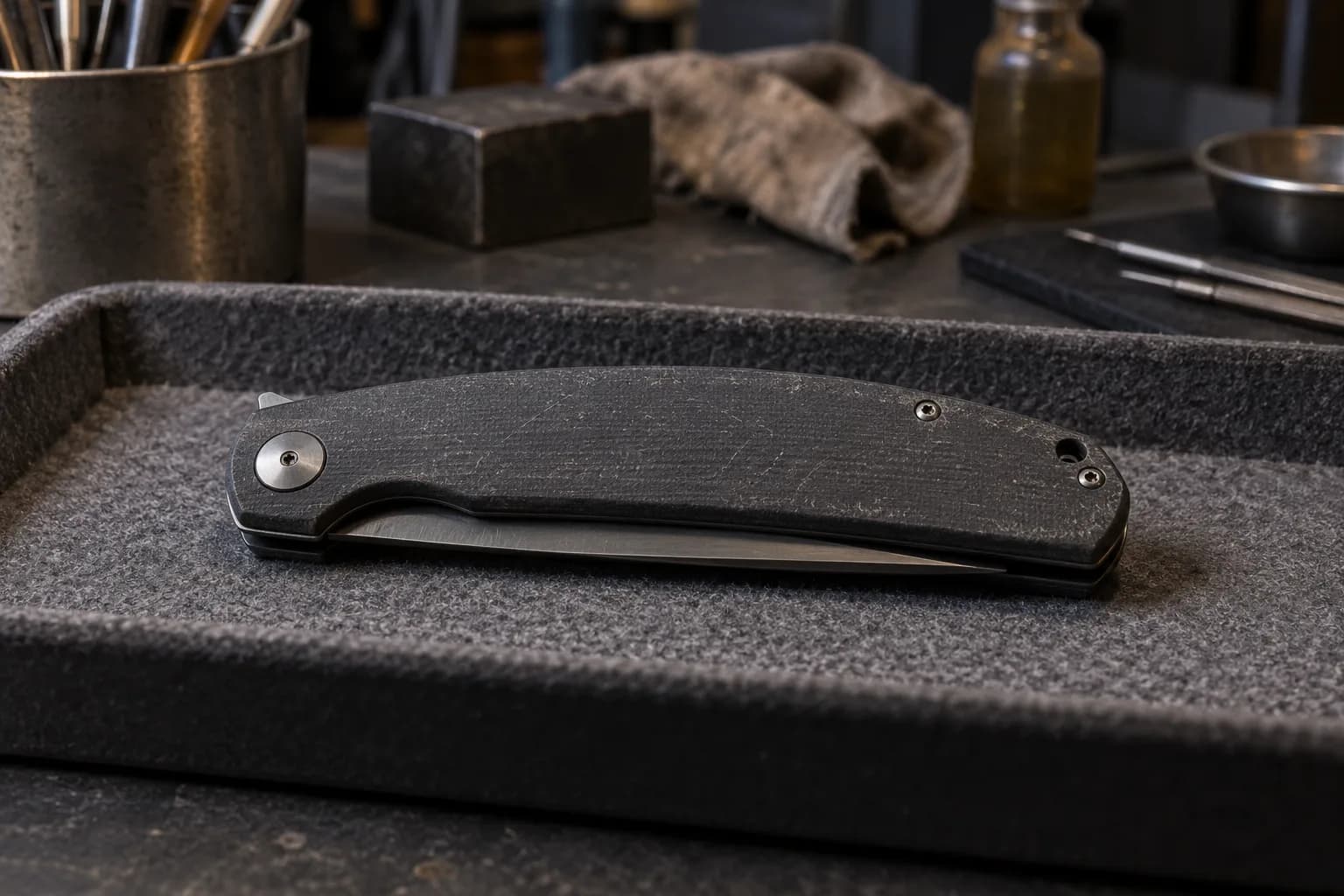
Weak: ball not proud enough, detent hole oversized (ball swallowed), or lockbar tension too light. Gritty: debris in the pivot (half of all cases - pocket lint plus oil makes grinding paste), a rough or galled tang track under the ball (steel ball on soft or unpolished steel is the classic galling pair), or dented bearing races on bearing folders. Harsh: hole edge never chamfered (the ball climbs a cliff), ball too proud, or bar tension excessive. Gone-vague: normal track burnishing is smooth-GOOD; wear that swallows the crisp means the hole edge has rounded or the ball has flattened - see the detent equation.
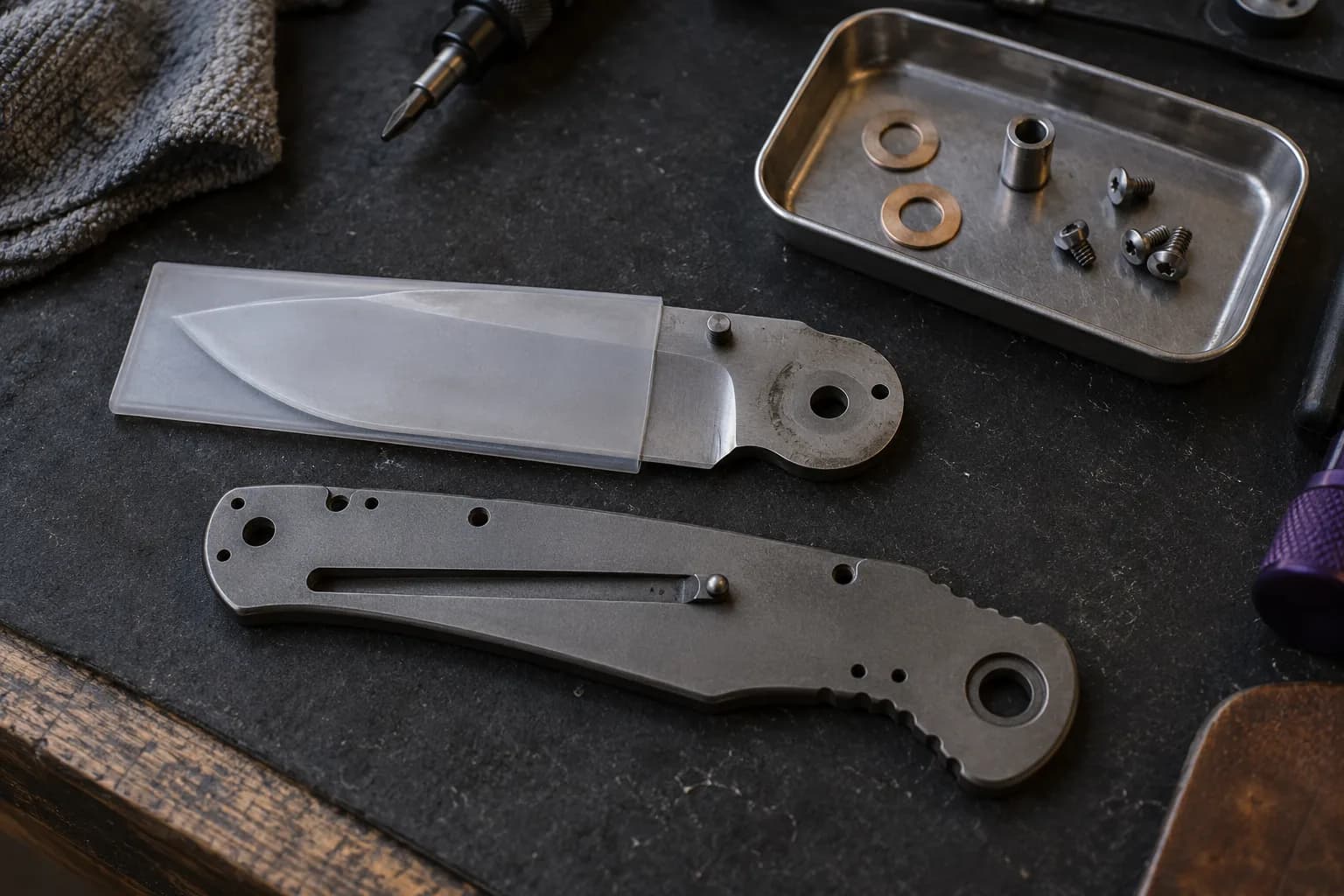
Clean first, always - flush the pivot area, re-oil, retest; half of gritty vanishes. Shake test closed for detent authority. Open slowly and FEEL where the roughness lives: at the very start (hole edge), through the arc (track or pivot), everywhere (debris). Look at the tang track under light for a galled gray racetrack.
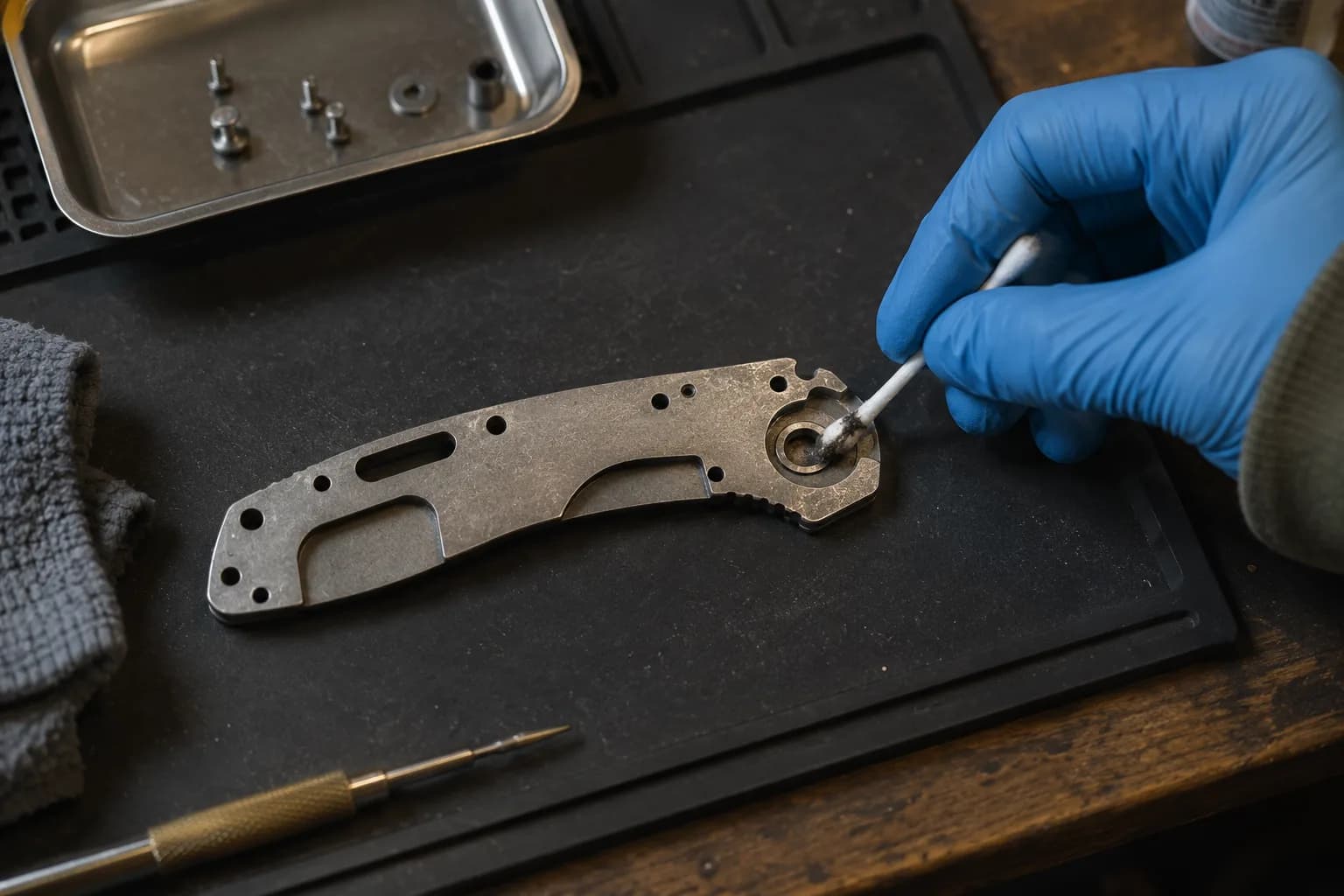
Weak: increase bar tension slightly, or press a ball a few thousandths larger/prouder into the bar; an oversized hole means a bigger ball or (scratch builds) a new detent location. Gritty: full strip, polish the tang track to 800+, replace a galled steel ball with ceramic, flatten and re-polish washers per hardware practice. Harsh: kiss the hole's exit edge with a fine chamfer (a few twists of a countersink by HAND), or ease bar tension at the relief. One variable, fifty cycles, reassess - the tuning guide's law.
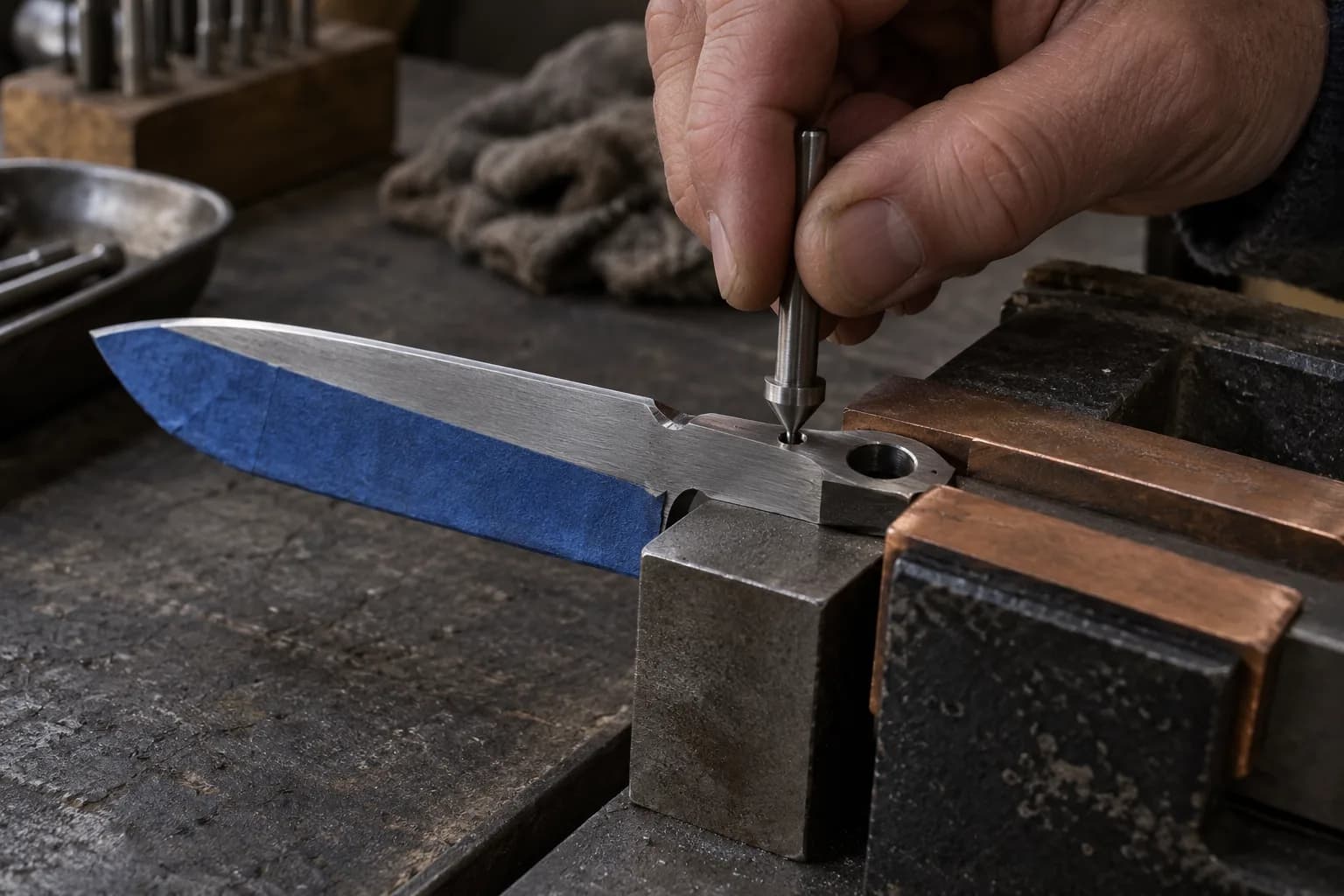
Ceramic detent balls on hardened polished tangs. Chamfered hole edges at build time. Periodic clean-and-oil before grit becomes lapping compound. Hardened tangs wherever a ball rides - soft tang tracks gall on schedule.
A detent hole enlarged by repeated fixes, or a track galled deep, has consumed its adjustment range - on a customer knife that means a new blade or an honest conversation, not a fourth bigger ball. And a folder that will not stay closed after real tuning does not ride in anyone's pocket meanwhile.
Keep reading
The long-form version of the fix above, written from the same bench.
Full disclosure, before anything else: this is Torus CNC’s site — we build three of the grinders compared below. Here’s how we’ve kept this honest: every…

Comics run on invented metals — adamantium, vibranium, the whole periodic table of plot — and the fastest way to appreciate real metallurgy is to audit…
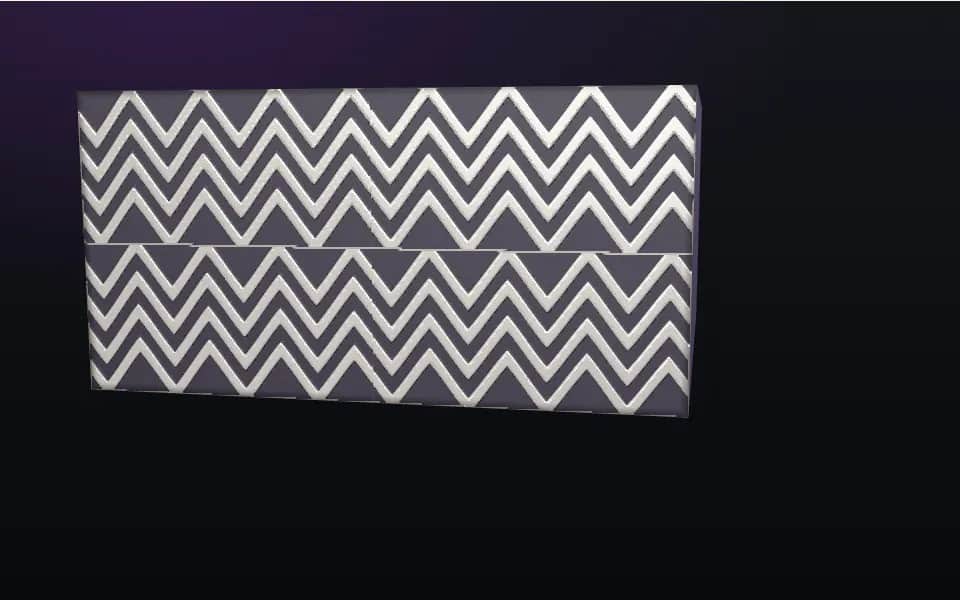
Past the ladder, twist, and raindrop lies the territory where damascus becomes composition: patterns built by controlling the layers in three dimensions…
Same bench
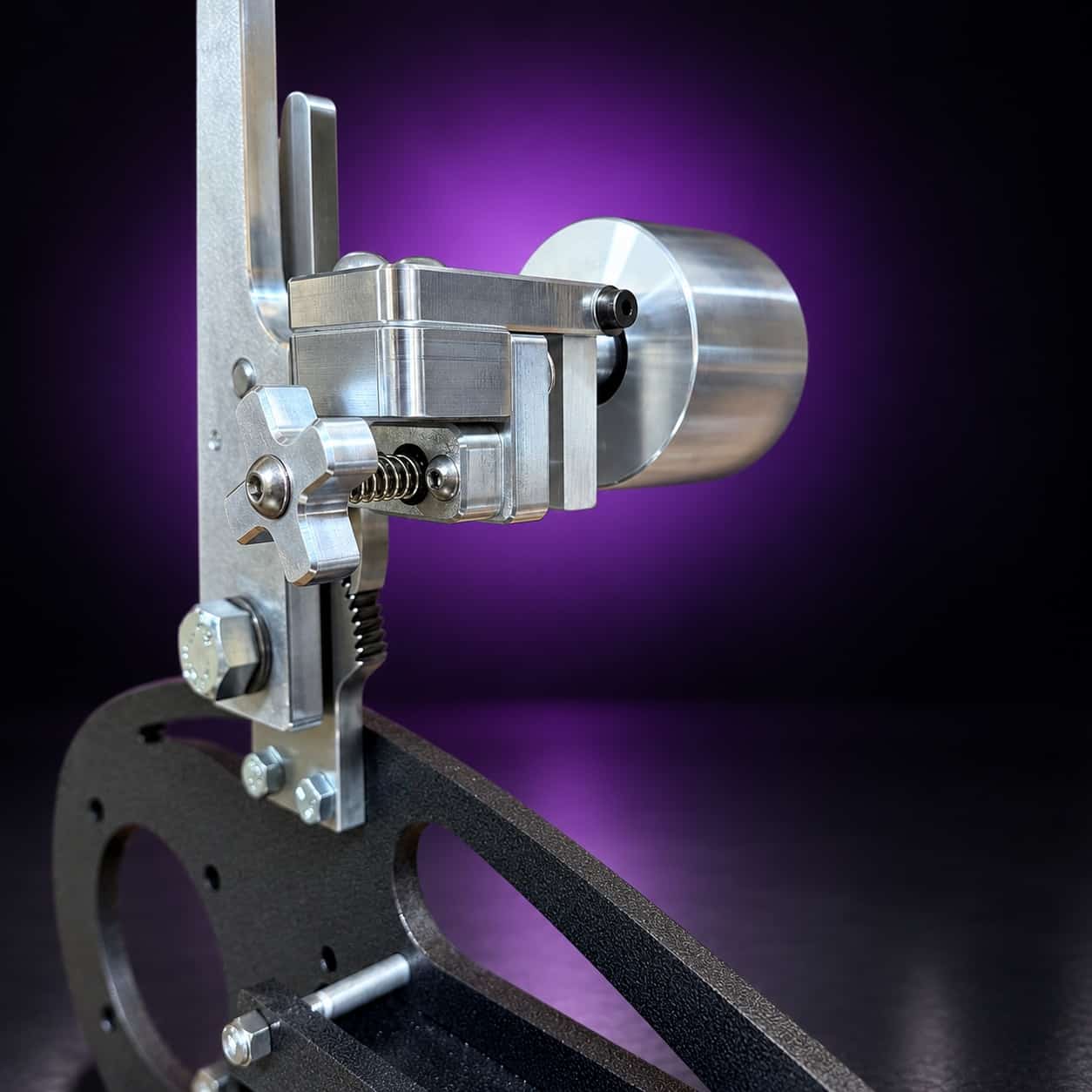
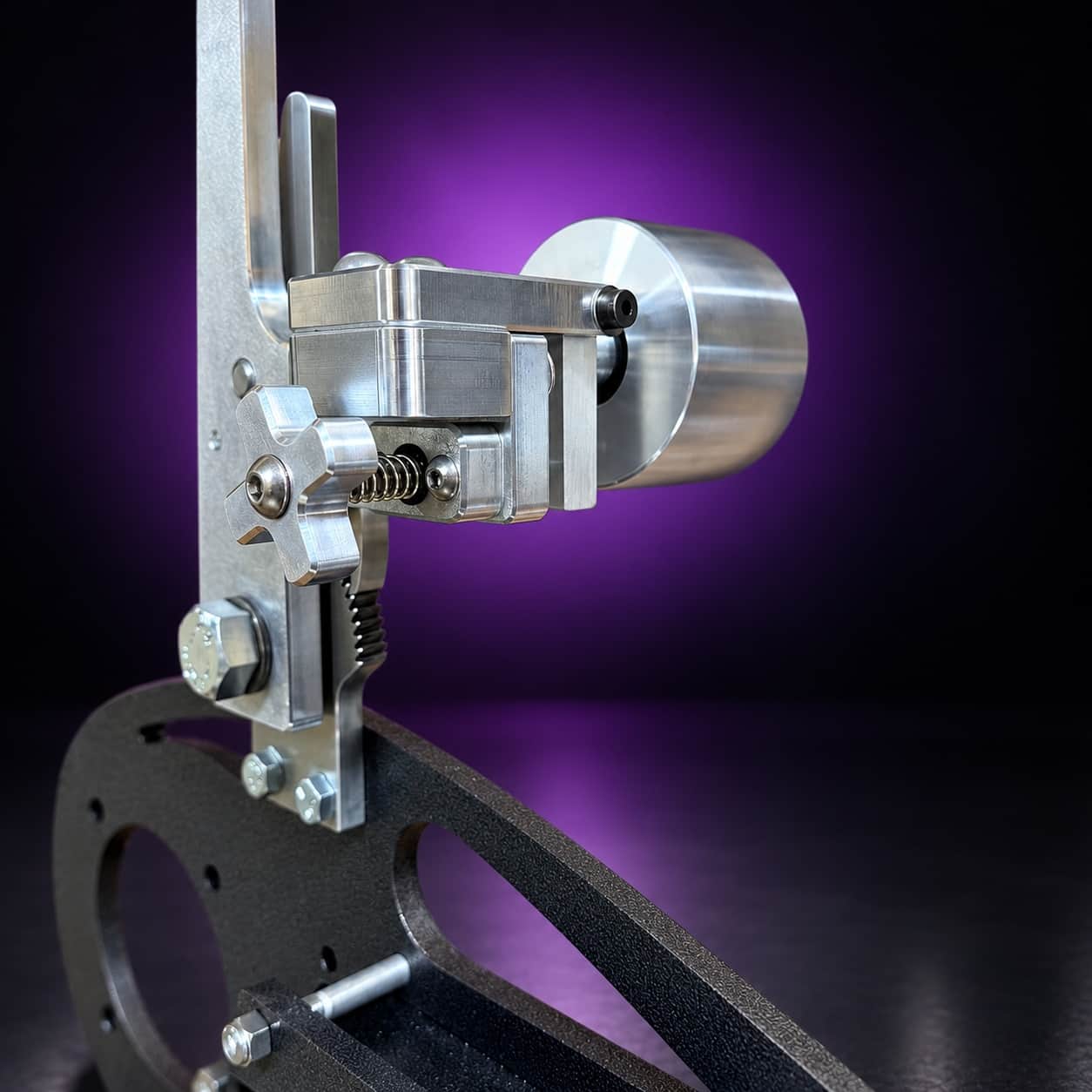
Flex, a soft platen or a tracking knob that will not hold can show up as a bad grind. I machine the parts, hand-assemble, track and test each Torus grinder in Sterling, Illinois.
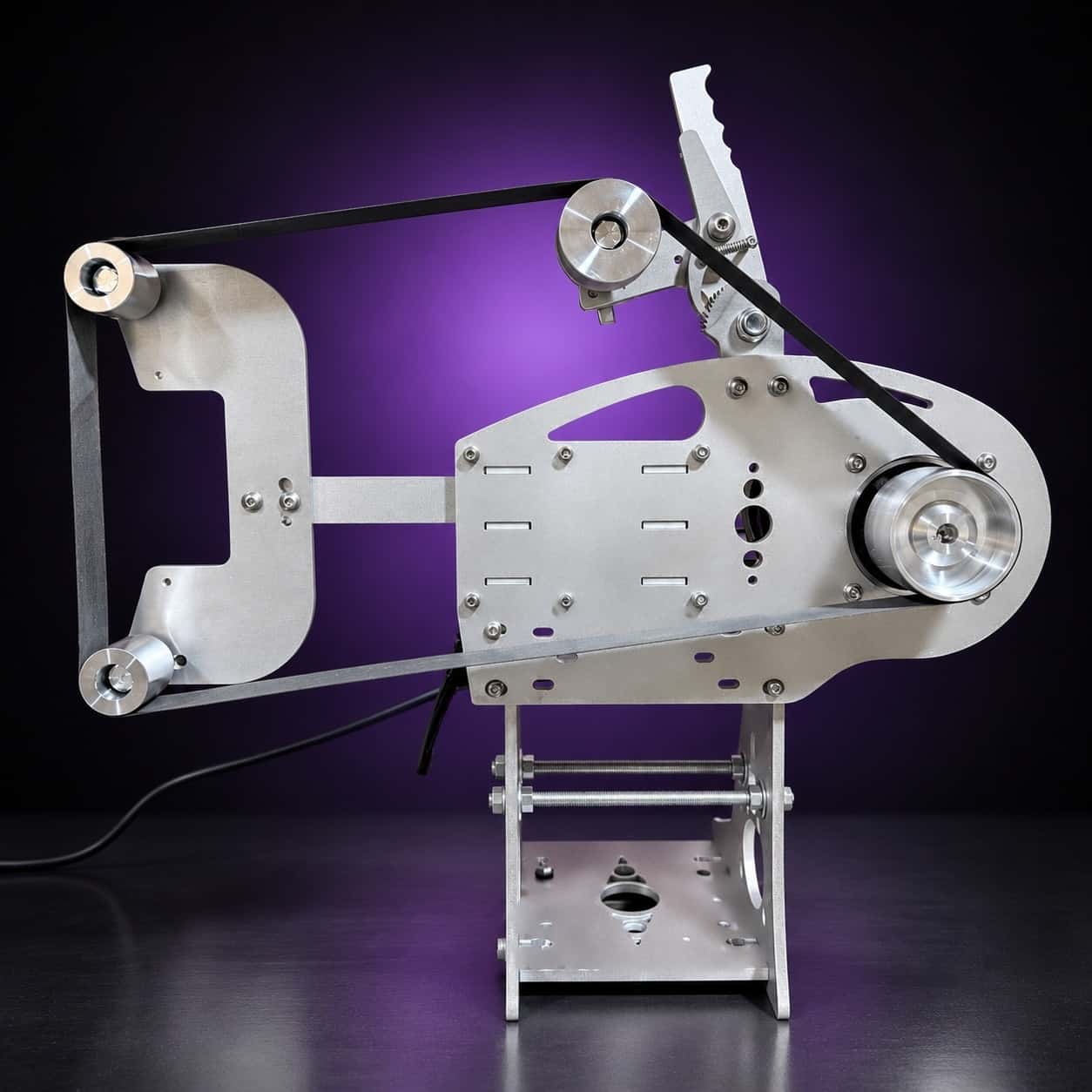
Current dual-axis platform with a fiber-laser-cut 6061 chassis and single-knob tracking.
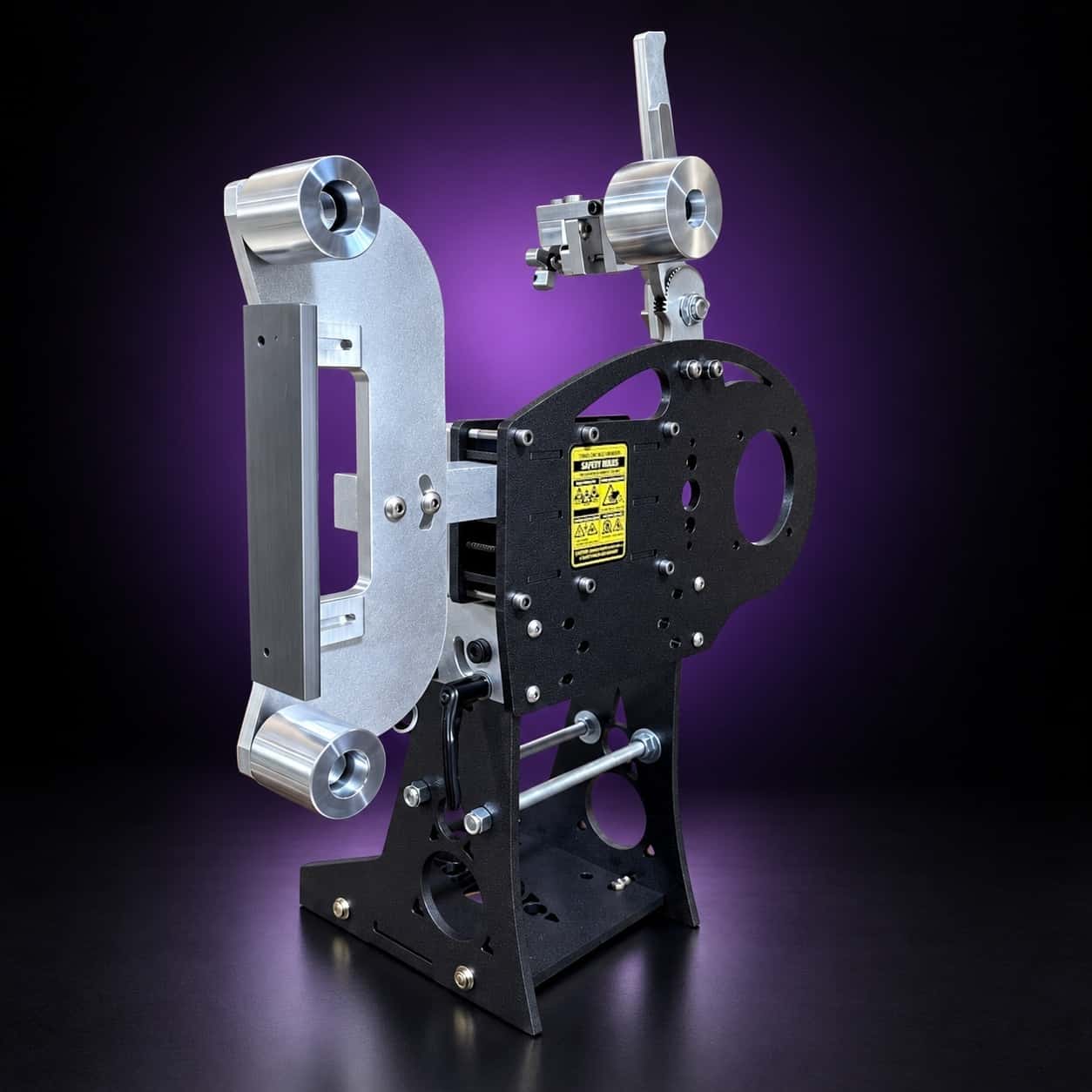
Current dual-axis platform with a steel chassis, more mass and less vibration.
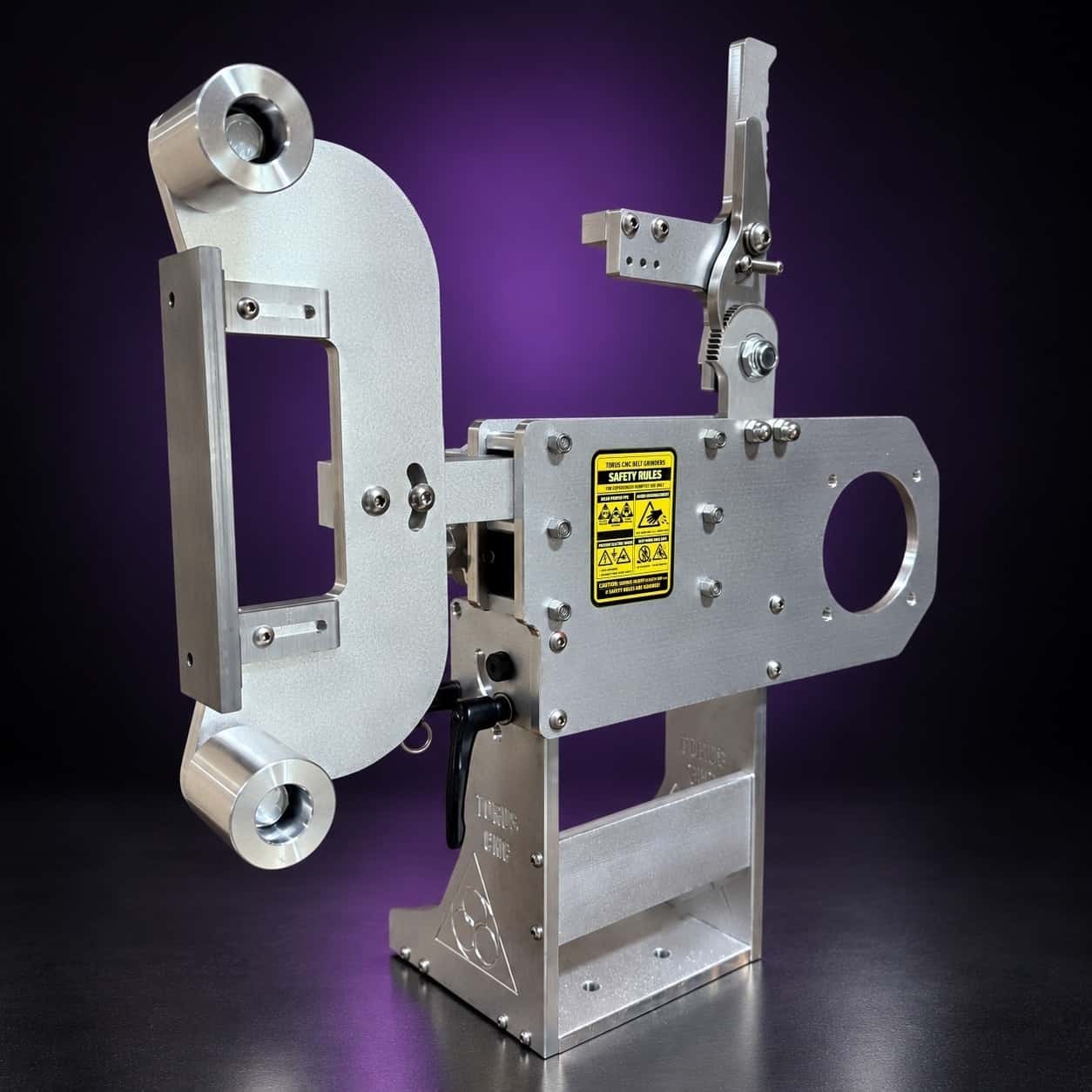
Prior-design aluminum chassis, 90-degree tilt and 1.5-inch tooling arms.
One-man shop
Send me a photo and describe what happened before it went wrong. Include the machine, belt and steel when they are relevant.