
Beginner Guides
2×72 Belt Grinder Brands Compared: The Honest Field Guide
Full disclosure, before anything else: this is Torus CNC’s site — we build three of the grinders compared below. Here’s how we’ve kept this honest: every…
Troubleshooting
Work back from what it is doing to what caused it, then to the fix that addresses the cause. Nothing here needs a sign-up.

The flow
Causes first, then the quick checks, the fix, prevention and the stop-work point.
Seasonal wood shrinkage — dry winter shop air shrinking the tongue inside the eye (the most common cause on a previously tight hang). A hang that was never right: tongue hogged undersized and rescued with wedge pressure alone. A dead wedge — cracked, backed out, or driven into a kerf cut too shallow. Overstrikes bruising and crushing the tongue's shoulder. On tomahawks: normal behavior being misread — friction-fit heads are SUPPOSED to slide off inverted (see Hafting an Axe); a hawk loose during the swing is a taper mismatch between eye and haft.
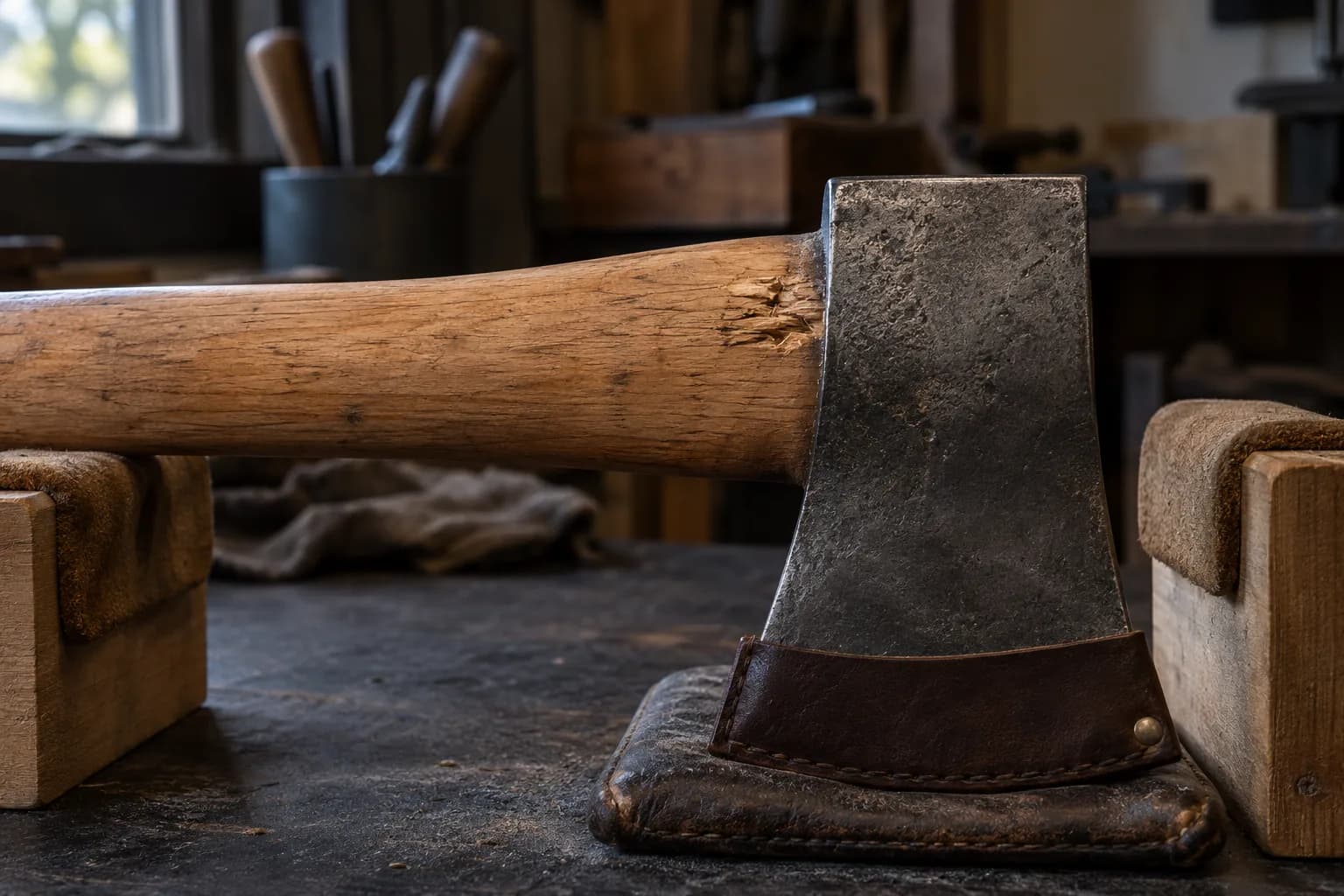
Grab head and haft and twist opposite directions — any movement is failure, not character. Sight the wedge: proud, cracked, or gapped at its edges? Look for crush damage at the shoulder from overstrikes. On a hawk, check the haft's taper actually engages the eye all the way around (chalk or pencil transfer marks show contact).
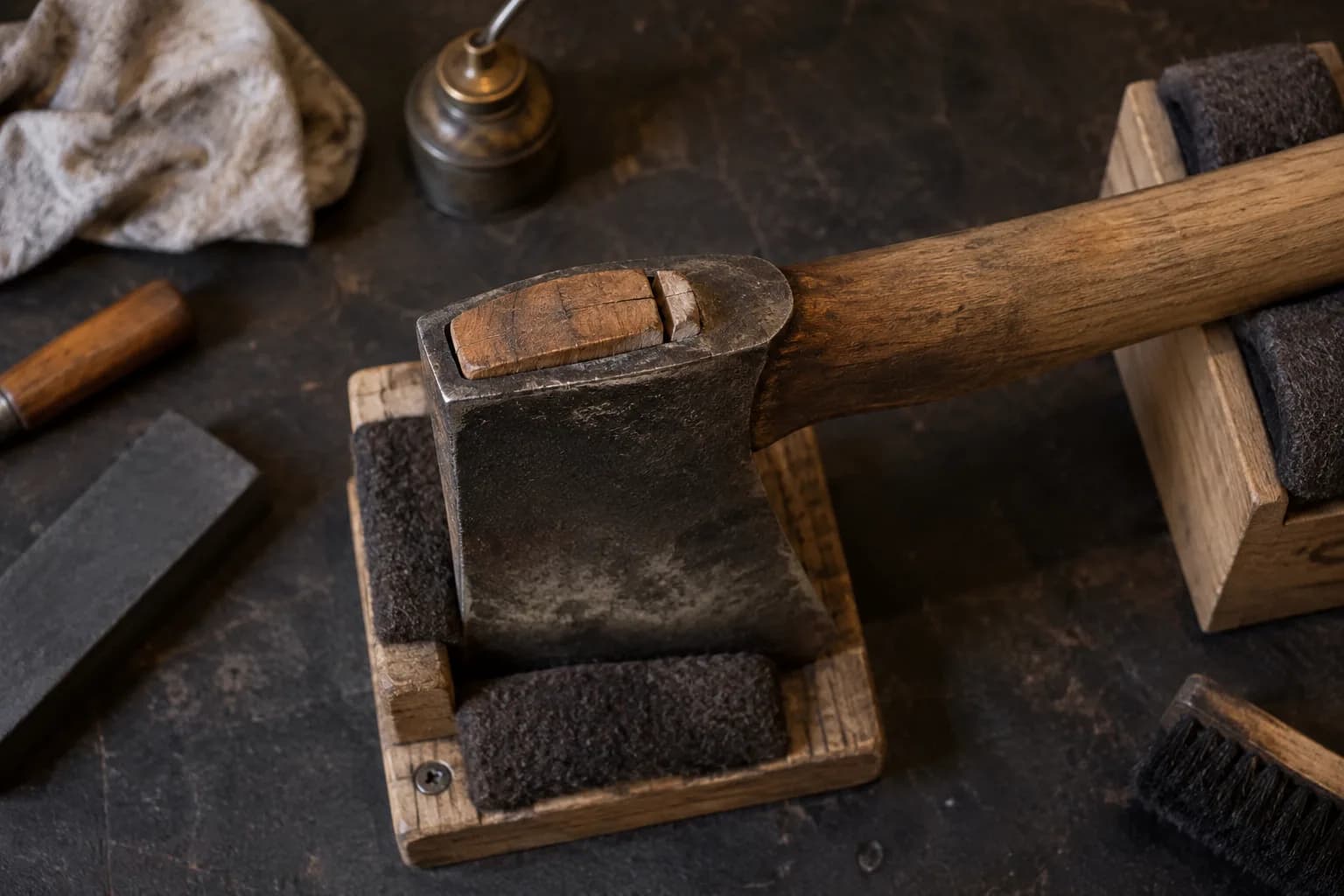
The repair is wedging, not water. Pull or drive out the old wedge (drill it if stubborn), deepen the kerf if it was shallow, and drive a new dry hardwood wedge until dead stop; add the steel step-wedge diagonally across it. If the tongue itself is undersized or crushed, re-hang on a new haft — the full discipline in Hafting an Axe; a wedge cannot rescue a bad fit. Hawks: re-shave the haft taper to full-contact fit, or make the next haft from the drift's own spec. The soak-it-in-a-bucket trick swells wood tight for a weekend and returns it looser than before as it re-dries — emergency-only, never the repair.
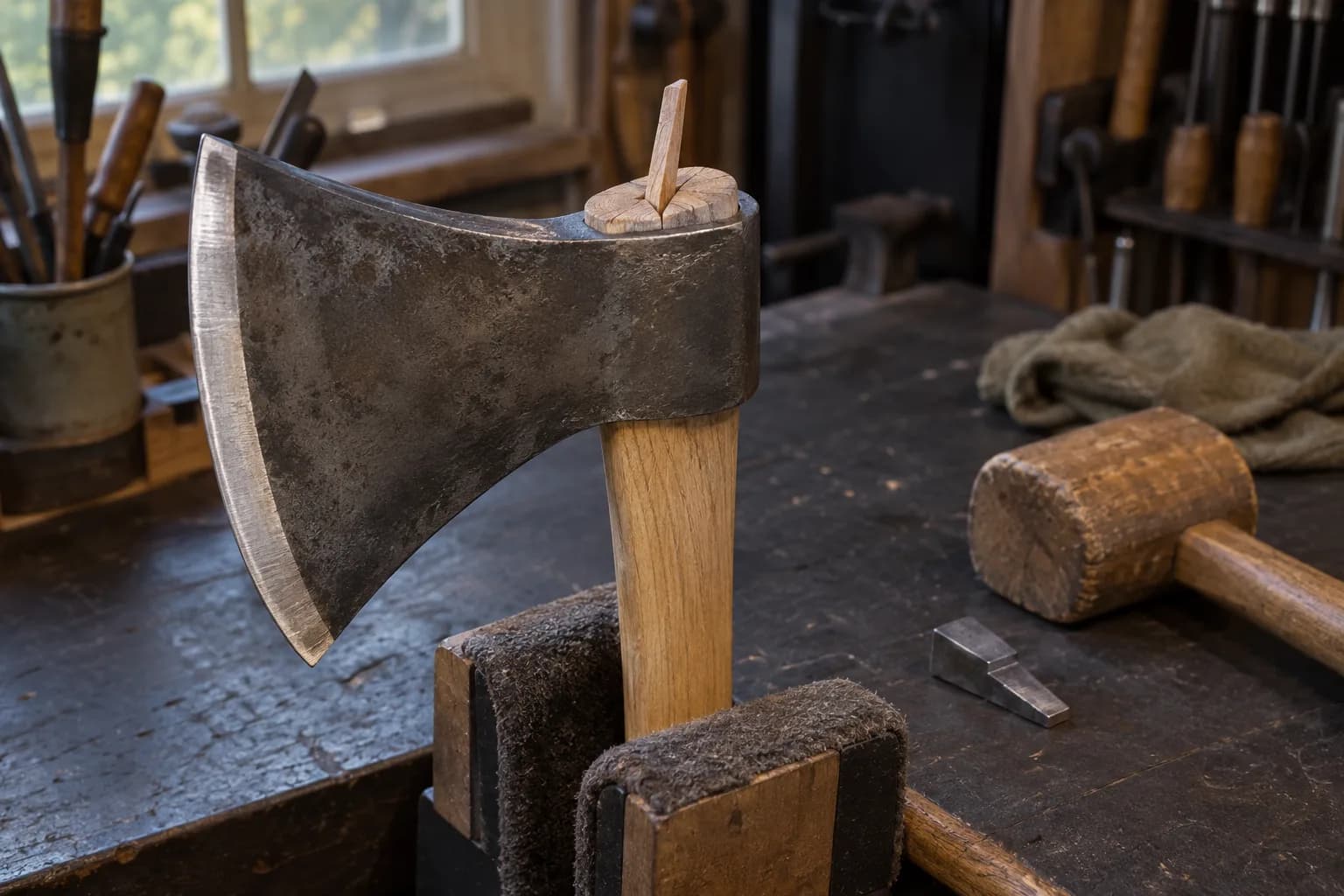
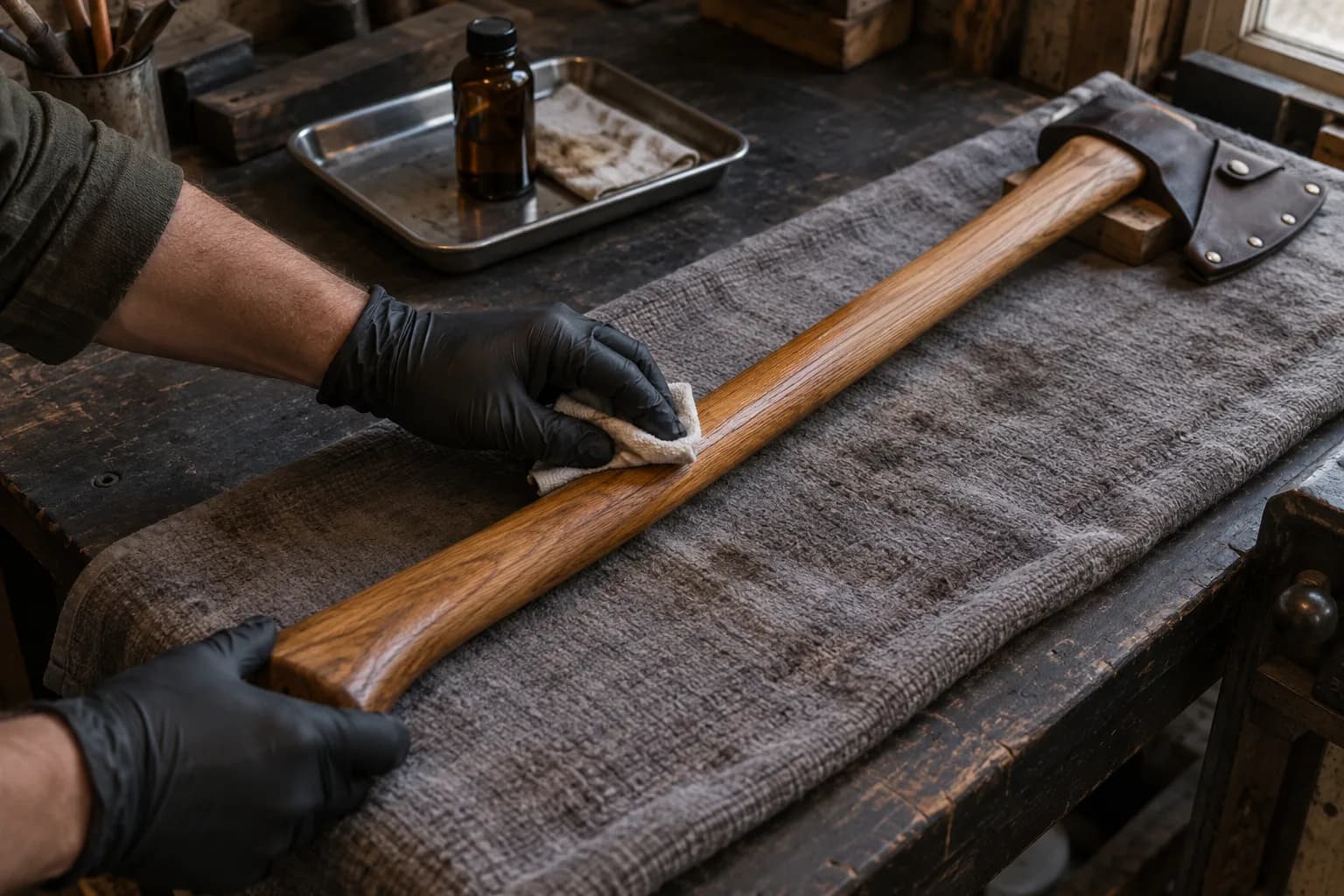
Store axes away from stove-dry corners, oil hafts seasonally (linseed slows moisture cycling), check the hang each session as reflex, and fix the FIRST wiggle — every swing on a loose head crushes the tongue further toward a re-hang.
A cracked eye, a tongue crushed past re-wedging, or grain runout revealed at the shoulder ends the session immediately — a flying head is the injury every old text warns about first. Re-hang before the next swing; hafts are cheap and faces are not.
Keep reading
The long-form version of the fix above, written from the same bench.
Full disclosure, before anything else: this is Torus CNC’s site — we build three of the grinders compared below. Here’s how we’ve kept this honest: every…

Comics run on invented metals — adamantium, vibranium, the whole periodic table of plot — and the fastest way to appreciate real metallurgy is to audit…
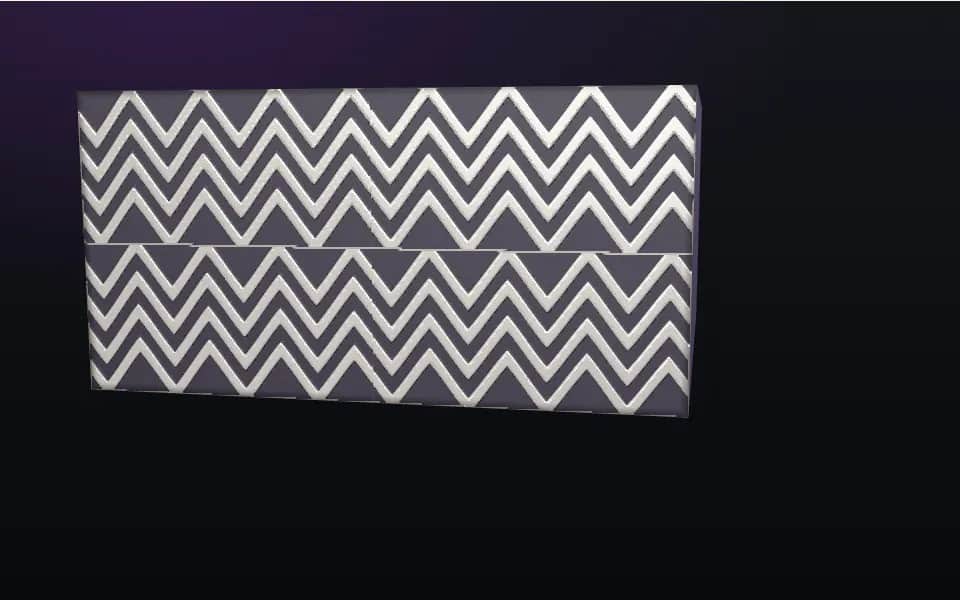
Past the ladder, twist, and raindrop lies the territory where damascus becomes composition: patterns built by controlling the layers in three dimensions…
Same bench
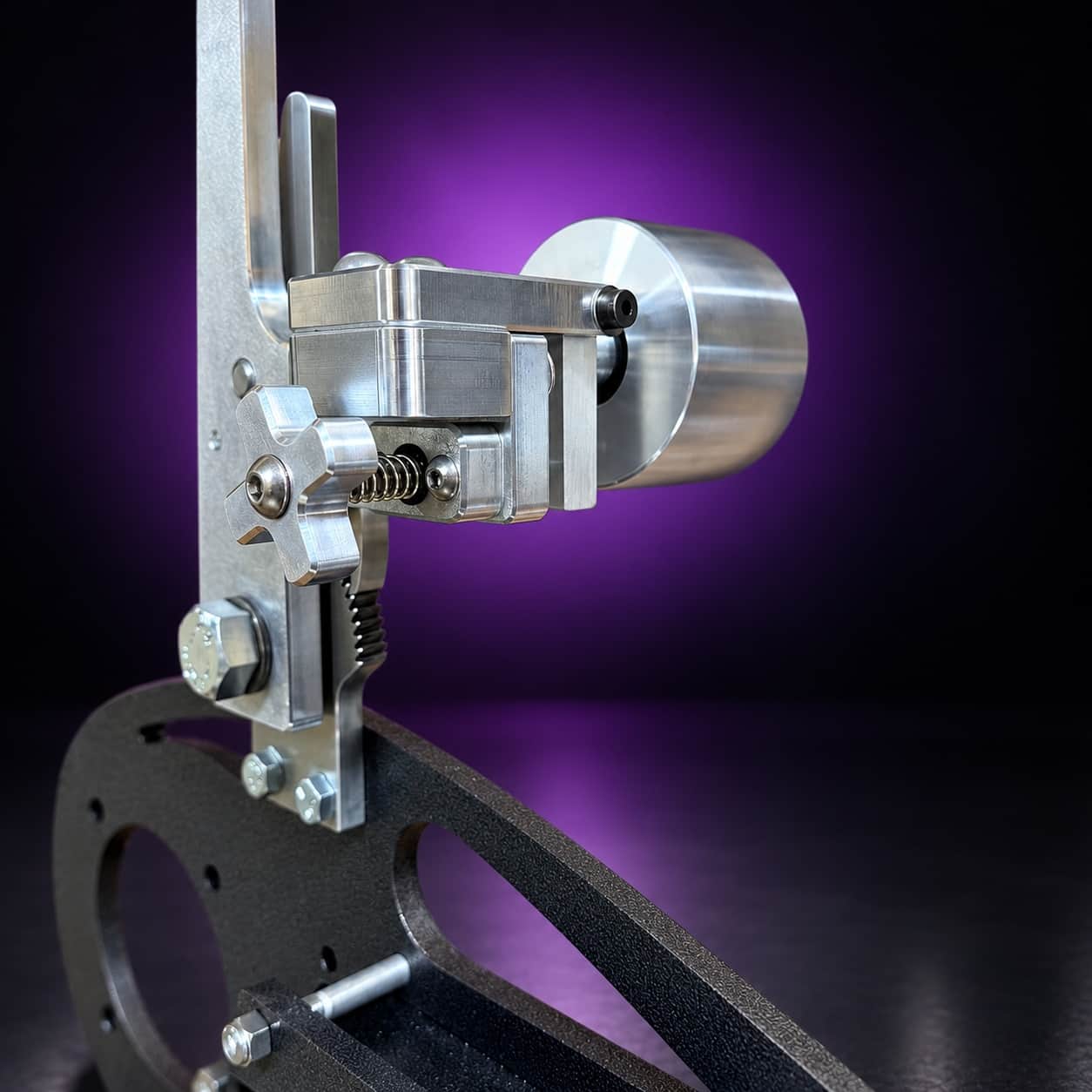
Flex, a soft platen or a tracking knob that will not hold can show up as a bad grind. I machine the parts, hand-assemble, track and test each Torus grinder in Sterling, Illinois.

Current dual-axis platform with a fiber-laser-cut 6061 chassis and single-knob tracking.

Current dual-axis platform with a steel chassis, more mass and less vibration.

Prior-design aluminum chassis, 90-degree tilt and 1.5-inch tooling arms.
One-man shop
Send me a photo and describe what happened before it went wrong. Include the machine, belt and steel when they are relevant.