| Toughness | 4/5The reason makers pick A2: clearly tougher than D2 and other high-carbide tool steels at working hardness — the classic choice for choppers and hard-use blades that must not chip. Modern PM steels like CPM 3V exceed it, at a price. | 4/5Notably tougher than D2, approaching A2 in impact testing, and significantly tougher than high-carbide stainless steels like S30V at comparable hardness. Not in the same class as CPM 3V, but a large step up from typical stainless tool steels. | Comparable class, edge to CruWear - PM processing keeps its grain fine, so it matches or beats A2's toughness despite carrying more carbide. |
|---|
| Edge retention | 3/5Moderate carbide volume holds a solid working edge — above simple carbon steels, clearly below D2 and the CPM class. Takes a notably fine, keen edge for a tool steel thanks to its restrained carbide structure. | 3/5Good, though behind high-vanadium stainless steels like S90V or M390. CruWear takes a keen edge easily and touches up fast, which many users prefer over outright maximum edge retention. | CruWear wins clearly: added vanadium and tungsten carbides hold an edge well beyond A2, approaching dedicated wear steels while staying tough. |
|---|
| Corrosion resistance | 2/5About 5% chromium: slows rust slightly versus 1084/1095 but this is tool steel, not stainless. It patinas and will rust if neglected — oil it, dry it, and consider a forced patina on users. | 2/5Not stainless. Chromium is intentionally kept below the roughly 10.5% stainless threshold so more of it is available to support toughness and carbide structure rather than corrosion resistance. Needs the same basic care as other carbon tool steels. | Effectively a tie: both are ~5-7% chromium tool steels that need oil and care. Patina country either way. |
|---|
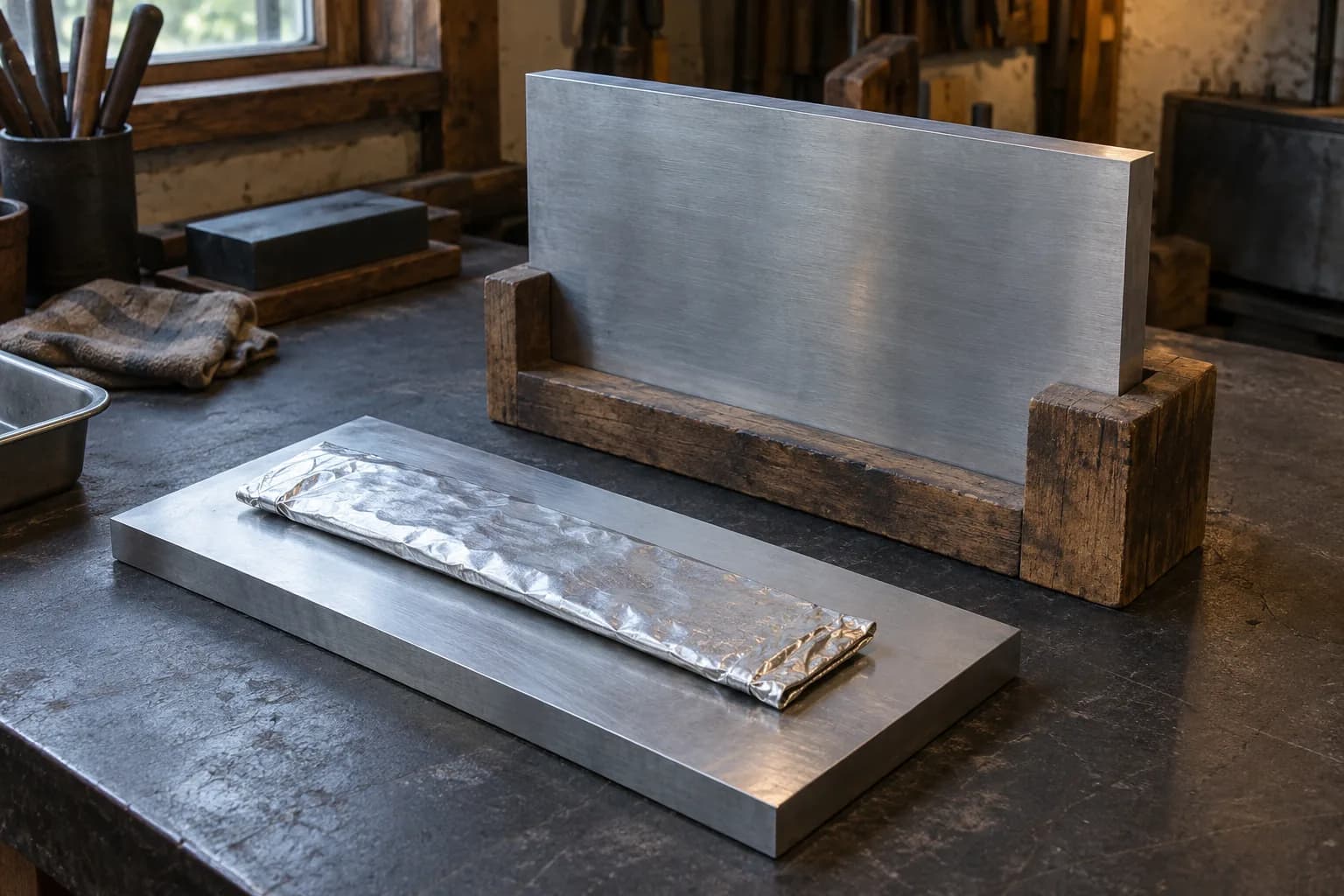
| Heat treat | Air hardening — kiln territory (or a heat-treat service). Foil-wrap, austenitize 1750–1800°F, soak 30–45 minutes, then quench in still air or between aluminum plates (plates keep thin blades dead flat — see our plate quenching guide). Cool below ~150°F, then double temper 2 hours each: ~400°F for 60–62 HRC, 450–500°F for 58–60 with extra toughness. Cryo treatment is a worthwhile optional step (Lie-Nielsen cryo-treats its A2). | Crucible's recommended heat treatment: austenitize at 1950 F, quench (air or interrupted oil to control warping), then triple temper at 1000 F for at least 2 hours per cycle. This targets around 62 HRC. Double tempering is the minimum; triple tempering is recommended for full stress relief and dimensional stability. | Same family: foil, high soak, air/plate quench, double temper - CruWear runs hotter with optional high-temperature tempering protocols. Both reward a kiln or a pro service. |
|---|
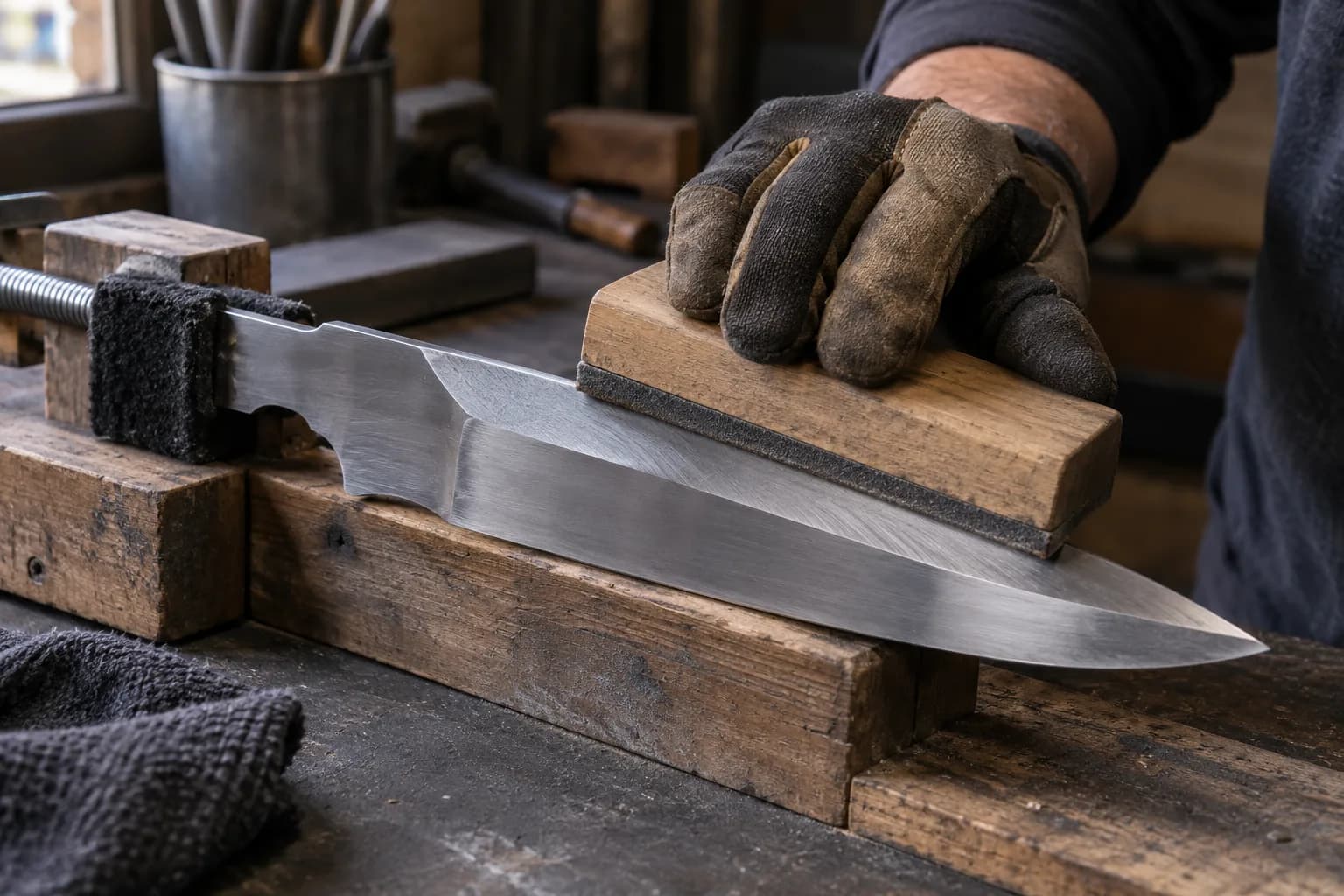
| Grinding | 4/5One of the friendlier tool steels on the grinder and under files when annealed; finishes and hand-sands more cleanly than D2 or the PM steels. | 3/5Grinds comparably to other CPM tool steels in this class; moderate belt wear from vanadium and tungsten carbides. Ceramic or zirconia belts work well for stock removal. | A2 is the easier day at the grinder; CruWear's extra carbide volume grinds slower and pushes toward diamond stones for refined edges - though it finishes more cooperatively than D2. |
|---|