
Abrasives
Belt Buyer’s Guide: Which Abrasives to Actually Buy
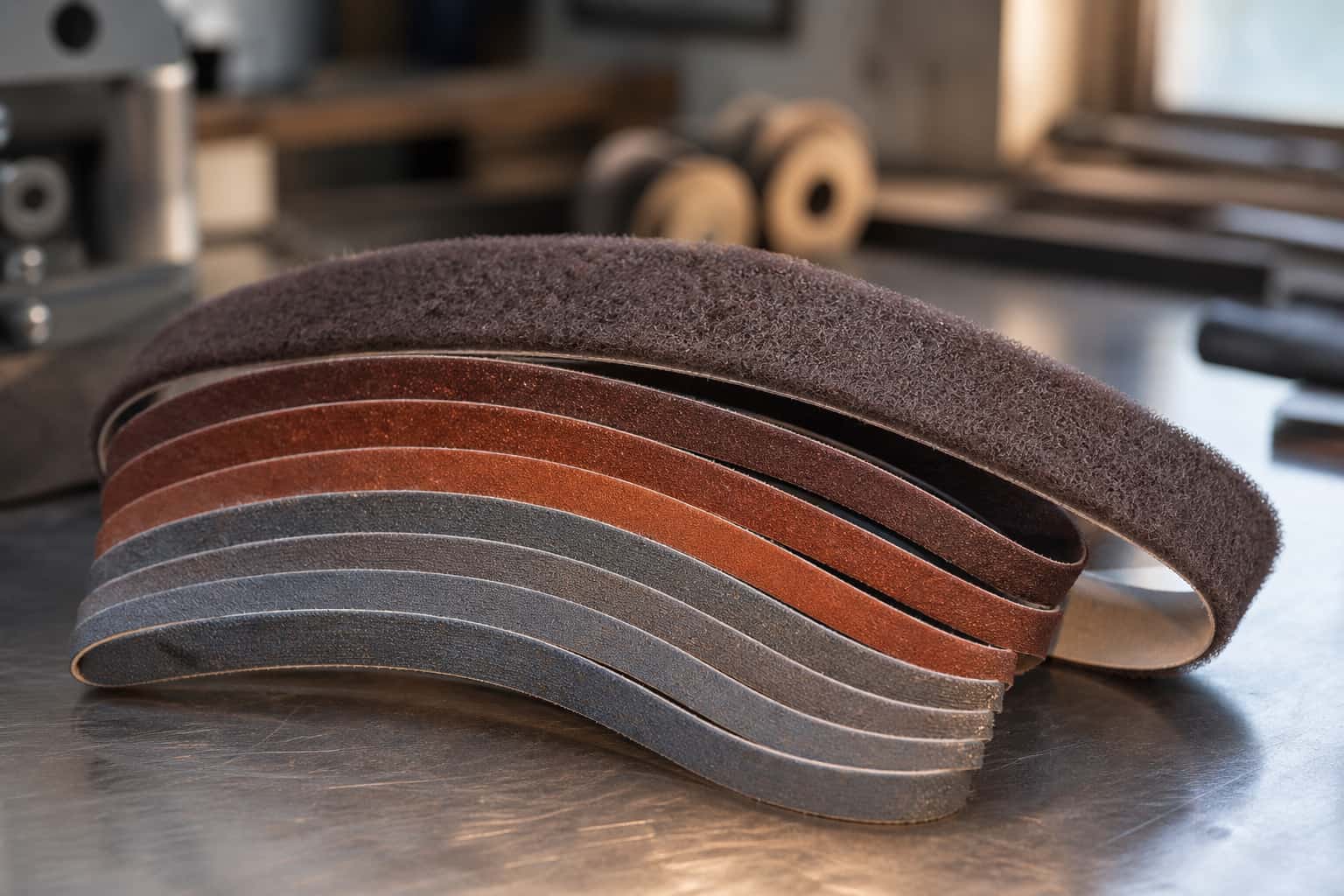
Belts are the single biggest recurring cost in this hobby, and buying the wrong ones wastes money twice: once on belts that wear out fast, and again on…
Abrasives
A2 on the 2x72: belt progressions for annealed and hardened stock, heat control, plate-quench flatness, and why A2 sharpens without diamonds.
2 min readWritten by Rich LinvilleFree to read
Good news first: A2 is one of the friendliest tool steels you will ever put on a 2×72. Its restrained carbide structure — the same trait that makes it tough — means it grinds cleanly, hand-sands honestly, and sharpens on ordinary stones. If D2 is the steel that fights back, A2 is the tool steel that cooperates.
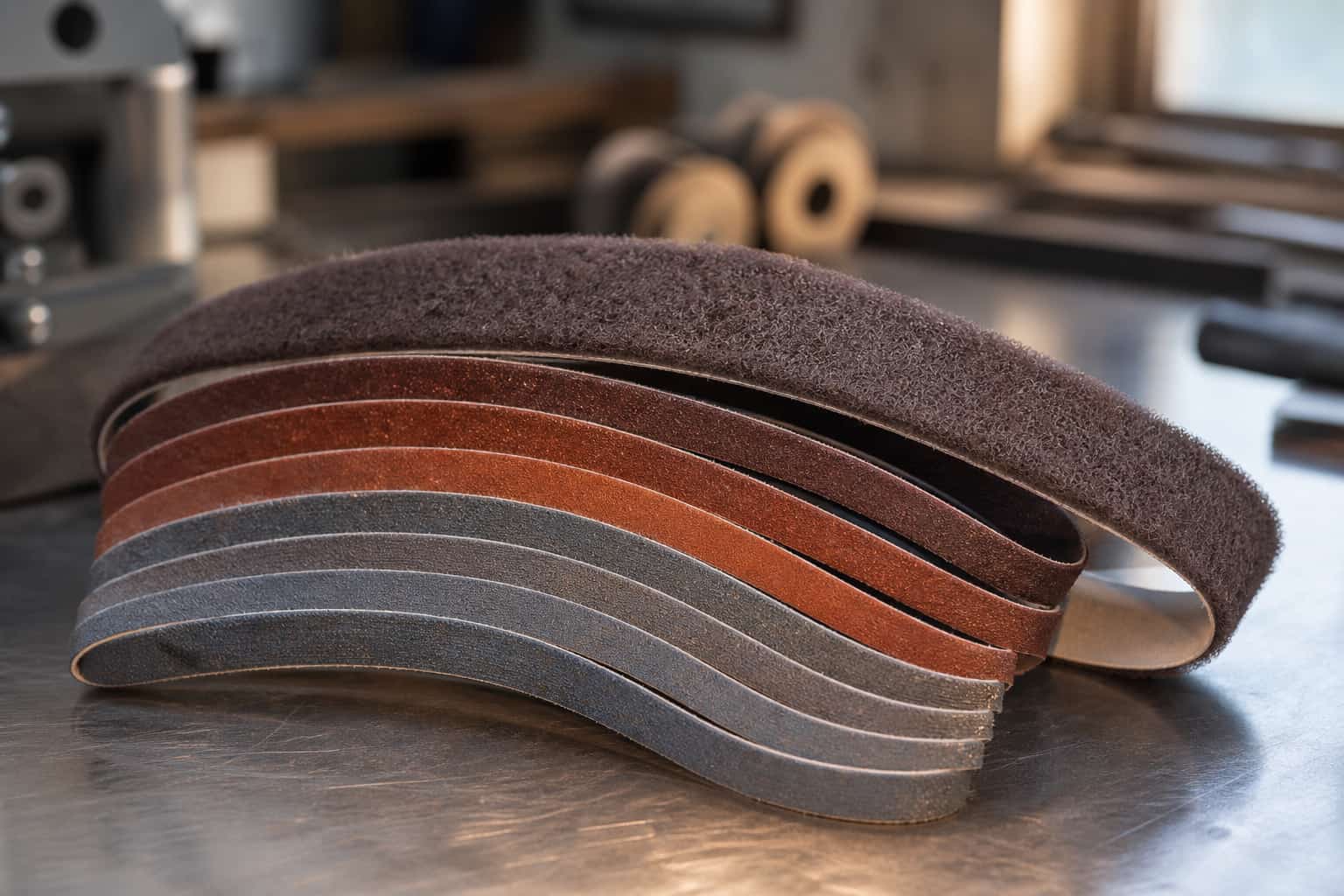
Annealed A2 hogs beautifully: fresh ceramic or zirconia belts in the 36–60 grit range move it fast with light pressure, and it profiles and drills without drama. Standard progression applies — set bevels coarse, refine through 120–220, and leave the edge dime-thick before heat treat. One planning note: A2 is a kiln steel (1750–1800°F soak, air or plate quench), so most makers grind closer to final shape pre-heat-treat than they would with a forgiving carbon steel — there is no torch-and-magnet fallback here (see the send-out option if you are kiln-less).
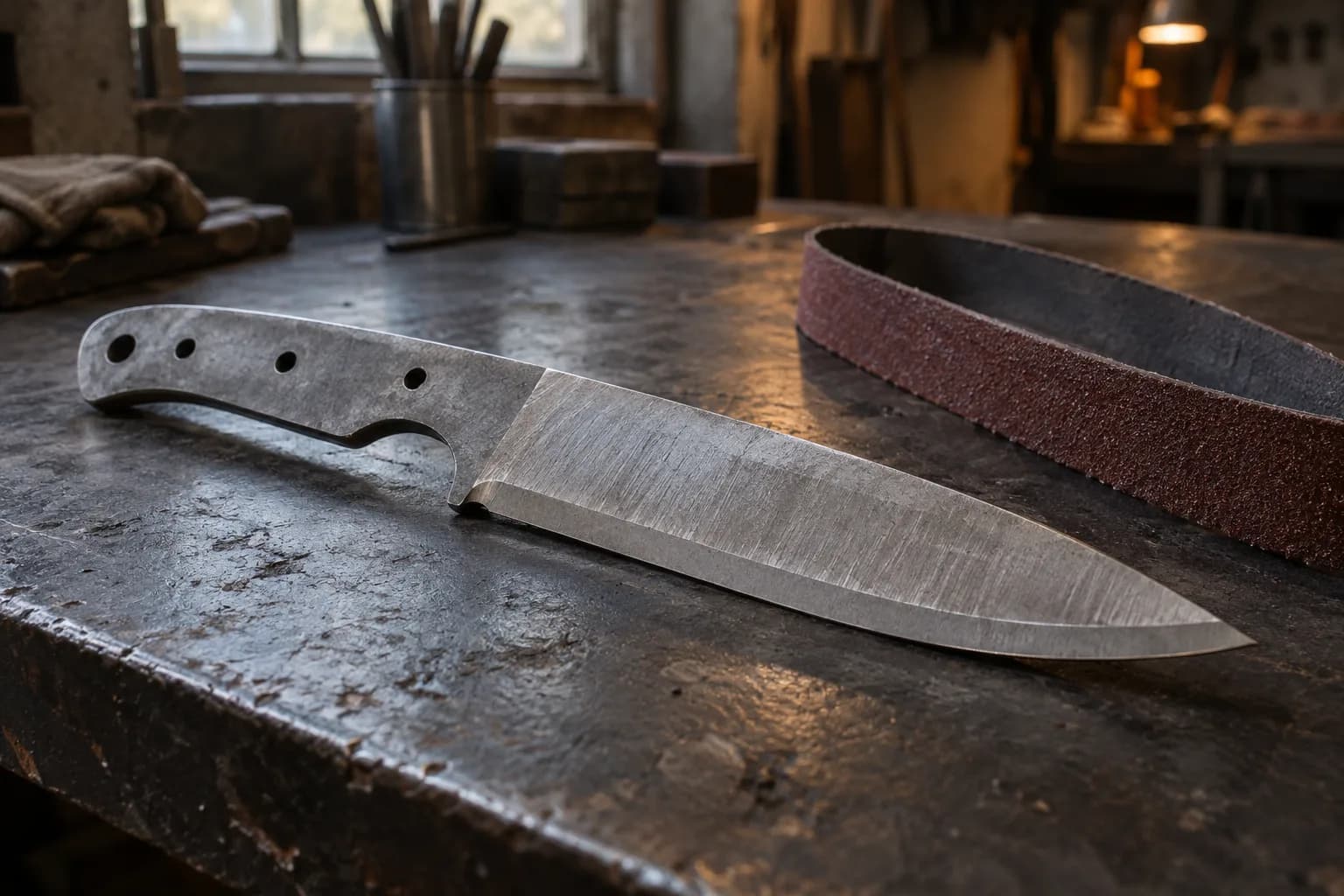
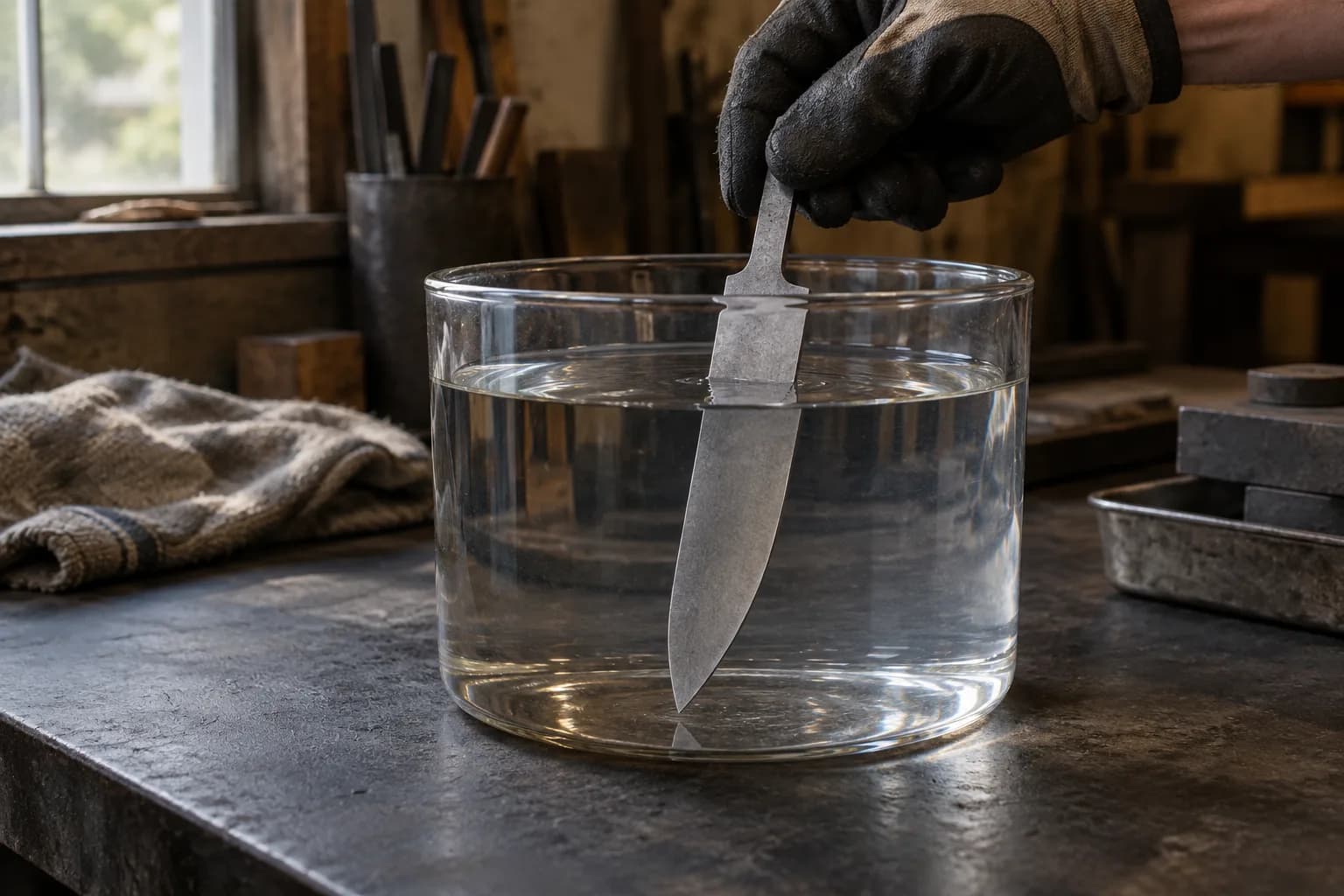
At 58–62 HRC, A2 still grinds cooperatively — noticeably easier than D2 at the same hardness. Sharp belts and moderate speed are the whole recipe. The one caution is universal: heat. A 400–450°F temper means the edge’s temper margin is real but not generous — keep the blade moving, dip often, and slow the machine for post-heat-treat finishing passes. Variable speed earns its keep here (the case for it lives in the 2×72 buyer’s guide).
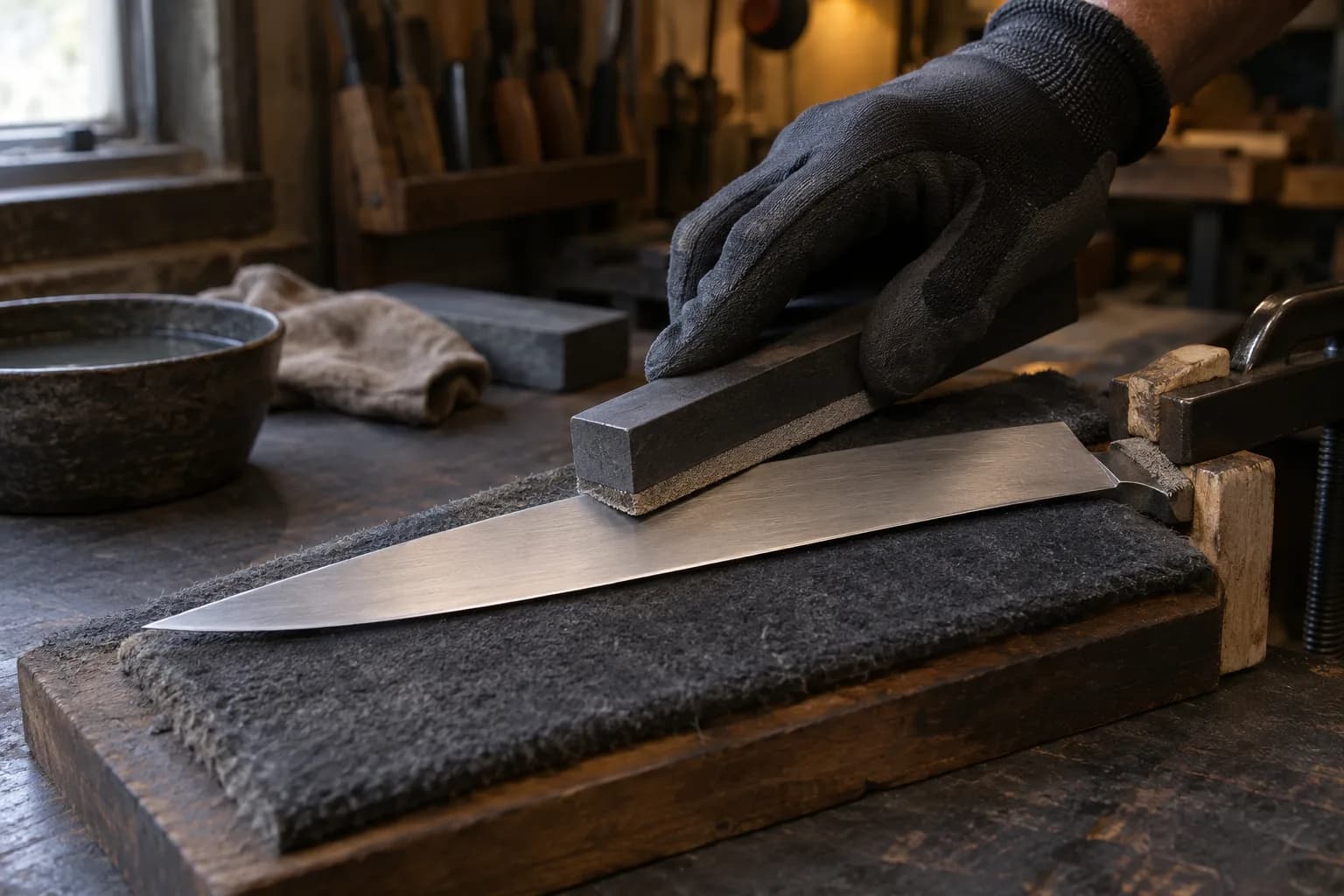
Full belt-selection logic in the Belt Buyer’s Guide.
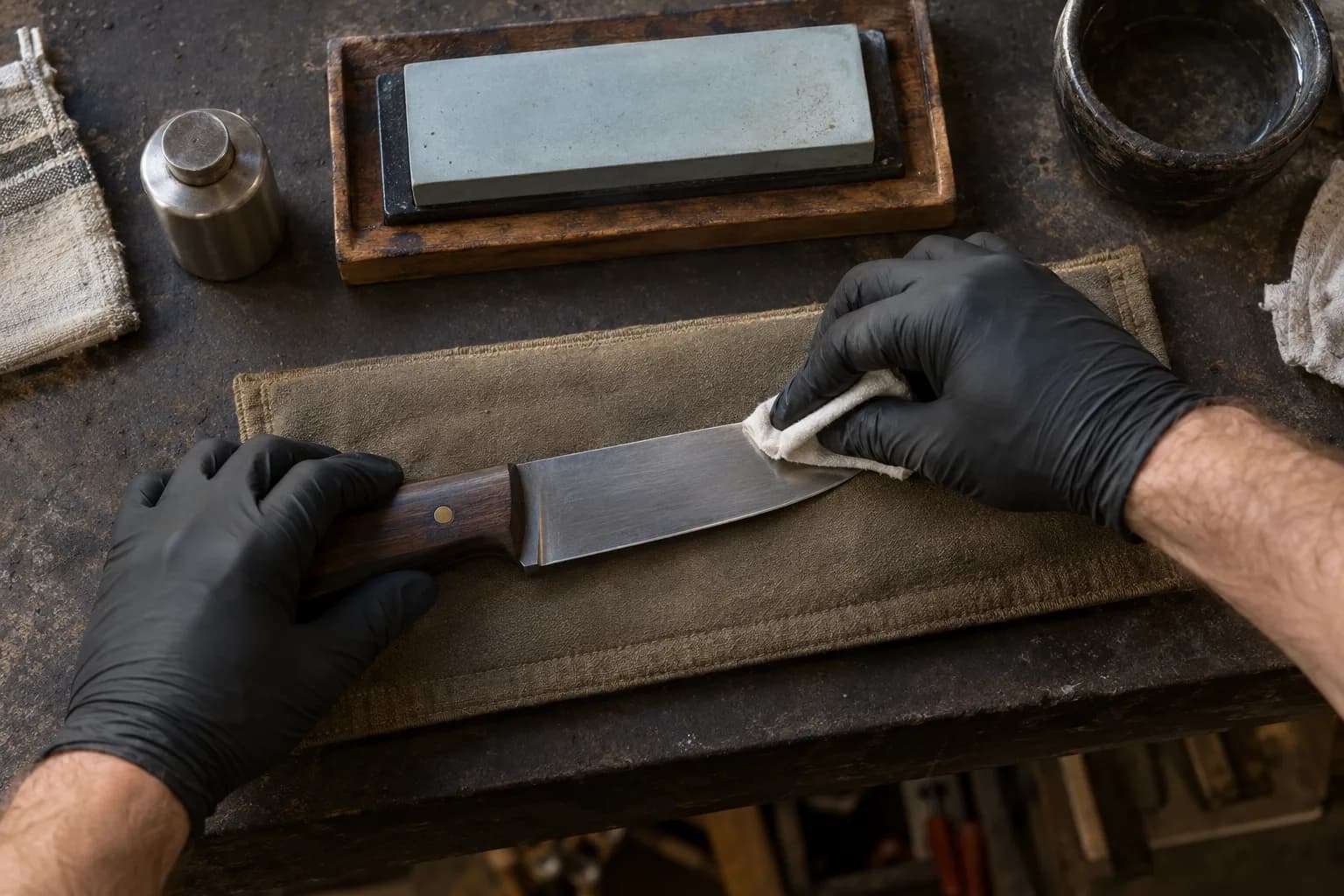
Here is A2’s quiet superpower: its modest chromium-carbide structure sharpens beautifully on ordinary abrasives — no diamond mandate like the vanadium PM steels. Aluminum-oxide and ceramic stones, belts, or guided systems all cut it cleanly, and it takes a genuinely fine, keen apex (part of why plane-iron makers love it). Field maintenance is easy: it strops back readily. Run 17–20° per side for hard-use blades, finer for kitchen work — full method in How to Sharpen a Knife. Being a ~5% chromium steel, wipe and oil after sharpening sessions — fresh-ground A2 rusts like the tool steel it is (a patina is a fine working finish for it).
Keep reading
Three more from the same bench.
Belts are the single biggest recurring cost in this hobby, and buying the wrong ones wastes money twice: once on belts that wear out fast, and again on…
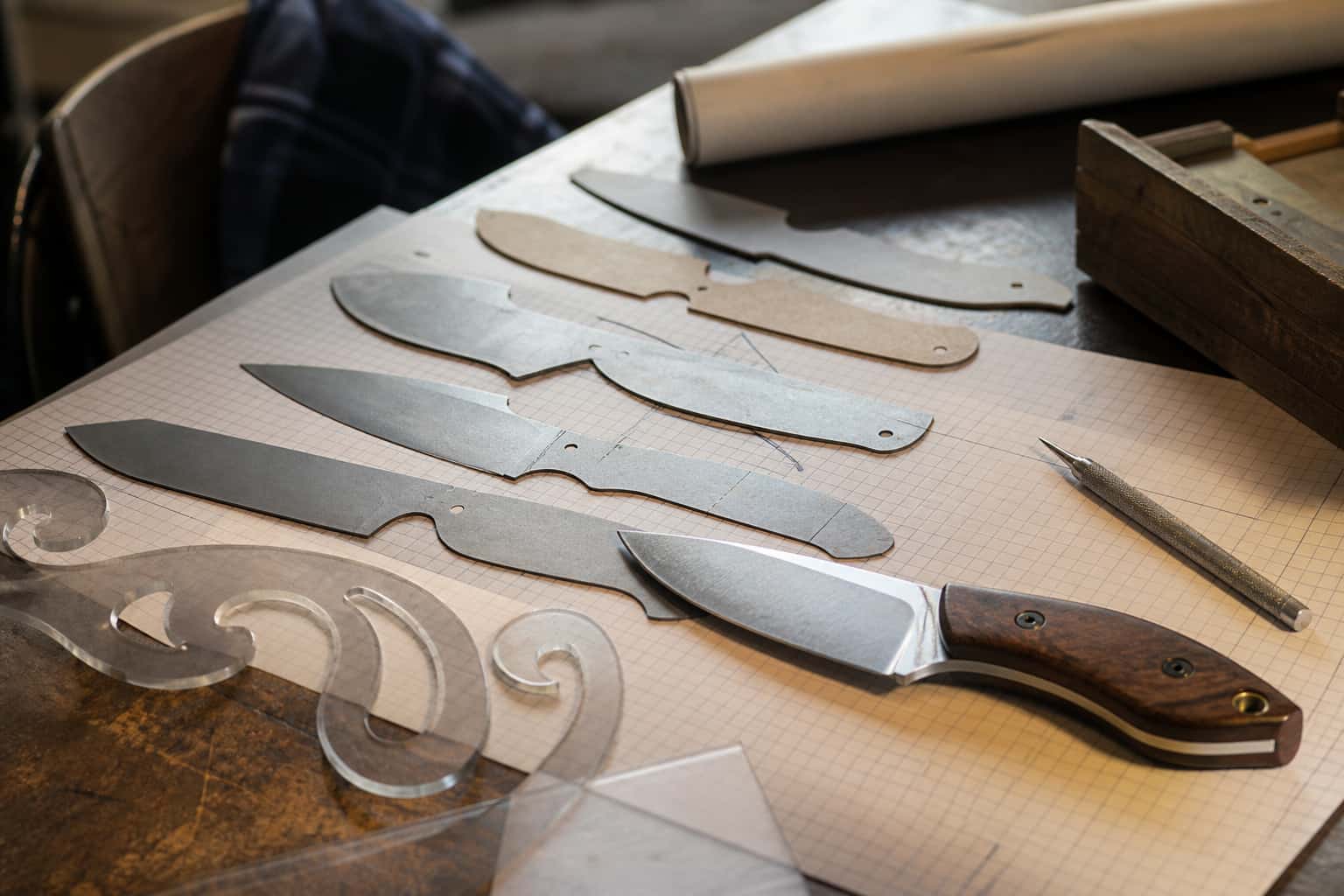
Sharpening is where knifemaking gets humbled: you can grind a flawless blade and still hand someone a knife that won’t slice paper. The good news …
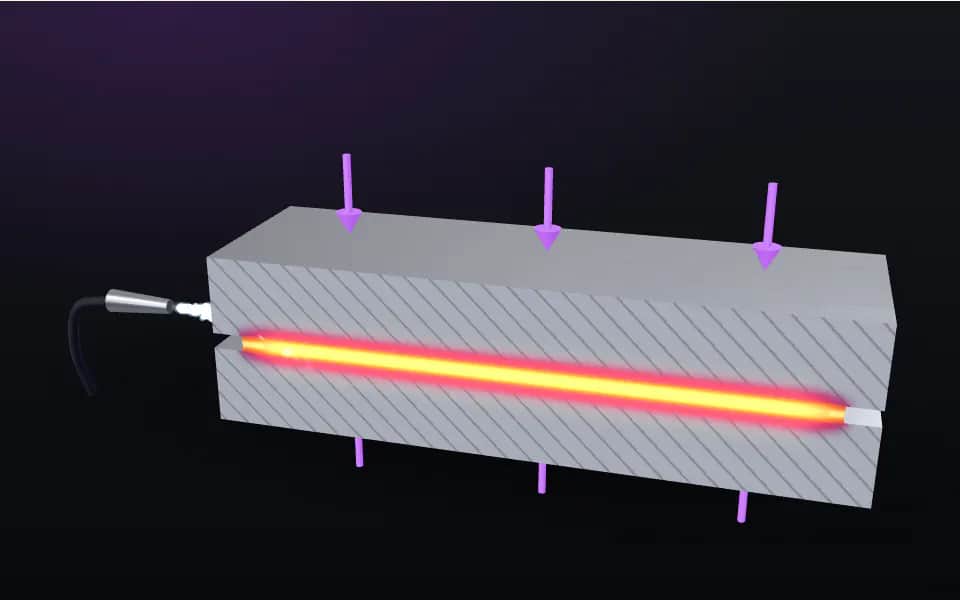
Somewhere in every stainless steel’s heat-treat sheet is a phrase that confuses first-time kiln owners: “plate quench.” No oil, no dramatic hiss — the…
Same bench
I machine the parts, hand-assemble, track and test Torus grinders in Sterling, Illinois. Most orders ship in seven to ten business days from time of order.
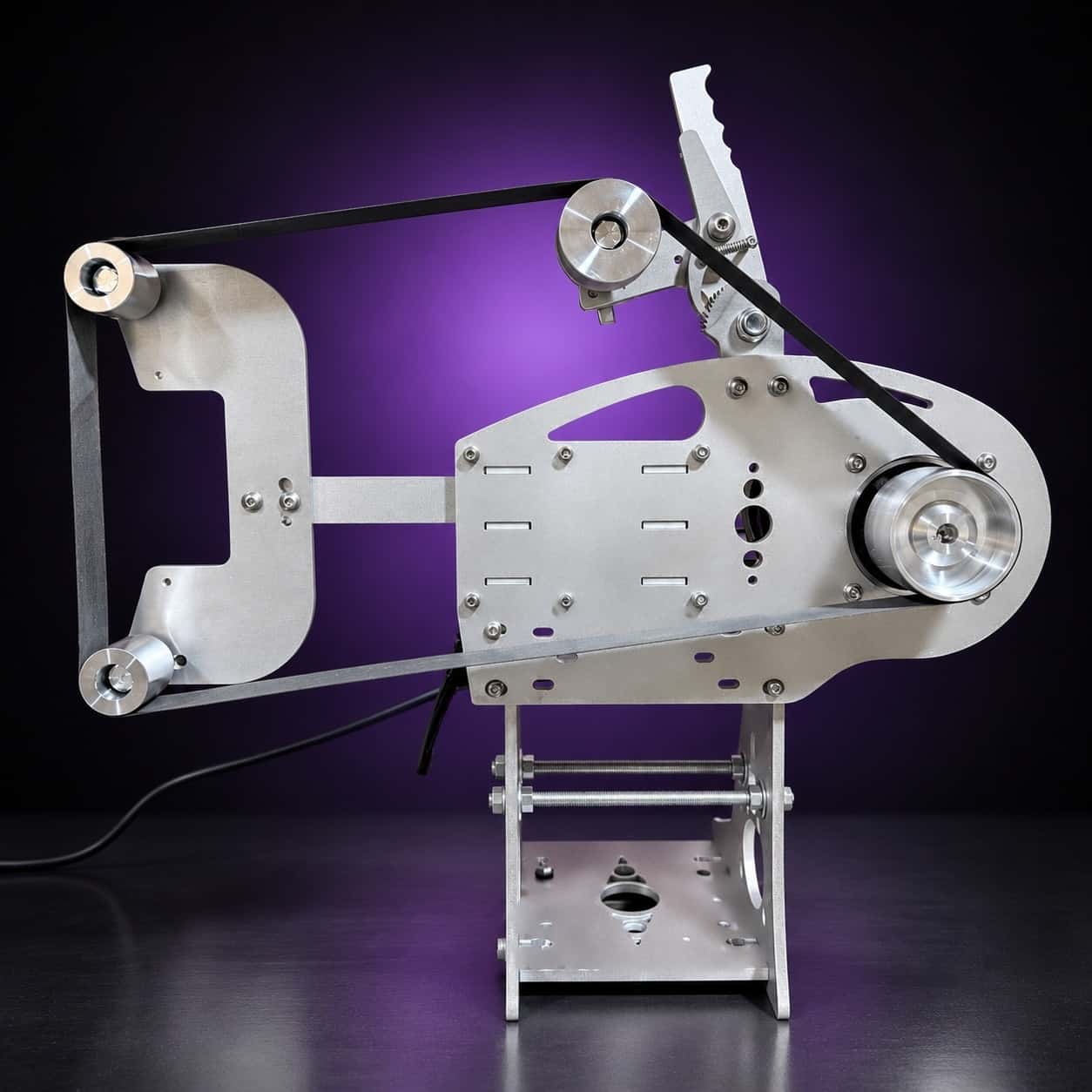
Current dual-axis platform with a fiber-laser-cut 6061 chassis and single-knob tracking.
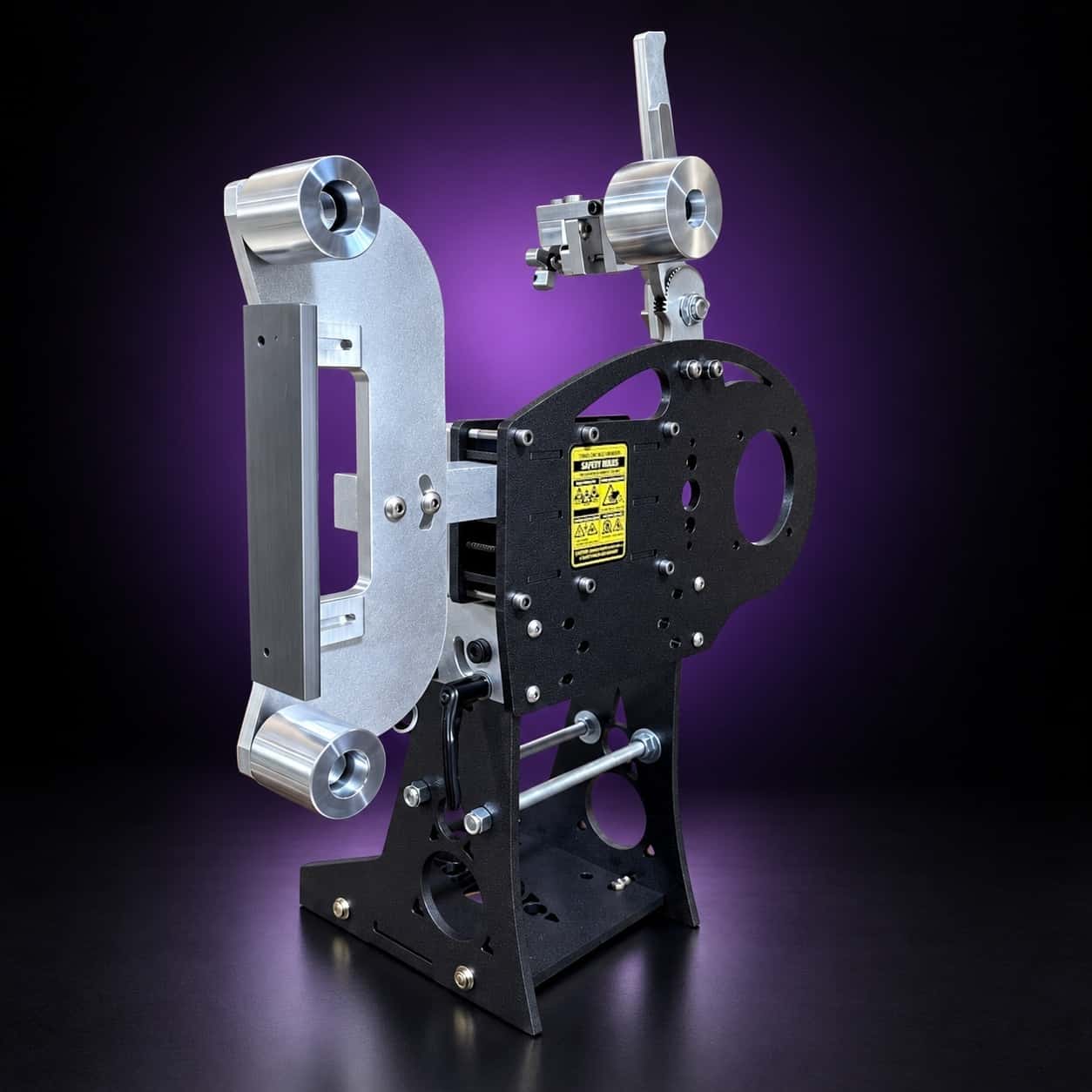
Current dual-axis platform with a steel chassis, more mass and less vibration.
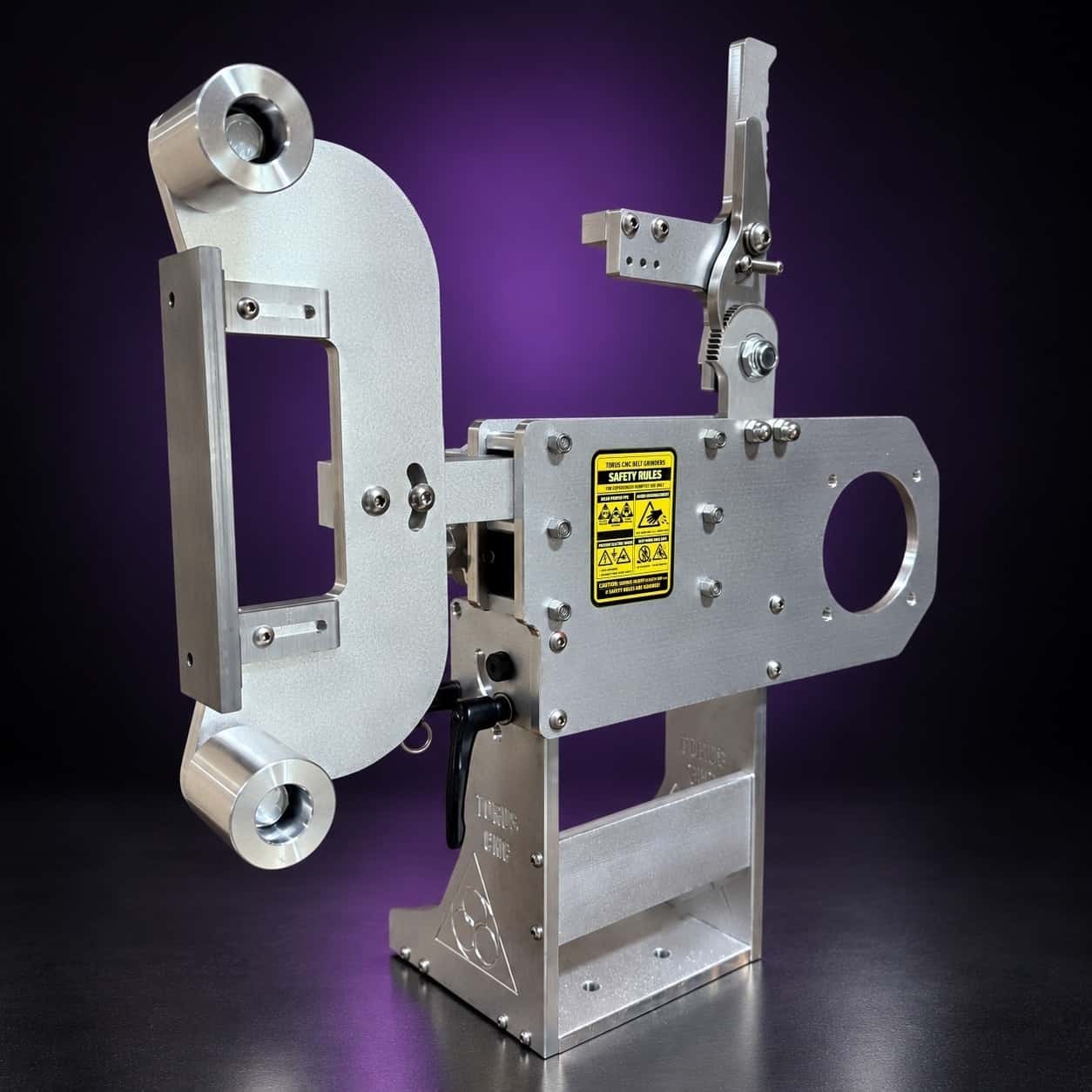
Prior-design aluminum chassis, 90-degree tilt and 1.5-inch tooling arms.
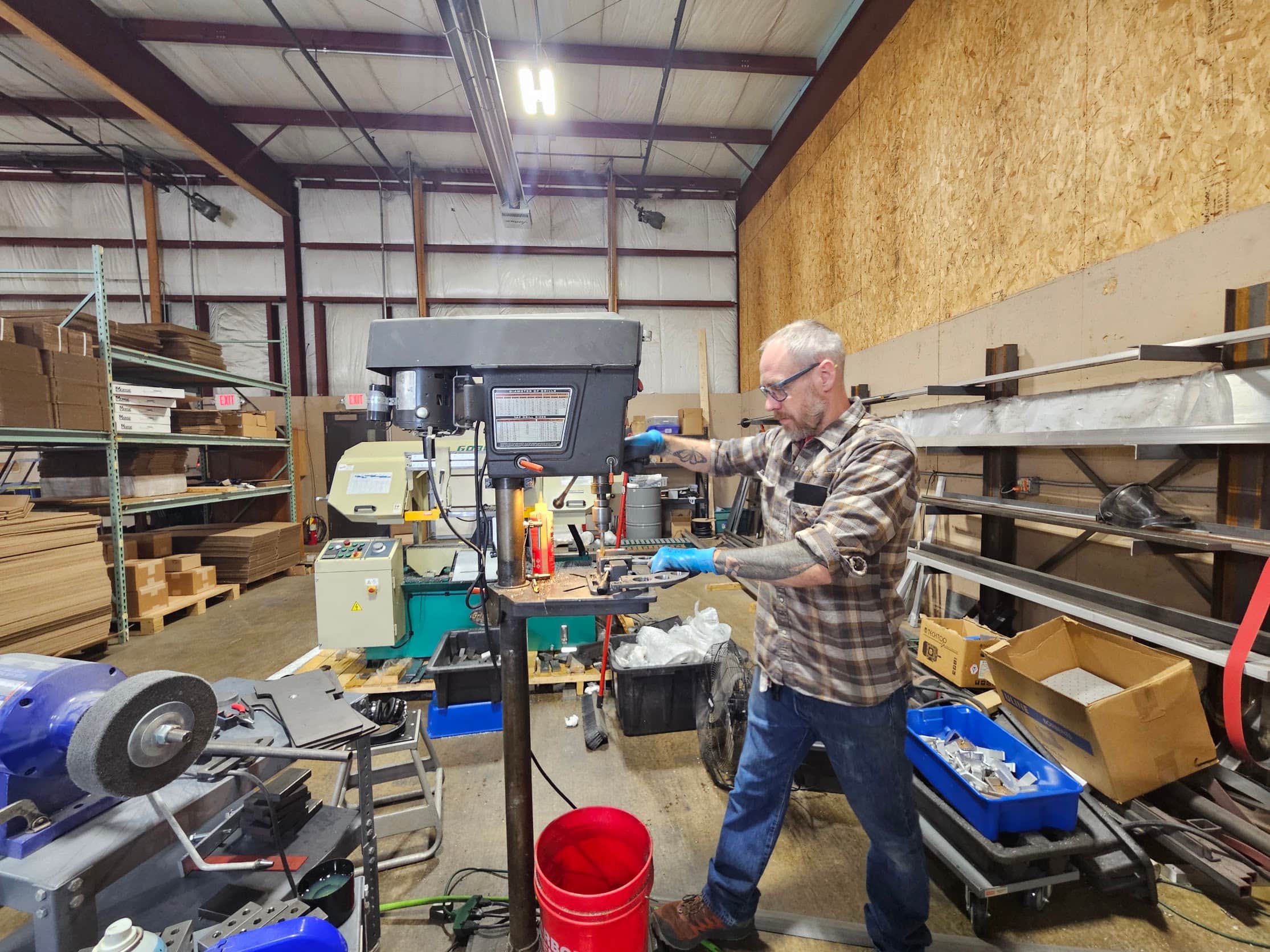
One-man shop
I answer my own email. Tell me the steel, the machine and what it is doing, and I will tell you what I would try next.