
Axes & Tomahawks
Axe Anatomy & Types: The Field Guide
The axe is the knife’s working-class cousin: same steel, same edge physics, ten times the leverage and none of the pretension. It is also the deepest…
Axes & Tomahawks
What axes are made of: bit steels from 1060 to 5160, why edges run 50s-HRC soft, bit-only hardening, insert construction, and temper targets.
2 min readWritten by Rich LinvilleFree to read
Axe metallurgy is knife metallurgy with the volume turned down and the toughness turned all the way up: lower carbon, lower hardness, and a design philosophy — hard edge, soft everything else — that predates the words for it. Get the numbers right and an axe shrugs off work that would wreck any knife.
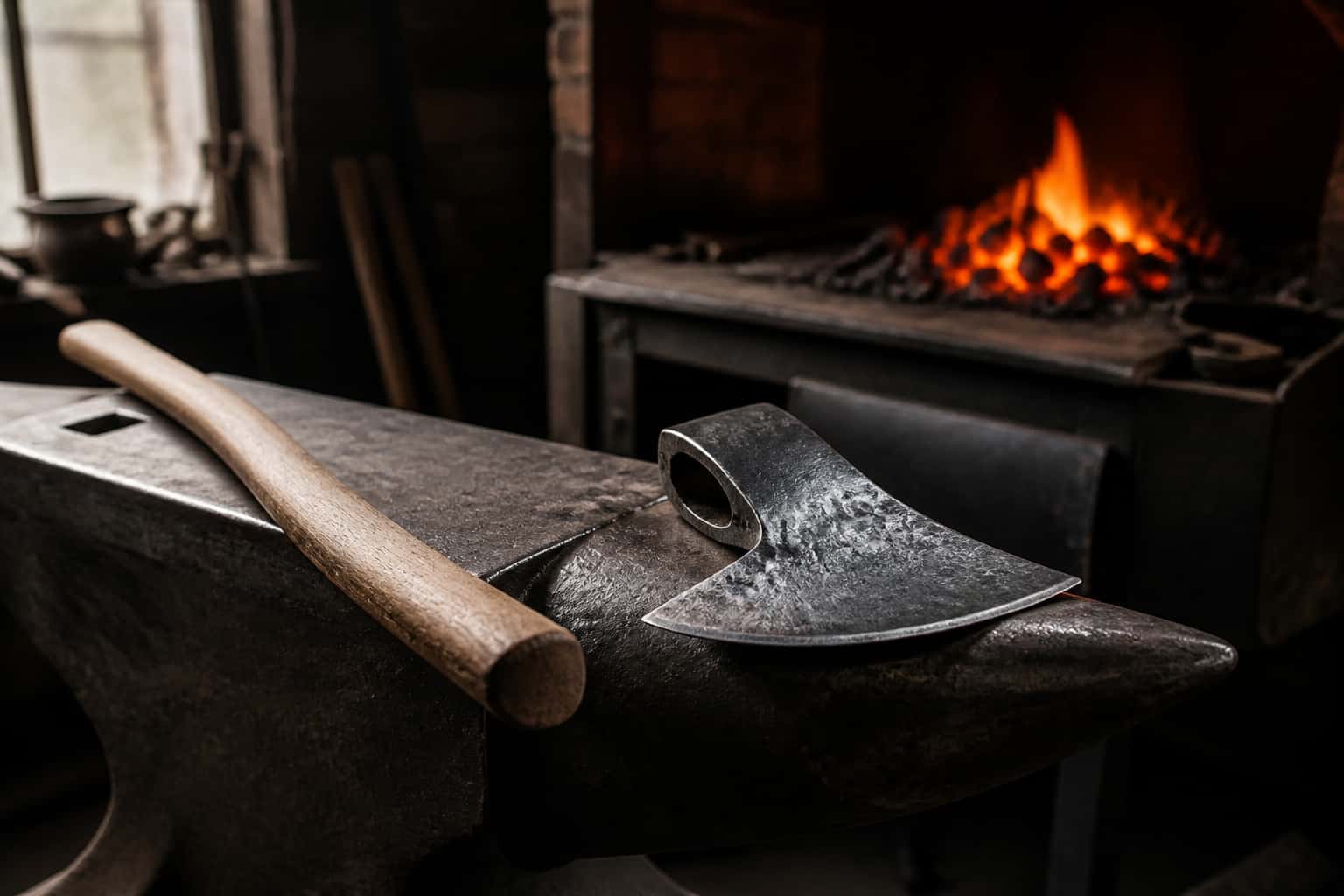
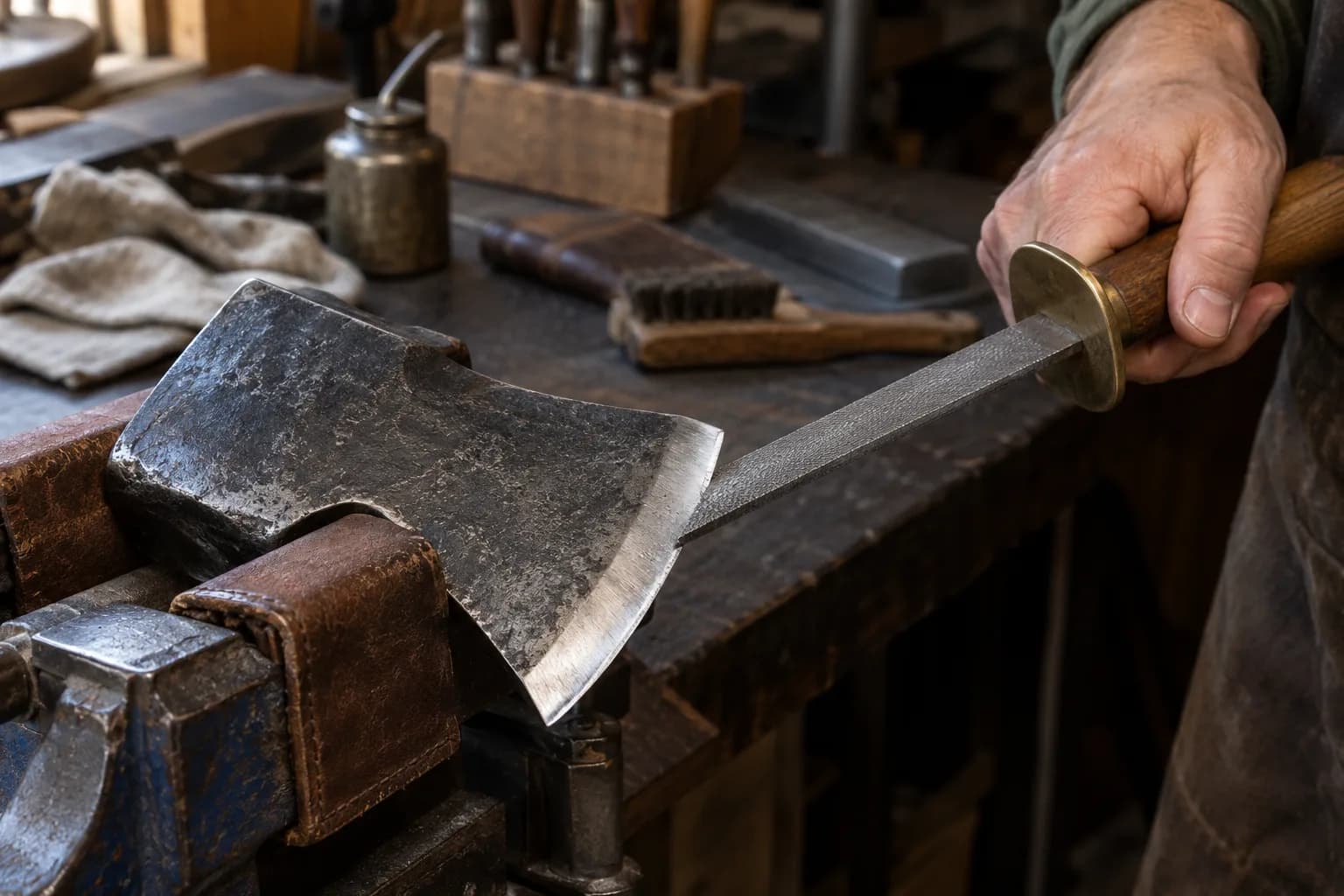
Axe edges run the low-to-mid 50s HRC — deliberately below knife practice. The bit meets knots, frozen wood, the occasional rock and its own overstrikes at full-swing energy; at 60 HRC those become chips, at 54 they become dents a file fixes in the field. File-maintainability is a genuine spec: a working axe gets touched up with a file at the stump, and a bit too hard to file is a bit too hard, full stop. The tradeoff logic is Why Hardness Matters applied at chopper scale — and the poll and eye stay fully soft, absorbing the shock the bit passes back.
Simple and tough wins: 1050-1060 class carbon steels are the historical and production standard (most quality production heads live here); 1084 and 80CrV2 are the smith’s easy upgrades — forgiving heat treat, a shade more edge; 5160 brings its spring-steel toughness to hard-use and competition heads; and 4140-class covers one-piece tactical hawks where the whole object is moderately hard rather than bit-hard. The premium powder steels have no business here — their carbide wear resistance solves a problem axes do not have, at a toughness and price cost they cannot afford. Same conclusion as sword steels, arrived at by harder blows.
The insert (steeled) bit — high-carbon slip welded into a soft body, per the tomahawk build — is the traditional answer and still the elegant one: carbon steel only where the edge lives. Vintage heads are commonly built this way, which is why restoration grinding can expose the weld line as a visible seam — a feature, not a crack. Modern one-piece heads (production and most custom) forge the whole head from one steel and harden selectively instead: simpler, dependent entirely on the heat treater’s discipline about WHERE the hardness stops.
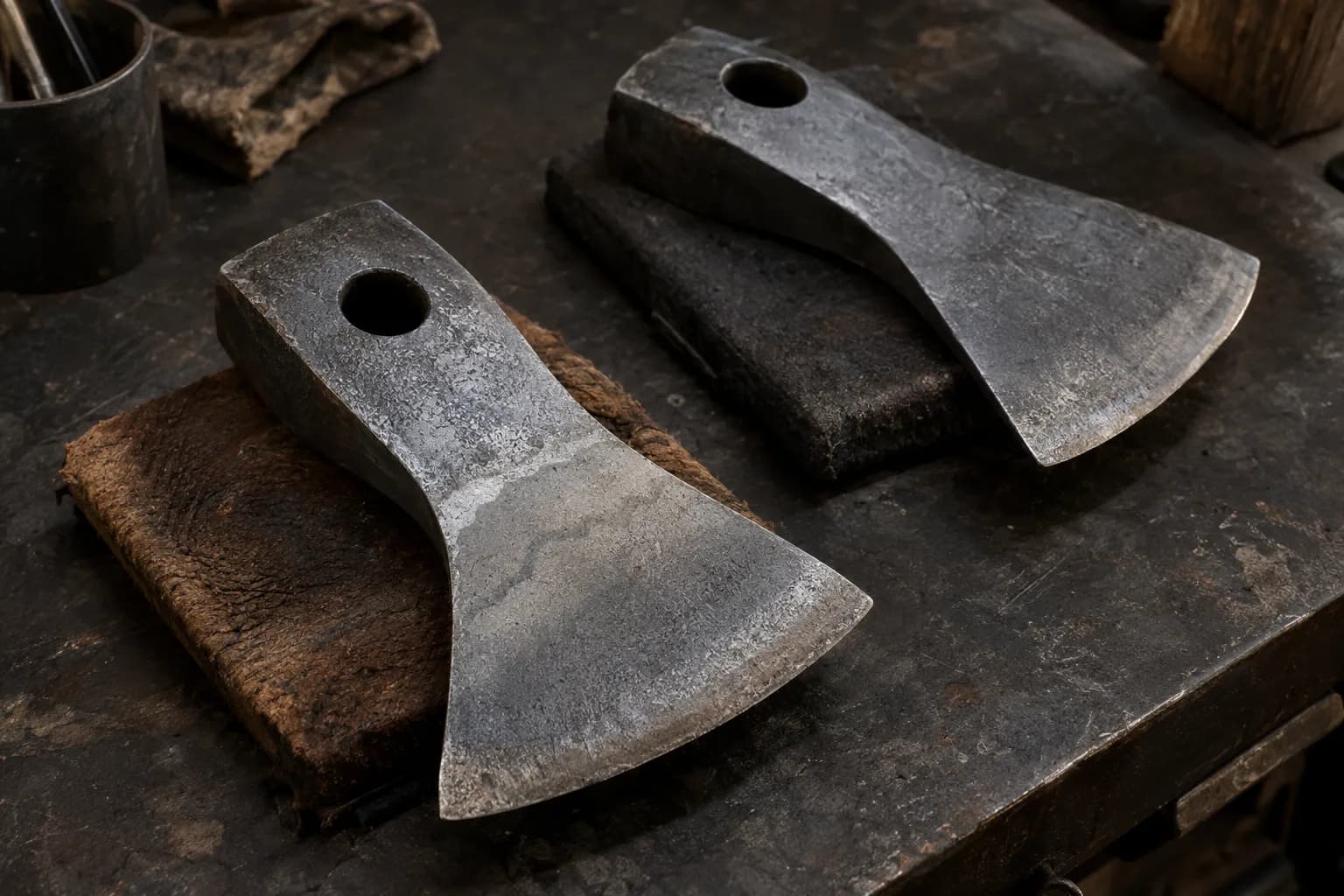
The working method for one-piece heads: heat only the bit zone to critical — torch, forge-edge soak, or induction discipline — quench the bit in fast oil while the body stays black, and temper generously (400-450°F territory toward the low-to-mid 50s, twice). An edge-quench variant quenches bit-deep in a shallow oil tray. Either way the hardness must FADE well before the eye: an eye-hard axe is a grenade on a stick. Test with a file up the cheek — the bite should return two inches behind the edge. Full furnace-and-quench fundamentals live in the heat treat guide; the axe just applies them to one zone.
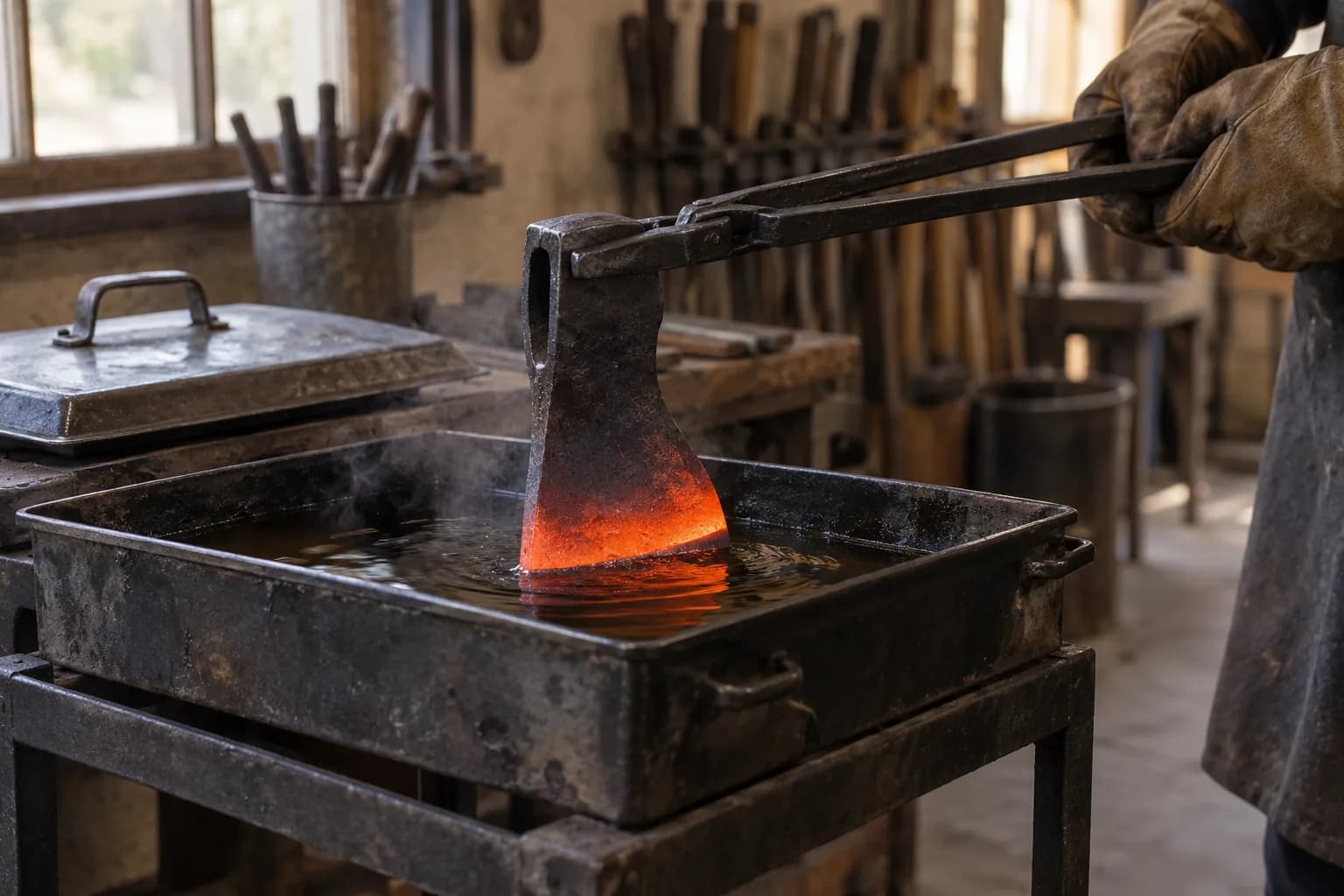
For the shop wall: bit 52-56 HRC, file-maintainable, hardness faded dead by the eye, poll soft always, temper twice, and toughness outranks retention every single time the argument comes up. An axe edge that dents-not-chips through a cord of knotty oak is correct; grind the dents out per Sharpening and Care and swing on.
Keep reading
Three more from the same bench.
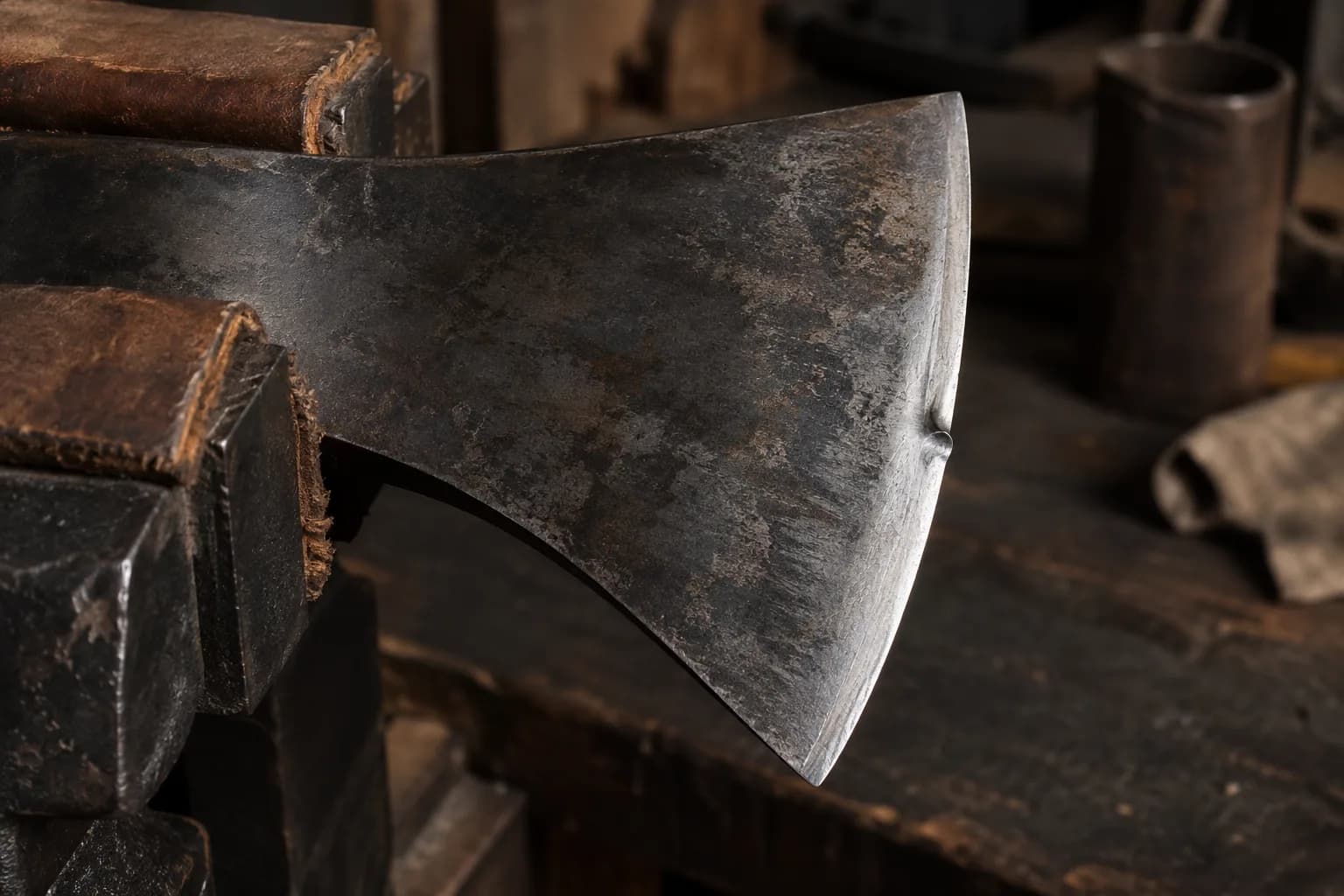
The axe is the knife’s working-class cousin: same steel, same edge physics, ten times the leverage and none of the pretension. It is also the deepest…
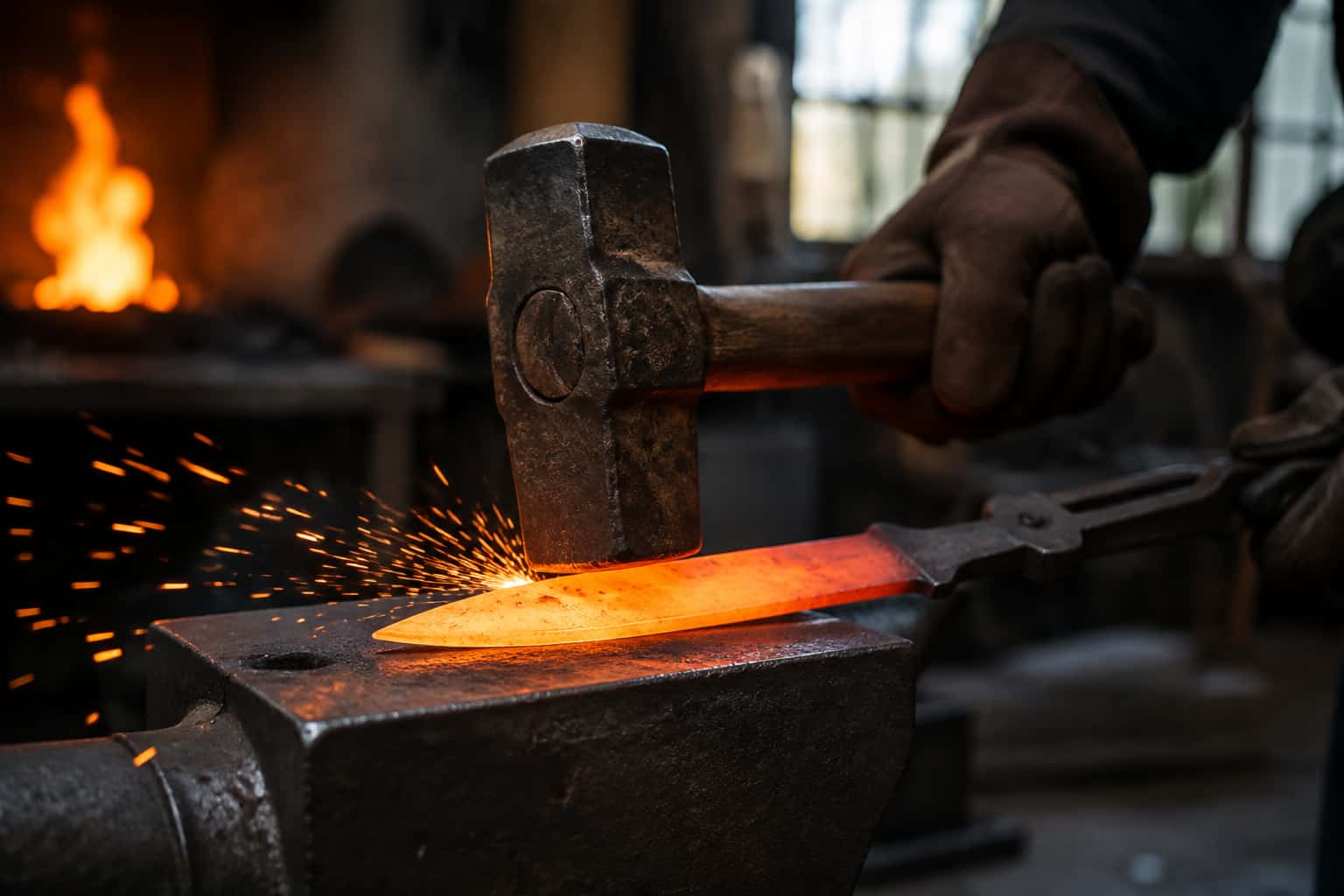
Ask a hundred smiths for the best first forge-welding project and the tomahawk wins by a landslide: one weld, generous target, forgiving geometry, and a…
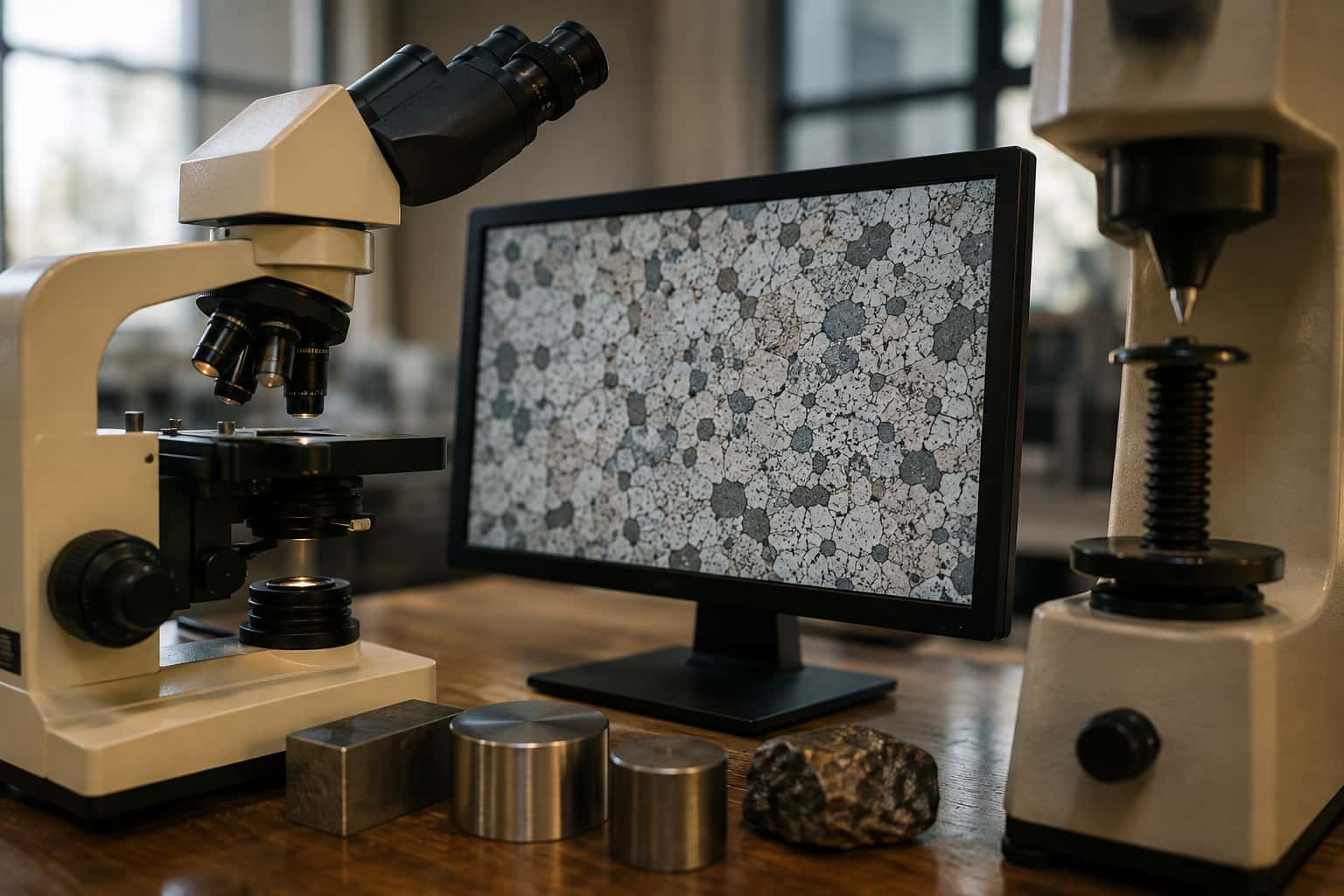
Heat treat recipes and steel spec sheets both cite a target hardness on the Rockwell C scale, but the number by itself doesn’t explain why that specific…
Same bench
I machine the parts, hand-assemble, track and test Torus grinders in Sterling, Illinois. Most orders ship in seven to ten business days from time of order.
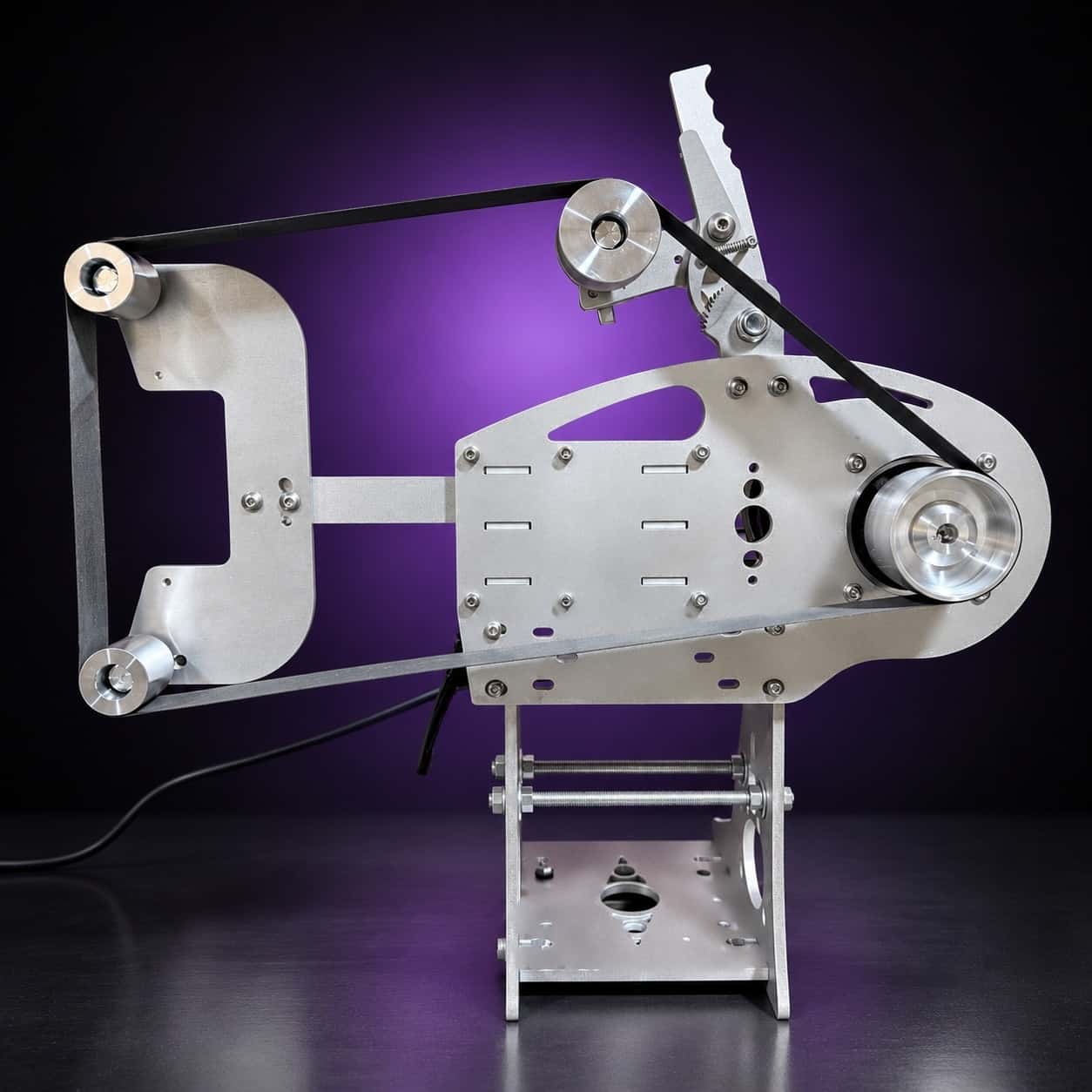
Current dual-axis platform with a fiber-laser-cut 6061 chassis and single-knob tracking.
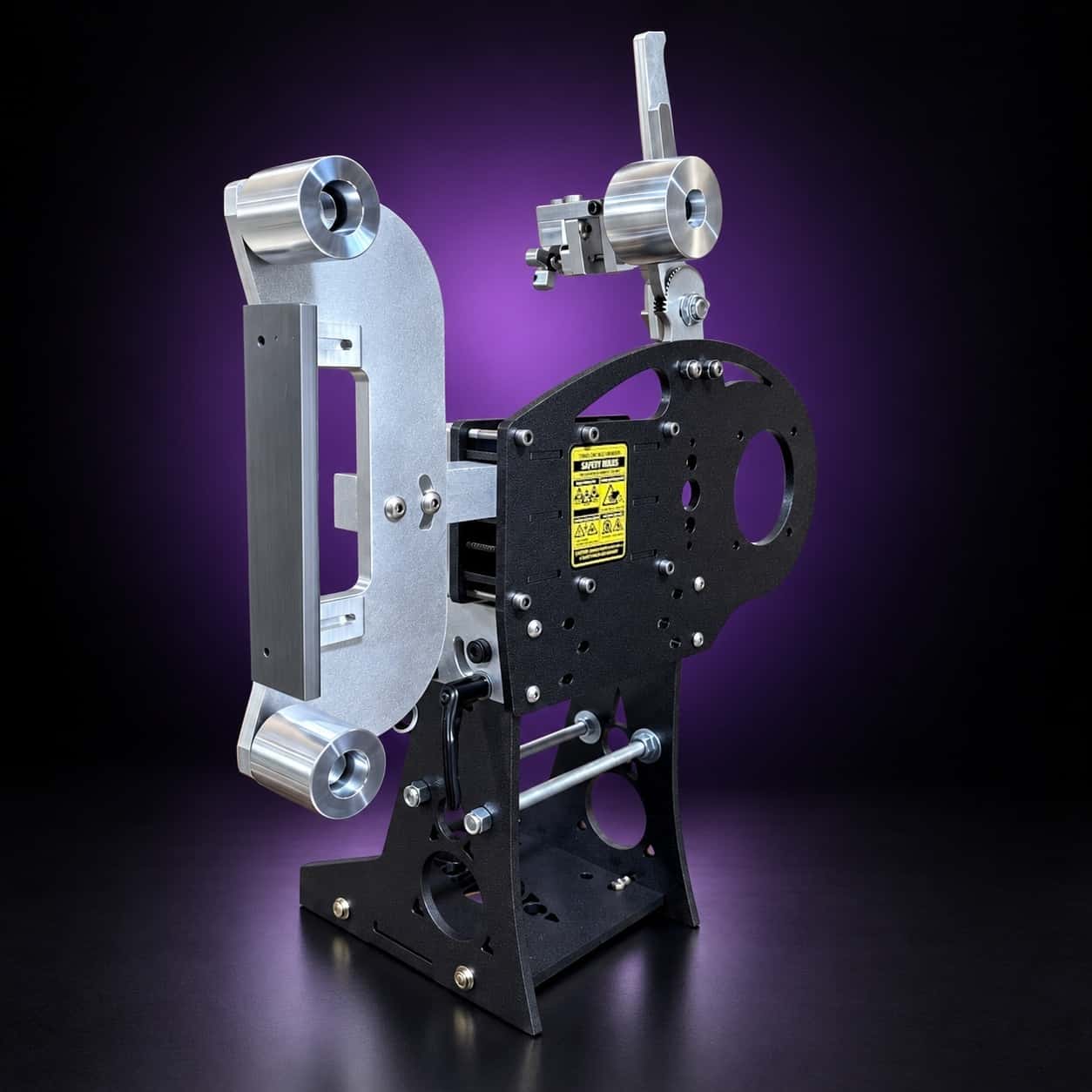
Current dual-axis platform with a steel chassis, more mass and less vibration.
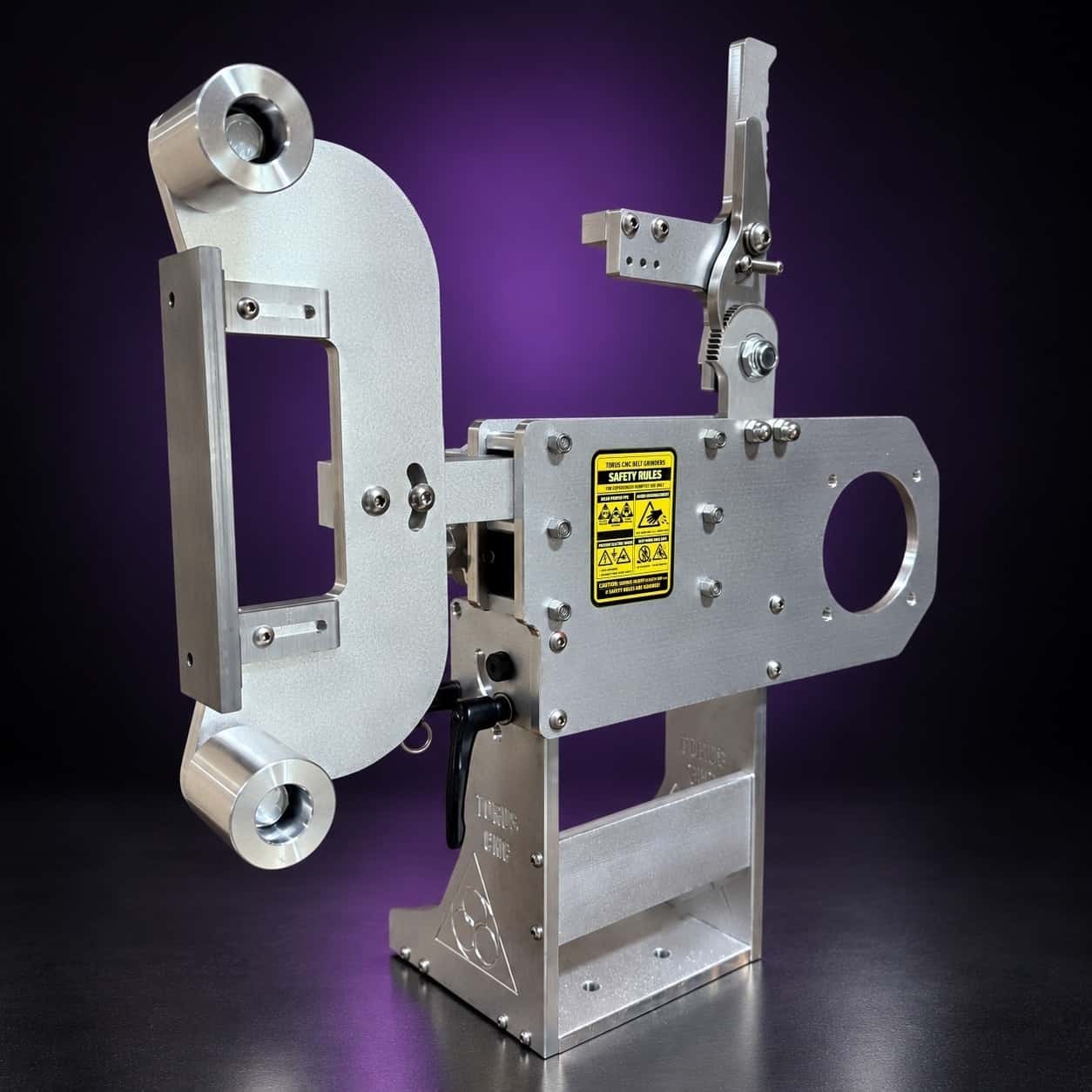
Prior-design aluminum chassis, 90-degree tilt and 1.5-inch tooling arms.
One-man shop
I answer my own email. Tell me the steel, the machine and what it is doing, and I will tell you what I would try next.