
Abrasives
The Complete 2×72 Attachments Guide
A 2×72 out of the box is a platform; the attachments are the machine. Every serious grinder task — flat bevels, hollow grinds, fullers, handle curves…
Abrasives
Use the belt's unbacked span for convex edges, eased spines, handle swells and blended transitions: setups, technique, and control for a tool that gives.
2 min readWritten by Rich LinvilleFree to read
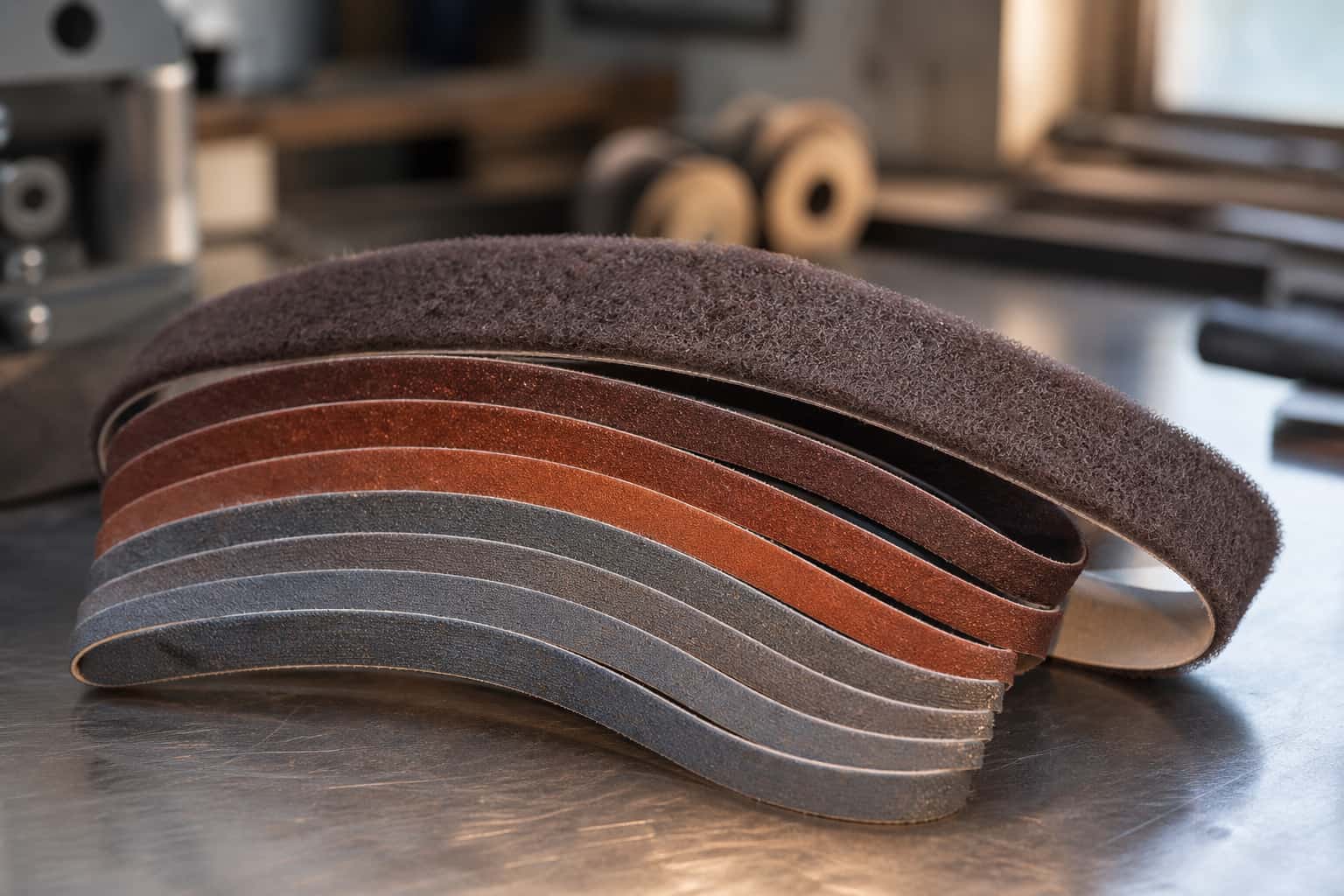
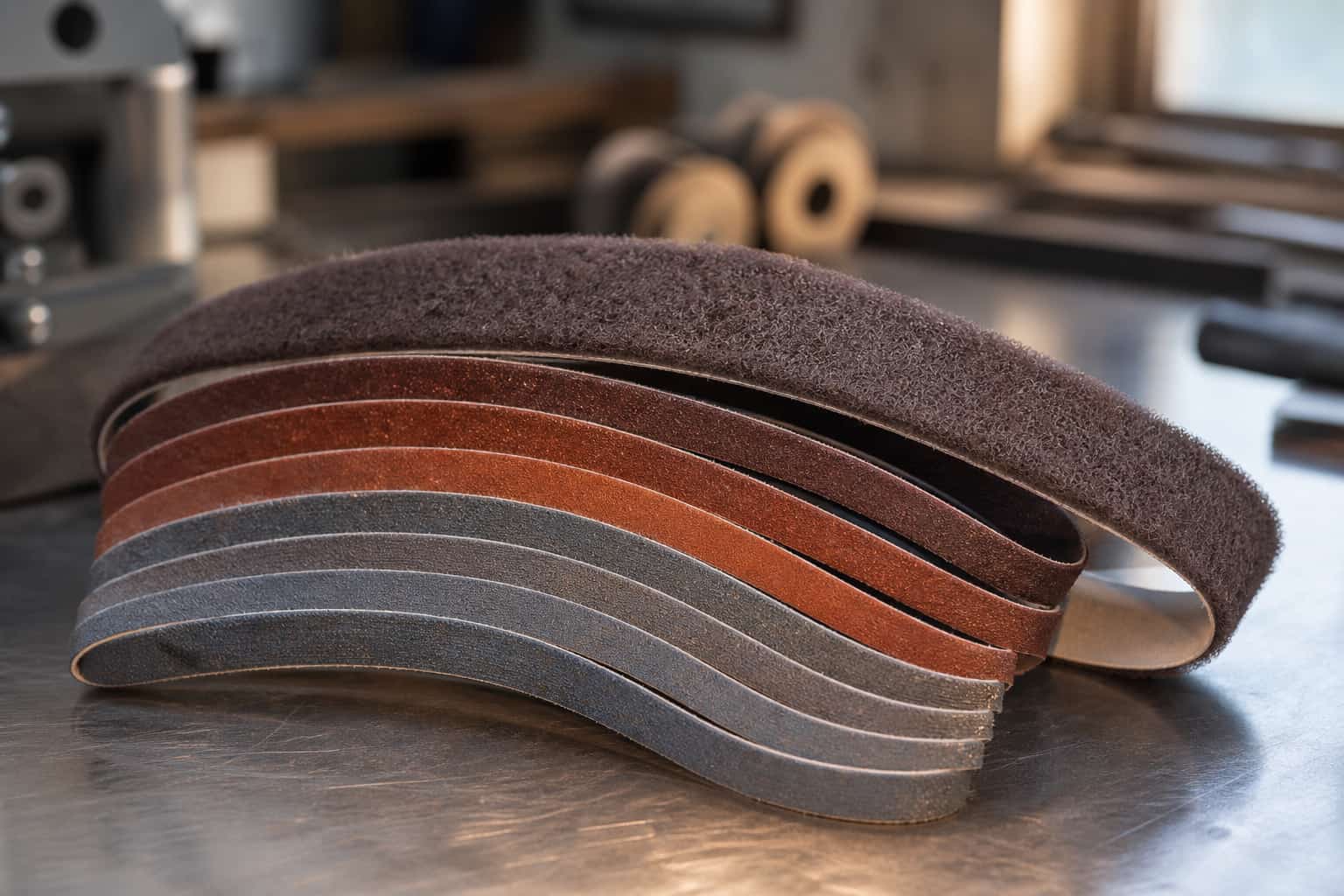
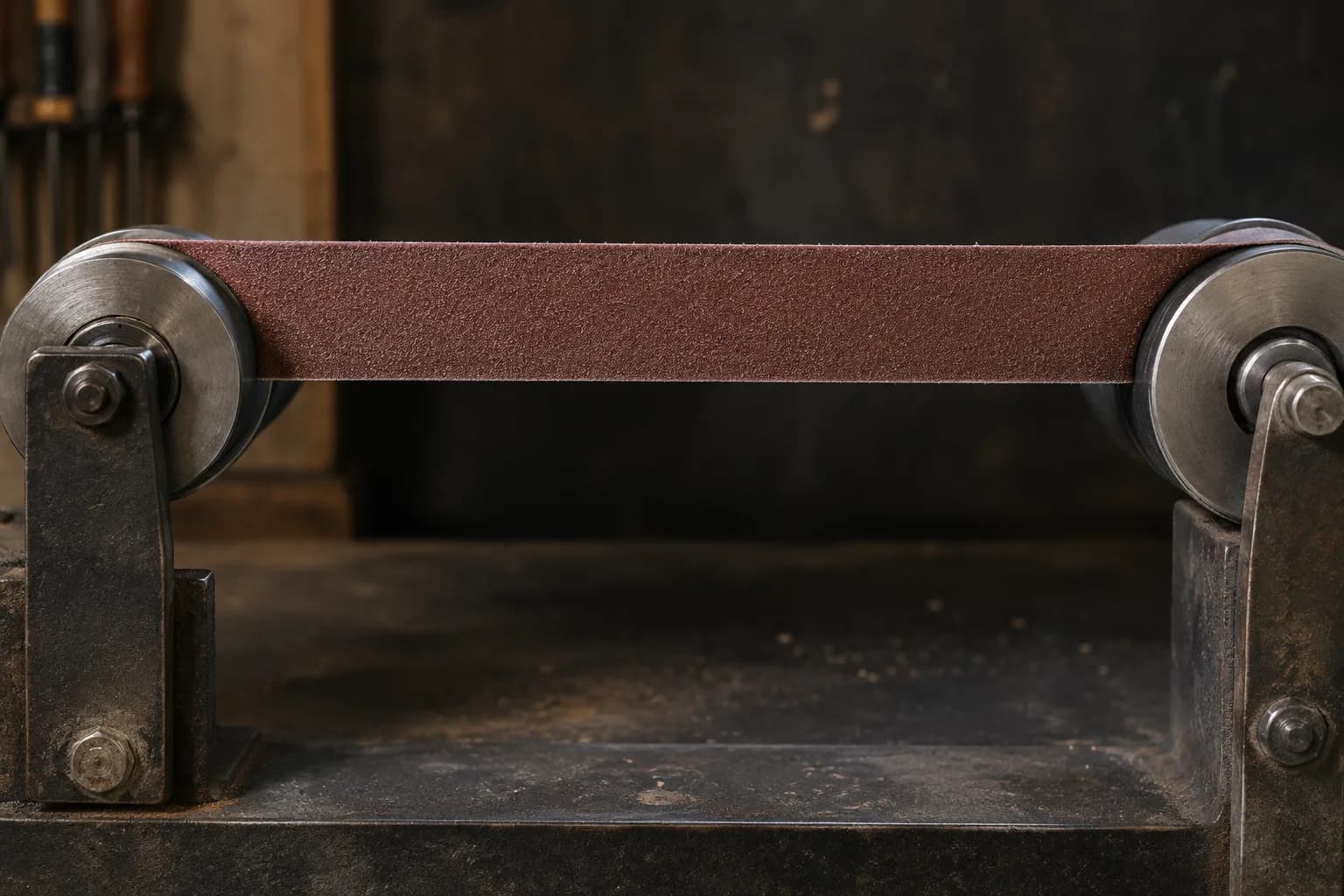
Between the platen’s dead-flat truth and the contact wheel’s fixed radius lives the shop’s soft tool: the slack belt — the unbacked span that flexes to meet the work. It grinds the convex everything: edges, spines, handle curves, blended transitions. No attachment does more finish-quality work per dollar, because the attachment is mostly just… nothing behind the belt.
Any 2×72 has slack sections between rollers; a deep slack-belt platen is designed for it — a generous open span above the platen face, so one station serves both references: flat against the steel, soft above it. Belt tension tunes the softness (tighter = firmer curve, looser = deeper wrap), which makes the tension setup part of the technique, not just the mounting.
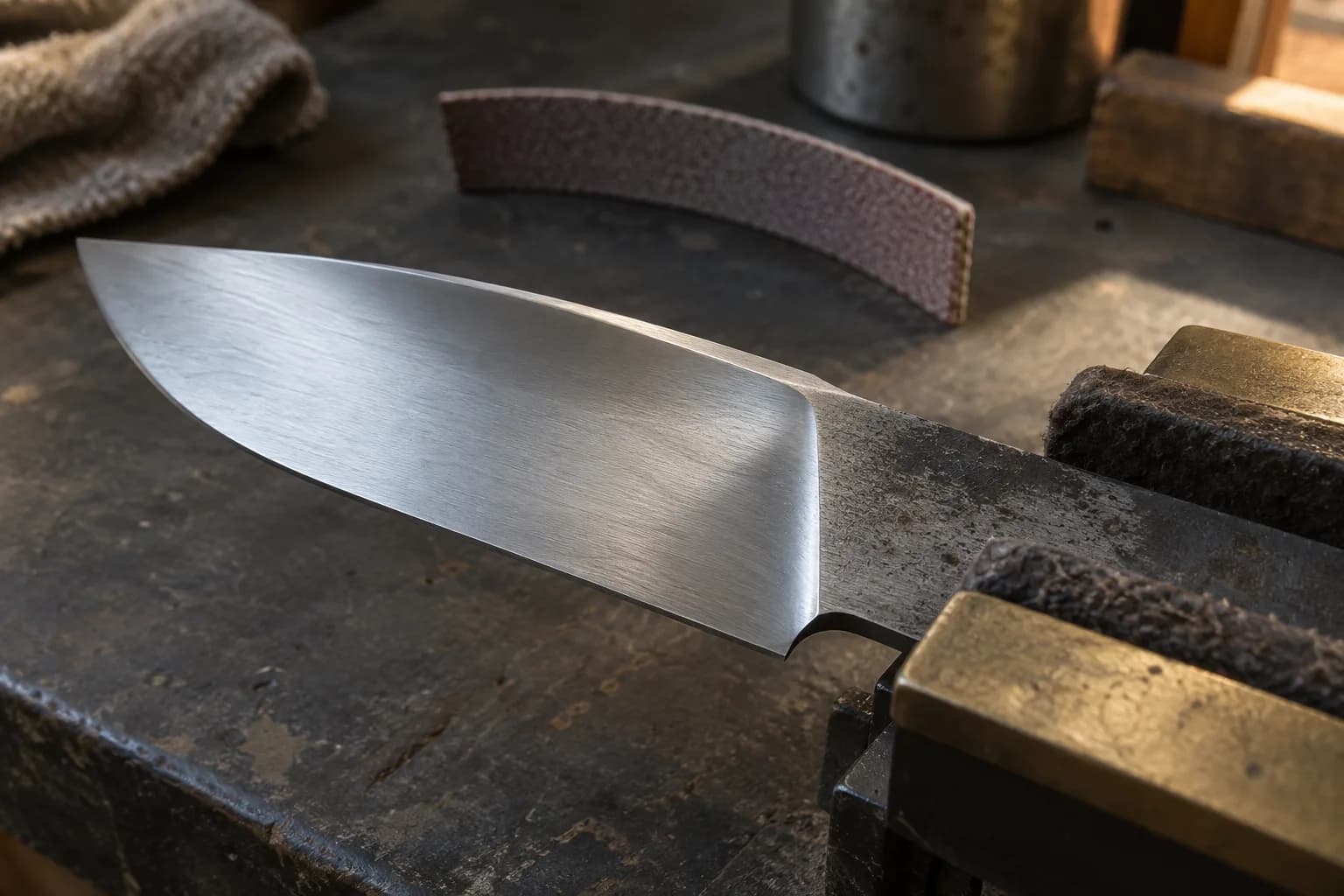
Convex edges — the appleseed geometry that rules axes, choppers and hard-use blades — are a slack-belt native product: present the bevel to the unbacked belt, let the belt wrap the edge naturally, alternate sides with matched stroke counts. The belt’s give automatically rounds what a platen would facet; your job is consistency of angle and pressure, not shaping. Maintenance passes on a worn fine belt keep working convexes alive in minutes — the axe guide’s whole sharpening system.
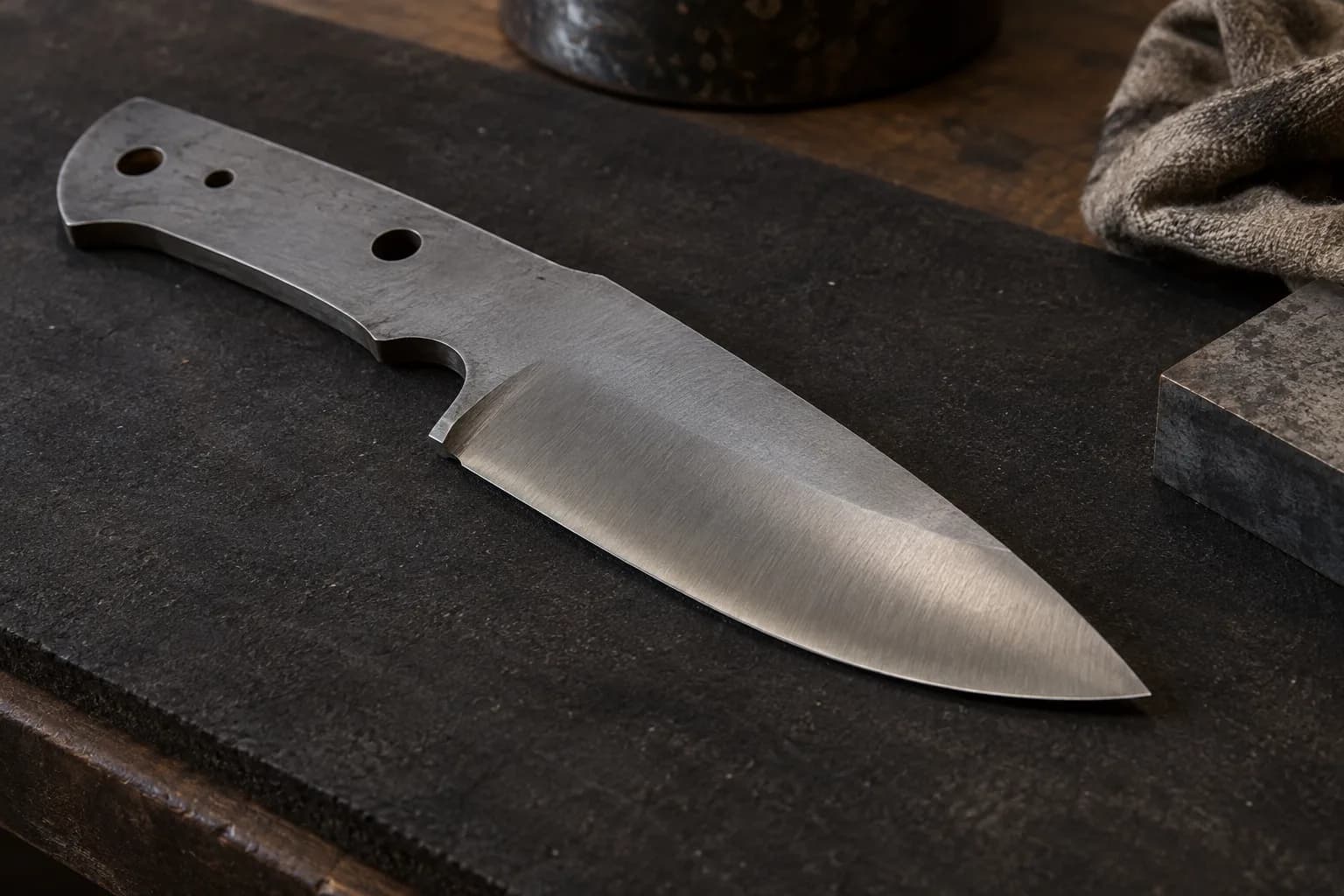
Run every spine, flat corner and handle edge over the slack belt at fine grit for two seconds each and the knife stops biting hands — the eased-corner pass that separates finished work from sharp-cornered amateur work. Handle shaping is the same physics at larger scale: the slack belt wraps palm swells and finger grooves the way no hard reference can, per the handle-shaping practice the handle silo assumes. Sheath edges, too: the leather edge work runs its slow passes on exactly this setup.
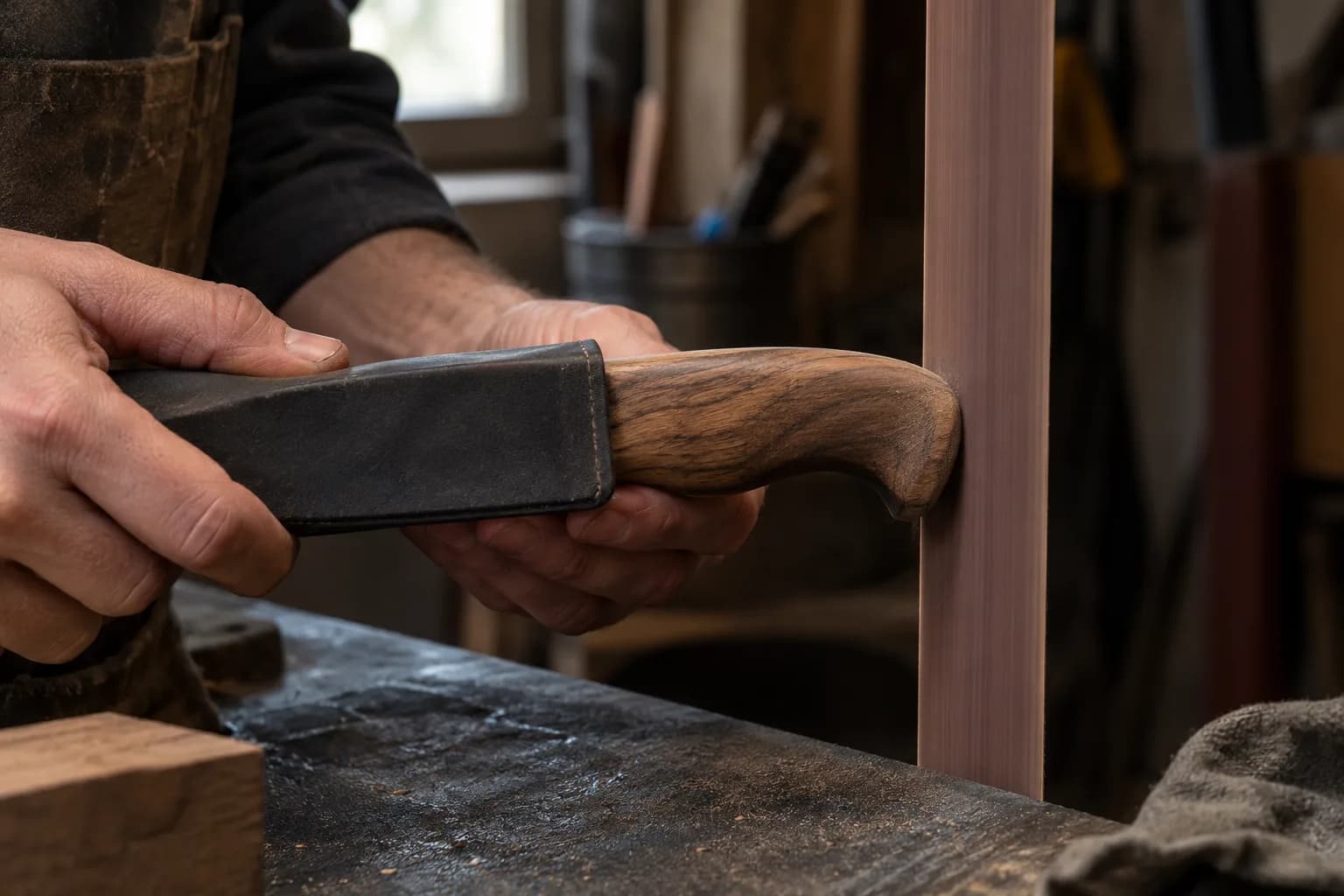
The slack belt’s give is also its trap: it wraps AROUND whatever you present, including corners you meant to keep crisp — plunge lines and sharp shoulder transitions stay away from the slack span or they round. Pressure sinks the work INTO the belt, so heavy hands turn a controlled convex into a blob: light, moving, matched-count passes. And a flexing belt stores energy at catches — thin tips especially can snap-release, so tips address the slack belt trailing, never square-on. Speed: middle-to-low off the chart; the slack belt is a finishing environment wearing a grinding belt.
Keep reading
Three more from the same bench.
A 2×72 out of the box is a platform; the attachments are the machine. Every serious grinder task — flat bevels, hollow grinds, fullers, handle curves…
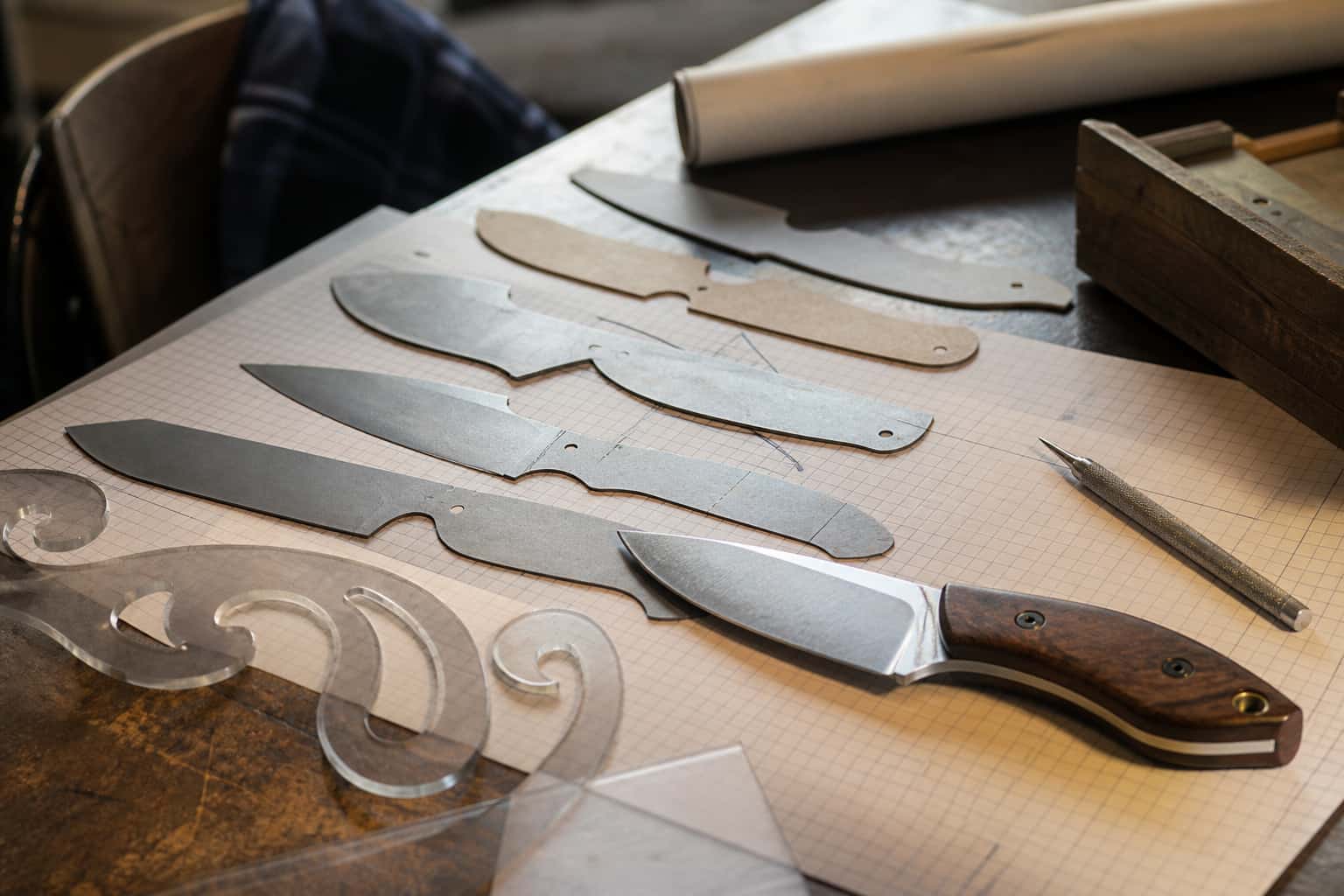
The difference between a maker who fights every bevel and one who repeats them at will is rarely talent — it is a reference surface. Work rests and jigs…
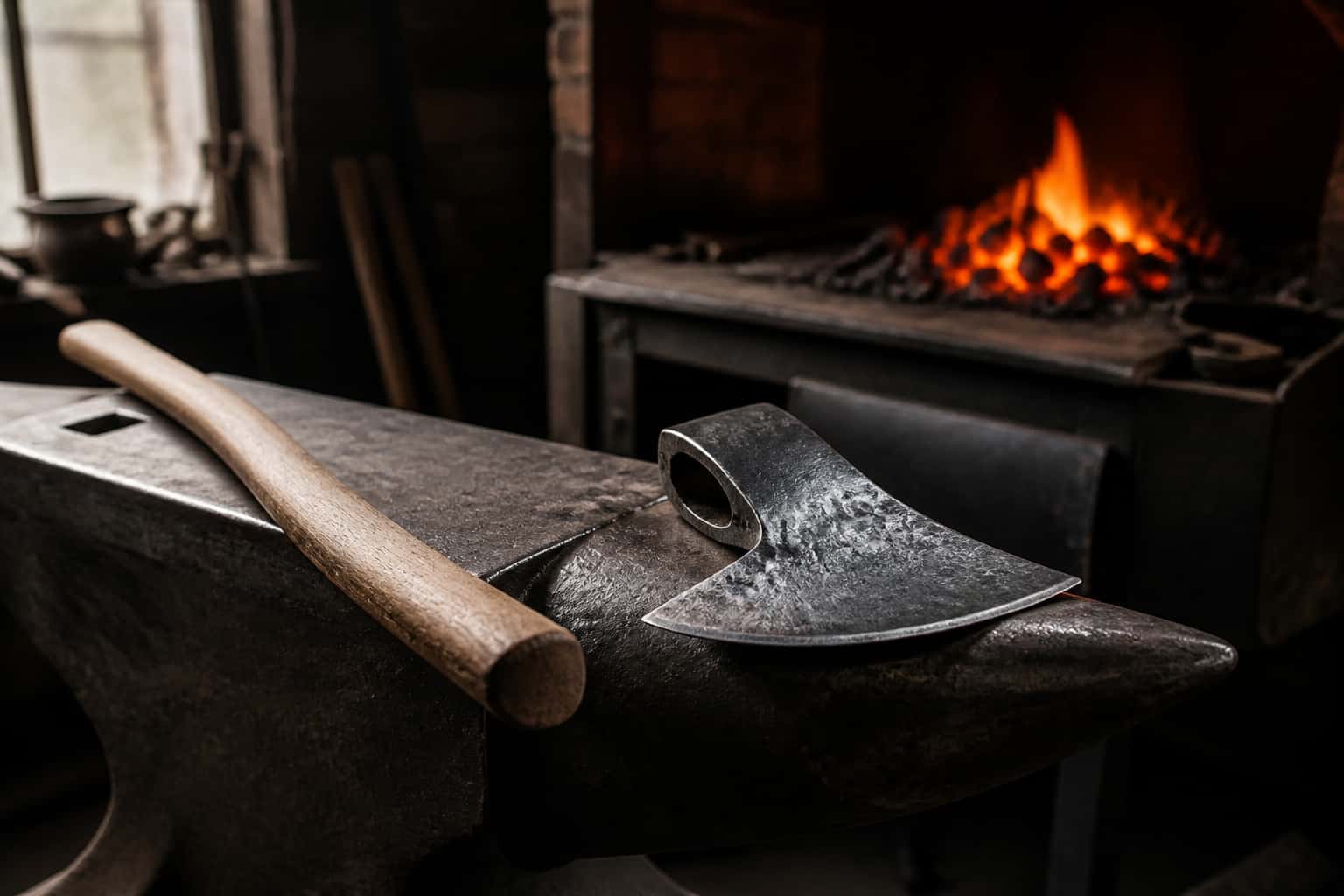
An axe is edge geometry with a run-up. Everything the knife-angle chart teaches applies, then the swing multiplies the stakes: geometry that merely…
Same bench
I machine the parts, hand-assemble, track and test Torus grinders in Sterling, Illinois. Most orders ship in seven to ten business days from time of order.
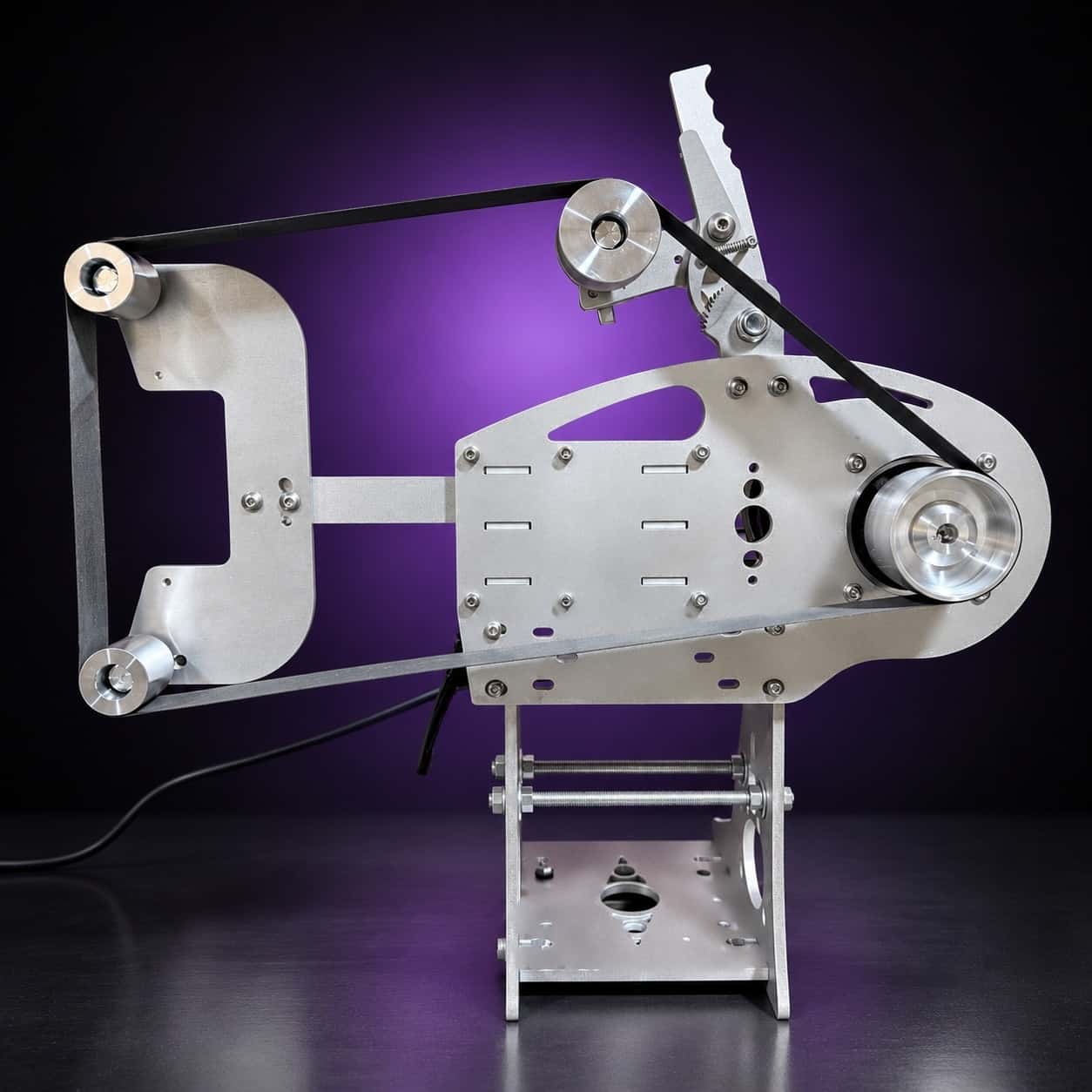
Current dual-axis platform with a fiber-laser-cut 6061 chassis and single-knob tracking.
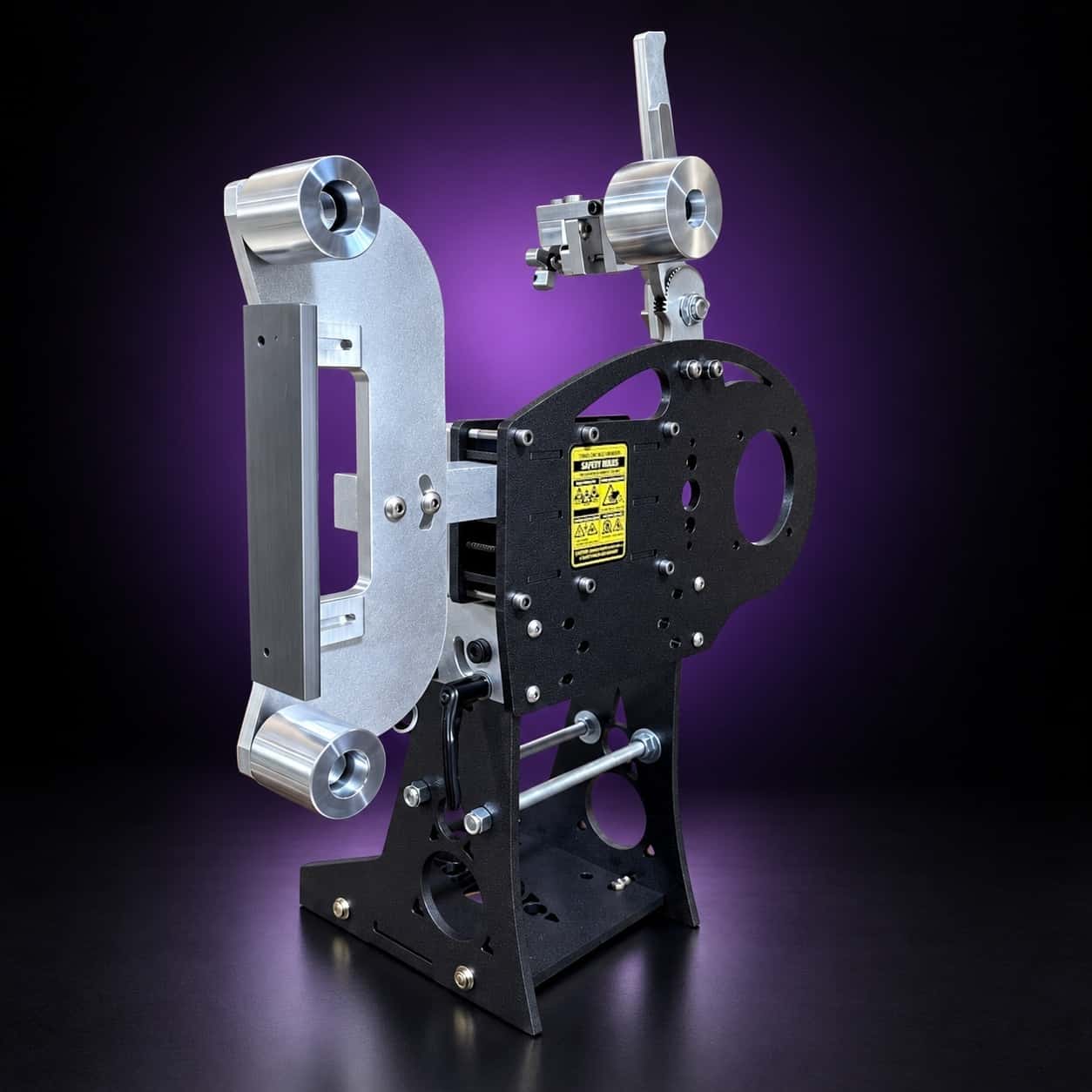
Current dual-axis platform with a steel chassis, more mass and less vibration.
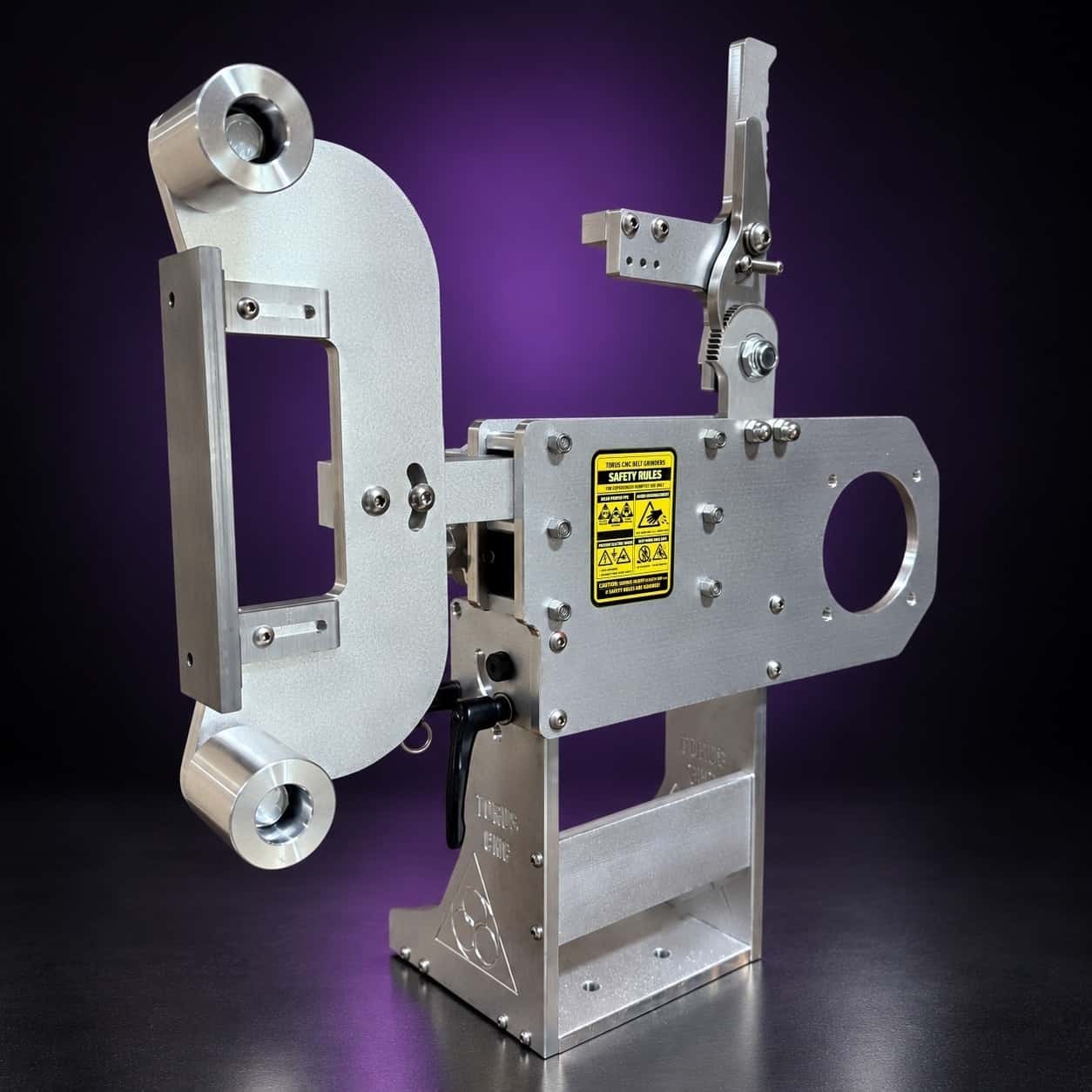
Prior-design aluminum chassis, 90-degree tilt and 1.5-inch tooling arms.
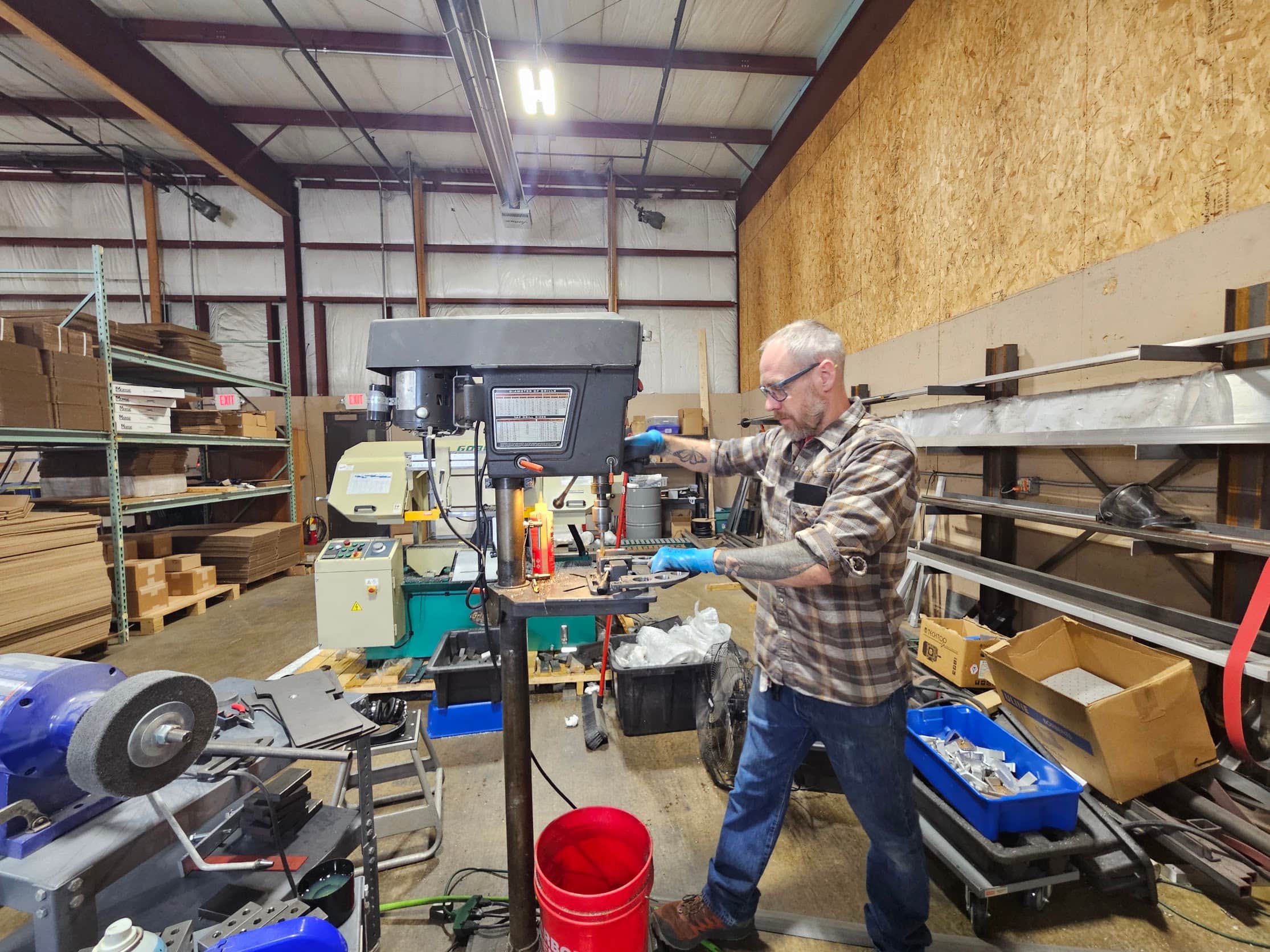
One-man shop
I answer my own email. Tell me the steel, the machine and what it is doing, and I will tell you what I would try next.