
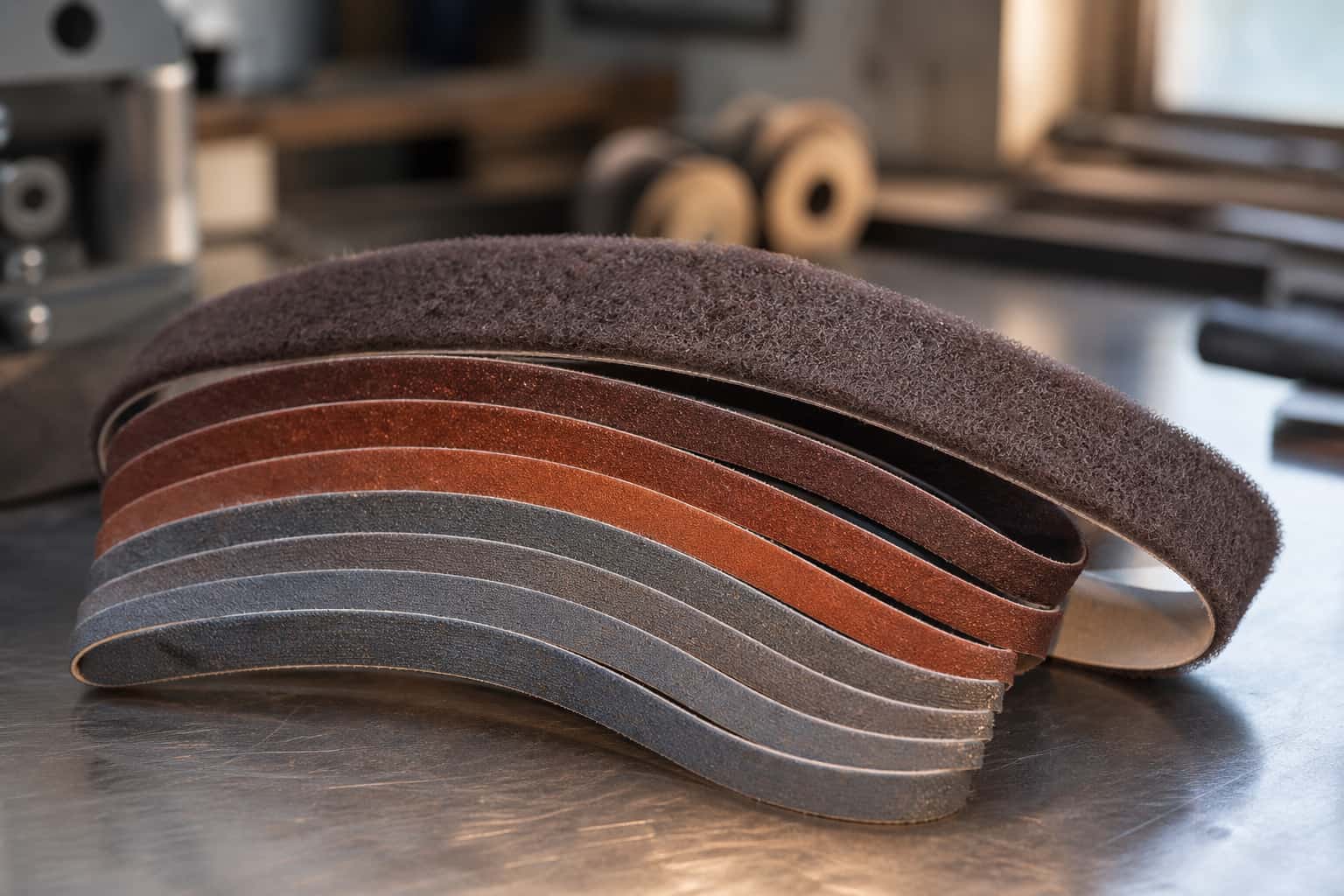
Abrasives
Belt Buyer’s Guide: Which Abrasives to Actually Buy
Belts are the single biggest recurring cost in this hobby, and buying the wrong ones wastes money twice: once on belts that wear out fast, and again on…
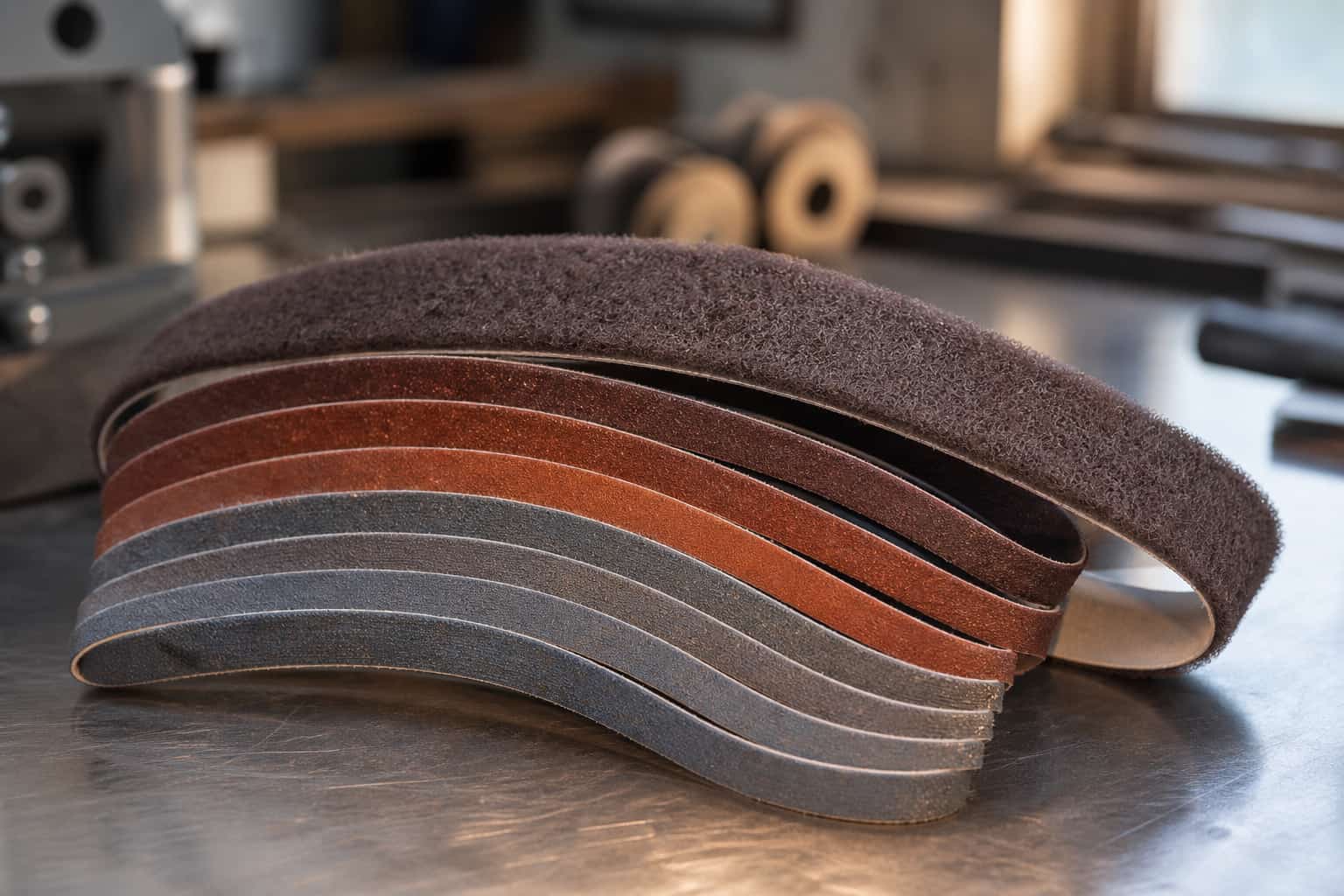
Abrasives
O1 on the 2x72: belt progressions for annealed and hardened stock, heat control at a low temper, hand sanding, and sharpening without diamonds.
2 min readWritten by Rich LinvilleFree to read
O1 is one of the easiest steels in the shop to work, and one of the easiest to ruin with heat. It arrives as precision ground flat stock — genuinely flat and square, so you can lay out and profile without any surface prep — and it grinds, files and hand-sands like a steel that wants to cooperate. The catch is the low temper: at 350 to 400°F, O1’s margin for a hot grind is thinner than almost anything else you will put on a 2×72.
Annealed O1 cuts fast and predictably. Fresh 36 to 60 grit ceramic or zirconia belts move it quickly with light pressure, and it drills and files without complaint — which is exactly why it is such a good stock-removal steel for a first kiln-heat-treated knife. Because O1 needs a controlled 1475°F soak rather than a forge-and-magnet heat, plan to do most of your shaping before heat treat: leave the edge dime-thick, get the profile and plunges where you want them, and accept that post-heat-treat correction is slow work.
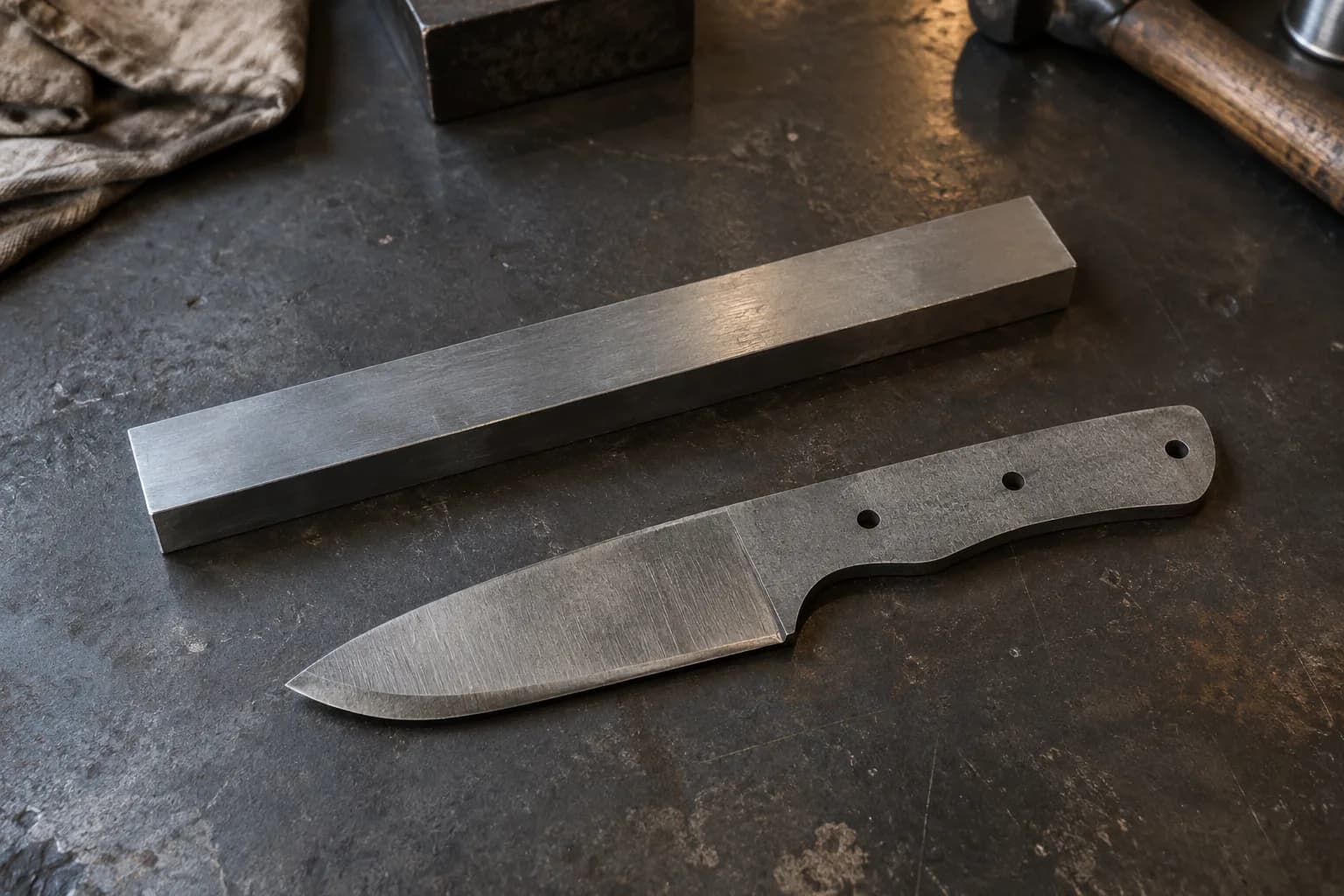
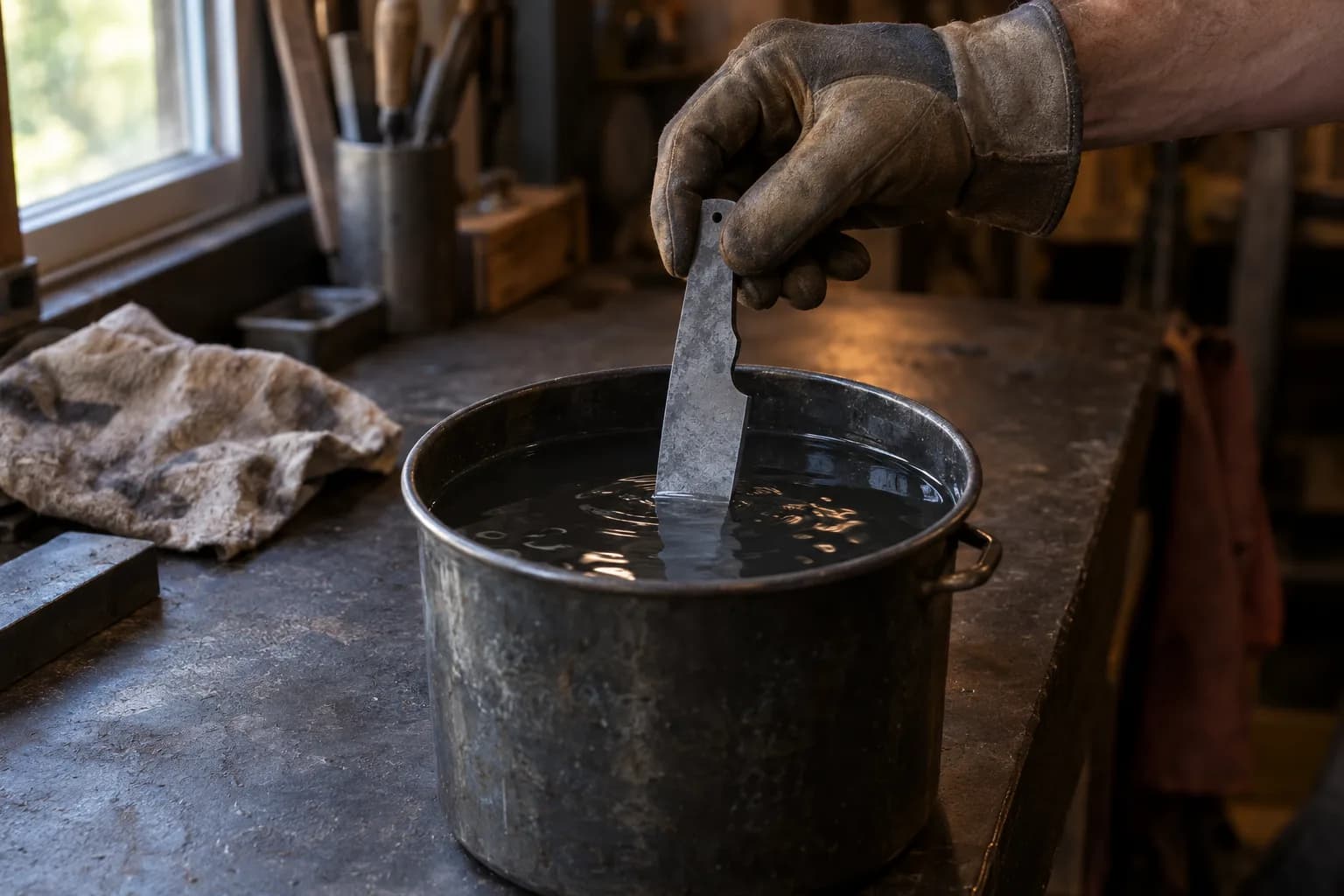
At 59 to 61 HRC, O1 still grinds cooperatively — its carbides are fine and there is nothing in it that tears at a belt. Heat is the whole problem. Tempered at 350 to 400°F, the edge loses hardness the moment it goes past that, and a thin bevel on a hardened blade gets there startlingly fast. Keep the blade moving, dip constantly, use sharp belts rather than pressure, and slow the machine down for finishing passes — variable speed genuinely matters here (the case for it is in the 2×72 buyer’s guide). If you see straw colour appear, you have already gone too far.
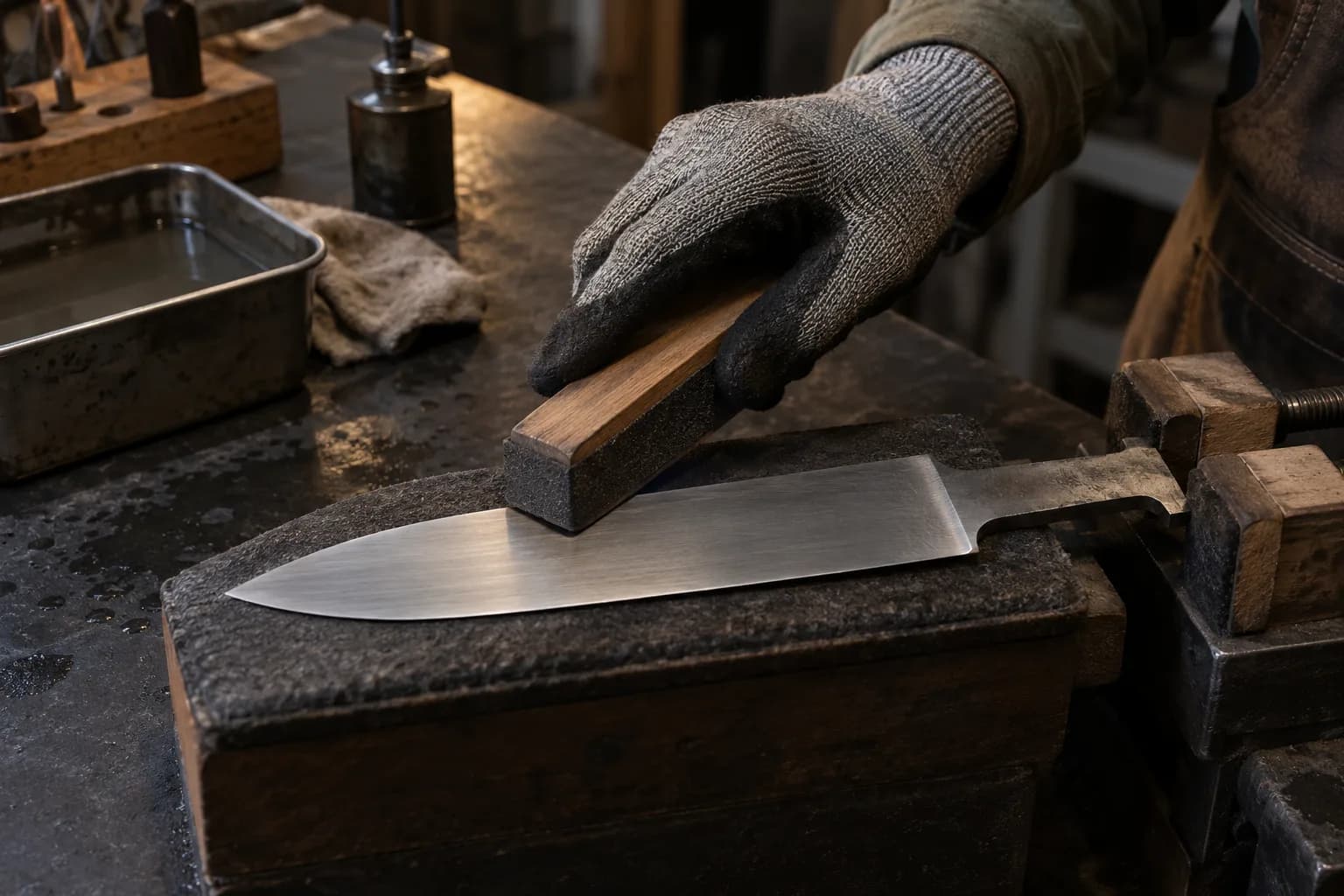
Full belt-selection logic in the Belt Buyer’s Guide.
O1 sharpens on anything. Its chromium and tungsten carbides are fine and sparse enough that ordinary aluminium-oxide and ceramic stones cut it cleanly — no diamond requirement like the vanadium-rich powder steels. It takes a very keen apex and strops back readily, which is a large part of why straight-razor and woodworking-tool makers have used it for a century. Run 15–17° per side for kitchen and slicing work, 20° for a hunter that sees bone. Method in How to Sharpen a Knife.
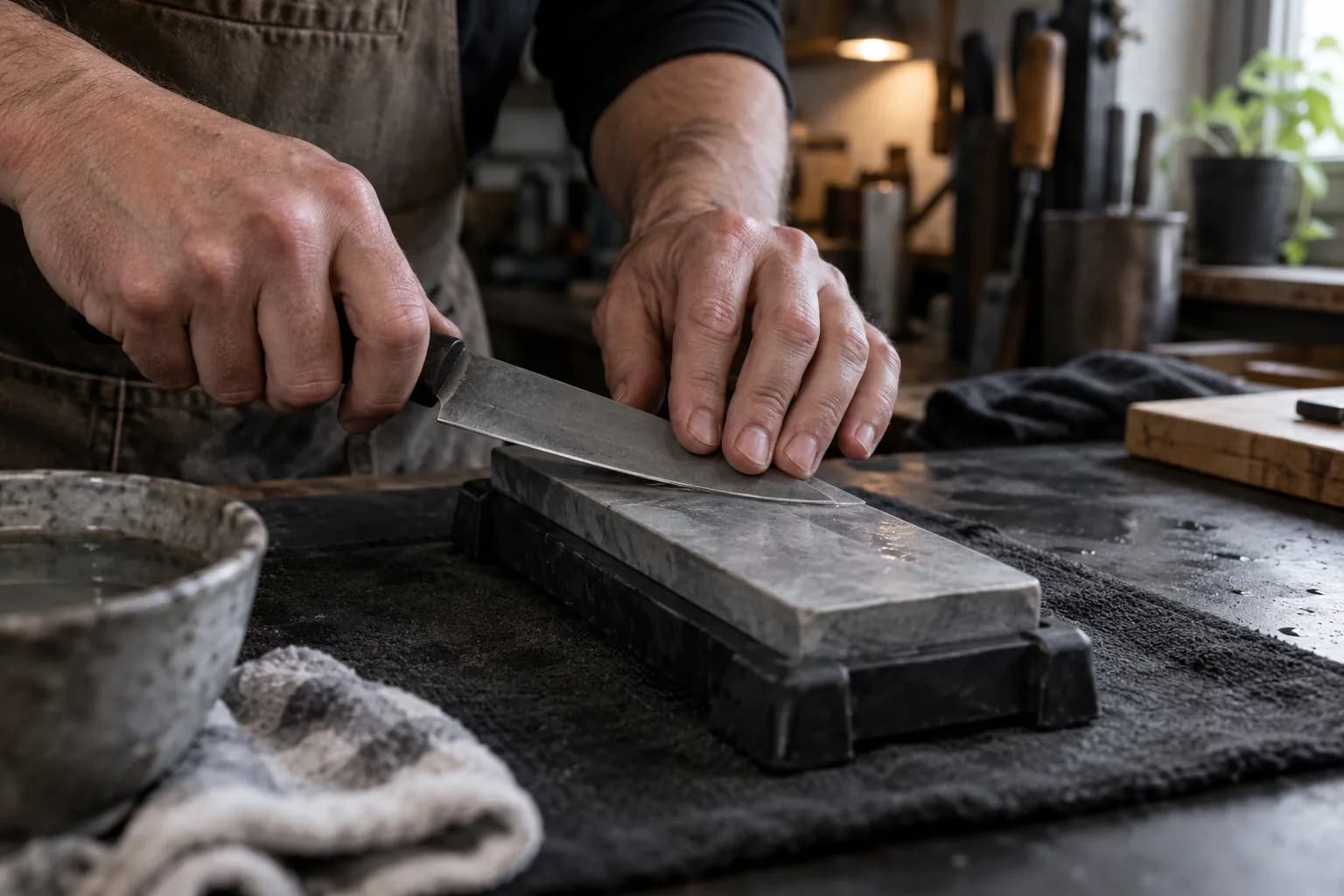
One habit worth building: O1 flash rusts on freshly ground steel, sometimes within the hour in a humid shop. Wipe and oil the blade after every grinding and sharpening session, or commit to a forced patina as a working finish.
Keep reading
Three more from the same bench.
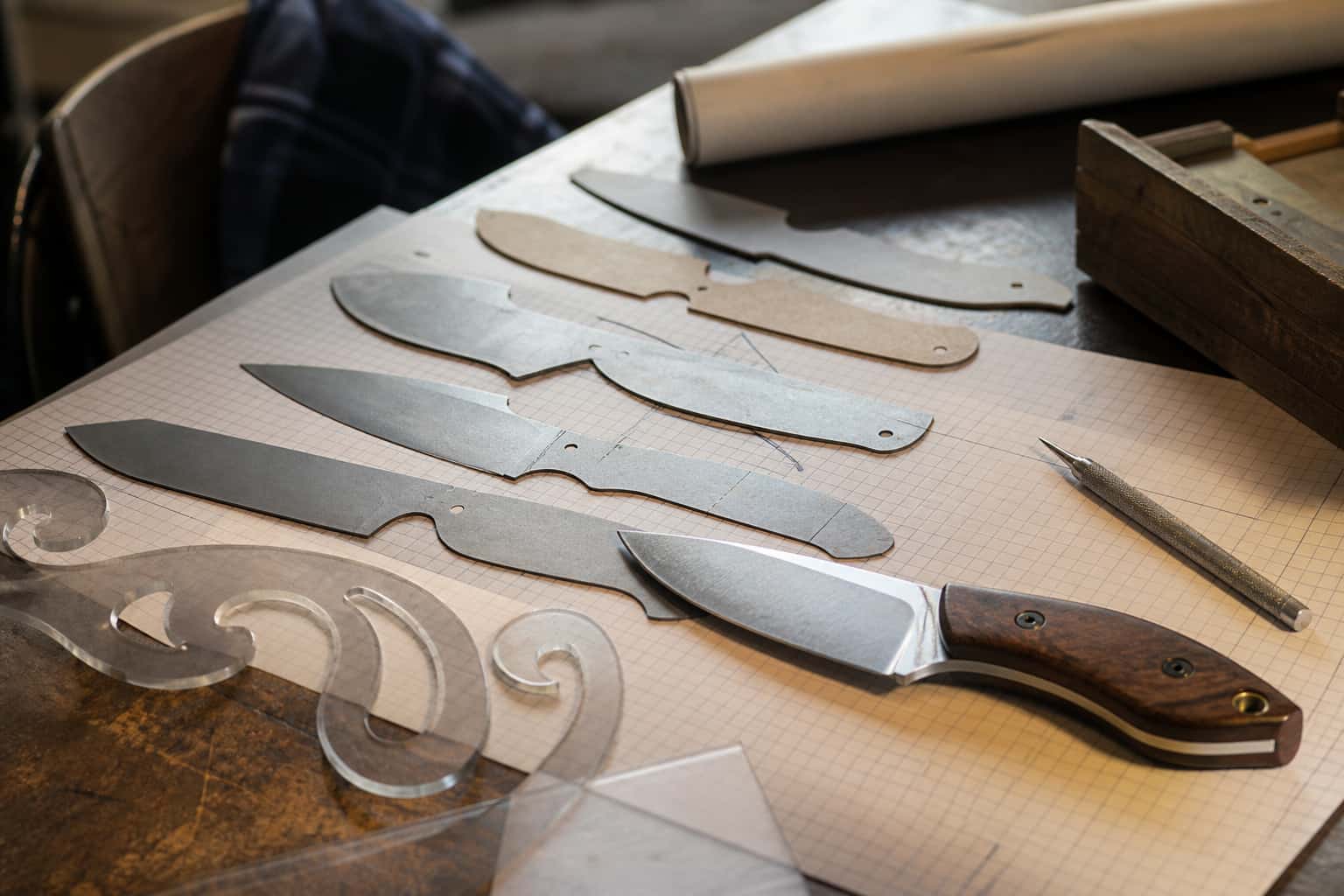
Belts are the single biggest recurring cost in this hobby, and buying the wrong ones wastes money twice: once on belts that wear out fast, and again on…
Sharpening is where knifemaking gets humbled: you can grind a flawless blade and still hand someone a knife that won’t slice paper. The good news …
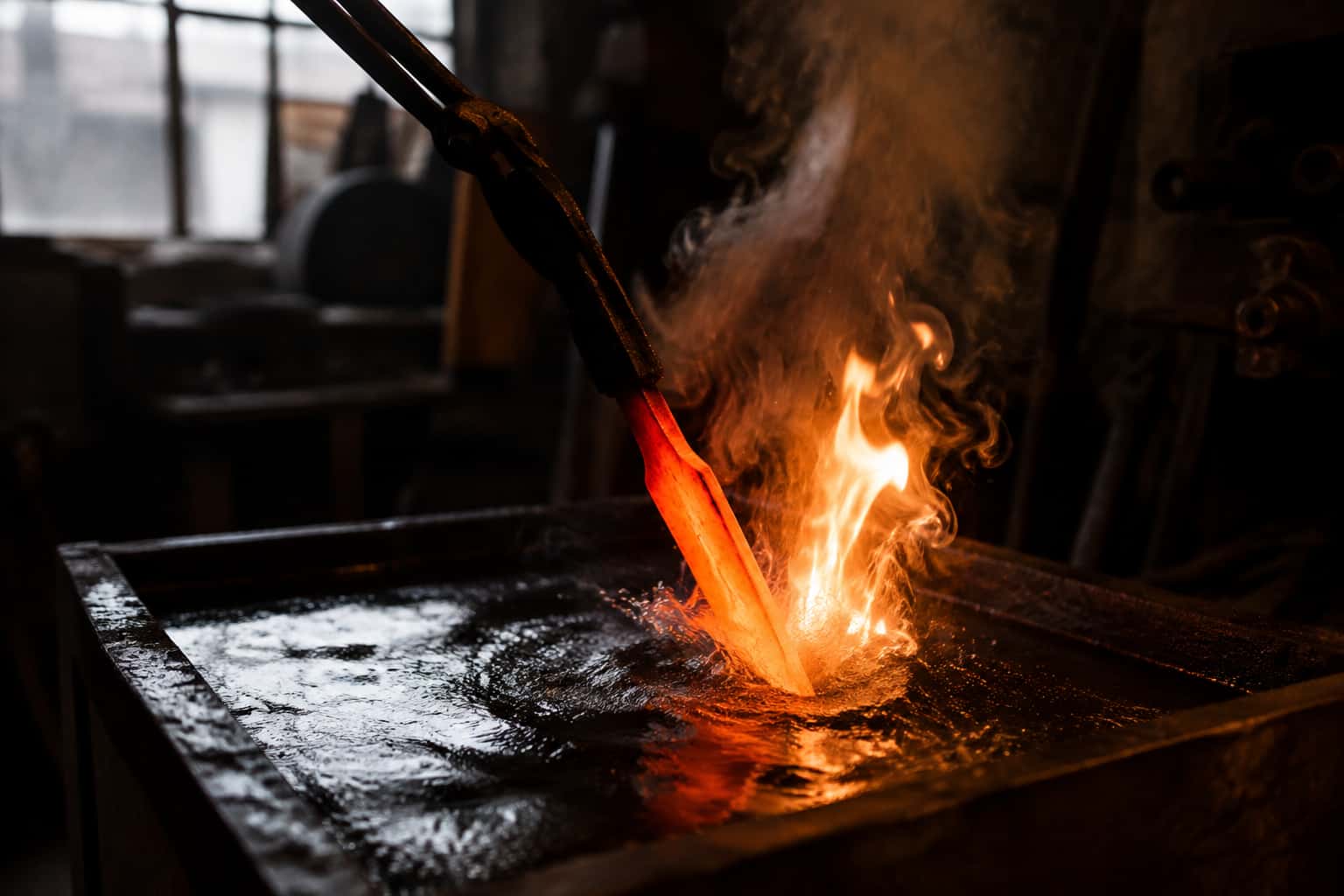
Every new maker eventually stands in front of a hot blade holding the same question: what do I actually quench this in? The forum answers range from…
Same bench
I machine the parts, hand-assemble, track and test Torus grinders in Sterling, Illinois. Most orders ship in seven to ten business days from time of order.
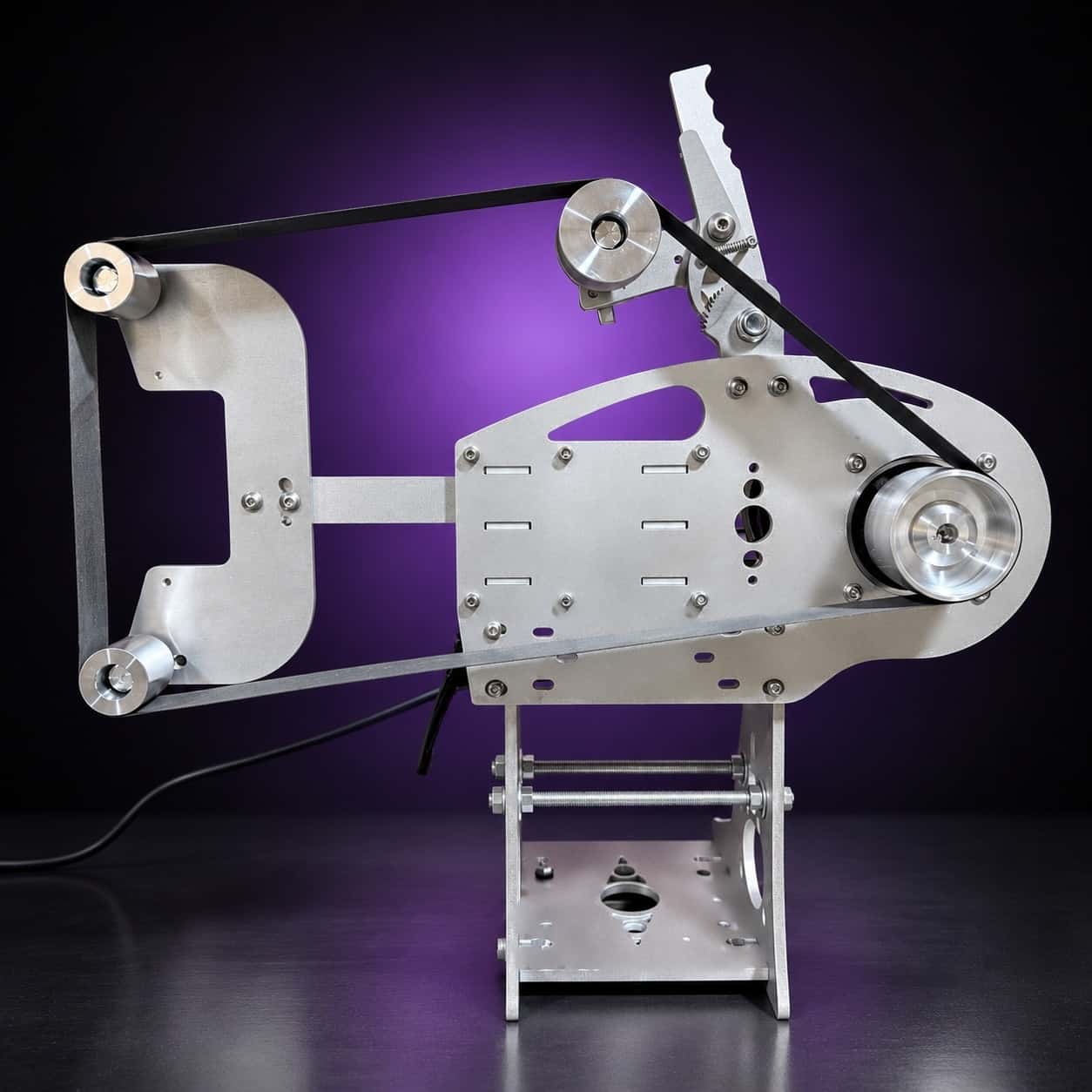
Current dual-axis platform with a fiber-laser-cut 6061 chassis and single-knob tracking.
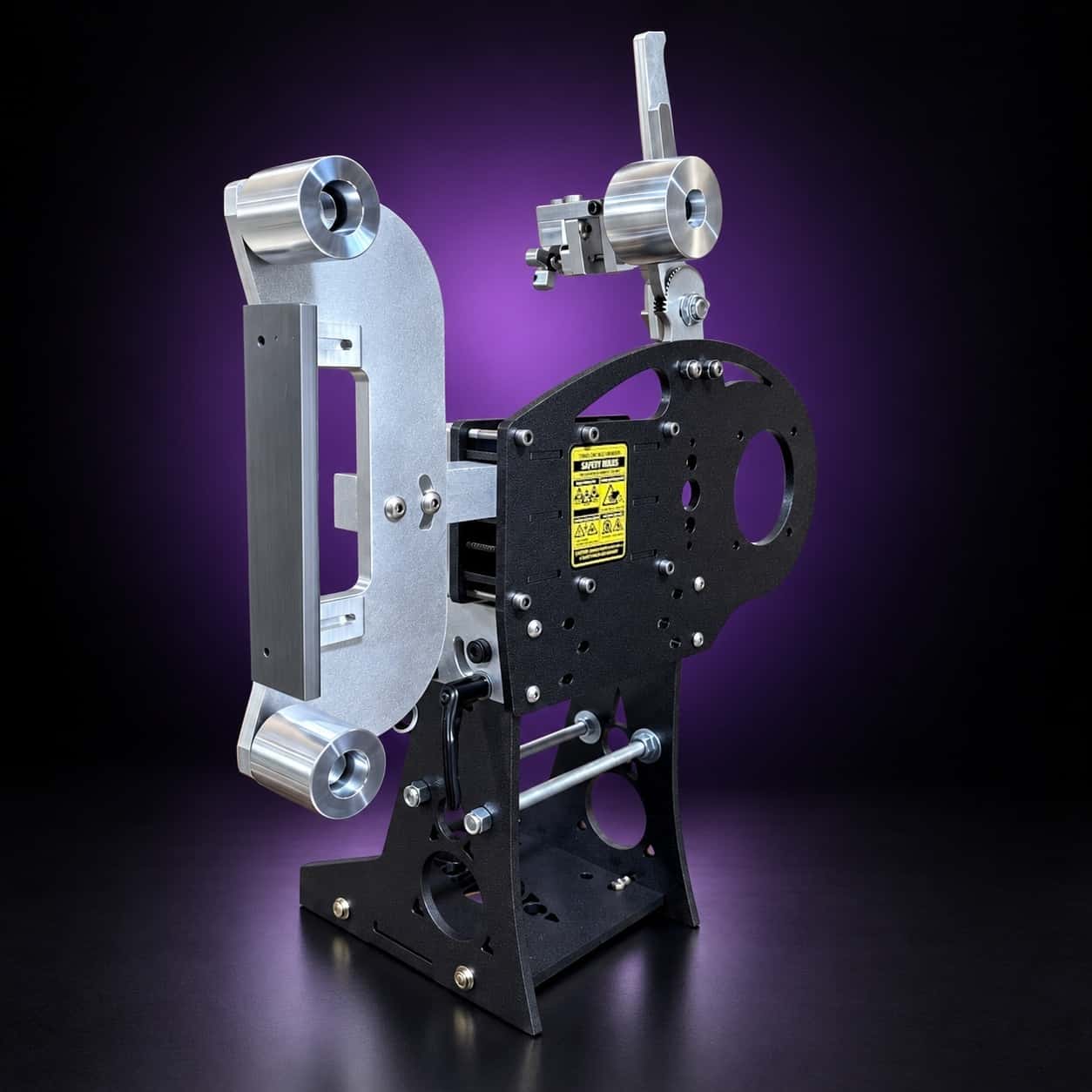
Current dual-axis platform with a steel chassis, more mass and less vibration.
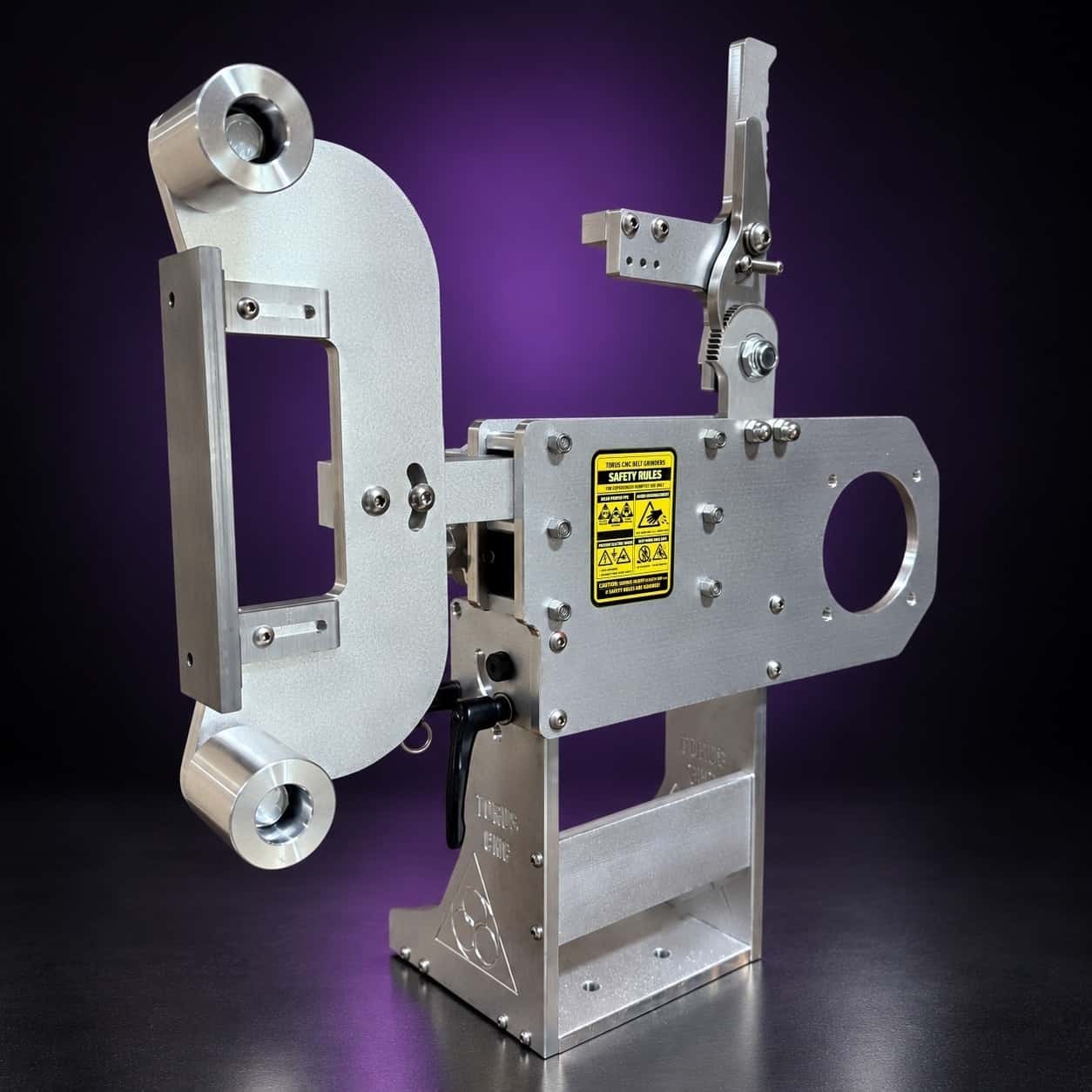
Prior-design aluminum chassis, 90-degree tilt and 1.5-inch tooling arms.
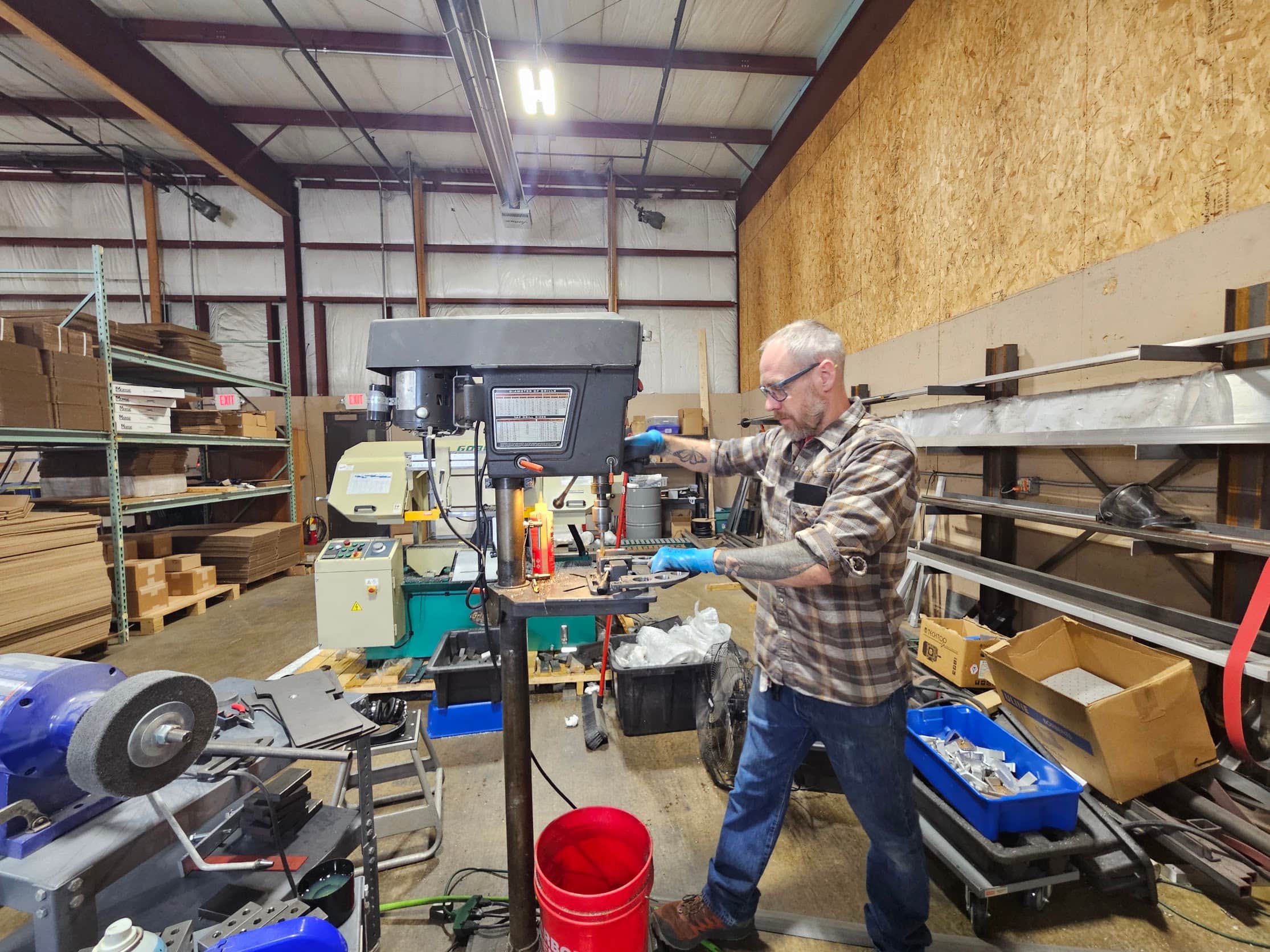
One-man shop
I answer my own email. Tell me the steel, the machine and what it is doing, and I will tell you what I would try next.