CNC Machine
Sustainability in Your Shop: Aluminum’s Eco-Friendly Advantages
Aluminum recycles forever, resists corrosion, needs no paint, and ships lighter. Here is why the material I build the Nova from is also the lower-impact choice for a shop, and what I do with the chips.
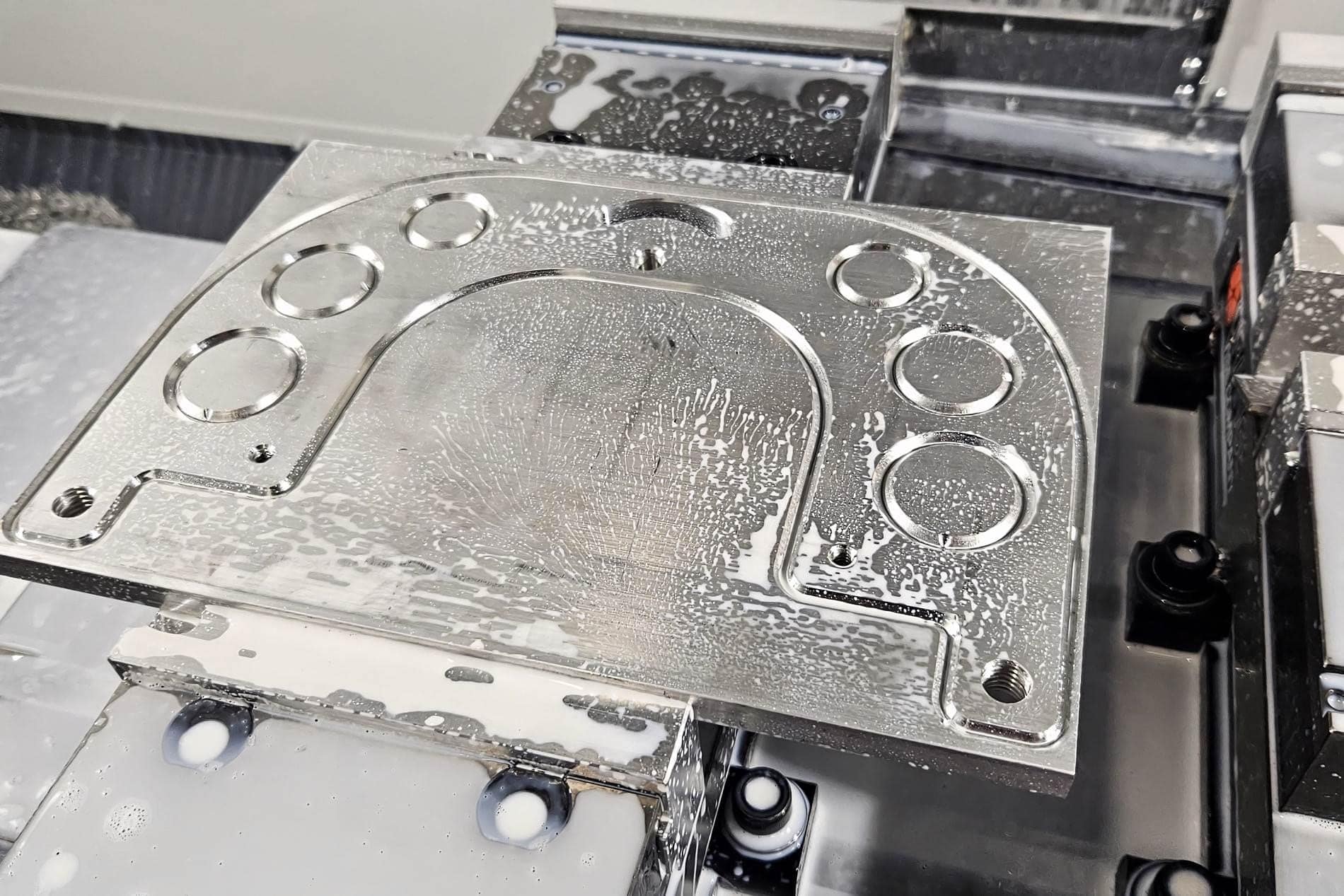
Sustainability in a machine shop is not a slogan, it is a chip bin. Aluminum recycles without losing quality, needs no paint or rust treatment to survive a humid shop, and weighs less to ship. Here is why the 6061 I build the Nova from is also the lower-impact choice for shop equipment, and what happens to the chips that come off my HAAS.
As businesses strive to reduce their ecological footprints, aluminum stands out as a sustainable option that aligns with these goals. The eco-friendly advantages of aluminum extend beyond its recyclability. The material is abundant in the Earth’s crust, making it a readily available resource.
Advancements in production techniques have led to more energy-efficient methods of extraction and processing. This means that not only can aluminum be used effectively in various applications, but it can also be sourced and utilized in a manner that minimizes environmental impact. As industries look for ways to innovate while being mindful of sustainability, aluminum presents a compelling solution.
Key Takeaways
- Aluminum is a sustainable and eco-friendly material with many advantages for businesses.
- The production of aluminum has a significant environmental impact, but using recycled aluminum can help reduce this impact.
- Using aluminum in your shop can lead to cost savings, energy efficiency, and reduced environmental impact.
- Aluminum is highly recyclable, with nearly 75% of all aluminum ever produced still in use today.
- Incorporating aluminum in your shop can help reduce your carbon footprint and contribute to a greener future.
The Environmental Impact of Aluminum Production
The production of aluminum has historically been associated with significant environmental challenges. Traditional methods of extraction, particularly the Bayer process for refining bauxite ore into alumina, require substantial energy input and can lead to habitat destruction and pollution. However, the industry has made strides in recent years to mitigate these impacts.
Modern techniques focus on reducing energy consumption and minimizing waste, which has led to a more sustainable approach to aluminum production. The use of renewable energy sources in aluminum smelting has gained traction. Many facilities are now powered by hydroelectricity or other renewable resources, significantly lowering their carbon emissions.
The Benefits of Using Aluminum in Your Shop
Incorporating aluminum into your shop can yield numerous benefits that extend beyond environmental considerations. One of the most notable advantages is its lightweight nature, which can enhance efficiency in manufacturing processes. For instance, when using aluminum components, machinery can operate more smoothly and with less energy consumption due to reduced weight.
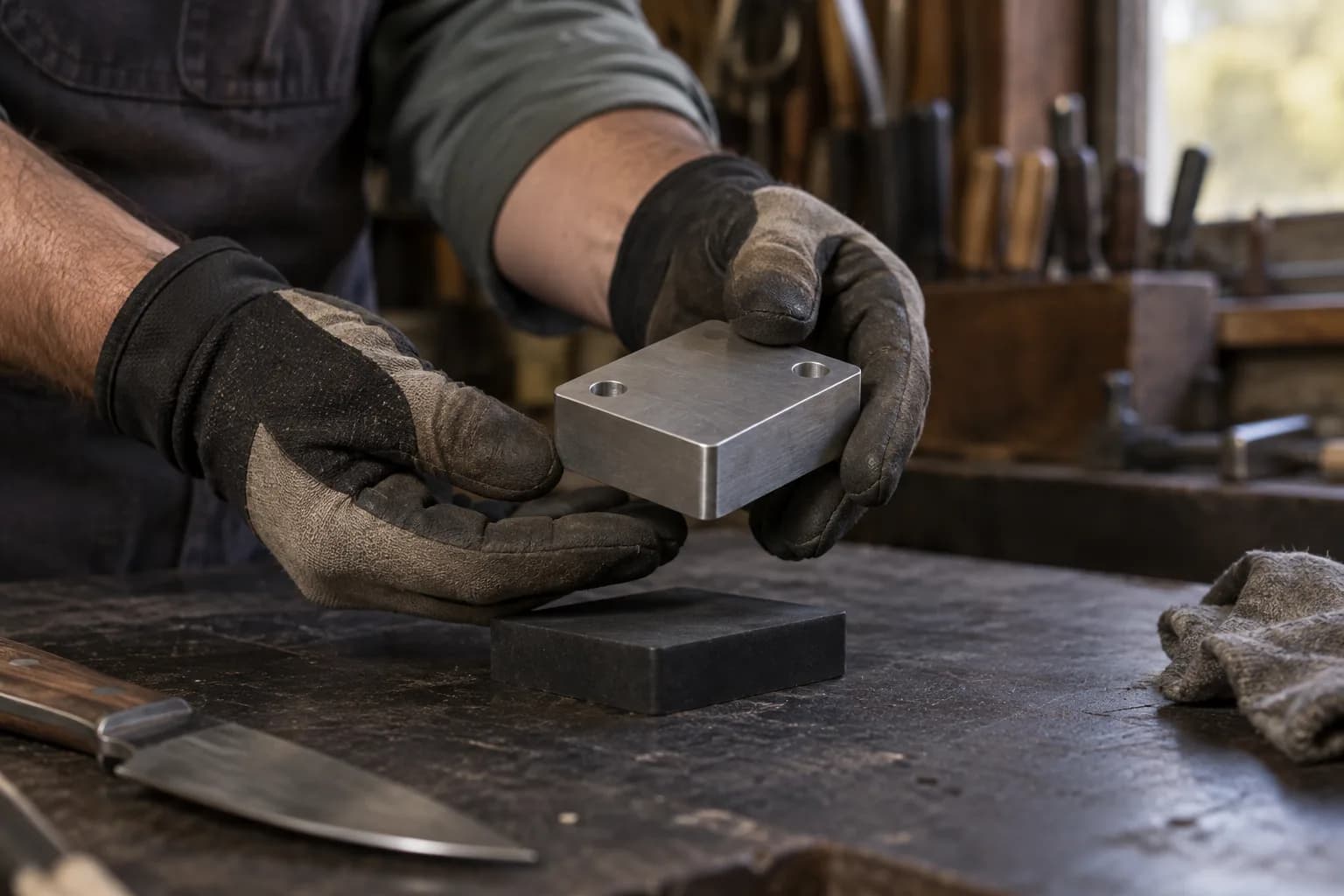
This efficiency translates into cost savings over time, making aluminum an economically viable choice for many businesses. Aluminum’s durability and resistance to corrosion make it an ideal material for various applications within a shop setting. Unlike other metals that may require frequent maintenance or replacement, aluminum components can withstand harsh conditions and maintain their integrity over time.
The Recyclability of Aluminum
| Aspect | Metric |
|---|---|
| Recycling Rate | Approximately 70% of all aluminum ever produced is still in use today |
| Energy Savings | Recycling aluminum saves 95% of the energy needed to produce new aluminum from raw materials |
| Environmental Impact | Recycling aluminum reduces greenhouse gas emissions by 95% |
| Recycling Process | Aluminum can be recycled infinitely without losing quality |
One of the most compelling aspects of aluminum is its recyclability. Unlike many materials that degrade in quality after being recycled, aluminum can be recycled indefinitely without losing its properties. This characteristic makes it an incredibly sustainable option for manufacturers and fabricators alike.
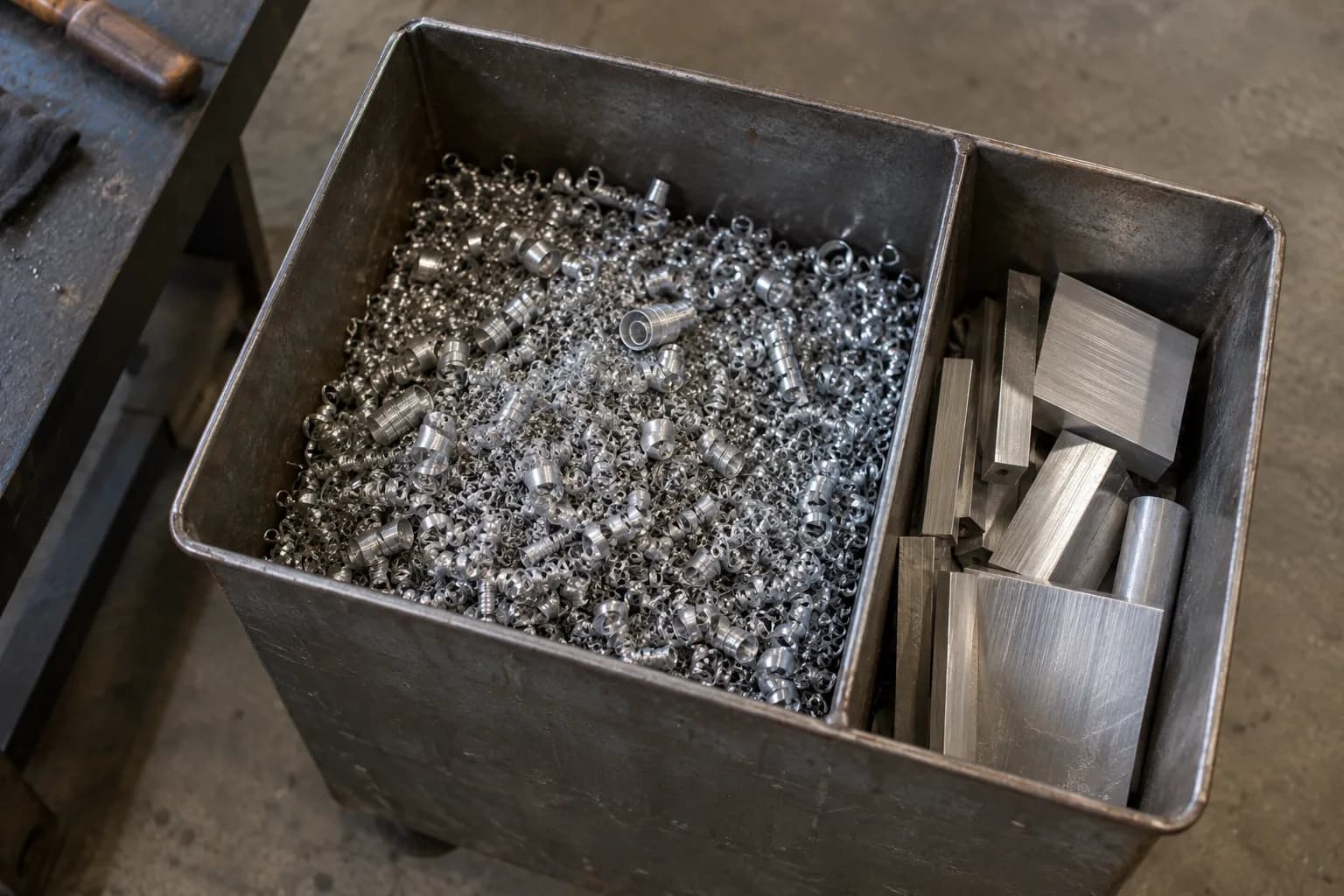
The recycling process requires only a fraction of the energy needed for primary production, which significantly reduces the overall carbon footprint associated with aluminum use. The recycling infrastructure for aluminum is well-established and continues to grow. Many communities have sturdy recycling programs that encourage the collection and processing of aluminum products.
This accessibility not only makes it easier for businesses to incorporate recycled materials into their operations but also fosters a culture of sustainability within the community. By prioritizing recycled aluminum, shops can contribute to a circular economy that minimizes waste and maximizes resource efficiency.
How Aluminum Can Help Reduce Your Shop’s Carbon Footprint
Reducing a shop’s carbon footprint is a critical goal for many businesses today, and aluminum plays a pivotal role in achieving this objective. By utilizing aluminum components and materials, shops can significantly lower their greenhouse gas emissions throughout the production process. The lightweight nature of aluminum allows for more efficient transportation and handling, which further contributes to reduced emissions associated with logistics.
The energy savings associated with using recycled aluminum cannot be overstated. As previously mentioned, recycling aluminum requires only about 5% of the energy needed for primary production. By integrating recycled aluminum into their operations, shops can drastically cut down on their energy consumption and associated carbon emissions.
Innovative Ways to Incorporate Aluminum in Your Shop
There are numerous innovative ways to incorporate aluminum into your shop’s operations that can enhance both efficiency and sustainability. For instance, consider using aluminum framing systems for workstations or equipment supports. These lightweight yet sturdy structures can be easily customized and reconfigured as needed, allowing for greater flexibility in workspace design.
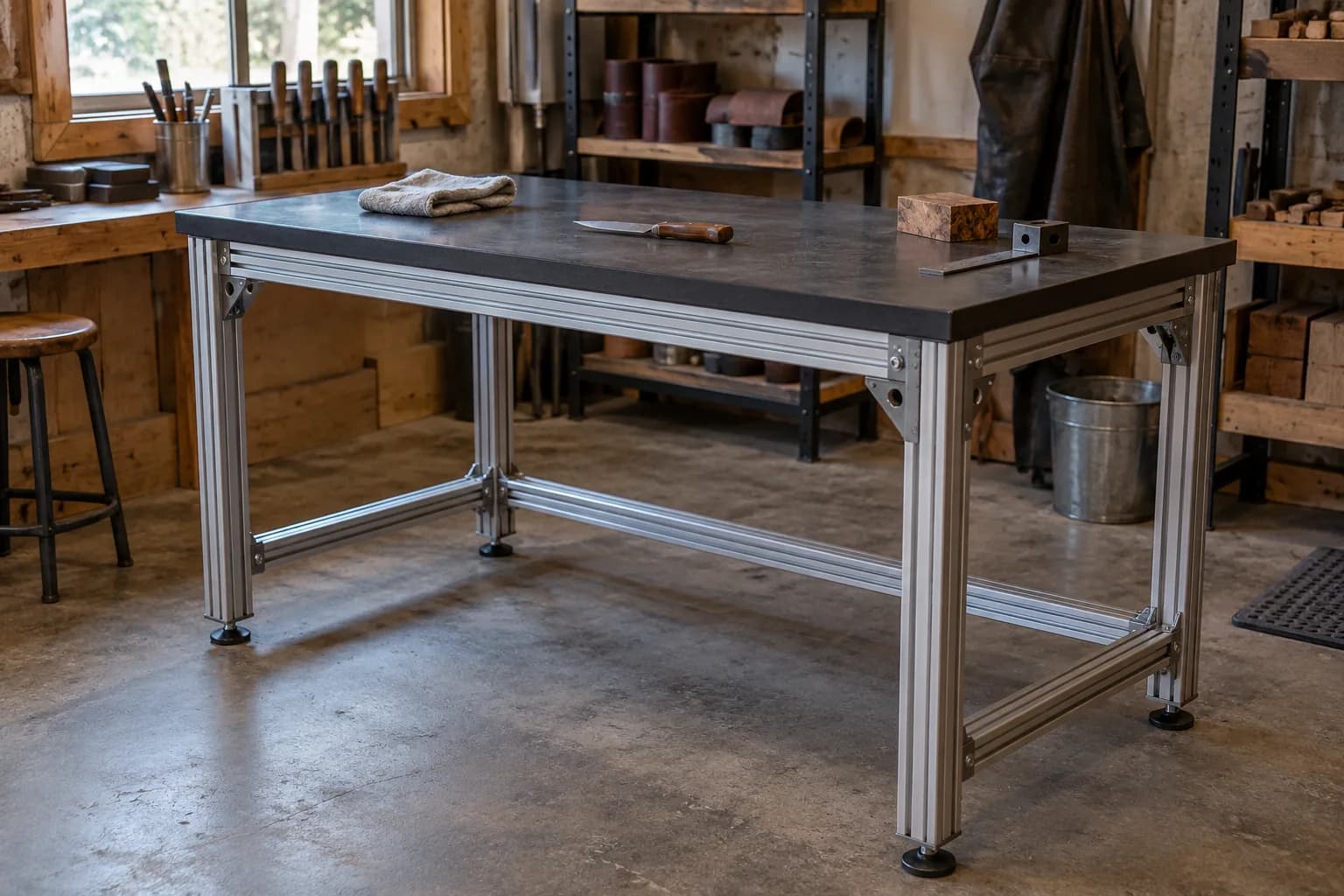
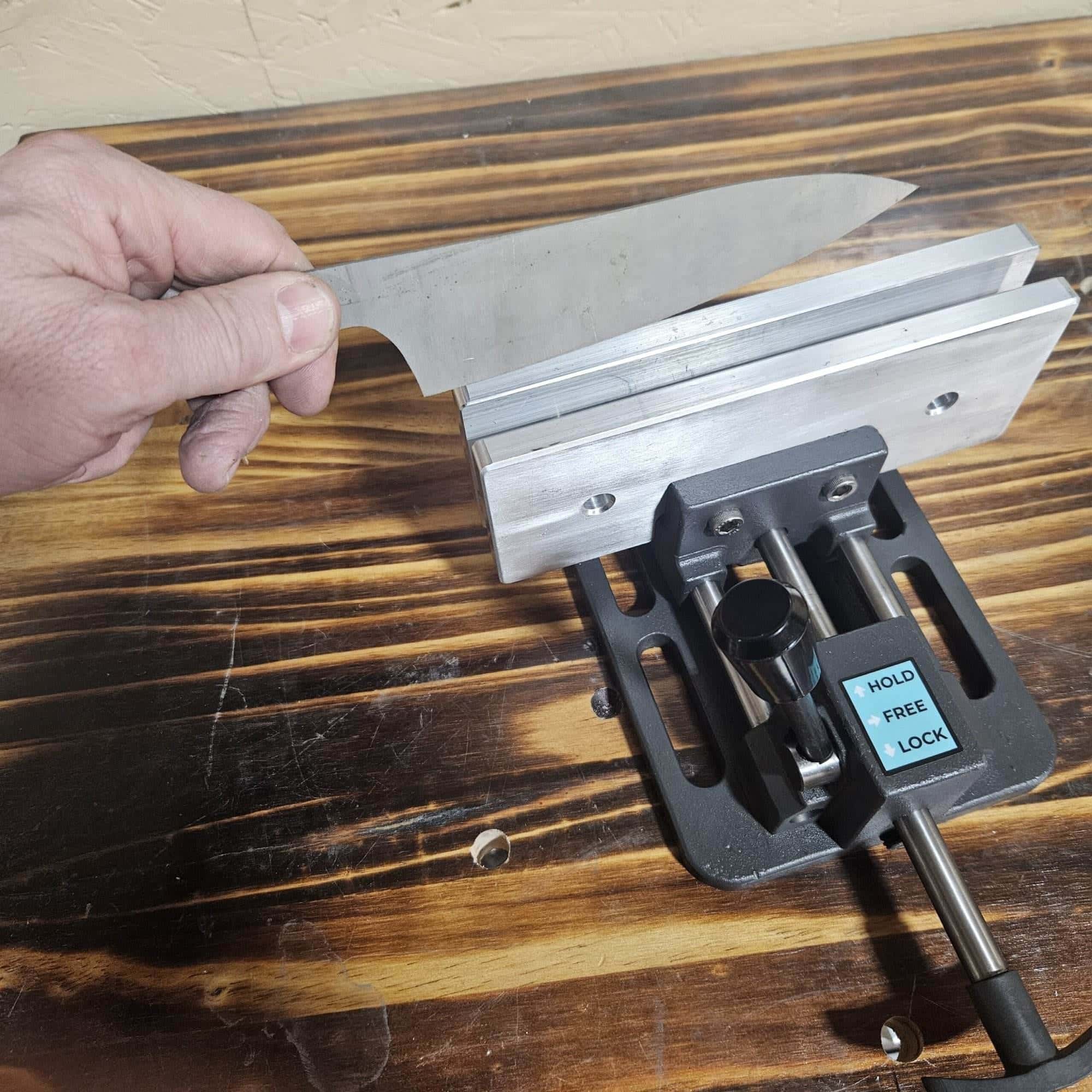
Shops can explore the use of aluminum tooling and fixtures. These components can improve precision and reduce wear on machinery due to their lightweight nature. By investing in aluminum tools and fixtures, businesses can enhance their production capabilities while simultaneously reducing their environmental impact.
FAQs
What is aluminum’s recyclability rate?
Aluminum is one of the most recyclable materials, with a recycling rate of around 67% globally. It can be recycled repeatedly without losing its quality, making it a highly sustainable material.
How does recycling aluminum benefit the environment?
Recycling aluminum reduces the need for mining and extraction of new aluminum, which can be energy-intensive and harmful to the environment. It also reduces the amount of aluminum waste in landfills, contributing to a more sustainable and eco-friendly waste management system.
What are the eco-friendly advantages of using aluminum in a shop?
Aluminum is a lightweight and durable material, which can help reduce energy consumption during transportation and installation. It is also corrosion-resistant and has a long lifespan, reducing the need for frequent replacements and minimizing environmental impact.
How can shops promote sustainability through aluminum usage?
Shops can promote sustainability by using aluminum products and materials, as well as implementing recycling programs to ensure that aluminum waste is properly collected and recycled. Choosing aluminum suppliers with sustainable practices can further support environmental efforts.
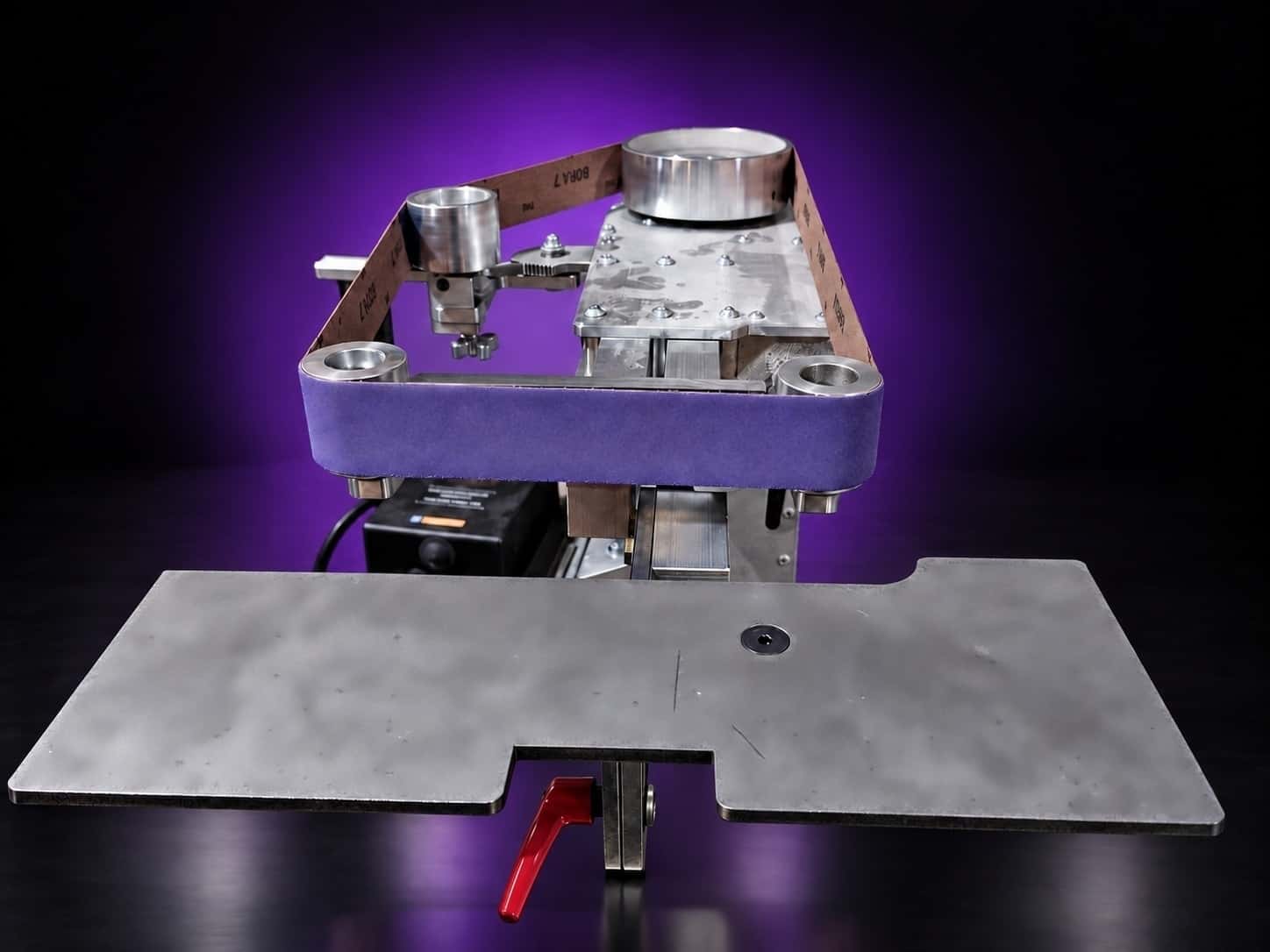
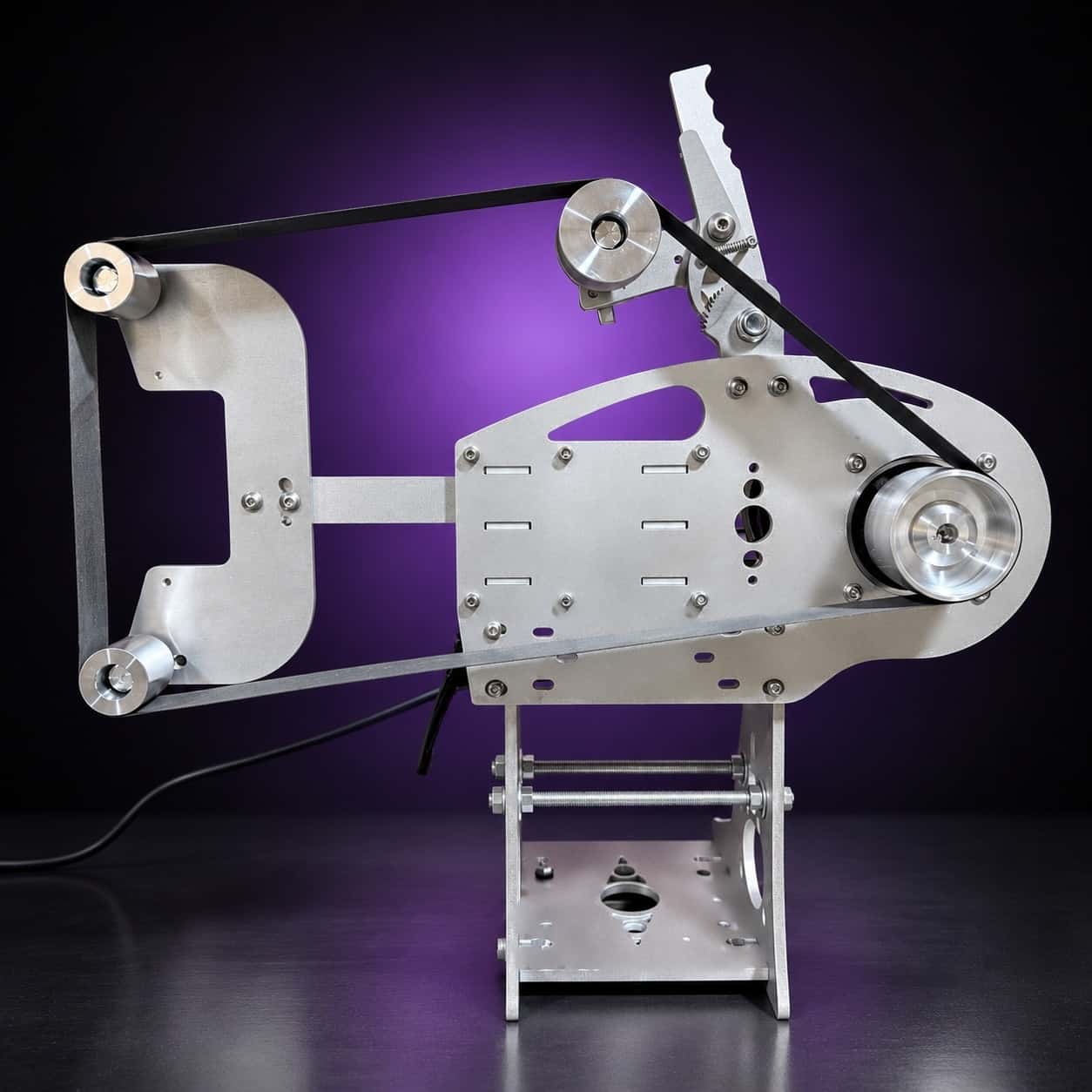
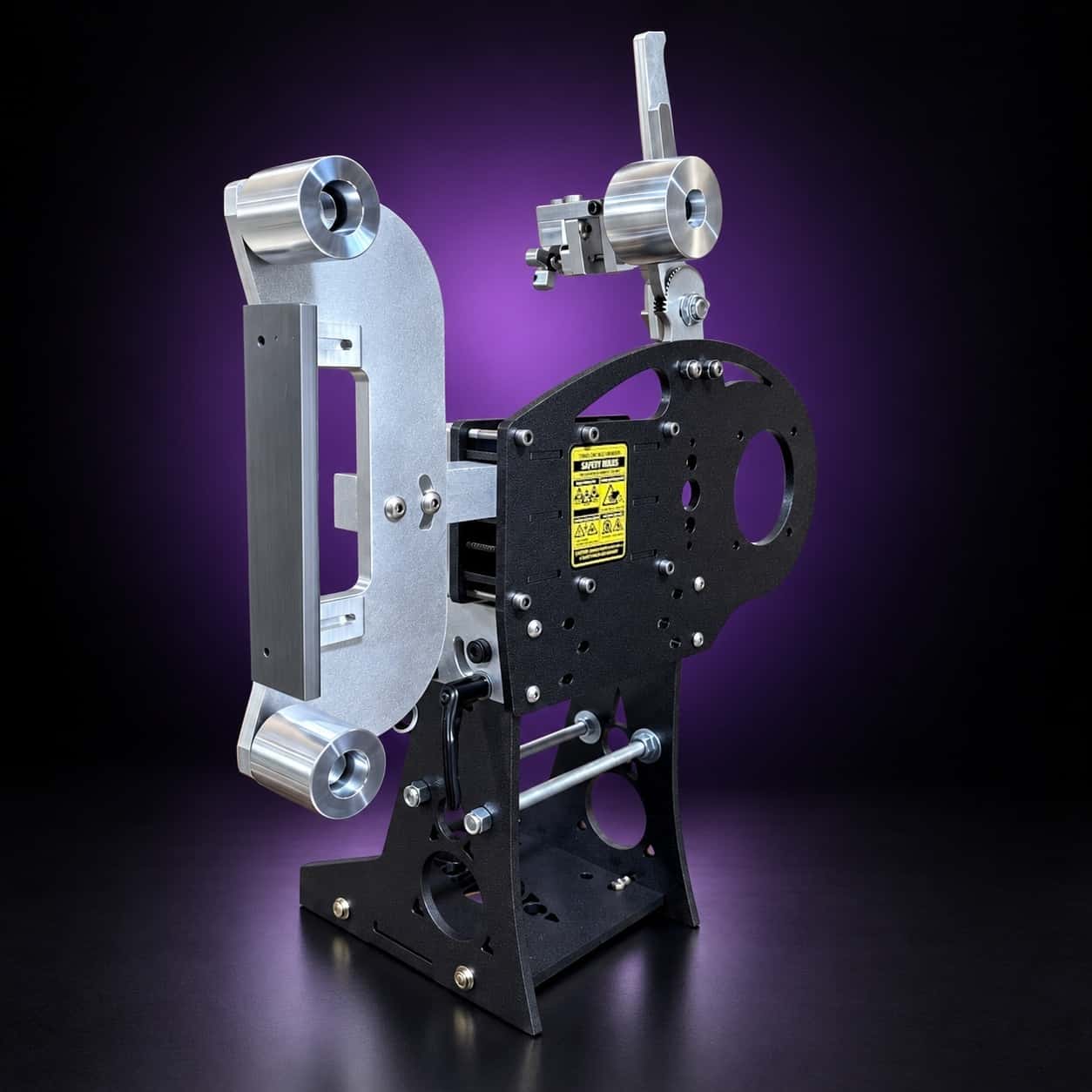
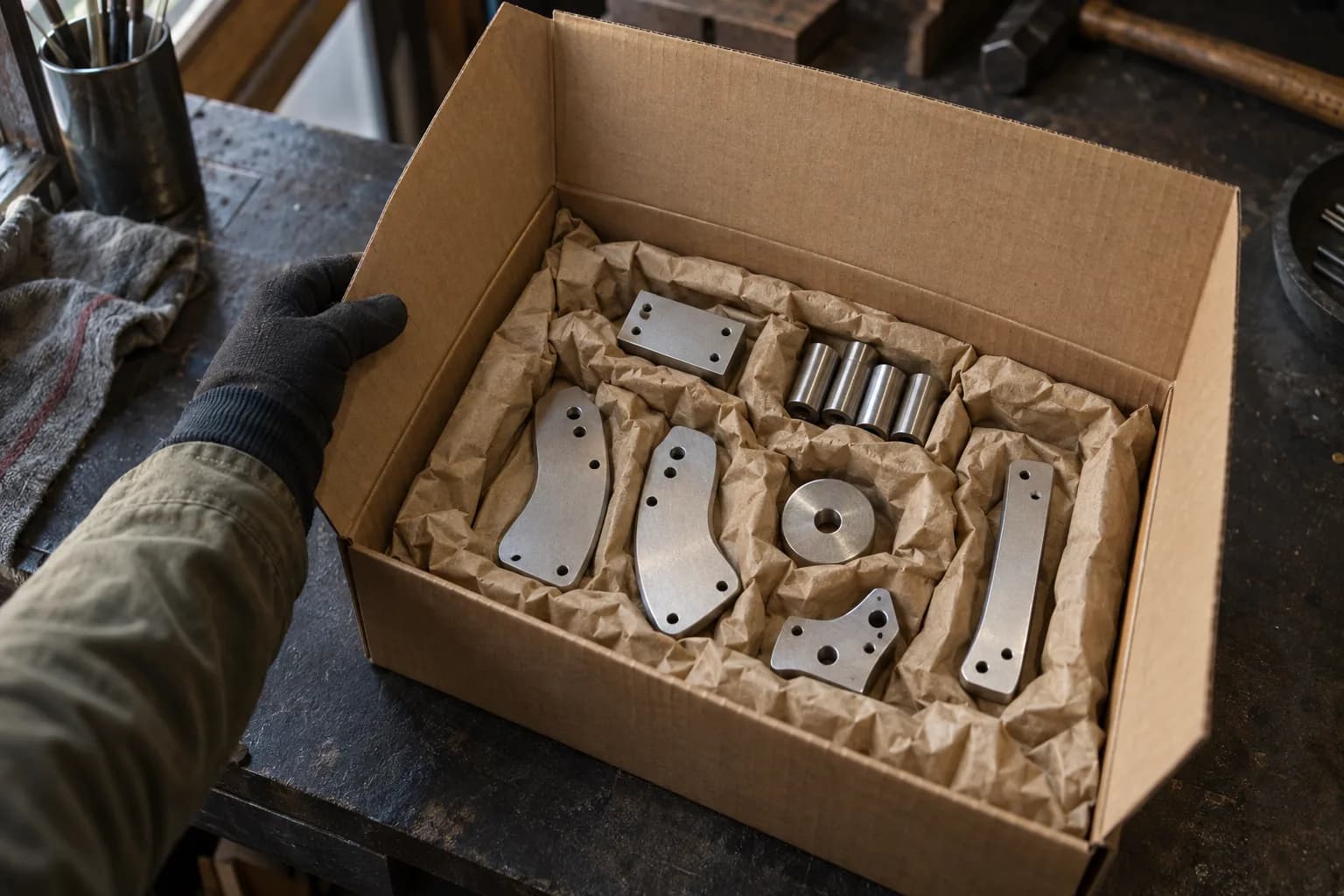
The Nova 2×72 is fiber-laser-cut 6061 aluminum with no coating to maintain and corrosion resistance built in. Assembled and tested in Sterling, Illinois, and every chip that comes off it goes back into the recycling stream.