
Beginner Guides
Famous Bladesmiths Who Shaped Modern Knifemaking
Modern knifemaking owes a lot to a handful of individuals who either revived lost techniques, popularized enduring designs, or brought the craft to a…
Beginner Guides
How Forged in Fire, Man at Arms: Reforged, YouTube and BLADE Show brought bladesmithing into mainstream culture, and what it means for new makers.
3 min readWritten by Rich LinvilleFree to read
Knifemaking went from a niche traditional craft to something a huge number of hobbyists actively pursue, and TV and online video played a real, direct role in that shift. Here’s where the craft actually shows up in popular culture.
History Channel’s Forged in Fire premiered June 22, 2015, and became the show most responsible for putting bladesmithing in front of a mainstream audience. The format: four bladesmiths compete in a three-round elimination contest, an initial forging round working from raw steel, a handle and sheath round, and a final round where competitors return to their home forges to complete a full weapon, tested afterward for sharpness, durability, and historical accuracy. The winner takes home $10,000 and the show’s championship title. The judging panel, J. Neilson, David Baker, and Doug Marcaida, became recognizable figures in the knife community well beyond the show itself. Several real makers, including Neil Kamimura, built genuine bladesmithing careers partly on the exposure a win provided.
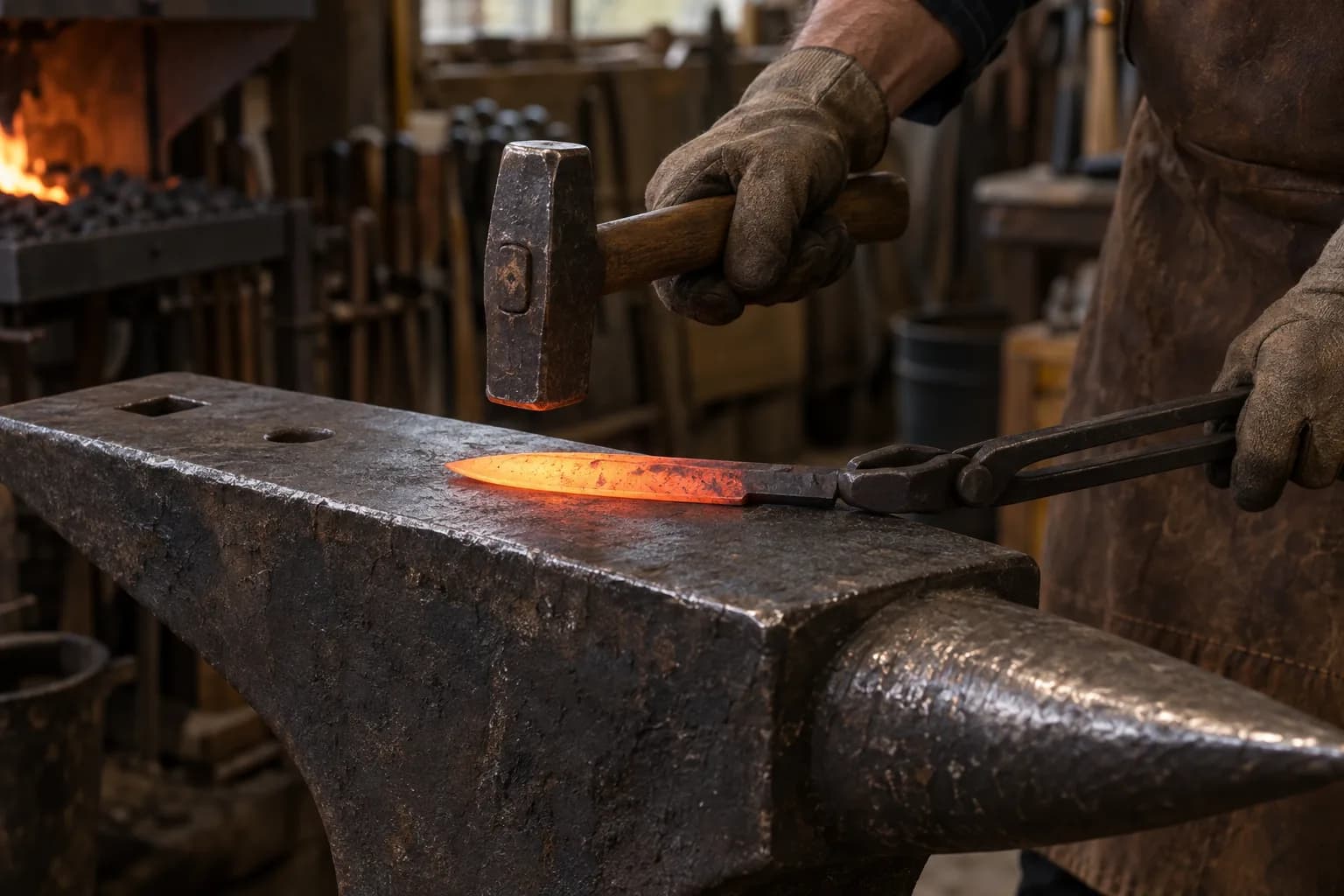
A YouTube series on the AWE me channel where professional smiths build real, functional versions of fictional weapons from movies, games, and TV. Blacksmith Tony Swatton hosted the original Man at Arms series, and in 2014 the show relaunched as Man at Arms: Reforged with brothers Kerry and Matt Stagmer of Baltimore Knife & Sword taking over, focusing on hybrid weapon builds combining designs from different fictional universes. The series brought bladesmithing to an audience that might never watch a cable competition show, reaching viewers through pop culture and gaming fandoms instead.
Away from television, BLADE Show (and BLADE magazine, which runs it) has been the knife industry’s major annual gathering for decades, where custom makers, manufacturers, and collectors converge, and where the Cutlery Hall of Fame inducts figures like Bob Loveless for their lasting influence on the craft. It’s a less flashy, more industry-facing side of knifemaking’s public presence, but a real one that predates the YouTube and cable TV era by a long way.
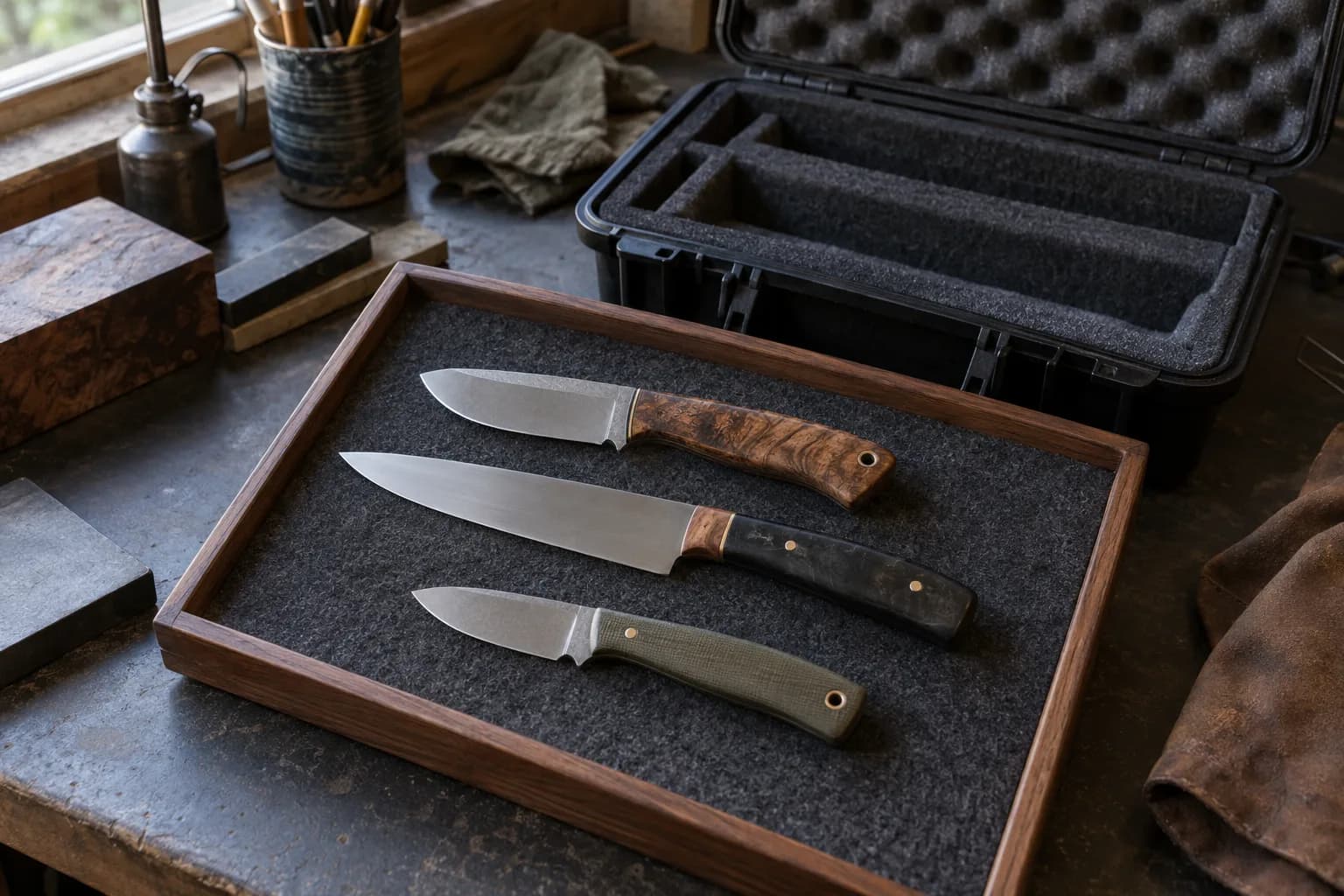
Beyond dedicated series, individual bladesmiths and grinder-shop channels on YouTube have become a major way people actually learn the craft today, watching real build processes step by step in a way no book or magazine article could show. This shift, from craft passed down through apprenticeship or trade publications to craft learned by watching video, has lowered the barrier to entry for hobbyists significantly, arguably as much as any single TV show has.
All of this exposure has done something concrete: it’s normalized bladesmithing as a serious, learnable hobby rather than an obscure trade, and it’s part of why equipment like 2×72 belt grinders has become far more accessible and widely available than it was a generation ago. If a TV show or a YouTube video is what got you curious about making a knife, you’re in good company, that’s a genuinely common on-ramp into the craft today.
The core forging and grinding work shown is real, these are genuine bladesmiths using real techniques, but the extreme time pressure (finishing a full weapon in hours) compresses a process that normally takes much longer, and isn’t representative of the pace most makers actually work at.
No. The overwhelming majority of people building real skill in this craft do it quietly in a home shop, exactly like working through the guides on this site. Media visibility is what draws a lot of people in; it’s not a requirement for the craft itself.
YouTube is the most accessible option today, with a huge range of makers documenting real build processes step by step, alongside sites like this one covering the underlying steel science and technique.
Forged in Fire (Wikipedia), HISTORY Channel, Man at Arms: Reforged, BLADE Magazine.
Keep reading
Three more from the same bench.
Modern knifemaking owes a lot to a handful of individuals who either revived lost techniques, popularized enduring designs, or brought the craft to a…
With dozens of knife steels to choose from, picking your first one can feel overwhelming. The good news: for a first knife, the right answer is almost…

Full disclosure, before anything else: this is Torus CNC’s site — we build three of the grinders compared below. Here’s how we’ve kept this honest: every…
Same bench
I machine the parts, hand-assemble, track and test Torus grinders in Sterling, Illinois. Most orders ship in seven to ten business days from time of order.
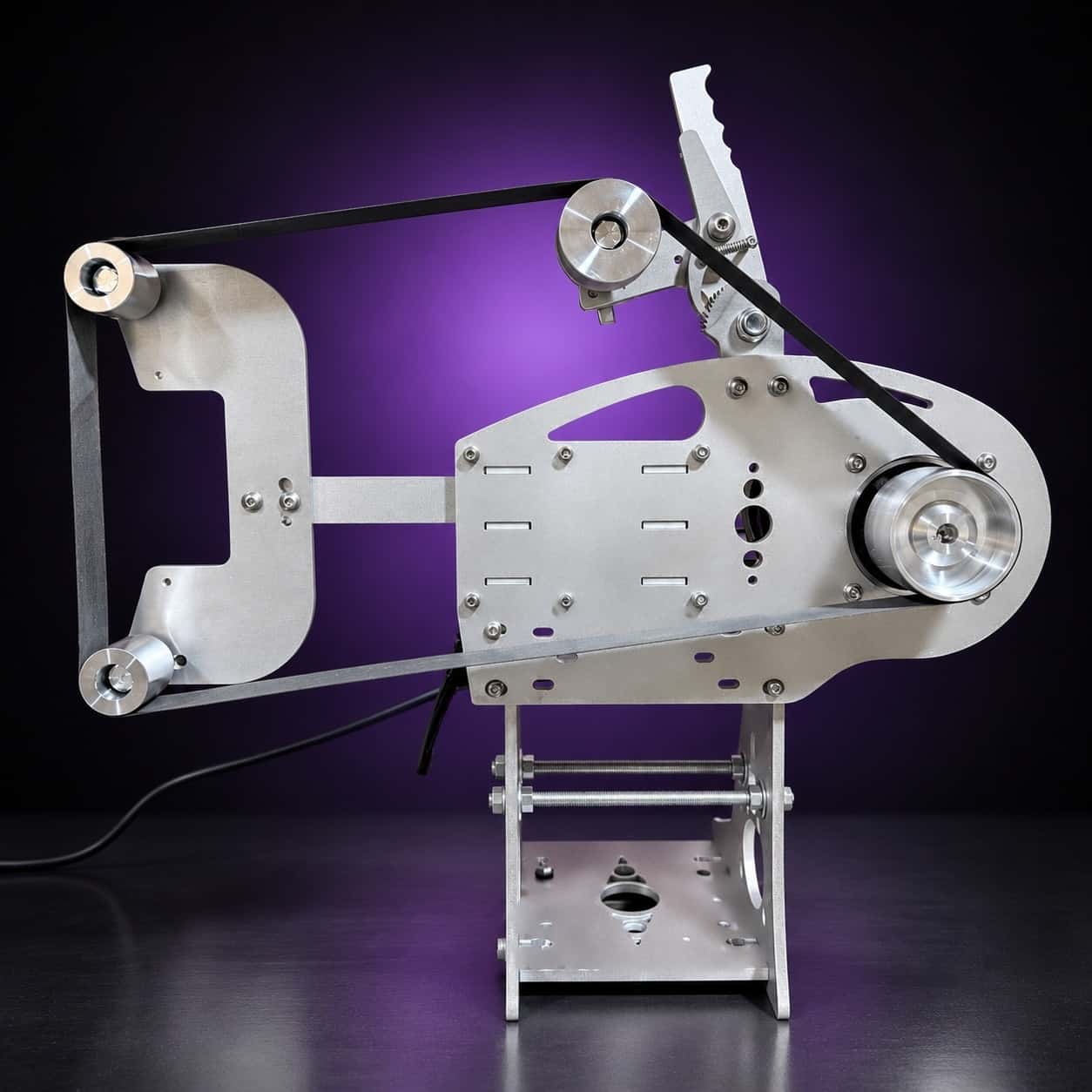
Current dual-axis platform with a fiber-laser-cut 6061 chassis and single-knob tracking.
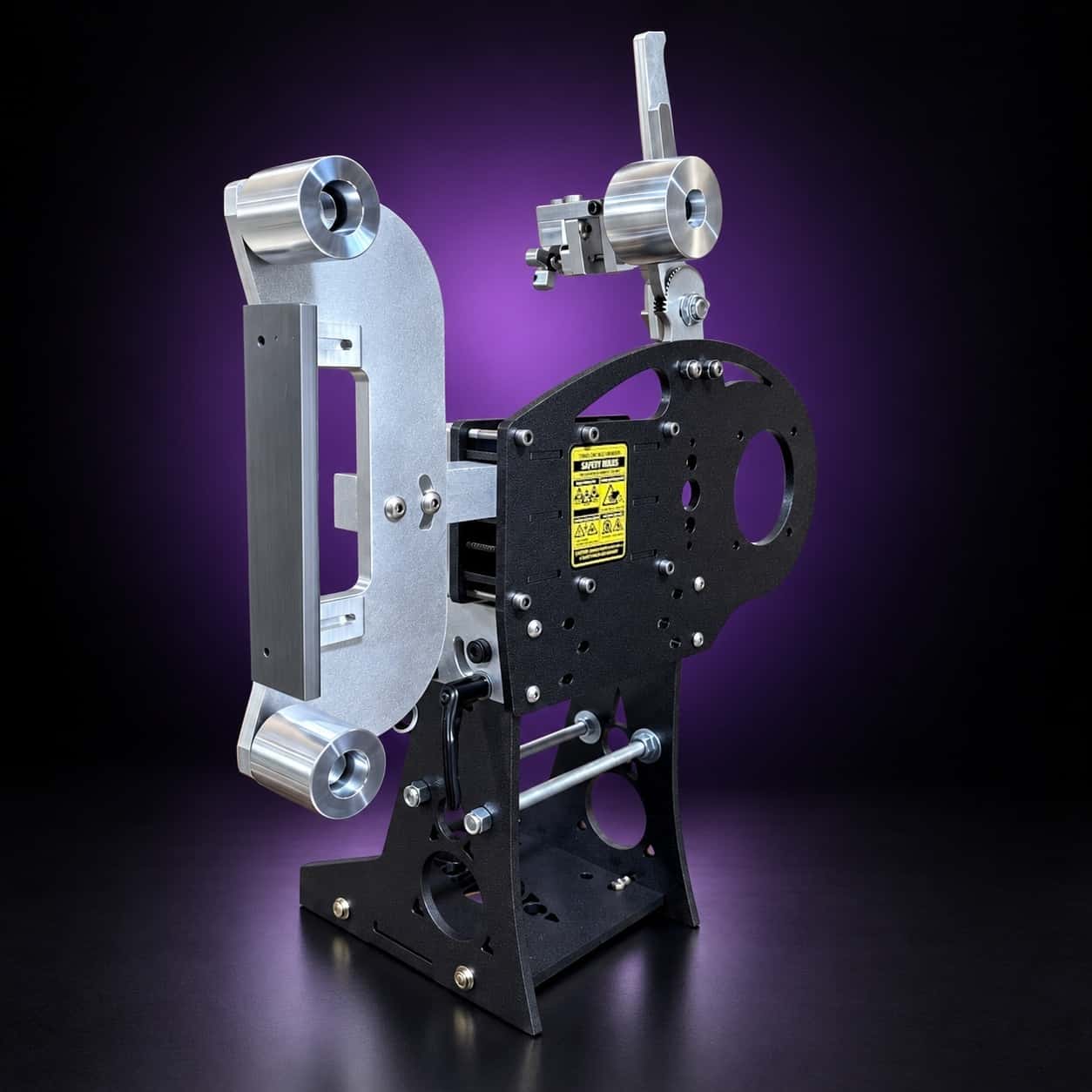
Current dual-axis platform with a steel chassis, more mass and less vibration.
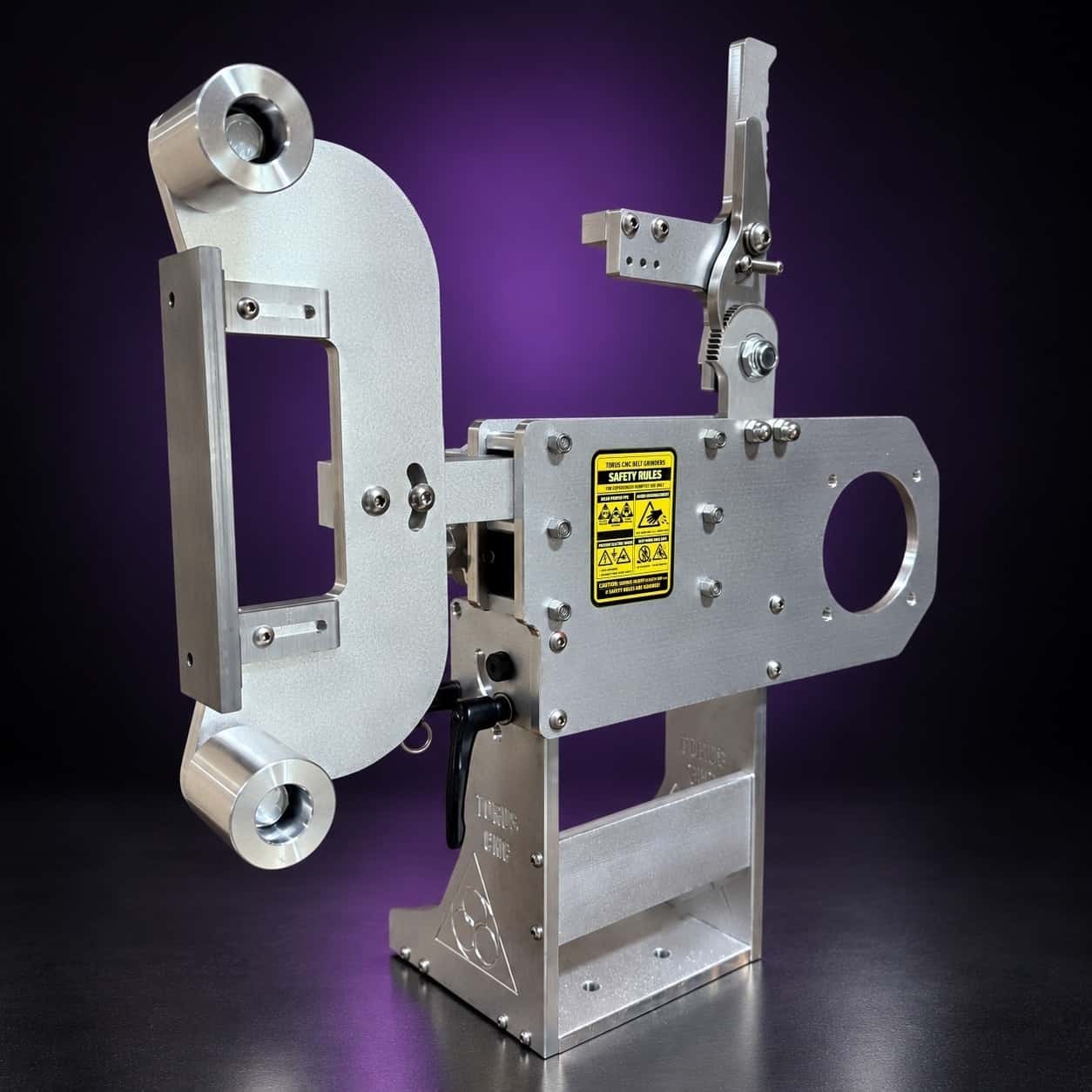
Prior-design aluminum chassis, 90-degree tilt and 1.5-inch tooling arms.
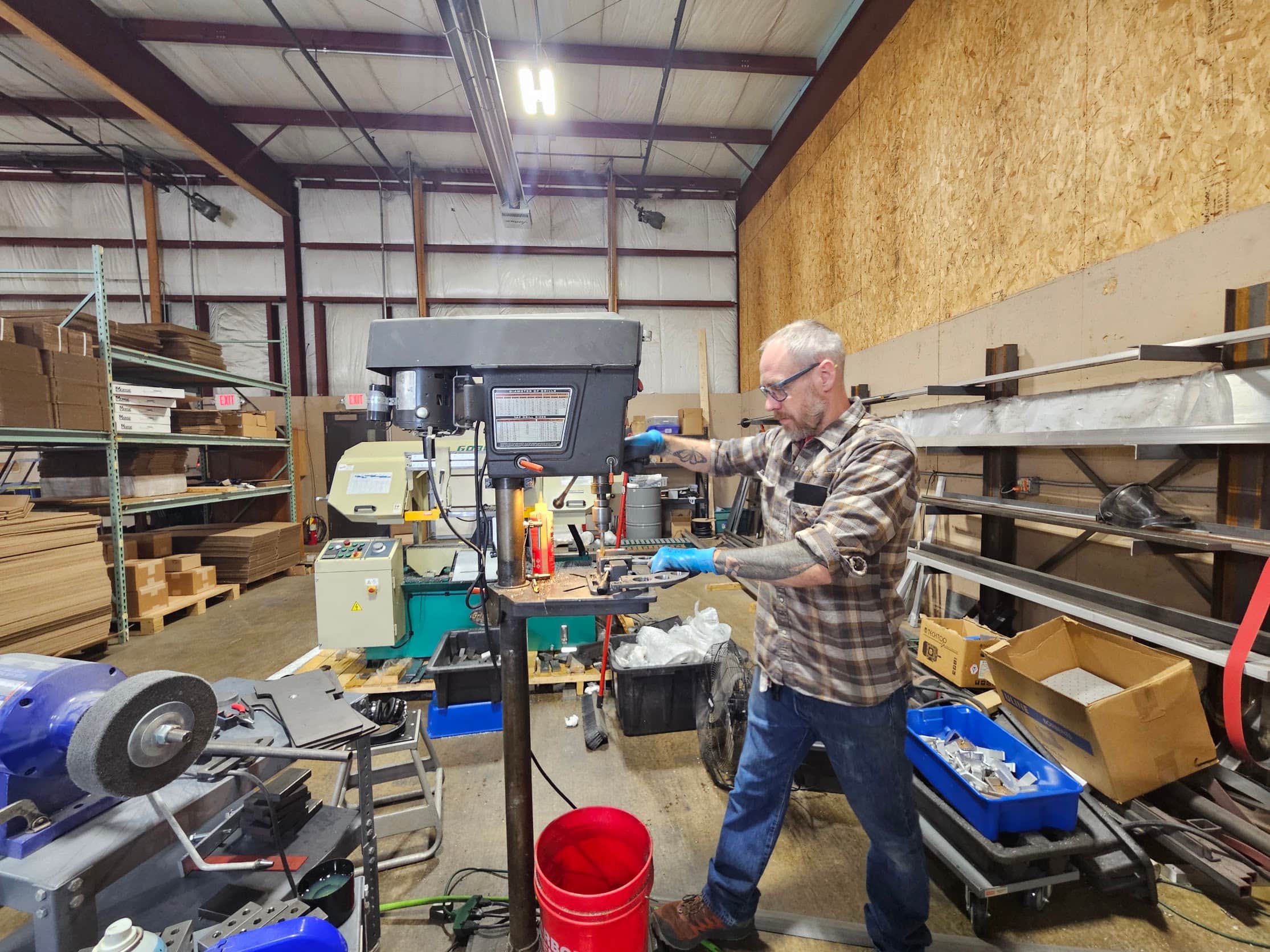
One-man shop
I answer my own email. Tell me the steel, the machine and what it is doing, and I will tell you what I would try next.