
Beginner Guides
How to Choose a 2×72 Belt Grinder: Complete Buyer’s Guide
If you’ve spent any time in knifemaking forums or subreddits, you’ve seen the question a hundred times: “what belt grinder should I buy?” The honest…
Beginner Guides
You can make real knives with files, a 1x30 or a 2x42, but the 2x72 became the standard for concrete reasons. A size-by-size comparison and a decision tree.
3 min readWritten by Rich LinvilleFree to read
Fair warning and full disclosure in one breath: we sell 2×72 grinders, so of course we’d love the answer to be yes. But the honest answer is more useful than the convenient one, so here it is: no, you don’t need a 2×72 to make knives — you need one to make knives efficiently. Here’s what each machine size actually does, where the cheap ones genuinely suffice, and where the 2×72 earns its reputation.
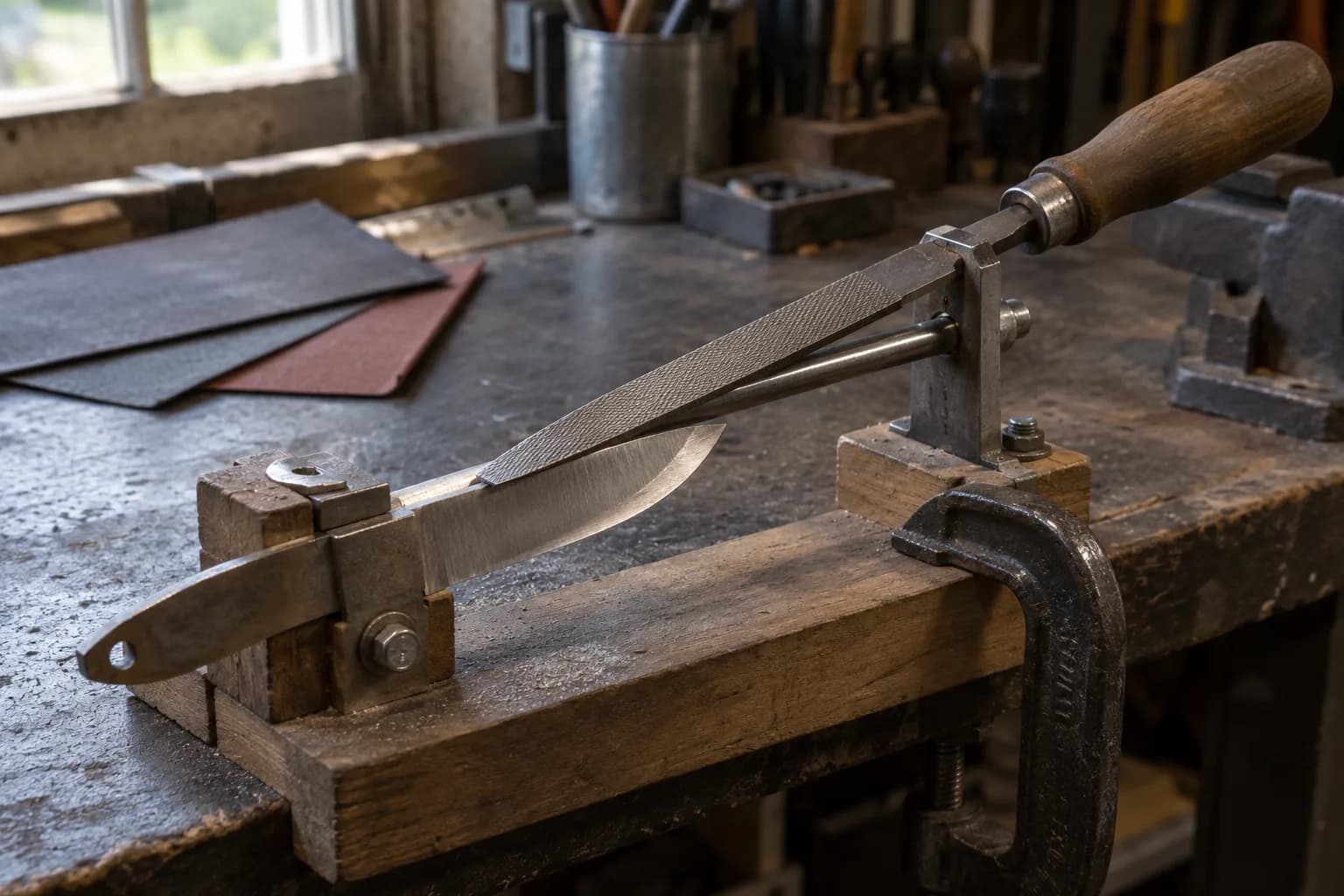
Real knives get made with files, a jig, and sandpaper — the full method is in our no-grinder guide. Slow, instructive, legitimate. Everything below is about buying back hours.
The hardware-store special, and the honest truth is thousands of first knives get made on these. It sharpens well, profiles adequately, and grinds bevels… eventually. The limits: flexy 1″ belts that round your grind lines, tiny work surface, underpowered motors that bog on hard steel, short belt life (a 30″ belt carries a third the abrasive of a 72″ and runs hotter — belt cost per knife is genuinely higher), and minimal belt selection. Verdict: a fine way to discover whether you love this craft for the price of a nice dinner. Just know you’re renting, not buying.
More belt selection than a 1×30 and a bit more real estate. Same fundamental ceiling.
Sold as a “belt sander” for woodworking: a wide flat platen, slow single speed, and belts in woodworking grits. The width that helps sand a tabletop actively hurts bevel control, and blade-appropriate belts in 4×36 barely exist. Skip it for knives.
The genuinely respectable budget tier: the right belt width for blades, decent belt availability, and some models accept upgrades (better platens, VFD conversions). A used or modified 2×42 is the best sub-$500 grinding experience. Ceiling: attachment ecosystems, rigidity, and speed control still trail the standard.
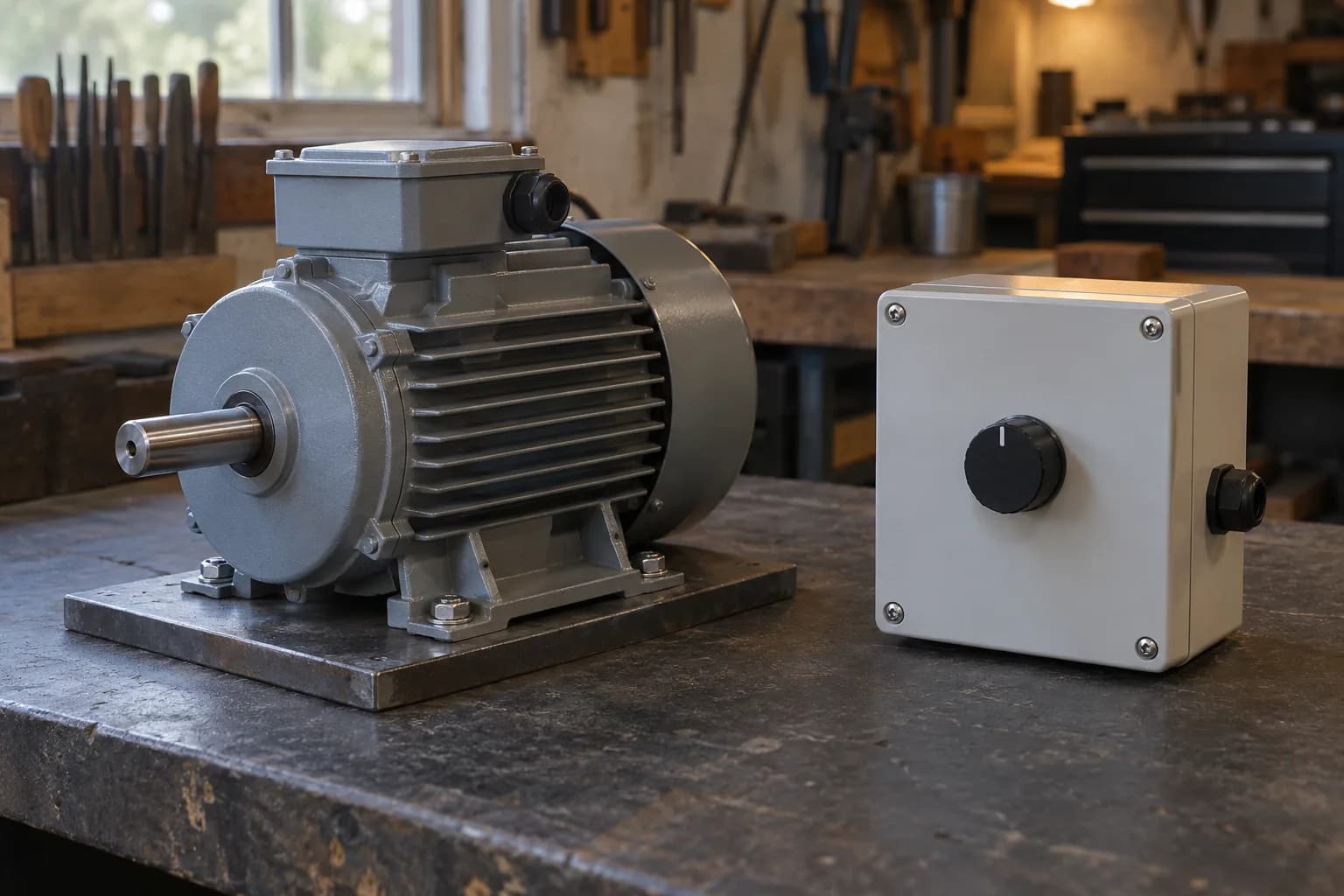
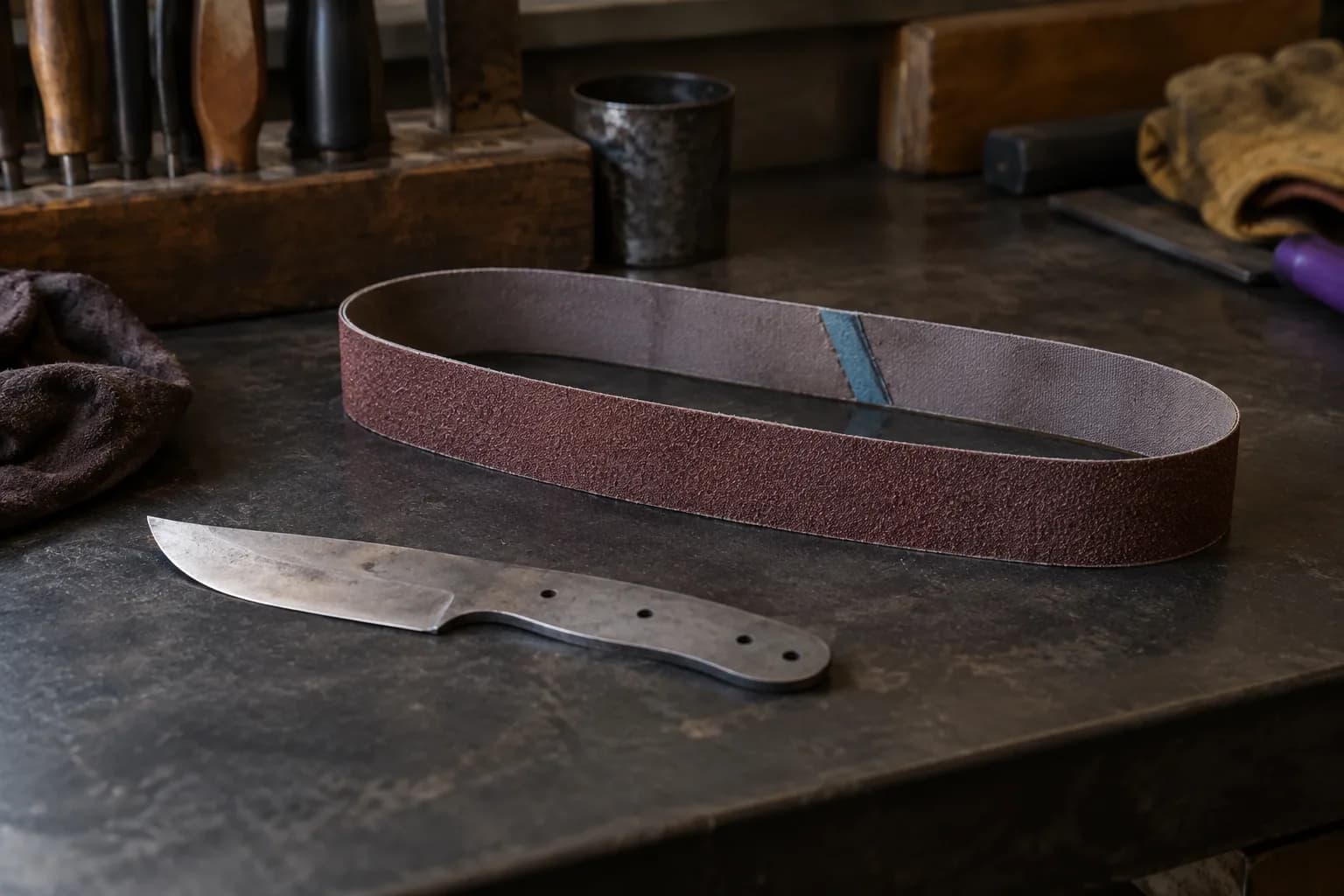
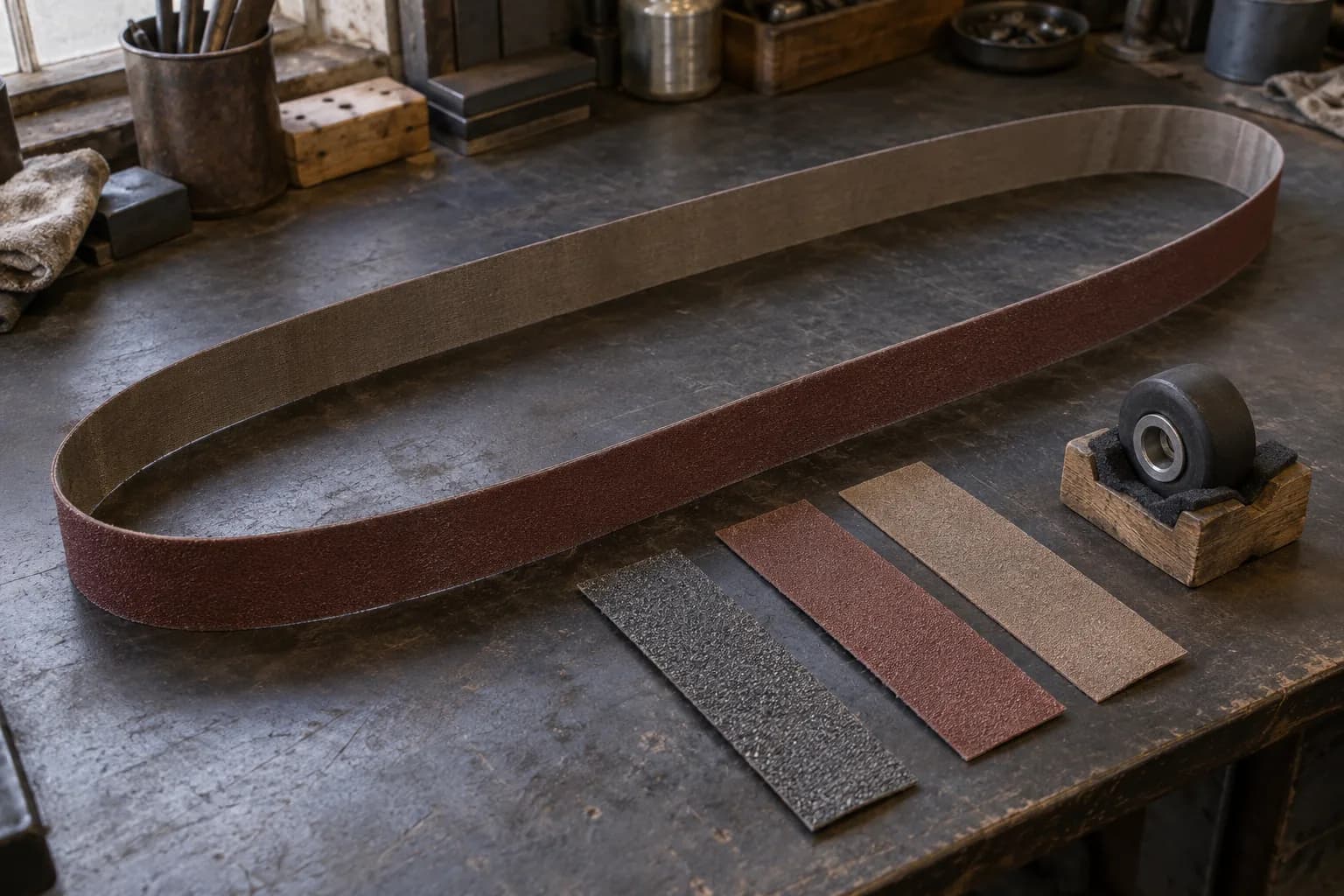
Why the entire industry converged here: belt selection (every abrasive in every grit ships in 2×72 first — see the belt guide); belt economics (72″ of abrasive runs cooler and lasts far longer per dollar); power and speed control (real motors with VFDs — slow speed is what makes belt sharpening and handle work possible); the tooling-arm ecosystem (flat platen, slack belt, contact wheels, small wheels — one machine becomes six); and rigidity (crisp plunge lines come from machines that don’t flex). It’s not that a 2×72 does anything a patient maker can’t do elsewhere — it’s that it does all of it, faster, repeatably, on one chassis.
Keep reading
Three more from the same bench.
If you’ve spent any time in knifemaking forums or subreddits, you’ve seen the question a hundred times: “what belt grinder should I buy?” The honest…
Full disclosure, before anything else: this is Torus CNC’s site — we build three of the grinders compared below. Here’s how we’ve kept this honest: every…
No belt grinder? You can still make a real knife — a genuinely good one. Stock removal knifemaking predates power tools by centuries, and the hand-tool…
Same bench
I machine the parts, hand-assemble, track and test Torus grinders in Sterling, Illinois. Most orders ship in seven to ten business days from time of order.
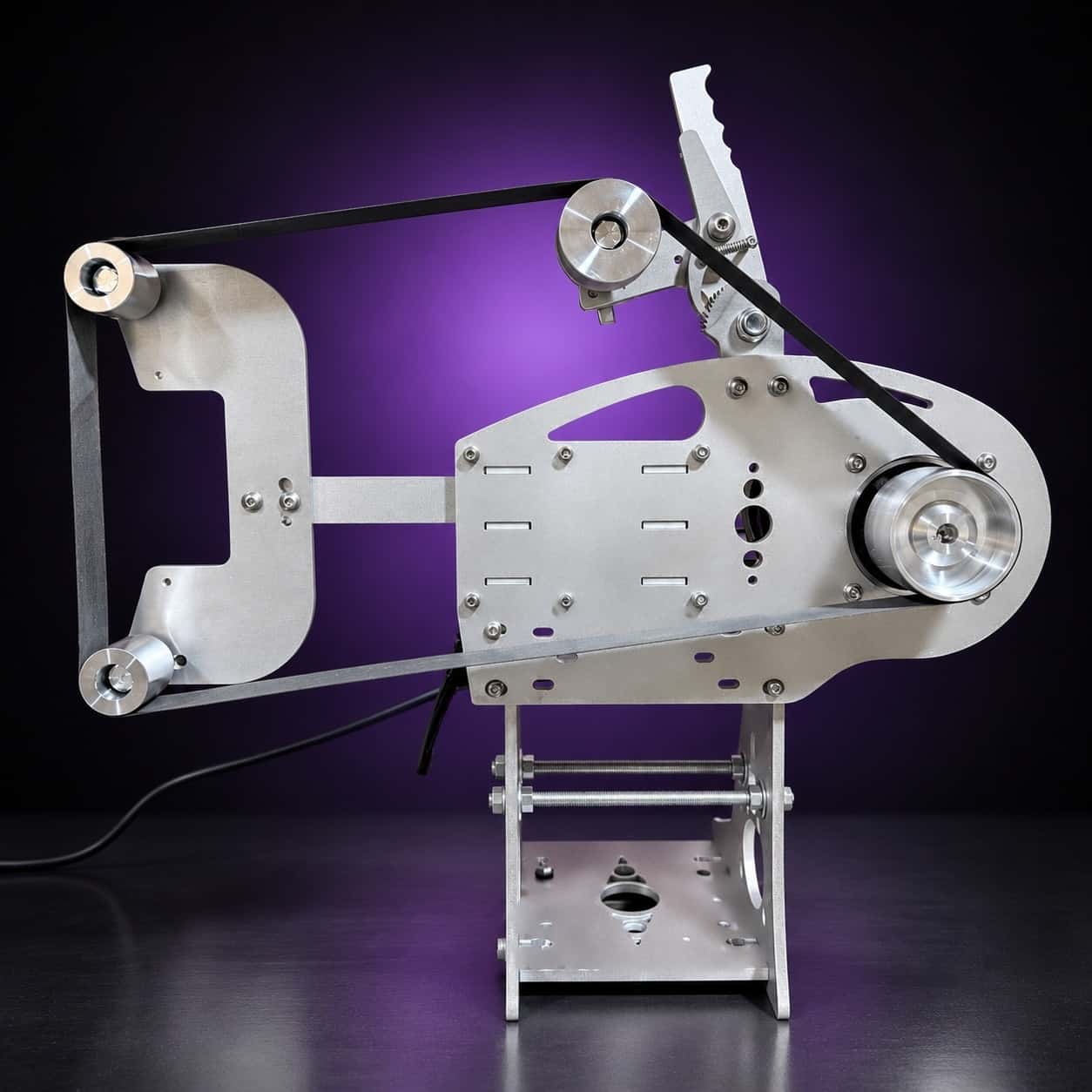
Current dual-axis platform with a fiber-laser-cut 6061 chassis and single-knob tracking.
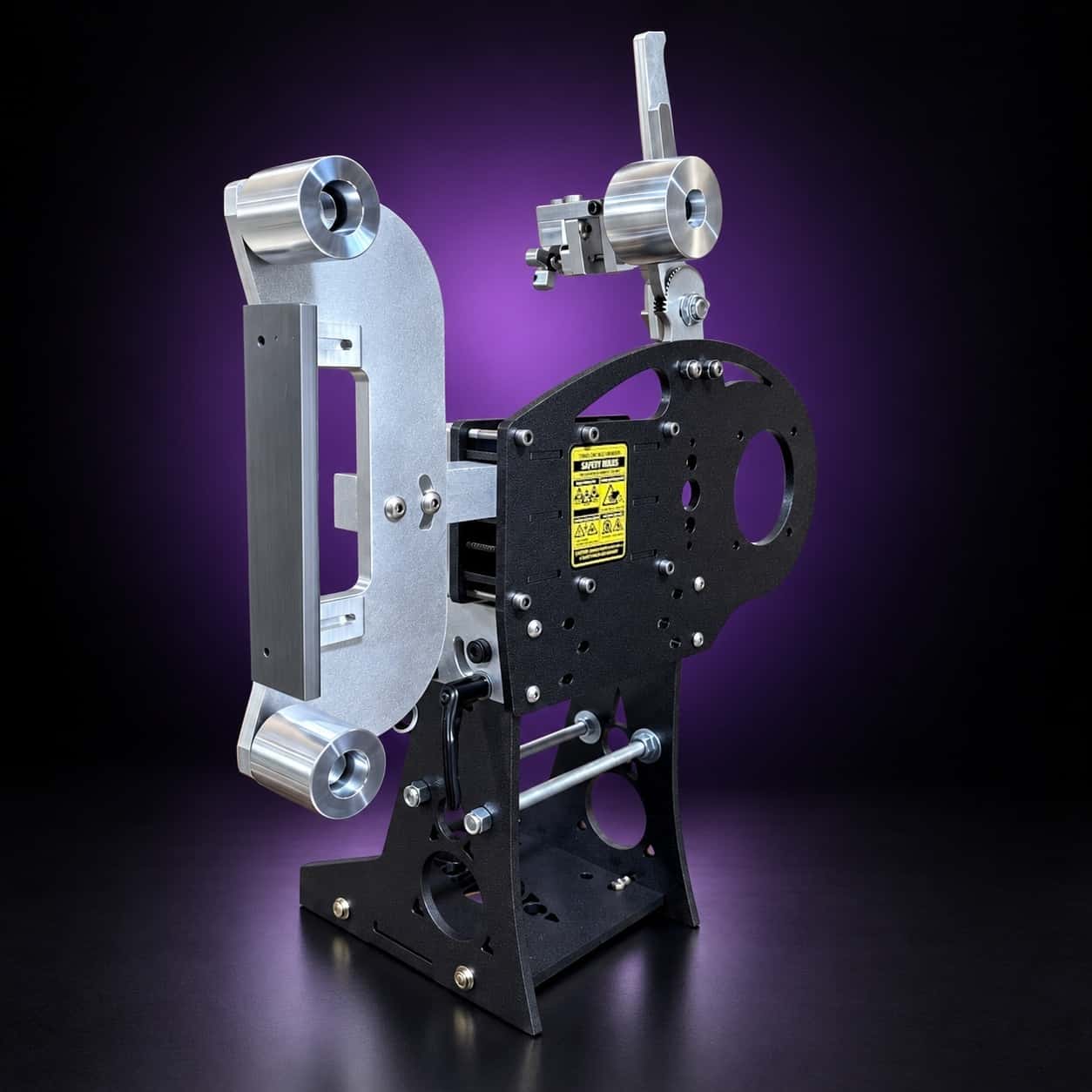
Current dual-axis platform with a steel chassis, more mass and less vibration.
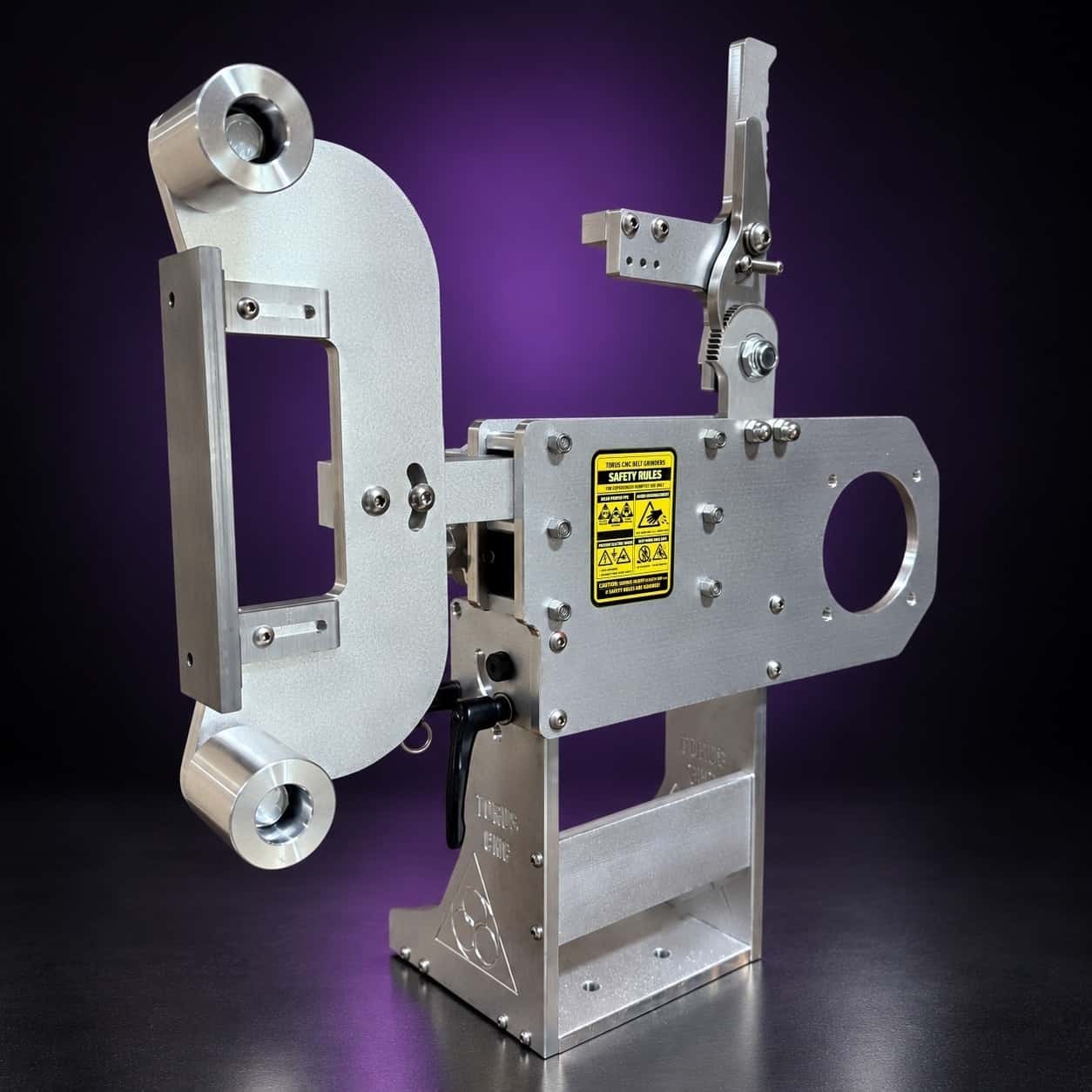
Prior-design aluminum chassis, 90-degree tilt and 1.5-inch tooling arms.
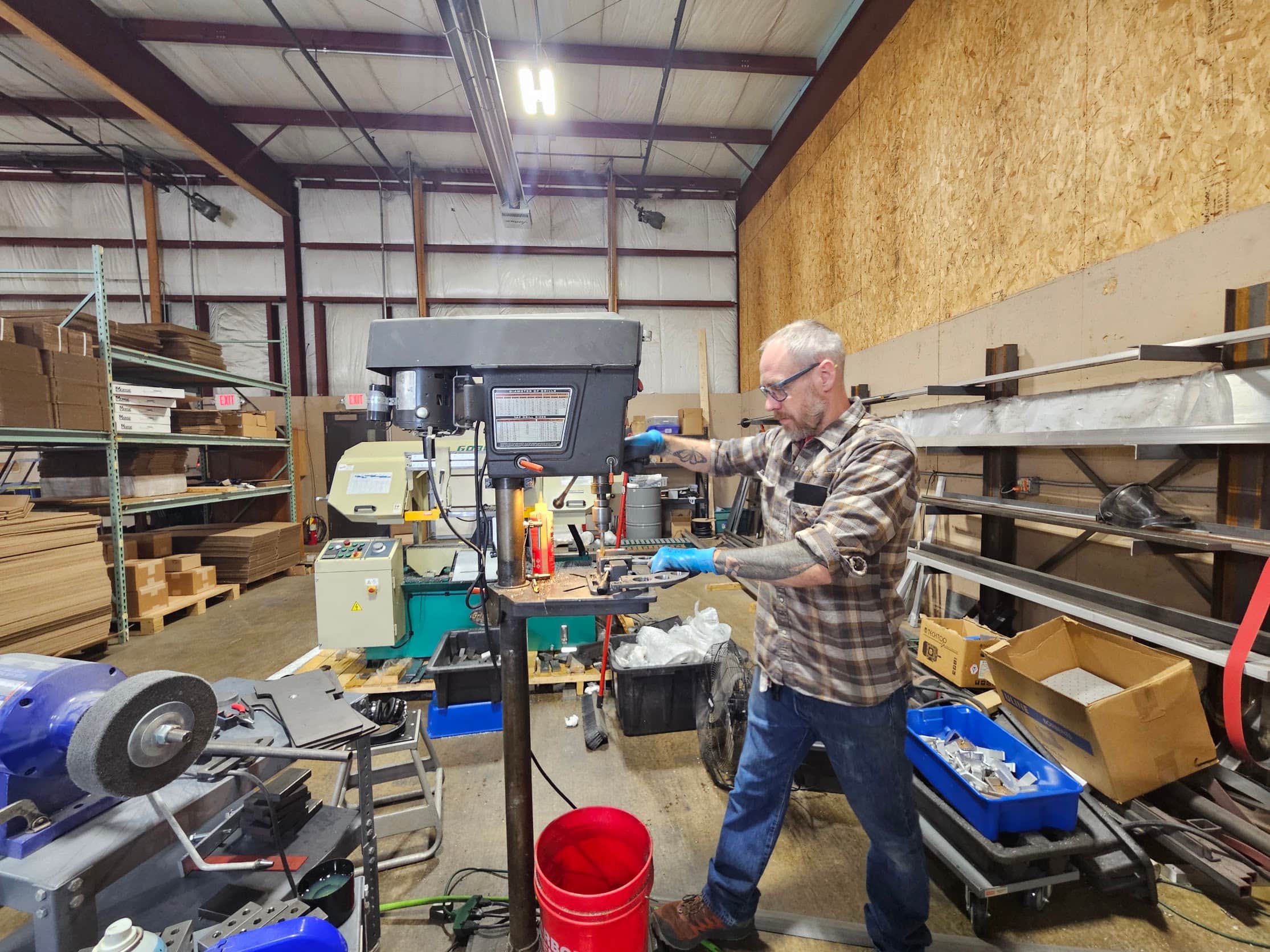
One-man shop
I answer my own email. Tell me the steel, the machine and what it is doing, and I will tell you what I would try next.