
Beginner Guides
Essential First Tools & Equipment for Knifemaking
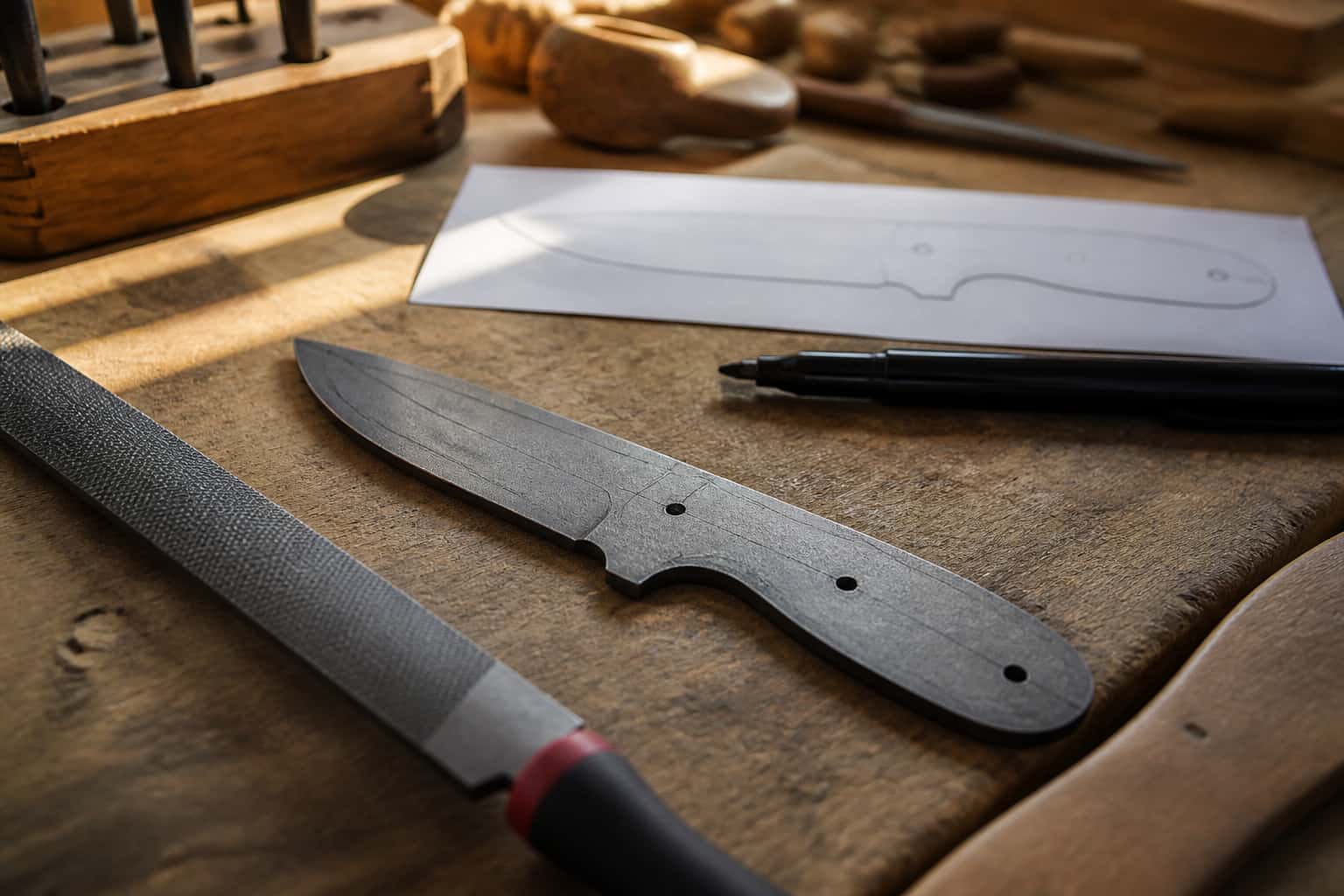
It’s easy to look at a fully outfitted professional shop and assume you need all of it to make your first knife. You don’t. Here’s what actually matters…
Abrasives
Low-cost dust control for belt grinding: a water bucket under the grinder, a shop vac with a water trap, a box fan with a furnace filter, and airflow basics.
3 min readWritten by Rich LinvilleFree to read
Grinding dust is a genuine long-term health concern, not just a mess, and it’s also one of the most-discussed practical problems in maker communities, with a lot of cheap, effective solutions that don’t require a commercial dust collection system. Here’s what grinding dust actually is and what real makers actually do about it.
Sparks flying downward off the belt are the most visible but land close to the machine. Sparks pulled around with the belt and thrown against the machine’s apron are a second stream, more contained but still airborne briefly. The real long-term concern is the very fine dust that stays airborne for hours and slowly settles across the entire room, this is the fraction small enough to be inhaled deep into the lungs, and it’s invisible compared to the dramatic spark stream most people focus on.
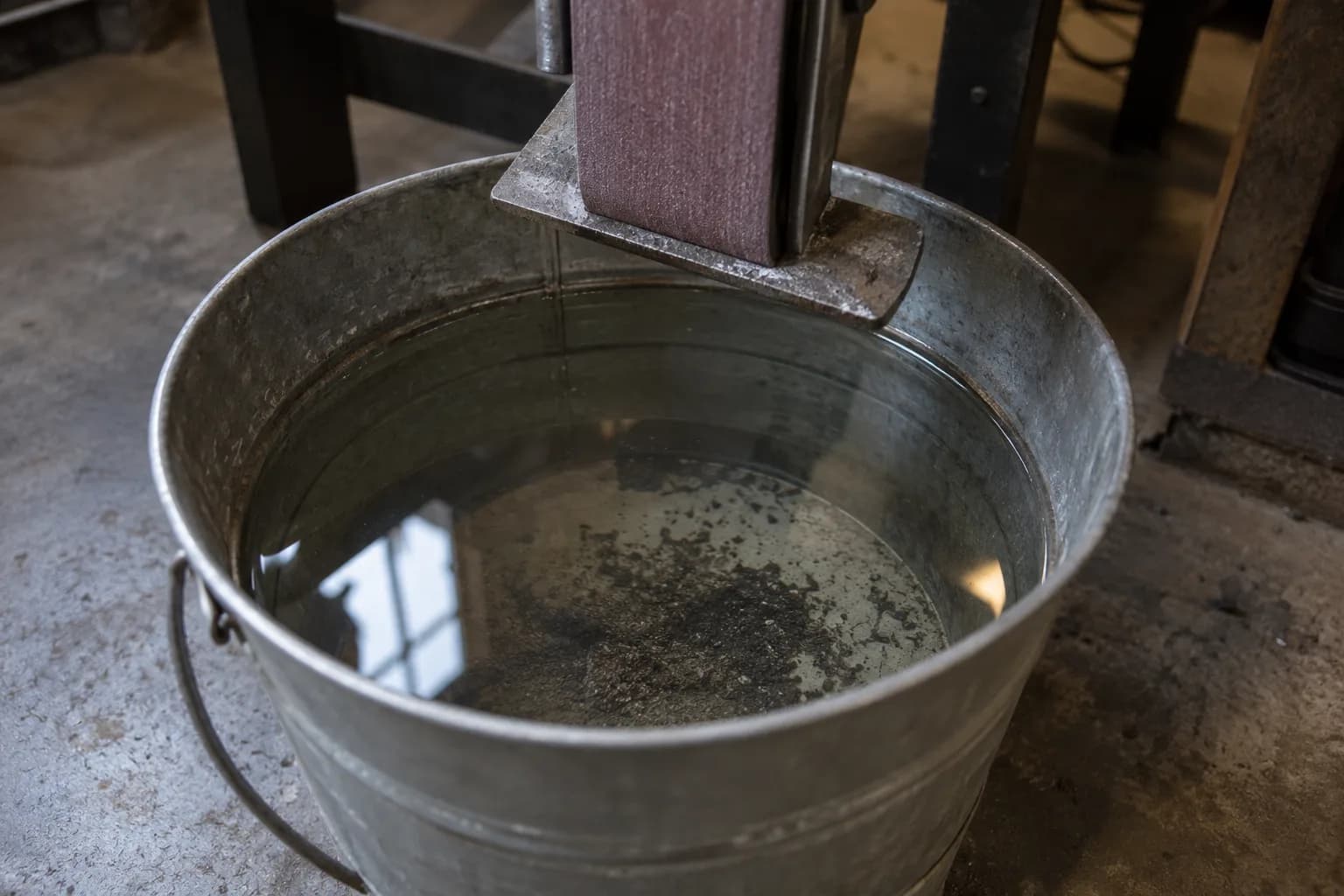
One of the most commonly recommended low-cost setups in maker communities: a 5-gallon bucket with a few inches of water positioned directly under the grinder’s platen or lower wheel, catching falling sparks and coarse debris before it spreads across the floor. Adding a drop of dish soap to the water breaks the surface tension, which noticeably improves how well the water actually captures and holds fine dust instead of letting it float back out. This doesn’t address the fine airborne dust on its own, but it meaningfully cuts down on the coarse debris and mess at the source.
A step up from a passive bucket: a shop vac connected to a sealed 5-gallon bucket lid, with the inlet hose running down near the bottom of the bucket, which holds an inch or two of water. Dust and debris get pulled into the water and trapped there instead of loading up the vacuum’s filter, extending filter life significantly while giving genuine active suction right at the source. This is a well-documented, popular DIY approach in maker forums specifically because it’s cheap to build from parts many makers already have.
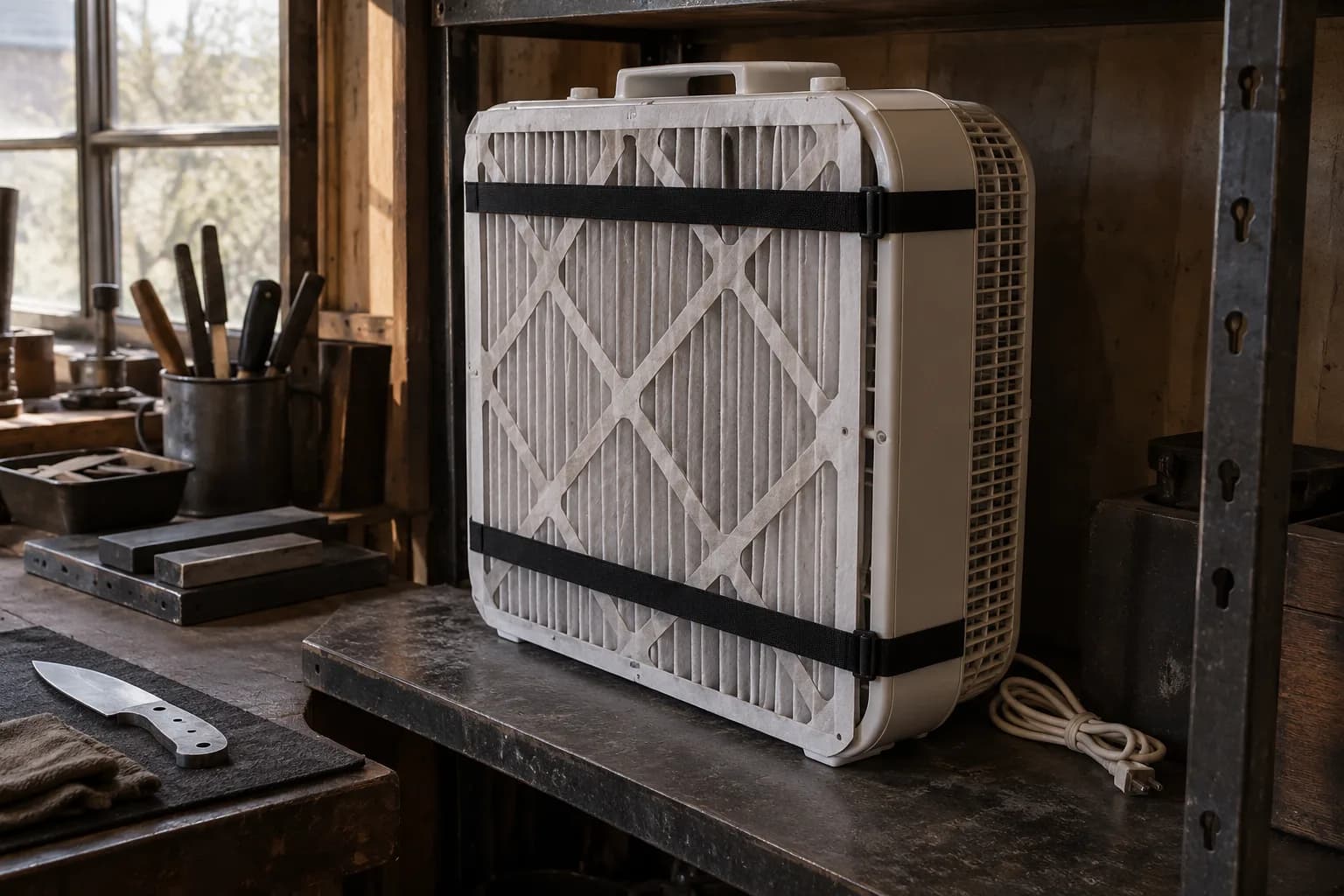
A basic box fan with a standard furnace filter (commonly 20″x20″) mounted over the intake side, positioned to pull air (and the fine airborne dust in it) through the filter, is a genuinely effective, very low-cost way to handle the fine dust that settles across a room rather than the coarse debris right at the grinder. Multiple makers running several of these around a shop report meaningfully cleaner air for very little money compared to a commercial ambient air filtration unit.
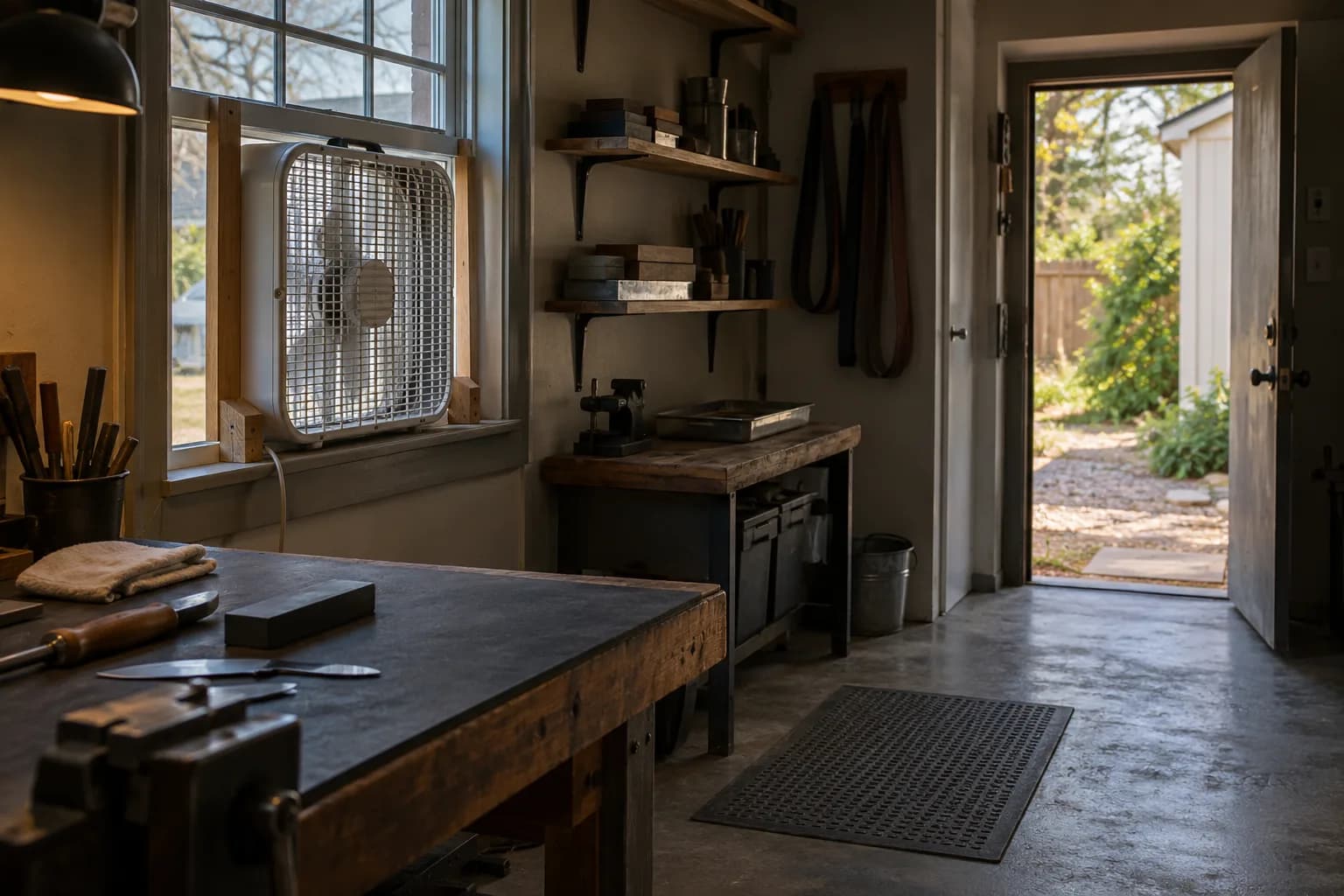
Real airflow, an open garage door, a window with a fan actively pulling air out of the shop, matters as much as any filtration setup, filtration cleans air that’s already in the room, ventilation actually removes it. A shop with no real air exchange will accumulate fine dust over time even with a good filter running, since the filter is only processing the air that happens to pass through it.
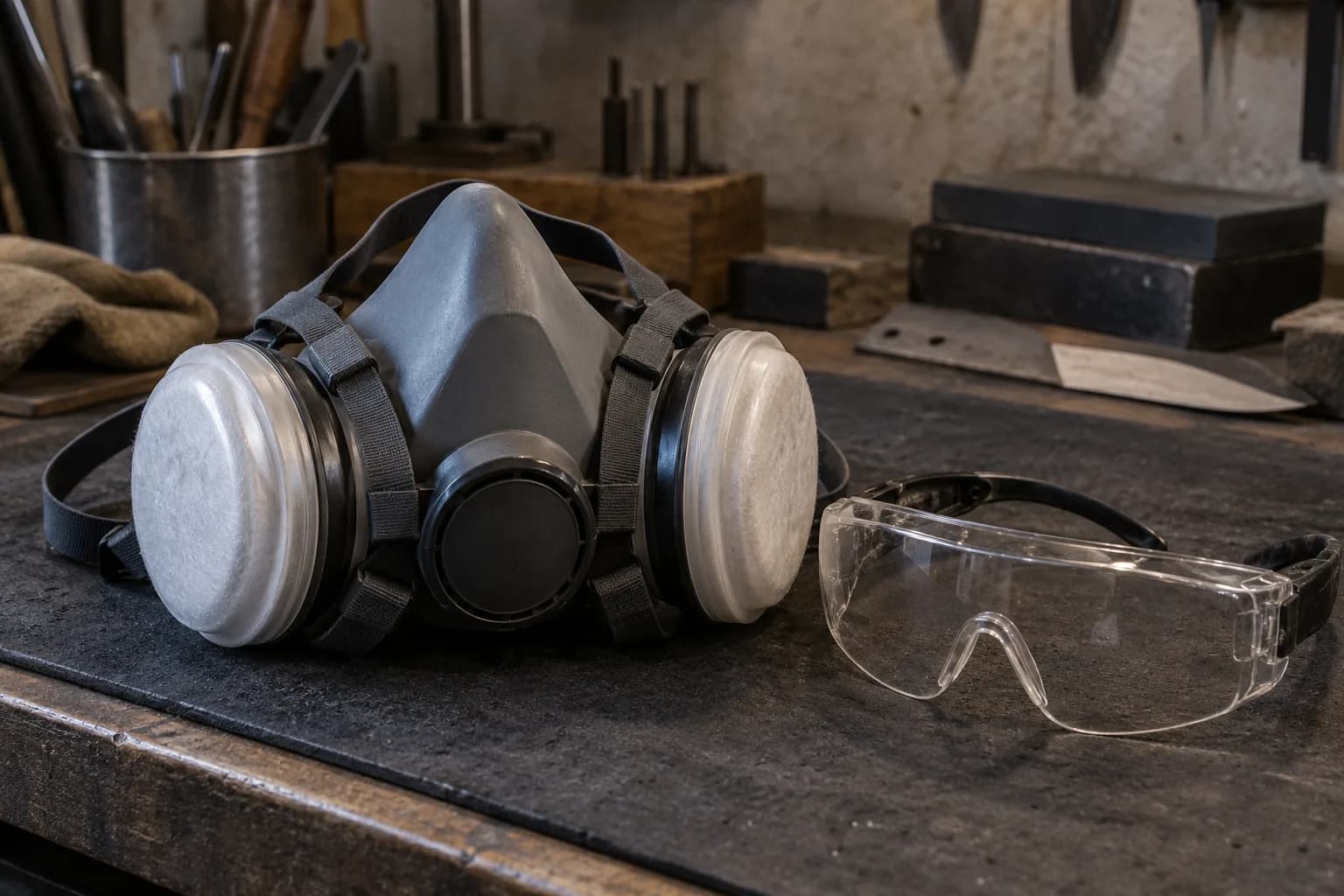
None of the setups above replace wearing a proper respirator (not a paper dust mask) rated for fine particulates while actually grinding, see Essential First Tools & Equipment for what to look for. Dust control setups reduce how much dust accumulates in the room over time; a respirator protects you from what’s directly in the air right at the source while you’re actively working.
No. A bucket of water under the grinder combined with a respirator covers the basics at very low cost, and a box-fan-and-filter setup handles the ambient fine dust for not much more. Commercial dust collection systems are a real upgrade once shop time and dust volume justify the cost, not a requirement to grind safely from day one.
For catching coarse sparks and debris right at the source, yes, it’s a widely used, genuinely effective low-cost method in the maker community. It doesn’t replace a respirator or room ventilation for the fine airborne dust fraction, those remain necessary regardless of what’s happening at the grinder itself.
Check it regularly and replace it once it’s visibly loaded, a clogged filter moves less air and becomes less effective, grinding shops generate dust fast enough that these filters often need replacing more often than typical home HVAC use would suggest.
Keep reading
Three more from the same bench.
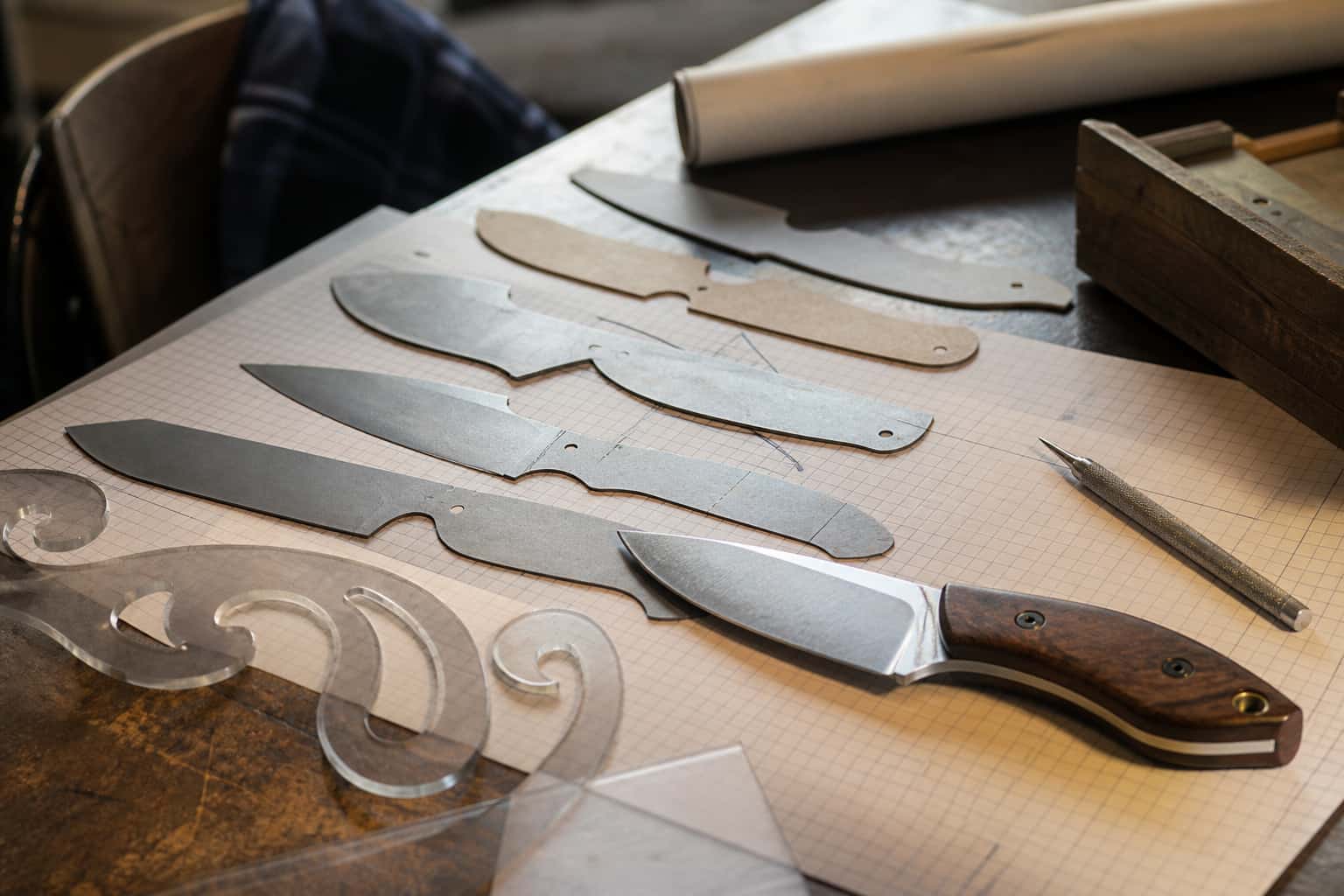
It’s easy to look at a fully outfitted professional shop and assume you need all of it to make your first knife. You don’t. Here’s what actually matters…
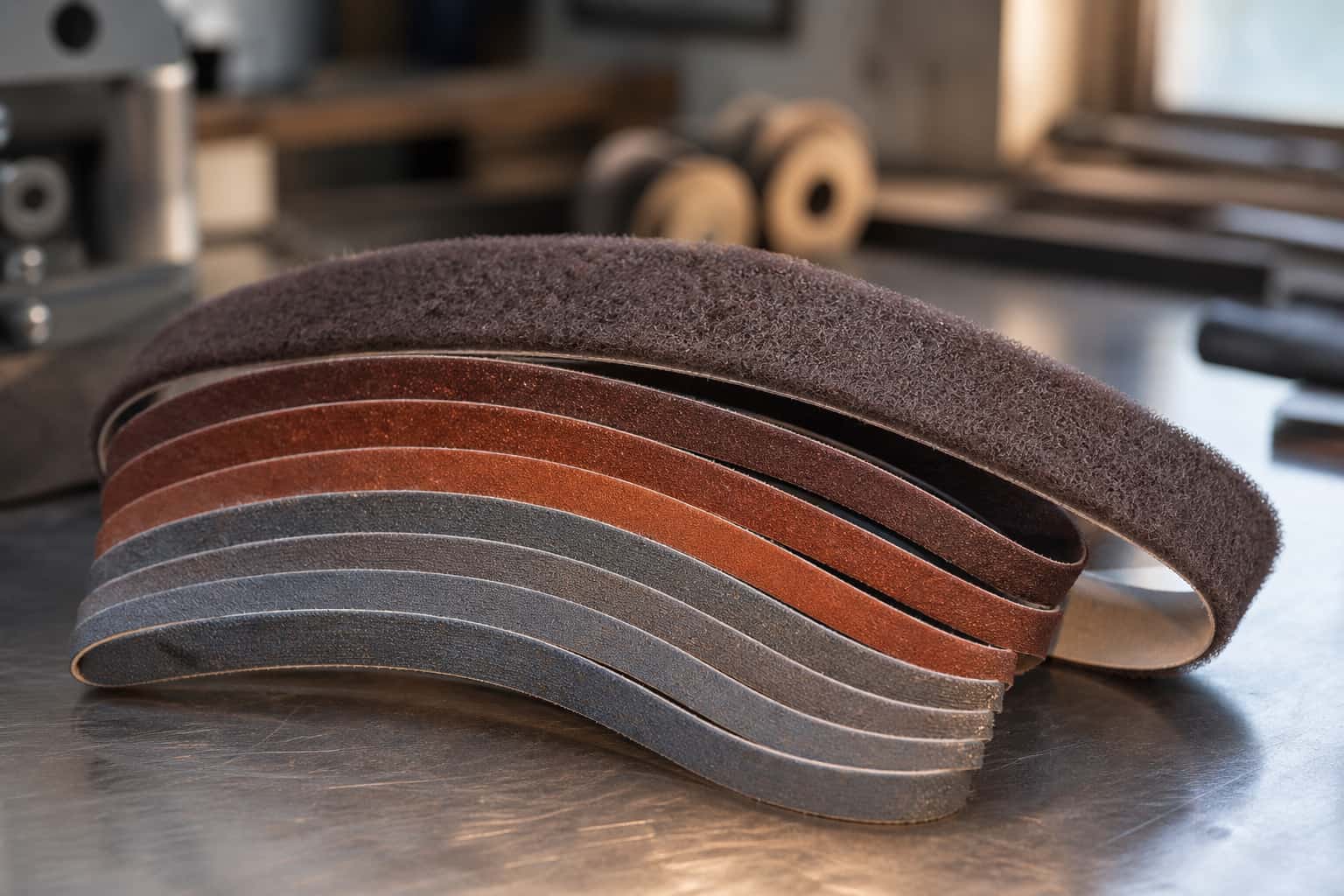
Belts are the single biggest recurring cost in this hobby, and buying the wrong ones wastes money twice: once on belts that wear out fast, and again on…
Every Torus ships as a complete assembled chassis with the motor sold separately — which hands you the one decision that shapes the machine’s personality…
Same bench
I machine the parts, hand-assemble, track and test Torus grinders in Sterling, Illinois. Most orders ship in seven to ten business days from time of order.
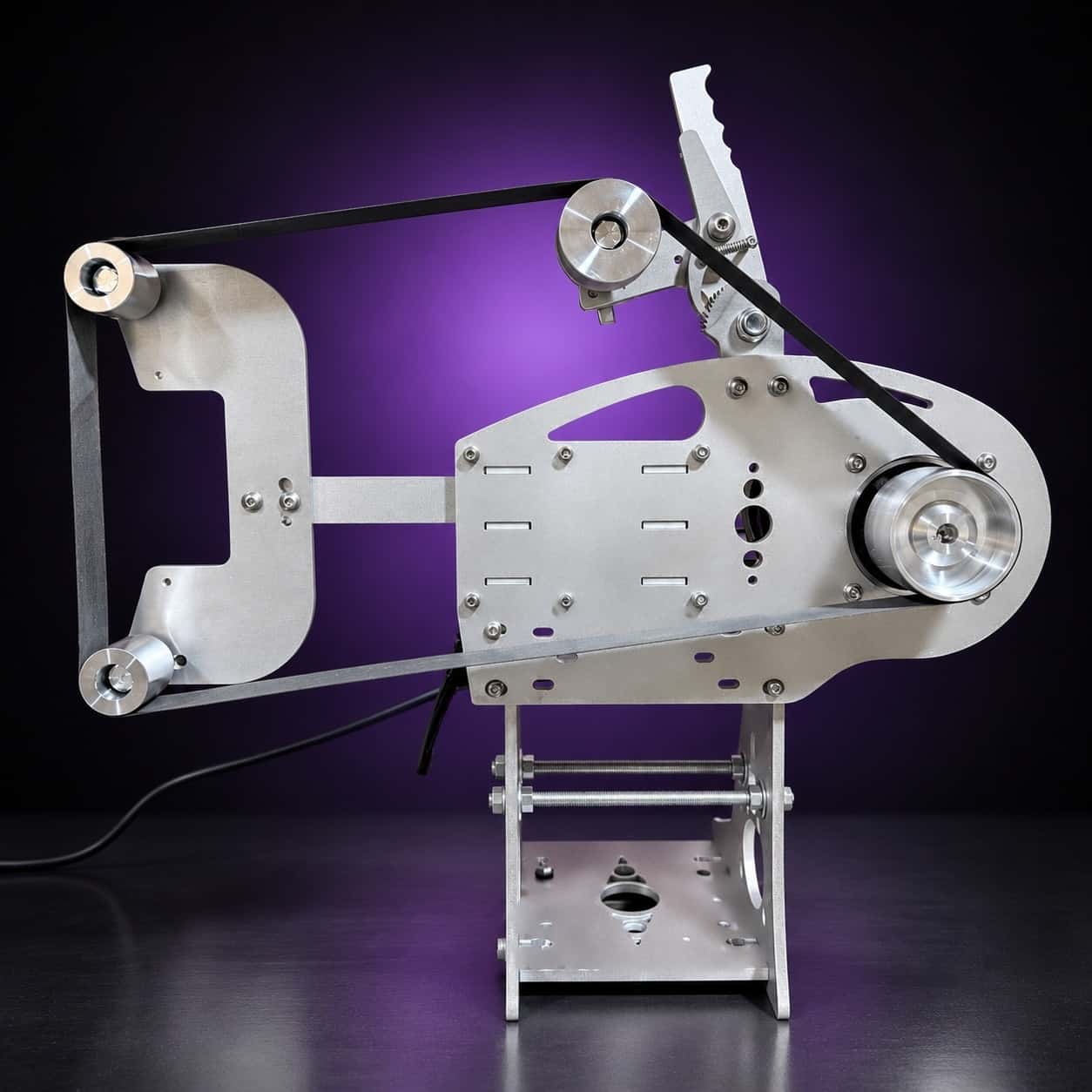
Current dual-axis platform with a fiber-laser-cut 6061 chassis and single-knob tracking.
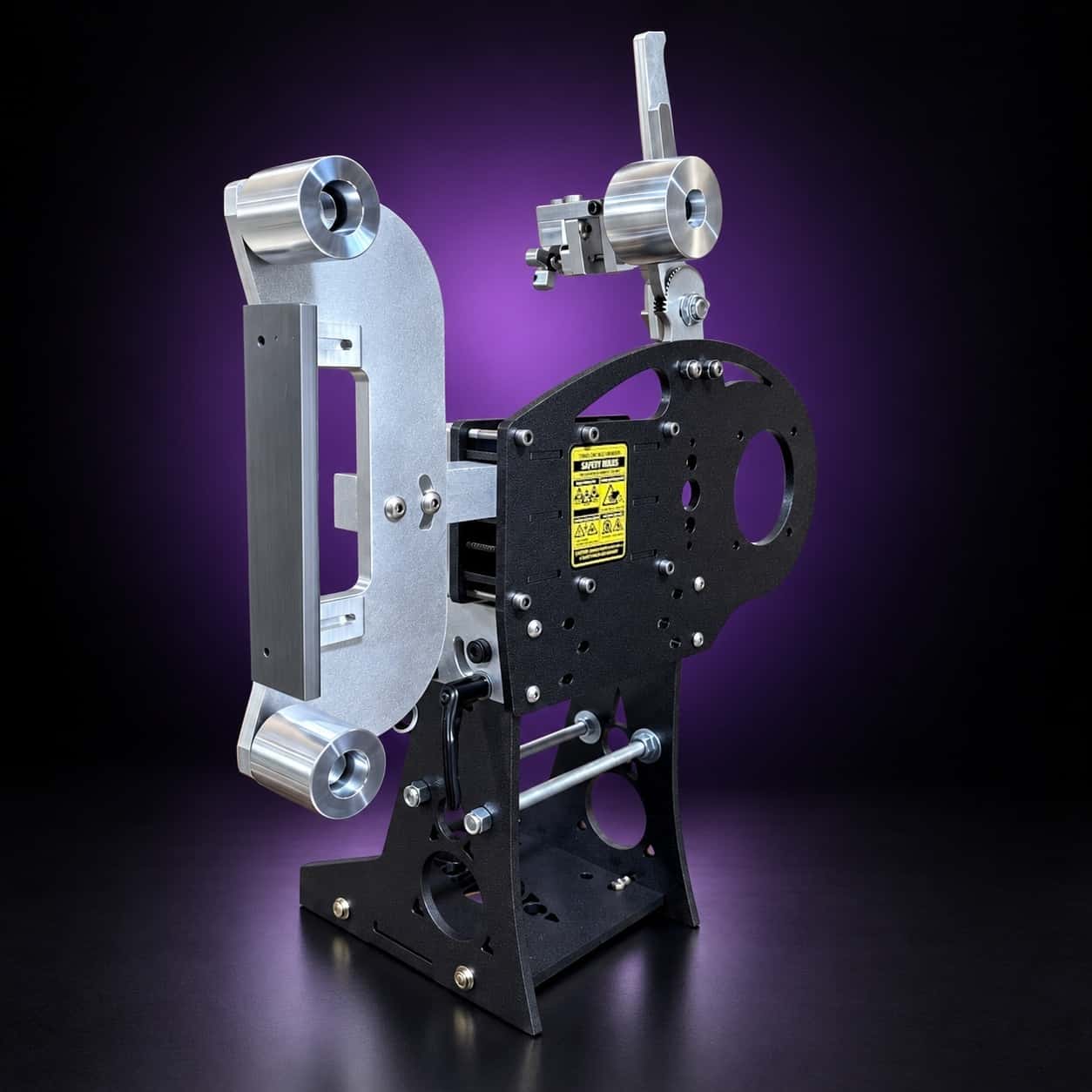
Current dual-axis platform with a steel chassis, more mass and less vibration.
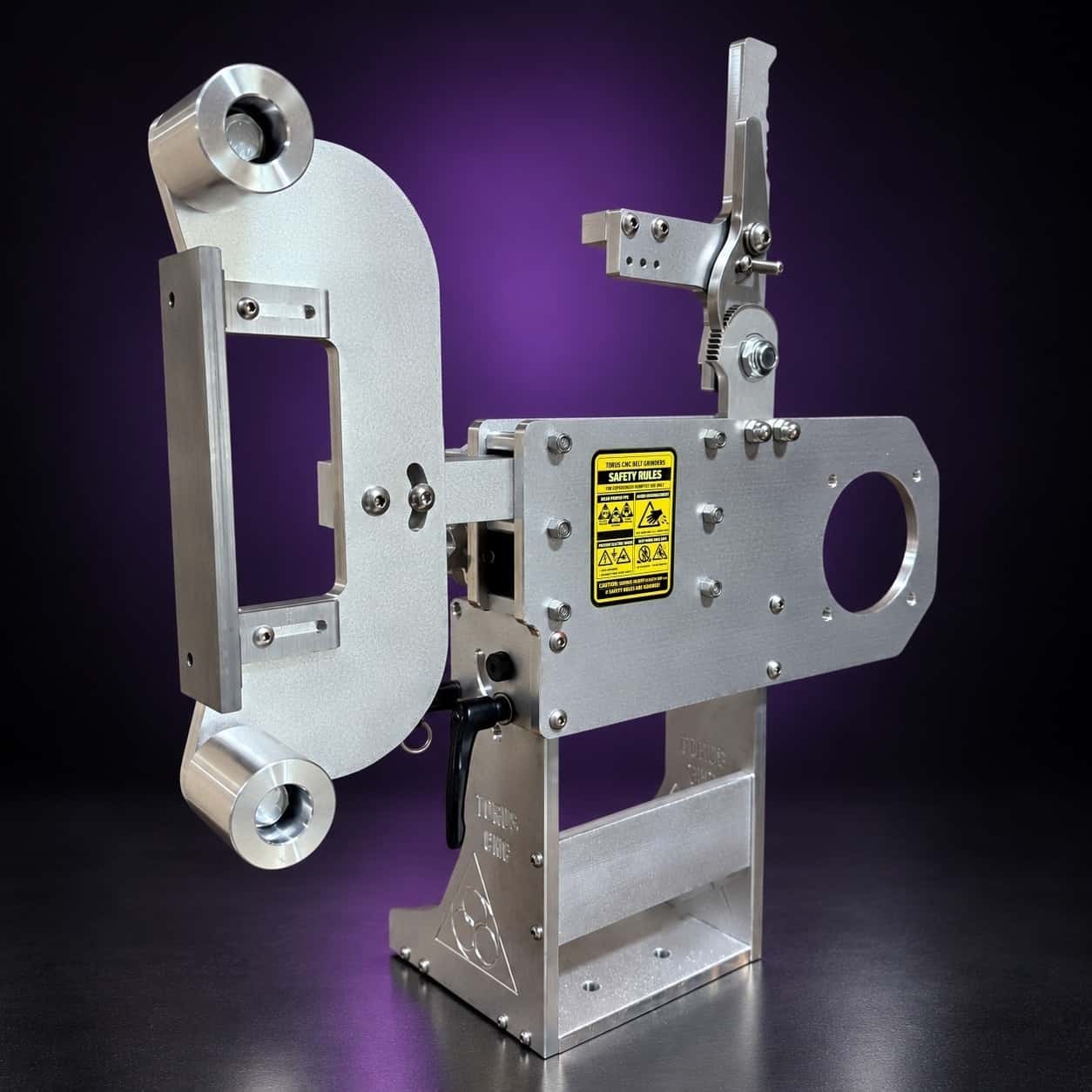
Prior-design aluminum chassis, 90-degree tilt and 1.5-inch tooling arms.
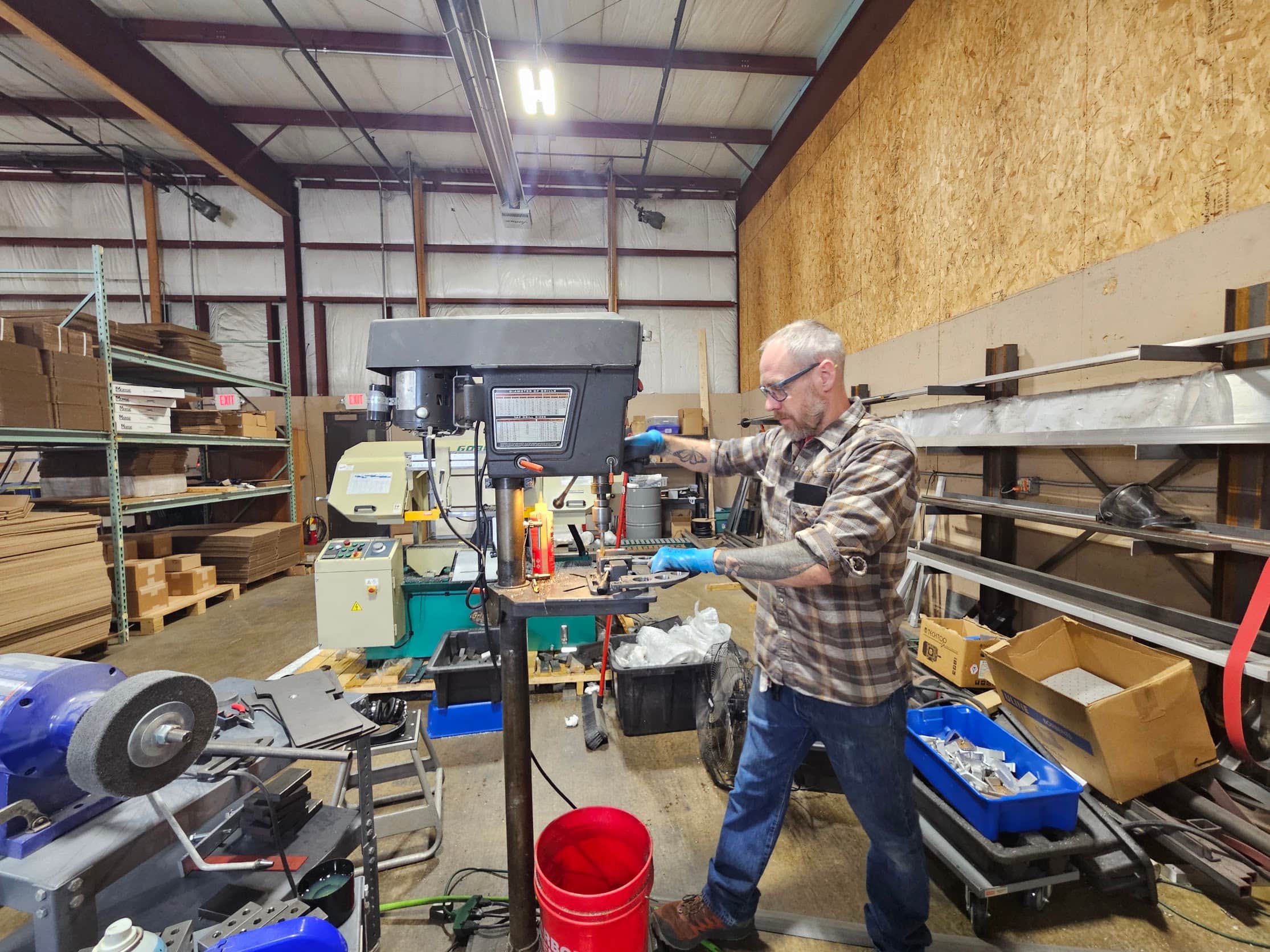
One-man shop
I answer my own email. Tell me the steel, the machine and what it is doing, and I will tell you what I would try next.