
Heat Treat
Heat Treating Knife Steel: Complete Guide
Heat treating is what turns a piece of flat bar stock into a functional knife blade. Done correctly, it transforms the steel’s internal crystal structure…
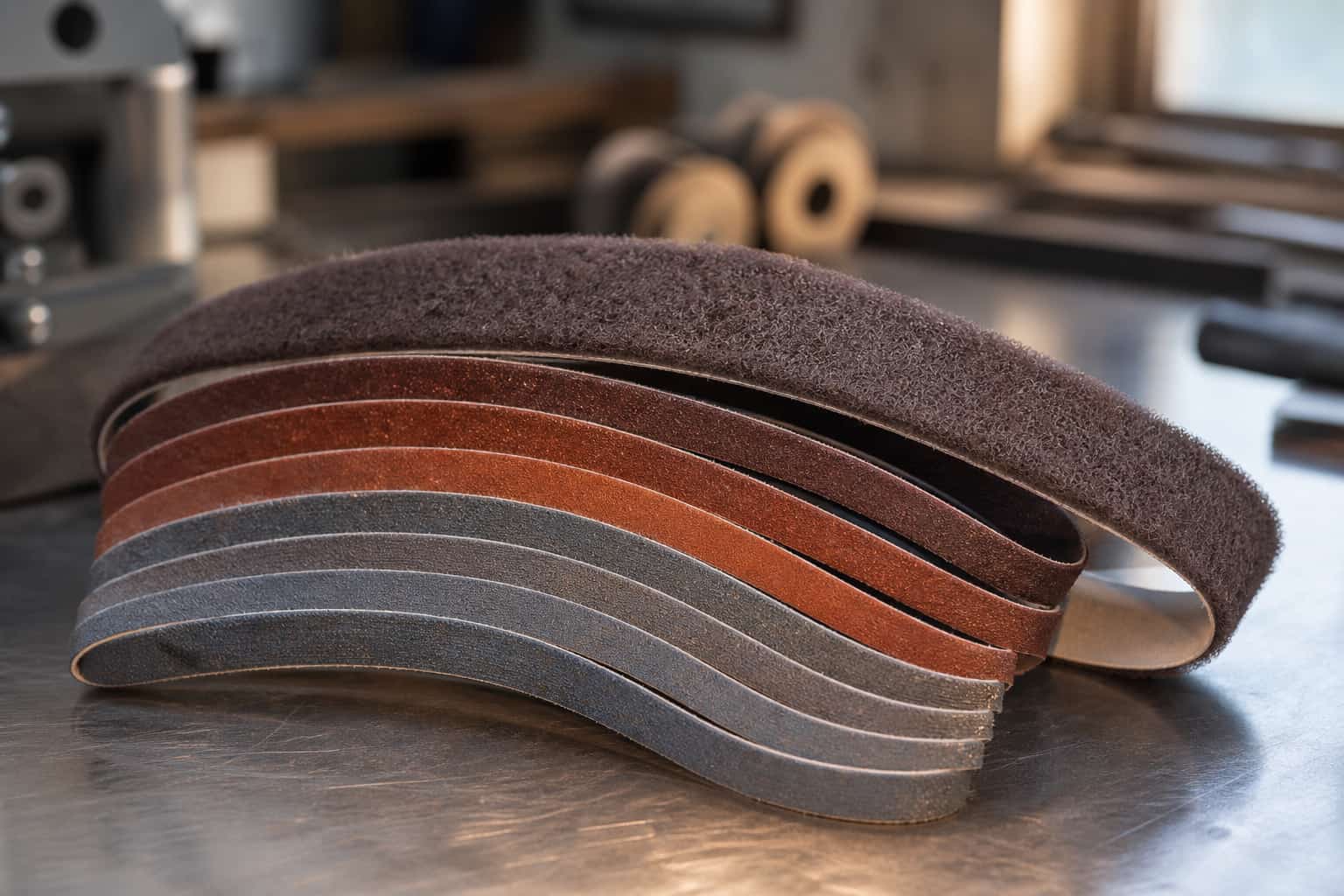
Abrasives
Belt recommendations, grit progression, and warping/heat tips for grinding AEB-L kitchen knives on a 2x72 grinder. Free guide from Torus CNC's ForgeBrain.
1 min readWritten by Rich LinvilleFree to read
AEB-L has the opposite reputation of high-carbide steels like MagnaCut or CPM 20CV: instead of loading and dulling belts quickly, its simple, fine-grained chemistry makes it one of the easiest stainless steels to grind. The real challenges with AEB-L are heat management and warping, especially on the thin stock common in kitchen knives.
AEB-L does not demand premium ceramic belts the way high-carbide steels do. Standard ceramic or zirconia belts in the 36-60 grit range cut cleanly and hold up well, making this one of the more budget-friendly steels to grind in terms of belt consumption.
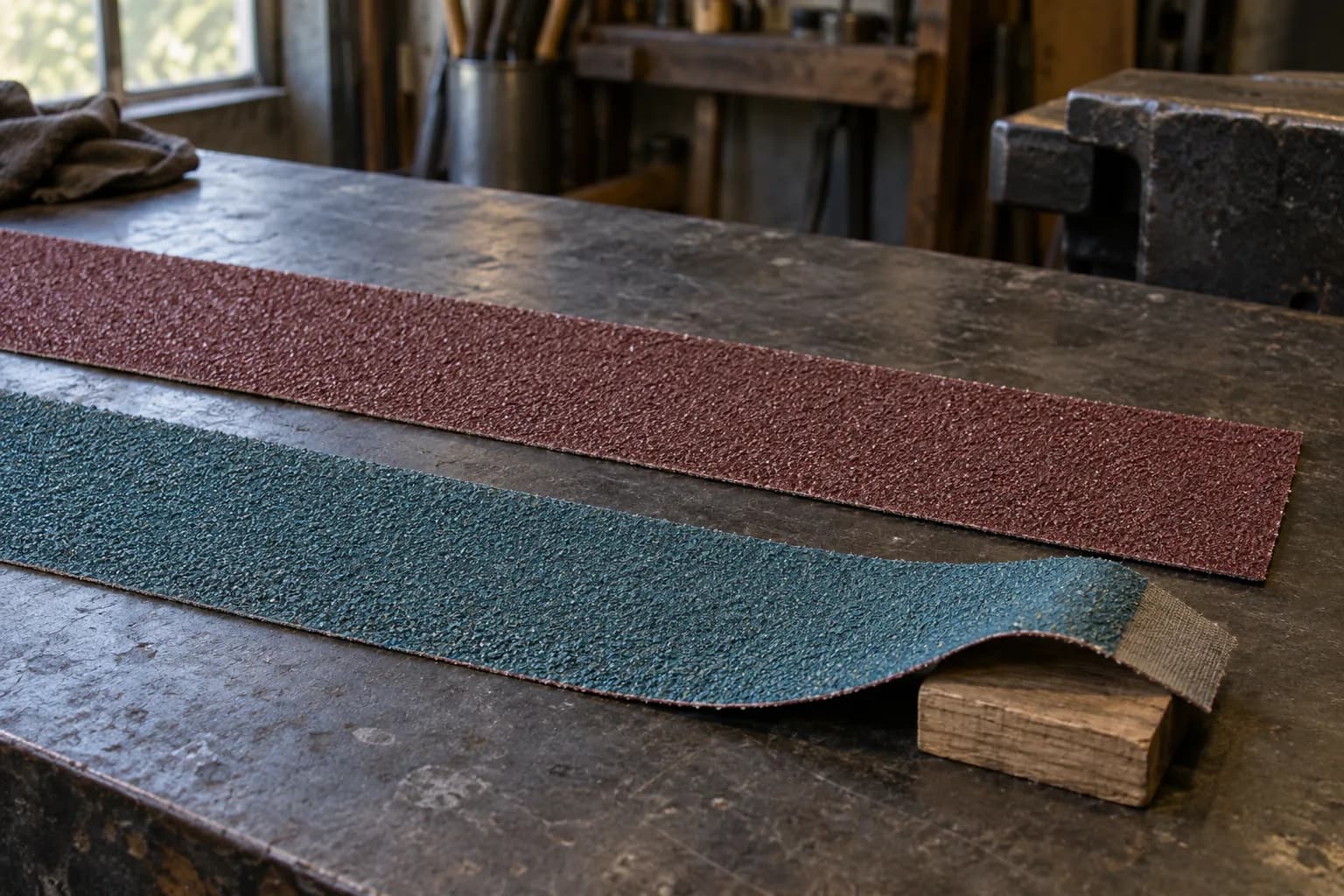
The right approach depends heavily on stock thickness:
Standard stock (1/8 inch and thicker): Profiling before heat treat is generally fine. After heat treat, a common finishing progression is 50 grit, then 120 grit, then Trizact A65 followed by A45, finishing with hand sanding for a polished result.
Thin kitchen-knife stock (around 0.06 inch or thinner): Grind this fully after heat treat, not before. Start with 36-40 grit, which cuts cooler and holds up well on thin cross-sections, then move to 60 grit to remove the scratch pattern before hand sanding.
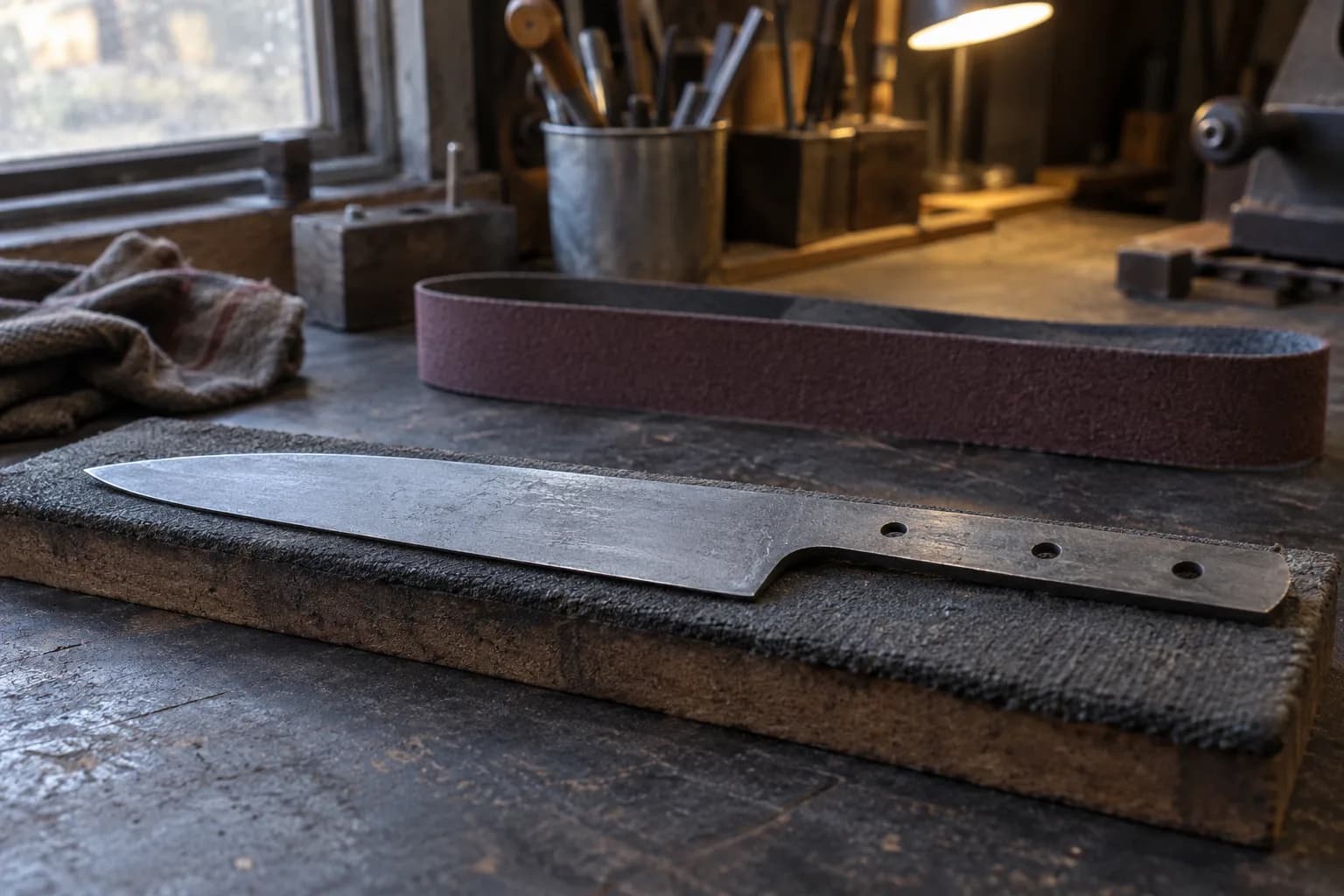
Thin AEB-L stock has a well-earned reputation for warping when ground before heat treat, which is why most makers do all of their grinding on thin kitchen blades after hardening rather than before. AEB-L also heats up quickly under the belt, so frequent water dips are essential, particularly on thin stock where the entire cross-section can lose hardness fast if it gets too hot.
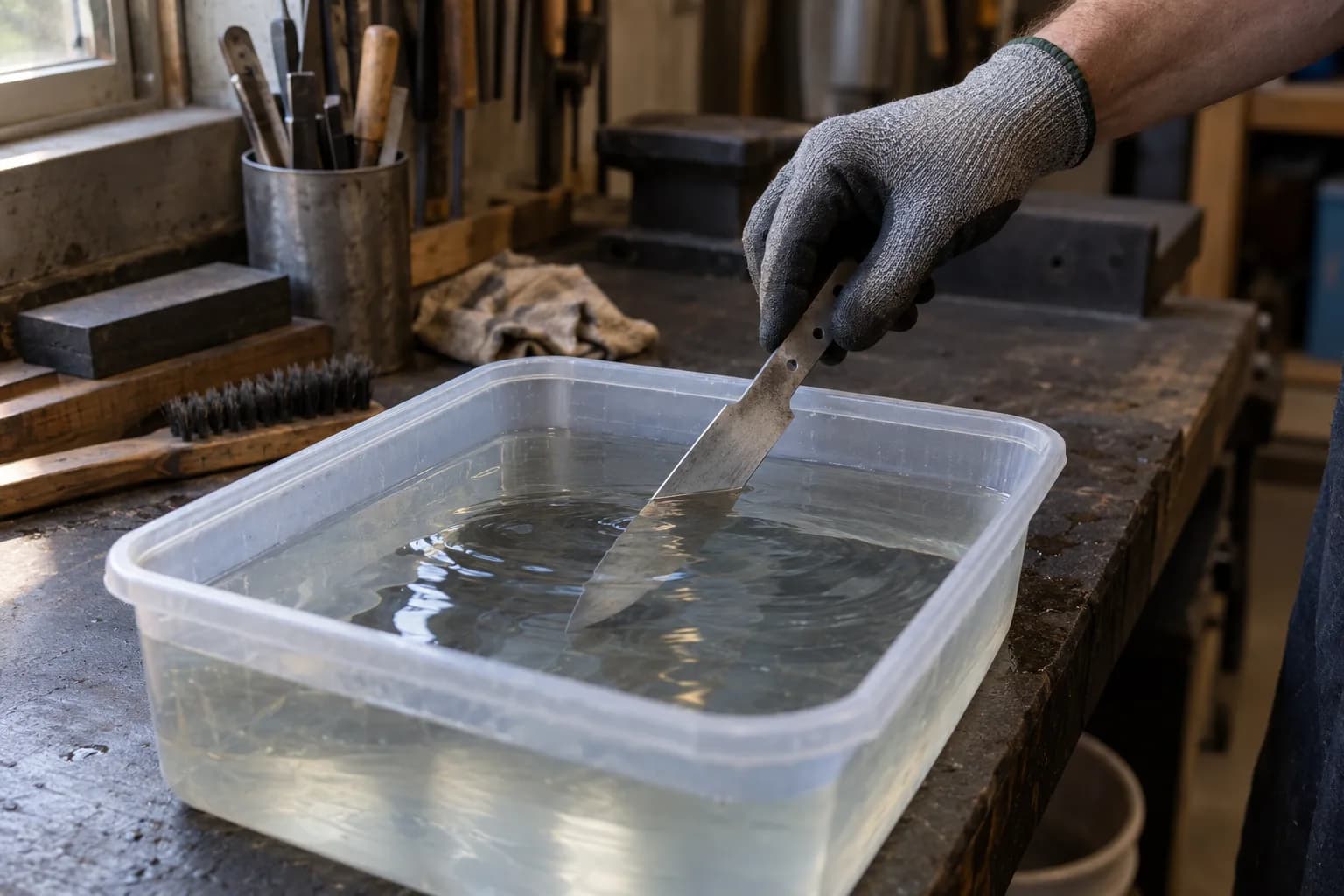
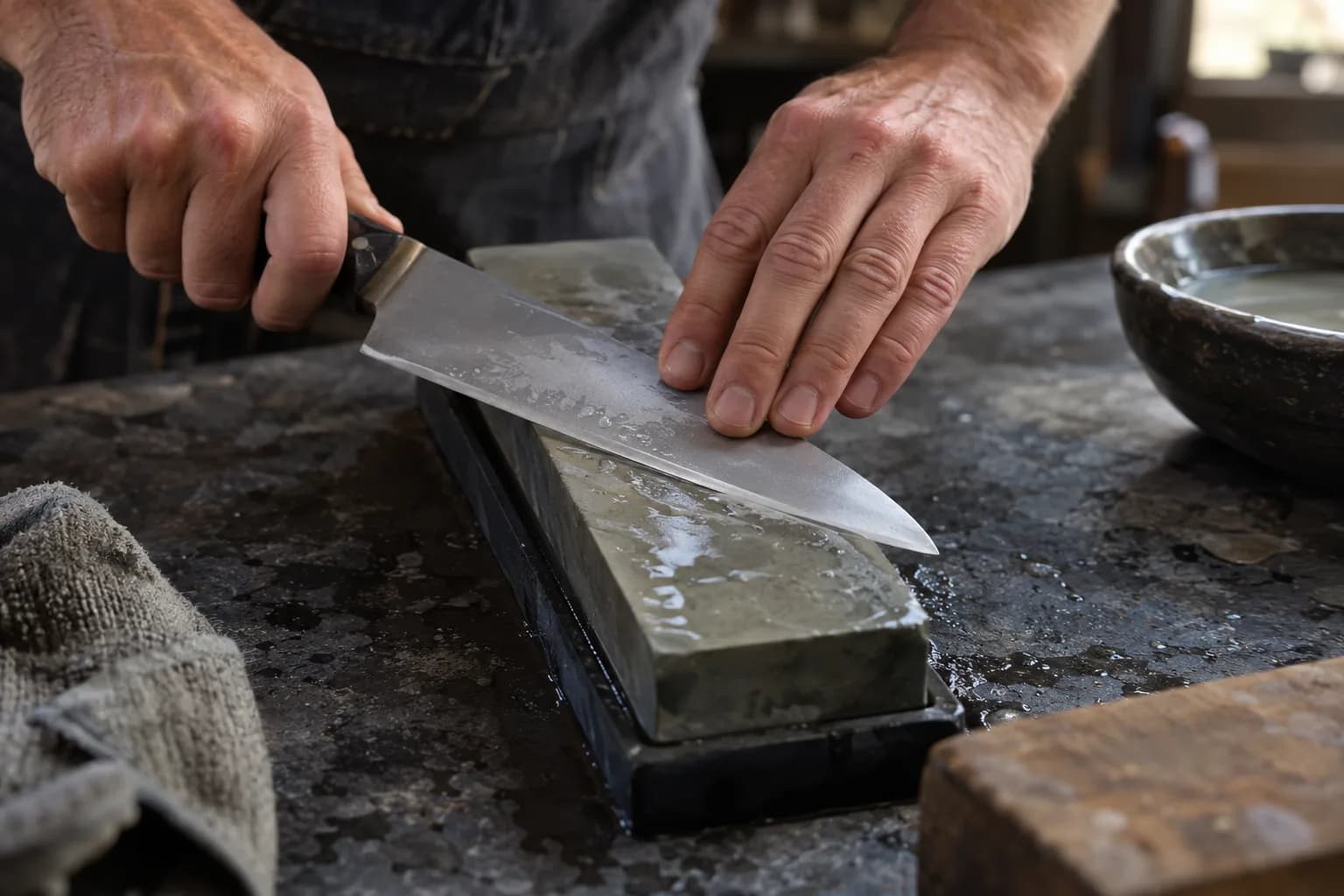
AEB-L responds very well to standard sharpening stones and does not require diamond or CBN abrasives the way high-carbide steels do. Its fine, clean grain lets it take an exceptionally keen, thin edge with ordinary shop sharpening equipment.
Keep reading
Three more from the same bench.
Heat treating is what turns a piece of flat bar stock into a functional knife blade. Done correctly, it transforms the steel’s internal crystal structure…
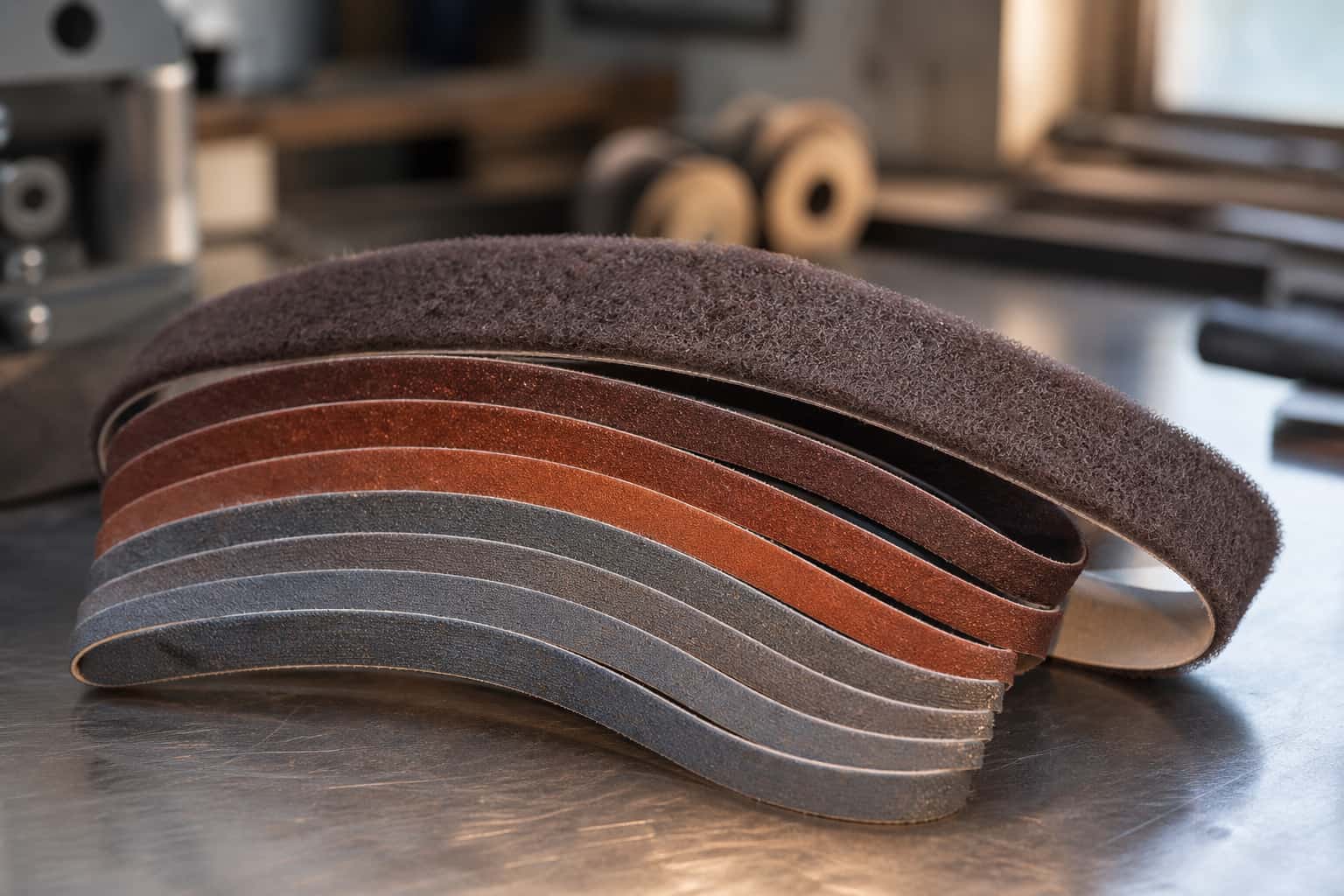
Belts are the single biggest recurring cost in this hobby, and buying the wrong ones wastes money twice: once on belts that wear out fast, and again on…
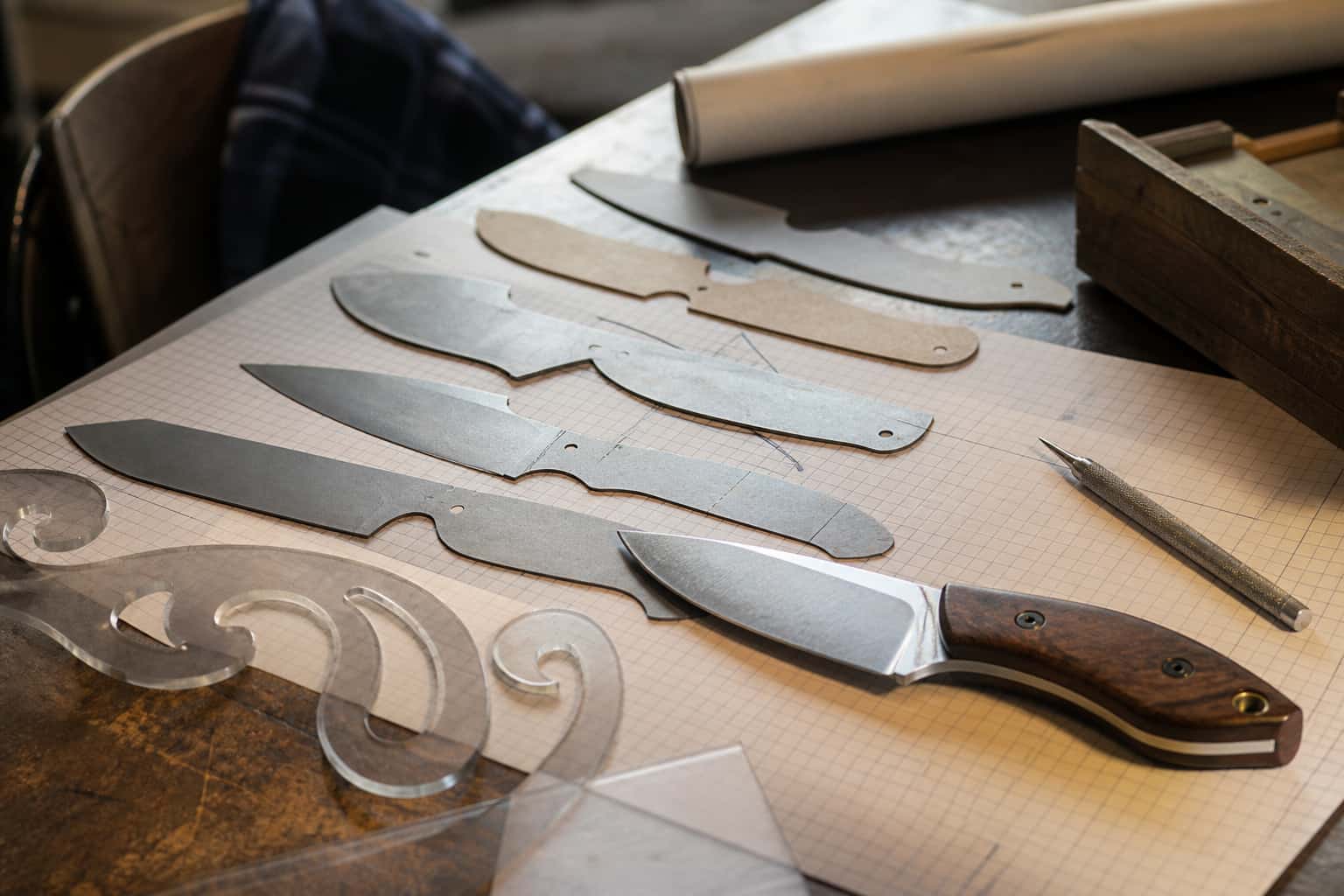
Every Torus ships as a complete assembled chassis with the motor sold separately — which hands you the one decision that shapes the machine’s personality…
Same bench
I machine the parts, hand-assemble, track and test Torus grinders in Sterling, Illinois. Most orders ship in seven to ten business days from time of order.
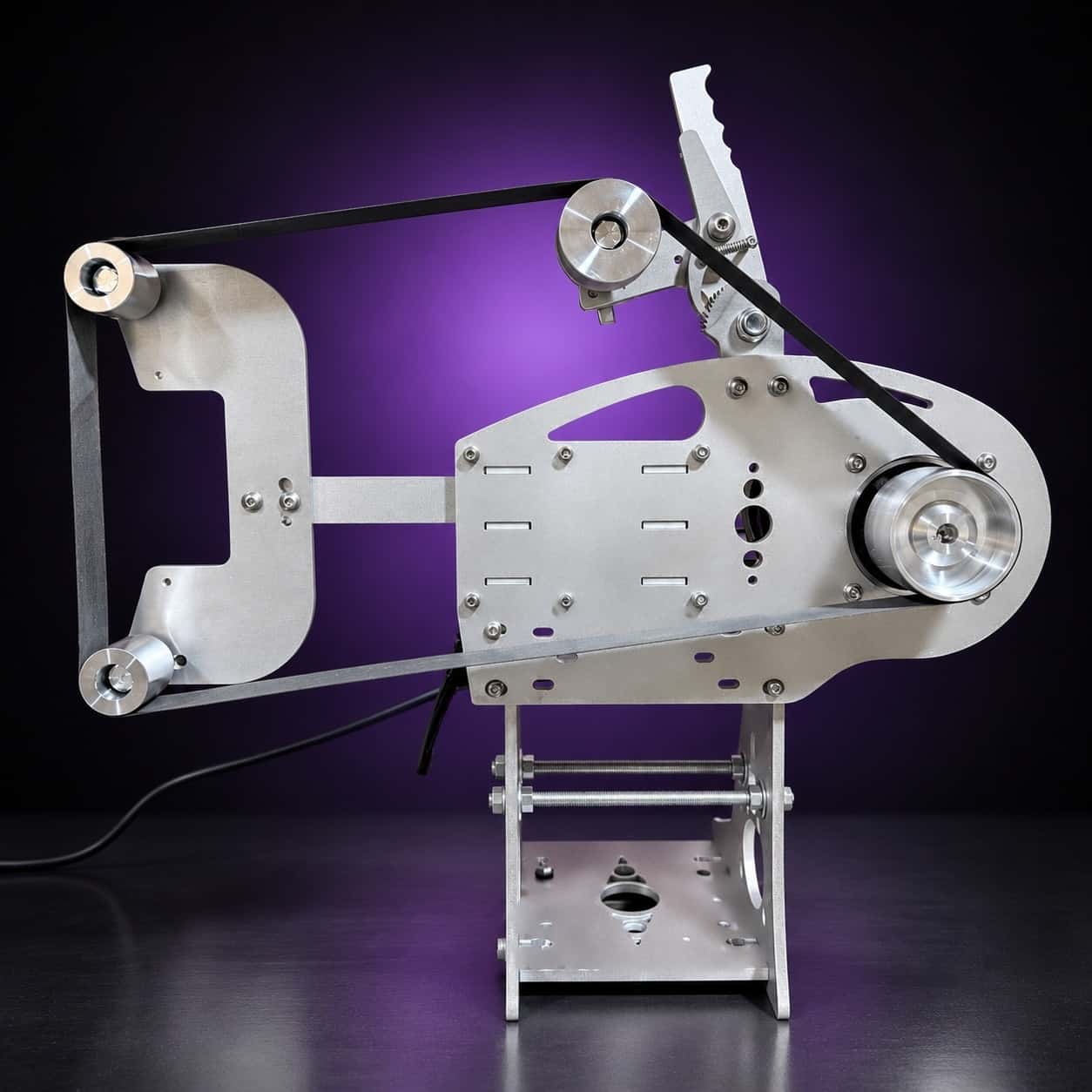
Current dual-axis platform with a fiber-laser-cut 6061 chassis and single-knob tracking.
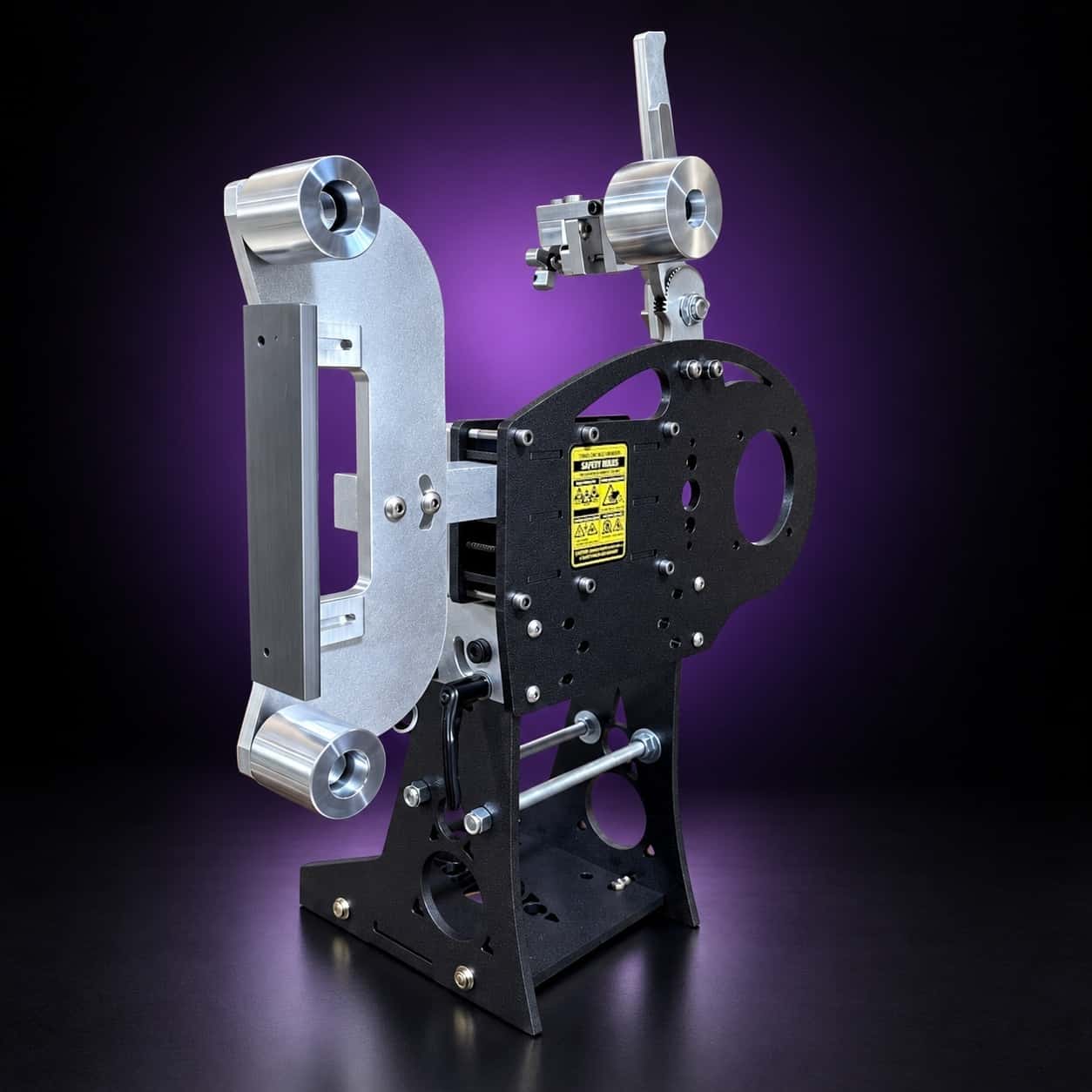
Current dual-axis platform with a steel chassis, more mass and less vibration.
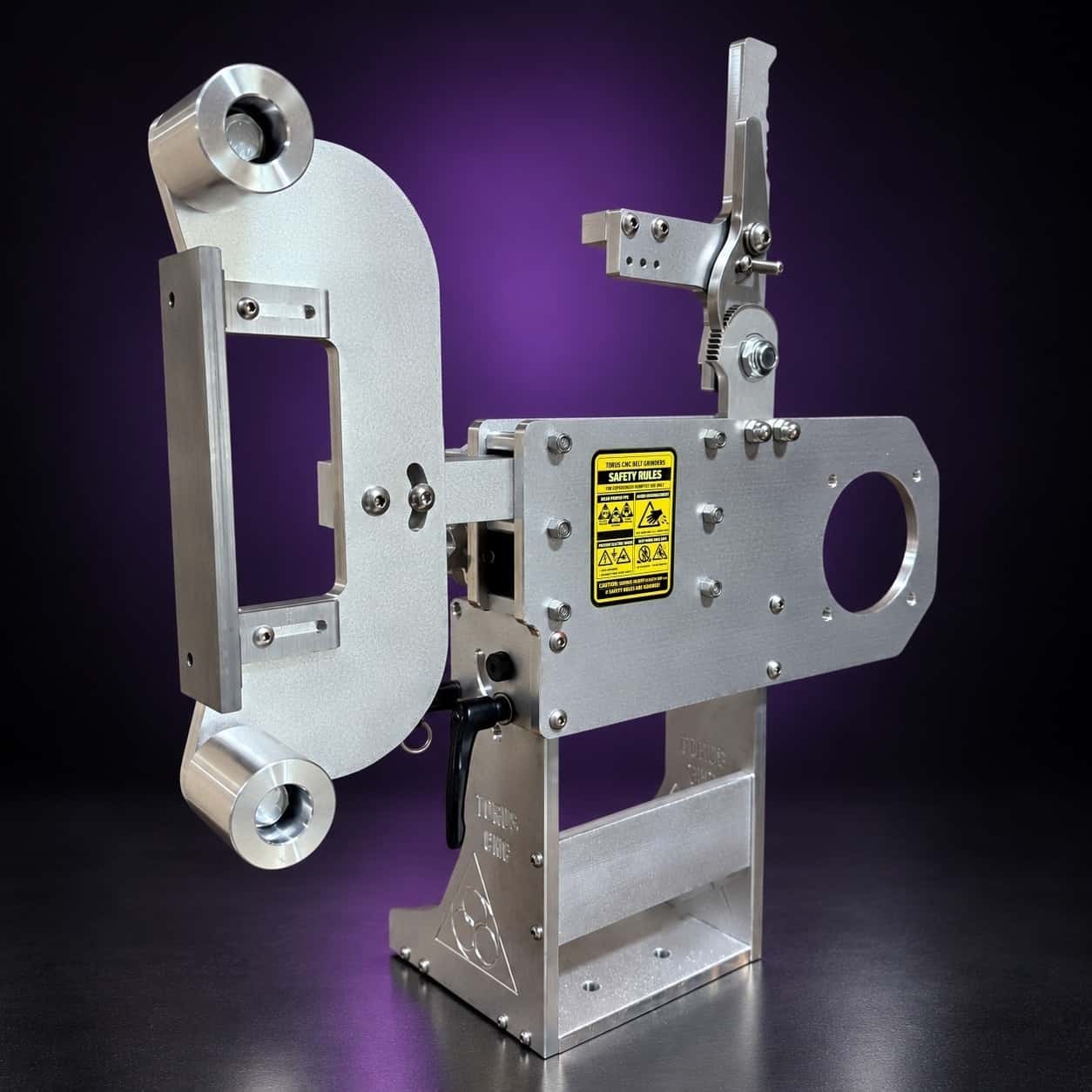
Prior-design aluminum chassis, 90-degree tilt and 1.5-inch tooling arms.
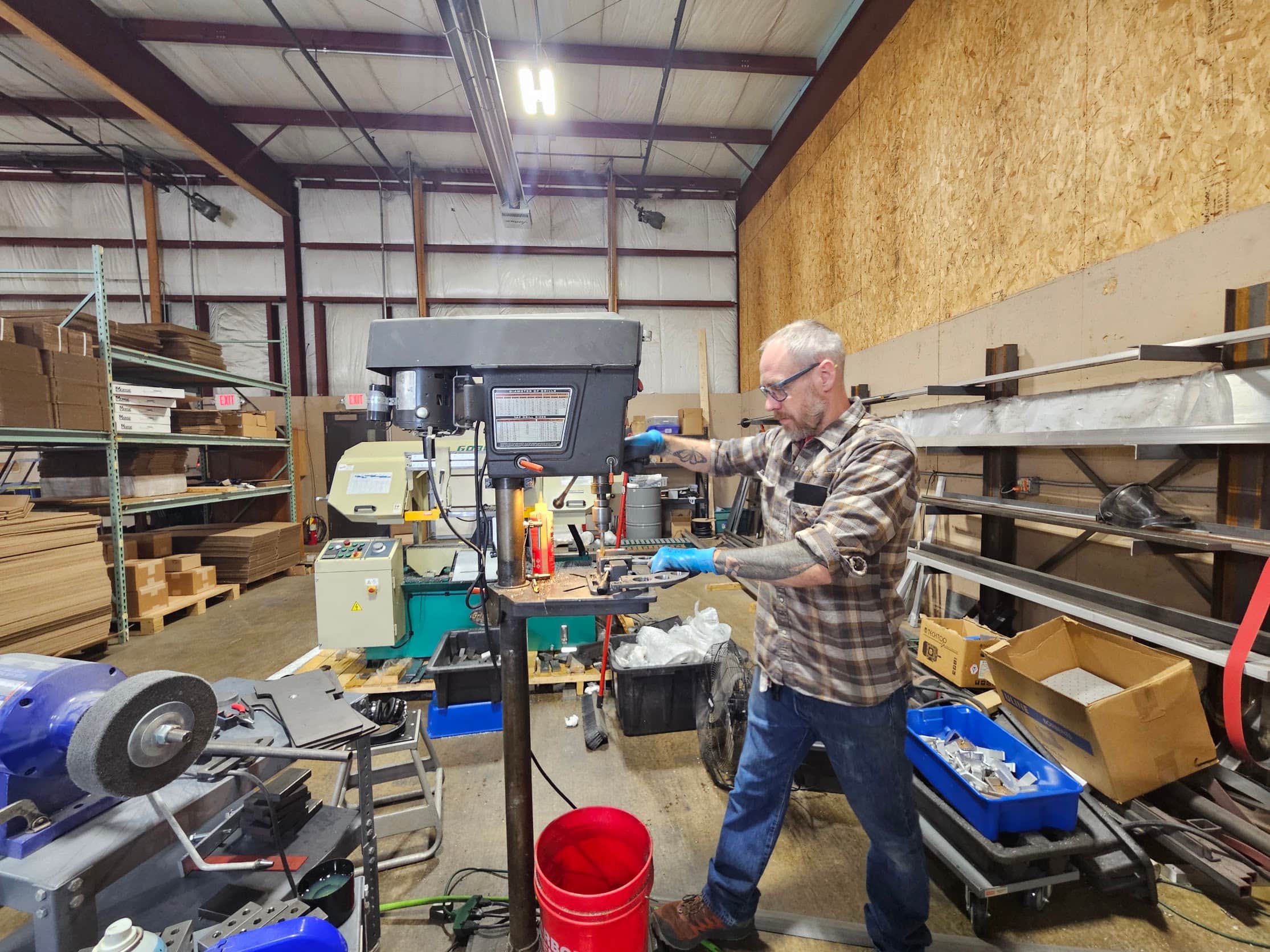
One-man shop
I answer my own email. Tell me the steel, the machine and what it is doing, and I will tell you what I would try next.