
Beginner Guides
2×72 Belt Grinder Brands Compared: The Honest Field Guide
Full disclosure, before anything else: this is Torus CNC’s site — we build three of the grinders compared below. Here’s how we’ve kept this honest: every…
Troubleshooting
Work back from what it is doing to what caused it, then to the fix that addresses the cause. Nothing here needs a sign-up.

The flow
Causes first, then the quick checks, the fix, prevention and the stop-work point.
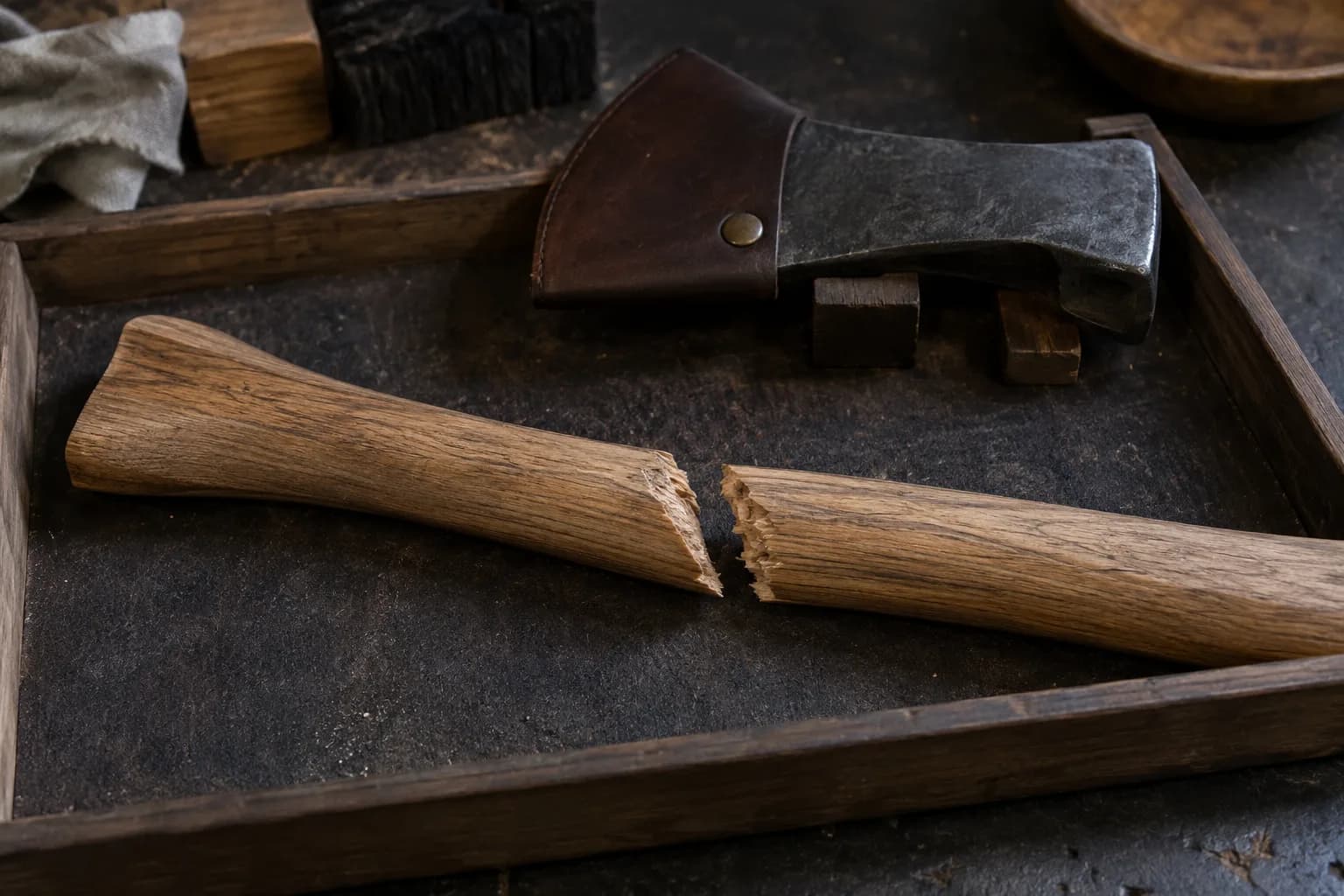
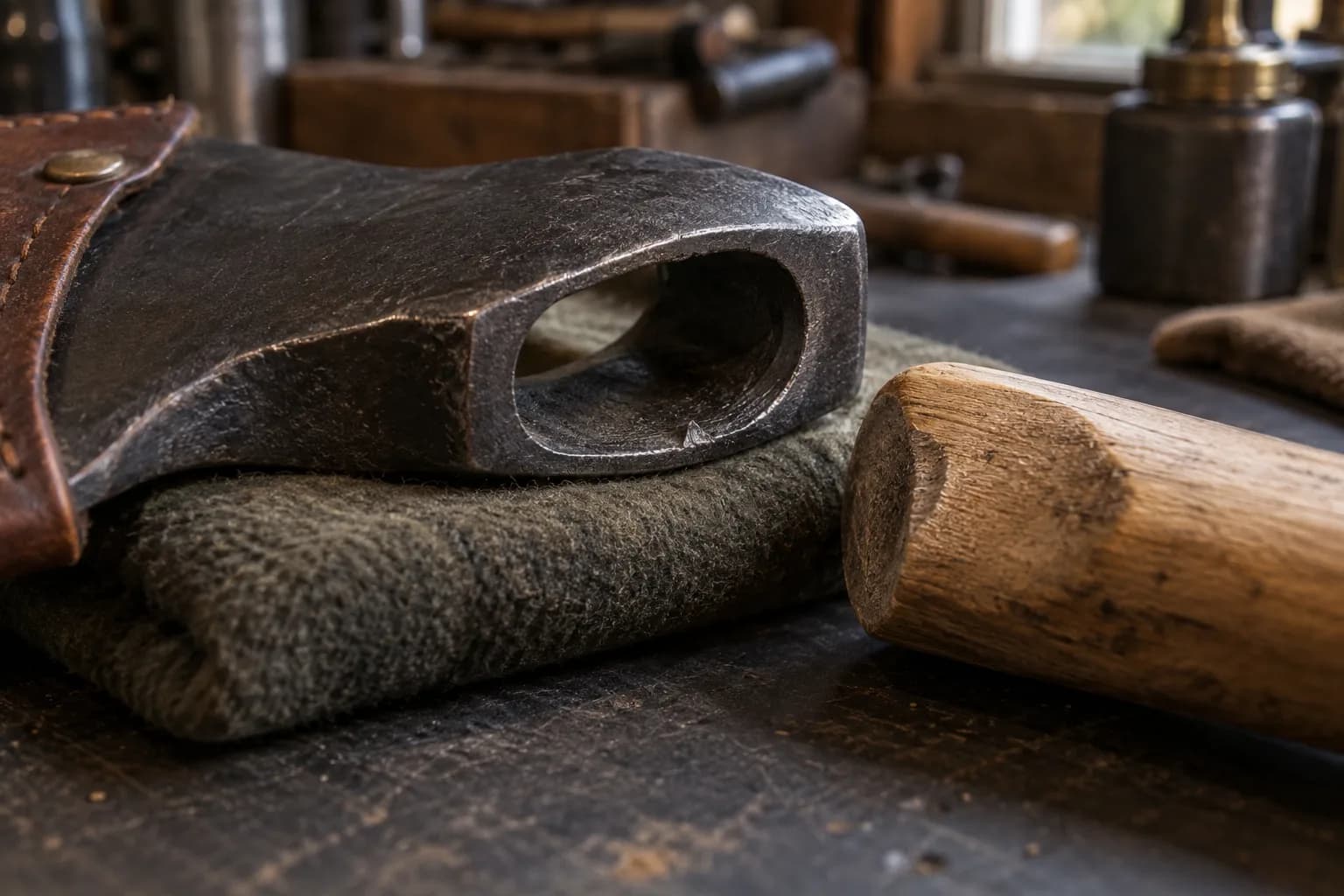
Overstrikes, overwhelmingly: under- or over-rotated throws landing haft-first on the target's face, which no wood survives forever. Rotation, in turn, is usually a distance problem, not a talent problem. Grain runout in the haft — grain exiting the side mid-length snaps at exactly that point (the same disqualifier as any axe haft). Wrong wood (big-box hardware dowels are frequently soft maple or runout-riddled). A loose head hammering the eye walls against the wood on every stick. Or target height/hardness turning every low miss into a haft-versus-lumber event.
Look at the break: clean angled snap below the head = overstrike; long lengthwise split following the grain = runout or eye hammering. Read your misses on the target face — handle marks ABOVE the blade's sticks mean over-rotation, below mean under. Check the surviving haft stock's end grain for orientation.
Fix the rotation first: it is a distance dial — over-rotating (handle-high hits), step back a half-foot; under-rotating, step in; then stop muscling the throw, per the throwing guide. Buy or make straight-grained hickory hafts (throwing suppliers sell them in bundles for exactly this reason) and orient grain with the swing plane. Keep the friction fit seated — a hawk head should be tapped seated before every session. Soften the arena: fresh soaked end-grain rounds or soft cottonwood boards punish misses far less than seasoned lumber. And accept the sport's economics: throwers treat hafts as consumables — the win is a haft that lasts months and swaps in sixty seconds, which is the friction-fit design's entire genius.
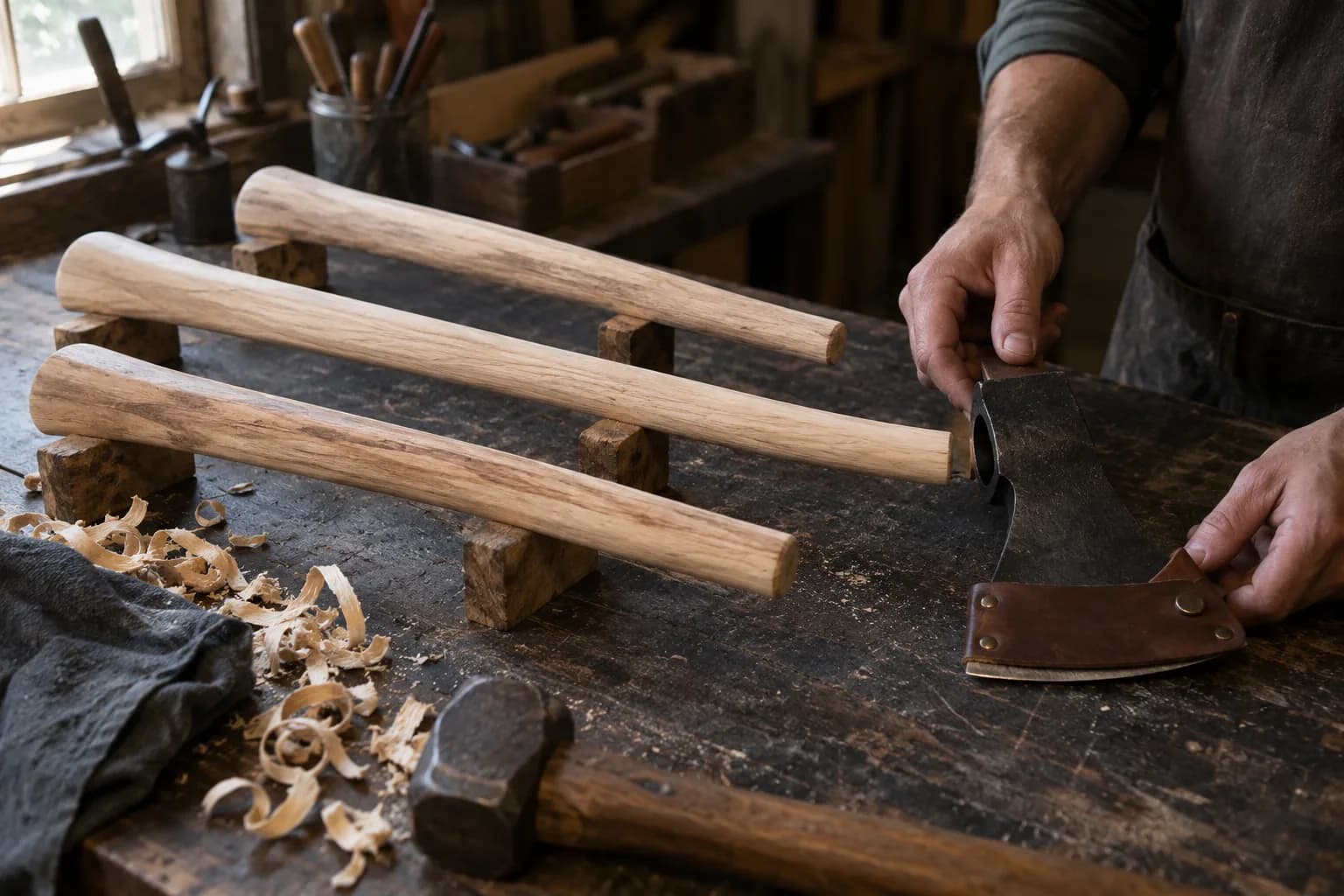
Bundle of spare hafts by the lane, grain checked before first throw. Distance marked on the ground once rotation is dialed. Target maintained soft and at proper height. Head seating checked each session.
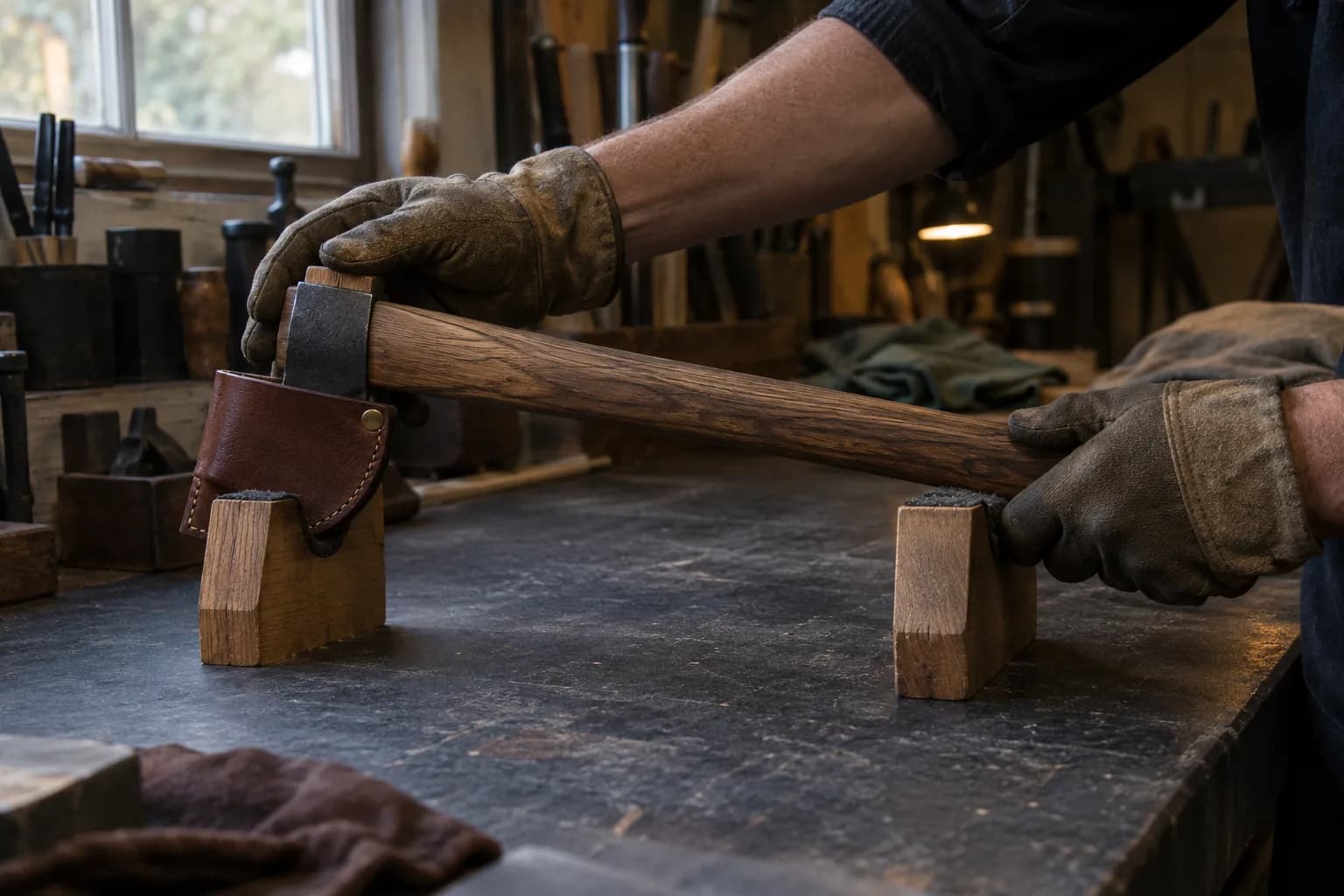
If a haft cracks but hangs on, retire it THAT throw — a head departing mid-swing on the next one is the lane's genuine danger. And if handles keep snapping at the same spot with good grain and dialed rotation, inspect the eye for a burr or sharp inner edge cutting the wood from inside; dress it smooth before the next haft dies.
Keep reading
The long-form version of the fix above, written from the same bench.
Full disclosure, before anything else: this is Torus CNC’s site — we build three of the grinders compared below. Here’s how we’ve kept this honest: every…

Comics run on invented metals — adamantium, vibranium, the whole periodic table of plot — and the fastest way to appreciate real metallurgy is to audit…
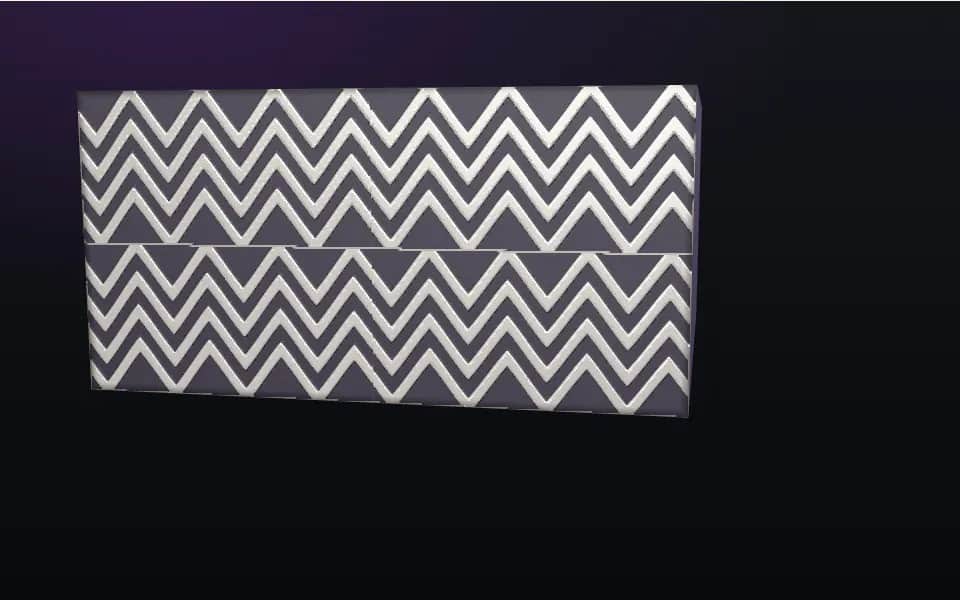
Past the ladder, twist, and raindrop lies the territory where damascus becomes composition: patterns built by controlling the layers in three dimensions…
Same bench
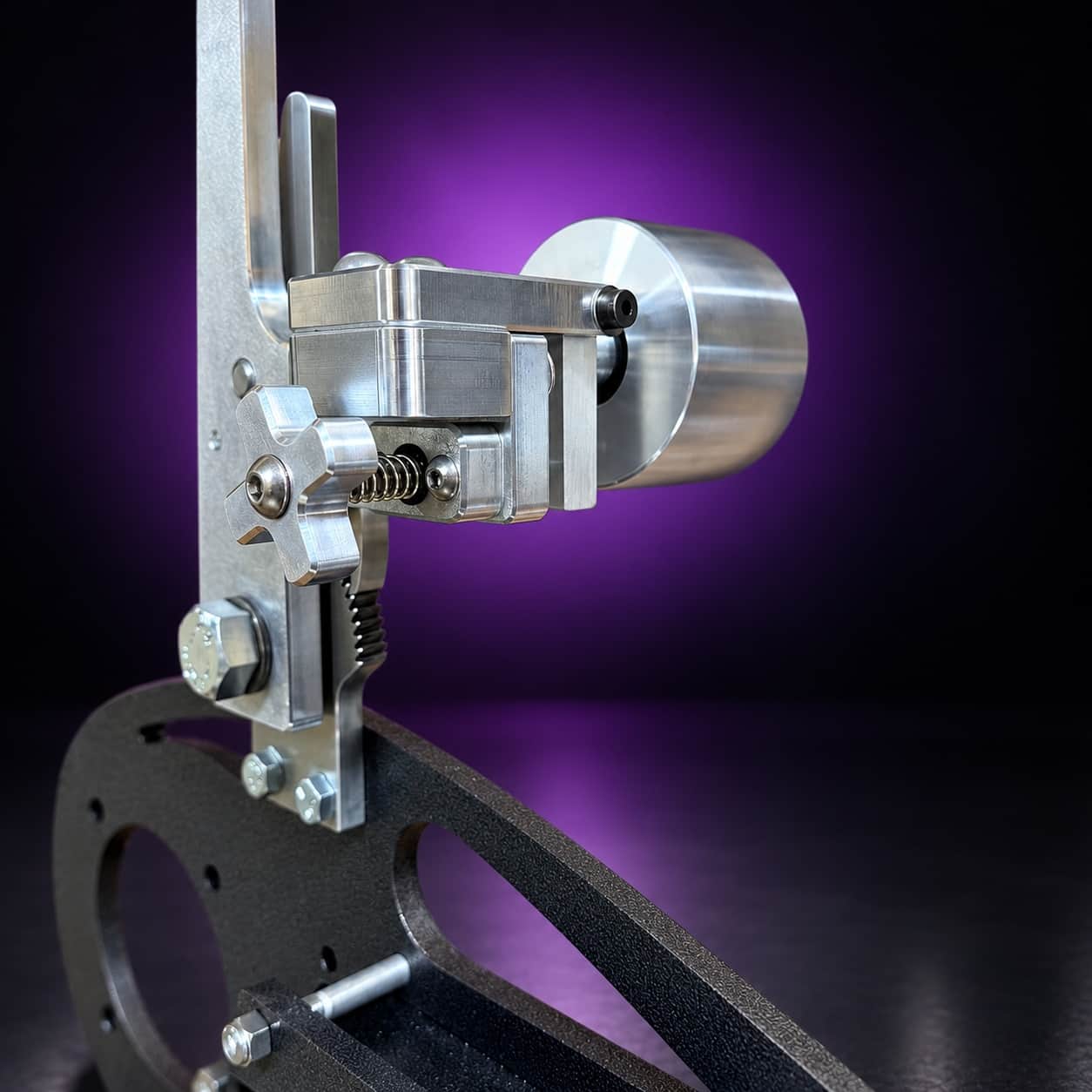
Flex, a soft platen or a tracking knob that will not hold can show up as a bad grind. I machine the parts, hand-assemble, track and test each Torus grinder in Sterling, Illinois.

Current dual-axis platform with a fiber-laser-cut 6061 chassis and single-knob tracking.

Current dual-axis platform with a steel chassis, more mass and less vibration.

Prior-design aluminum chassis, 90-degree tilt and 1.5-inch tooling arms.
One-man shop
Send me a photo and describe what happened before it went wrong. Include the machine, belt and steel when they are relevant.