
Beginner Guides
How to Choose Your First Knife Steel
With dozens of knife steels to choose from, picking your first one can feel overwhelming. The good news: for a first knife, the right answer is almost…
Beginner Guides
Ten mistakes new knifemakers make, from a steel that fights you and guessed heat treat to skipped hardness tests, no template and optional safety gear.
3 min readWritten by Rich LinvilleFree to read
Most beginner knifemaking problems trace back to a handful of repeat mistakes, not bad luck or bad steel. Here are the ones that trip up new makers most often, and what to do instead.
Premium powder-metallurgy steels like CPM MagnaCut or CPM 20CV are excellent knives, but they’re slow to grind and unforgiving of heat-treat mistakes. Learning to grind, handle heat, and finish a blade is hard enough without also fighting the steel itself. See How to Choose Your First Knife Steel for steels that actually make learning easier.
“It’ll probably be fine” is how soft, bendy blades and cracked blades both happen. Every steel has a specific heat-treat recipe, target temperatures, quench media, and tempering cycle, and it’s not optional. Follow a real recipe from the start; see the Heat Treating Guide.
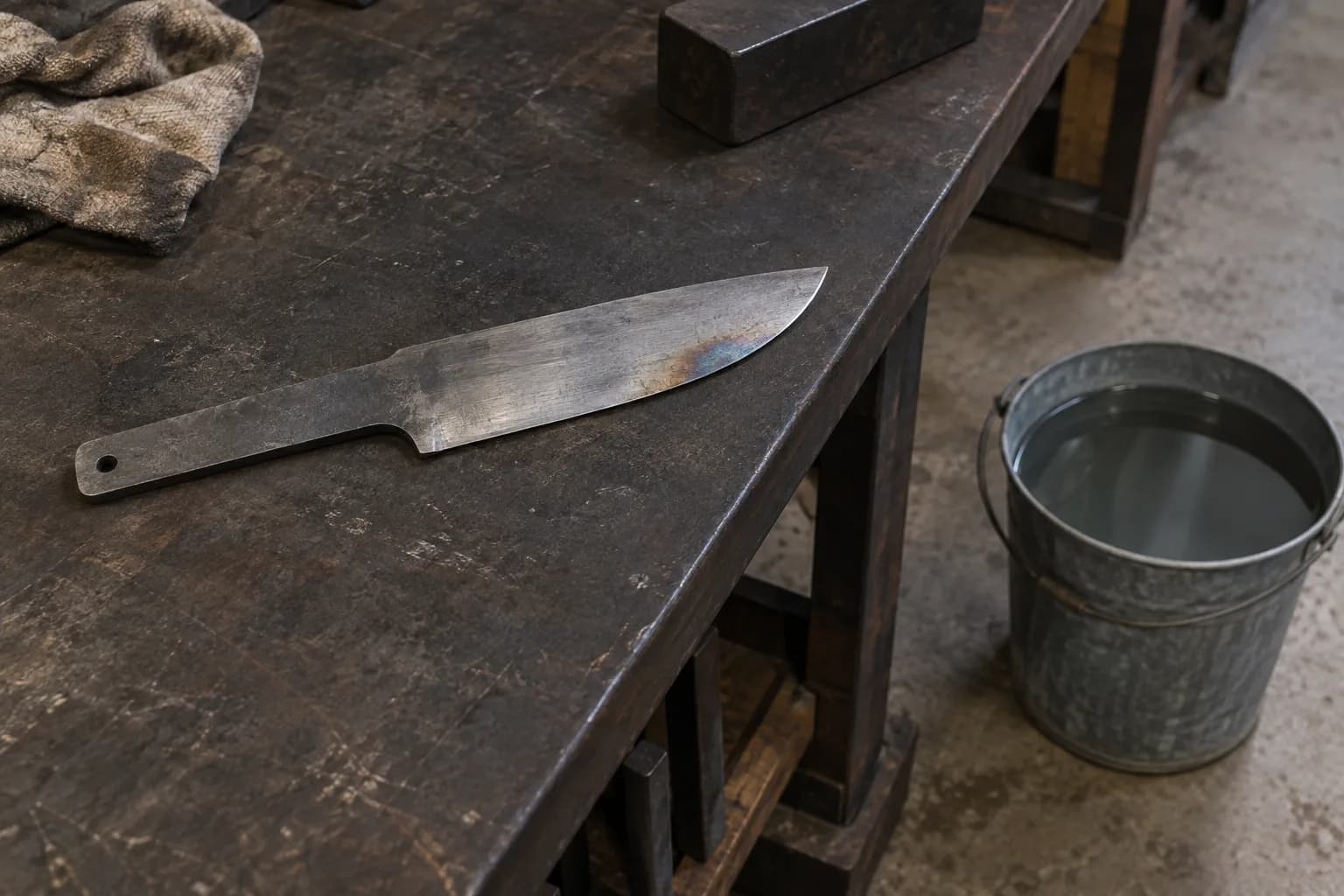
Grinding too aggressively or dwelling in one spot heats the edge enough to draw the temper back out of it, blue or straw discoloration is the warning sign. A bucket of water for frequent quenching passes and lighter, more frequent passes instead of heavy ones prevent this. If it already happened, the blade needs to be re-heat-treated, not just finished and hoped for.
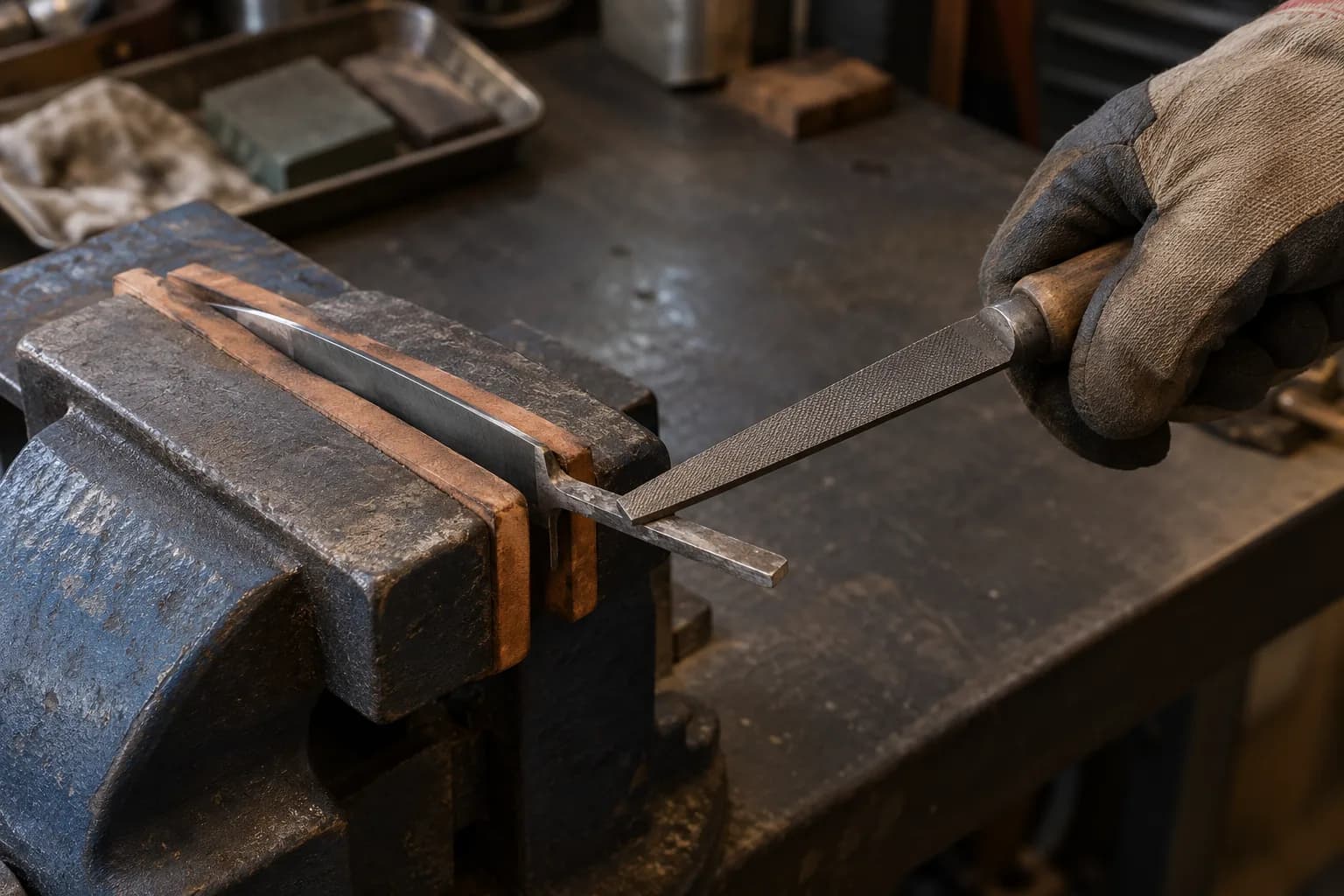
Without a hardness test (file test at minimum, Rockwell testing if available) you’re guessing whether your heat treat actually worked. A blade that feels “hard enough” under a file can still be well outside the target range. Test before you invest hours into finishing a blade that needs to be redone.
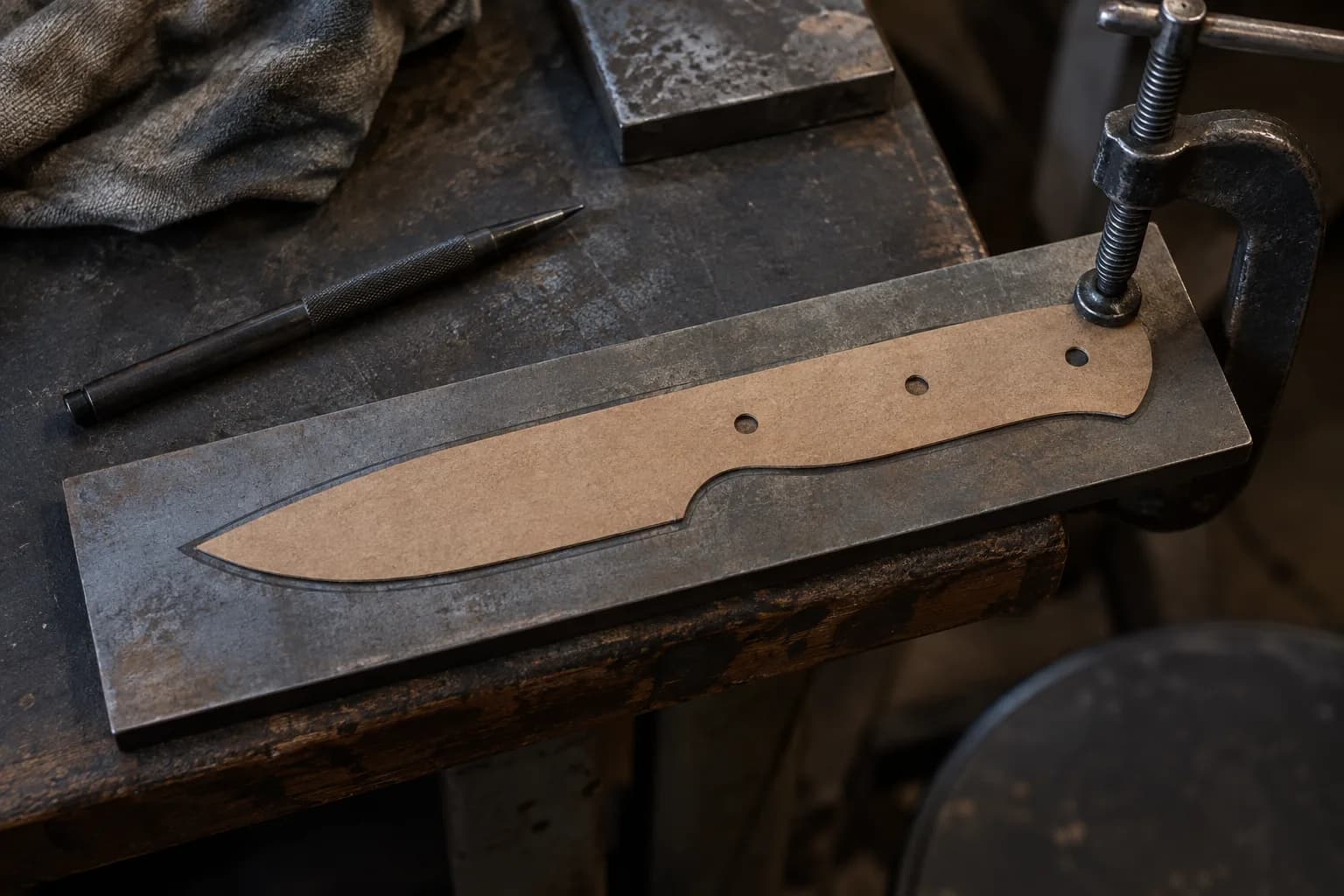
Freehanding a profile directly onto stock leads to asymmetric blades and wasted steel. Draw the design on paper first, cut a cardboard or hardboard template, and trace that onto the steel. It’s a five-minute step that saves hours.
Grinding throws hot metal sparks and fine dust; heat-treat work adds open flame and hot steel. A face shield, a proper respirator (not a dust mask) for grinding dust and quench fumes, and hearing protection aren’t optional extras, they’re the minimum for a first session at the grinder. See the safety section of the Essential First Tools & Equipment guide.
Leaf springs, files, and scrap metal of unknown origin might be steel, but without knowing the actual alloy, there’s no way to pick a correct heat-treat recipe. The blade might end up soft, brittle, or somewhere in between with no way to fix it reliably. Buying known steel from a supplier costs little enough that it’s not worth the gamble on a blade you’ll spend hours building.
A grinder with a belt that won’t track straight, tension that creeps loose mid-grind, or a motor that bogs down under pressure turns every project into a fight with the tool instead of the steel. That fight shows up as uneven grinds and wasted belts long before it shows up as a “grinder problem” you can name. See the 2×72 Buying Guide before buying.
A full-tang chef’s knife with hidden pins, a complex hamon, and a mosaic Damascus billet is not a first project. Start with something small and simple, a basic drop-point hunter or neck knife, so mistakes are cheap and the whole process can be finished in a reasonable number of sessions.
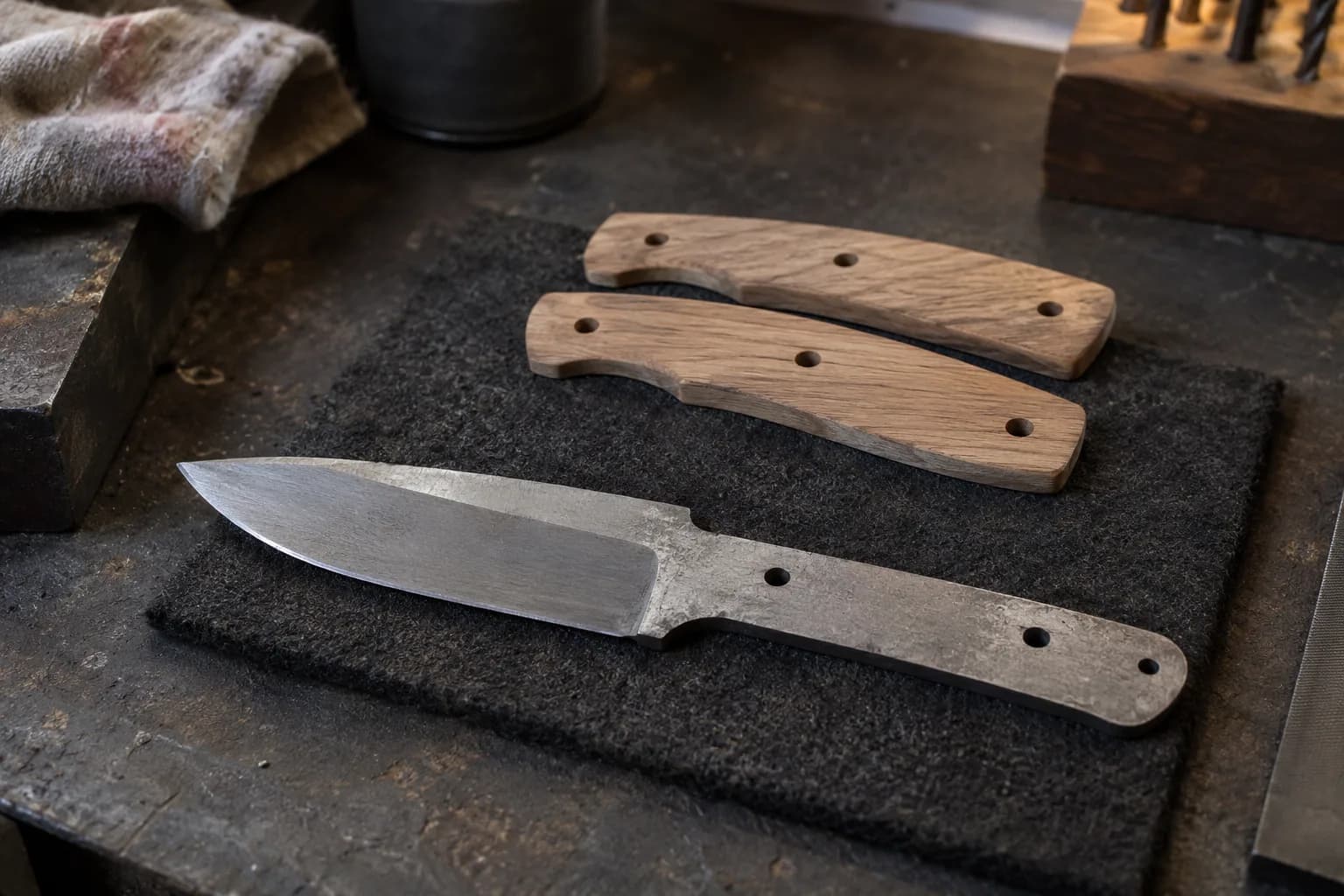
A mirror polish on a blade with an uneven grind or a soft edge just makes the flaws more visible, not less. Get the grind flat and even and the heat treat right first; a rougher-finished knife that cuts and holds an edge beats a beautiful one that doesn’t.
Starting too big: an ambitious first project, a premium steel, and no tested heat-treat recipe, all at once. Any one of those alone is manageable; together they usually end in a knife that doesn’t work and a maker who’s not sure why.
For grinding technique and profile shaping, sure, it’s cheap practice. For anything you plan to heat treat and actually use, stick to known steel so the heat-treat recipe has a chance of working.
Yes, at least a file test. It takes under a minute and tells you immediately whether the heat treat worked before you invest more time finishing the blade.
Keep reading
Three more from the same bench.
With dozens of knife steels to choose from, picking your first one can feel overwhelming. The good news: for a first knife, the right answer is almost…
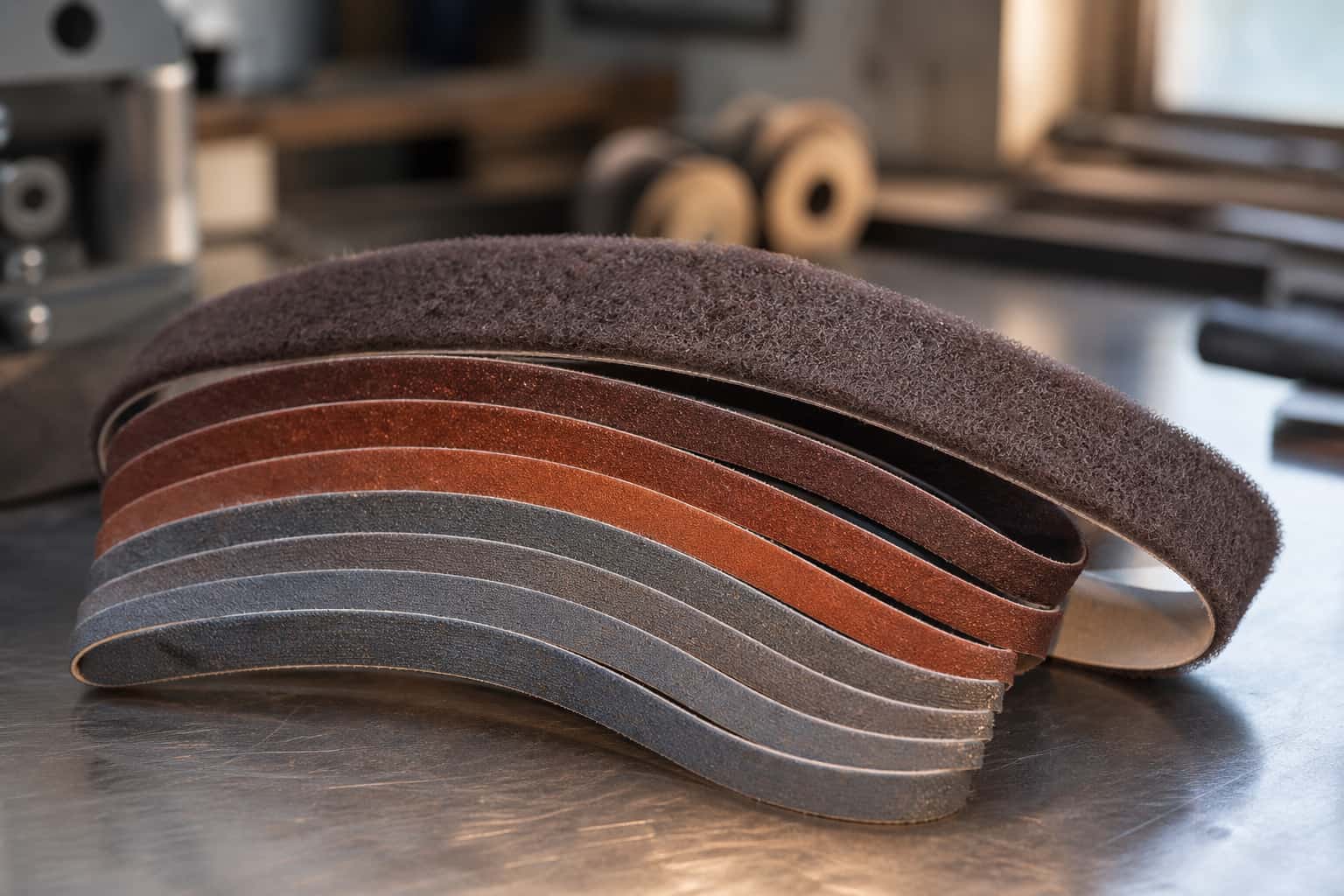
If you’ve spent any time in knifemaking forums or subreddits, you’ve seen the question a hundred times: “what belt grinder should I buy?” The honest…
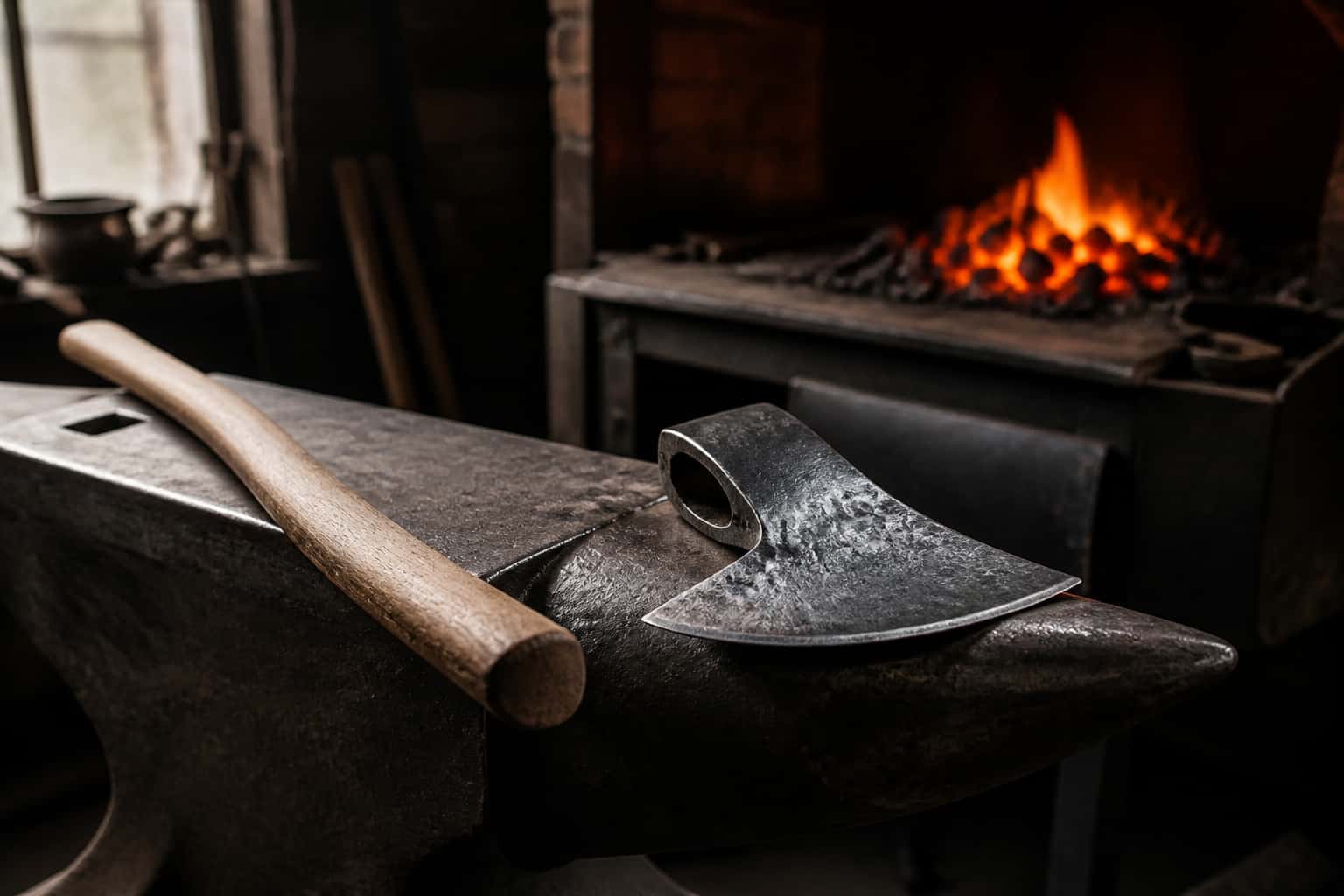
It’s easy to look at a fully outfitted professional shop and assume you need all of it to make your first knife. You don’t. Here’s what actually matters…
Same bench
I machine the parts, hand-assemble, track and test Torus grinders in Sterling, Illinois. Most orders ship in seven to ten business days from time of order.
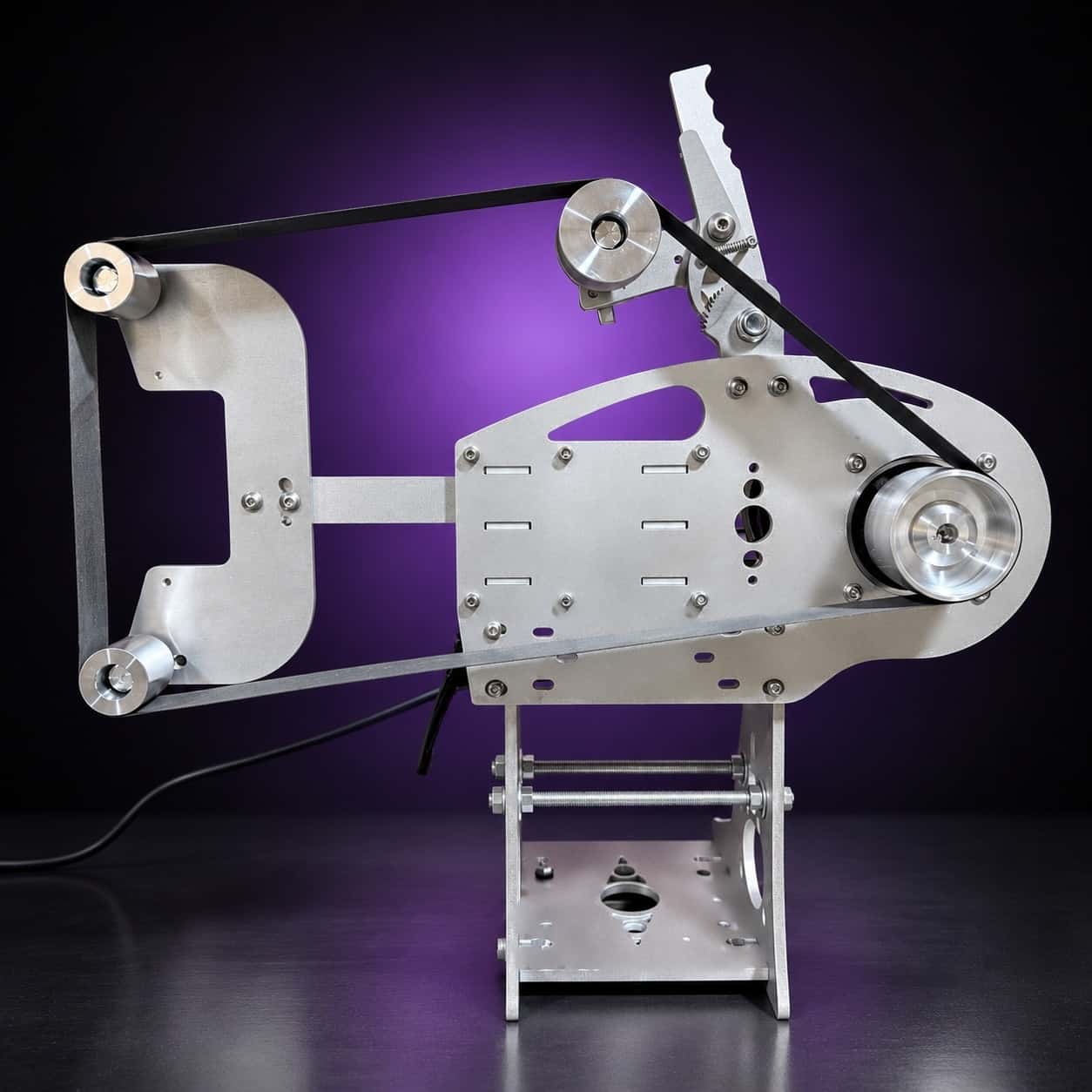
Current dual-axis platform with a fiber-laser-cut 6061 chassis and single-knob tracking.
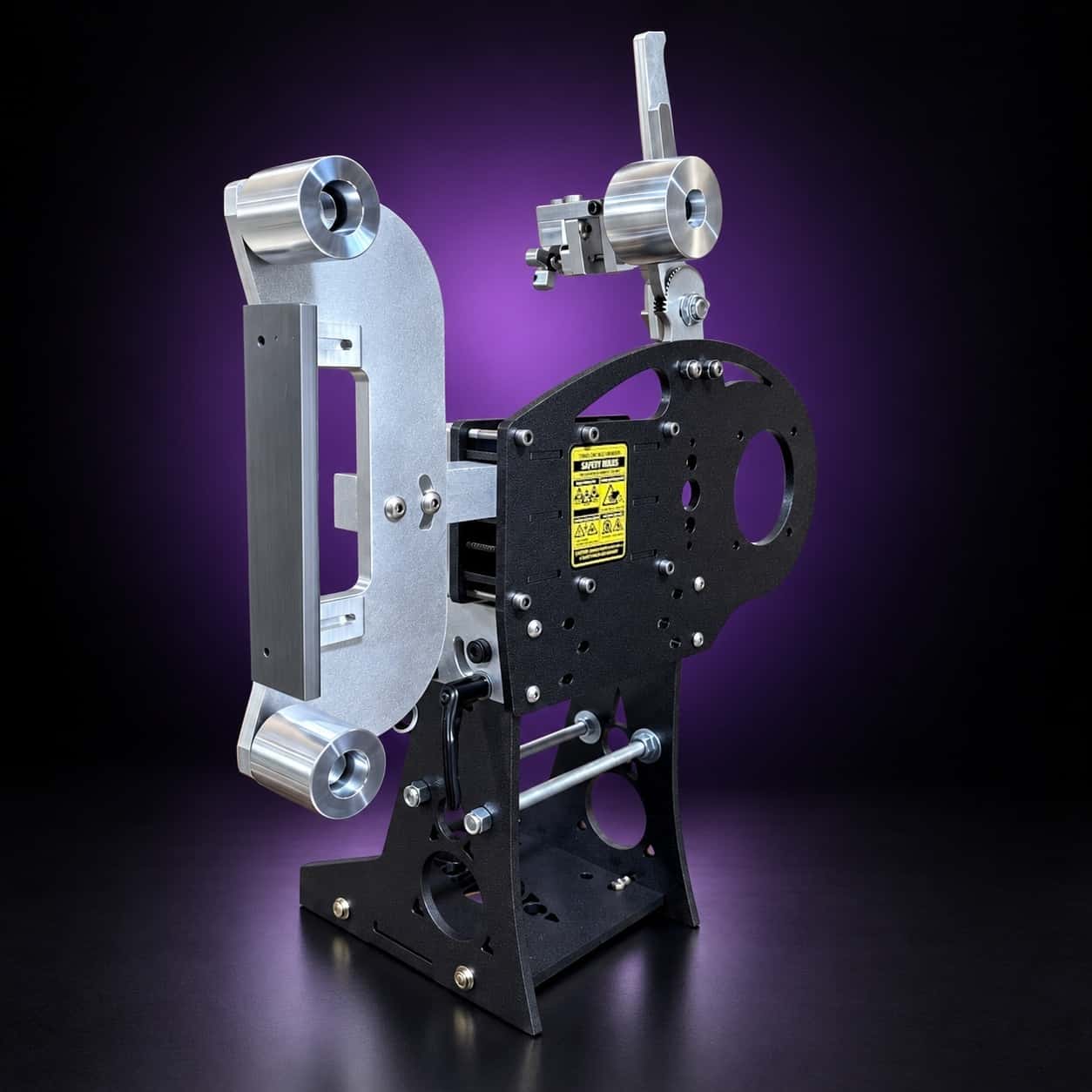
Current dual-axis platform with a steel chassis, more mass and less vibration.
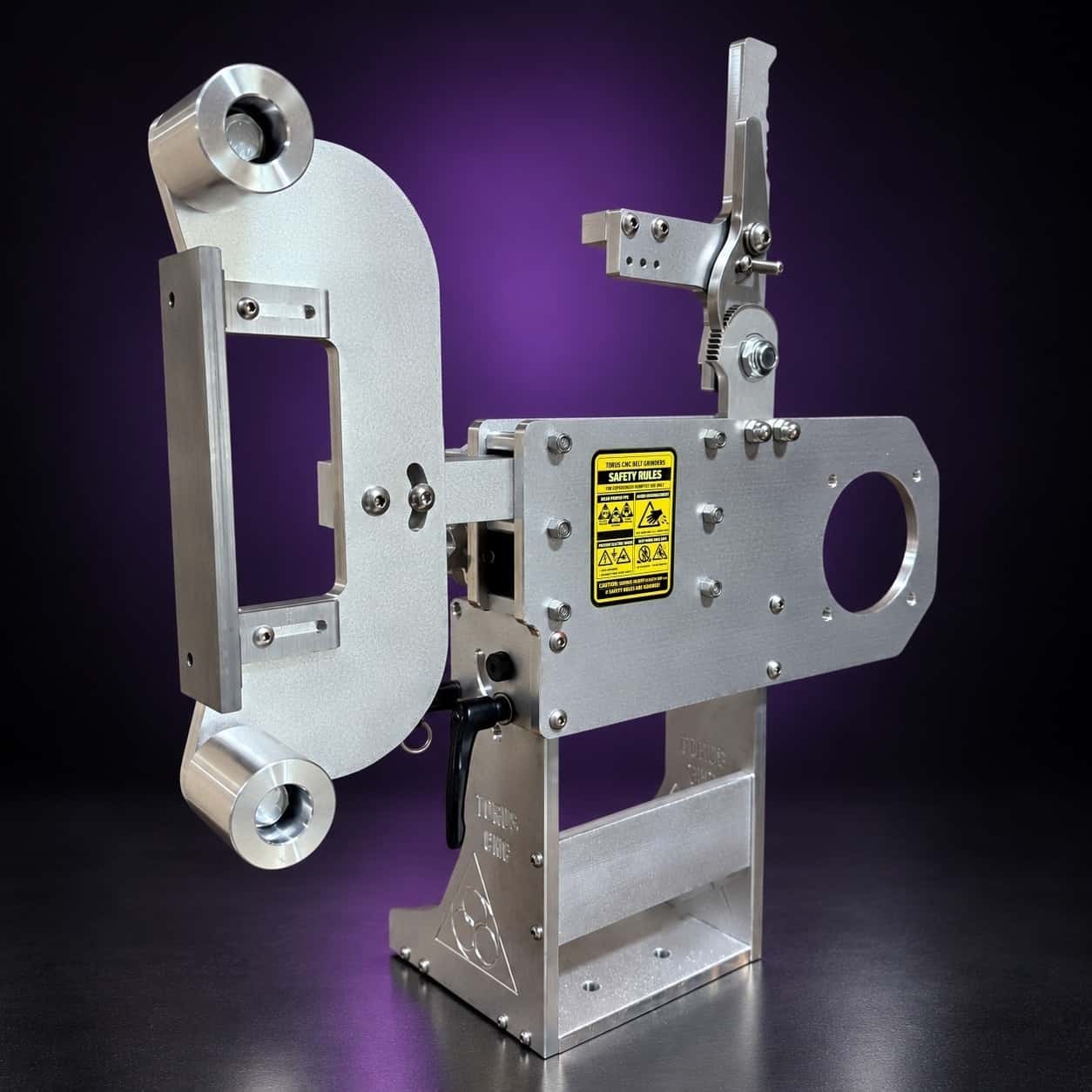
Prior-design aluminum chassis, 90-degree tilt and 1.5-inch tooling arms.
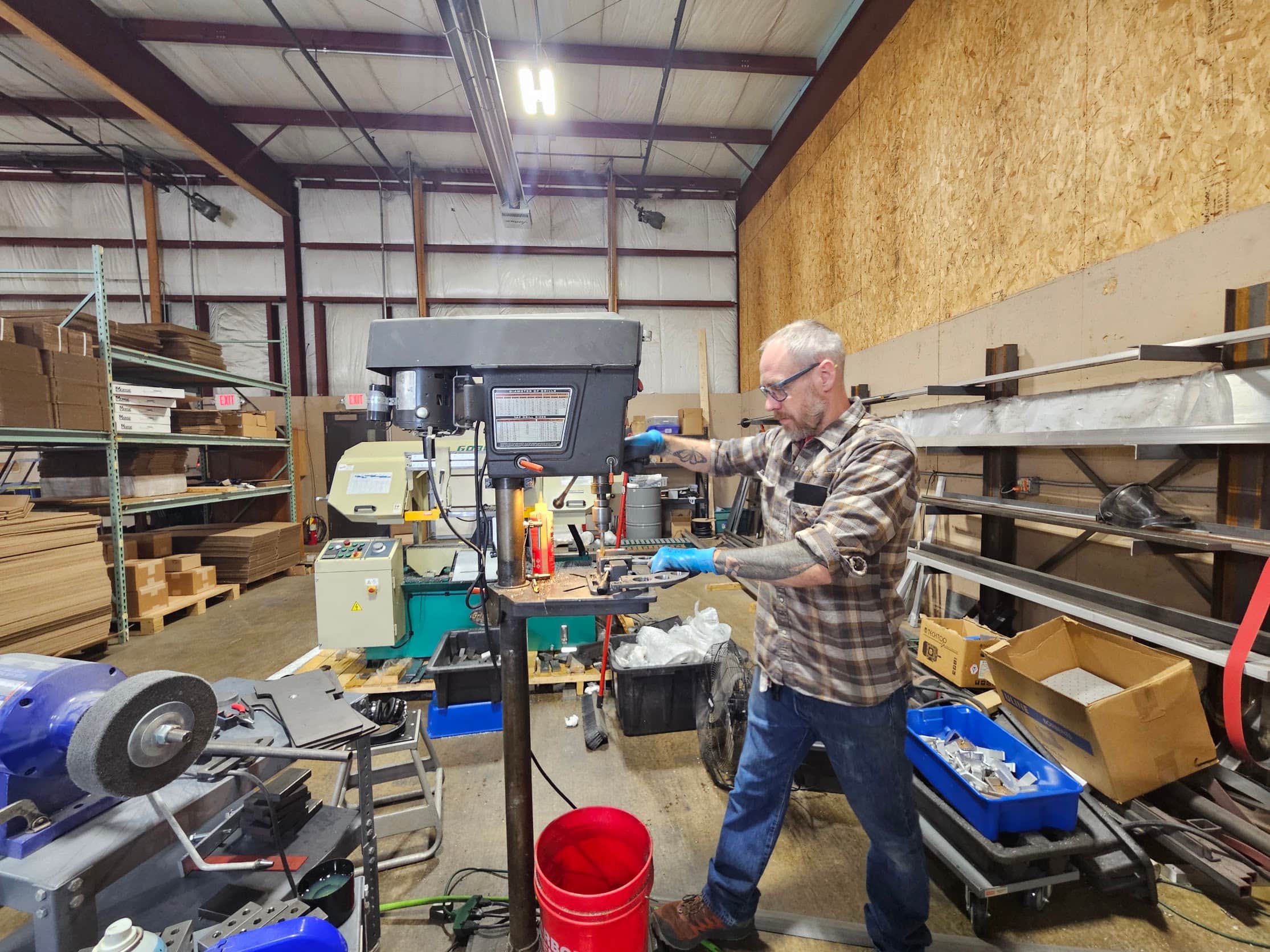
One-man shop
I answer my own email. Tell me the steel, the machine and what it is doing, and I will tell you what I would try next.