
Folding Knives
Folder Anatomy: How a Folding Knife Actually Works
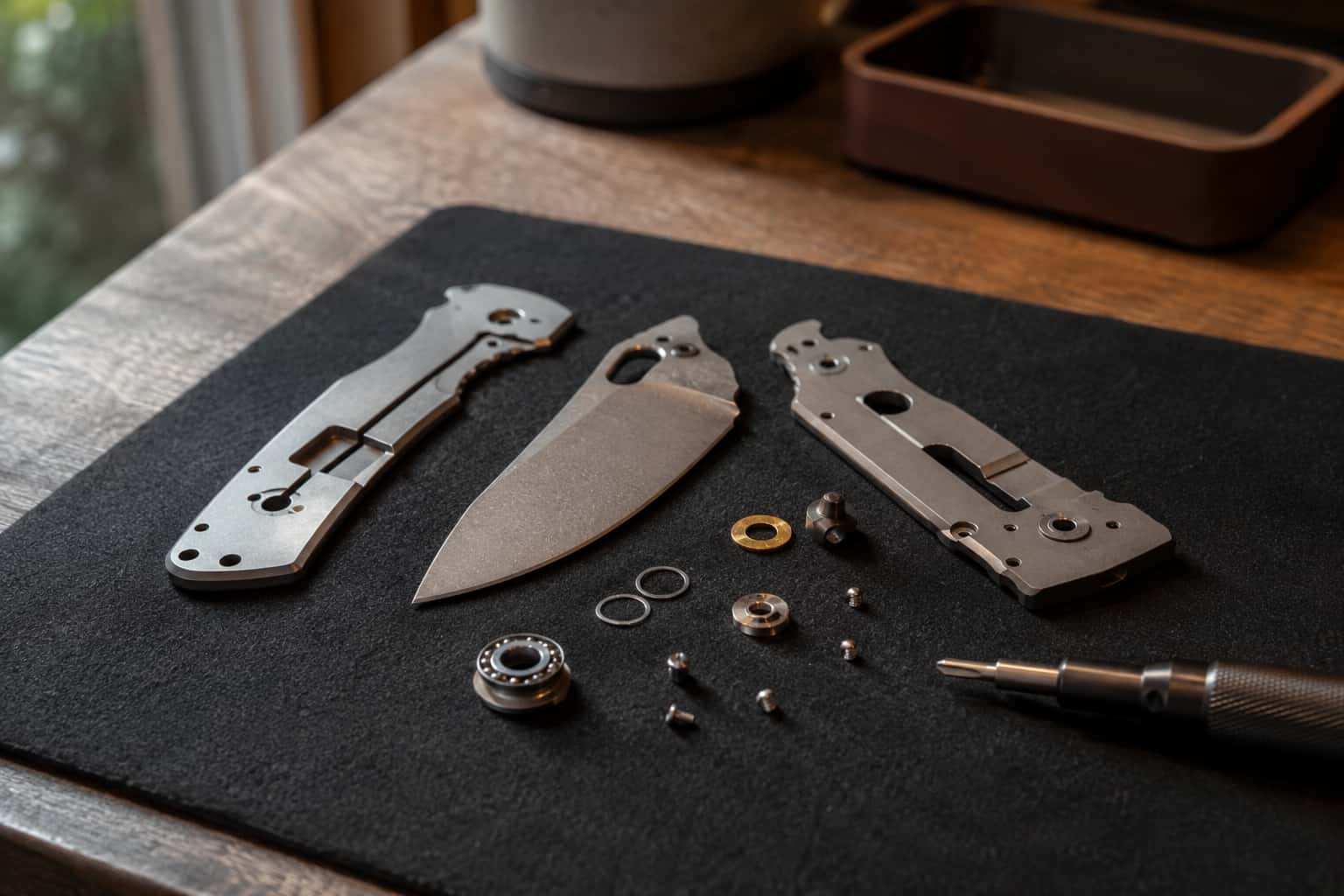
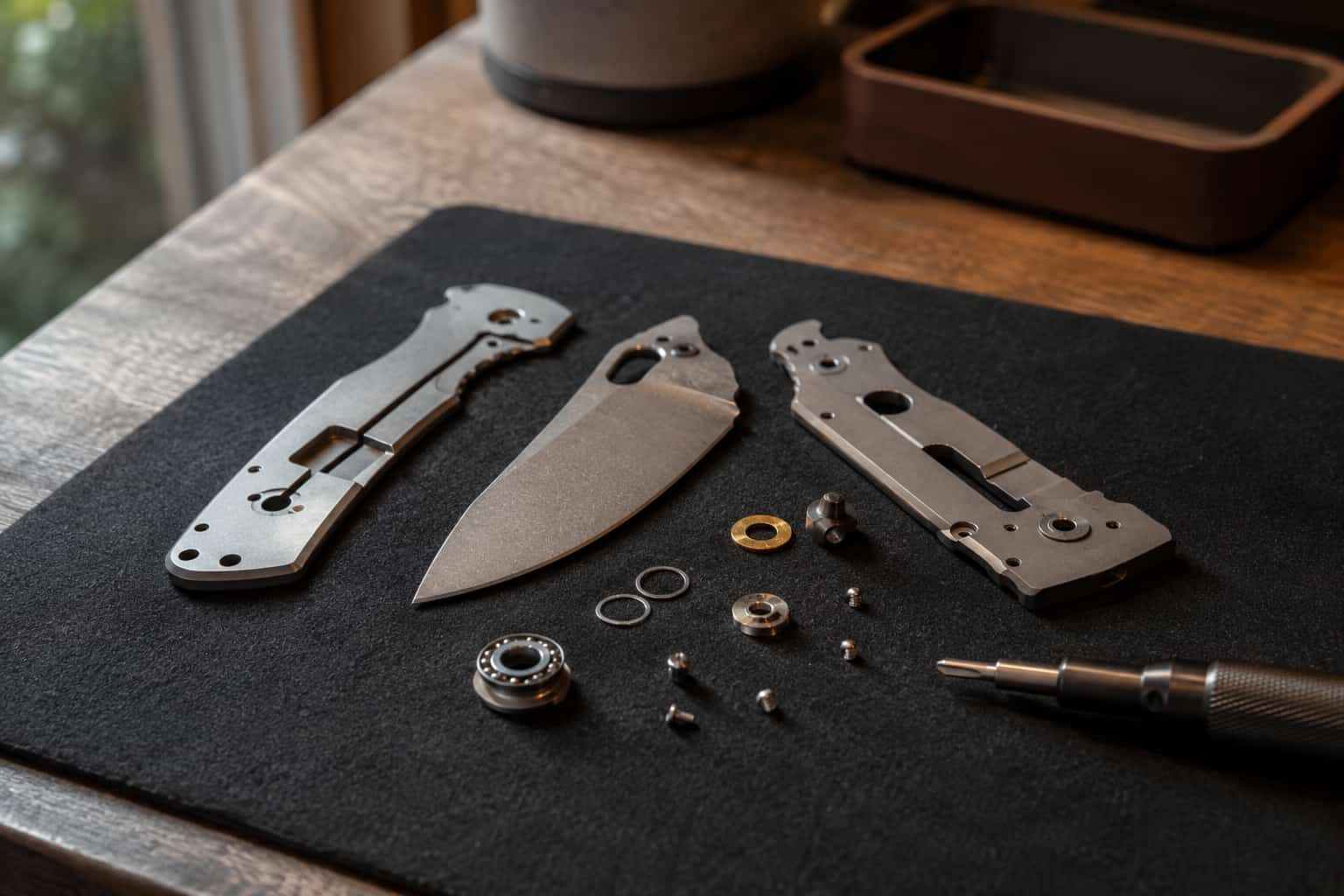
A fixed blade is a shape; a folder is a MACHINE — a dozen parts in moving agreement, where a thousandth of an inch is the difference between glass-smooth…
Folding Knives
How every major folder lock works - slipjoint, lockback, liner lock, frame lock, crossbar, button - strengths, build difficulty, and which to make first.
2 min readWritten by Rich LinvilleFree to read
The lock is the folder’s signature mechanism, and every major type is a different answer to one question: what holds the blade open when the cut pushes back? Here is the family, how each works, and — the maker’s angle — what each demands at the bench.
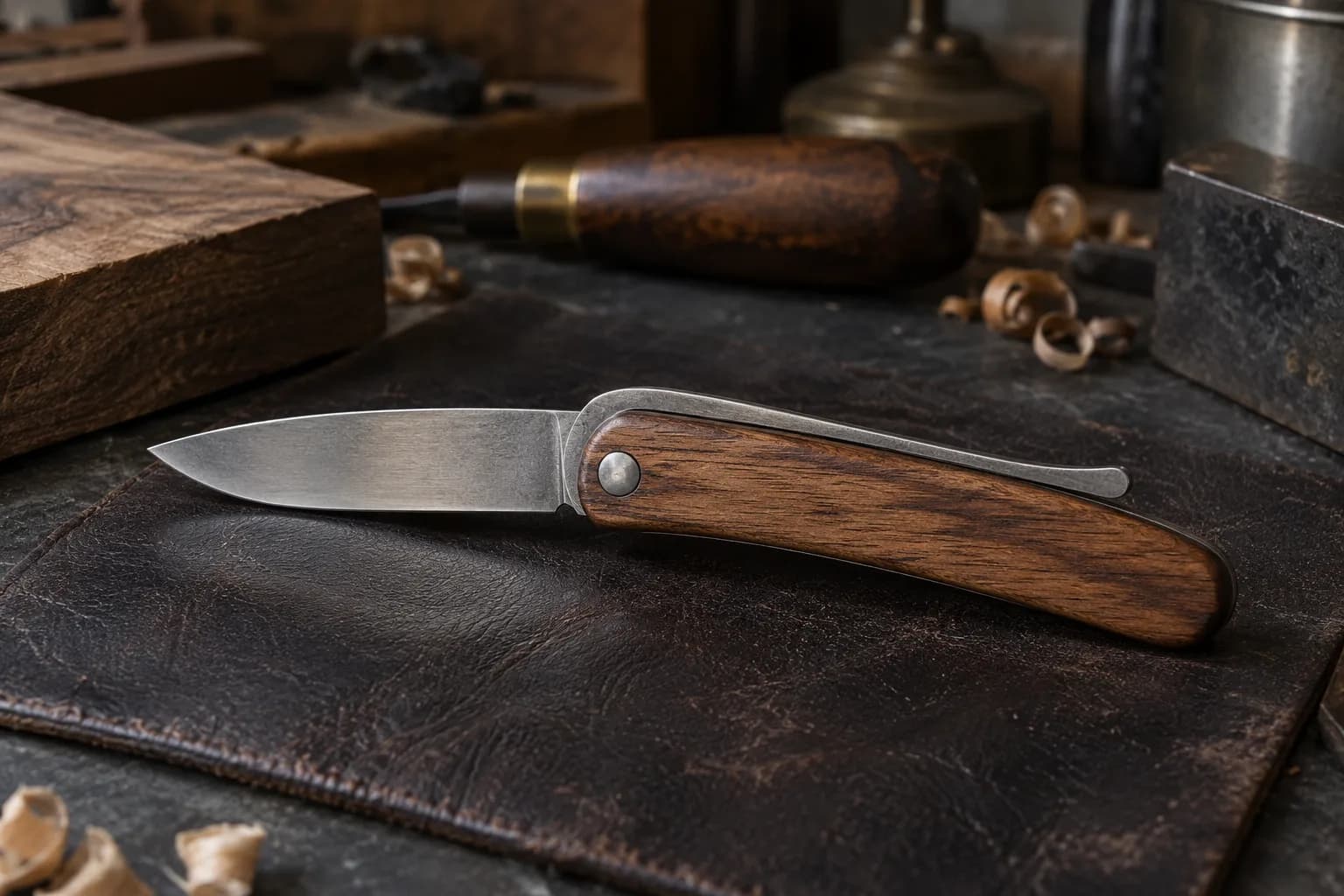
No lock at all: a spring bar rides the tang’s cam surface, biasing the blade closed, open, and (with a half-stop) at ninety degrees. Resistance, not a lock — the traditional pocketknife answer, legal nearly everywhere, and the pattern behind every grandad knife. For makers it is a precision cam-grinding exercise: the tang’s flats and radii against spring tension decide the beloved walk and talk. Full craft in Slipjoints.
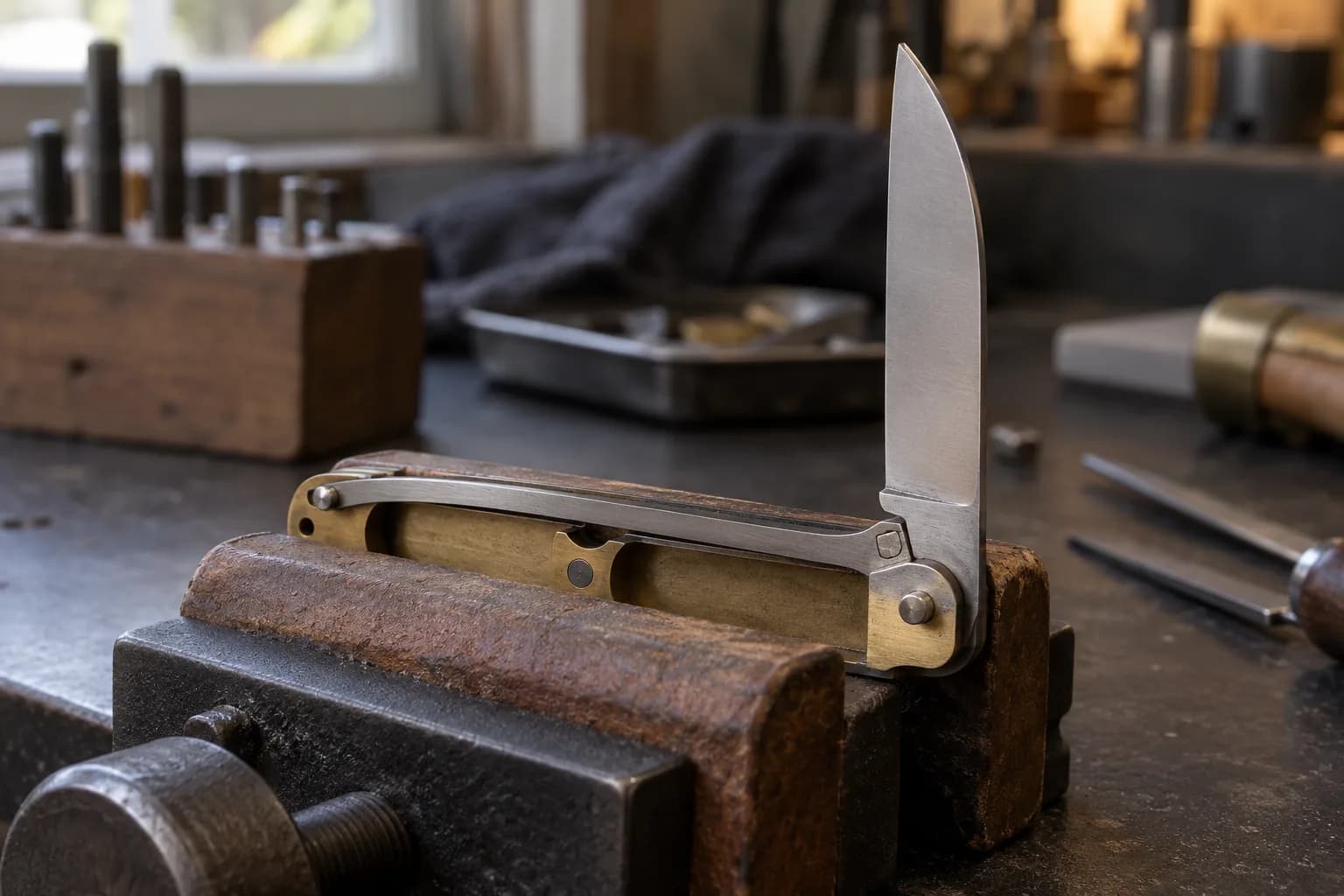
A spine-mounted rocker bar drops a lug into a notch on the tang at open — strong, symmetric (no handedness), the classic hard-use folder lock of the Buck 110 generation. Build demands: precise notch-and-lug fit (sloppy = lock rock) and spring geometry. Mid-difficulty; very satisfying; disassembly-hostile compared to screwed-together moderns.
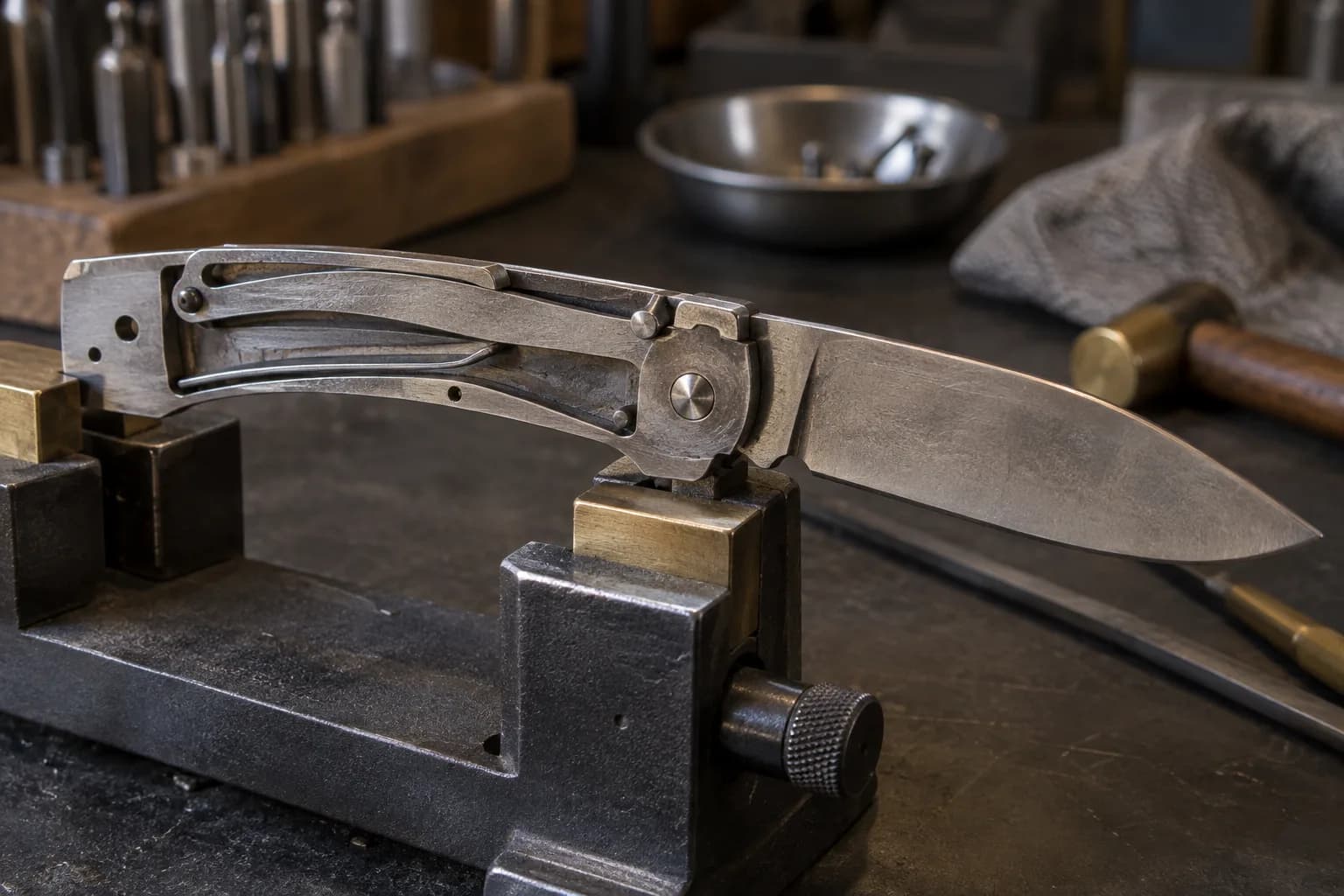
A leaf of the liner (liner lock) or the handle slab itself (frame lock) is split, bent inward, and springs across behind the open blade’s tang — the tang’s lock face ground at the shallow angle (commonly in the 7-9 degree neighborhood) that lets the lock wedge tight without sticking. These are the locks most modern folders wear and the standard first LOCKING build: everything is visible, adjustable, and forgiving of iteration. The full build is its own guide; frame locks add the titanium-slab stiffness question and often a steel lockface insert.
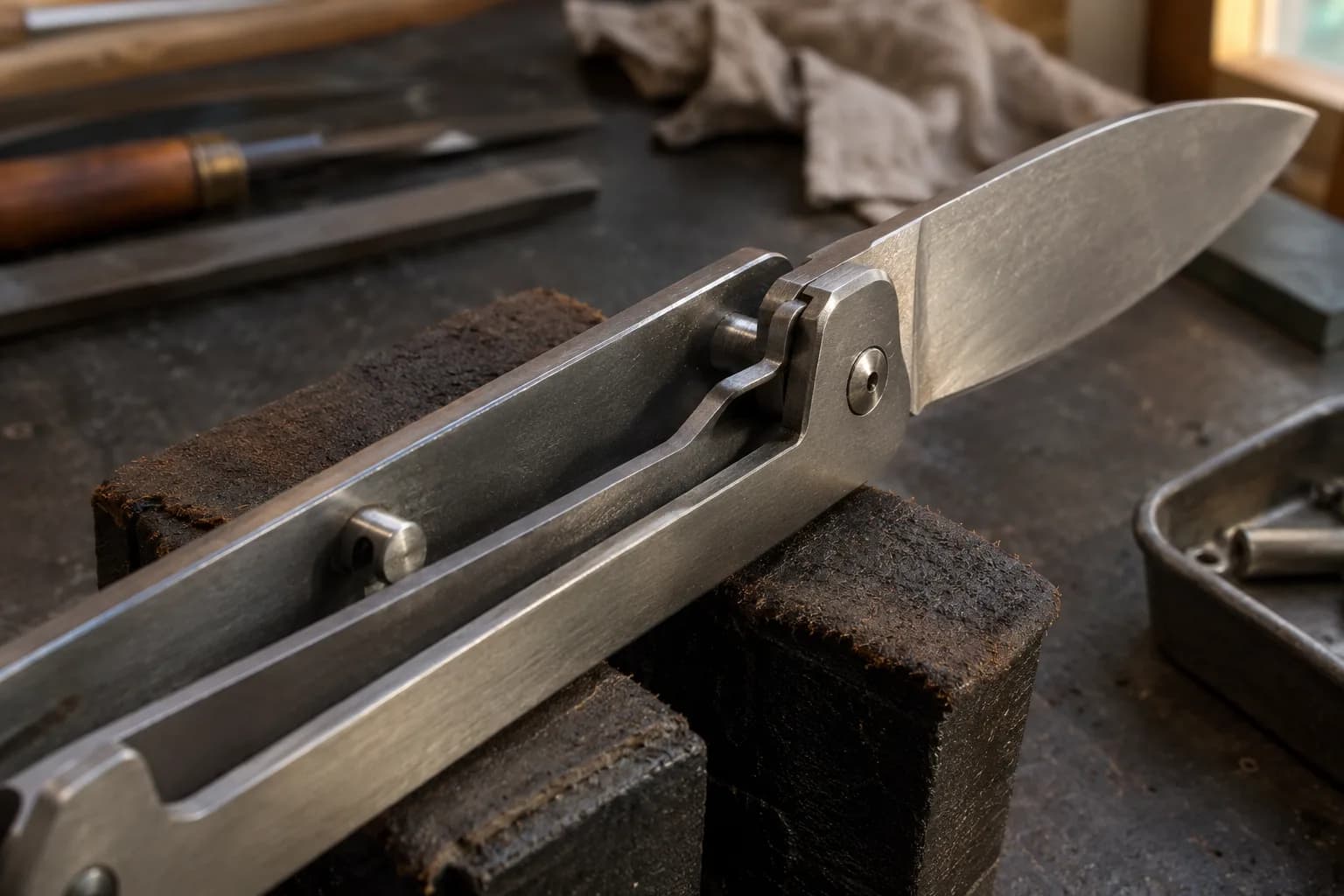
The crossbar lock (popularized under Benchmade’s trademarked AXIS name; the patent has expired, so the generic mechanism is now everywhere) runs a spring-loaded bar through the handle that cams over the tang — ambidextrous, strong, and gloriously fidgetable. Button locks put a plunger through the blade path. Both are machining-heavy builds (precise cross-holes, spring channels) that reward a mill and punish a hand drill — later-career projects for most makers.
The honest ladder: friction folder (no lock, no detent — pure pivot fitting), then slipjoint OR liner lock depending on temperament (slipjoint = spring-and-cam craft, liner = modern mechanism craft), then frame lock, then the machined exotics. Strength talk, honestly: every serious lock type holds far more than sane use applies — buy or build on fit and feel, not spine-whack theater. And note what every lock shares: it is only as good as the tang geometry it engages, which is why anatomy comes before mechanism.
Keep reading
Three more from the same bench.
A fixed blade is a shape; a folder is a MACHINE — a dozen parts in moving agreement, where a thousandth of an inch is the difference between glass-smooth…
The friction folder is folder-making with the hard parts removed and the important parts kept: no lock, no detent, no spring — just a blade, a pivot, and…
The liner lock is the modern folder’s default mechanism and the standard first LOCKING build: every part is visible, every adjustment reachable, every…
Same bench
I machine the parts, hand-assemble, track and test Torus grinders in Sterling, Illinois. Most orders ship in seven to ten business days from time of order.
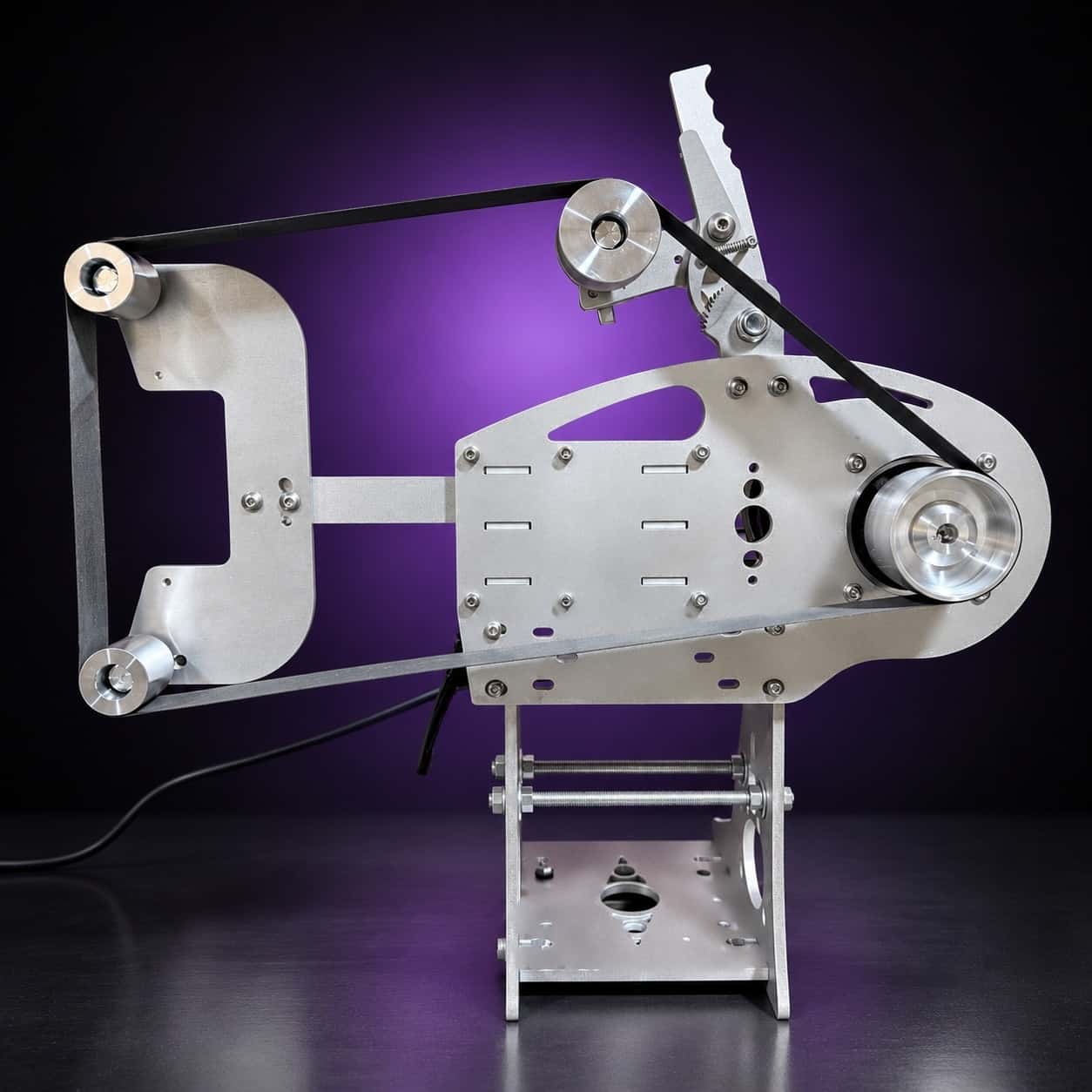
Current dual-axis platform with a fiber-laser-cut 6061 chassis and single-knob tracking.
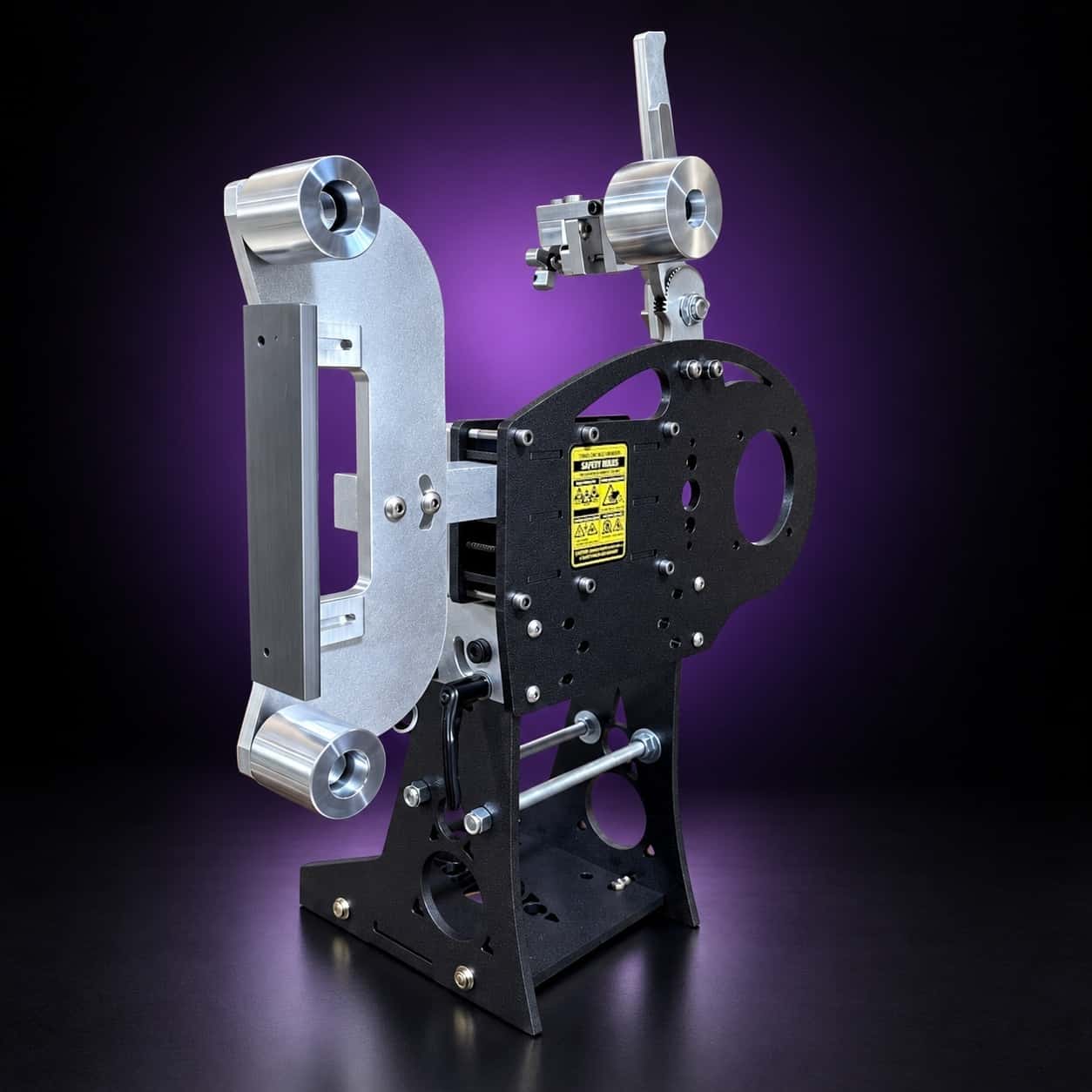
Current dual-axis platform with a steel chassis, more mass and less vibration.
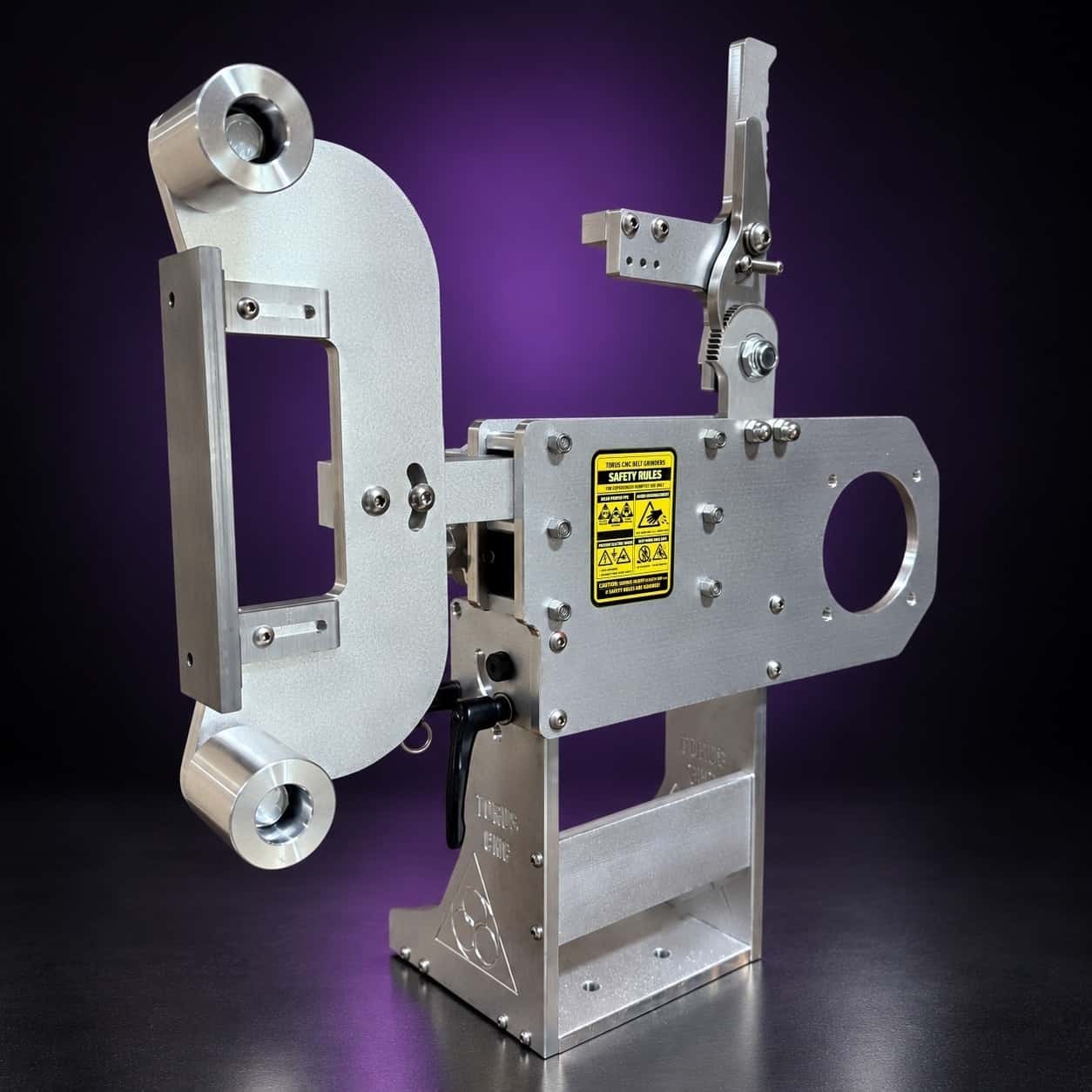
Prior-design aluminum chassis, 90-degree tilt and 1.5-inch tooling arms.
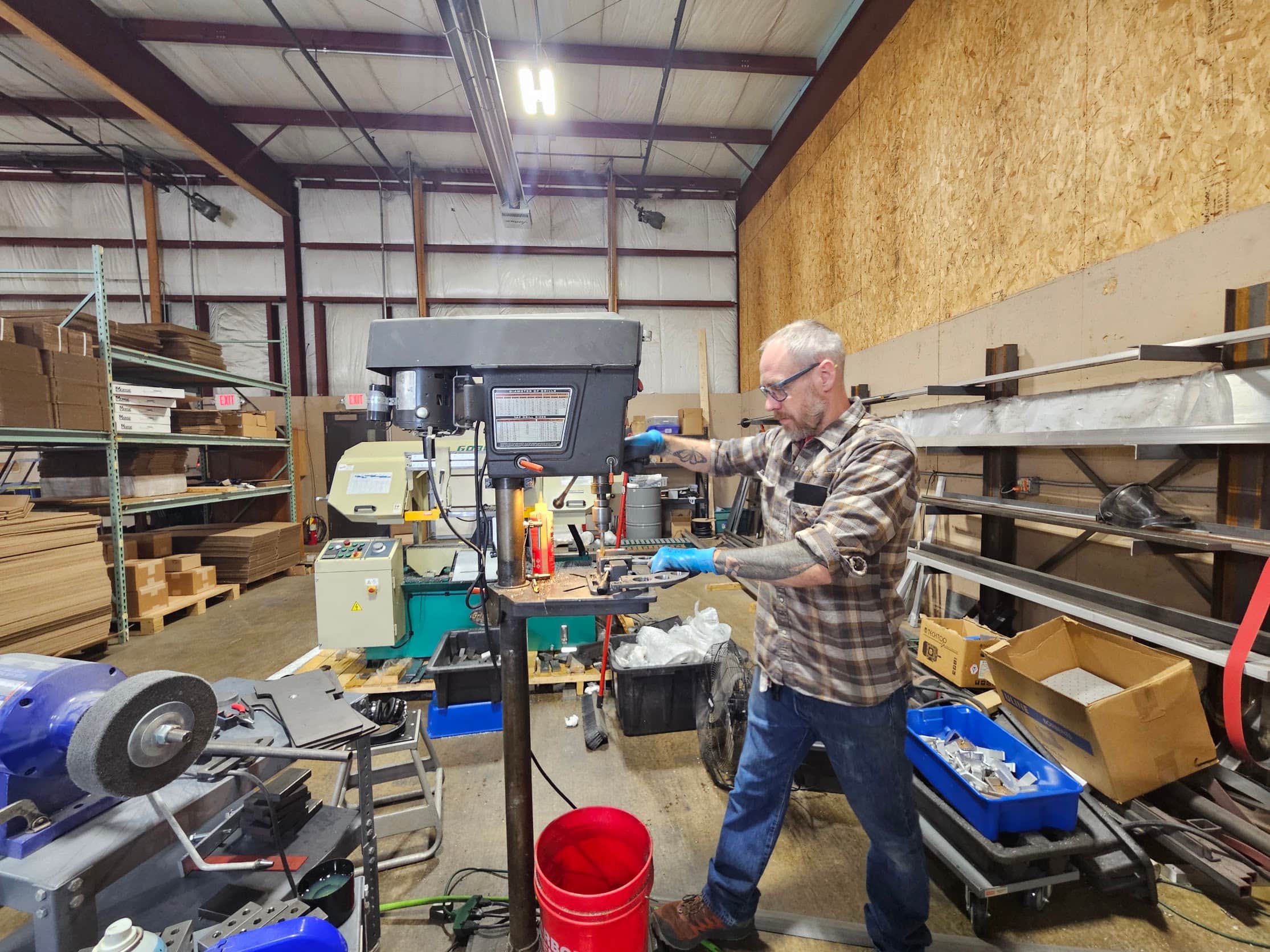
One-man shop
I answer my own email. Tell me the steel, the machine and what it is doing, and I will tell you what I would try next.