
A fine-grained, chromium-alloyed bearing steel valued for exceptionally keen, stable edges and toughness that outperforms plain carbon steels like 1095.
- Toughness
- 4
- Edge retention
- 3
- Corrosion resistance
- 1
- Ease of grinding
- 4
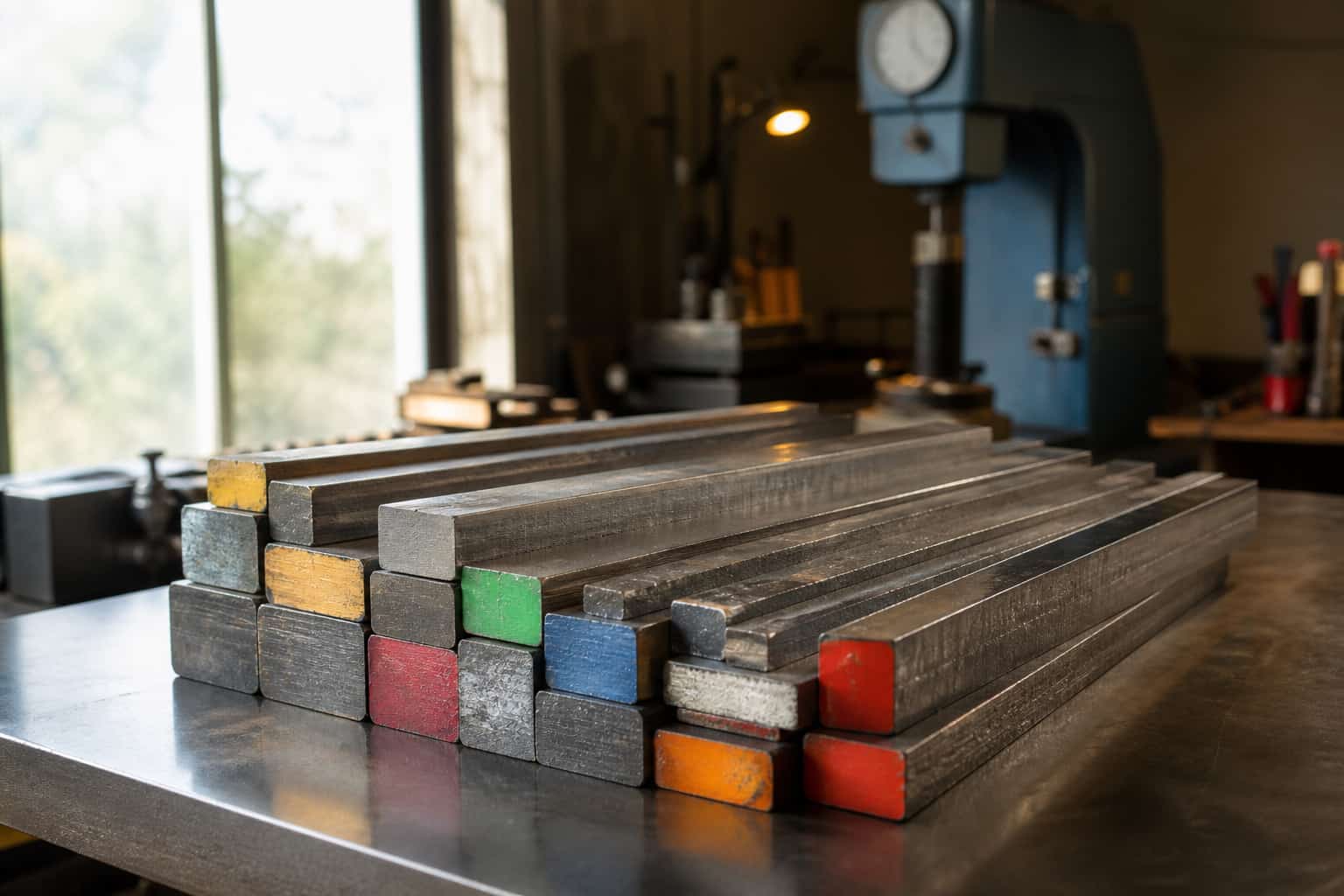
Steel matchup
52100 and 80CrV2, compared on the five things that decide a blade: toughness, edge retention, corrosion, heat treat and how each one grinds.
A fine-grained, chromium-alloyed bearing steel valued for exceptionally keen, stable edges and toughness that outperforms plain carbon steels like 1095.
A simple, forgiving high-carbon steel with a small vanadium addition for grain refinement, popular with bladesmiths for tough, hard-use forged blades and choppers.
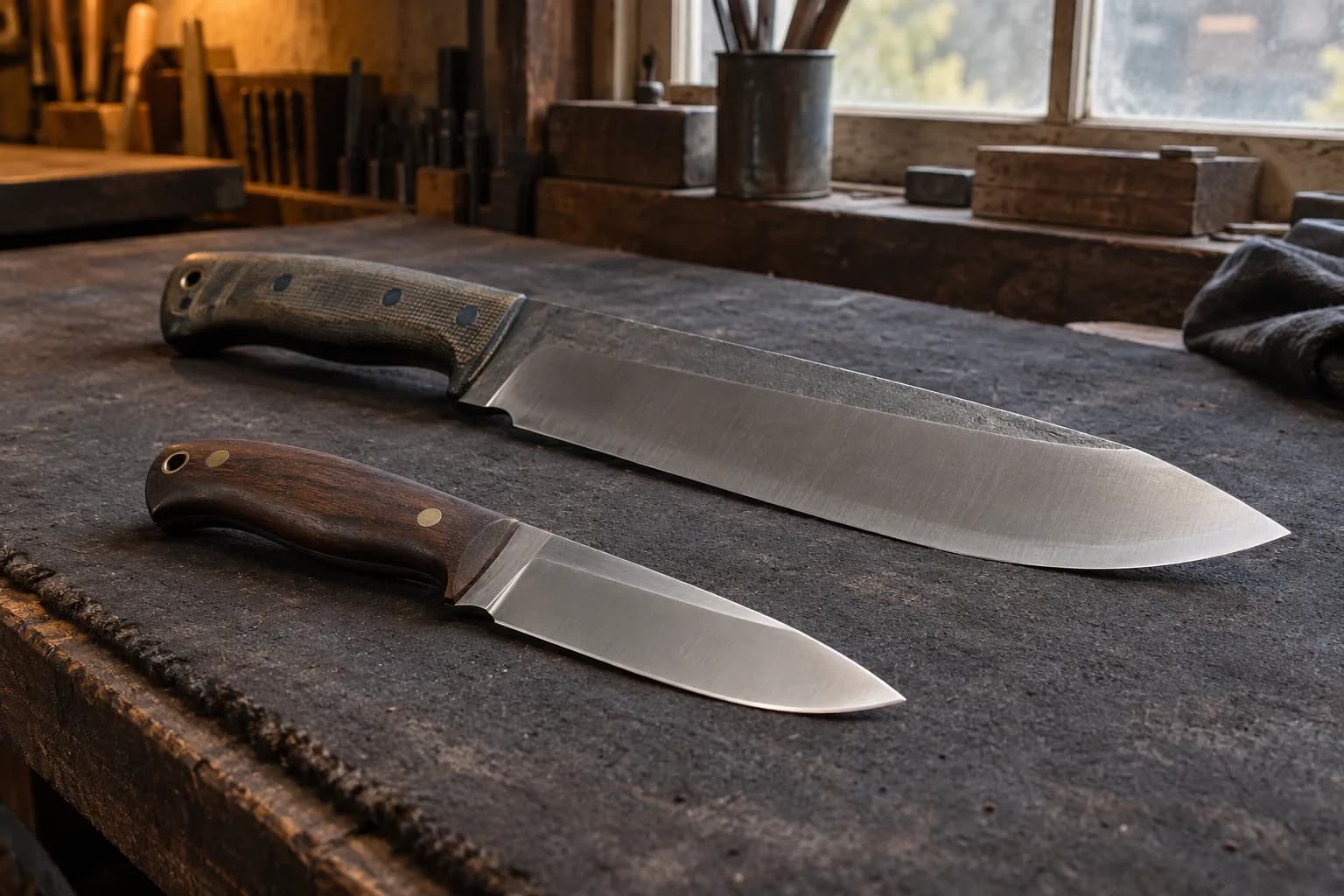
Dimension by dimension
Each steel's own note, its score out of five, and what separates the two in that one column. The higher score in a row is marked in purple.
| Dimension | 52100 | 80CrV2 | What separates them |
|---|---|---|---|
| Toughness | Noticeably tougher than plain carbon steels like 1095 or O1, thanks to its very fine, clean grain structure inherited from its bearing-steel origins. | Excellent for a simple high-carbon steel. The vanadium addition refines grain size compared to plain steels like 1080 or 1084, giving it very good toughness that makes it a popular choice for choppers, camp knives, and swords. | Essentially tied. Both are well-regarded for toughness among simple-to-mid-alloy steels, and the small compositional differences between them don't produce a meaningful real-world gap. |
| Edge retention | Chromium carbides give it a real step up in wear resistance over plain carbon steel, and its fine grain lets it hold a very keen edge, though it is still well short of high-carbide stainless steels. | Modest compared to alloy tool steels or stainless PM steels, in line with other simple high-carbon steels. It sharpens very easily and takes a keen edge, but will need more frequent touch-ups under hard use than higher-carbide steels. | 52100 wins here. Its higher chromium carbide content, a legacy of its bearing-steel origins, gives it a real, noticeable edge-retention advantage over 80CrV2's simpler alloy makeup. |
| Corrosion resistance | The 1.3-1.6% chromium is there for hardenability and carbide structure, not corrosion resistance. Treat it like a carbon steel and keep it oiled and dry. | Not stainless and not intended to be. Like other simple carbon steels, it will rust without an applied finish or regular oiling and drying. | Tied, neither has meaningful corrosion resistance despite 52100's chromium content, which isn't high enough to reach stainless-level protection. Both need regular care to avoid rust. |
| Heat treat | If working from reclaimed bearing races, a normalize at 1700 F followed by a grain-refining anneal at 1460 F is common before hardening. Austenitize at 1500-1525 F for about 15 minutes, then quench in a fast oil such as Parks AAA (medium-speed oil can work on thinner stock). As-quenched hardness can reach the mid-60s Rc. Temper between 300 and 400 F: the lower end favors maximum hardness and edge stability, the higher end favors toughness, with most knife applications landing around 60-62 Rc. | Austenitize at approximately 1525 F, holding 10-20 minutes depending on stock thickness (for forge heat treating, heat to just past nonmagnetic and no hotter). The steel is difficult to overheat thanks to its carbon and vanadium balance, making it forgiving for less precise setups. Quench in a medium-speed oil (fast oils also work well with no toughness penalty observed). Temper twice, 2 hours each cycle, in the 300-450 F range; 350-400 F is the recommended sweet spot for most knives, yielding roughly 60-61 HRC with a strong toughness-hardness balance. Avoid tempering above 450 F, which risks tempered martensite embrittlement. | Both are achievable in a home shop, though 52100 is somewhat less forgiving of quench-speed mistakes than 80CrV2 and benefits from more careful temperature control to reach its full potential. |
| Grinding | Grinds and forges well, though the chromium carbides make it slightly slower to work than simple steels like 1084 or 1075. | Very easy to grind, similar to other simple high-carbon steels like 1084 and 5160. A good choice for makers who want fast, low-effort stock removal or forging. | 80CrV2 grinds slightly more easily thanks to its lower carbide content; 52100's added chromium carbides make it marginally slower to grind and sharpen, though the difference is modest, not dramatic. |
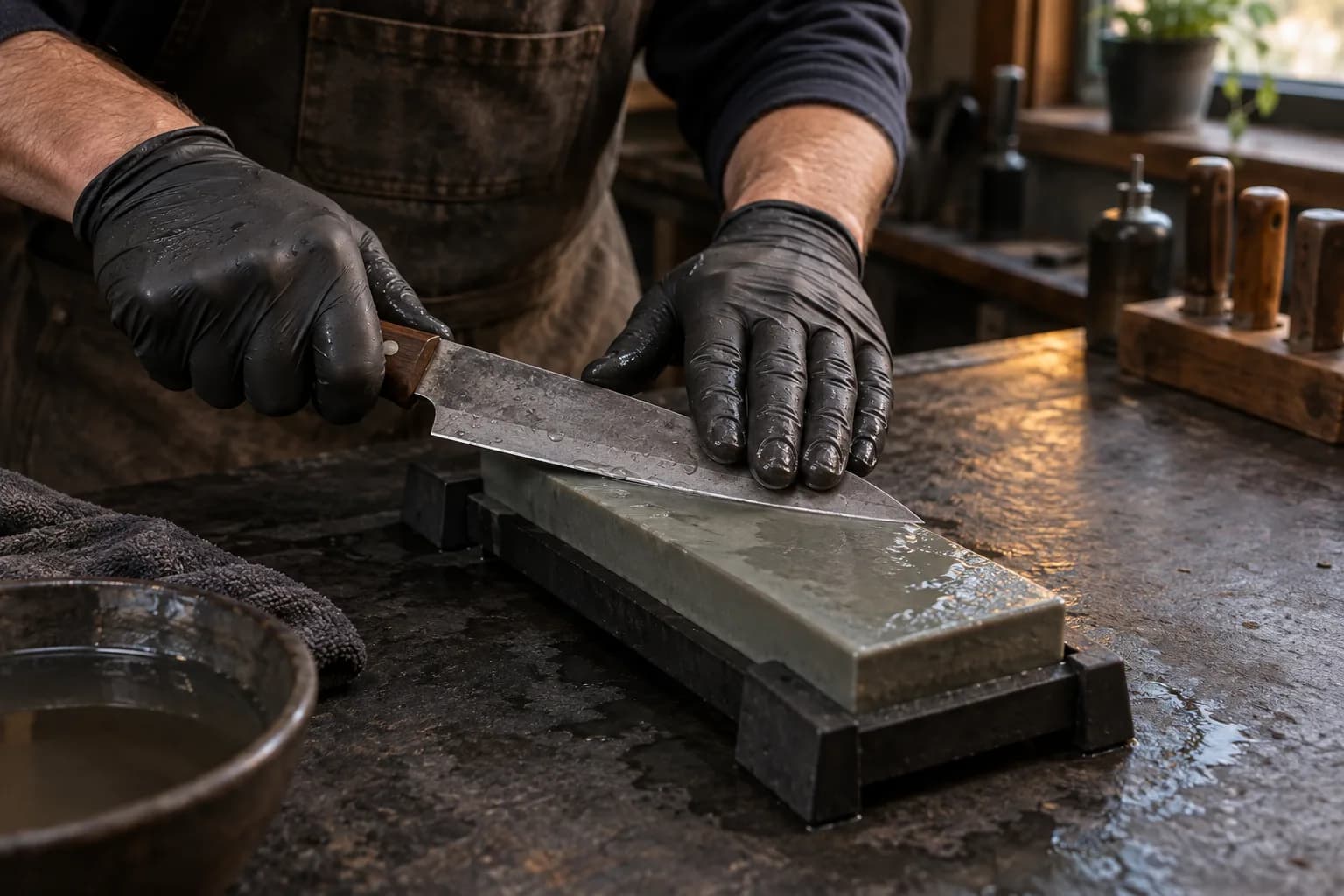
Best use
52100
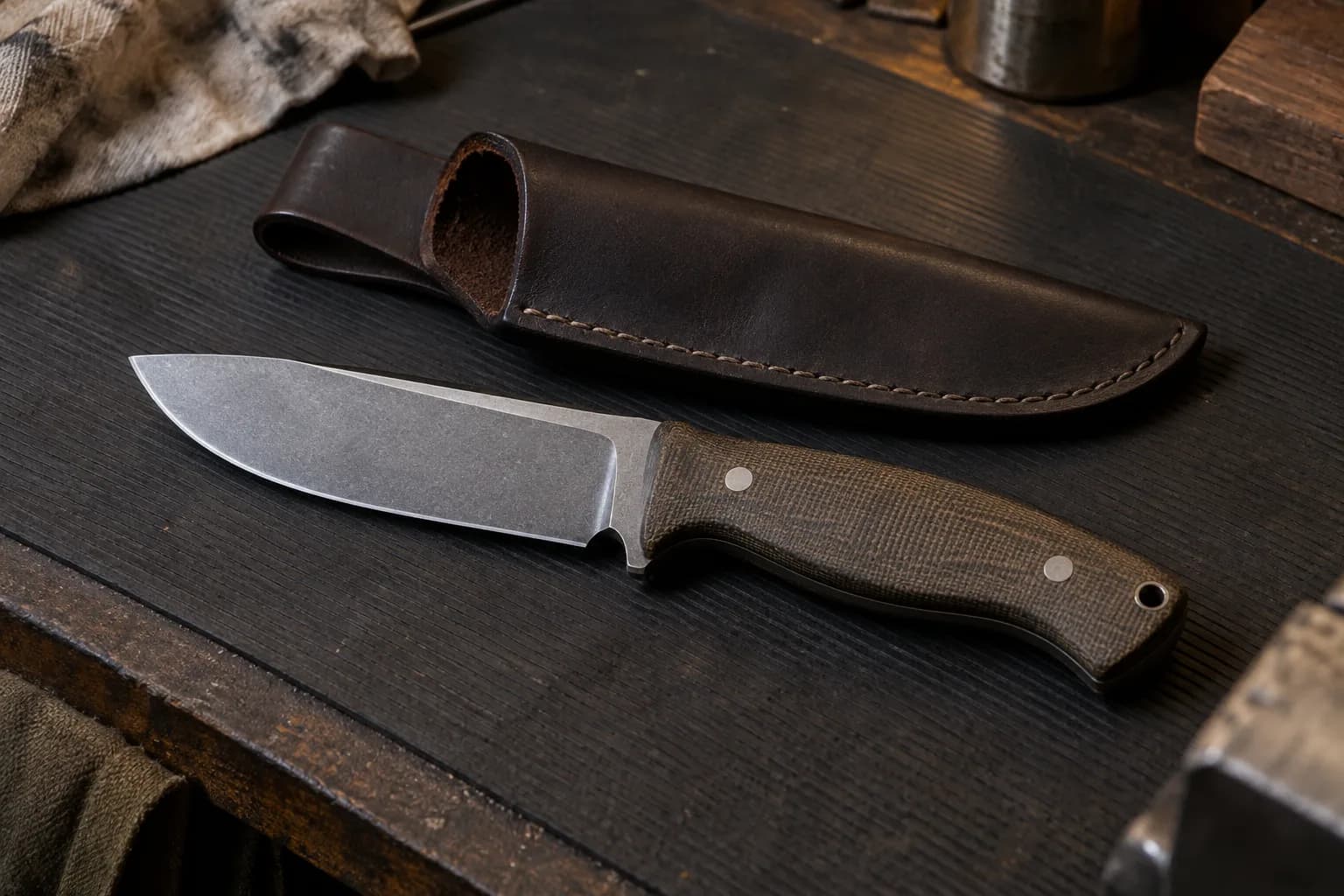
52100 is the better pick when edge retention is the priority within this simpler-alloy tier, hunting or utility knives that see extended cutting sessions.
Open the 52100 reference80CrV2
80CrV2 remains an excellent, slightly more forgiving choice for choppers and hard-use knives where toughness and ease of grinding matter more.
Open the 80CrV2 reference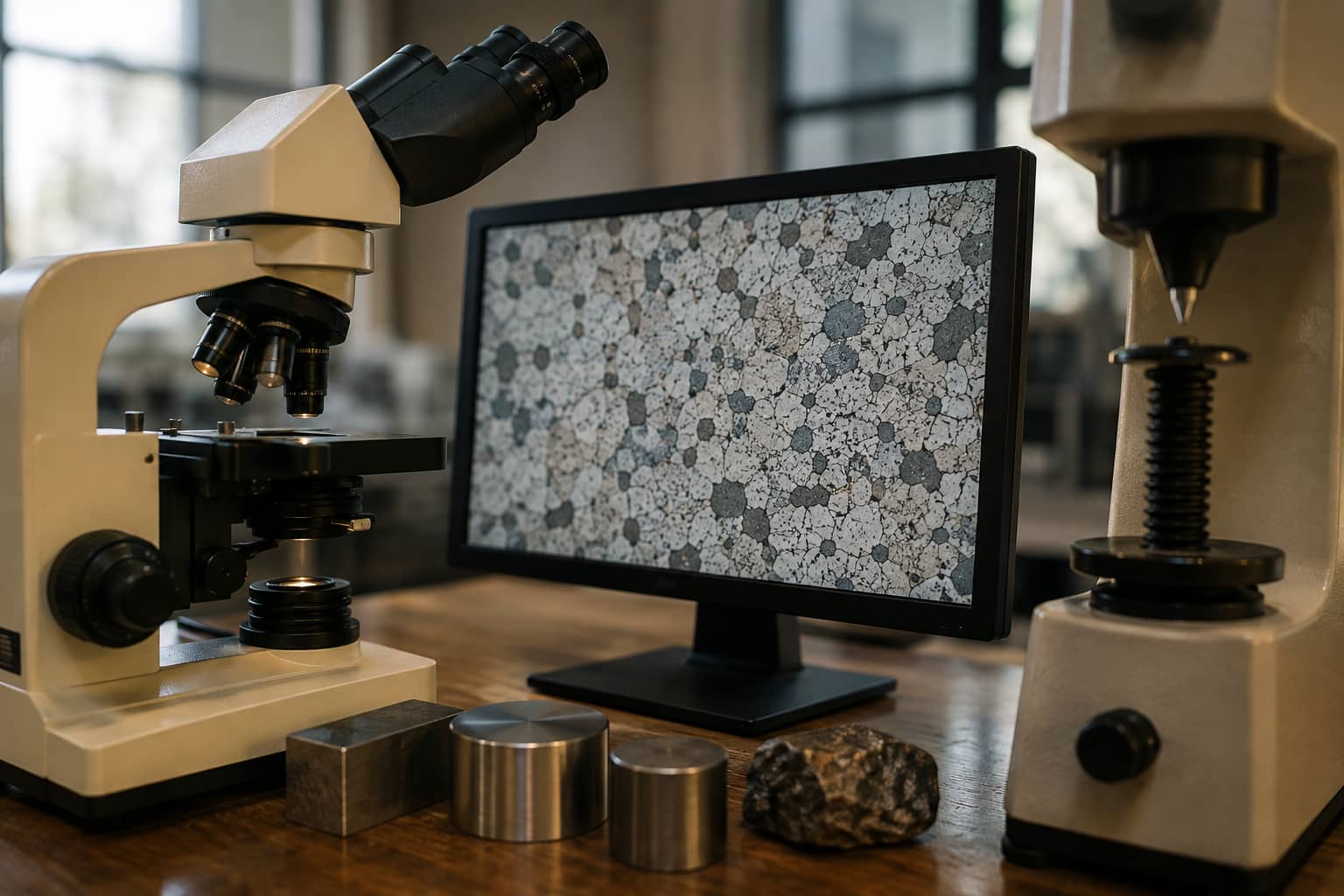
The long answer
Both steels sit a step above plain carbon steel in alloy content, and both have loyal followings among makers who want more than 1084 or 1095 without jumping to a fully modern powder-metallurgy steel. The choice mostly comes down to what you value more: wear resistance or toughness.
Keep comparing
Keep reading
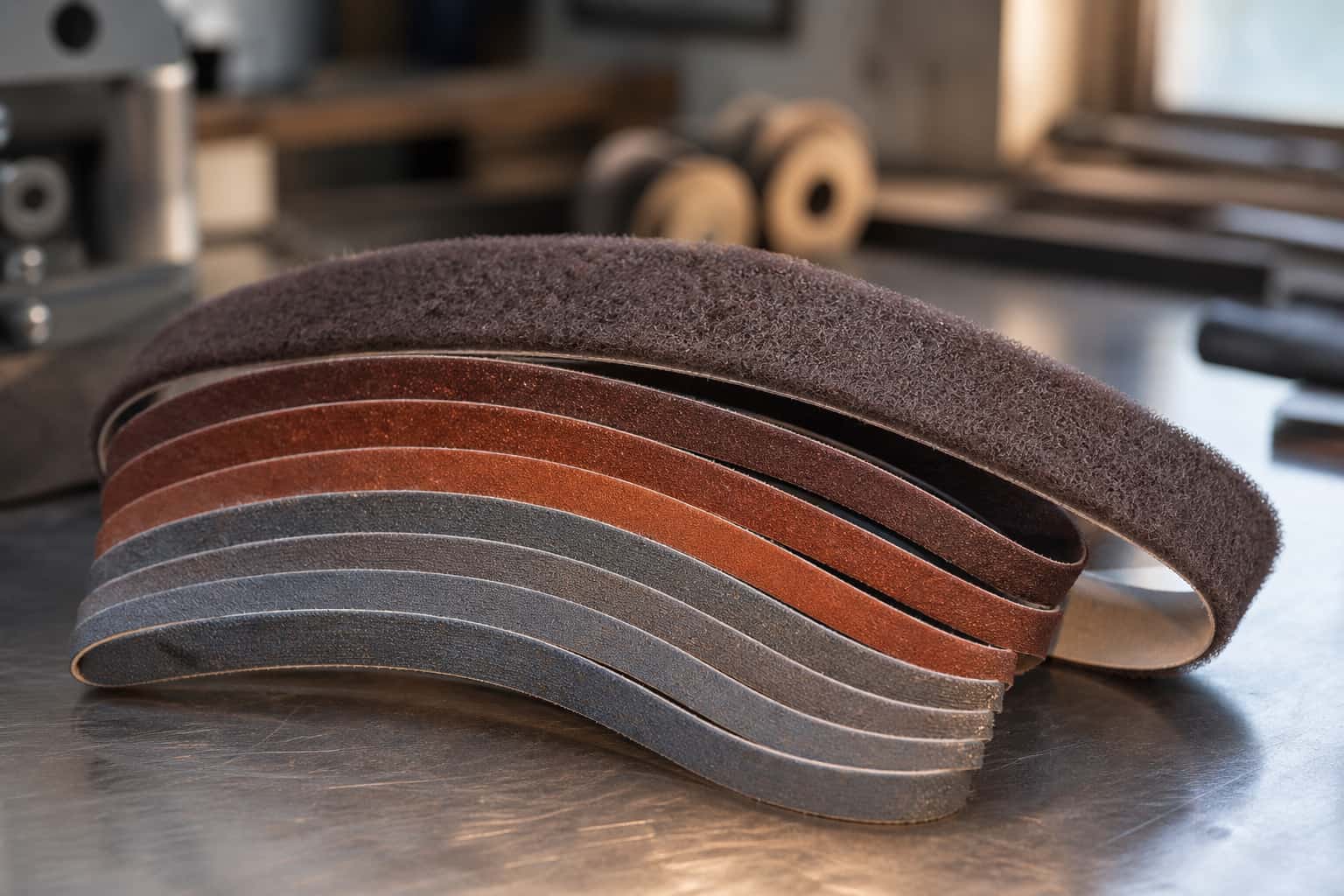
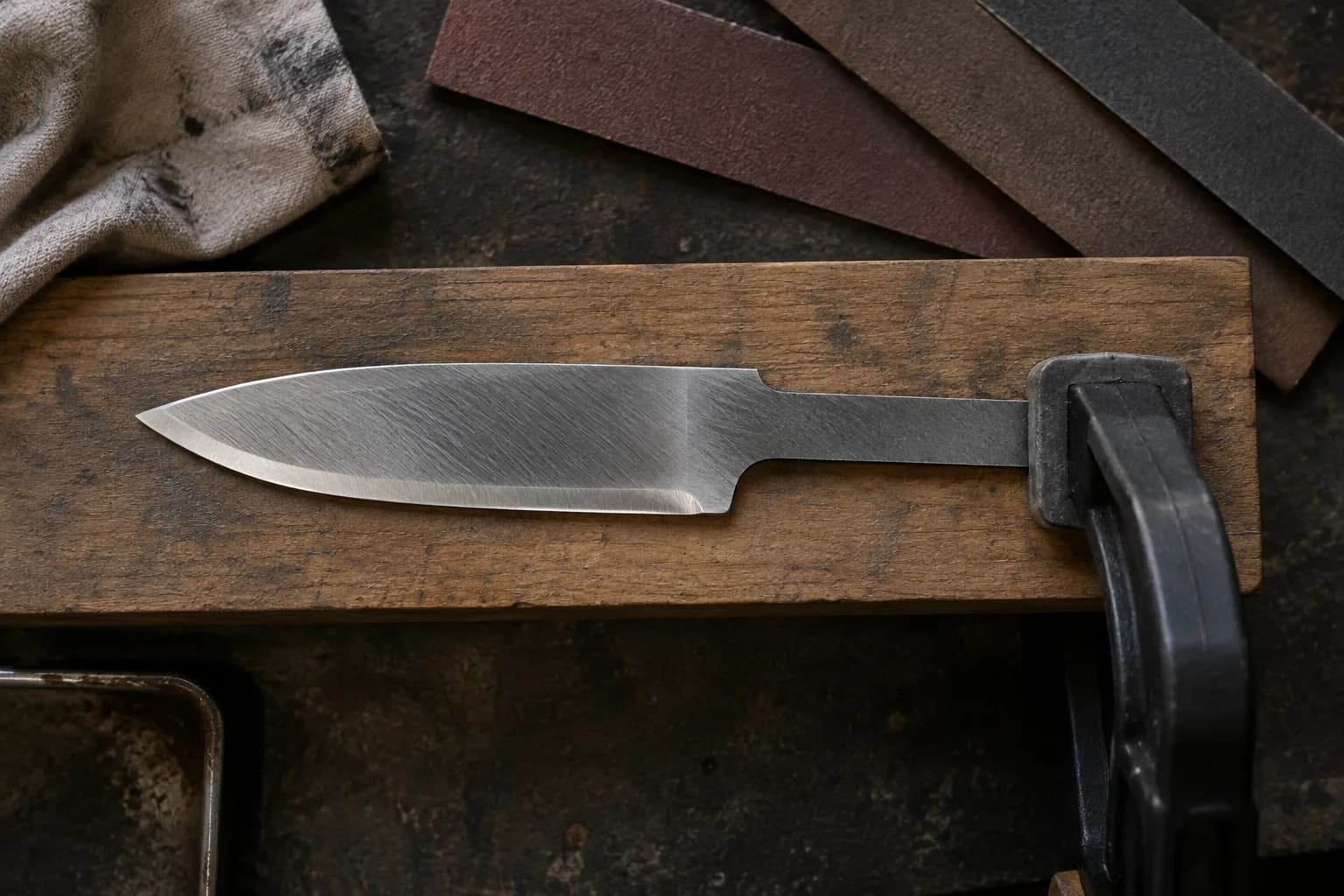
52100 grinds slightly more demandingly than the simplest carbon steels in this database, its chromium carbides give a bit more wear resistance and a bit…
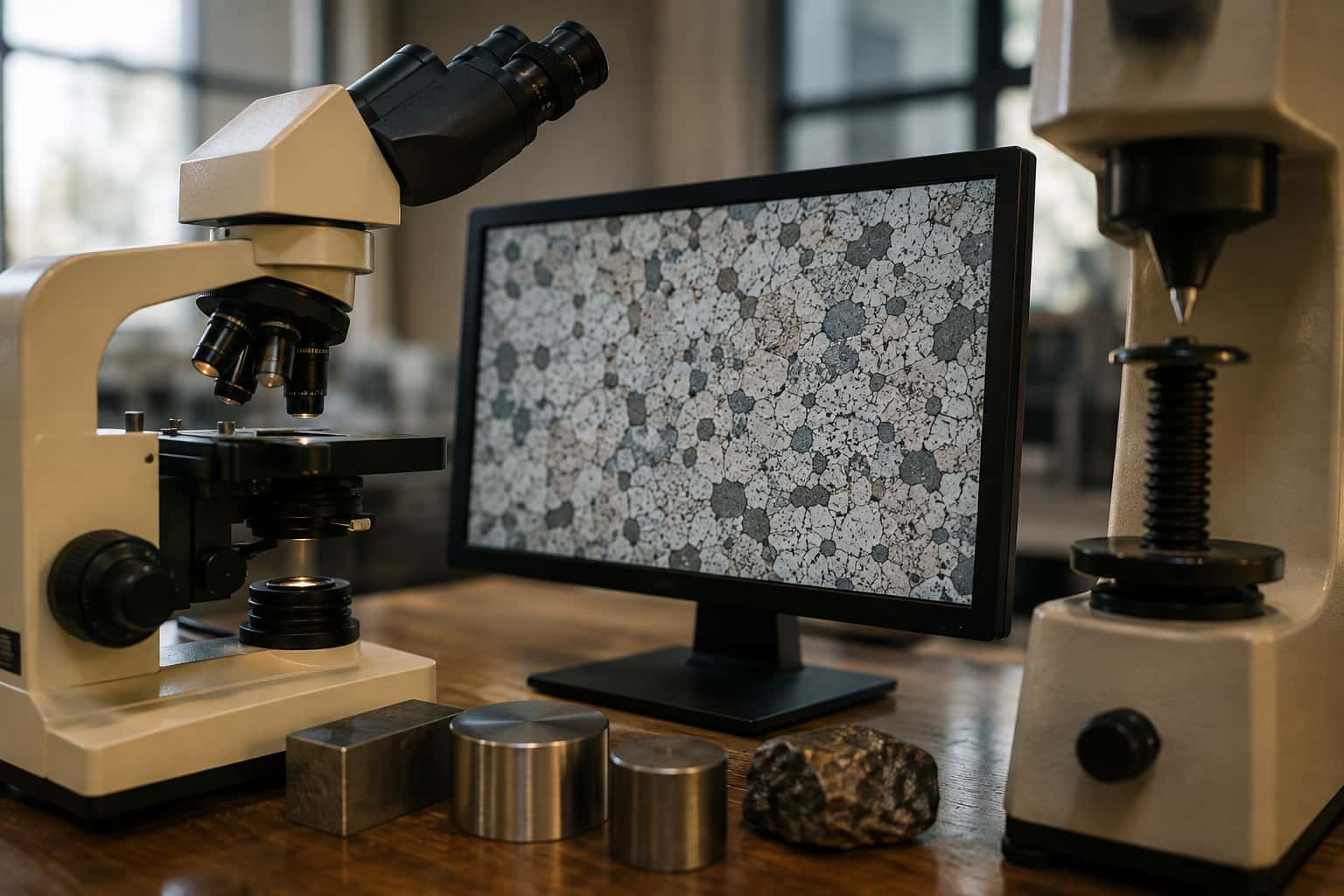
80CrV2 is one of the easiest steels in this database to grind and forge, sharing the same forgiving character as simple carbon steels like 1084. Its small…
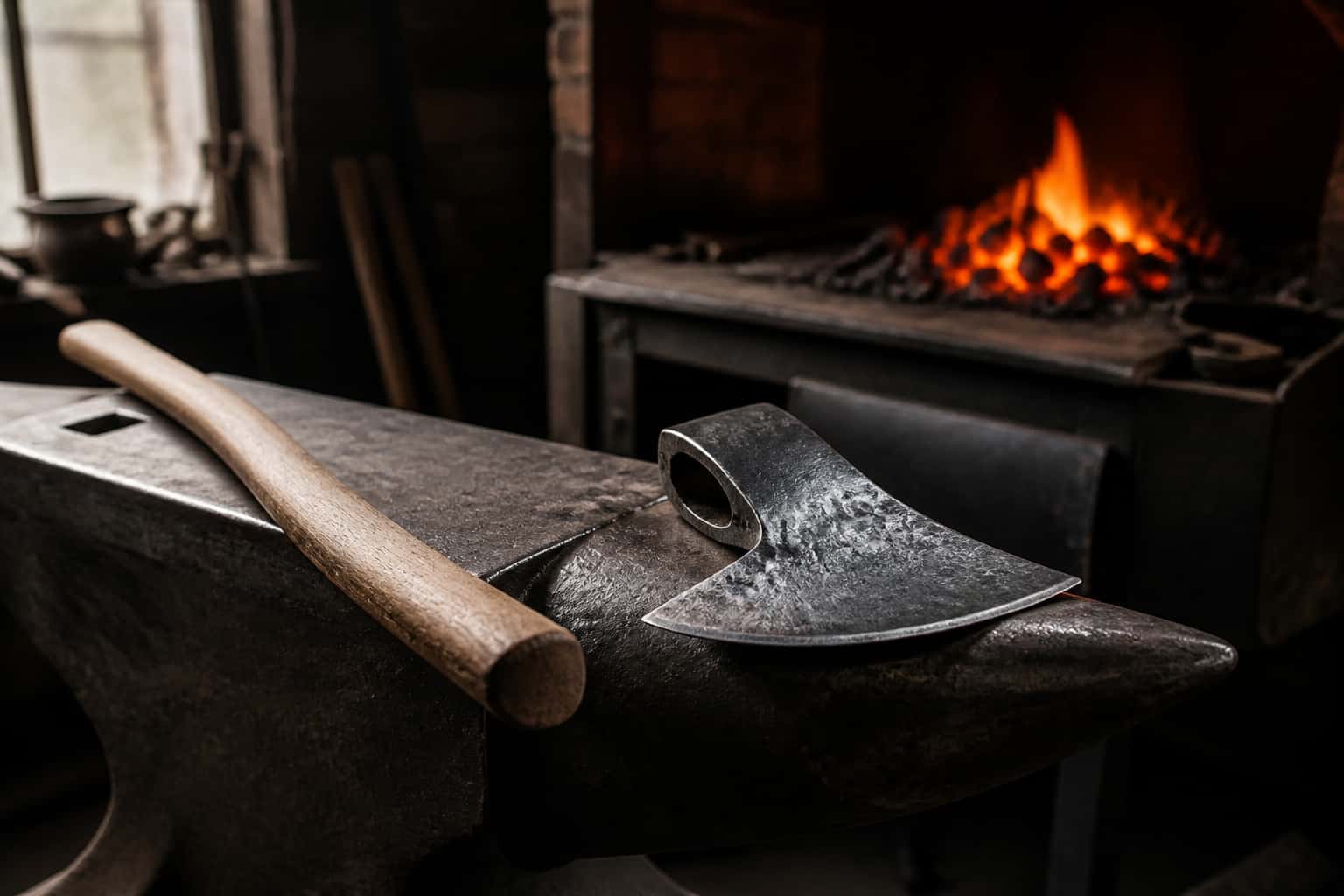
Every knife steel is iron plus a specific recipe of other elements, and each of those elements pulls the steel’s behavior in a particular direction…
Same bench
Whichever steel wins, the grind is only as flat as the platen behind it. I machine the parts, hand-assemble, track and test Torus grinders in Sterling, Illinois.
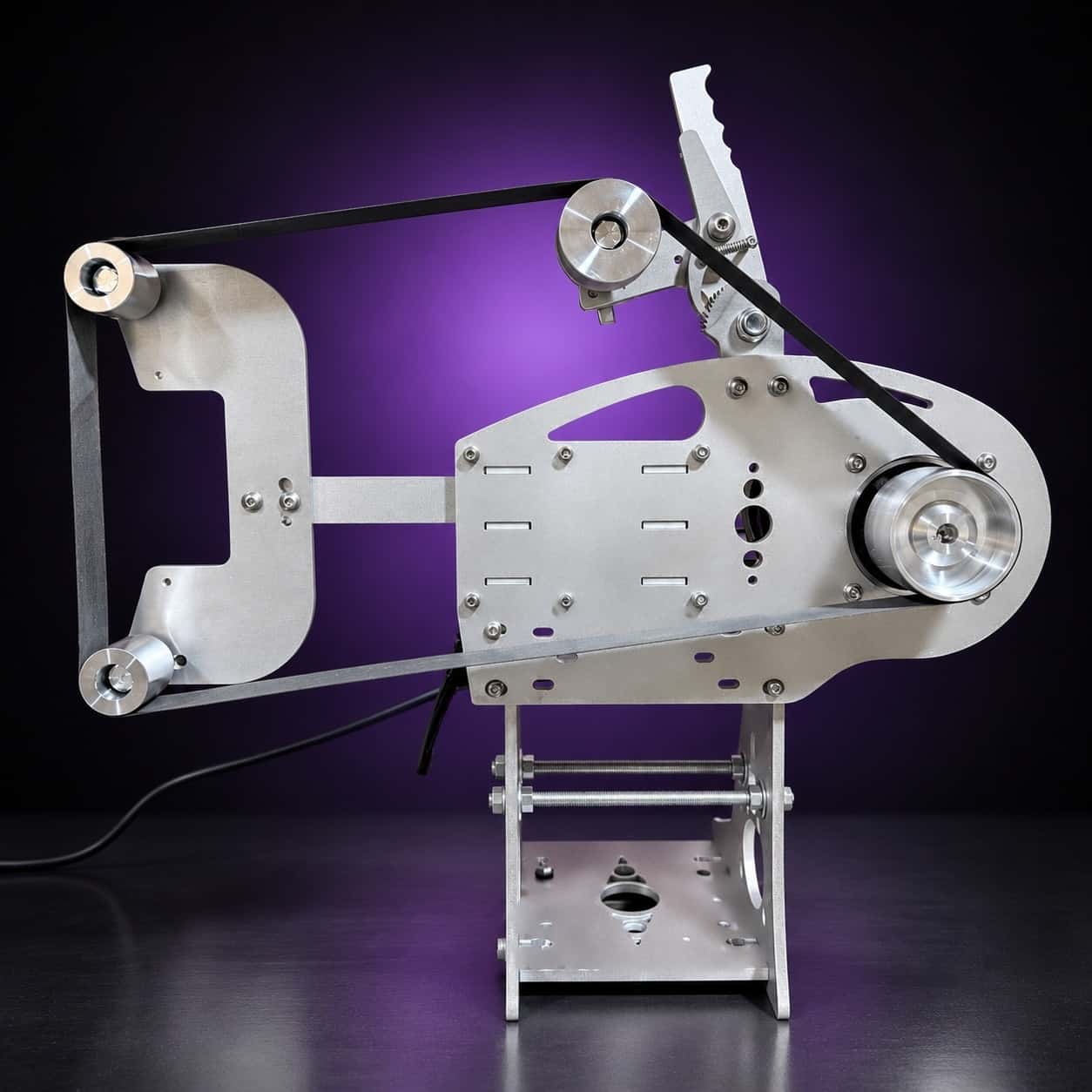
Current dual-axis platform with a fiber-laser-cut 6061 chassis and single-knob tracking.
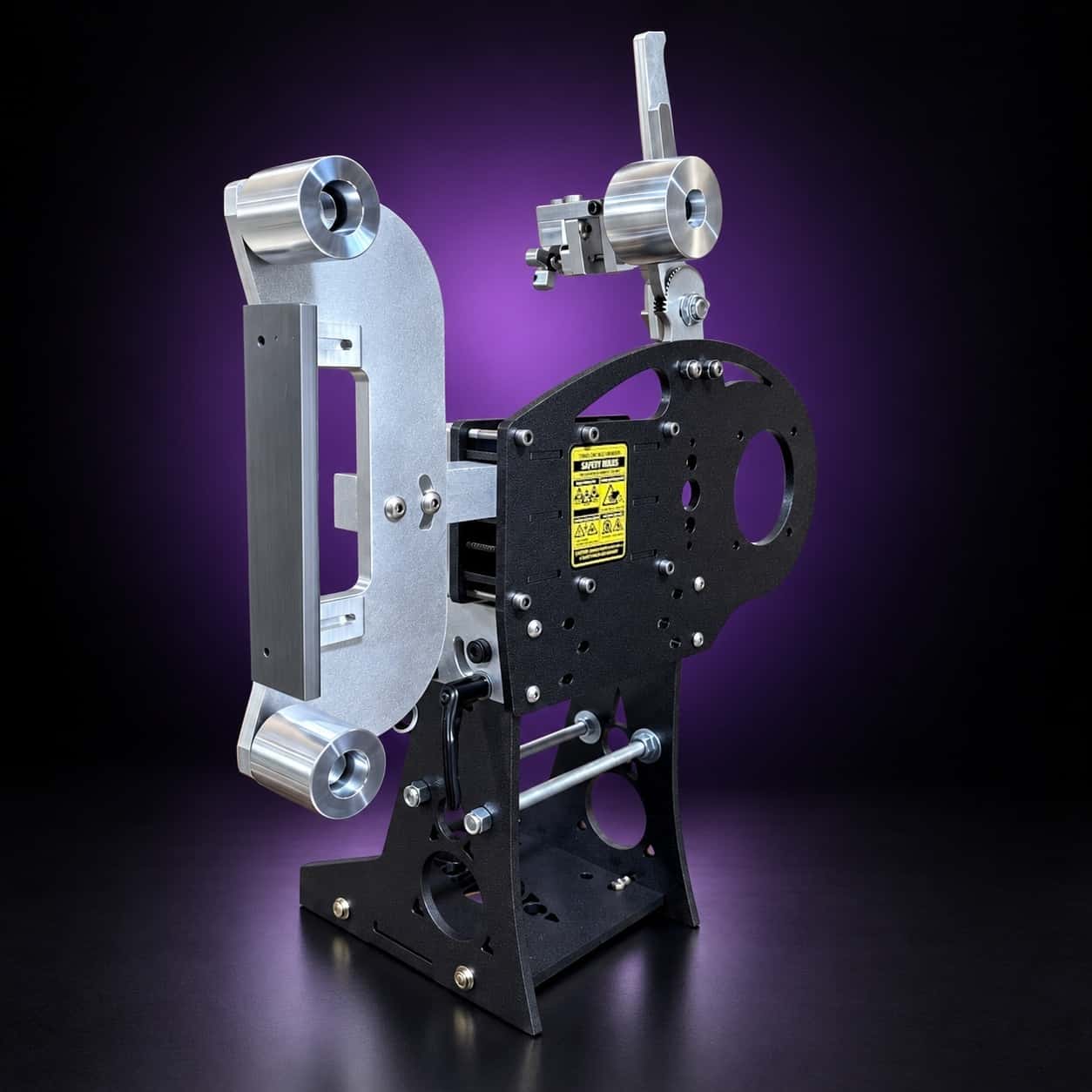
Current dual-axis platform with a steel chassis, more mass and less vibration.
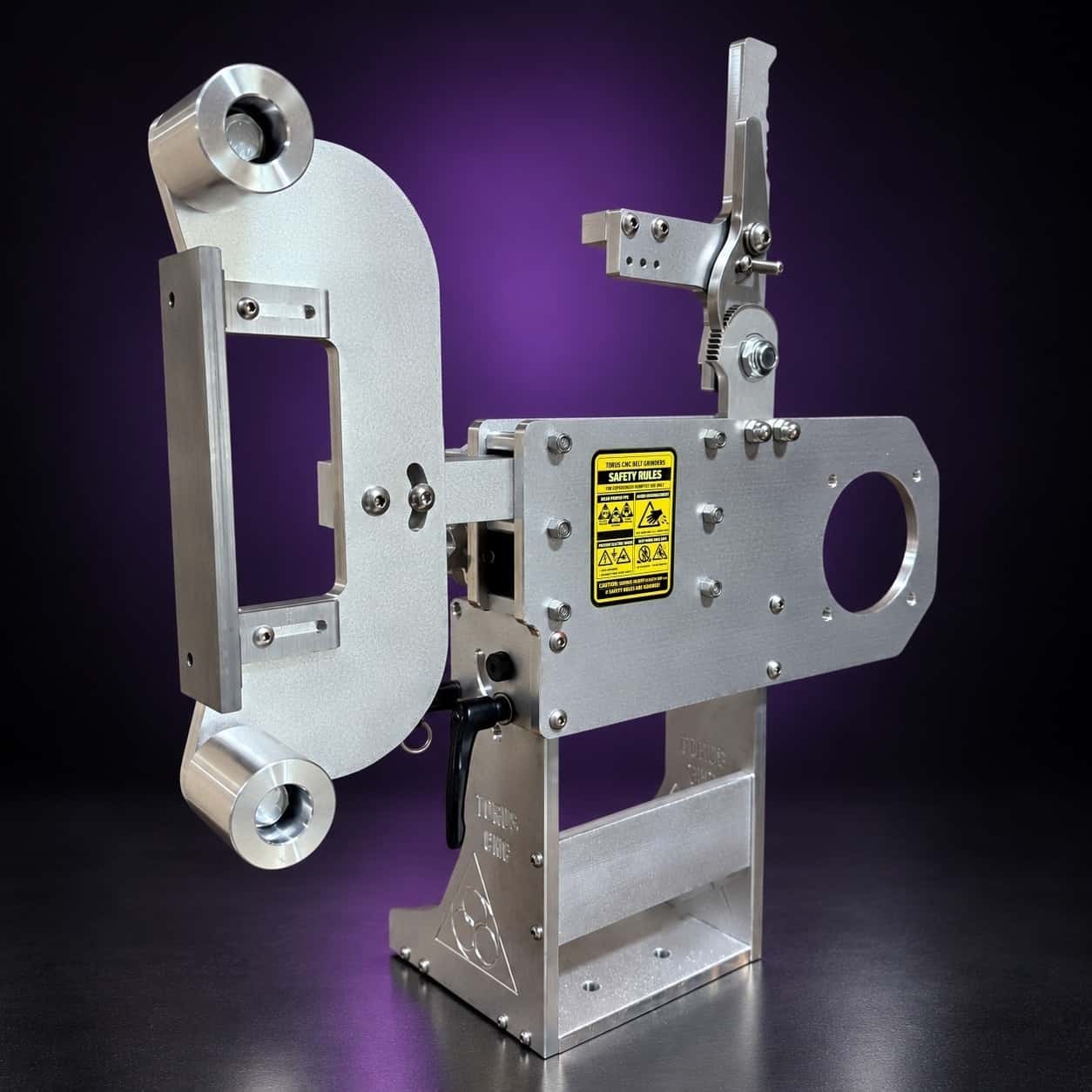
Prior-design aluminum chassis, 90-degree tilt and 1.5-inch tooling arms.
One-man shop
Tell me what the blade is for and how you heat treat, and I will tell you which of these I would put on the bench — including when the answer is neither.