
Damascus & Pattern Welding
Is Damascus Steel Real? Wootz, Pattern Welding, and the Lost Secret
“Is damascus steel real, or is the secret lost?” It’s one of the most-argued questions in the knife world, and the confusion comes from one word covering…
Damascus & Pattern Welding
CATRA testing says damascus performs like its component steels - with one real slicing exception and one toughness tradeoff. The data, plainly.
2 min readWritten by Rich LinvilleFree to read
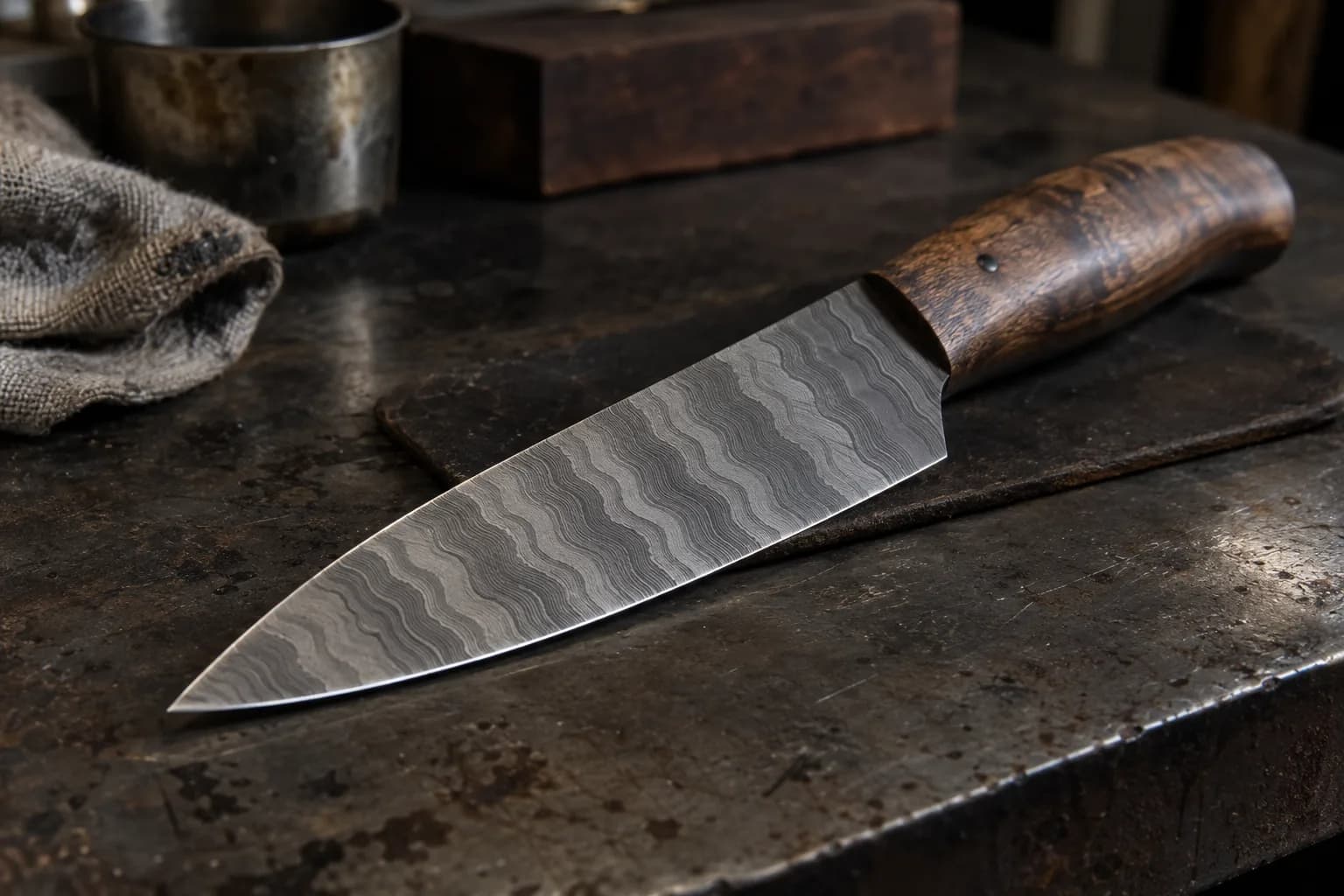
Marketing copy loves to whisper that damascus is stronger, sharper, somehow more than ordinary steel — ancient secrets, legendary edges. Since ForgeBrain already covered whether damascus is “real”, let’s finish the job with the performance question. Short answer: pattern-welded damascus performs like the steels it’s made of — no better, occasionally a little worse, with one genuinely interesting exception. And that’s fine, because performance was never the point.
The definitive work here is metallurgist Larrin Thomas’s damascus testing program at Knife Steel Nerds — the largest controlled study of pattern-welded performance ever run, with CATRA edge-retention machines and standardized toughness specimens. The findings, honestly summarized:
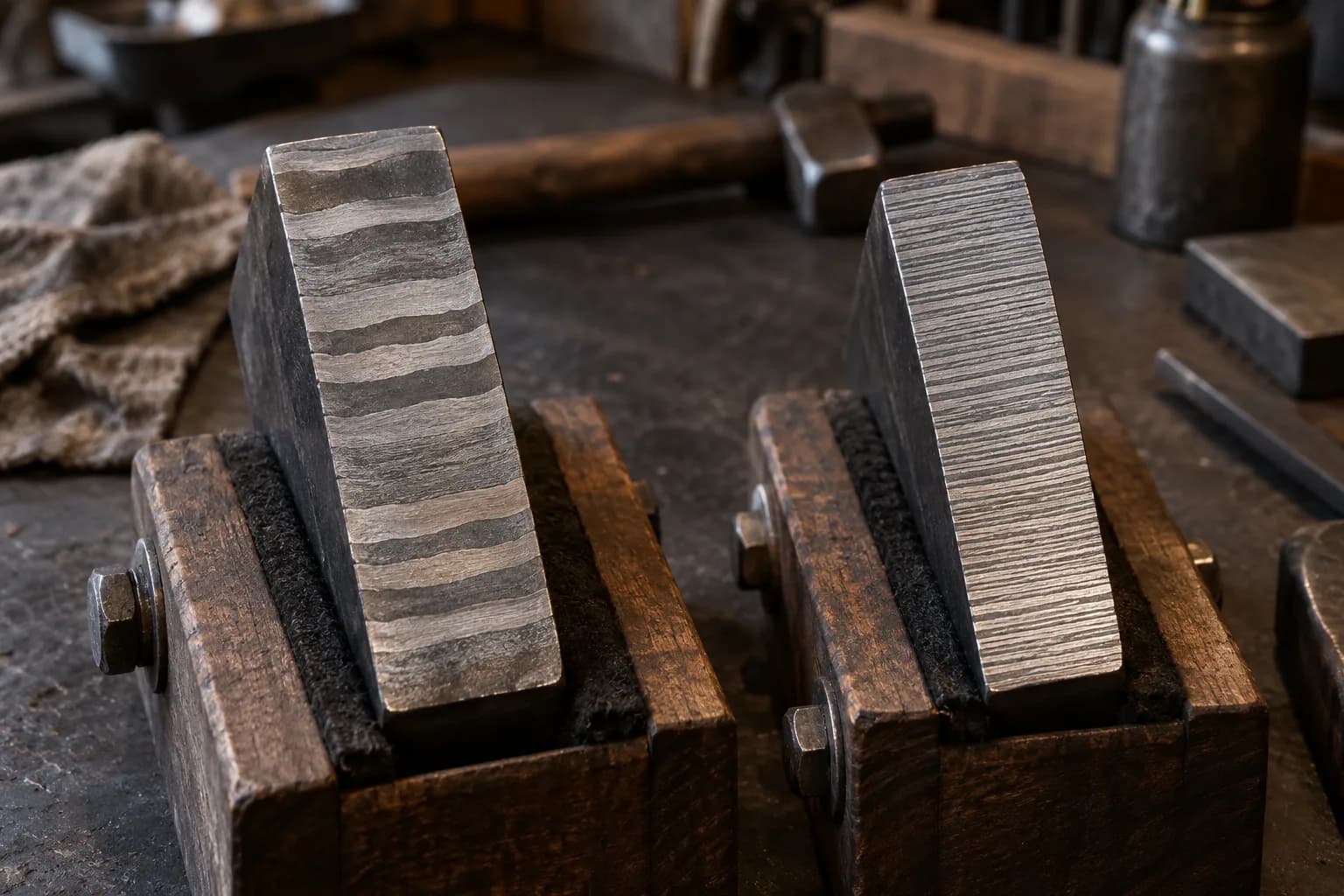
Every weld line is a place where a flaw can live: a trace of trapped flux, a lean weld, a cold shut (the troubleshooting entry) — none of which mono-steel can have. Well-made damascus from a careful smith or reputable producer minimizes this to irrelevance; bargain-bin mystery damascus does not. If a knife’s damascus and its price both look too good, the welds are where the discount lives. (This is also why professional heat treating matters more, not less, for damascus.)
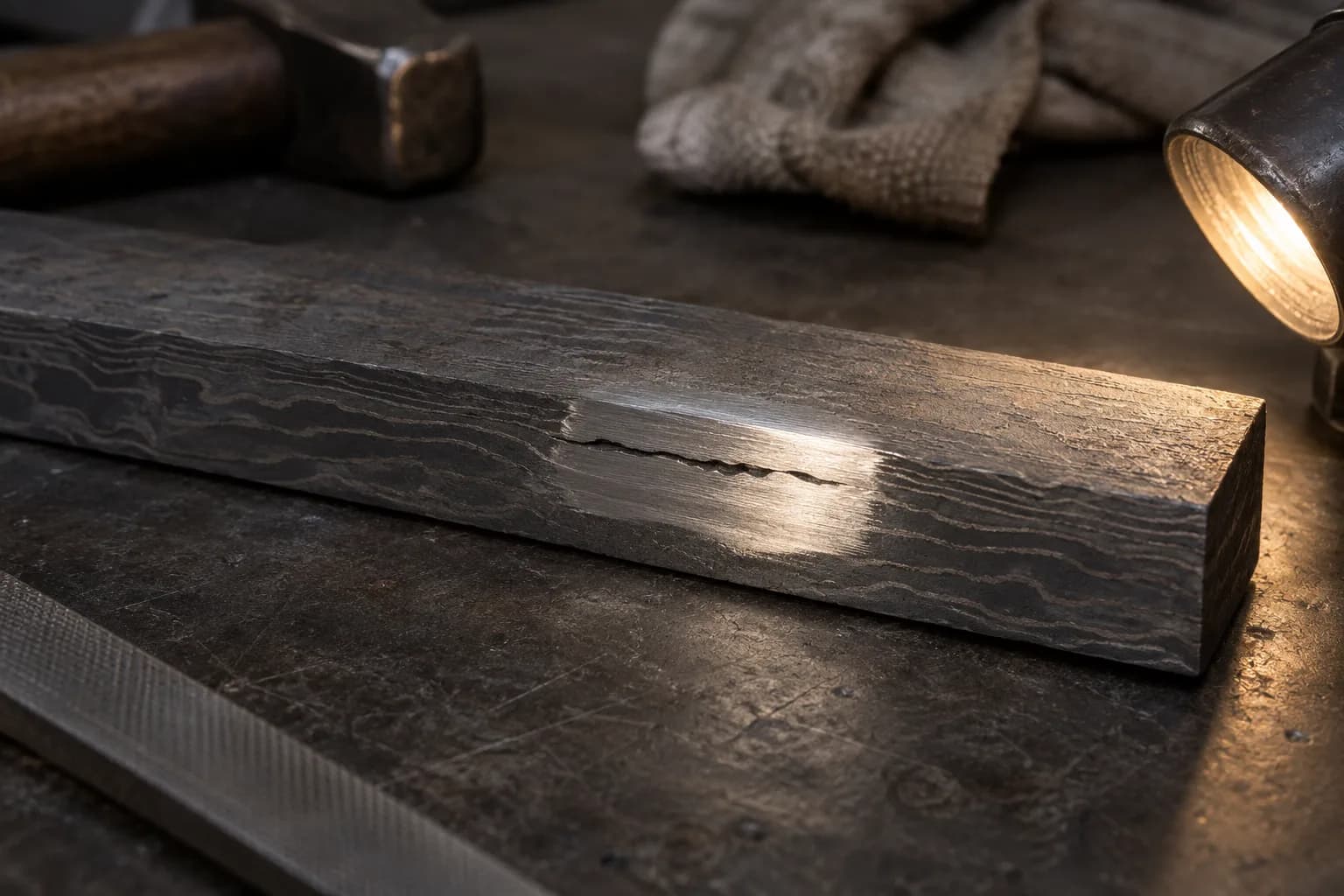
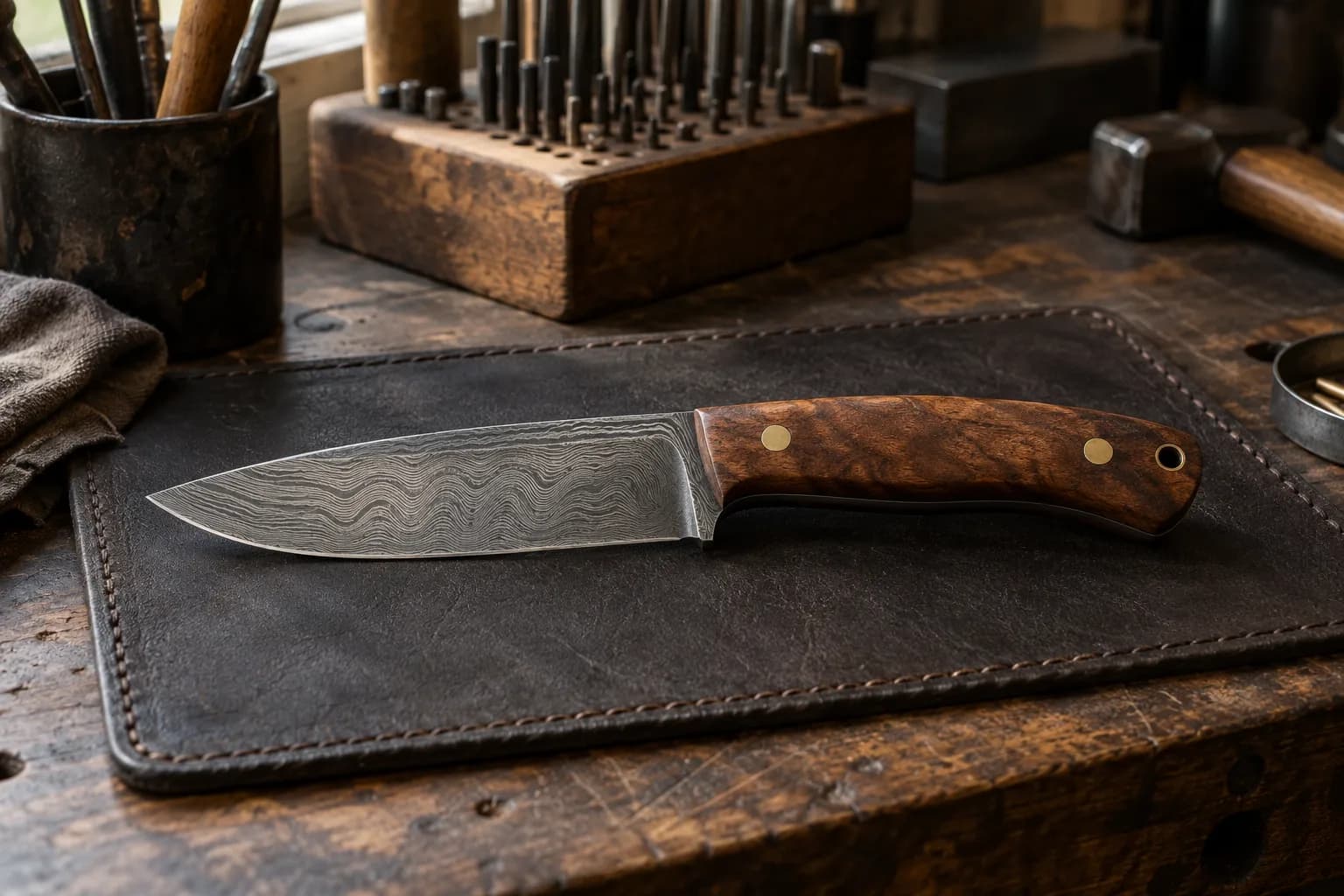
Because it’s beautiful, and because a good billet is skilled labor made visible — hours of welding, drawing, and patterning that ends as steel wearing its own history. That’s worth real money on honest terms. A maker who says “this is 1084 and 15N20, it’ll perform like a good carbon steel blade, and it looks like flowing water” will sell more knives — to better customers — than one who mumbles about legends. The ForgeBrain position, same as ever: sell the craft, not the myth.
Keep reading
Three more from the same bench.
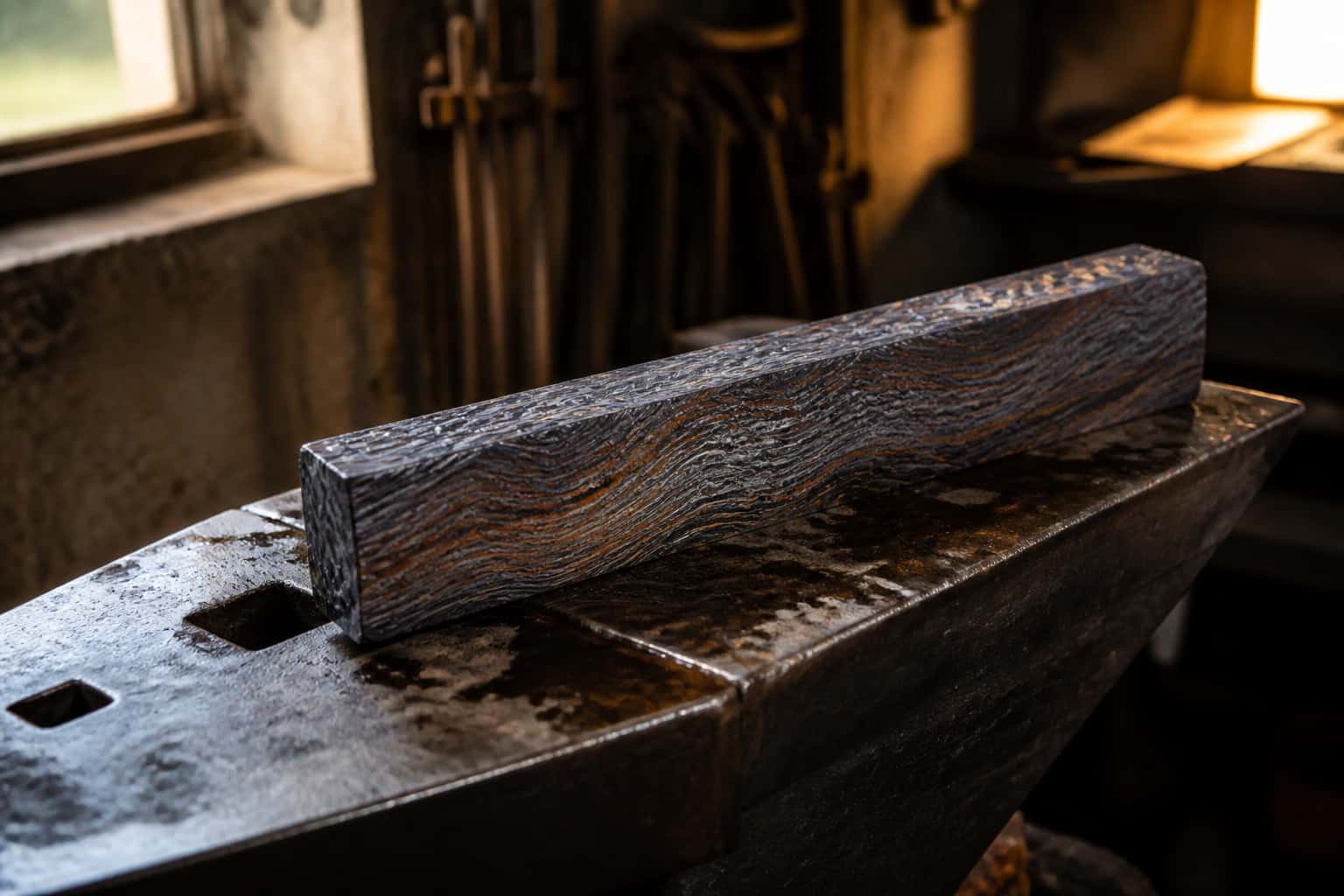
“Is damascus steel real, or is the secret lost?” It’s one of the most-argued questions in the knife world, and the confusion comes from one word covering…
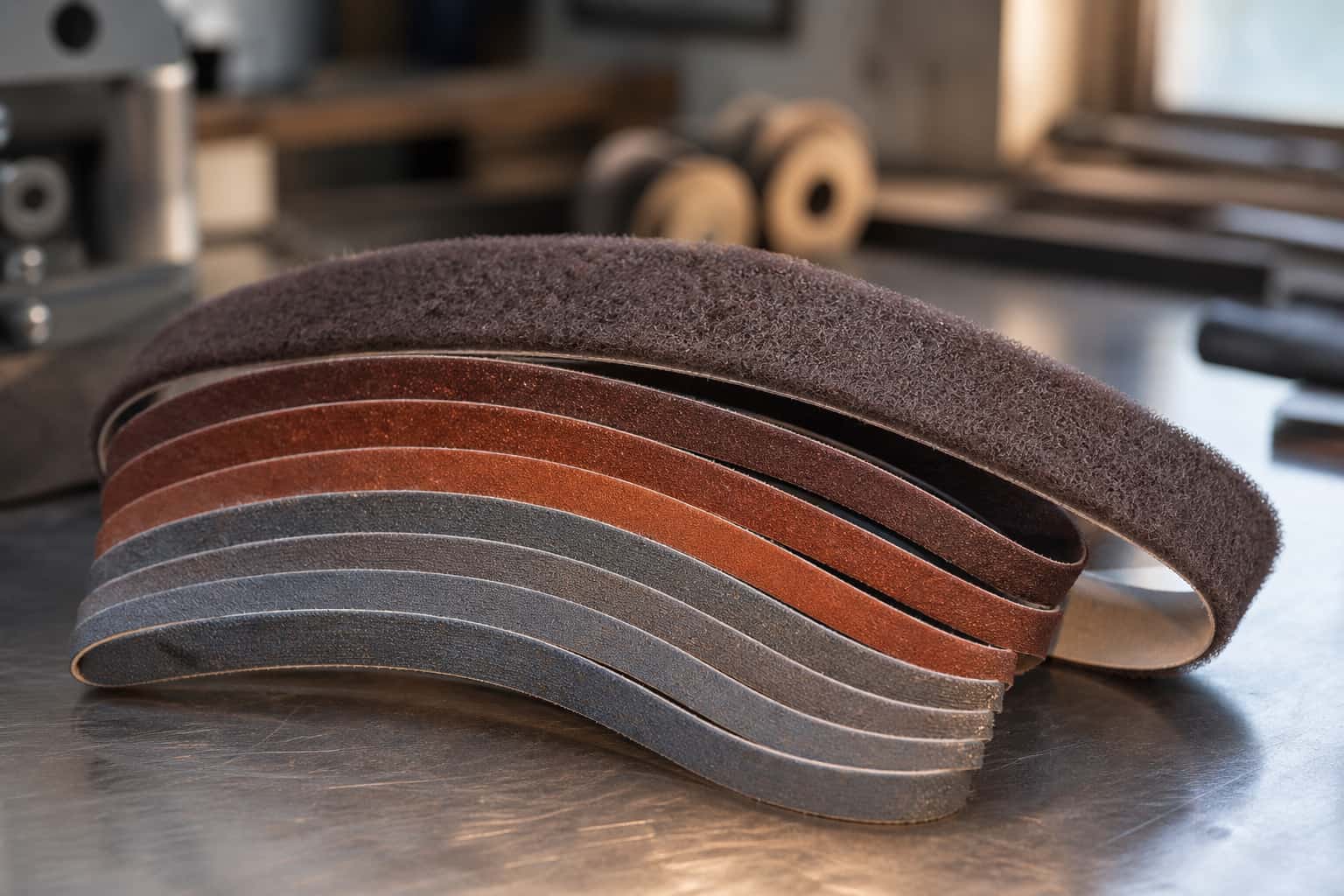
Here’s a fact the forging content in this section might obscure: you don’t need a forge to make a damascus knife. Professionally forged billets are a…
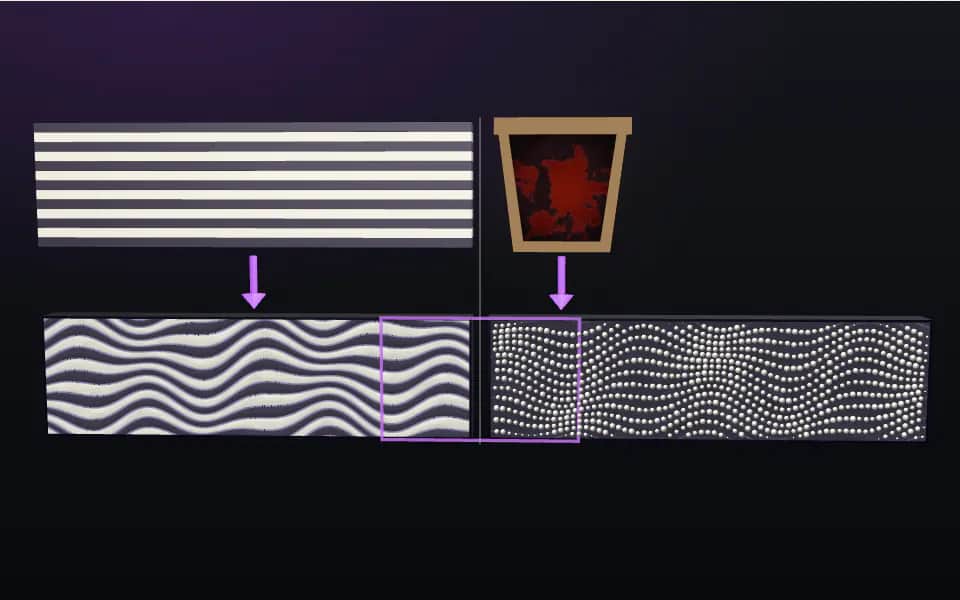
Modern “damascus” is pattern-welded steel: two different steels stacked, forge welded into one solid billet, and manipulated so that grinding and etching…
Same bench
I machine the parts, hand-assemble, track and test Torus grinders in Sterling, Illinois. Most orders ship in seven to ten business days from time of order.
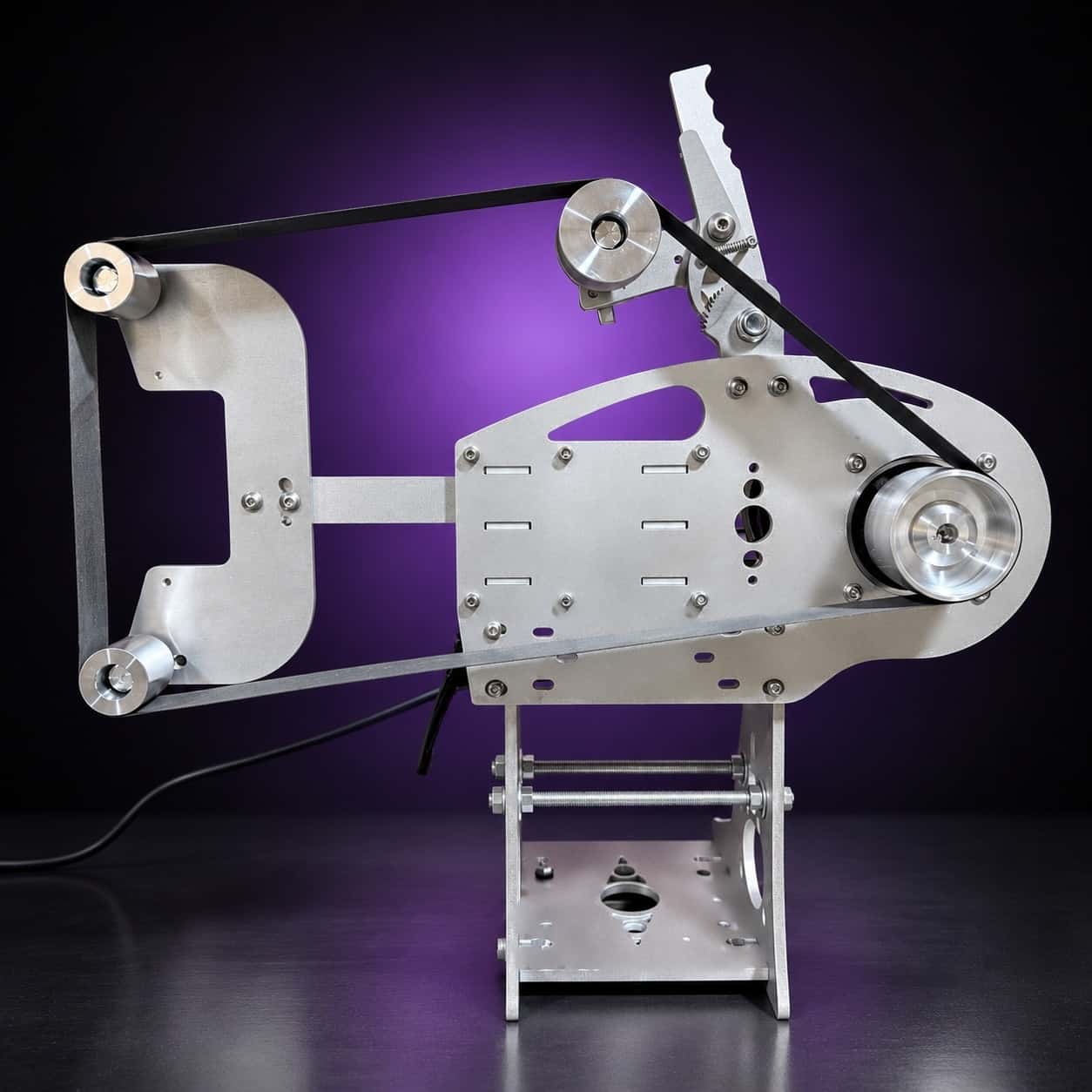
Current dual-axis platform with a fiber-laser-cut 6061 chassis and single-knob tracking.
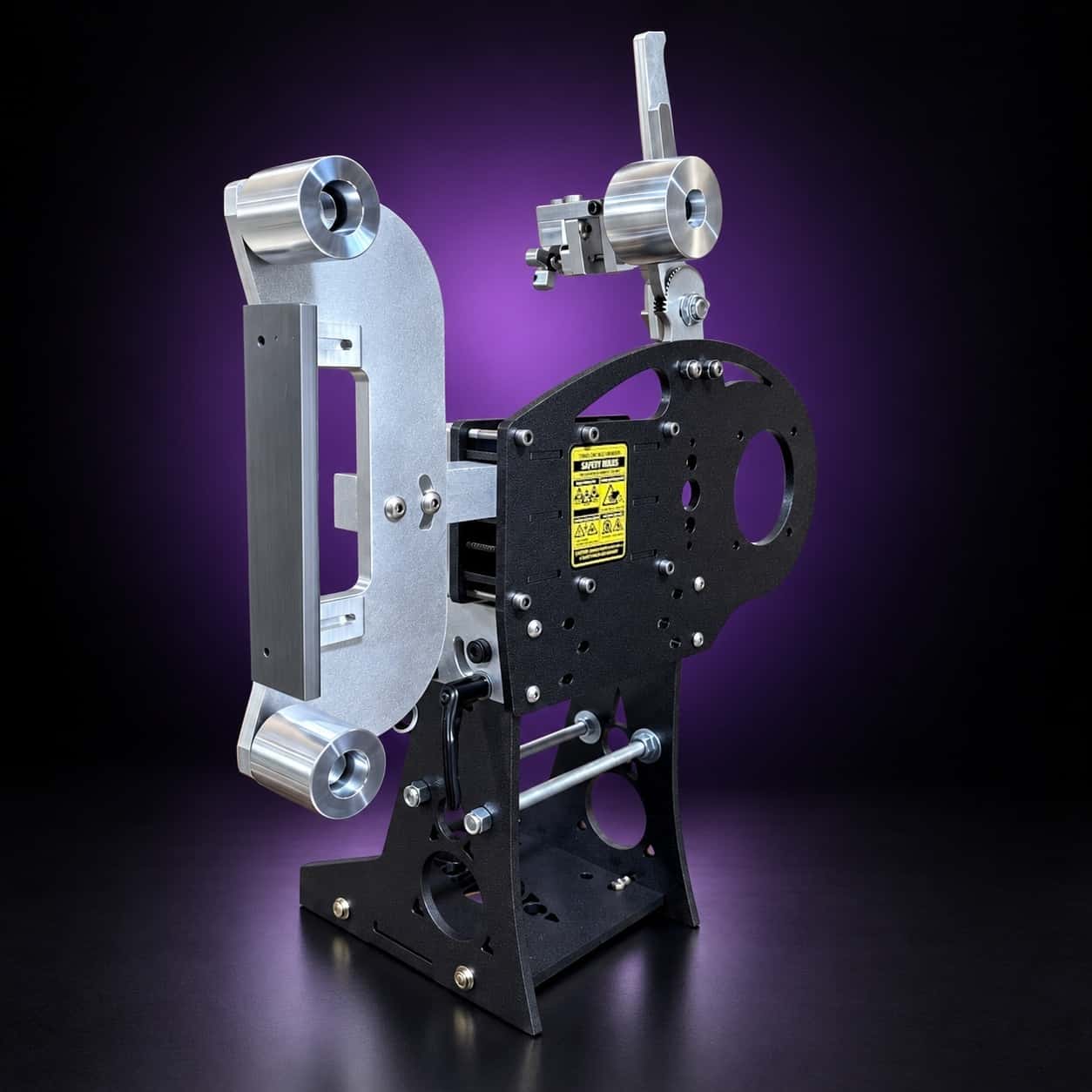
Current dual-axis platform with a steel chassis, more mass and less vibration.
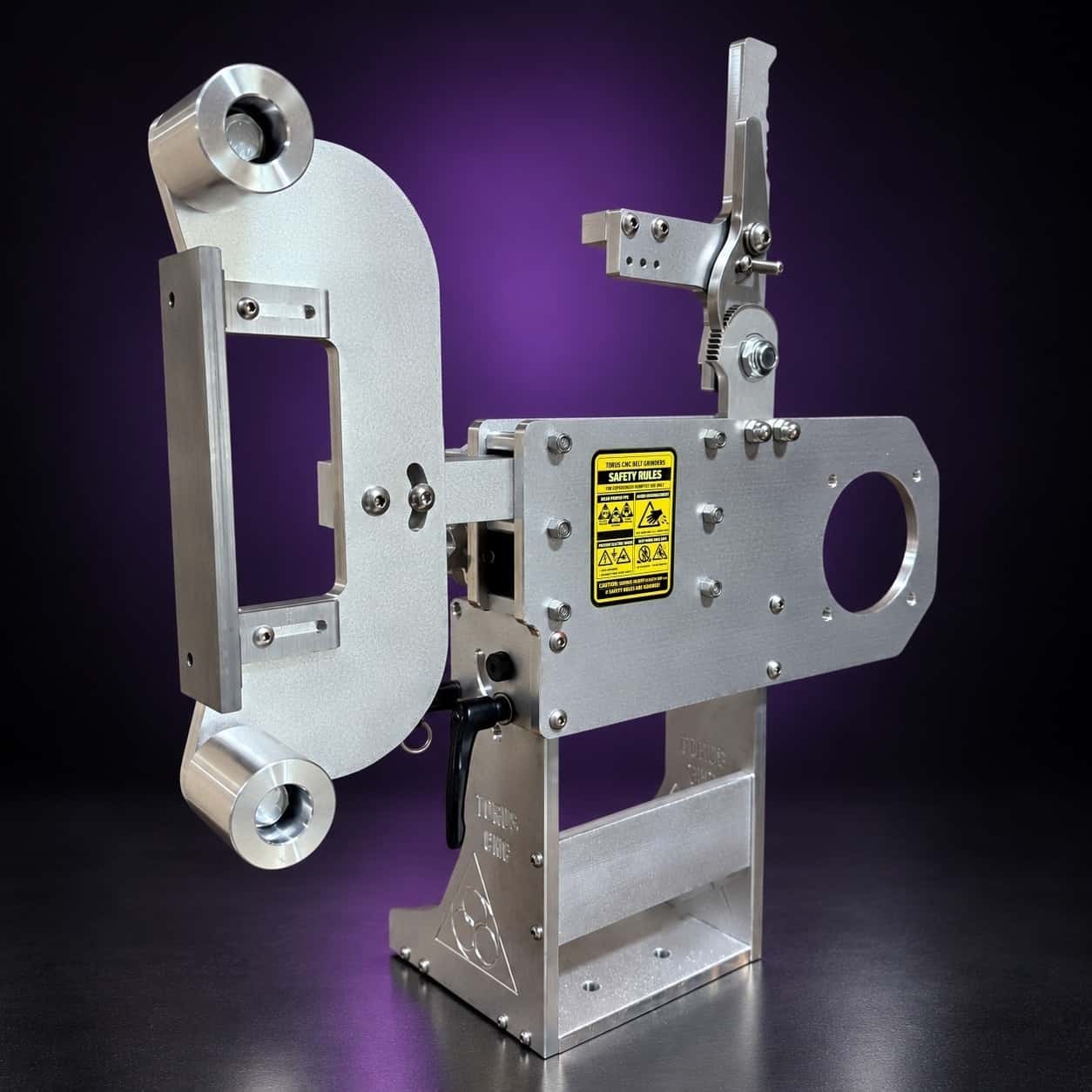
Prior-design aluminum chassis, 90-degree tilt and 1.5-inch tooling arms.
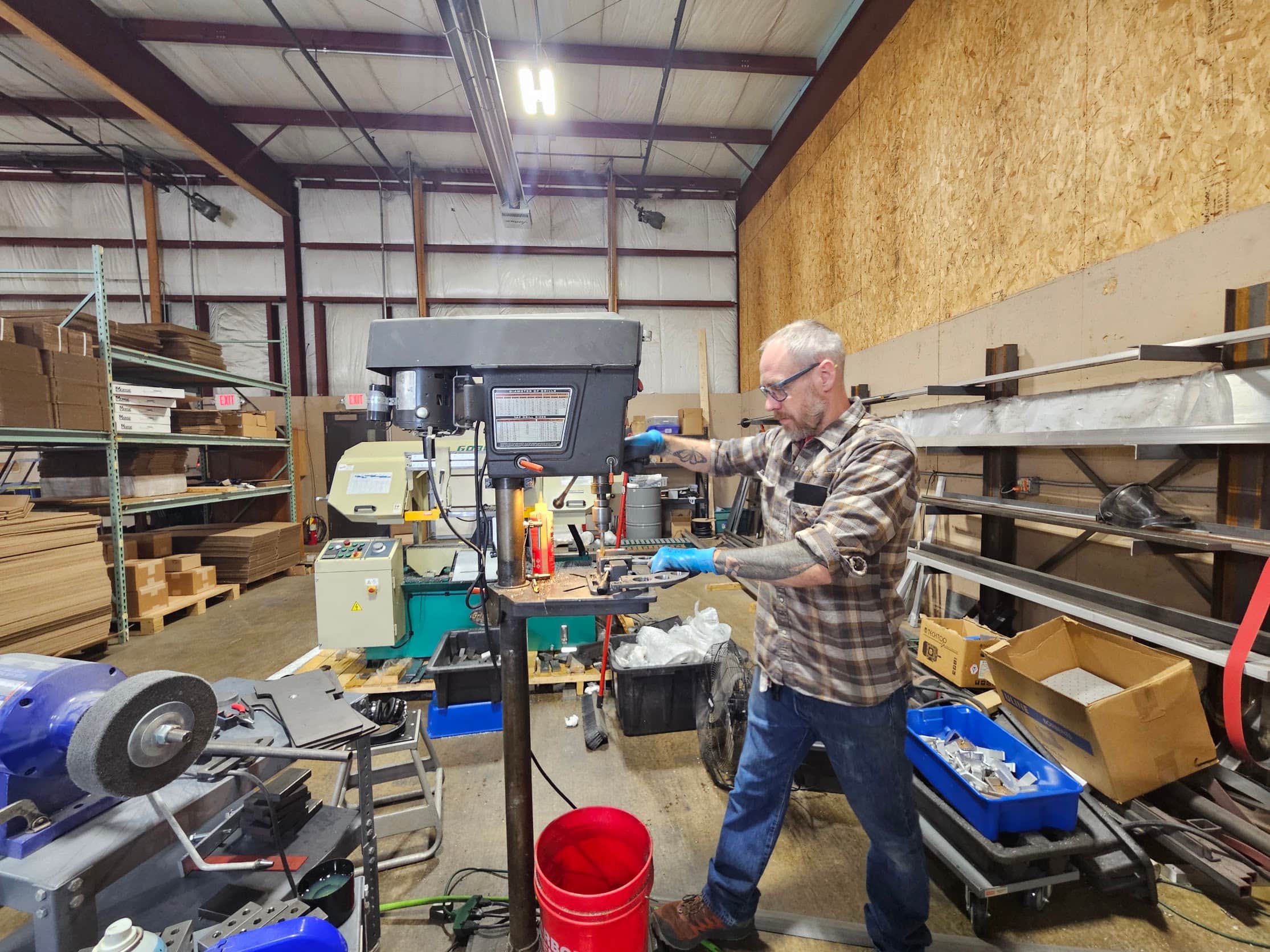
One-man shop
I answer my own email. Tell me the steel, the machine and what it is doing, and I will tell you what I would try next.