
Damascus & Pattern Welding
Etching Damascus: Ferric Chloride, the Coffee Trick & Finishing
Until it’s etched, a damascus blade is just gray steel with faint ghost lines — every bit of drama comes from the acid. Etching is simple chemistry done…
Damascus & Pattern Welding
Damascus care: the wash, dry and oil habit, gray patina versus orange rust, the coffee-soak pattern refresh, a full re-etch, and what never to do.
3 min readWritten by Rich LinvilleFree to read
Whether you forged it, ground it from a bought billet, or just bought the finished knife — damascus asks a little more of its owner than plain steel, and repays it by getting better looking with age instead of worse. Here’s the whole care routine: five minutes a week, one afternoon a year, and the pattern outlives you.
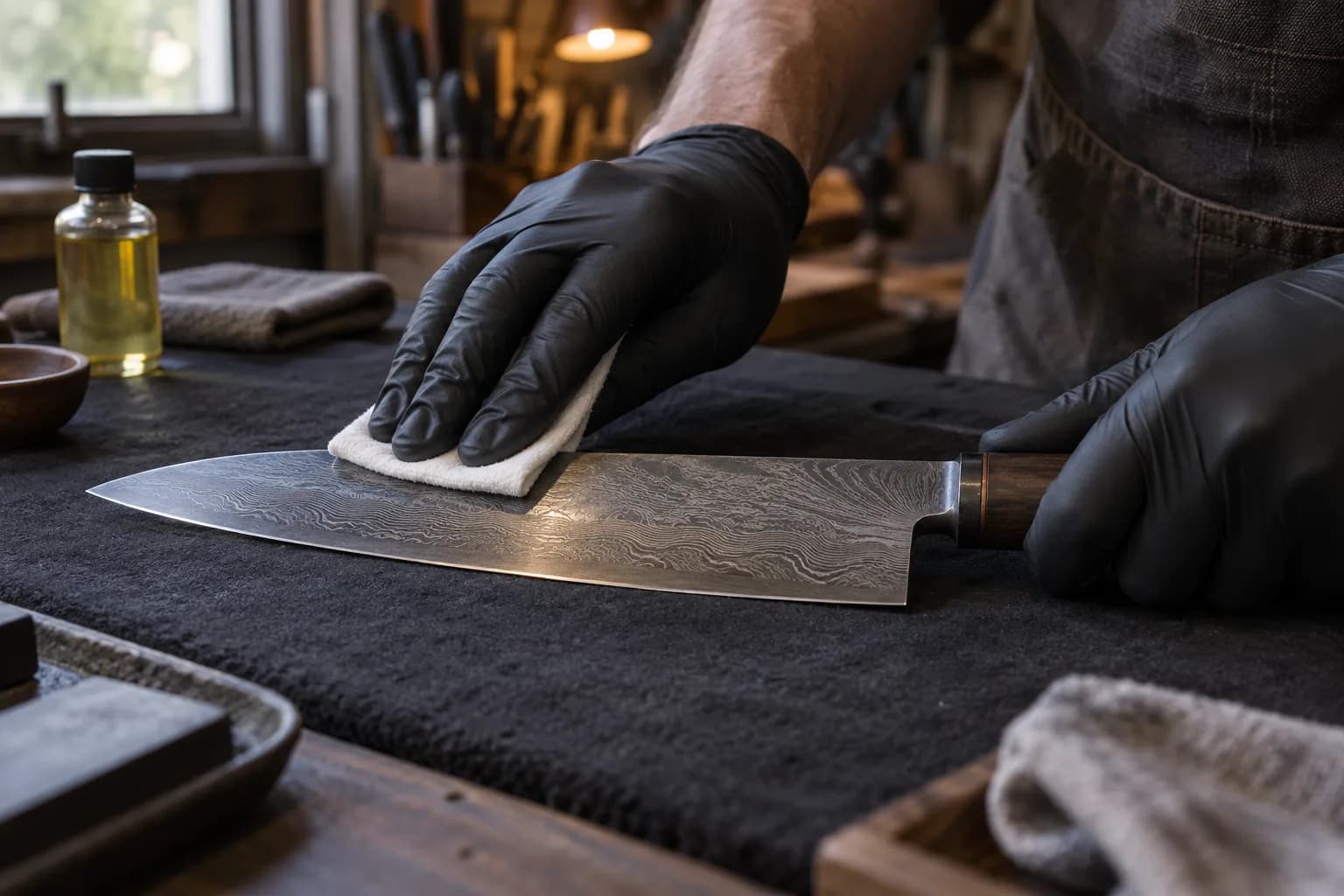
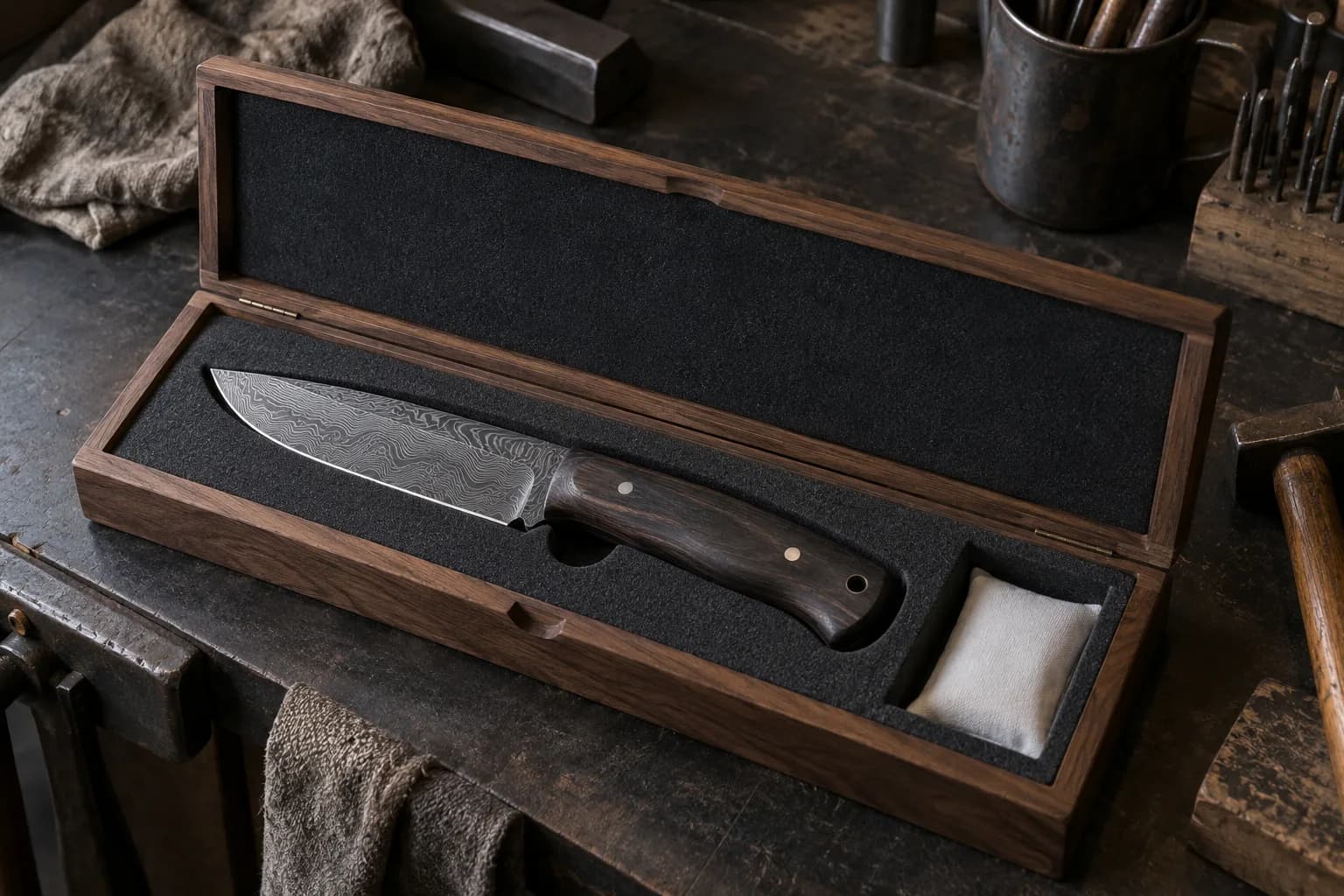
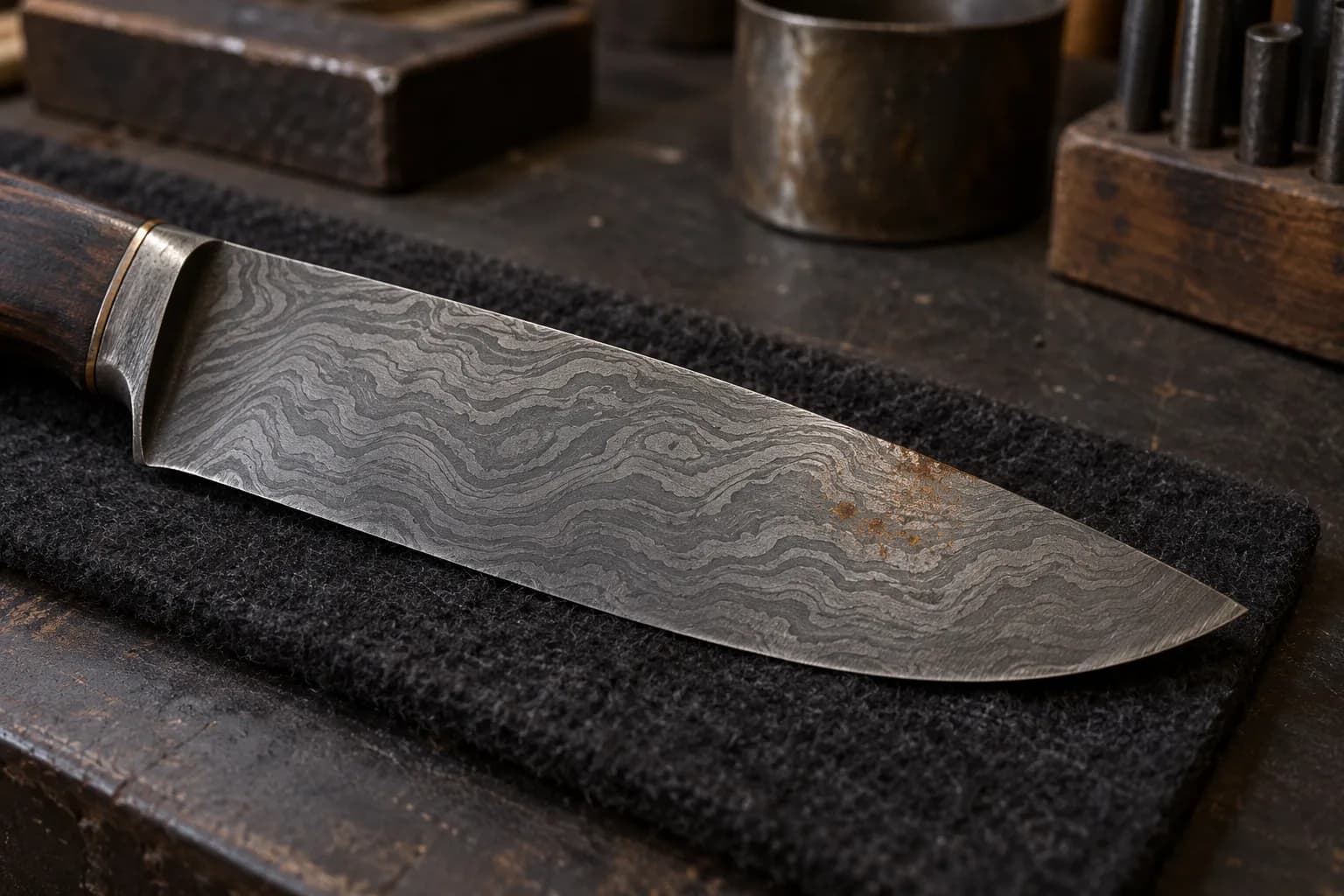
Gray/dark evening-out of the pattern: that’s patina forming over the etch — protective and, most owners agree, handsome; let it ride (it’s the same chemistry as a forced patina). Orange or brown spots: that’s rust — act now: light oil and 0000 steel wool with a gentle touch lifts fresh rust without erasing the etch beneath. Pattern going faint and smudged: normal wear of the etch’s oxides from use and polishing — cosmetic, and fixable below.
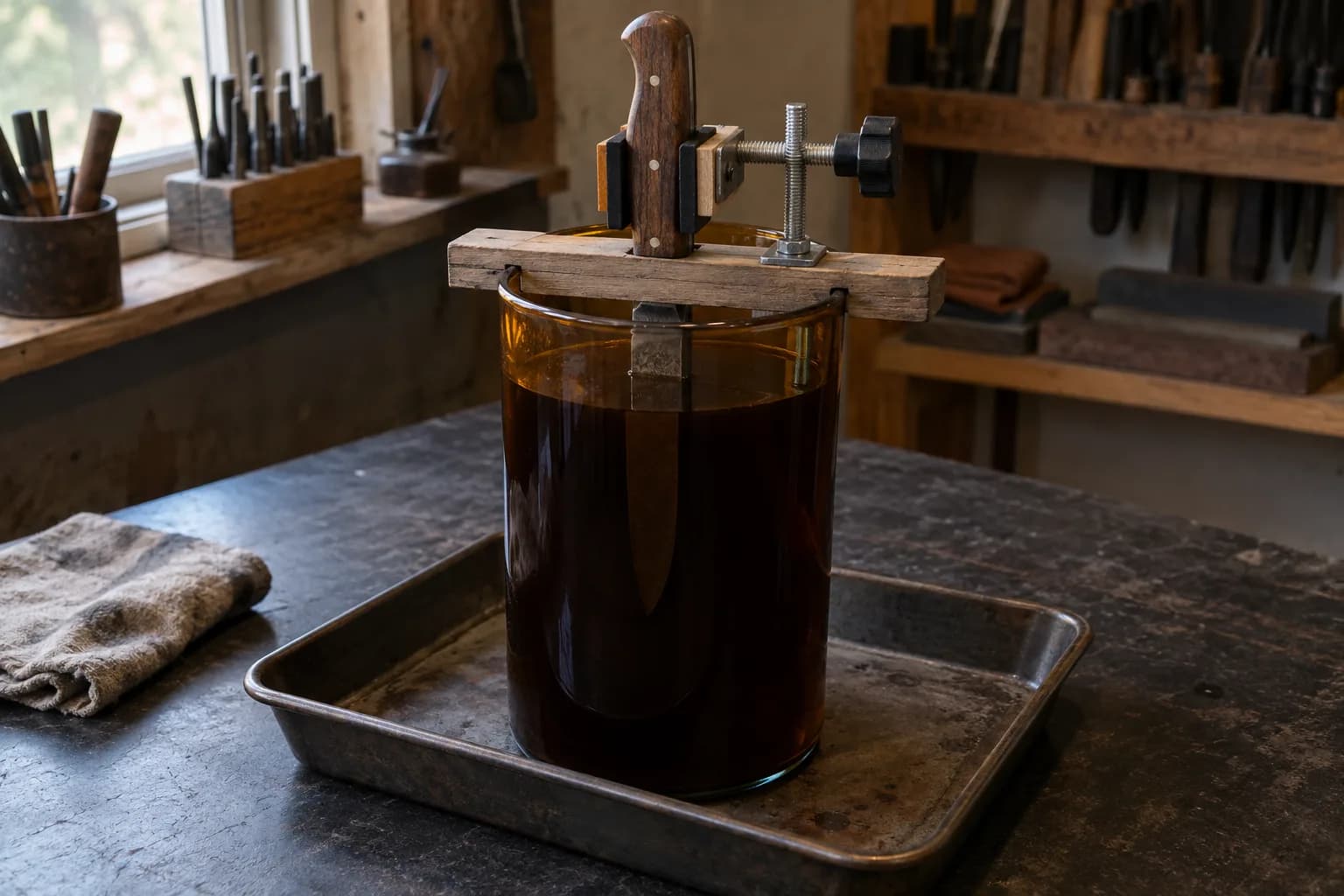
If you sell damascus, this page is your warranty-saver: a printed care card (wash-dry-oil, no dishwasher, coffee refresh) costs pennies and prevents the sad email with the orange-spotted photo. Set expectations at sale — “carbon damascus is living steel; here’s its five-minute routine” — and your blades come back for sharpening, not rescue.
Keep reading
Three more from the same bench.
Until it’s etched, a damascus blade is just gray steel with faint ghost lines — every bit of drama comes from the acid. Etching is simple chemistry done…
Every carbon steel blade is going to change color — the only question is whether rust chooses the pattern or you do. A patina is the good oxide: a thin…
Here’s a fact the forging content in this section might obscure: you don’t need a forge to make a damascus knife. Professionally forged billets are a…
Same bench
I machine the parts, hand-assemble, track and test Torus grinders in Sterling, Illinois. Most orders ship in seven to ten business days from time of order.
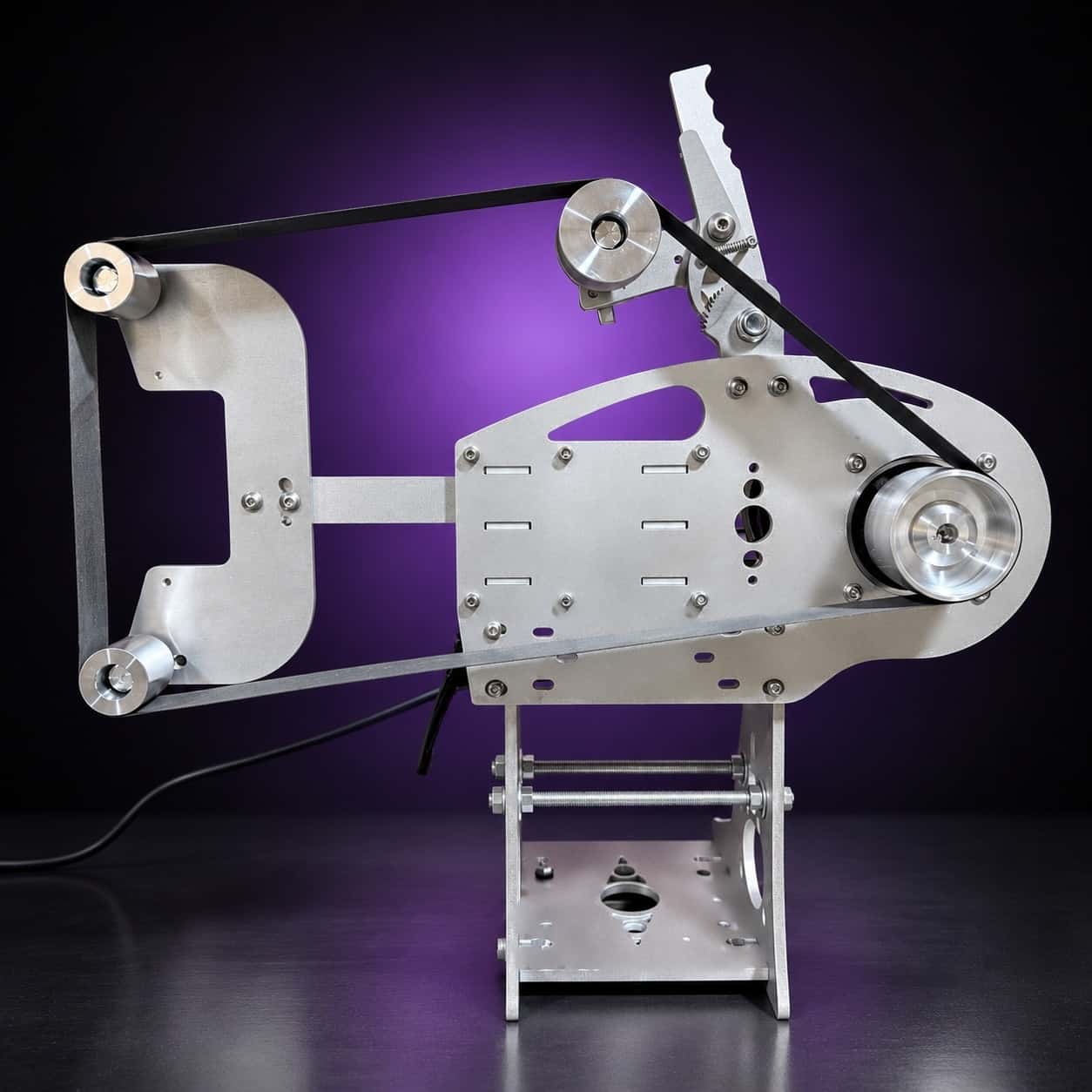
Current dual-axis platform with a fiber-laser-cut 6061 chassis and single-knob tracking.
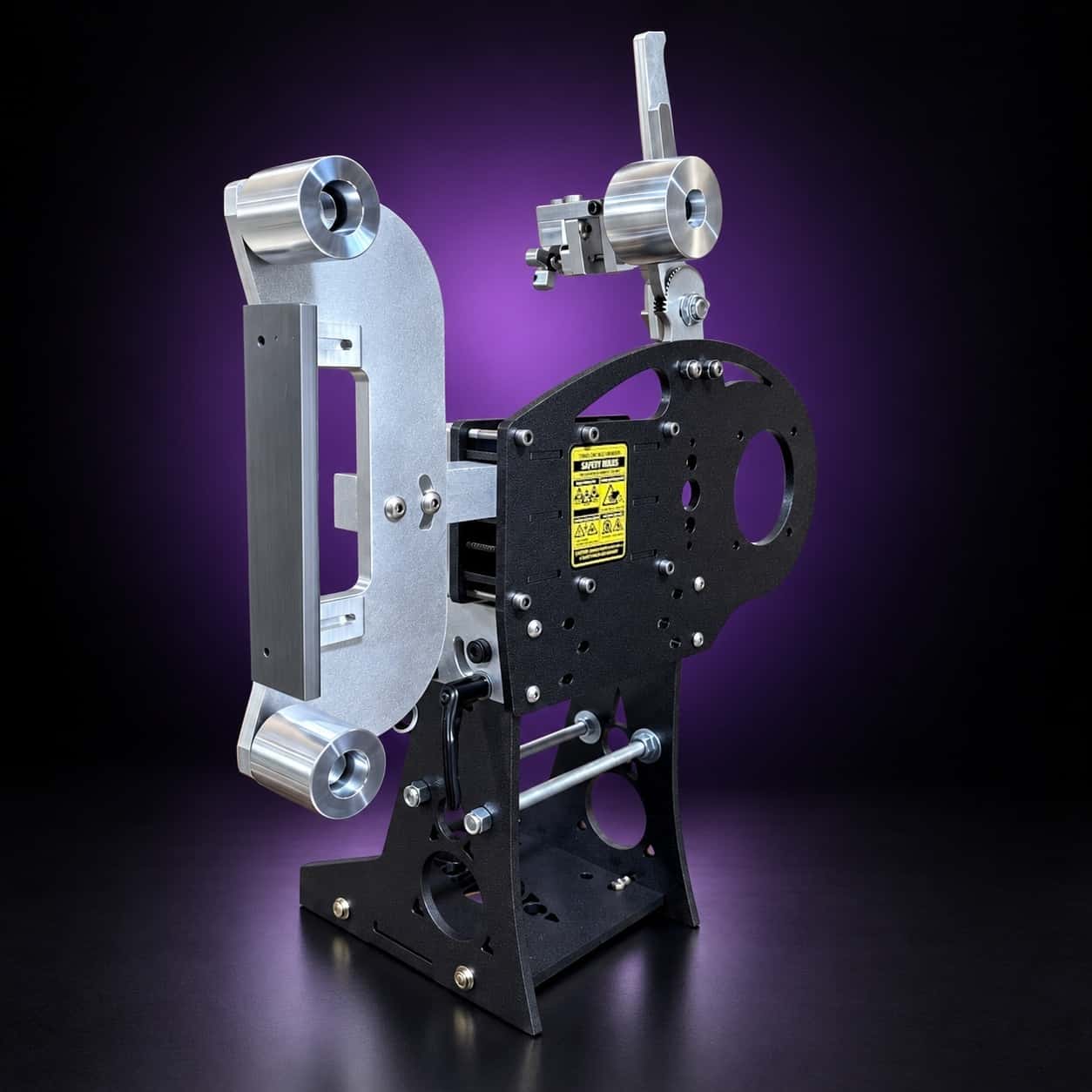
Current dual-axis platform with a steel chassis, more mass and less vibration.
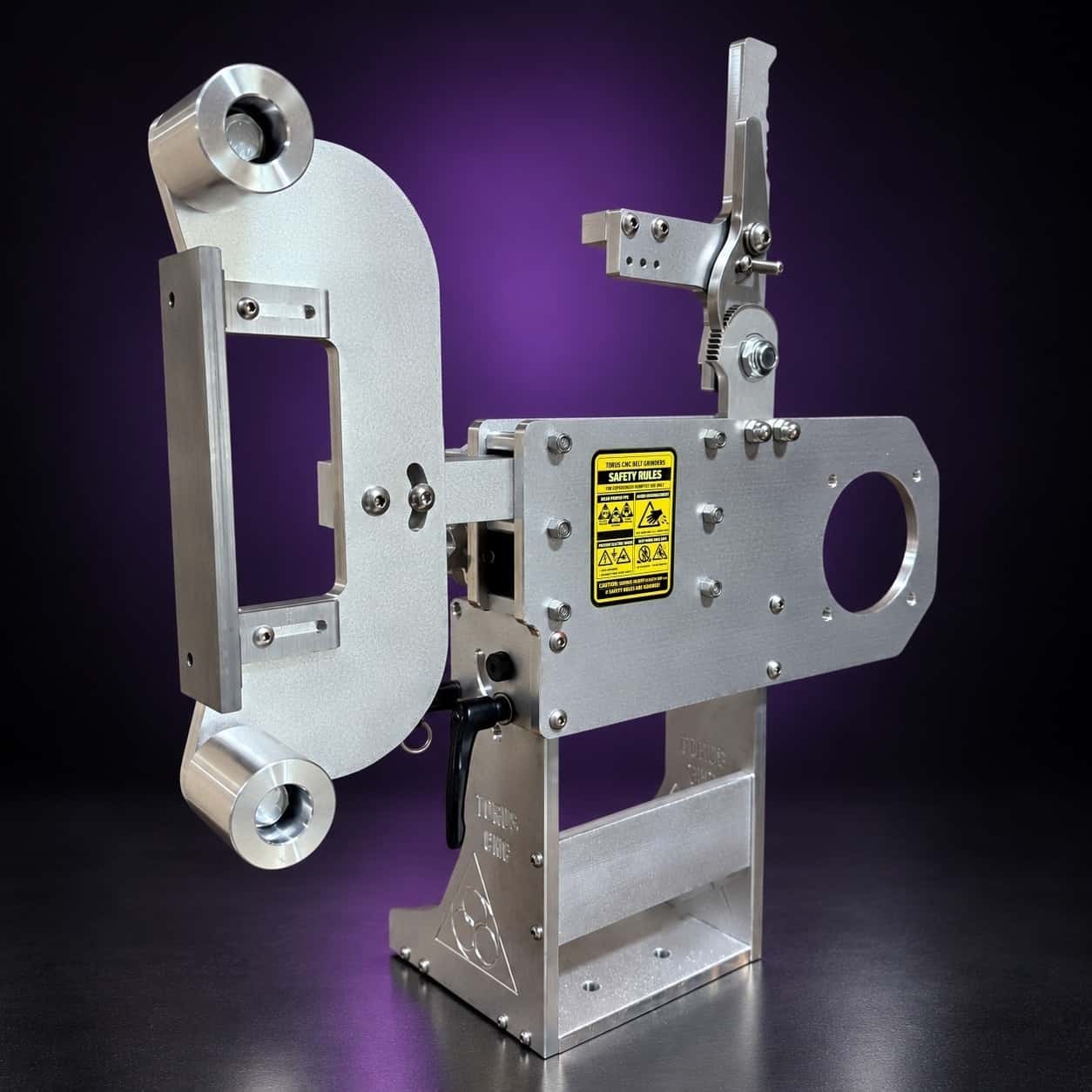
Prior-design aluminum chassis, 90-degree tilt and 1.5-inch tooling arms.
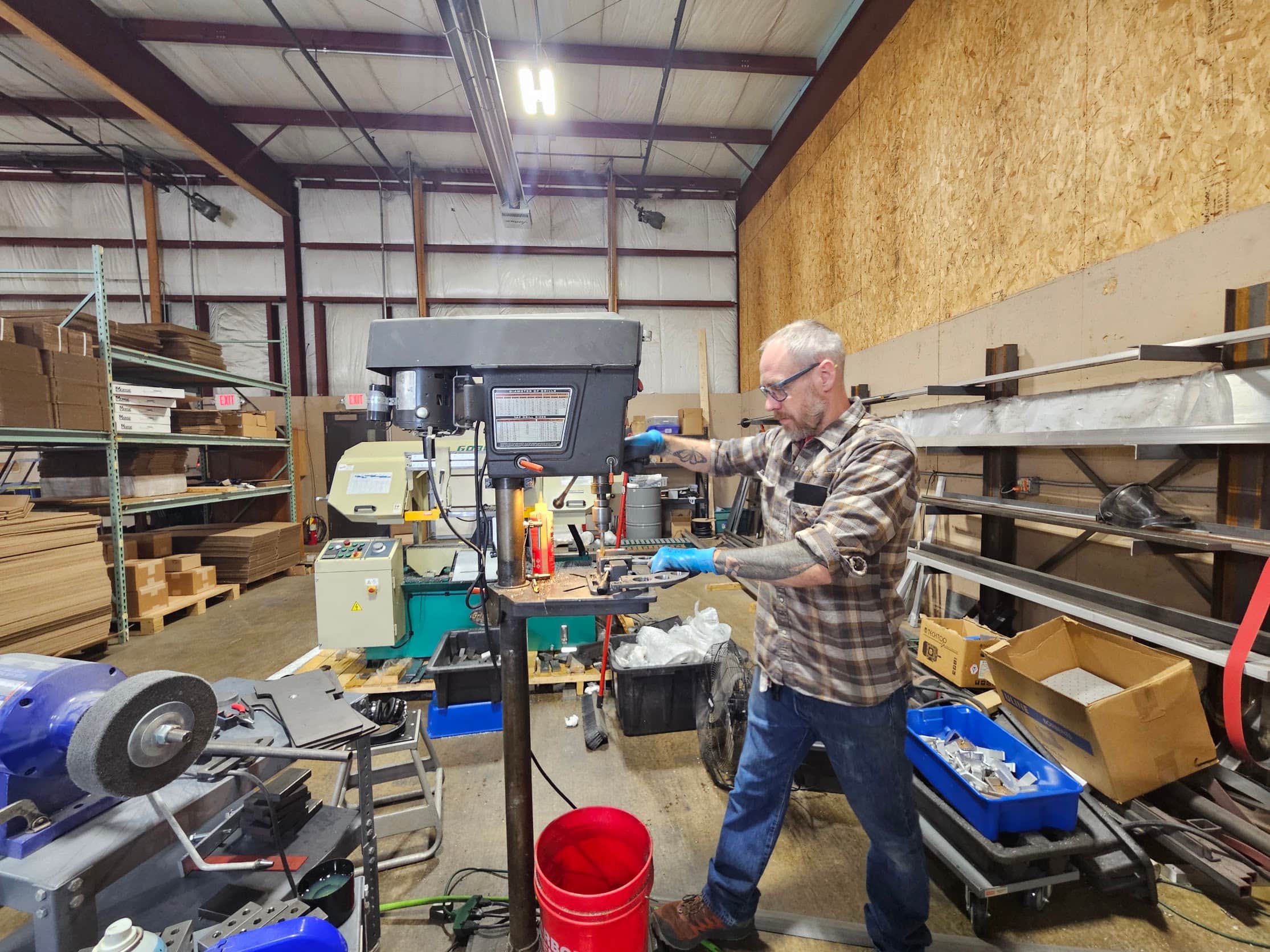
One-man shop
I answer my own email. Tell me the steel, the machine and what it is doing, and I will tell you what I would try next.