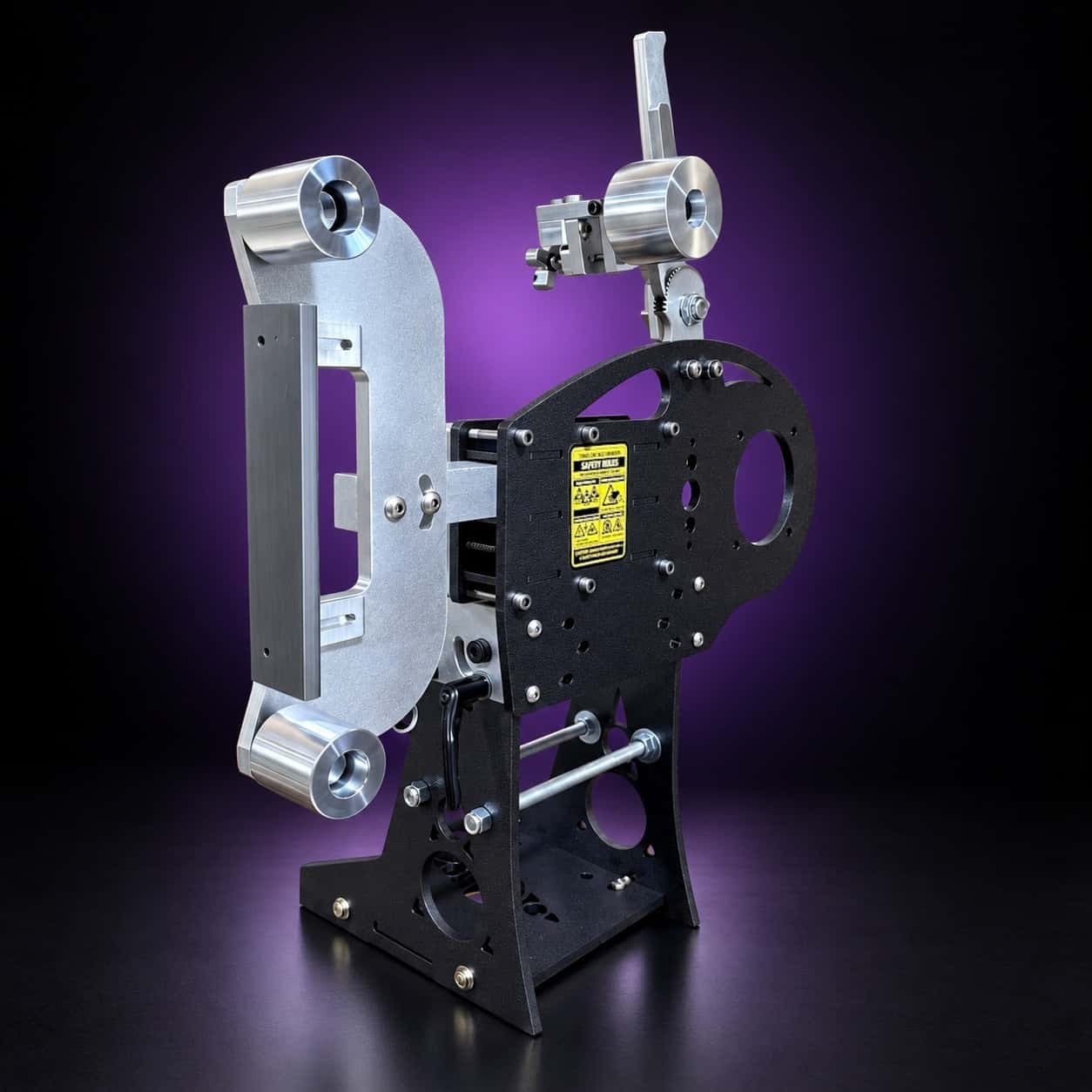

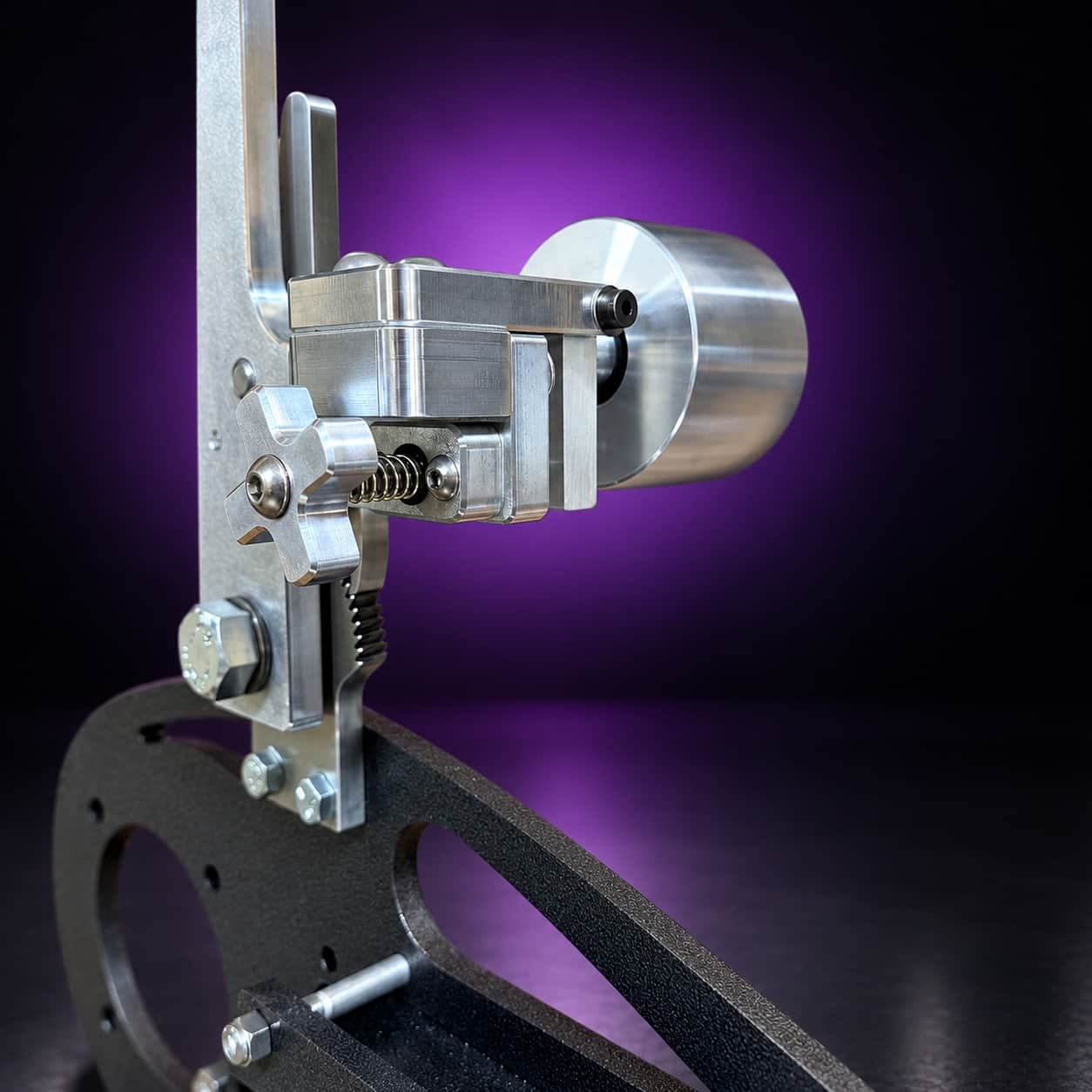
Nebula dual-axis tracking assembly: star knob, spring and idler wheel, close-up, on black with a purple glow

Troubleshooting

Rust Spots Appearing on a Finished Blade

Work back from what it is doing to what caused it, then to the fix that addresses the cause. Nothing here needs a sign-up.
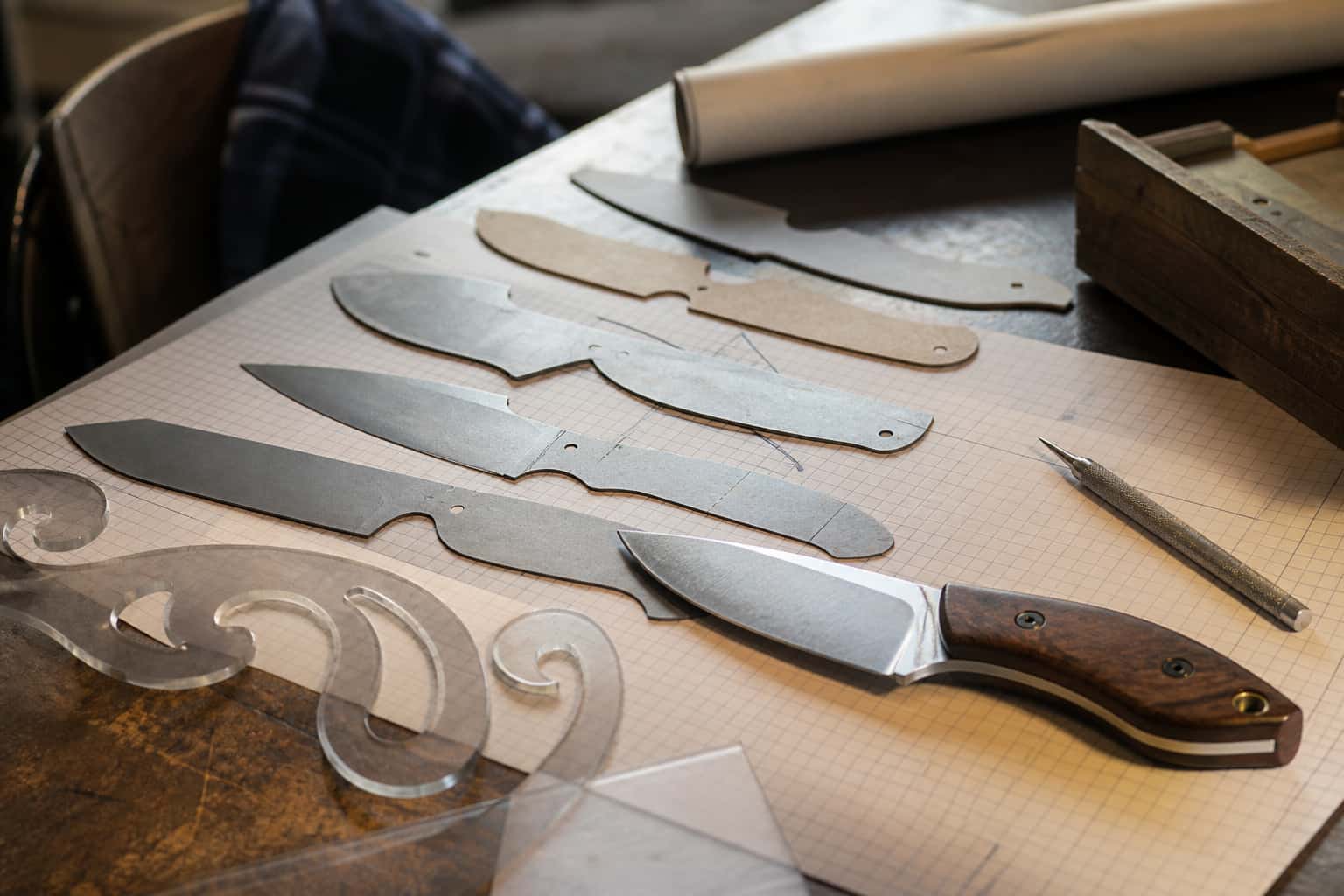
Knife blade design in a working knife shop
If a symptom appears mid-job, put the work down and check it before continuing.
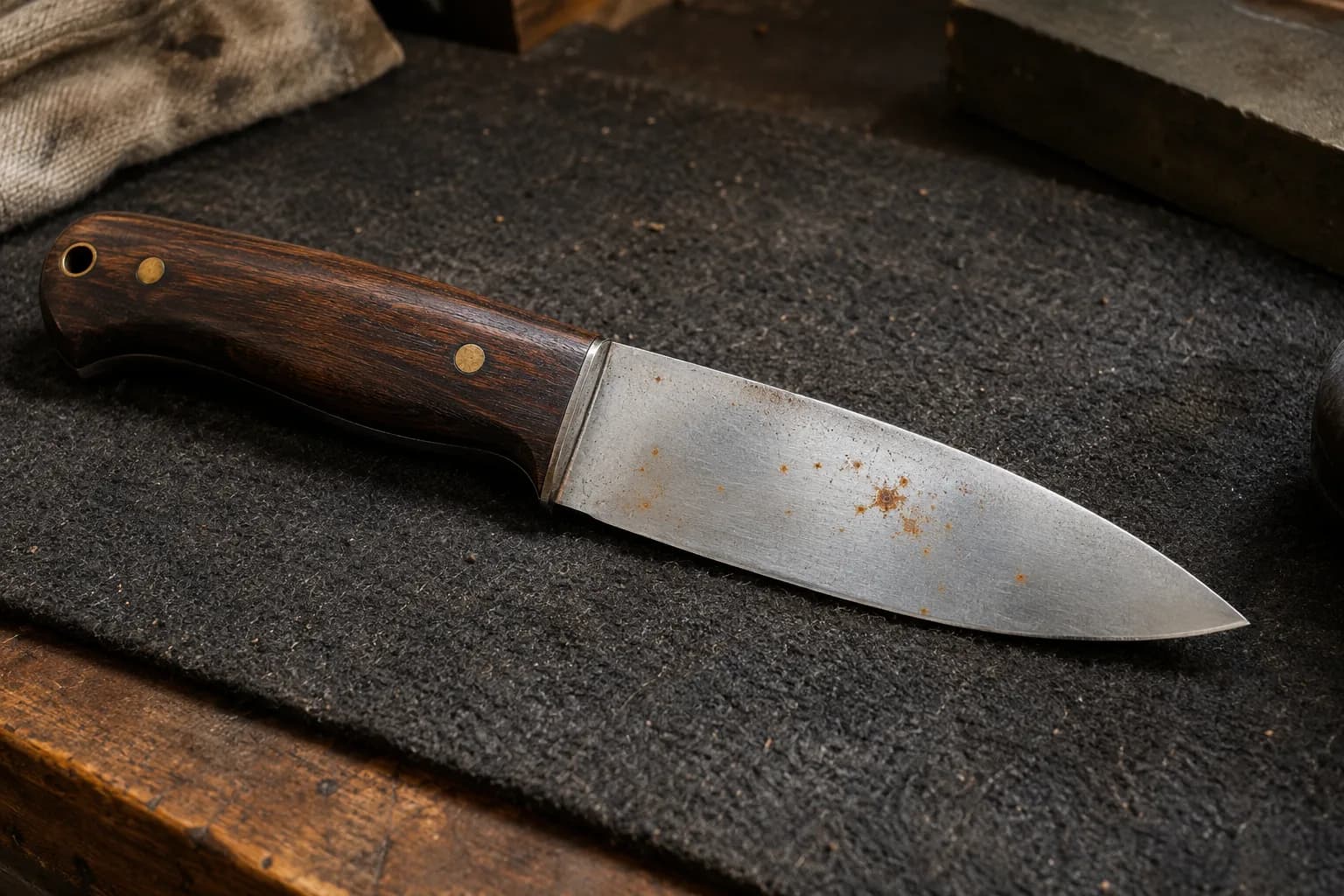
Finished knife with dark wood handle lying on a charcoal pad, small orange-brown rust spots on the satin blade face.

The flow

Work it in this order

Causes first, then the quick checks, the fix, prevention and the stop-work point.
  1. Likely causes

    • The steel is a carbon steel or low-chromium alloy with little or no inherent corrosion resistance, see Carbon Steel vs. Stainless vs. Tool Steel vs. Powder Metallurgy for how much this varies by steel category
    • Moisture (humidity, condensation, or a wet sheath) sitting against the blade for extended periods
    • Fingerprints or skin oils left on the blade without wiping it down, salts and acids from skin accelerate corrosion
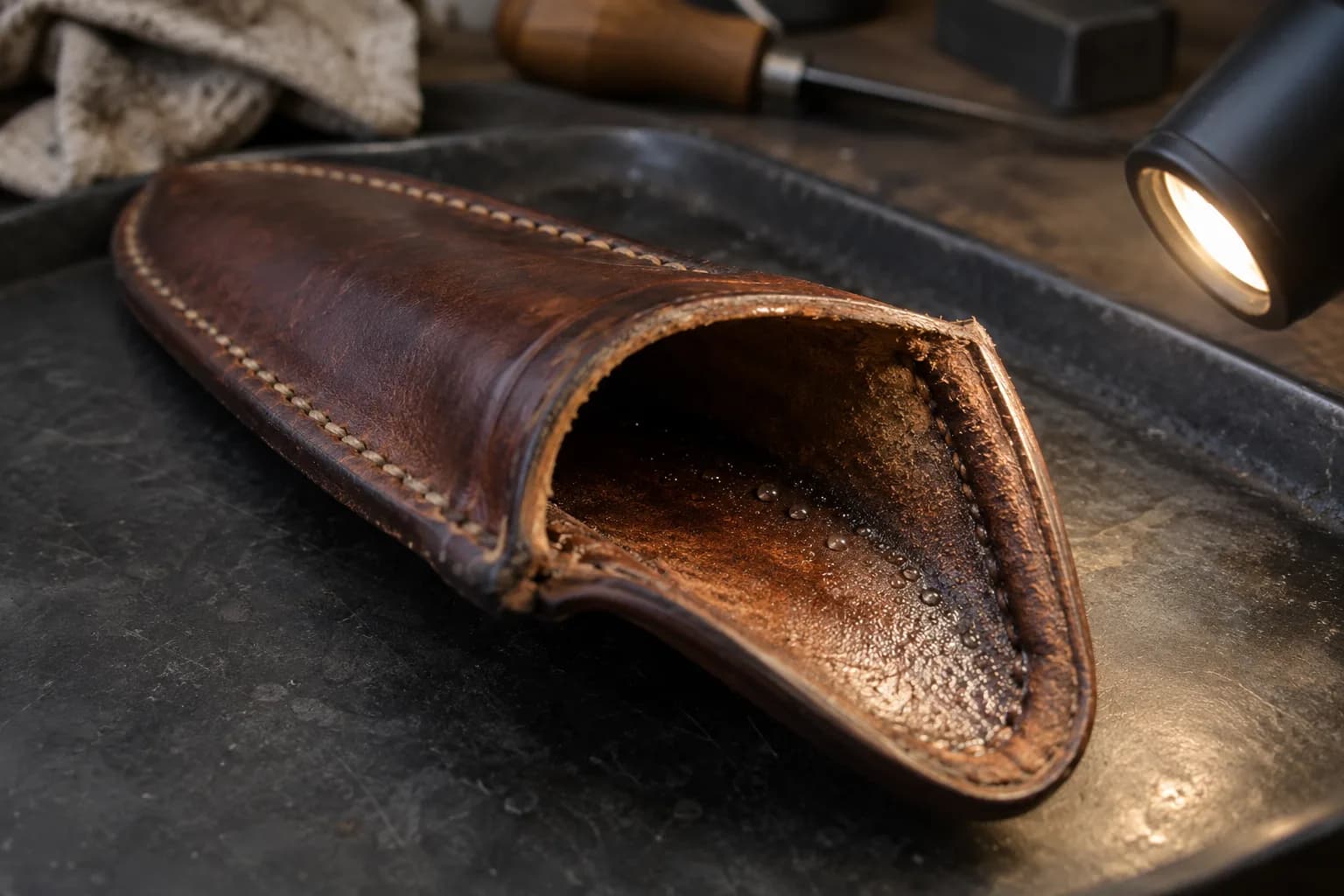
    • Storage in a leather sheath that's holding moisture against the steel
    • No protective coating (oil, wax) applied to a non-stainless blade before storage
Empty stitched leather knife sheath on a dark tray, its open throat lit by a small lamp showing damp leather and water beads.
  1. Quick checks

    • Confirm which steel the blade is made from and check its corrosion resistance rating in the Knife Steel Database
    • Check how and where the blade has been stored, especially humidity and any sheath material touching it
    • Look at whether the blade gets wiped down and lightly oiled after use, or left as-is
  2. Fixes

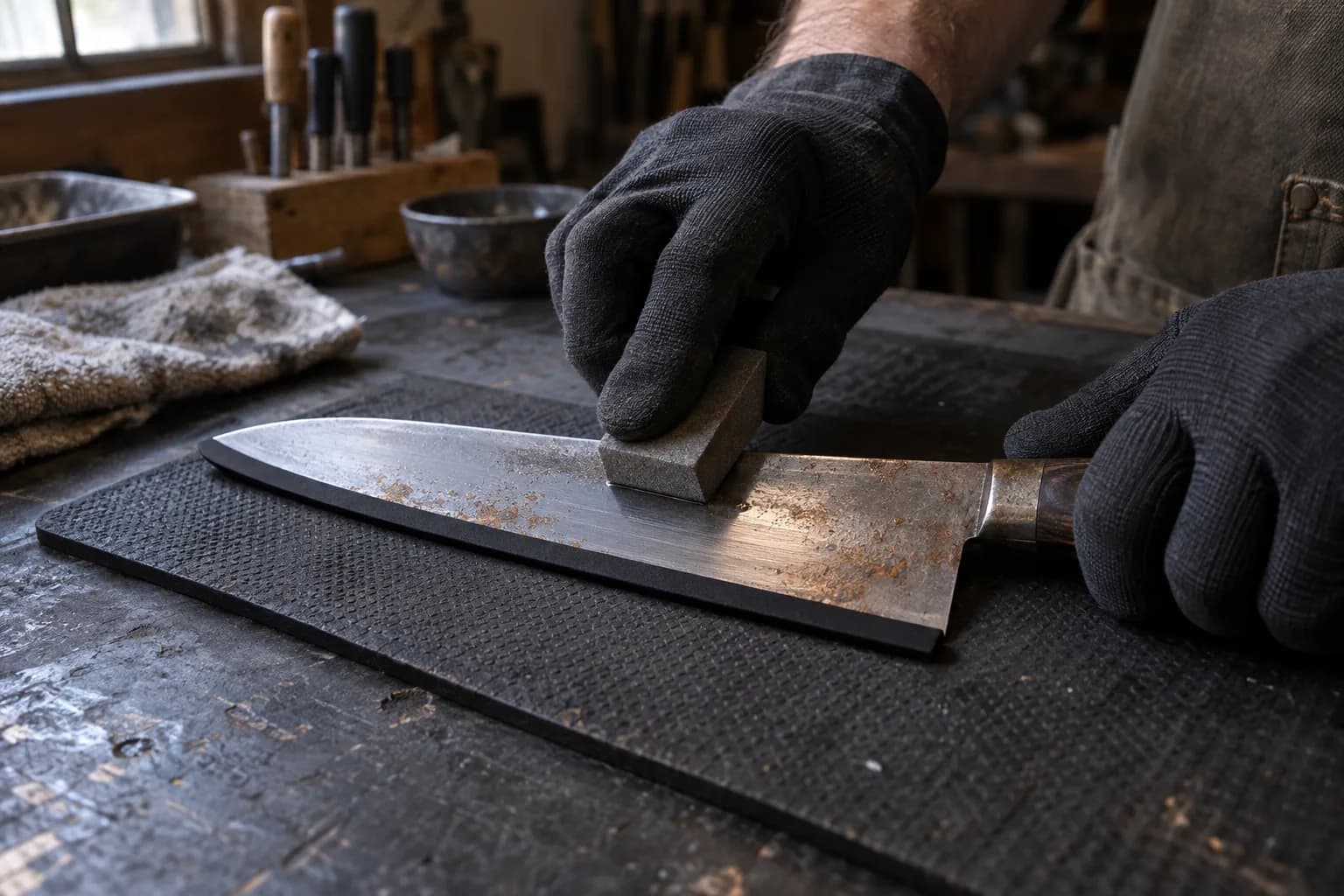
    • Remove light surface rust with fine steel wool, a rust eraser, or a light abrasive and oil, then re-oil the blade immediately
    • Deeper pitting may need to be ground or sanded out and the finish redone, surface rust that's been left too long can leave permanent pits
    • Switch to a dry, breathable storage method (like a Kydex sheath) instead of leather if moisture retention is the cause
Gloved hand rubs a gray rust-eraser block on a knife blade resting on a nonslip mat, rust flecks remaining beside bright steel.
  1. Prevention

    • Wipe the blade dry and apply a light coat of oil or wax after each use, especially for carbon steel
    • Avoid long-term storage in leather sheaths for non-stainless blades, leather can hold moisture against the steel
    • Handle the blade with clean, dry hands, or wipe it down after handling
    • If corrosion resistance matters more than edge performance for how the knife will be used, consider a more stainless steel choice for future builds, see Choosing Steel by Application
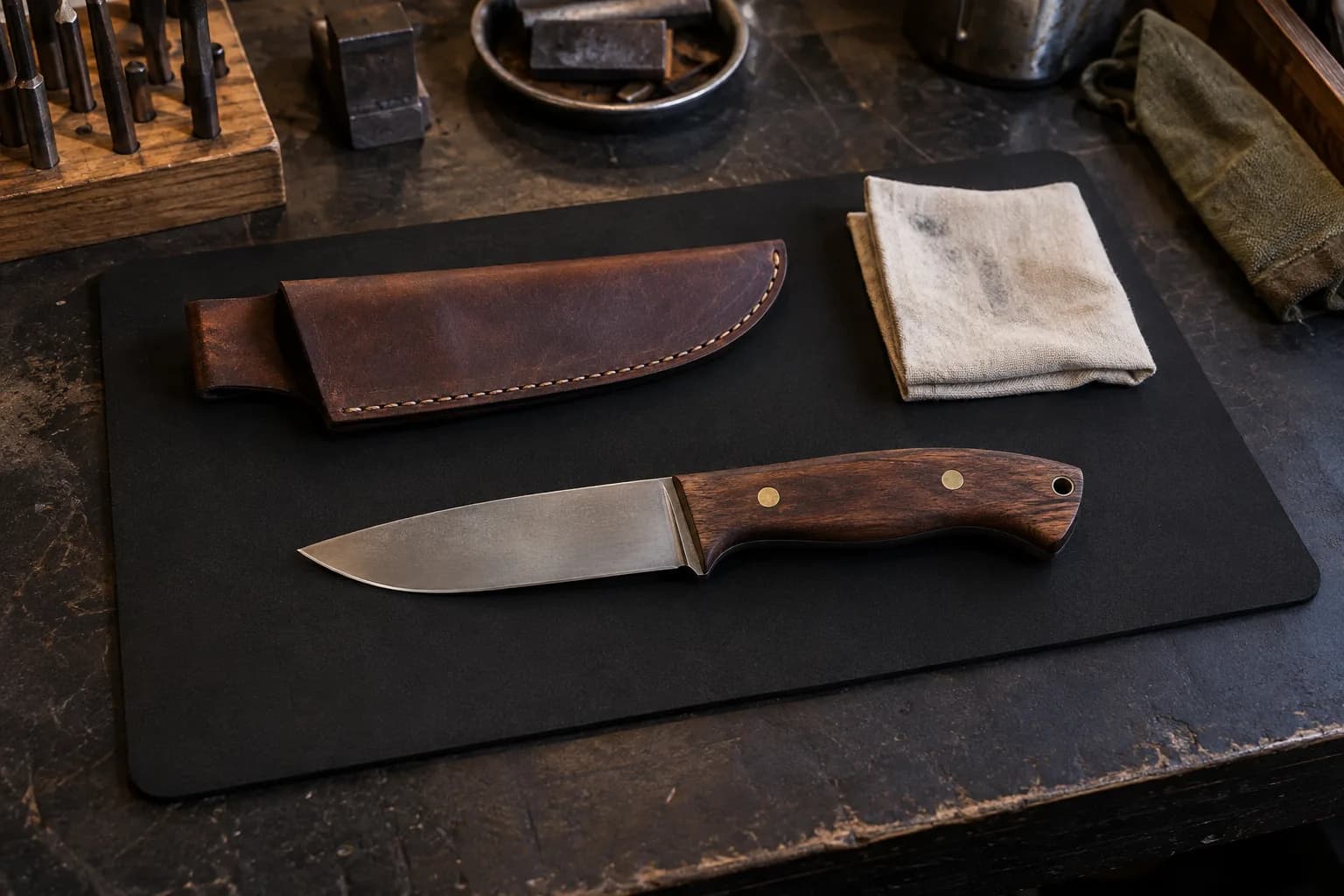
Bare satin knife with brown wood handle on a black pad, with a stitched leather sheath and folded cloth set apart
  1. When to stop

    Surface rust caught early is a maintenance issue, not a safety one, keep using and caring for the blade normally. If pitting has gone deep enough to weaken the edge or create sharp internal corrosion pockets, have the blade reground rather than continuing to use a compromised edge.

Keep reading

Guides that cover the cause

The long-form version of the fix above, written from the same bench.

Same bench

When the machine is the cause

Flex, a soft platen or a tracking knob that will not hold can show up as a bad grind. I machine the parts, hand-assemble, track and test each Torus grinder in Sterling, Illinois.
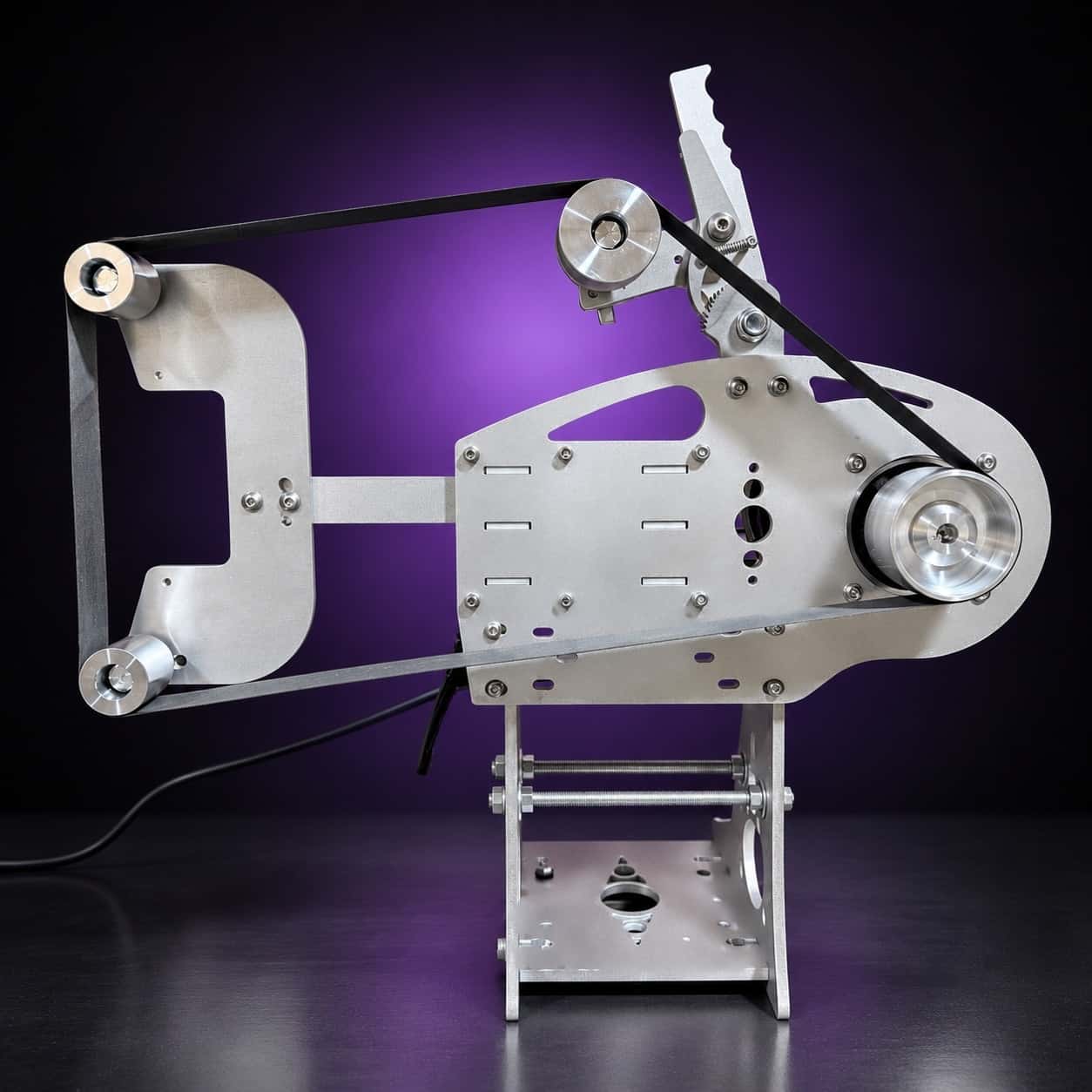
  • Nebula 2x72 grinder, front three-quarter view: aluminum arm, black plate, Safety Rules label, on black with a purple glow
    SaleLimited release · 3 remain

    Torus Nebula 2x72 - Corvus Edition

    Current dual-axis platform with a steel chassis, more mass and less vibration.

    These are the last Nebula chassis available until the next release. Once this run sells out, availability pauses until the next run is ready.

    Next release: 10 more chassis expected Nov 17–Nov 24 (3–4 weeks from Oct 27).
    Starts at$1,195Was $1,495View
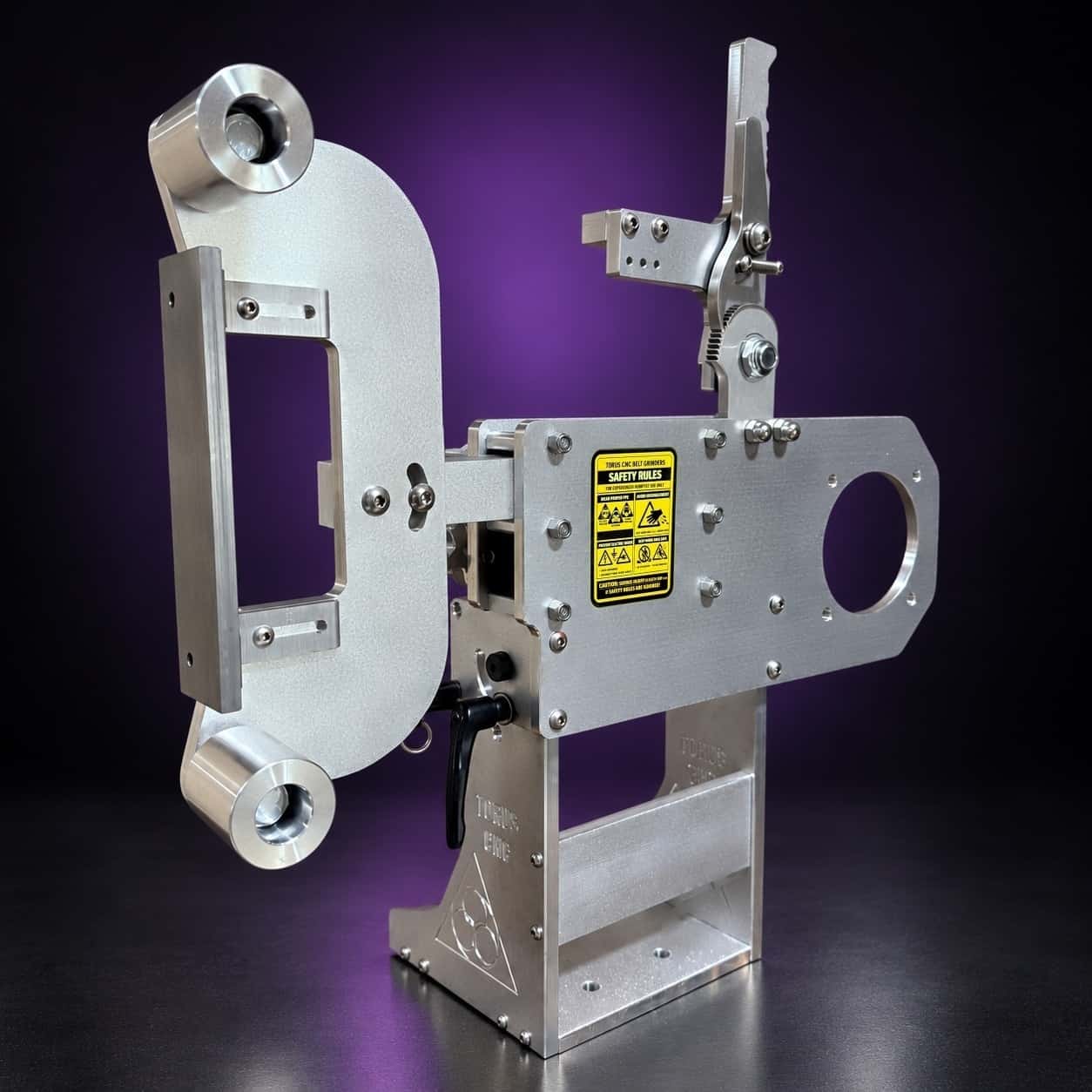
  • Classic aluminum 2x72 grinder, side view with flat-platen tool arm and yellow Safety Rules label, on black with a purple glow
    Sale

    Torus 2×72 Classic Aluminum Belt Grinder

    Prior-design aluminum chassis, 90-degree tilt and 1.5-inch tooling arms.
    Starts at$995Was $1,095View

One-man shop

Not sure which cause you have?

Send me a photo and describe what happened before it went wrong. Include the machine, belt and steel when they are relevant.